Loading subject page…


41,216 views


Video Summary: Special Considerations While Measuring Oxygen Saturation Explained
Did you know that a patient's anxiety can actually alter their breathing pattern and skew oxygen saturation readings? Understanding special considerations while measuring oxygen saturation is crucial for accurate patient assessment. In clinical settings like those at Johns Hopkins Hospital, healthcare providers must carefully observe respiratory patterns while simultaneously monitoring pulse rates to ensure reliable data collection. These Special Considerations While Measuring Oxygen Saturation Explained techniques prevent patient distress while maintaining measurement accuracy. Watch the full video on JoVE Coach to master this concept with expert-led visuals and step-by-step explanations.
Accurate oxygen saturation measurement requires more than simply placing a pulse oximeter on a patient's finger. Healthcare providers must consider multiple physiological and psychological factors that can influence both the measurement process and the reliability of results. The integration of respiratory rate assessment with pulse monitoring represents a fundamental skill in clinical practice, particularly important for students preparing for nursing licensure exams like the NCLEX-RN or medical school entrance exams such as the MCAT.
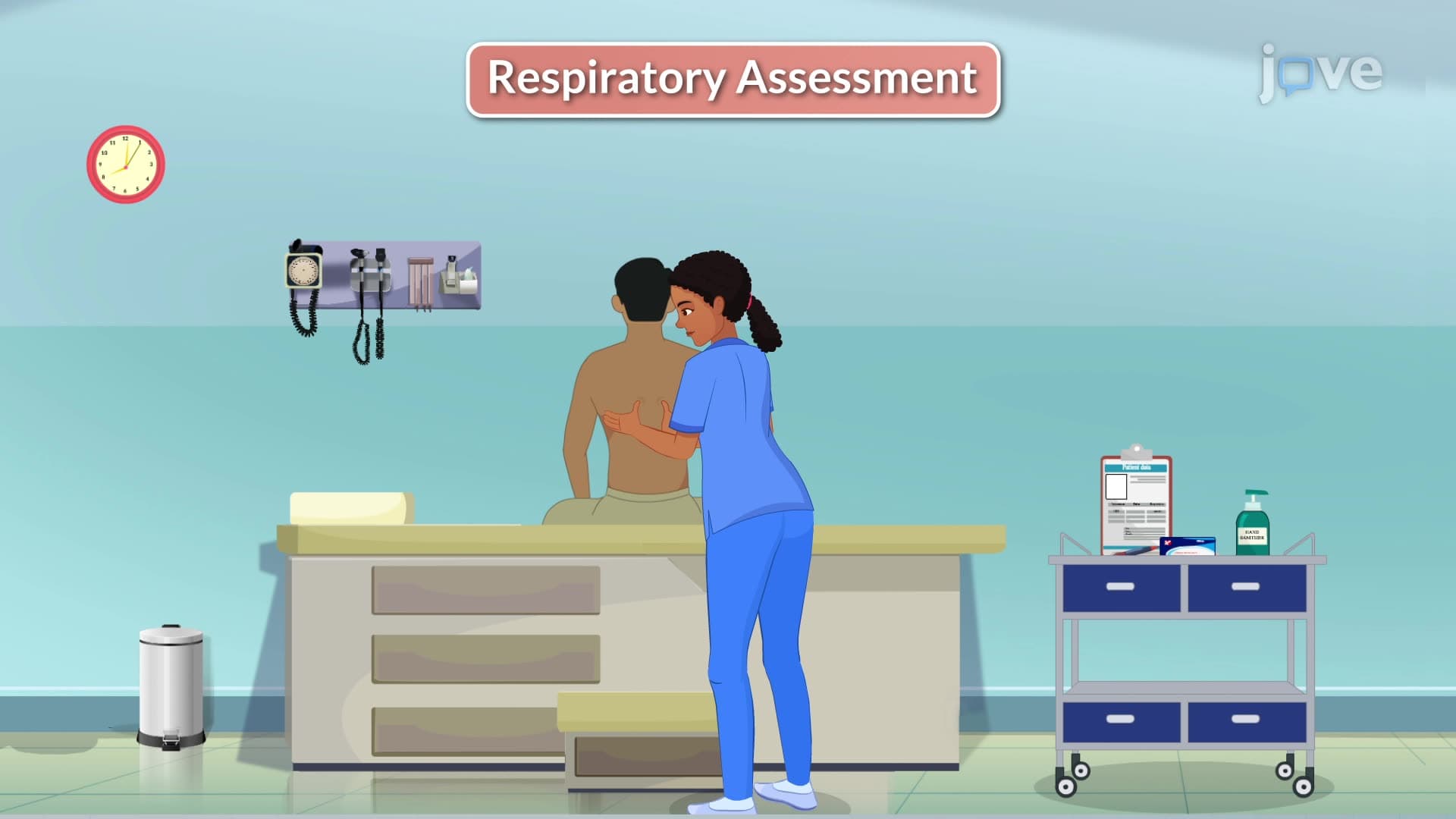
The key principle behind measuring respiratory rate while assessing pulse lies in preventing patient awareness of respiratory monitoring. When patients become conscious that their breathing is being observed, they often alter their natural breathing pattern, leading to inaccurate measurements. This phenomenon, similar to the observer effect in physics, demonstrates why healthcare providers at institutions like the Mayo Clinic and Cleveland Clinic train their staff to assess respiration discretely.
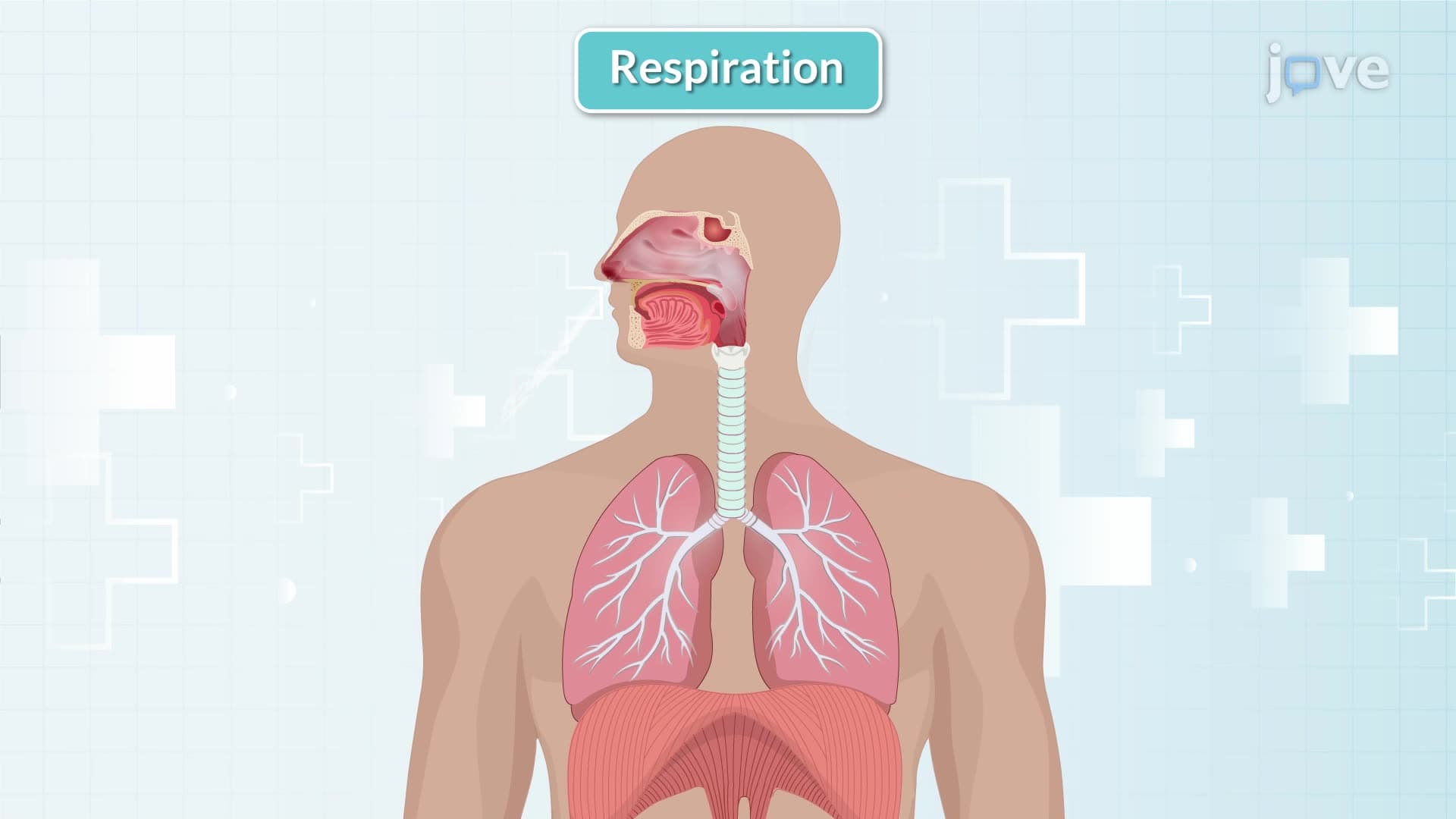
The standard technique involves counting chest rises and falls for either 30 seconds (multiplied by two) or a full minute, depending on the patient's condition and institutional protocol. Students studying for AP Biology or college-level anatomy and physiology courses should understand that one complete respiratory cycle consists of both inspiration and expiration phases, representing the fundamental unit of measurement.
Normal adult respiratory rates range from 12-20 breaths per minute, but healthcare providers must recognize various pathological patterns. Tachypnea (rapid breathing above 20 breaths per minute) might indicate conditions like pneumonia or anxiety disorders, while bradypnea (slow breathing below 12 breaths per minute) could suggest central nervous system depression or certain medications' effects.
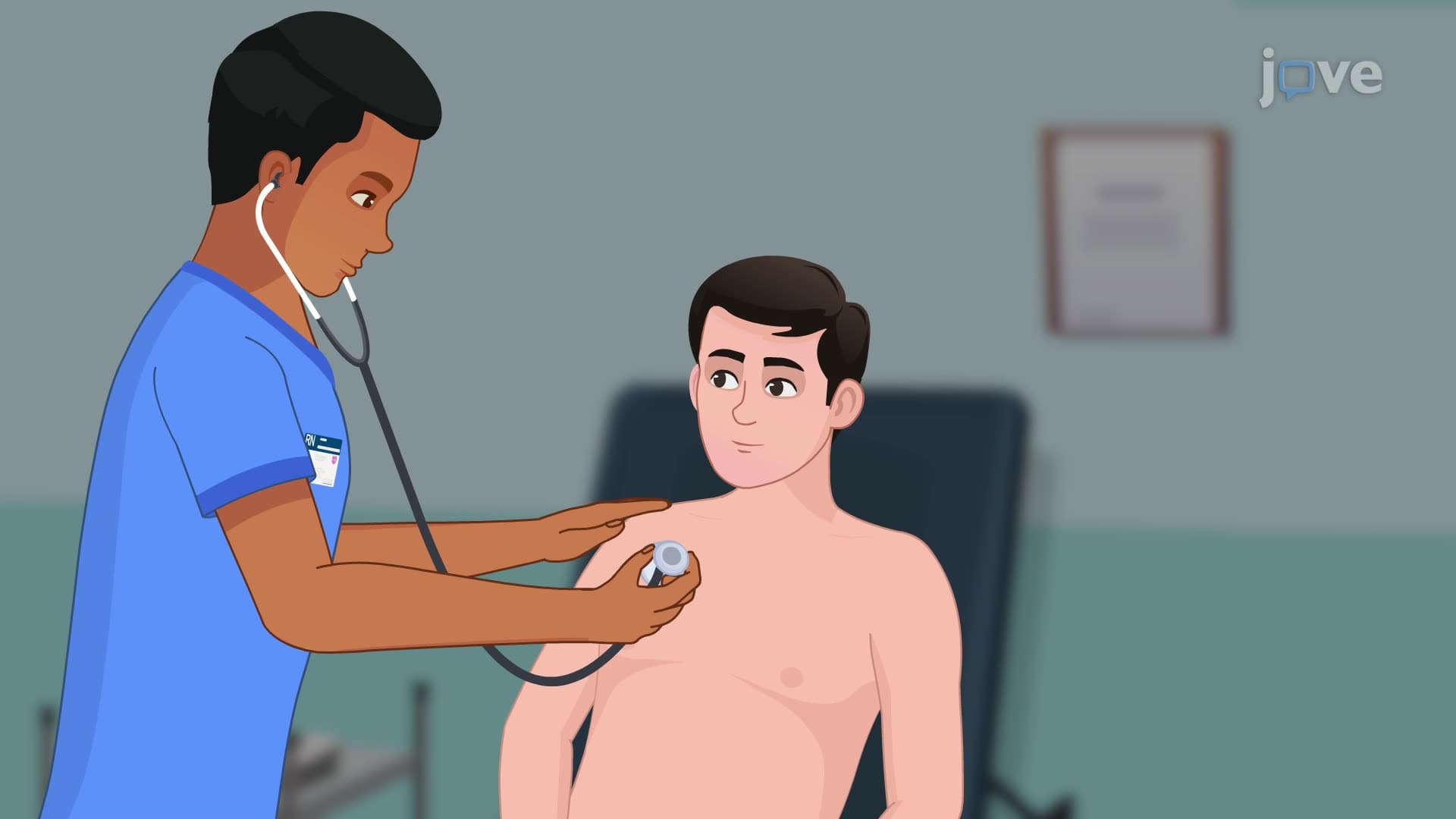
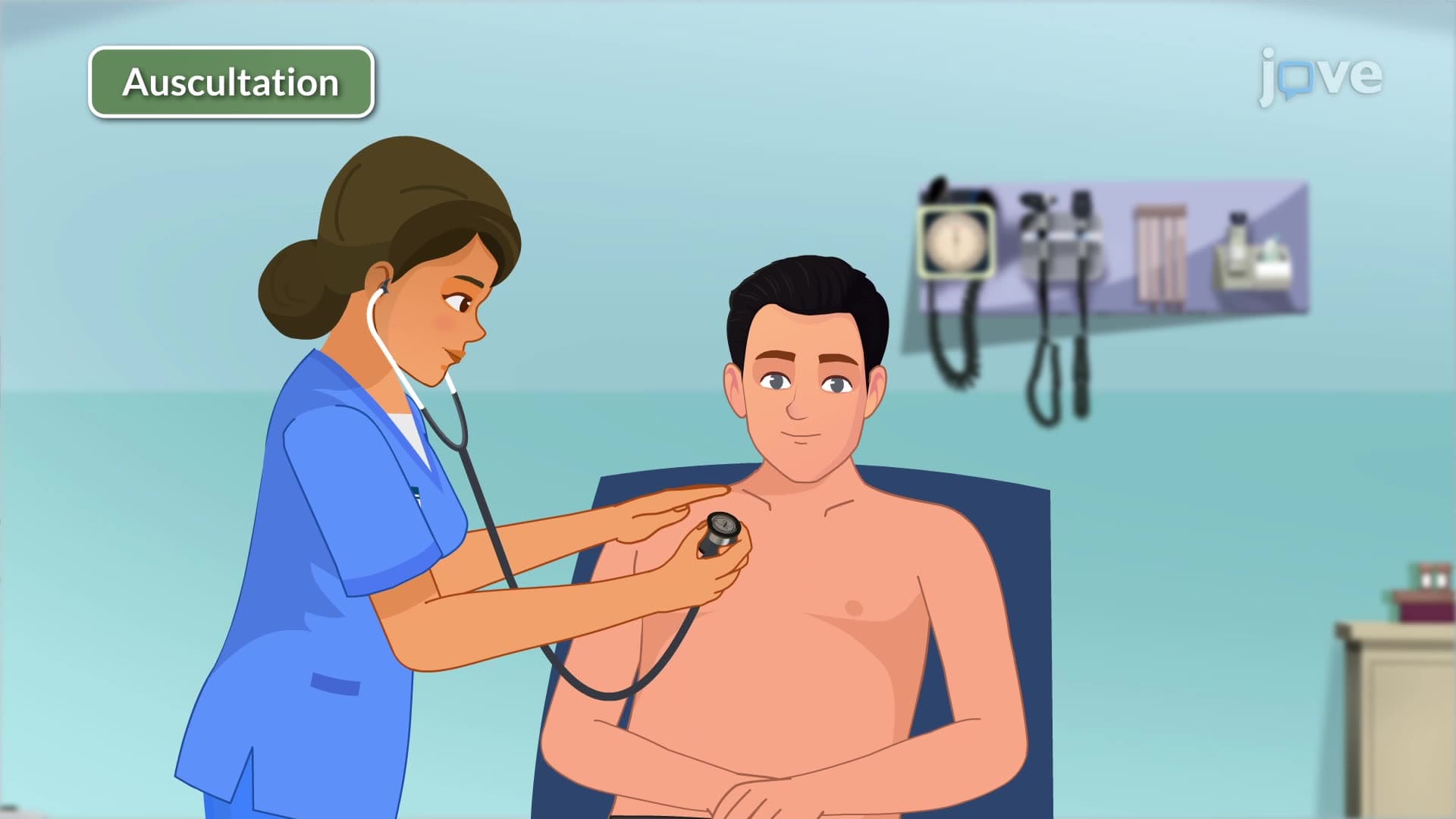
Visual assessment extends beyond simple counting to include observation of accessory muscle use, nasal flaring, and chest wall movement patterns. These clinical signs, frequently tested on nursing entrance exams like the HESI A2 and TEAS, provide crucial information about respiratory effort and potential underlying pathology.
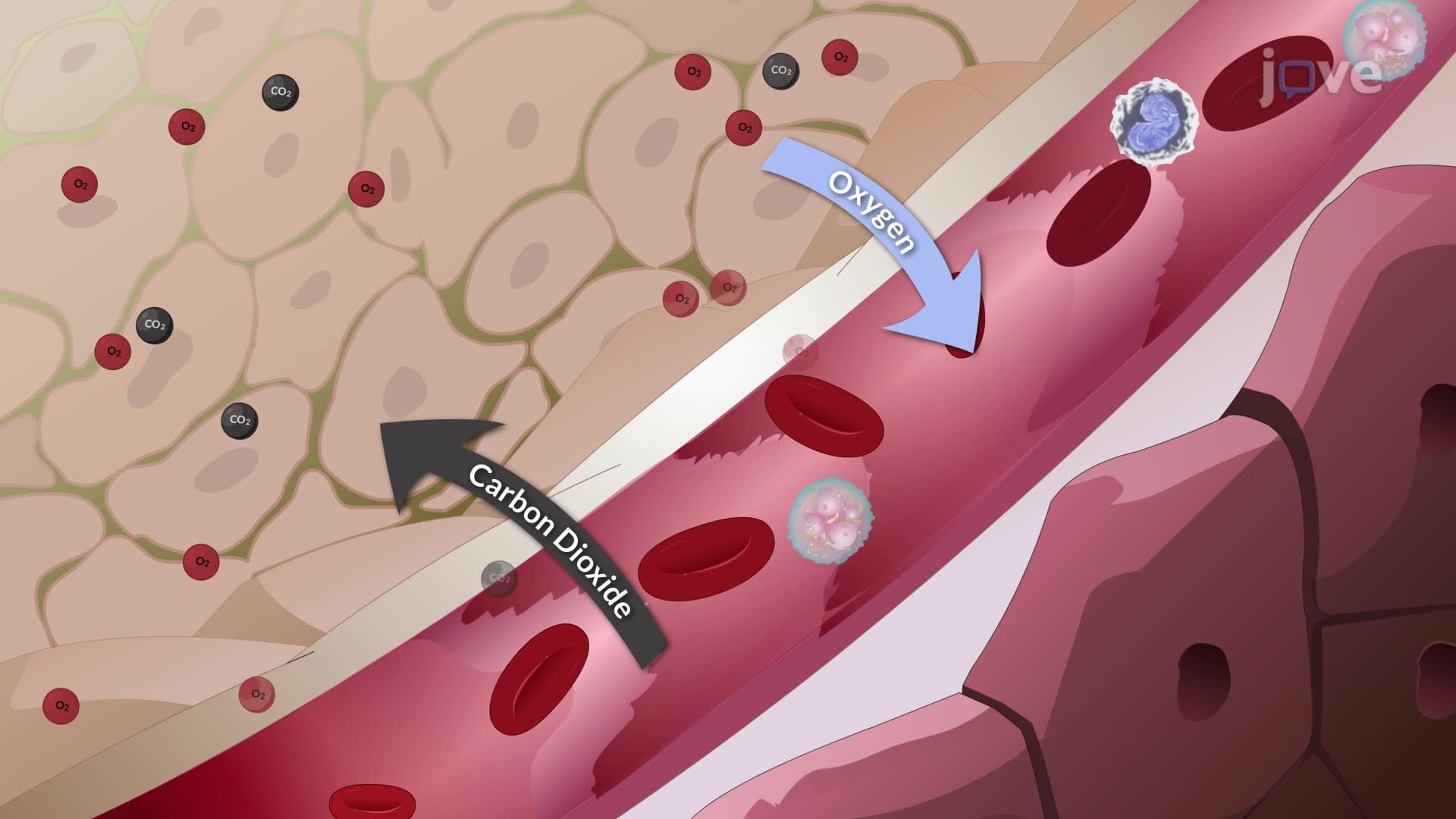
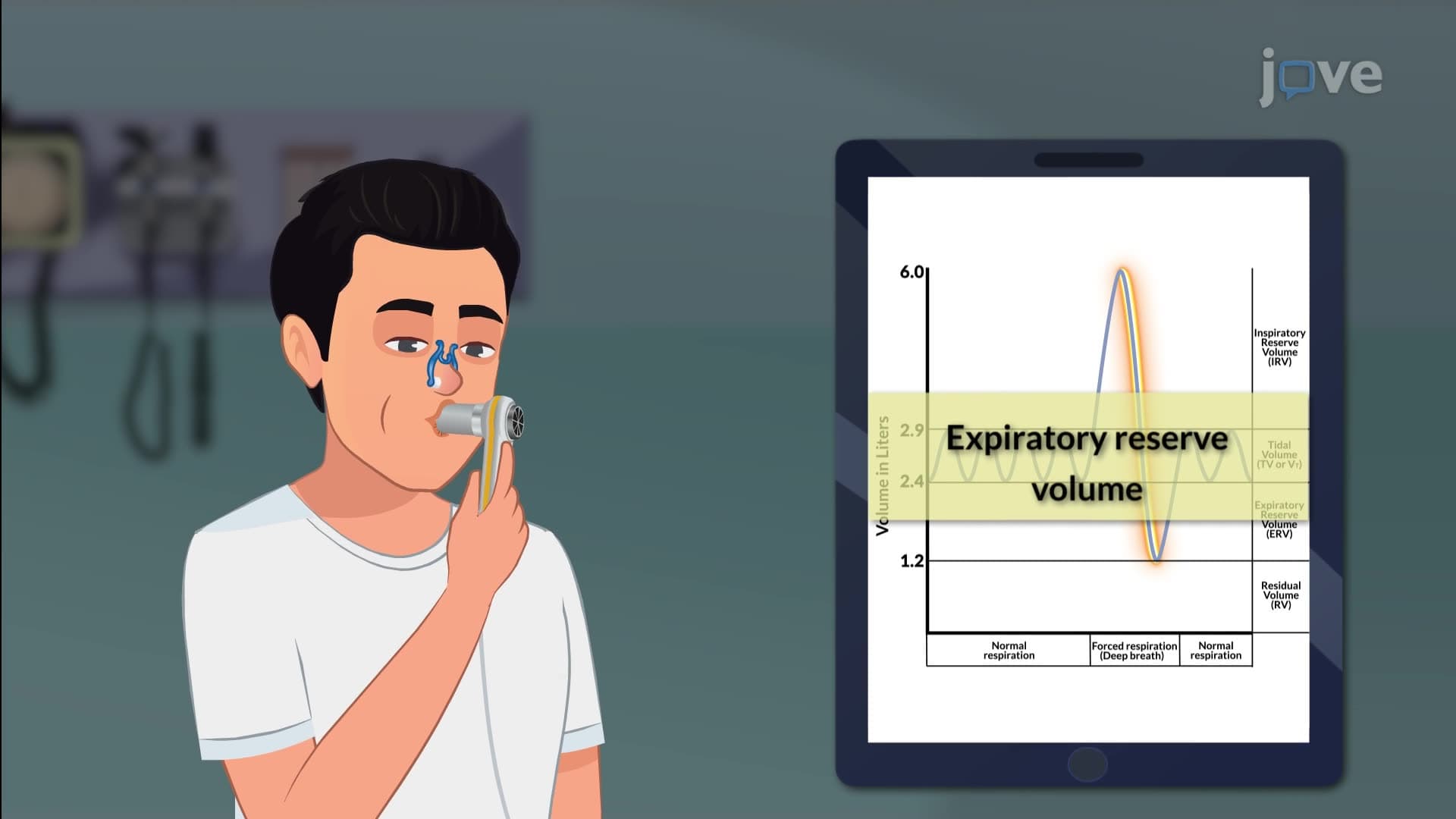
Modern healthcare facilities utilize both pulse oximetry and arterial blood gas analysis to assess oxygenation status comprehensively. While pulse oximetry provides continuous, non-invasive monitoring with readings typically above 95% in healthy individuals, arterial blood gas analysis offers more detailed information about acid-base balance and carbon dioxide levels. Understanding when to escalate from pulse oximetry to arterial blood gas analysis represents critical clinical judgment skills emphasized in medical and nursing education programs across universities like Johns Hopkins, UCLA, and the University of Pennsylvania.
Related Micro-courses