Loading subject page…


41,216 views

Video Summary: Mechanism of Breathing Ii Expiration Explained
Ever wonder how Olympic swimmers like Katie Ledecky control their breath for those incredible underwater segments? The mechanism of breathing ii expiration is a precisely orchestrated process where inspiratory muscles relax, the diaphragm contracts the pleural cavity, and increased alveolar pressure forces air out when it exceeds atmospheric pressure. During labored breathing-like when a marathon runner crosses the finish line-abdominal and internal intercostal muscles actively assist expiration by contracting the thoracic cavity. Watch the full video on JoVE Coach to master this concept with expert-led visuals and step-by-step explanations.
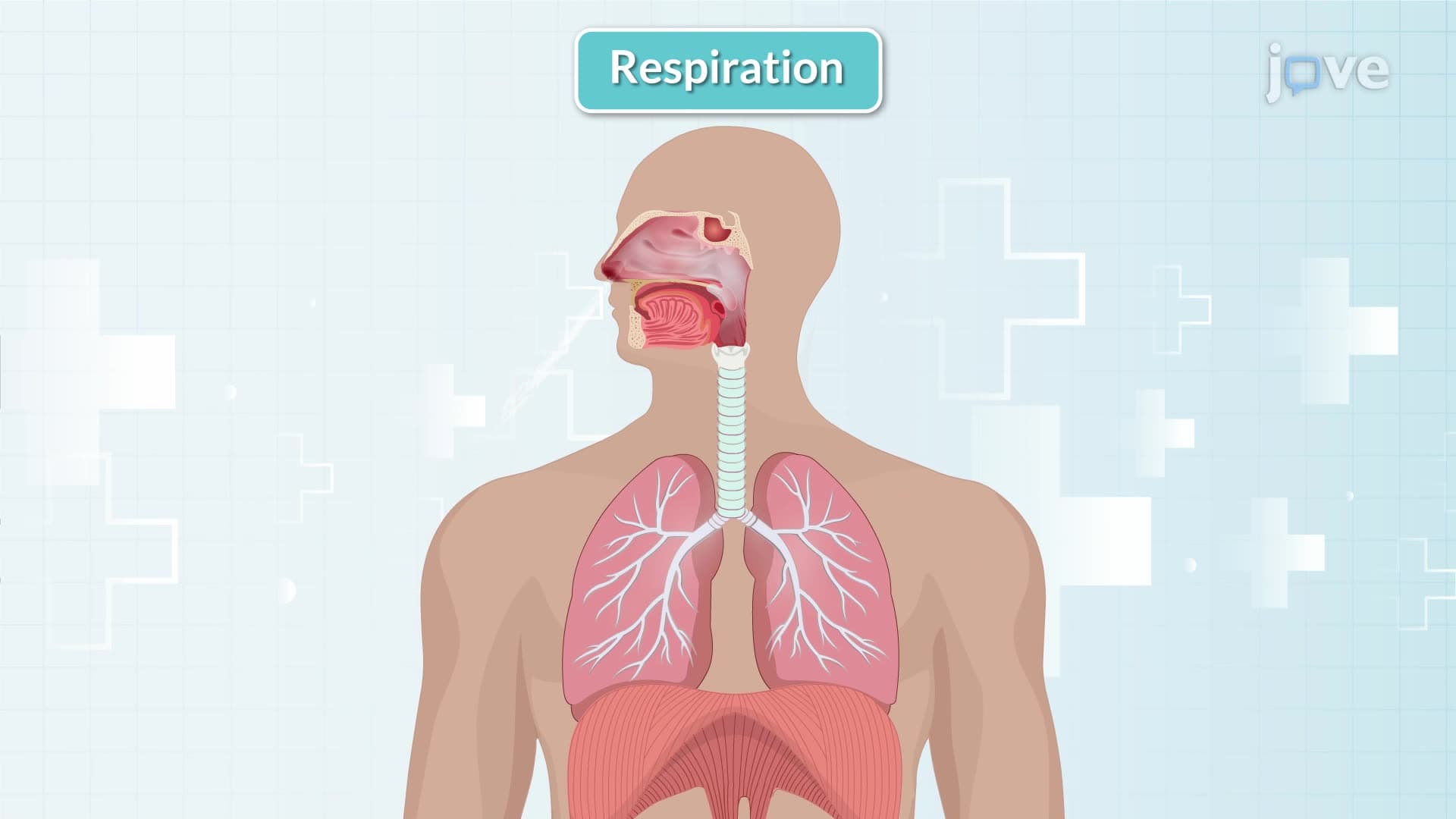
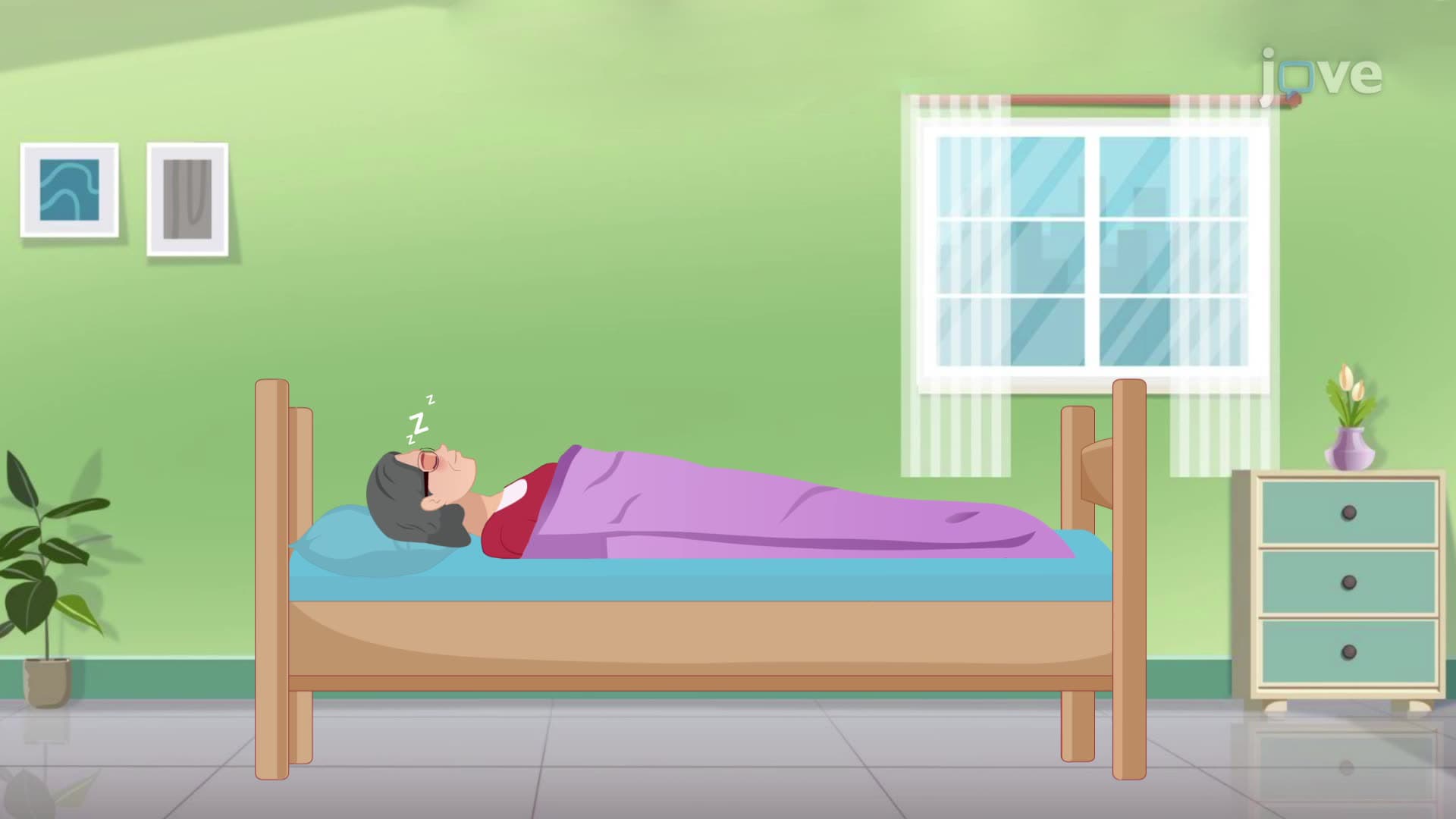
Expiration represents the second phase of the respiratory cycle, fundamentally different from inspiration in its passive nature. While inspiration requires active muscle contraction, normal expiration relies on the natural elastic properties of lung tissue and the relaxation of inspiratory muscles. This elegant mechanism ensures continuous gas exchange without conscious effort, operating seamlessly whether you're sleeping, studying for the MCAT, or running track practice.
The driving force behind expiration lies in pressure relationships within the respiratory system. When inspiratory muscles relax, the diaphragm moves upward, reducing thoracic volume. This compression increases alveolar pressure above atmospheric pressure (760 mmHg at sea level), creating the pressure gradient necessary for airflow. Air naturally moves from high pressure (alveoli) to low pressure (atmosphere), following basic physics principles tested on AP Biology exams.
Medical students studying for the USMLE Step 1 must understand that this pressure differential is crucial for normal ventilation. In pathological conditions like pneumothorax, disruption of pleural pressure can impair this mechanism, leading to respiratory distress commonly seen in emergency departments across US hospitals.
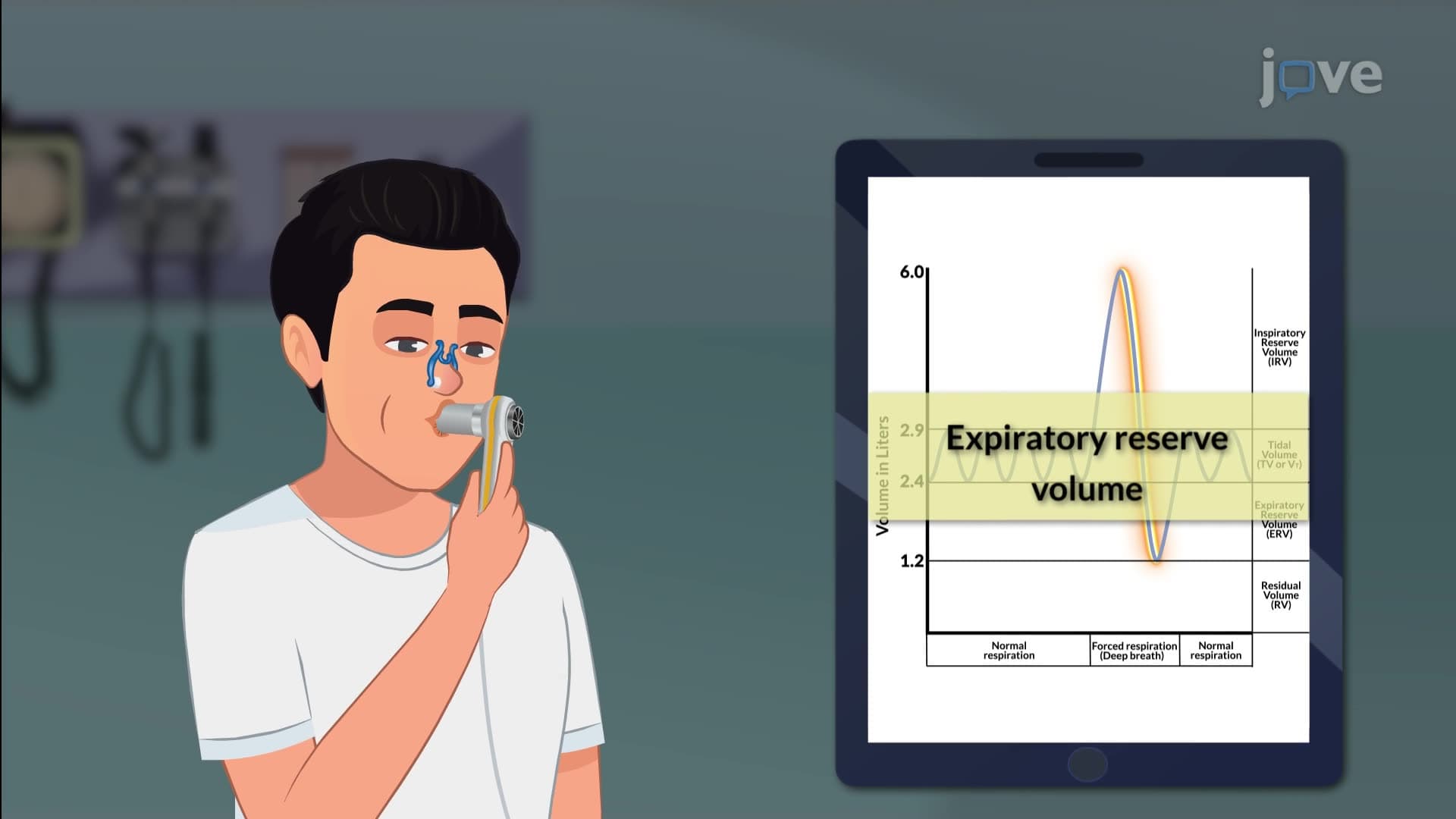
During quiet breathing, expiration is entirely passive, powered by elastic recoil of lung tissue stretched during inspiration-similar to releasing a stretched rubber band. However, during exercise, illness, or forced breathing maneuvers (like those performed in pulmonary function tests at US hospitals), active expiration engages additional muscles.
The internal intercostal muscles and abdominal muscles become primary players during active expiration. Internal intercostals pull the ribcage downward and inward, while abdominal muscles push the diaphragm upward by increasing intra-abdominal pressure. This coordinated effort significantly increases expiratory airflow-essential for activities like playing wind instruments in high school band or competitive swimming.
Understanding expiration mechanisms proves essential for healthcare careers. Respiratory therapists in US hospitals use this knowledge when setting ventilator parameters, while physical therapists incorporate breathing exercises into rehabilitation programs. For pre-med students, mastering these concepts is crucial for MCAT success, particularly in passages involving respiratory physiology and gas exchange disorders.
Related Micro-courses