Loading subject page…


41,215 views


Video Summary: Respiratory Volumes and Capacities I Explained
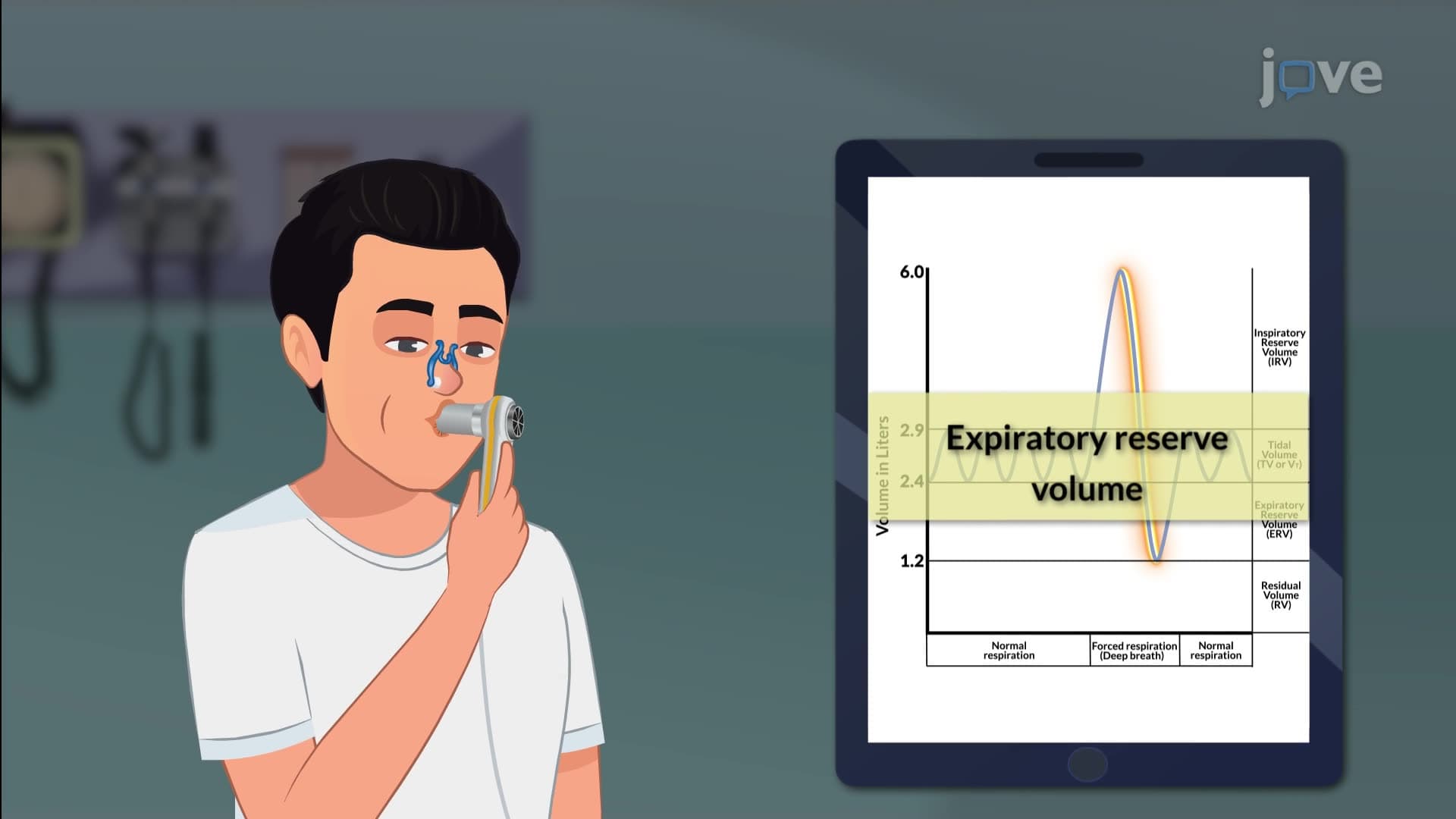
Did you know that your lungs can hold up to 6,000 mL of air, yet you only use about 500 mL during normal breathing? Respiratory volumes and capacities form the foundation of pulmonary function testing, helping doctors diagnose conditions from asthma to COPD in millions of Americans. Understanding different breathing patterns-from normal eupnea to dangerous apnea-is crucial for recognizing respiratory distress in clinical settings. Watch the full video on JoVE Coach to master this concept with expert-led visuals and step-by-step explanations.
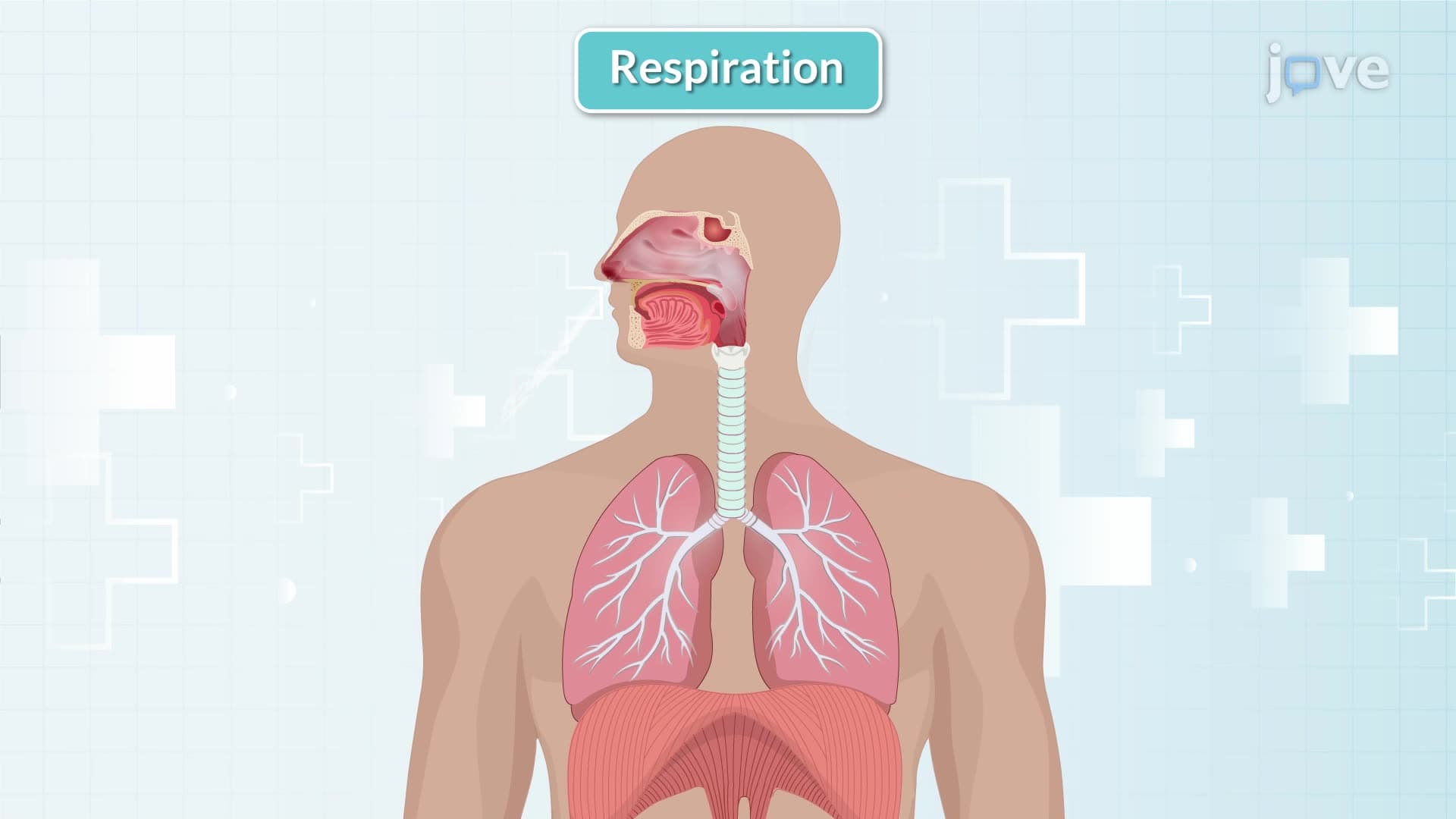
Respiratory volumes and capacities represent measurable aspects of lung function that provide critical insights into a patient's respiratory health. These measurements form the backbone of pulmonary function testing, helping healthcare providers diagnose everything from restrictive lung diseases to neuromuscular disorders affecting millions of Americans annually.
Eupnea, or normal resting breathing, serves as the clinical baseline for respiratory assessment. Characterized by 12-20 breaths per minute with regular rhythm and depth, eupnea represents optimal respiratory efficiency. In AP Biology and college anatomy courses, students learn that this pattern reflects proper coordination between the respiratory control centers in the medulla oblongata and the mechanical aspects of ventilation.
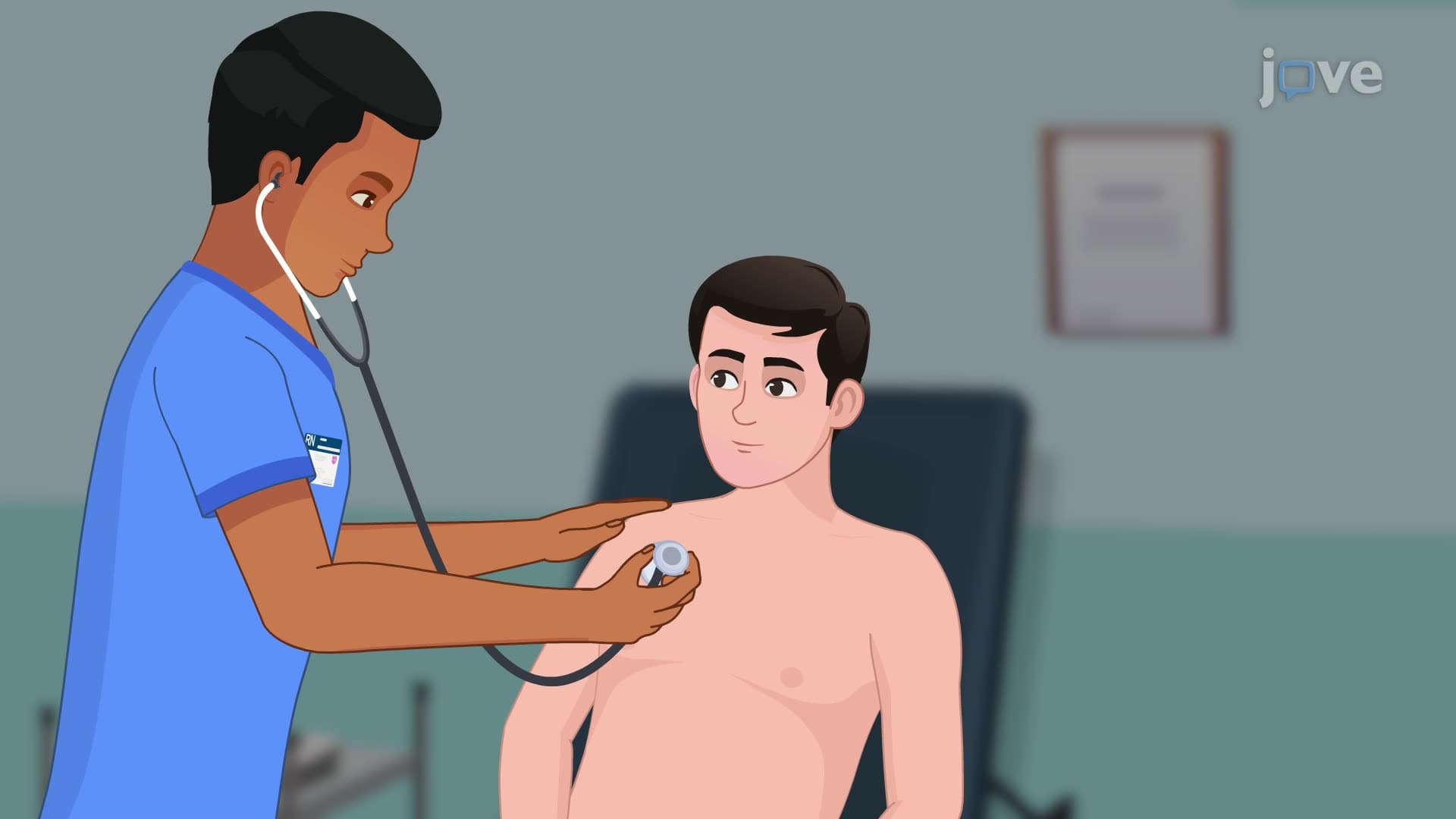
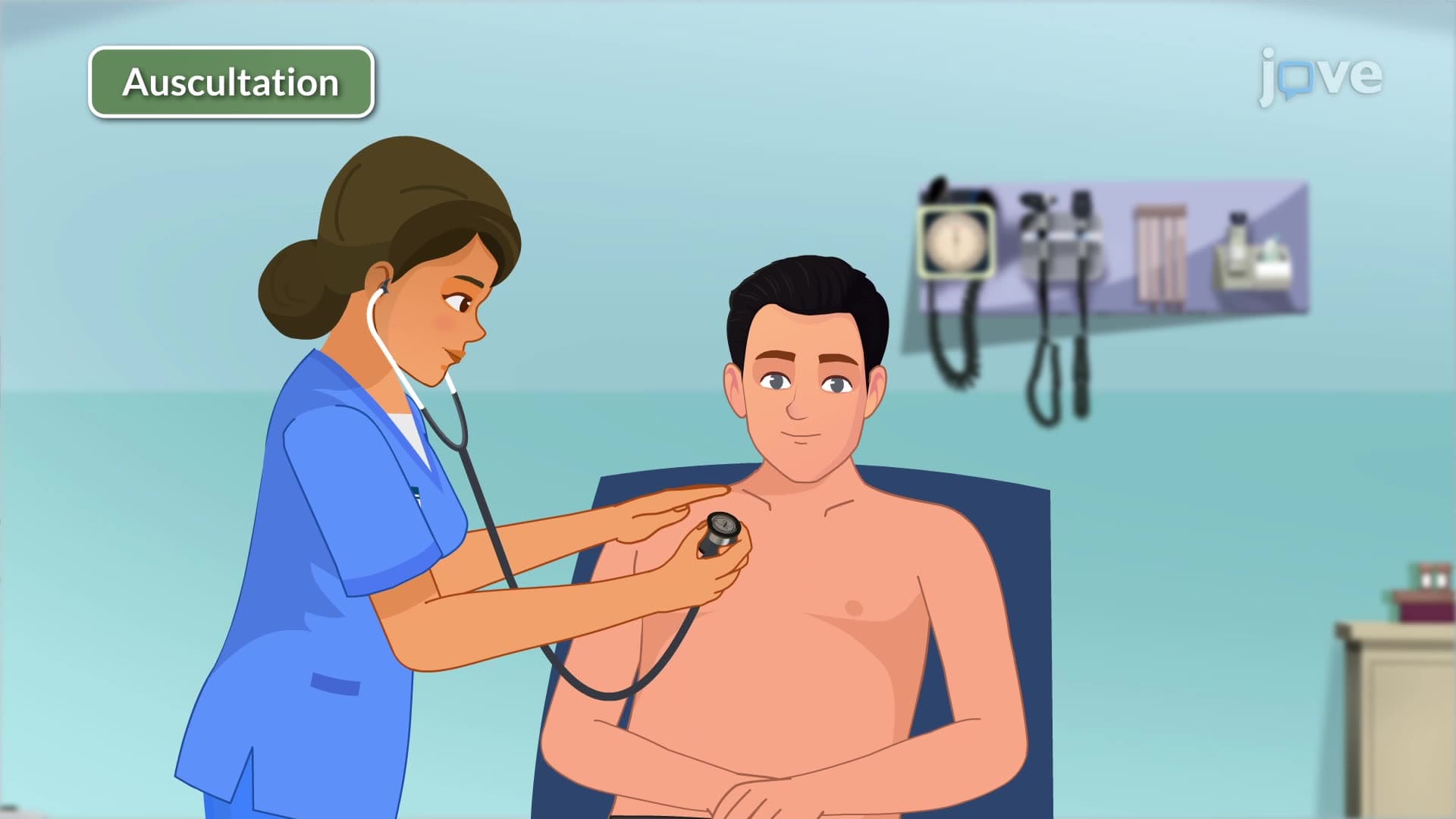
Healthcare professionals in US hospitals use eupnea as a reference point for identifying respiratory distress. For example, emergency room nurses at Johns Hopkins or Mayo Clinic immediately recognize deviations from normal breathing patterns as potential indicators of serious medical conditions requiring immediate intervention.
Bradypnea (fewer than 10 breaths per minute) represents a medical emergency often seen in cases of opioid overdose-a crisis affecting over 70,000 Americans annually. This decreased respiratory rate indicates severe respiratory center depression and requires immediate medical attention, often including naloxone administration in emergency departments across the country.
Tachypnea (greater than 20 breaths per minute) commonly presents in US emergency rooms due to various causes including anxiety disorders, diabetic ketoacidosis, or acute respiratory infections. Medical students preparing for the USMLE Step 1 must understand that tachypnea often compensates for metabolic acidosis or represents the body's response to decreased lung compliance in restrictive diseases.
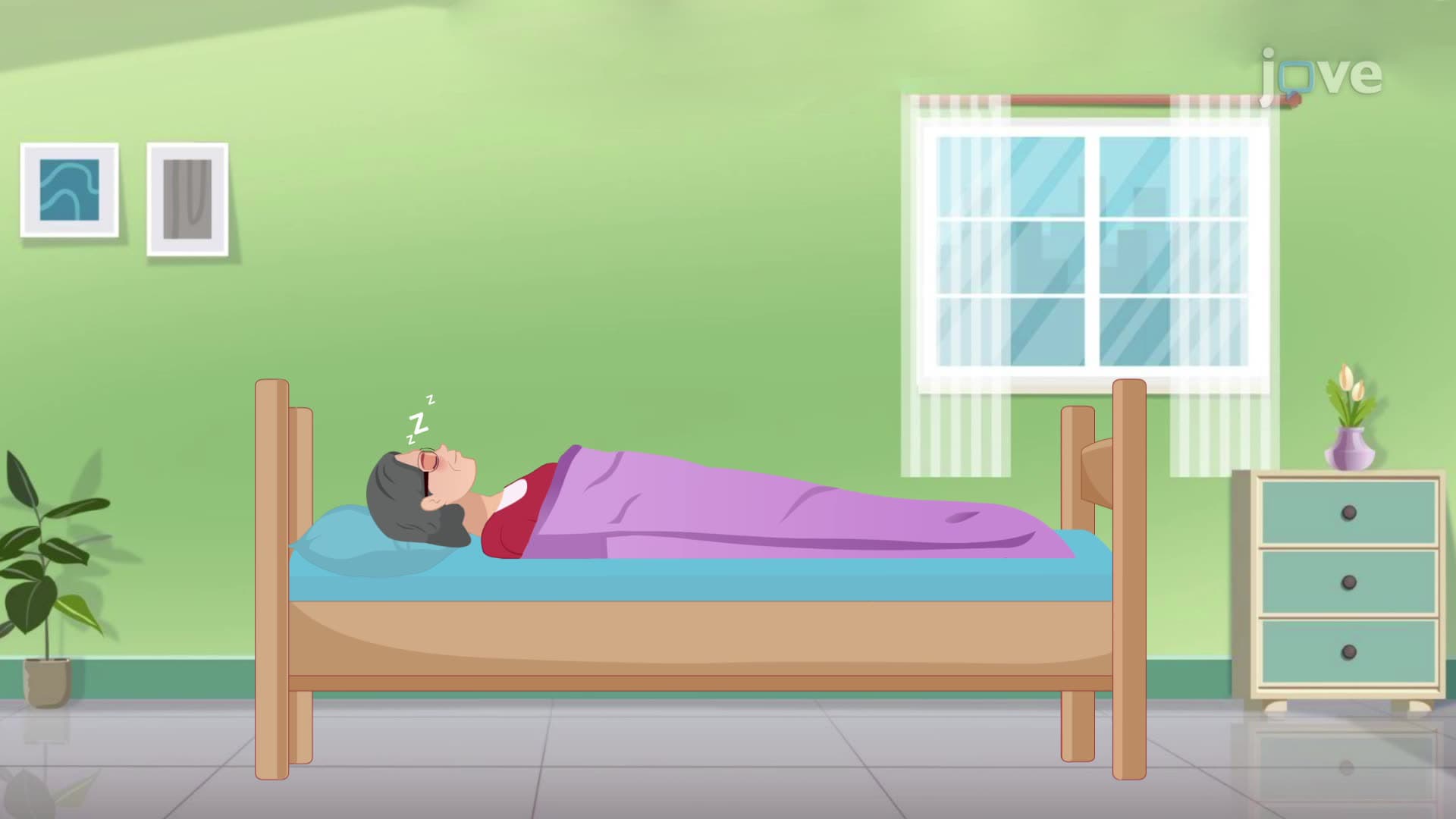
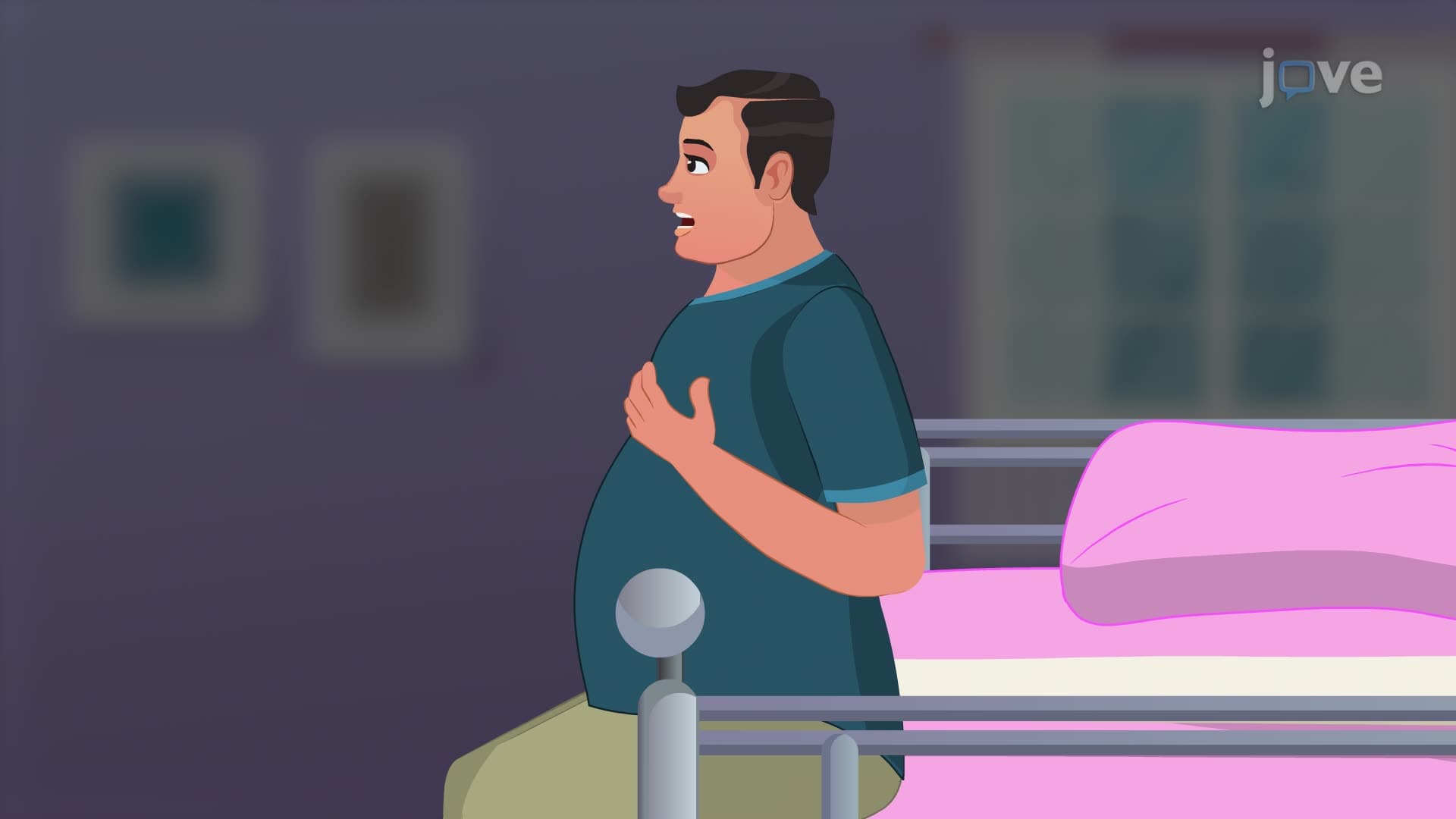
Apnea, the temporary cessation of breathing, represents the most serious breathing abnormality. Sleep apnea affects approximately 22 million Americans, while acute apnea in hospital settings can lead to brain damage within minutes. NCLEX exam questions frequently test nursing students on recognizing apnea patterns and implementing appropriate interventions to prevent respiratory arrest.
Related Micro-courses