Loading subject page…


41,215 views


Video Summary: What are Factors Affecting Respiration
Ever wonder why a marathon runner breathes differently than someone sitting quietly in a Denver classroom at 5,280 feet elevation? The factors affecting respiration create fascinating patterns in how our bodies adapt to different conditions throughout life. From a newborn's rapid 60 breaths per minute to an adult's steady 12-20 breaths, age dramatically influences respiratory patterns, while exercise, altitude, medications, and even body position reshape how we breathe. Watch the full video on JoVE Coach to master this concept with expert-led visuals and step-by-step explanations.
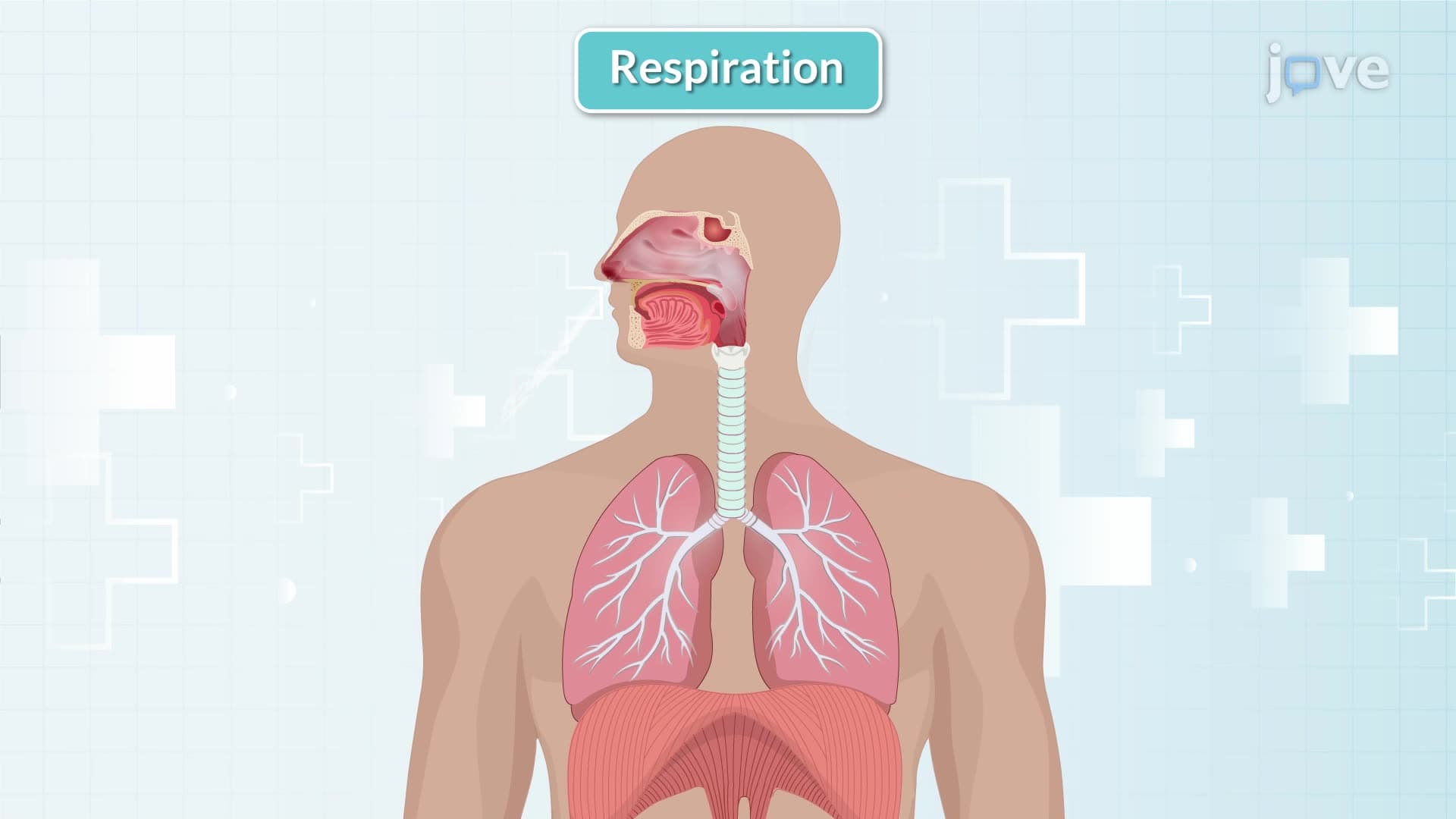
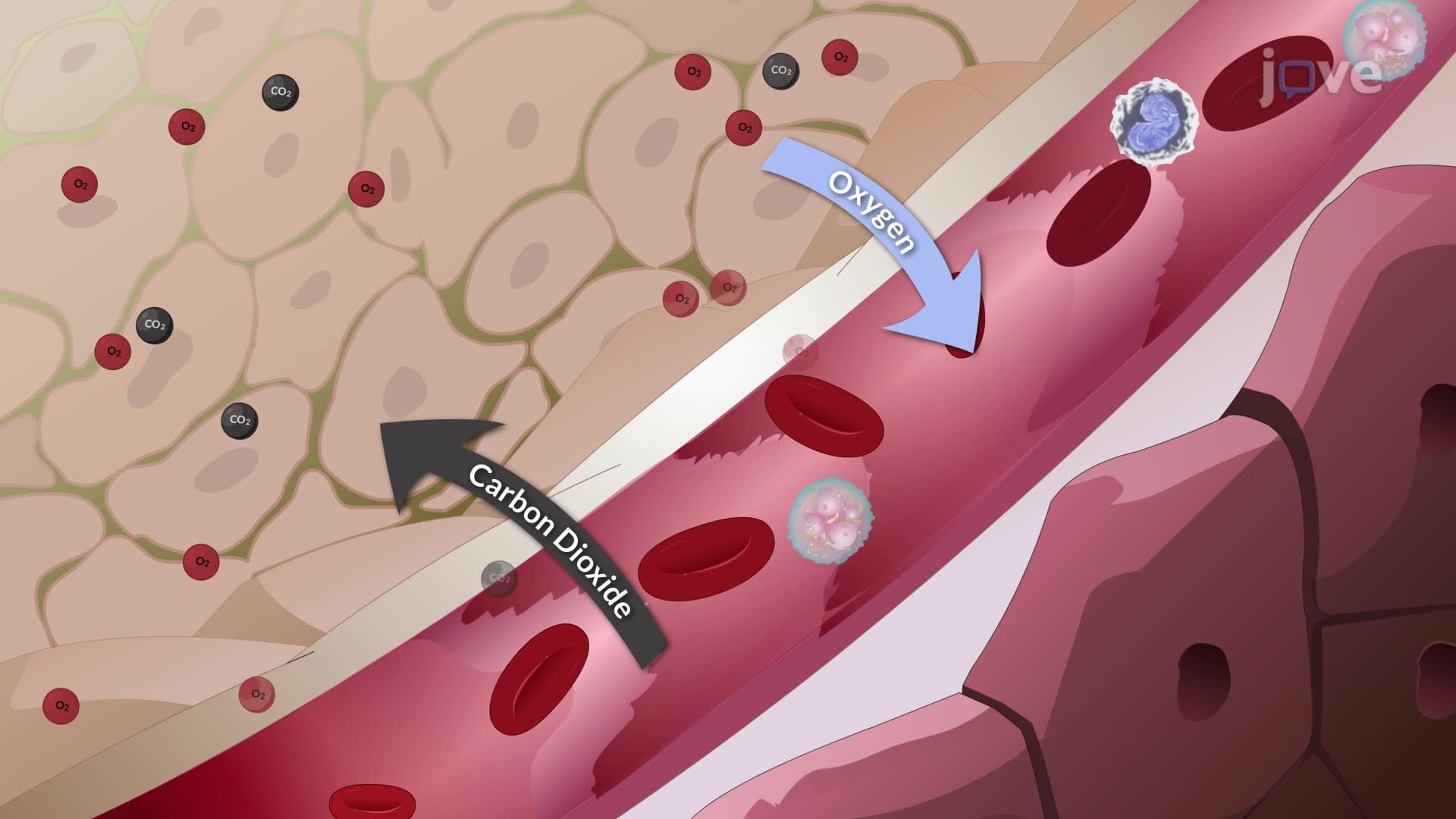
The factors affecting respiration represent a complex network of physiological, environmental, and pathological influences that continuously shape how we breathe. These factors work together through sophisticated feedback mechanisms involving the respiratory control centers in the medulla oblongata and pons, creating the precise breathing patterns necessary for optimal gas exchange and cellular metabolism.
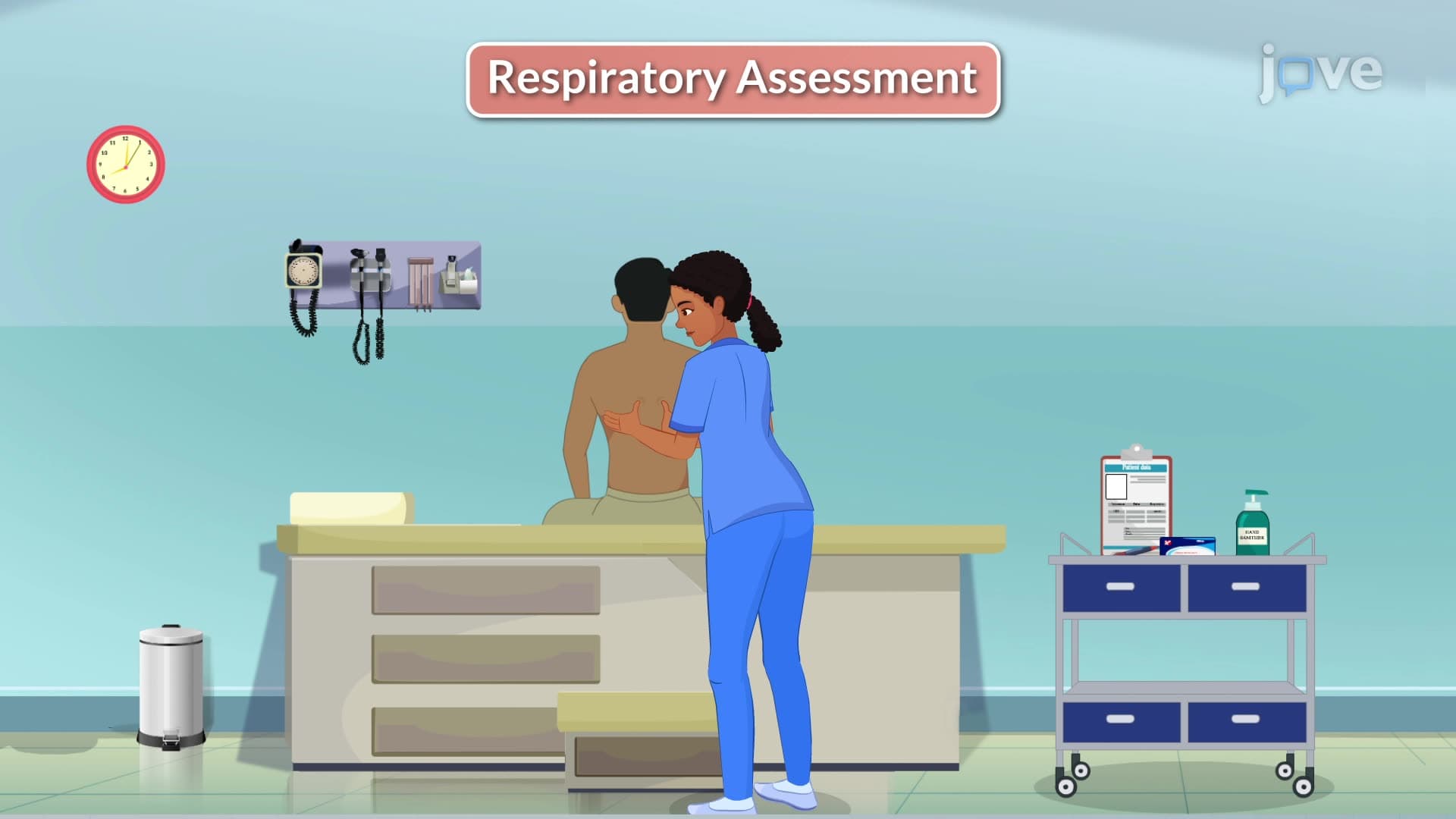
Age serves as one of the most fundamental factors affecting respiration, with dramatic variations from birth through elderly years. Newborns exhibit respiratory rates of 30-60 breaths per minute due to their higher metabolic demands, smaller lung capacity, and immature respiratory control systems. This rate progressively decreases as children mature, reaching the adult range of 12-20 breaths per minute by adolescence. Understanding these age-related changes proves crucial for healthcare students preparing for exams like the NCLEX-RN or HESI A2, where normal vital sign ranges across age groups frequently appear in assessment questions.
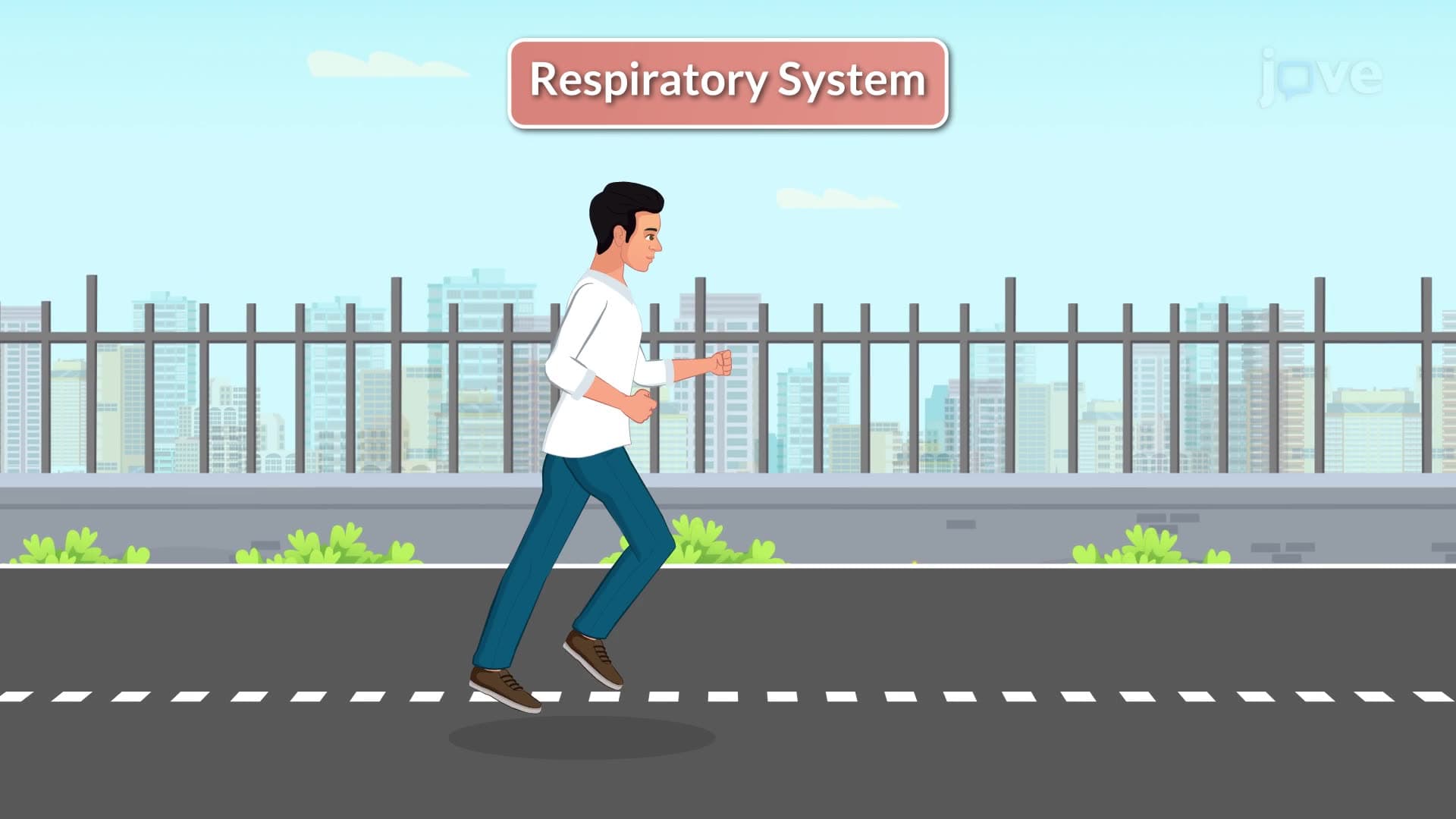
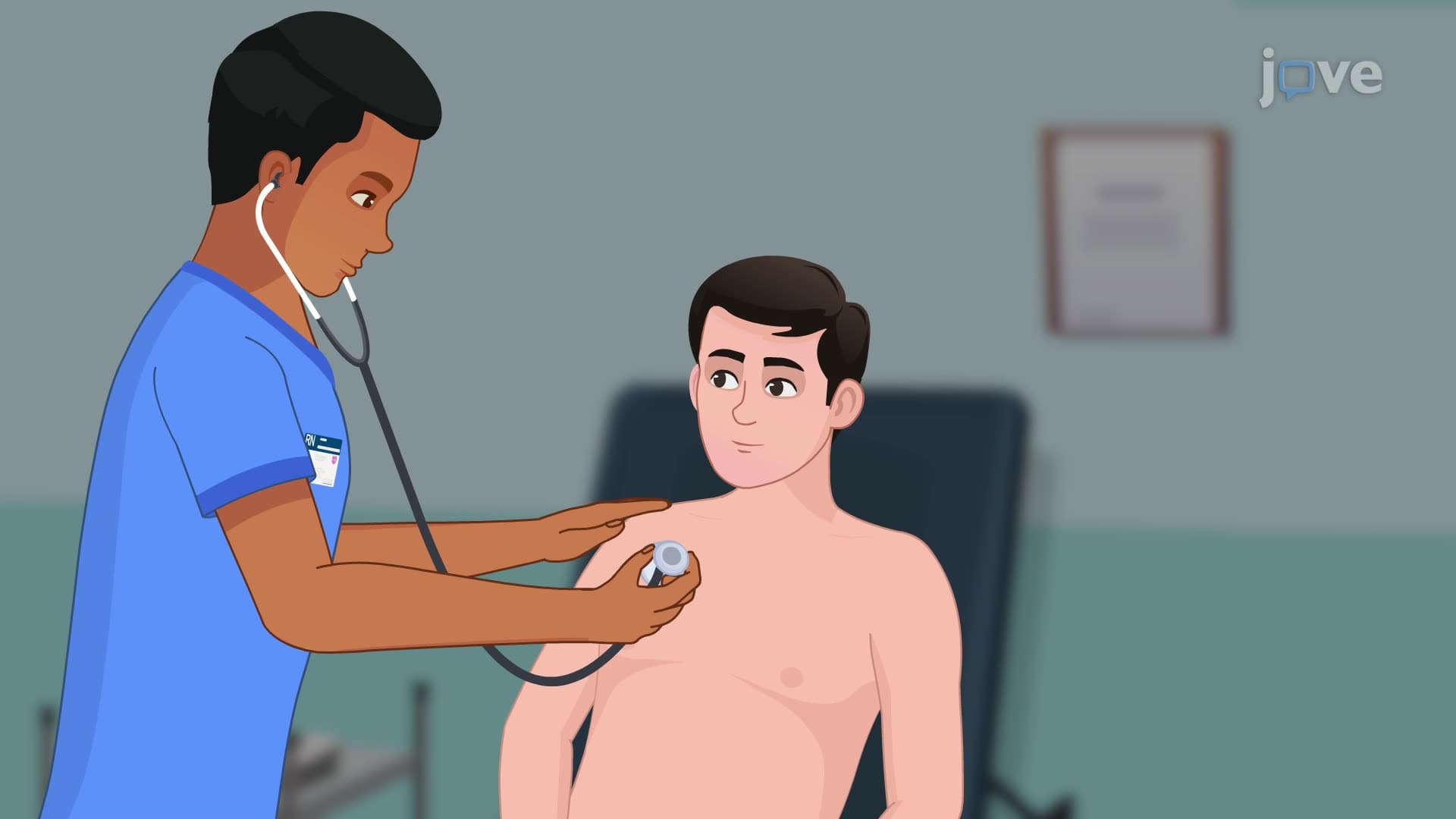
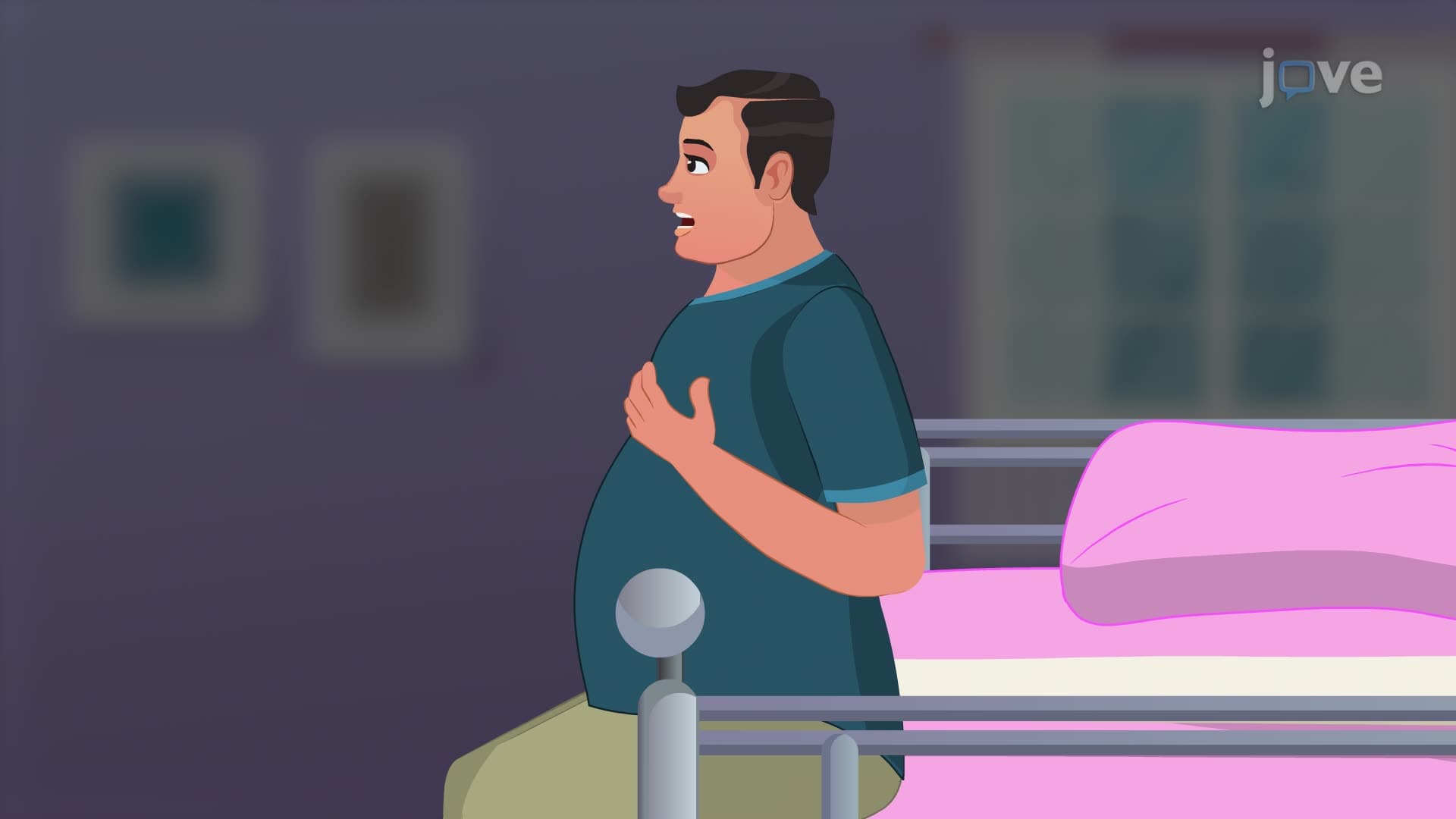
Exercise represents perhaps the most dramatic acute factor affecting respiration, with trained athletes capable of increasing their respiratory rate from 12 breaths per minute at rest to over 40 breaths per minute during intense activity. This adaptation involves both neural stimulation from the motor cortex and chemical feedback from elevated carbon dioxide levels and decreased blood pH. Body position significantly impacts respiratory mechanics-the supine position reduces functional residual capacity by approximately 20% compared to standing, explaining why patients with respiratory compromise often prefer sitting upright.
High altitude environments, such as those found in Colorado's Rocky Mountain region, create unique respiratory challenges. At Denver's elevation of 5,280 feet, the partial pressure of oxygen decreases, triggering compensatory increases in respiratory rate and depth. This physiological response involves the carotid and aortic bodies, specialized chemoreceptors that detect changes in blood oxygen levels and signal the respiratory control centers.
Chronic conditions create lasting changes in respiratory patterns that students encounter frequently in AP Biology and college-level physiology courses. Anemia reduces the blood's oxygen-carrying capacity, forcing the respiratory system to compensate with increased rate and depth. Conversely, chronic smoking damages alveolar surfaces and airways, leading to persistent respiratory rate elevation even during periods of smoking cessation.
Medications profoundly influence respiratory patterns through various mechanisms. Bronchodilators like albuterol work by relaxing smooth muscle in airways, often reducing respiratory effort and rate. Sedatives depress the respiratory control centers, potentially causing dangerous respiratory depression. Stimulants such as amphetamines increase overall metabolic activity, driving up respiratory rate and depth through central nervous system stimulation.
Related Micro-courses