Loading subject page…


41,215 views


Video Summary: What Is Alterations in Respiration Ii
Did you know that emergency room doctors can instantly recognize life-threatening conditions just by observing a patient's breathing pattern? Alterations in respiration reveal critical information about neurological and metabolic health, from brain injuries to heart failure. Consider a stroke patient at Johns Hopkins Hospital whose irregular, gasping breaths immediately signal damage to their respiratory control center. What is Alterations in Respiration II explores five distinct abnormal breathing patterns-Biot's, Cheyne-Stokes, Kussmaul's, hyperventilation, and hypoventilation-each providing diagnostic clues that can save lives. Watch the full video on JoVE Coach to master this concept with expert-led visuals and step-by-step explanations.
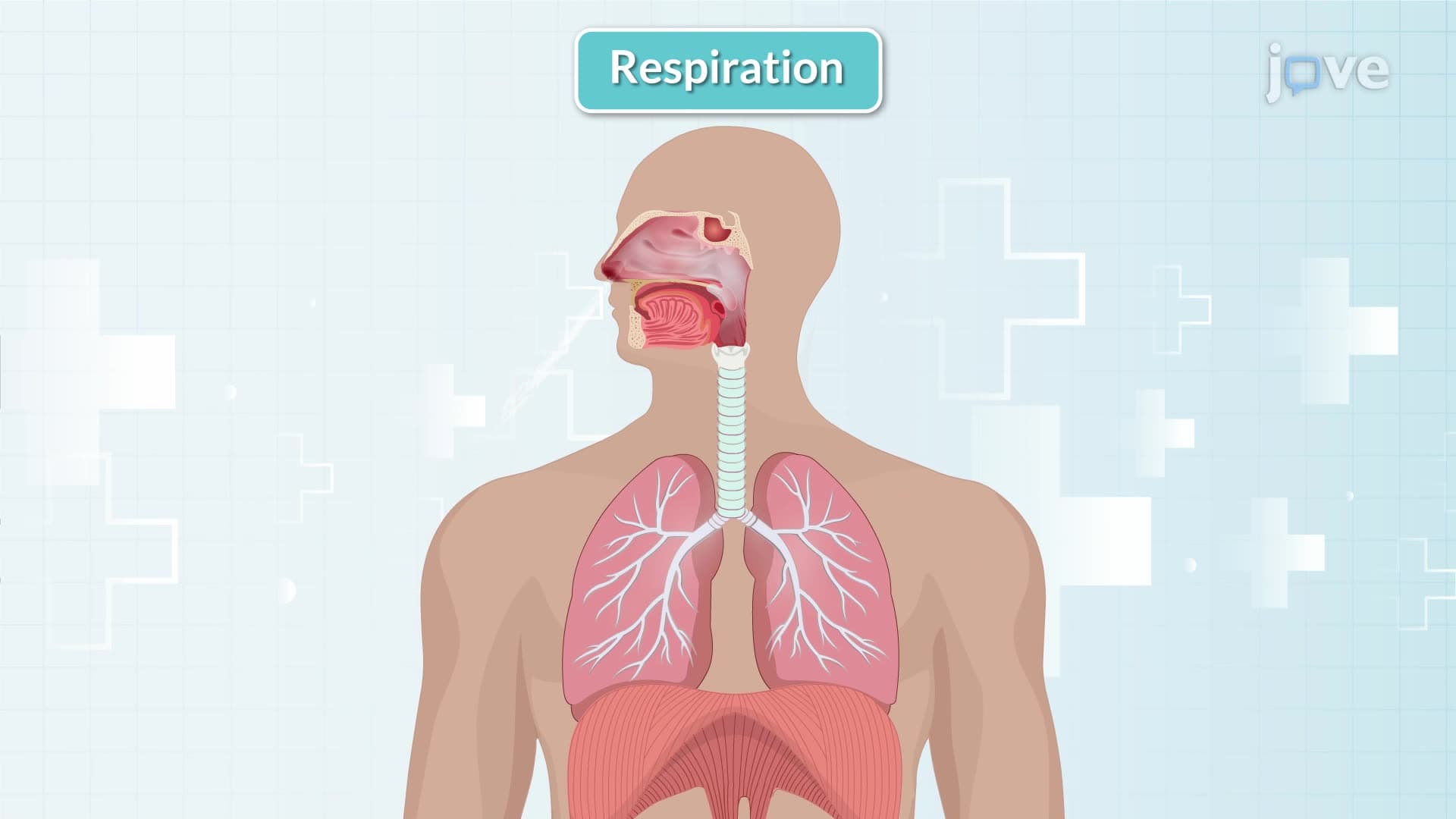
Alterations in respiration represent critical deviations from normal breathing patterns that provide essential diagnostic information in clinical settings. While healthy individuals maintain regular, effortless breathing at 12-20 breaths per minute, pathological conditions can dramatically alter respiratory rhythm, depth, and consistency. These changes often signal serious underlying medical emergencies requiring immediate intervention.
Biot's breathing presents as chaotic, irregular respiratory patterns with unpredictable periods of deep gasping followed by complete breathing cessation (apnea). This alarming pattern typically indicates severe damage to the medullary respiratory center, commonly seen in patients admitted to neurological intensive care units across major US hospitals like Mayo Clinic or Cleveland Clinic. Stroke patients, traumatic brain injury victims, and those suffering from bacterial meningitis frequently exhibit this pattern, making it a crucial diagnostic indicator for healthcare providers.
Cheyne-Stokes breathing follows a more predictable but equally concerning pattern, characterized by crescendo-decrescendo cycles. Breathing starts shallow and slow, gradually intensifies to abnormally deep and rapid respirations, then diminishes back to apnea before repeating the cycle. Cardiologists at institutions like the American Heart Association recognize this pattern as a hallmark of congestive heart failure, while neurologists associate it with increased intracranial pressure and brain stem dysfunction.
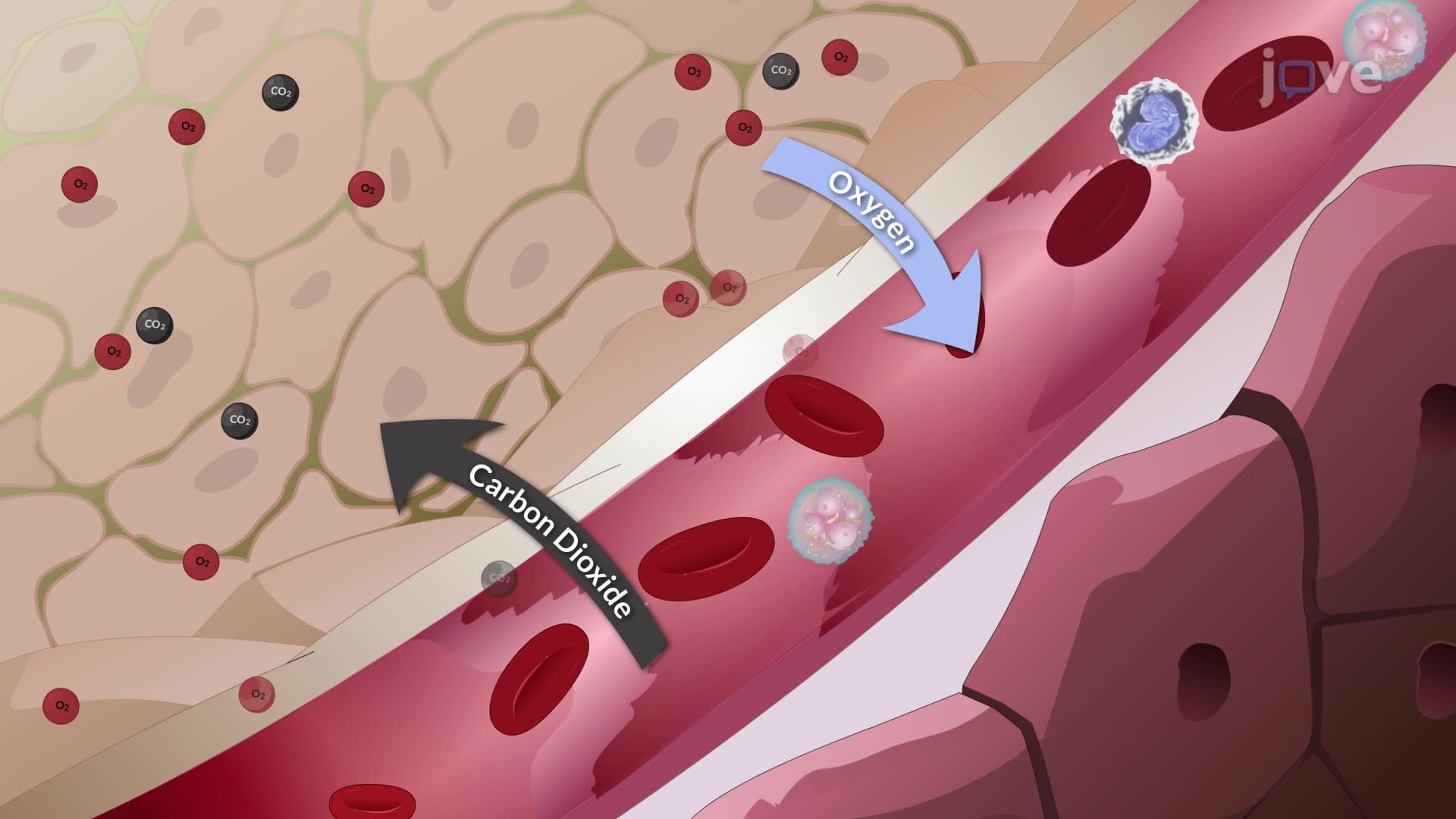
Kussmaul's breathing demonstrates the body's remarkable ability to compensate for metabolic imbalances through respiratory adjustments. This deep, rapid, yet rhythmically consistent breathing pattern occurs when the respiratory system attempts to eliminate excess carbon dioxide to counteract metabolic acidosis. Diabetic patients experiencing diabetic ketoacidosis (DKA) commonly present with Kussmaul's respirations in emergency departments nationwide, making this pattern essential knowledge for pre-med students preparing for the MCAT.
Hyperventilation and hypoventilation represent opposite ends of the respiratory spectrum. Hyperventilation, characterized by increased rate and depth, can result from anxiety disorders, intense physical exercise, or metabolic acidosis compensation. College students experiencing test anxiety might recognize mild hyperventilation symptoms. Conversely, hypoventilation involves shallow, inadequate breathing often caused by anesthetic overdose, prolonged immobility, or pain-related chest splinting-conditions frequently encountered in post-operative care units.
Understanding these alterations in respiration proves crucial for AP Biology students, pre-health undergraduates, and anyone pursuing healthcare careers, as respiratory assessment remains a fundamental component of patient evaluation and NCLEX examination content.
Related Micro-courses