Loading subject page…


41,216 views

Video Summary: What Is Assessment of Respiration
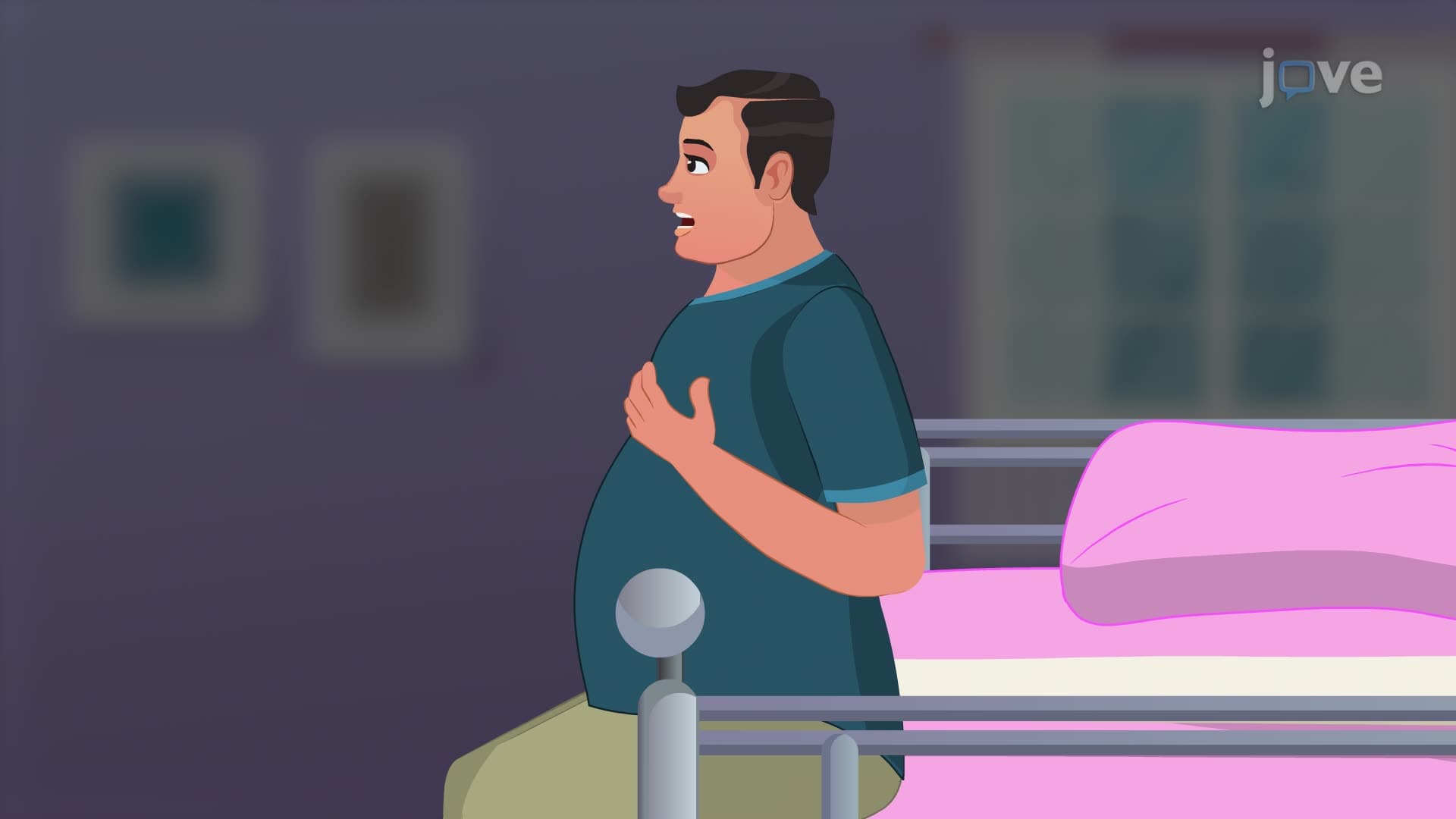
Did you know that respiratory distress is one of the most common reasons for emergency room visits in the United States, accounting for over 4 million visits annually? Assessment of respiration is a systematic clinical evaluation process that healthcare providers use to determine lung function and identify potential respiratory disorders. For instance, during COVID-19, respiratory assessments became critical screening tools in hospitals across America, from Johns Hopkins to Mayo Clinic. Understanding what is assessment of respiration involves mastering inspection, palpation, percussion, and auscultation techniques to detect conditions like asthma or pneumonia. Watch the full video on JoVE Coach to master this concept with expert-led visuals and step-by-step explanations.
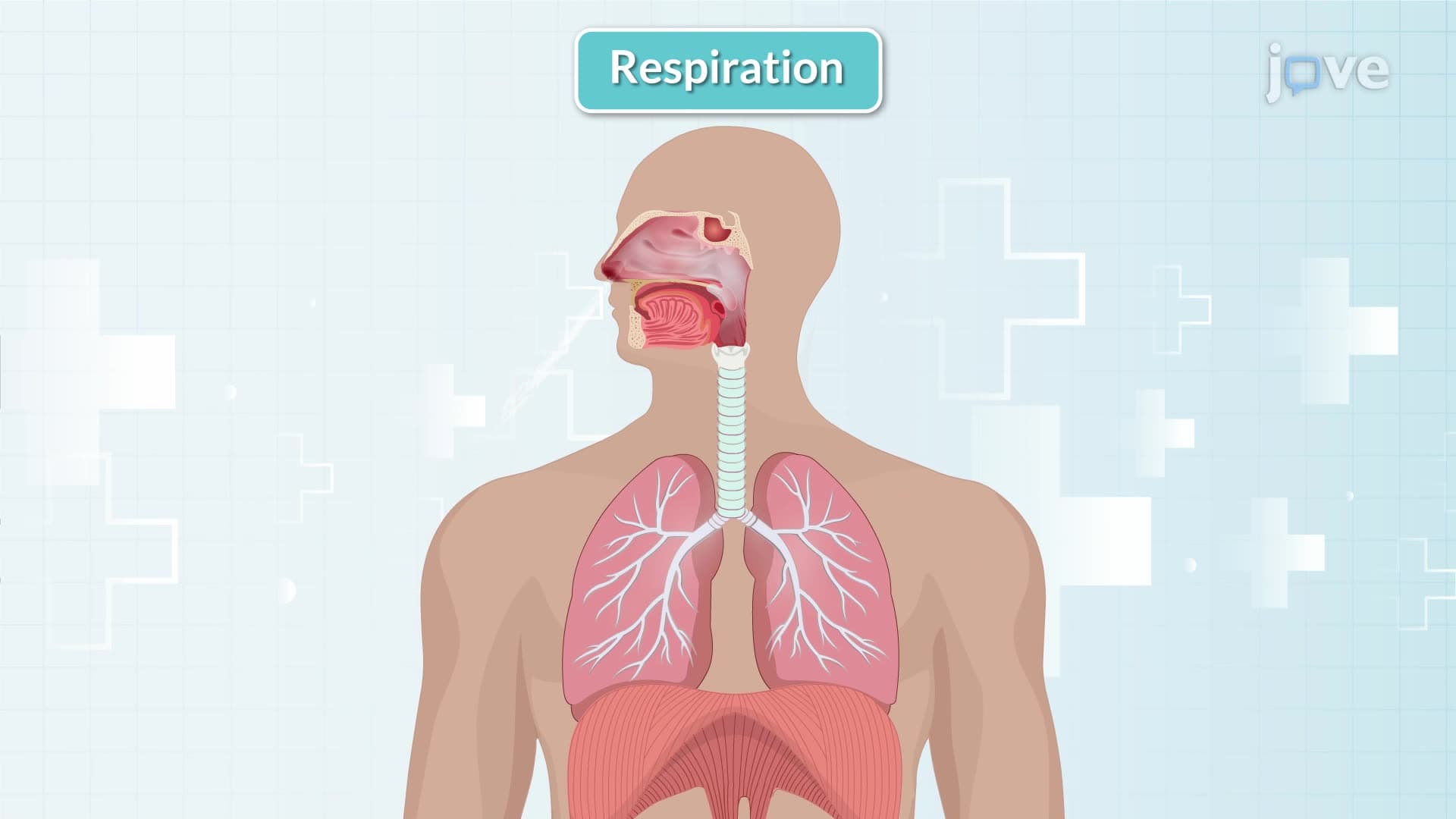
Assessment of respiration represents a fundamental clinical skill that forms the cornerstone of respiratory care in healthcare settings. This systematic evaluation process enables healthcare providers to gather comprehensive information about a patient's breathing patterns, lung function, and potential respiratory disorders. The assessment encompasses both objective measurements and subjective observations that collectively paint a complete picture of respiratory health.
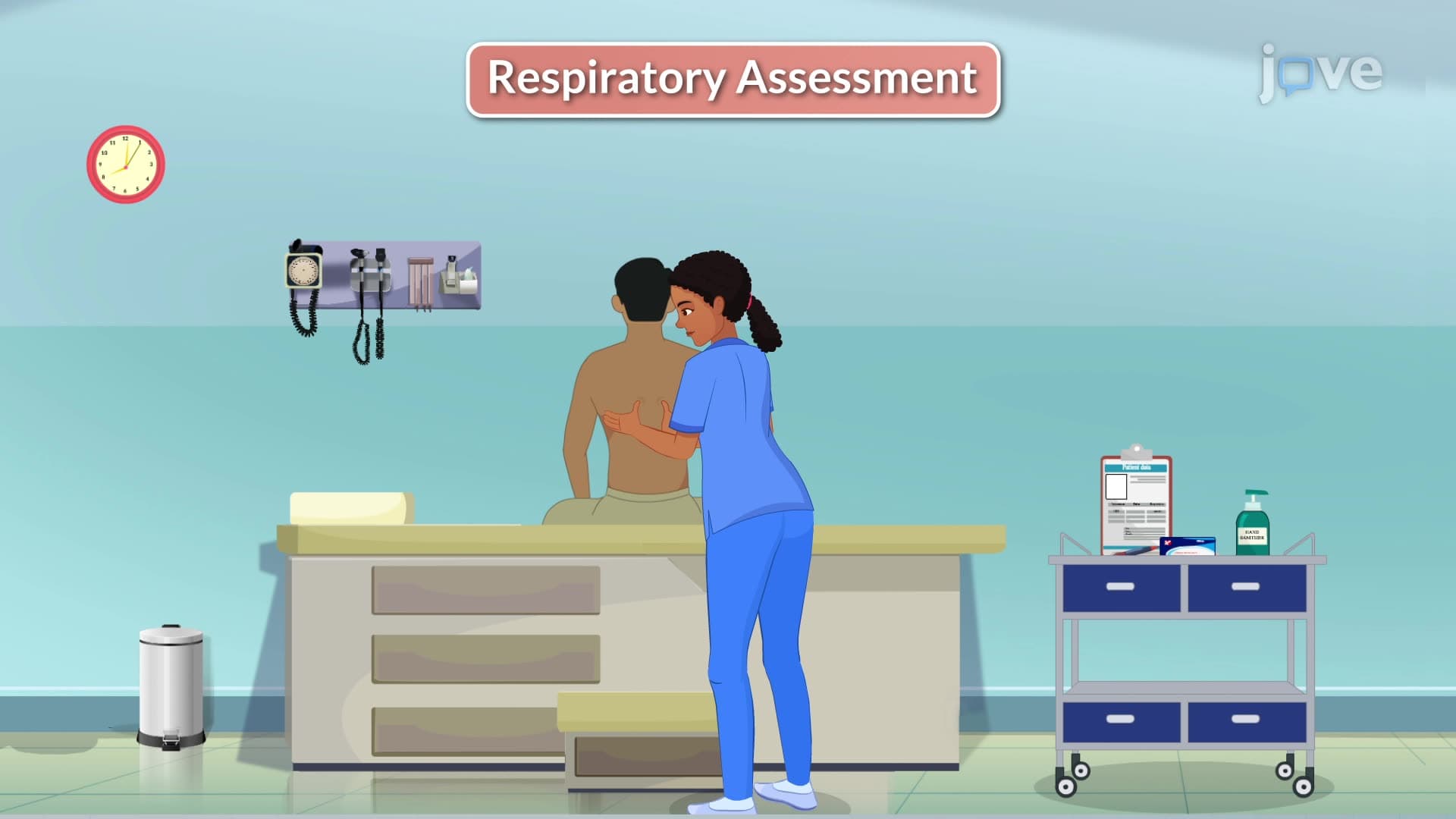
The respiratory assessment follows a methodical four-phase approach. Inspection begins the process, where clinicians observe chest symmetry, breathing patterns, and signs of distress such as cyanosis around the lips or fingernails. This visual assessment can immediately reveal conditions like pneumothorax or respiratory failure. Palpation involves hands-on examination of the chest wall to detect tenderness, masses, or abnormal expansion patterns that might indicate underlying pathology.
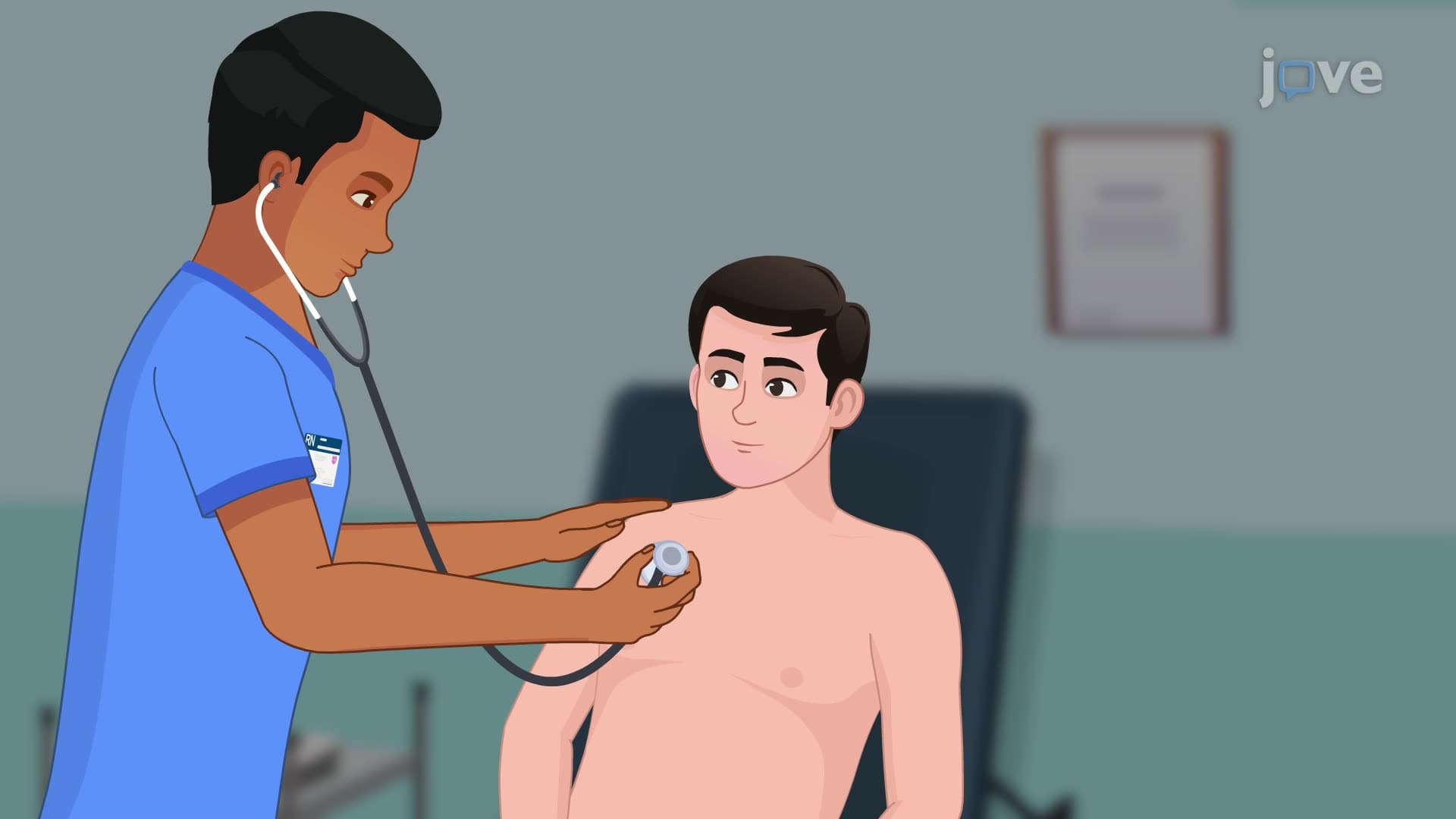
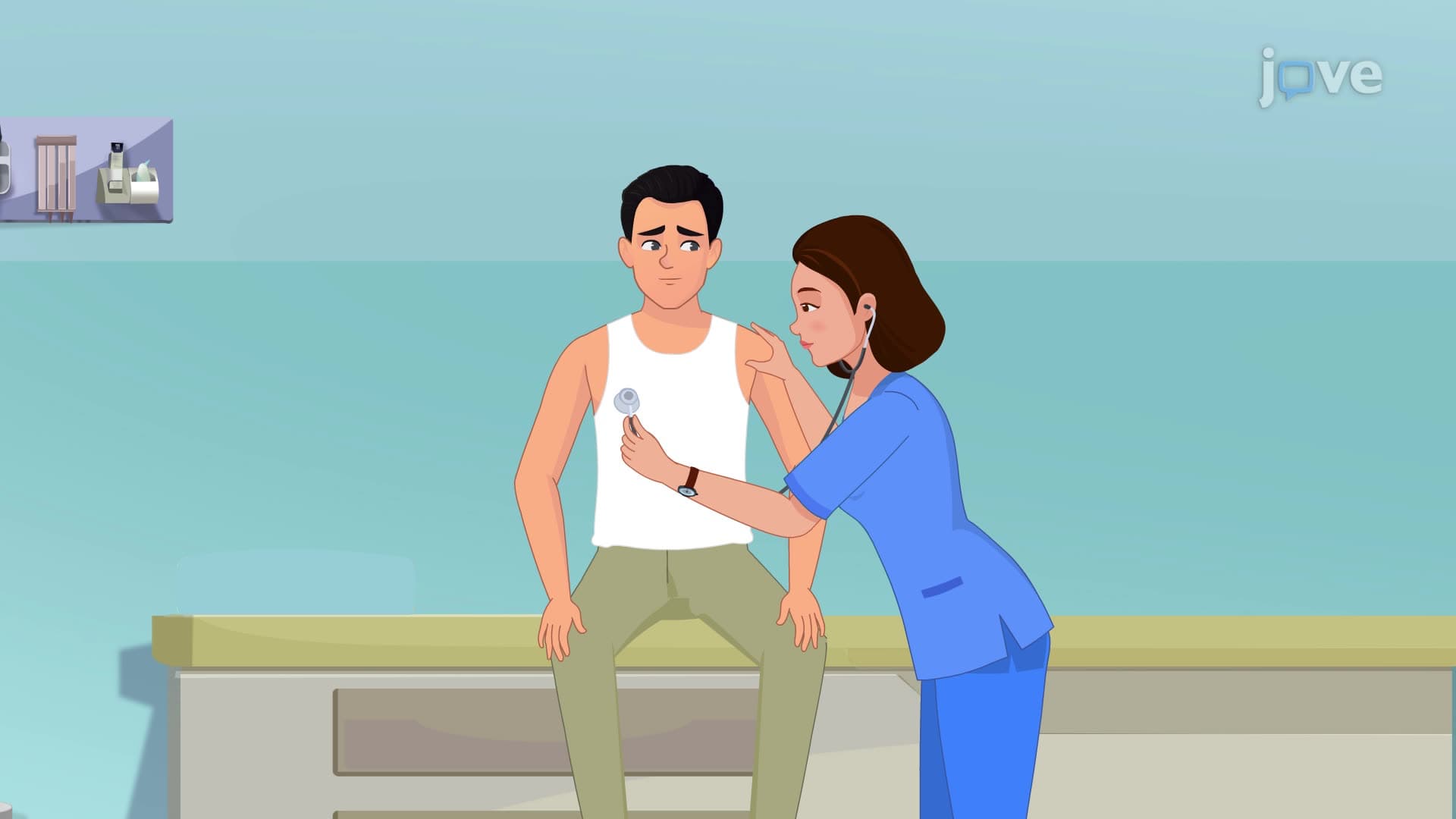
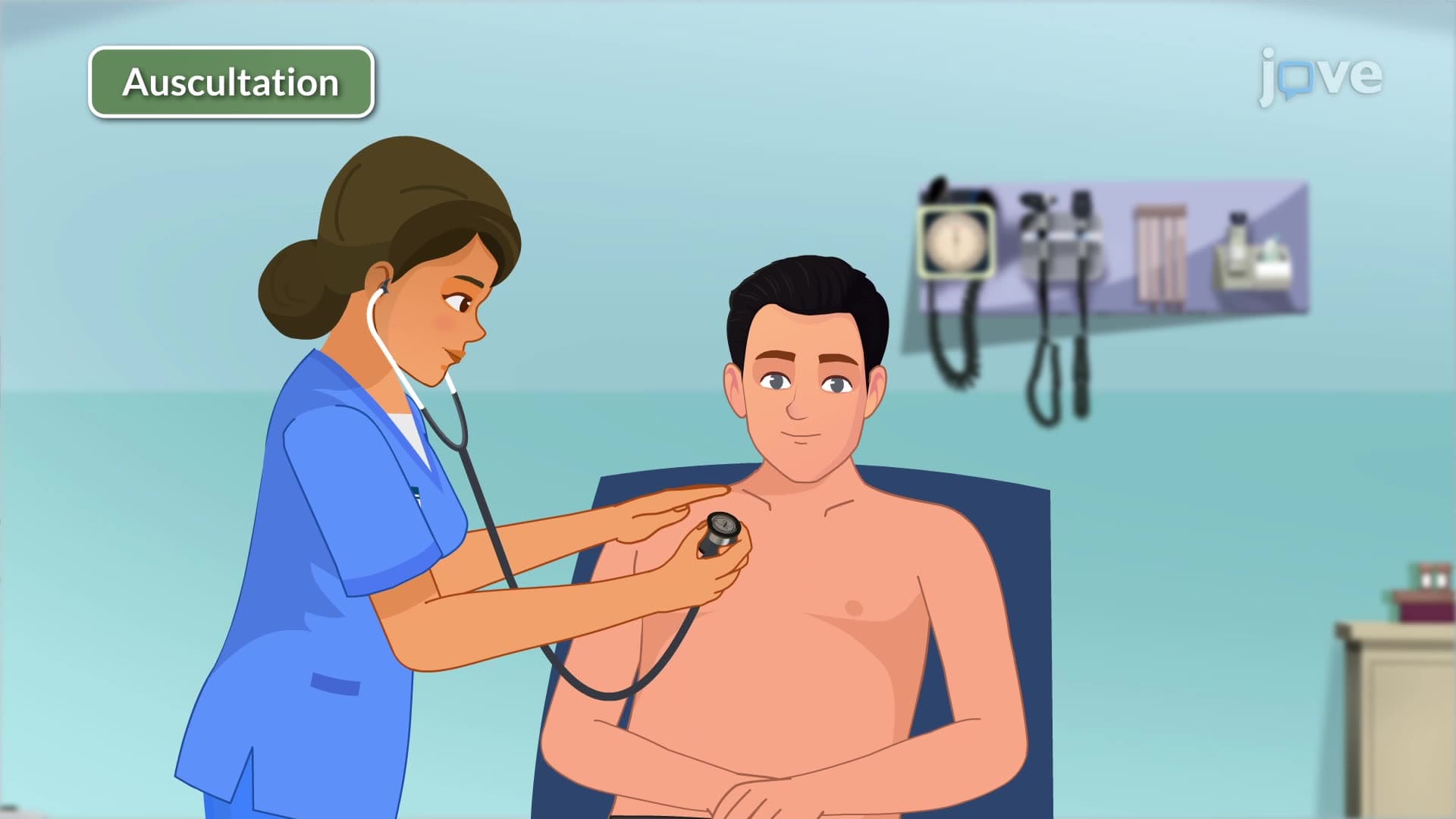
Percussion represents the third phase, where healthcare providers tap the chest wall to assess underlying tissue density. Normal lung tissue produces a resonant sound, while conditions like pleural effusion create dullness, and emphysema may cause hyperresonance. Finally, auscultation using a stethoscope allows providers to hear breath sounds directly, identifying abnormalities like the wheeze characteristic of asthma or the crackles associated with heart failure.
For students preparing for healthcare careers, mastering respiratory assessment proves crucial for exams like the NCLEX-RN, HESI A2, and TEAS. The MCAT frequently tests respiratory physiology concepts, while AP Biology courses extensively cover gas exchange and respiratory system function. In clinical rotations at institutions like Cleveland Clinic or Massachusetts General Hospital, students regularly perform these assessments under supervision.
In emergency departments across the United States, respiratory assessments guide critical treatment decisions. During the 2020 pandemic, healthcare workers at hospitals from Cedars-Sinai to Houston Methodist relied heavily on these assessment skills to triage COVID-19 patients. The systematic approach ensures consistent, thorough evaluations that can mean the difference between early intervention and respiratory failure in conditions ranging from asthma exacerbations to pulmonary embolism.
Related Micro-courses