Loading subject page…

- Nursing
- Vital Signs: Respiration
- Respiration
Micro-course: Vital Signs: Respiration
41,215 views
Learn key concepts and earn your certificate.








Respiration

00:00
01:24
Video Summary: What Is Respiration
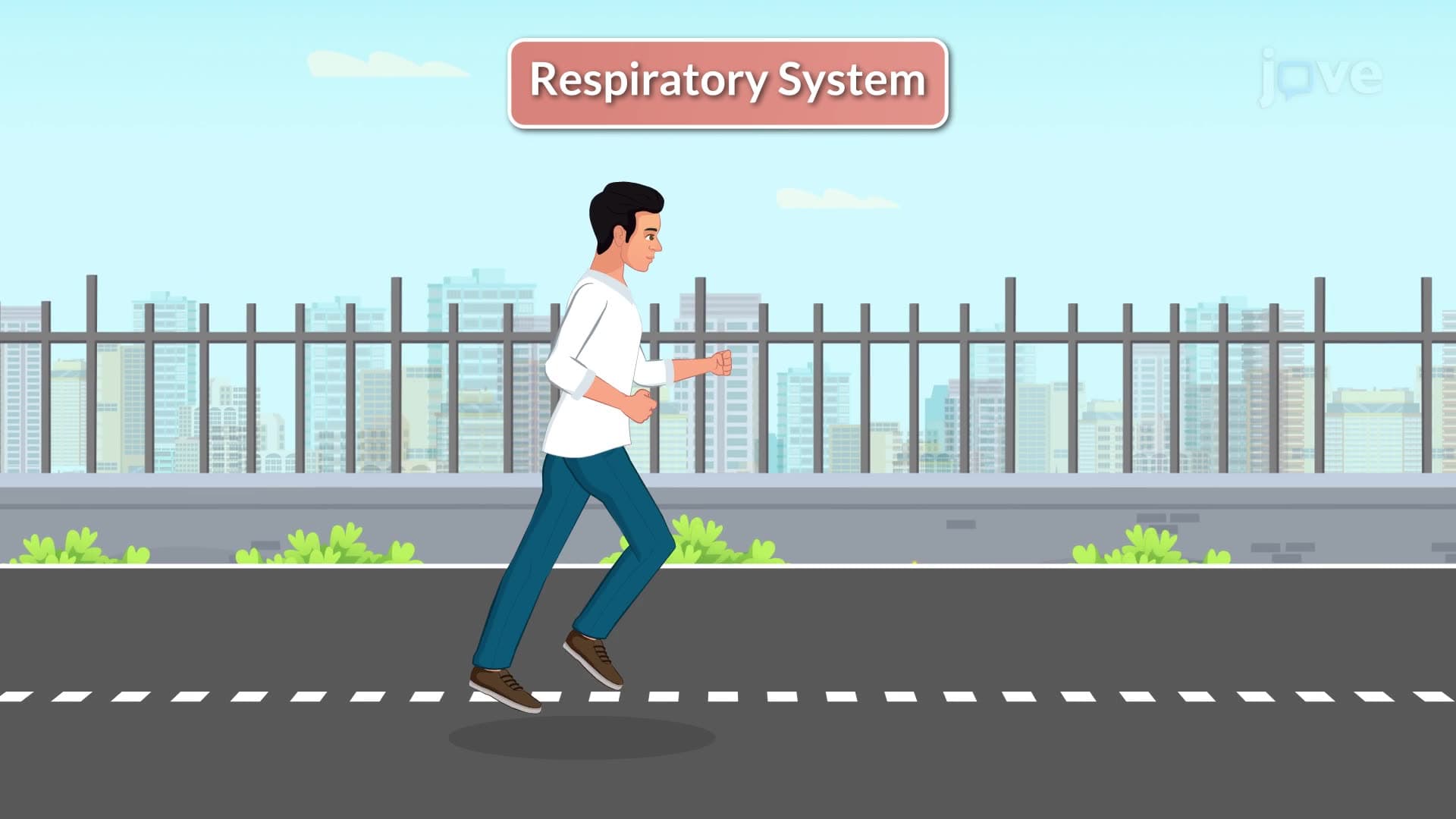
Every minute, your body performs over 20,000 respiration cycles to keep you alive, yet most students confuse this with simple breathing. Respiration is actually a complex three-stage process involving gas exchange, cellular energy production, and waste removal that keeps every cell in your body functioning. Consider how marathon runners like those in the Boston Marathon can maintain intense activity for hours-their respiratory systems efficiently deliver oxygen to muscles while removing carbon dioxide waste. Watch the full video on JoVE Coach to master this concept with expert-led visuals and step-by-step explanations.
- Understand what is respiration as a comprehensive system involving ventilation, diffusion, and perfusion processes
- Identify the three main components of respiration: pulmonary ventilation, gas diffusion, and blood perfusion
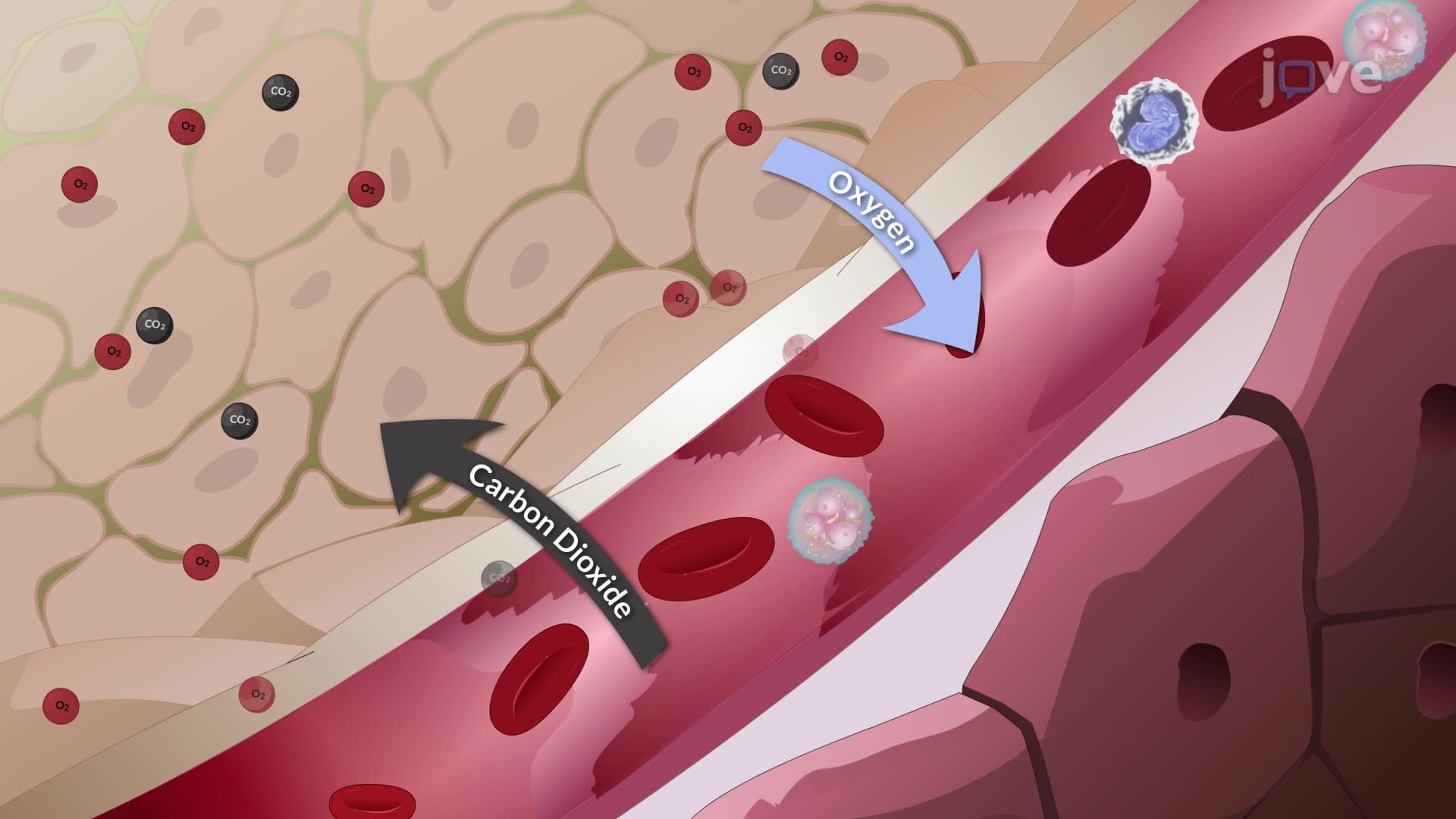
- Analyze how oxygen and carbon dioxide exchange occurs between alveoli and red blood cells
- Compare the roles of oxygen in cellular metabolism versus carbon dioxide in pH regulation
- Evaluate how the respiratory system adapts during exercise and varying metabolic demands
- Apply respiration principles to explain why certain medical conditions affect breathing efficiency
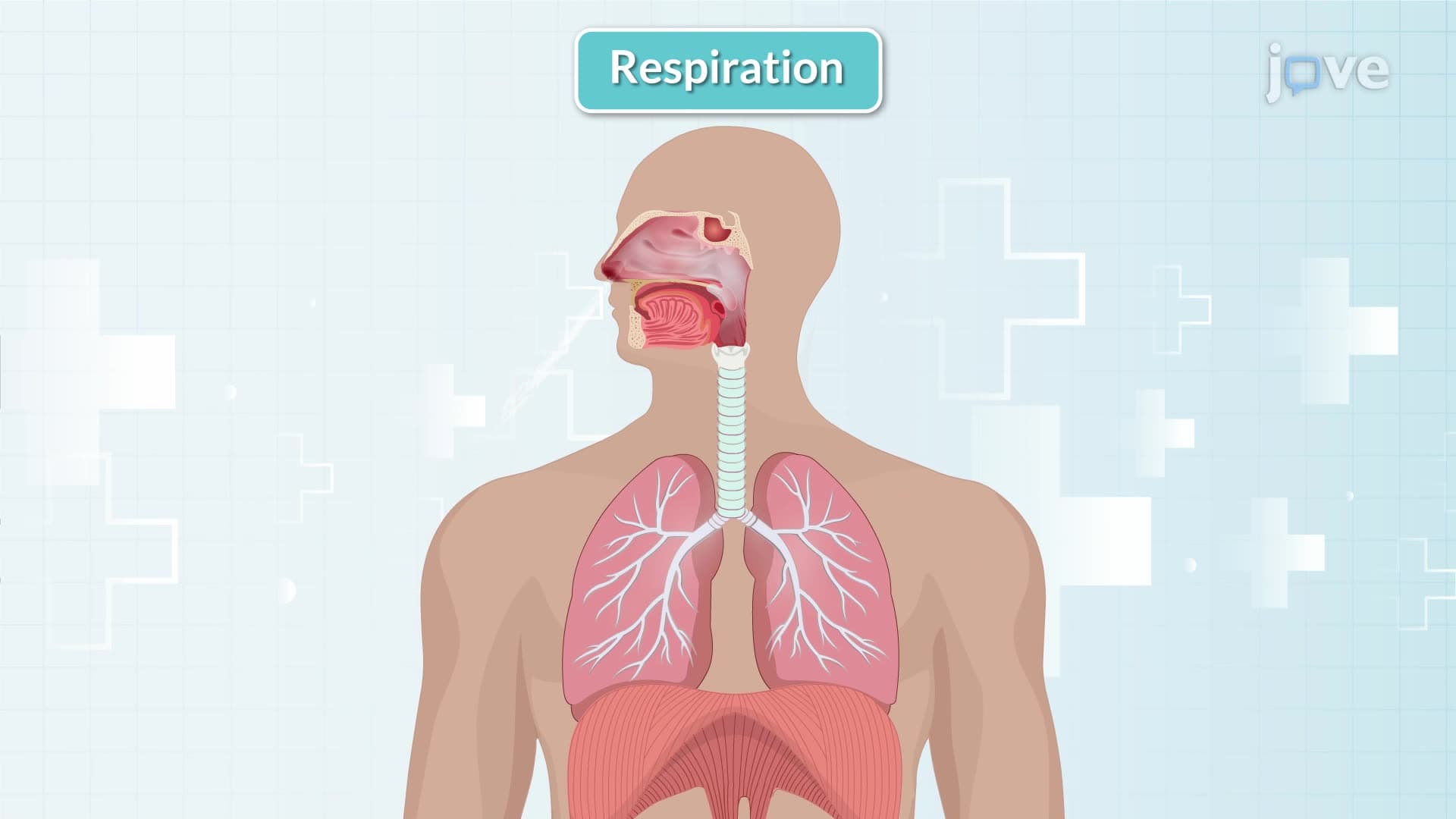
- Recognize the pathway of air from nose/mouth through respiratory airways to lung alveoli
- Explore the connection between cellular oxidation and energy production from food molecules
Understanding What is Respiration: Beyond Simple Breathing
What is respiration extends far beyond the breathing you're consciously aware of. This fundamental biological process represents a sophisticated system that maintains life at the cellular level. Unlike simple breathing, respiration encompasses three integrated stages that work continuously to sustain every function in your body, from thinking through an AP Biology exam to running track practice.
The Three Pillars of Respiratory Function
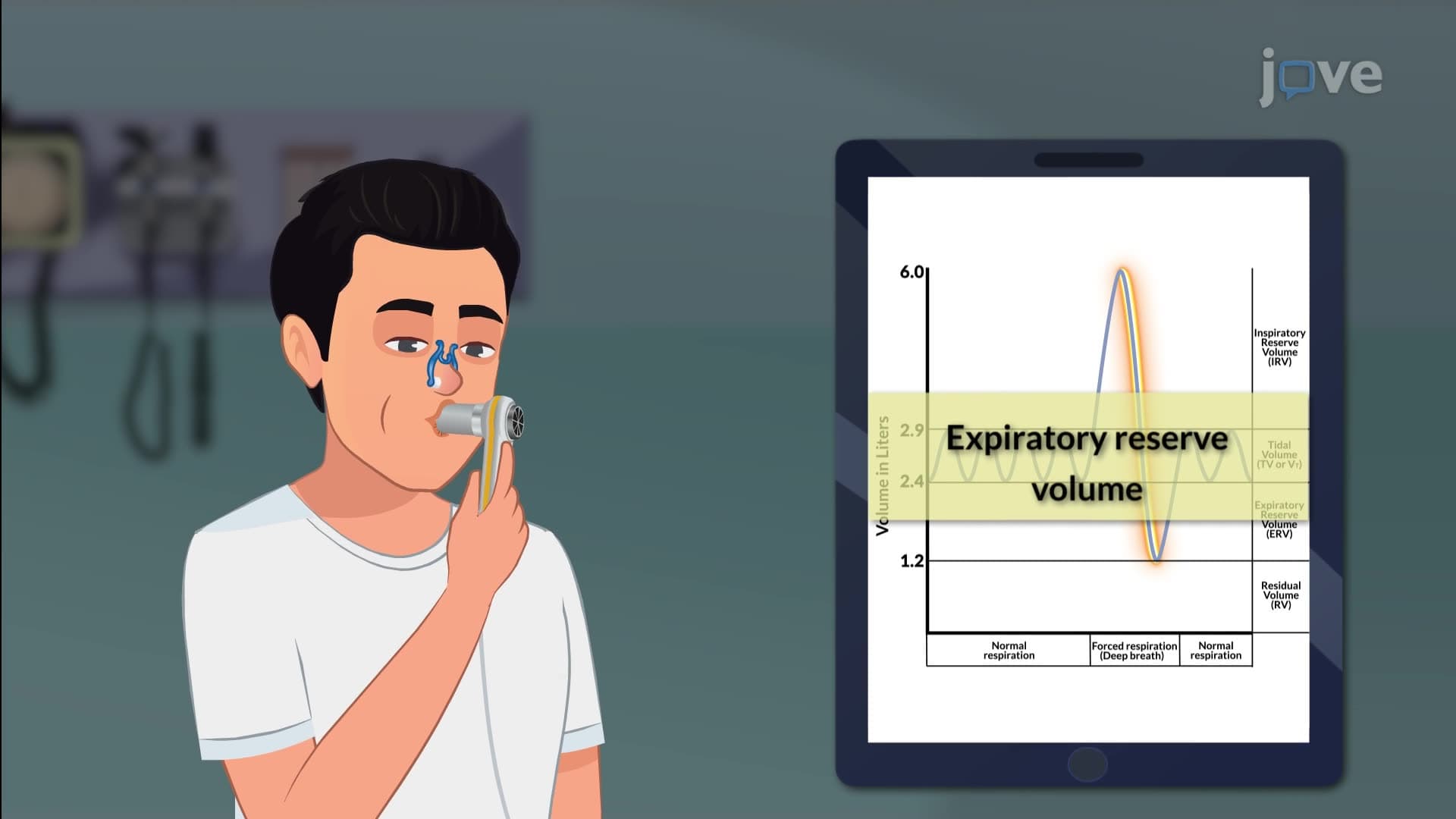
Pulmonary Ventilation: The Mechanical Foundation Pulmonary ventilation, the mechanical aspect of breathing, involves the rhythmic expansion and contraction of your lungs. This process creates pressure gradients that draw fresh air into your lungs and expel waste gases. During intense activities like climbing stairs in a New York City subway station, your ventilation rate can increase from 12 breaths per minute to over 40, demonstrating the system's remarkable adaptability.
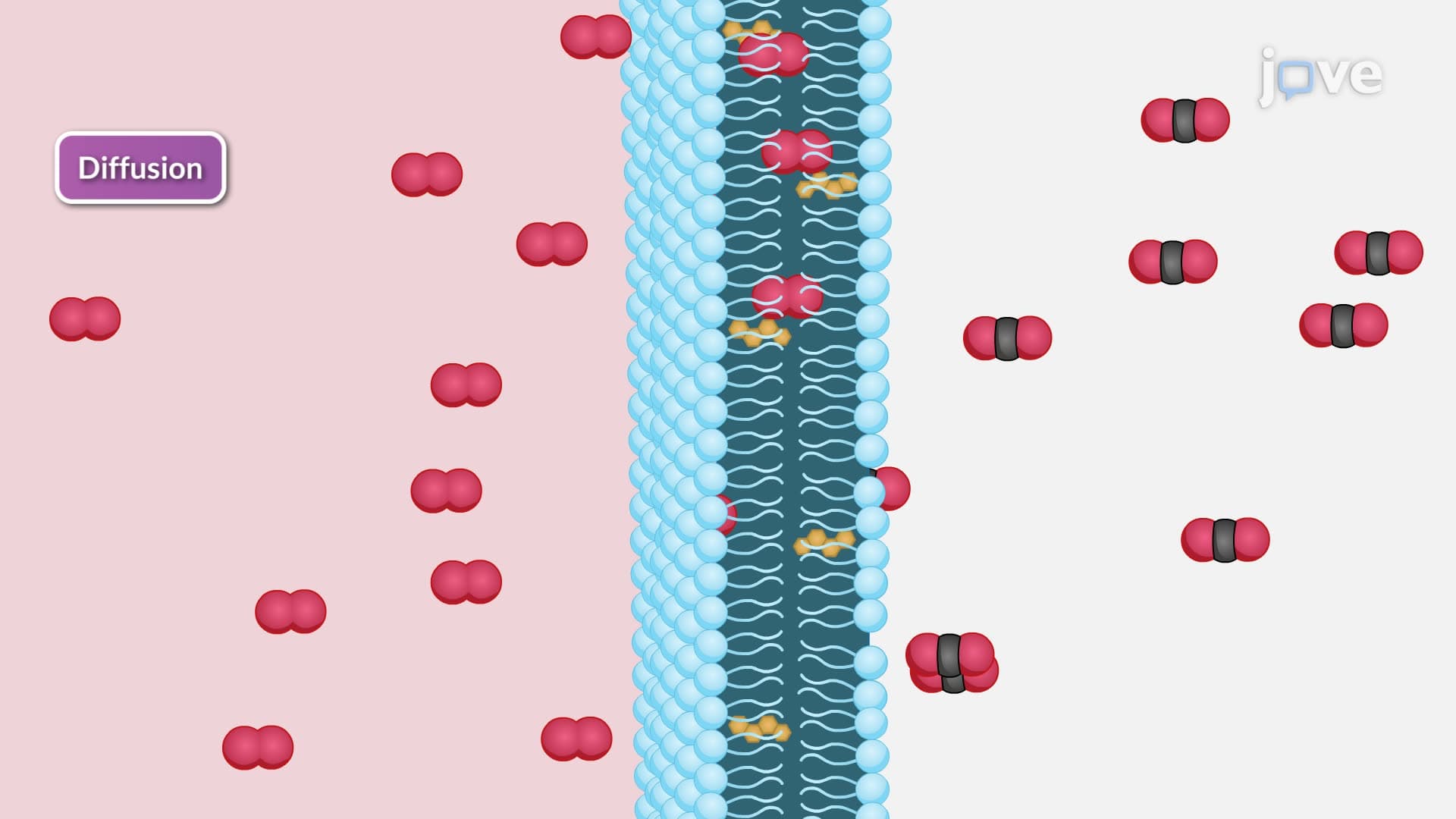
Diffusion: The Cellular Exchange At the alveolar level, diffusion governs the passive movement of gases across thin membranes. Oxygen molecules naturally move from high-concentration areas in your lungs to lower-concentration areas in your bloodstream, while carbon dioxide follows the opposite path. This process occurs across approximately 300 million alveoli in adult lungs, creating a surface area equivalent to half a tennis court.
Perfusion: The Transportation Network Perfusion ensures that oxygenated blood reaches every tissue while collecting metabolic waste. Your heart pumps about 5 liters of blood per minute through pulmonary capillaries, where red blood cells spend less than one second picking up oxygen and releasing carbon dioxide. This efficiency becomes crucial during standardized tests like the SAT, when your brain demands 20% of your body's total oxygen supply.
Clinical and Academic Applications
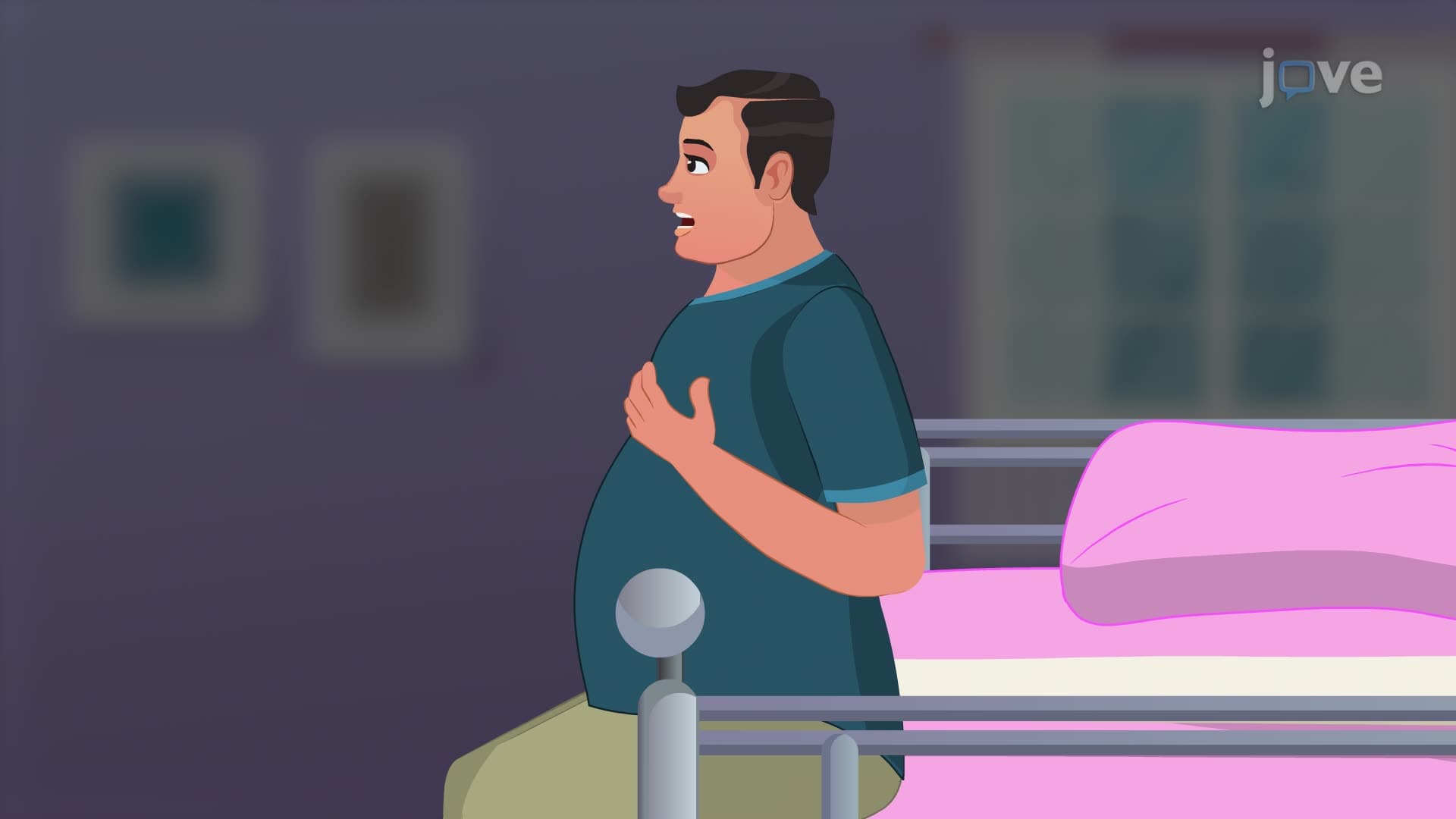
Understanding respiration proves essential for pre-med students preparing for the MCAT, where respiratory physiology questions frequently appear in biological sciences sections. Nursing students studying for NCLEX examinations must grasp how respiratory disorders like asthma or COPD disrupt normal gas exchange patterns. In AP Biology courses, respiration connects to broader topics including cellular metabolism, homeostasis, and evolutionary adaptations that allowed organisms to colonize terrestrial environments.
Frequently Asked Questions
Respiration is your body's three-stage process of getting oxygen to cells and removing carbon dioxide waste. It involves breathing air in and out (ventilation), exchanging gases in your lungs (diffusion), and transporting these gases through your bloodstream (perfusion). This process happens automatically and continuously to keep every cell in your body alive and functioning properly.
AP Biology tests typically include respiration questions in Units 3 (Energetics) and 5 (Heredity), focusing on gas exchange mechanisms, cellular energy production, and respiratory system evolution. You'll encounter multiple-choice questions about alveolar structure, free-response questions connecting respiration to photosynthesis, and data analysis problems involving respiratory rates. Understanding the molecular basis of oxygen transport and carbon dioxide removal is crucial for scoring well.
MCAT Biological and Biochemical Foundations sections extensively cover respiratory physiology, including hemoglobin-oxygen binding curves, acid-base balance, and respiratory control mechanisms. You'll need to understand how altitude affects oxygen saturation, why carbon monoxide is dangerous, and how respiratory disorders impact overall physiology. Practice connecting respiration to cardiovascular function and metabolic processes for comprehensive understanding.
During athletic activities like football or track, your respiratory system increases ventilation rate from 12 to 40+ breaths per minute and enhances oxygen extraction efficiency. Your body produces more carbon dioxide from increased cellular metabolism, triggering deeper, faster breathing. This explains why athletes train at high altitudes-lower oxygen levels force respiratory adaptations that improve performance at sea level.
Respiration builds on basic biology concepts you already know, like diffusion and blood circulation, making it accessible to high school students. Start with understanding breathing mechanics, then progress to gas exchange and transport. Most students find the logical flow from air intake to cellular energy production intuitive once they visualize the step-by-step process.
Create concept maps connecting ventilation, diffusion, and perfusion, then practice with labeled diagrams of respiratory anatomy. Use active recall by explaining the process aloud without notes, and solve practice problems involving gas partial pressures and transport. Focus on real-world applications like altitude effects or exercise physiology to make concepts memorable and testable.
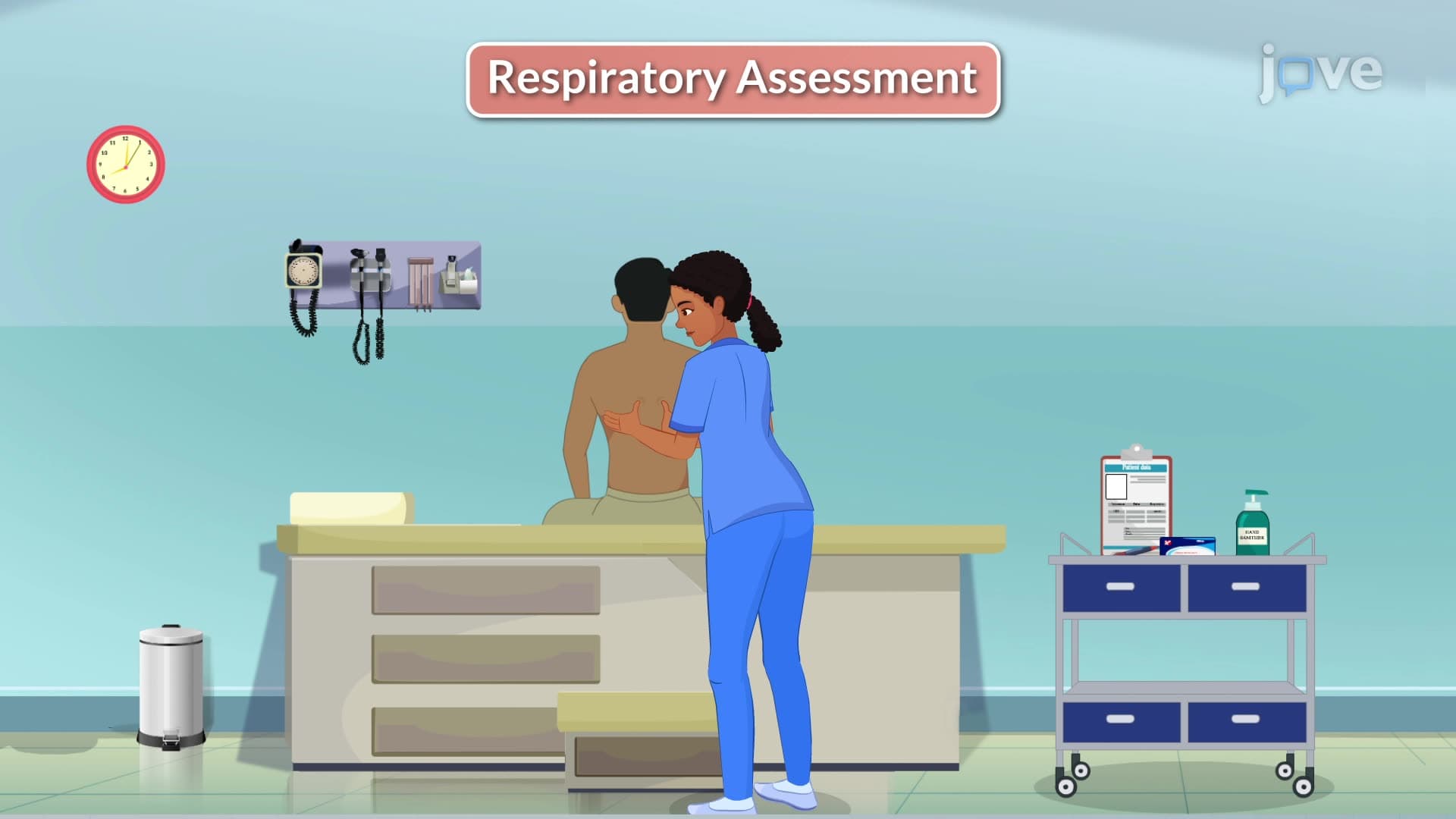
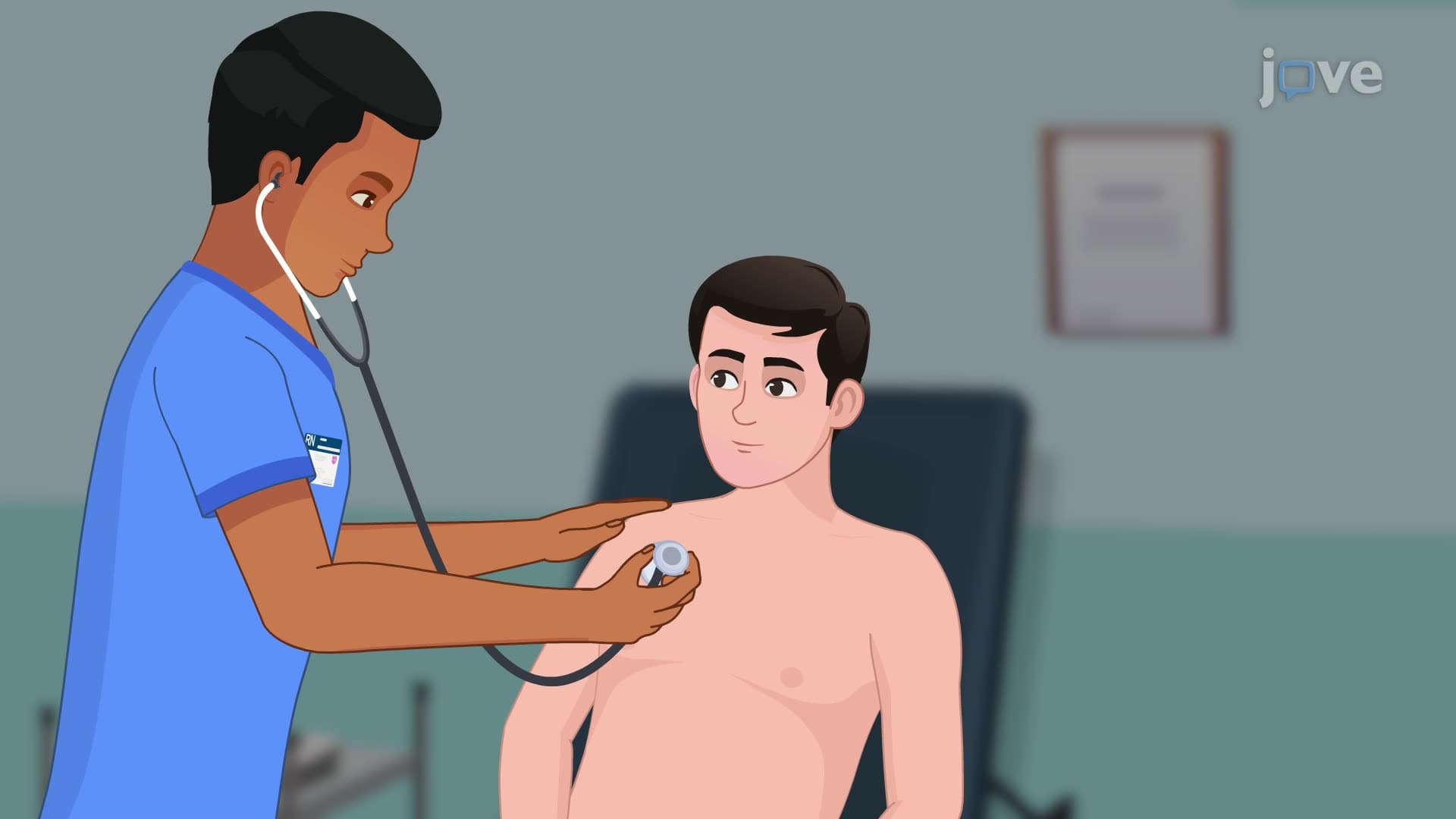
Healthcare professionals use respiration knowledge daily when assessing patient breathing patterns, interpreting arterial blood gas results, and managing ventilator settings. Nurses monitor respiratory rates as vital signs, while respiratory therapists directly apply gas exchange principles in patient treatment. Understanding normal respiration helps identify when patients need immediate medical intervention.
Progress to cardiovascular physiology to understand how heart function integrates with respiratory processes, then explore cellular respiration and metabolism. Advanced topics include respiratory pathophysiology, acid-base balance, and comparative respiratory systems across species. These connections prepare you for upper-level courses in human physiology and biochemistry.
Related Micro-courses
13 Concepts

10 Concepts

8 Concepts