Loading video…


 14 Concepts
 235K views

Video Summary: Combustion Energy a Measure of Explained
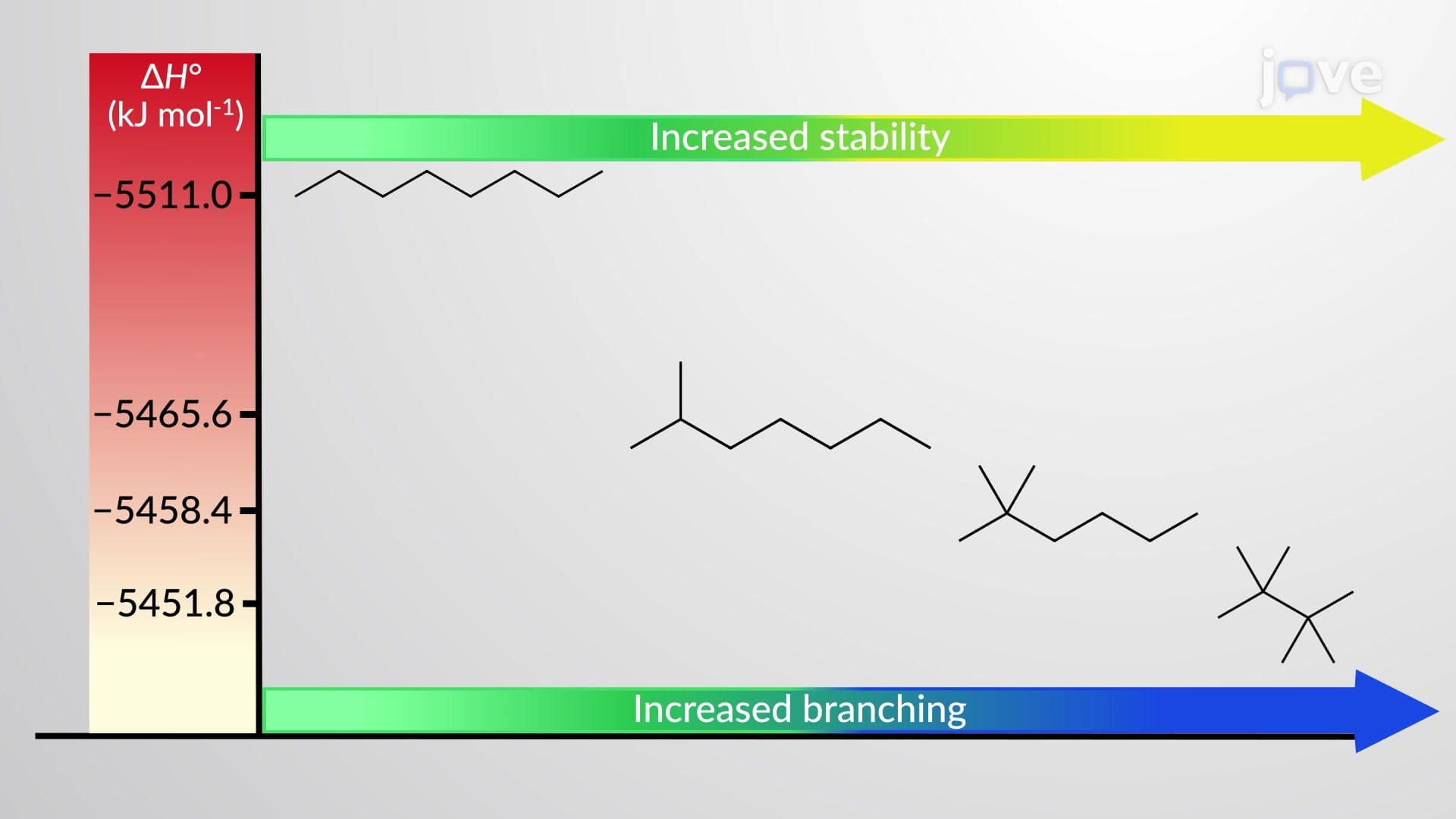
Ever wondered why premium gasoline costs more than regular? Combustion energy measure reveals how different hydrocarbon structures release varying amounts of energy when burned. This fundamental concept explains why branched alkanes like isooctane (used in high-octane gasoline at US refineries) produce different energy outputs than their straight-chain counterparts. Understanding combustion energy a measure of explained helps predict fuel efficiency and molecular stability in organic chemistry. Watch the full video on JoVE Coach to master this concept with expert-led visuals and step-by-step explanations.
Combustion energy serves as a powerful tool for understanding molecular stability and structure-property relationships in organic chemistry. When hydrocarbons burn in excess oxygen, they release energy in the form of heat, providing quantitative data about the relative stability of different molecular arrangements. This concept is fundamental to understanding fuel chemistry, thermodynamics, and molecular structure analysis.
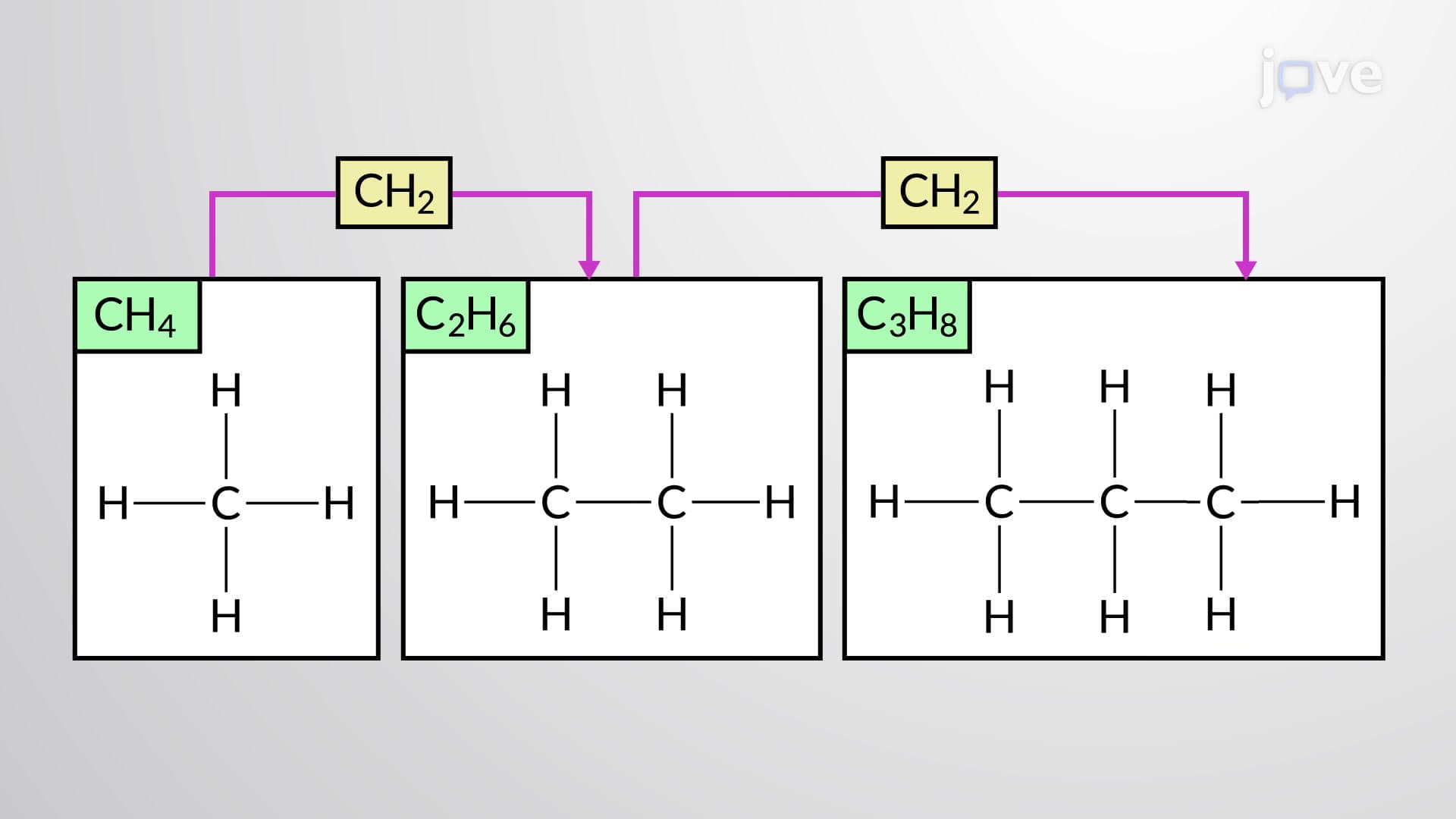
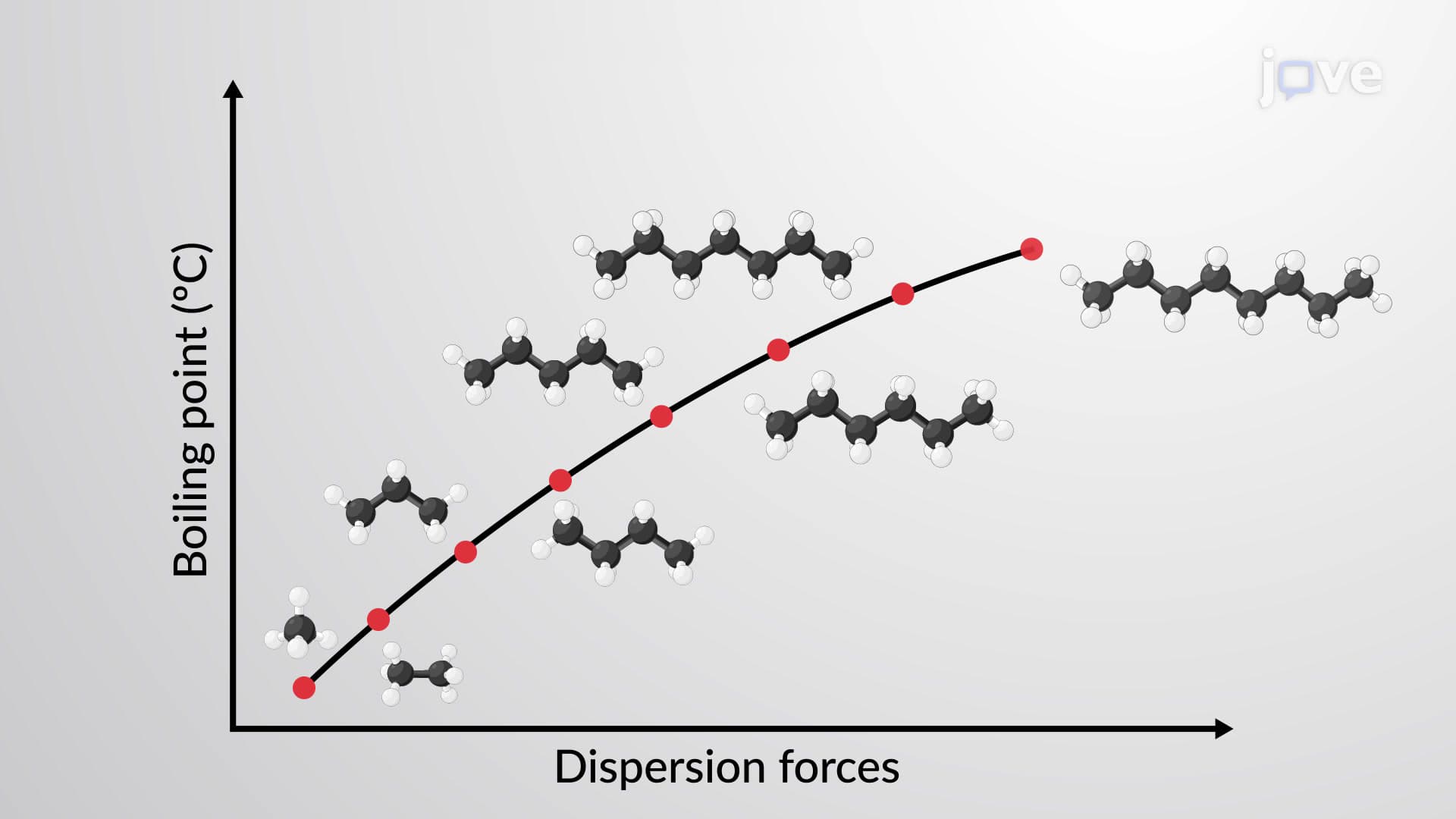
The systematic study of alkane combustion reveals predictable energy patterns. Each additional CH2 group in a straight-chain alkane increases the heat of combustion by approximately 658.5 kJ/mol. This consistent increment allows chemists to predict combustion energies and understand why longer hydrocarbon chains store more chemical energy. For example, when comparing methane (natural gas) to octane (gasoline component), the eight-carbon octane releases significantly more energy per molecule, explaining why liquid fuels are preferred for transportation over gaseous methane in most US automotive applications.
Structural isomers of the same molecular formula exhibit different combustion energies, revealing important stability relationships. Straight-chain octane releases more energy during combustion than its branched isomers like 2,2,4-trimethylpentane (isooctane). This difference occurs because branched molecules are inherently more stable due to reduced potential energy, resulting in less energy release upon combustion. This principle explains why petroleum refineries in Texas and Louisiana use catalytic processes to create branched hydrocarbons for high-performance fuels.
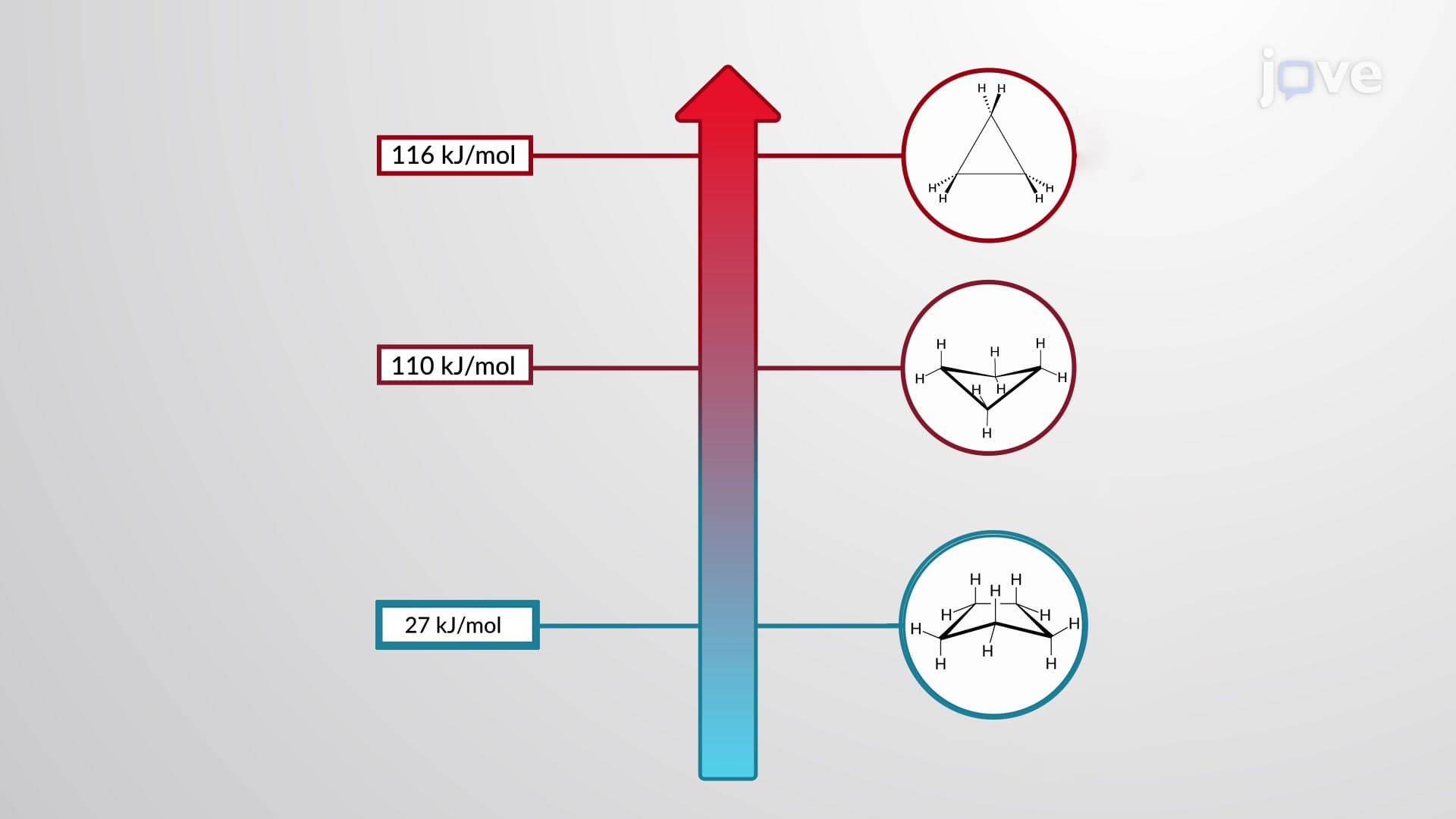
Cycloalkanes provide excellent examples of how molecular geometry affects combustion energy. The strain energy concept emerges when comparing actual combustion energies to predicted values based on CH2 group contributions. Cyclopropane exhibits the highest strain energy due to severe bond angle compression from the ideal 109.5° to 60°. This excessive strain makes cyclopropane highly reactive and energy-rich. Cyclohexane, conversely, adopts chair conformations that minimize strain, making it nearly strain-free and stable. These concepts appear frequently on AP Chemistry exams and college organic chemistry assessments, where students must predict relative stabilities based on structural features.
Understanding combustion energy measurements proves essential for careers in petroleum engineering, chemical manufacturing, and environmental science. Students preparing for the MCAT will encounter these principles in both general and organic chemistry sections, particularly when analyzing thermodynamic stability and reaction energetics.
Related Micro-courses