Loading subject page…


235,001 views

Video Summary: Disubstituted Cyclohexanes Cis Trans Isomerism Explained
Ever wonder why some pharmaceuticals have drastically different effects despite nearly identical molecular structures? Disubstituted cyclohexanes cis trans isomerism holds the key to understanding this molecular mystery. These stereoisomers, which cannot interconvert through simple bond rotation, demonstrate how spatial arrangement dramatically affects chemical behavior. Consider how the cholesterol-lowering drug atorvastatin (Lipitor) relies on precise stereochemistry for its therapeutic effect in millions of Americans. Disubstituted Cyclohexanes Cis Trans Isomerism Explained reveals how substituent positioning creates distinct molecular personalities with unique physical properties and biological activities. Watch the full video on JoVE Coach to master this concept with expert-led visuals and step-by-step explanations.
Stereochemistry governs countless biological processes and pharmaceutical applications in the United States. From the development of new medications at major pharmaceutical companies like Pfizer and Merck to quality control in chemical manufacturing, understanding how molecular geometry affects function is crucial for chemistry students preparing for AP Chemistry, college organic chemistry courses, and professional exams like the MCAT.
Unlike alkenes, where cis-trans isomerism results from restricted rotation around double bonds, cyclic compounds exhibit stereoisomerism due to the rigid ring structure. In disubstituted cyclohexanes, two substituents can occupy positions that place them either on the same side (cis) or opposite sides (trans) of the ring. This spatial relationship cannot be changed by simple bond rotation, making these true stereoisomers with distinct physical and chemical properties.
The classic example of 1,4-dimethylcyclohexane illustrates this concept perfectly. The cis isomer maintains both methyl groups on the same face of the ring, while the trans isomer positions them on opposite faces. This fundamental difference creates molecules with different melting points, boiling points, and biological activities-concepts frequently tested on standardized exams and essential for understanding drug design principles used by American pharmaceutical companies.
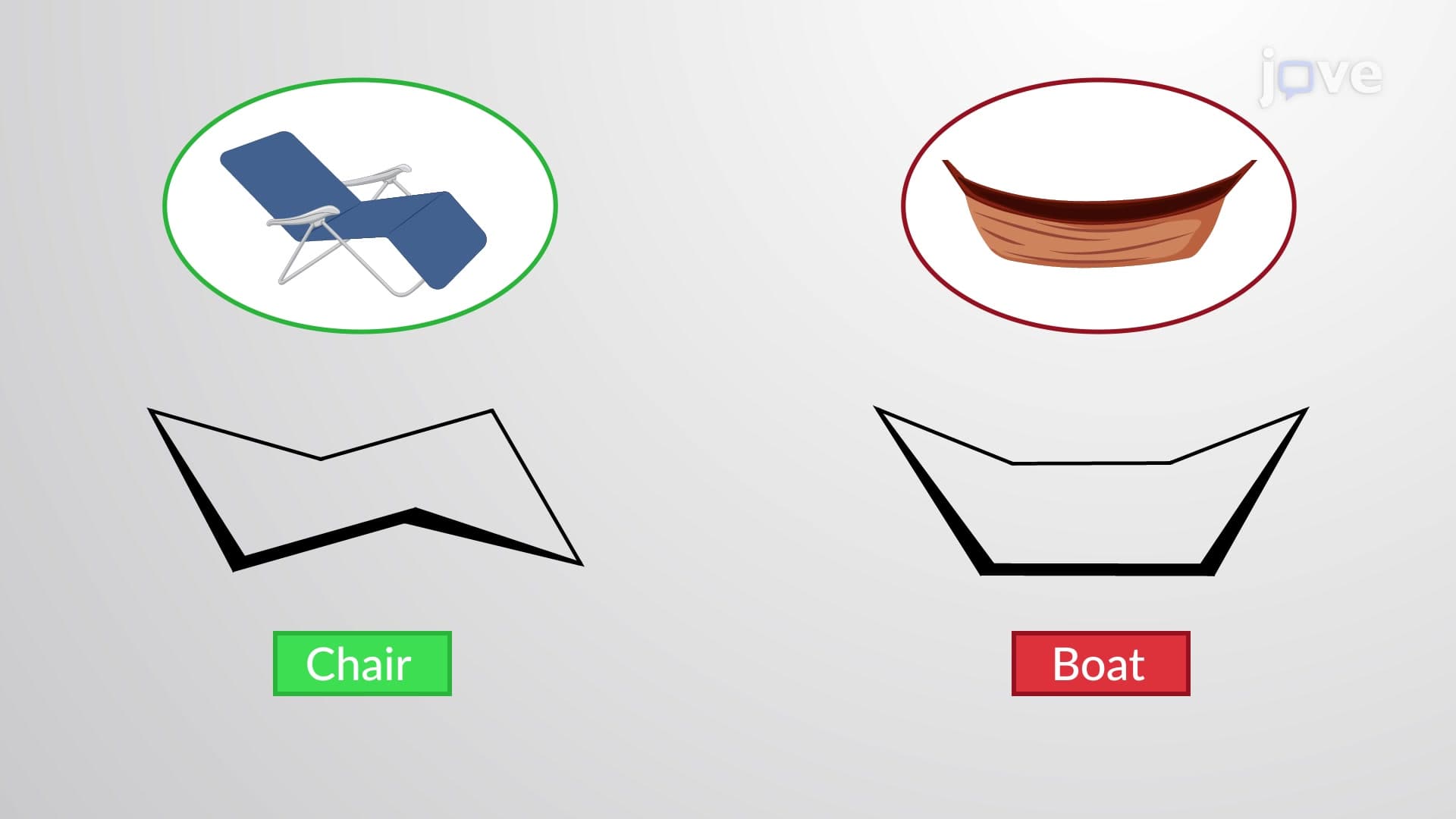
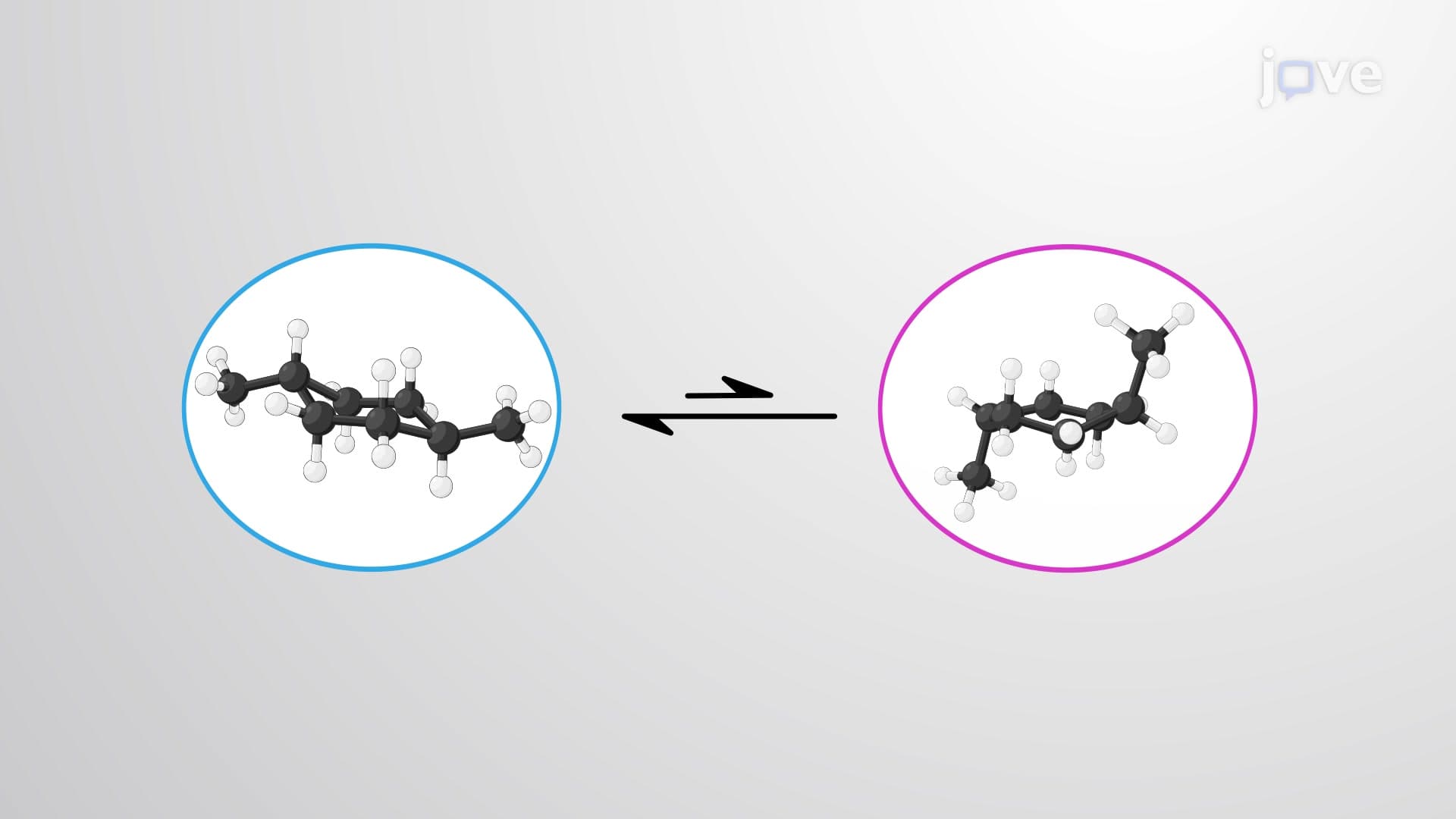
Cyclohexane's preferred chair conformation adds complexity to disubstituted systems. Each chair form can flip to its alternative conformation, but the energy relationships vary dramatically based on substituent positioning. For 1,4-dimethylcyclohexane, the cis isomer exhibits equivalent chair conformations-both containing one axial and one equatorial methyl group. This equivalence means both conformations exist in equal proportions at equilibrium.
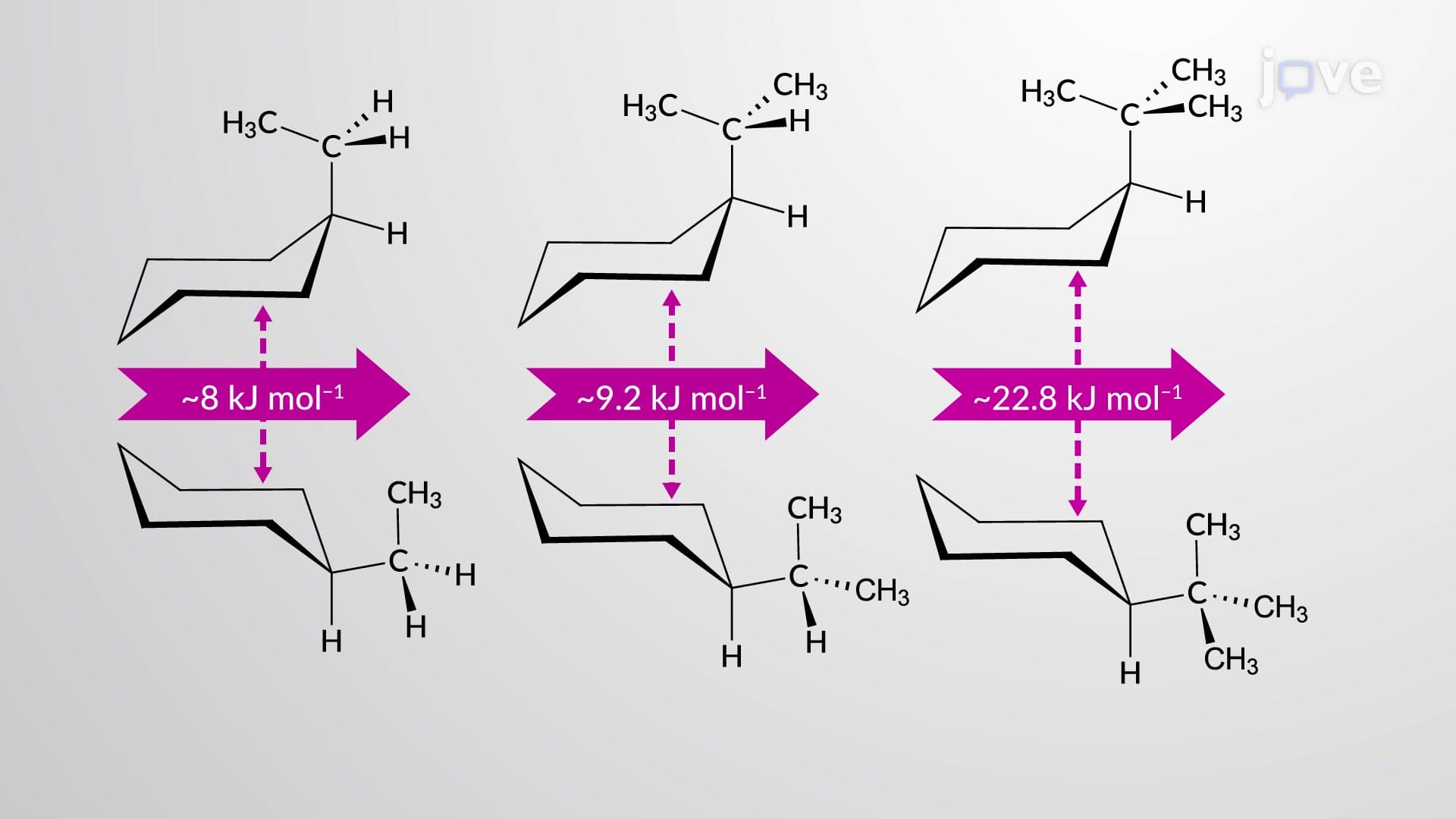
The trans-1,4-dimethylcyclohexane presents a striking contrast. One chair conformation places both methyls in axial positions, creating significant steric strain through unfavorable gauche interactions. The alternative conformation positions both methyls equatorially, dramatically reducing steric repulsion. Consequently, the diequatorial form predominates at equilibrium-a principle that extends to many pharmaceutical molecules where conformational preferences determine biological activity.
The 1,3-disubstituted pattern reveals even more complex energy relationships. Here, the cis isomer can adopt conformations with either both substituents axial (high energy due to severe 1,3-diaxial interactions) or both equatorial (low energy). This creates a strong conformational preference, unlike the trans isomer, which maintains equivalent conformations with one axial and one equatorial substituent each.
These principles directly apply to understanding steroid hormone structures, where American researchers have identified how subtle stereochemical differences create vastly different biological effects. Students preparing for advanced chemistry courses or professional school admissions should recognize these patterns as fundamental to medicinal chemistry and biochemistry applications.
Related Micro-courses