Loading video…


 14 Concepts
 235K views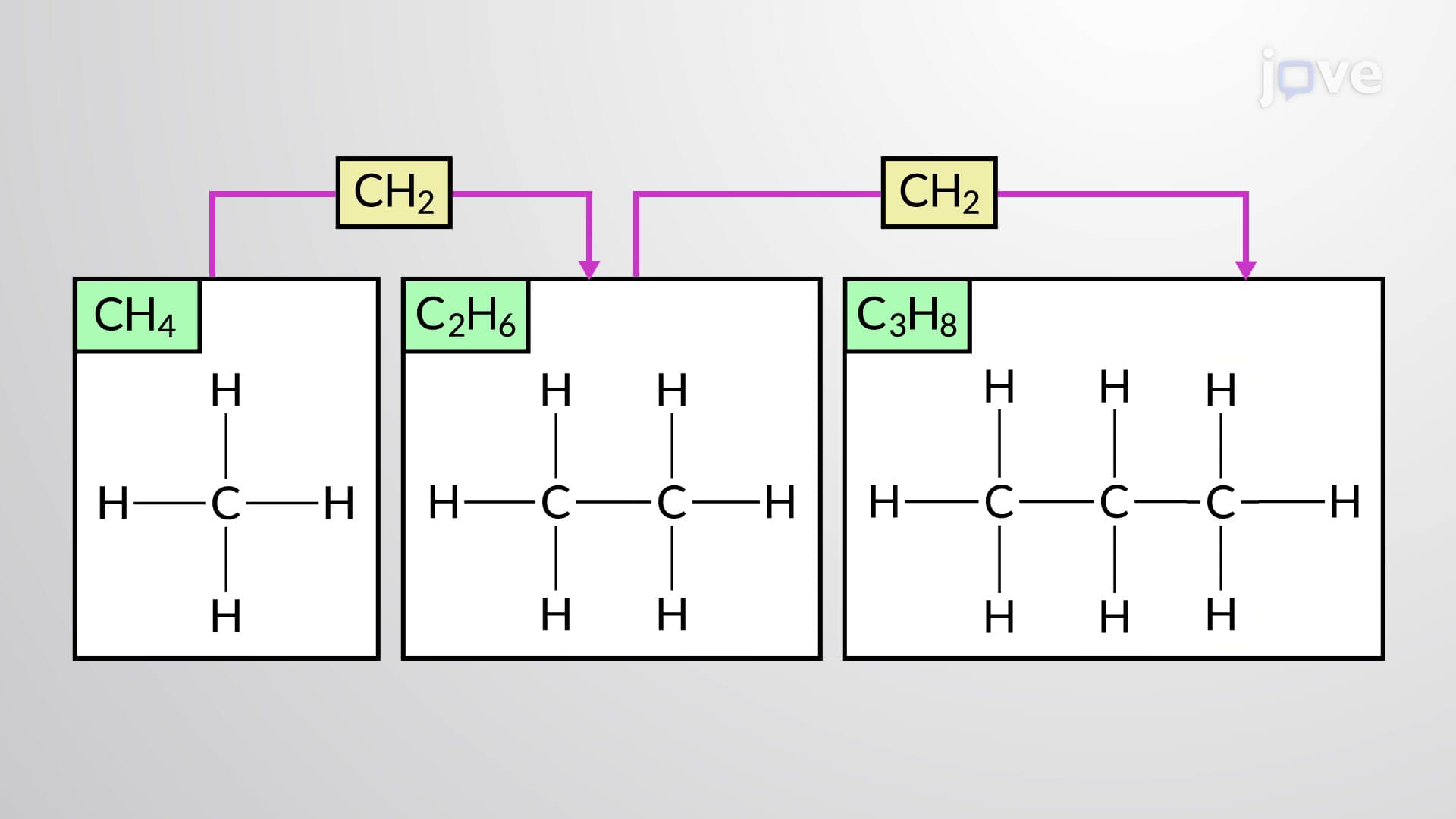

Video Summary: What Is Structure of Alkanes
Ever wondered why gasoline burns so efficiently in your car engine? The structure of alkanes holds the key-these saturated hydrocarbons form the backbone of petroleum products used across America. Alkanes like methane (natural gas) and octane (gasoline component) share a unique tetrahedral geometry with sp3 hybridized carbon atoms bonded at 109.5-degree angles. Understanding What is Structure of Alkanes reveals why these molecules are so stable and energy-rich. Watch the full video on JoVE Coach to master this concept with expert-led visuals and step-by-step explanations.
The structure of alkanes represents one of the most fundamental concepts in organic chemistry, forming the basis for understanding all hydrocarbon behavior. Alkanes are saturated hydrocarbons containing only single covalent bonds between carbon and hydrogen atoms, making them the simplest class of organic compounds studied in AP Chemistry and college-level organic chemistry courses.
The defining characteristic of alkane structure lies in the sp3 hybridization of carbon atoms. Each carbon atom forms four equivalent hybrid orbitals arranged in a tetrahedral geometry with bond angles of 109.5 degrees. This spatial arrangement explains why alkanes adopt zigzag conformations rather than linear structures-a concept frequently tested on the MCAT and advanced placement exams.
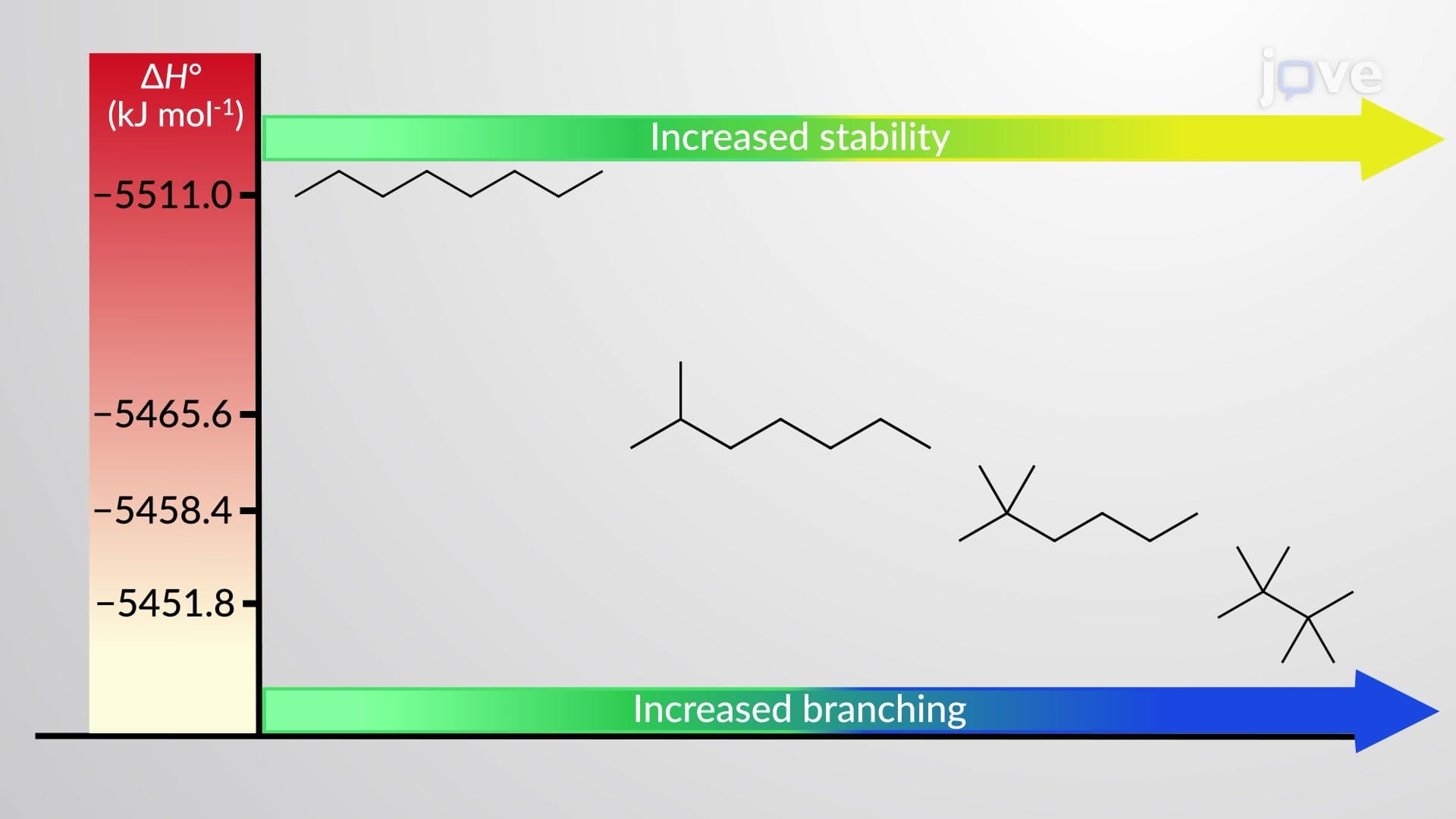
In practice, this tetrahedral geometry affects physical properties crucial to American industries. For example, the branching patterns in gasoline components like isooctane directly influence octane ratings at US gas stations, while the linear structure of alkanes in diesel fuel affects combustion efficiency in American trucking fleets.
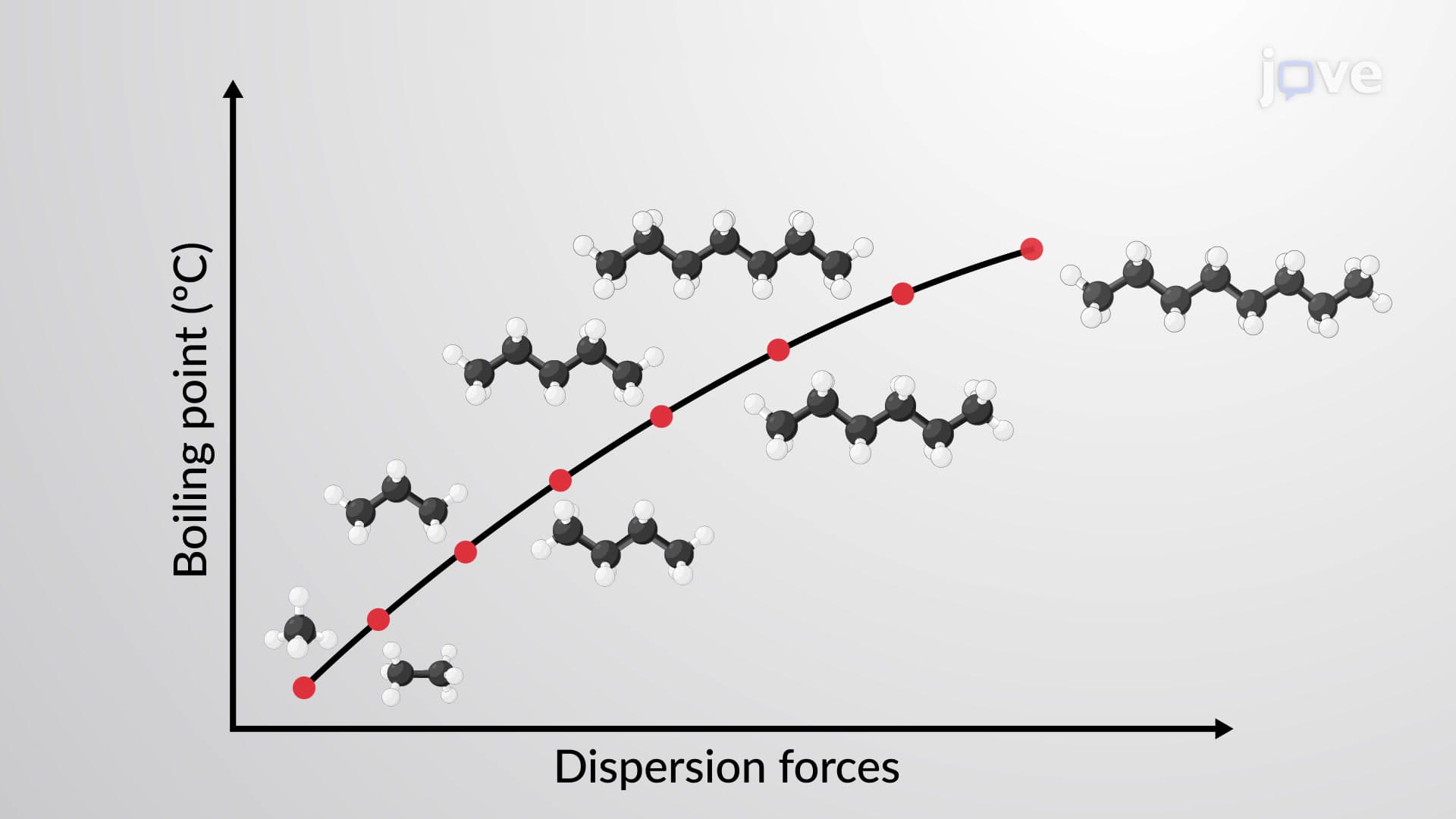
The general molecular formula CnH2n+2 serves as a diagnostic tool for identifying alkanes, where 'n' represents the number of carbon atoms. This formula explains why methane (CH4), ethane (C2H6), and propane (C3H8) form a homologous series, each differing by a CH2 unit.
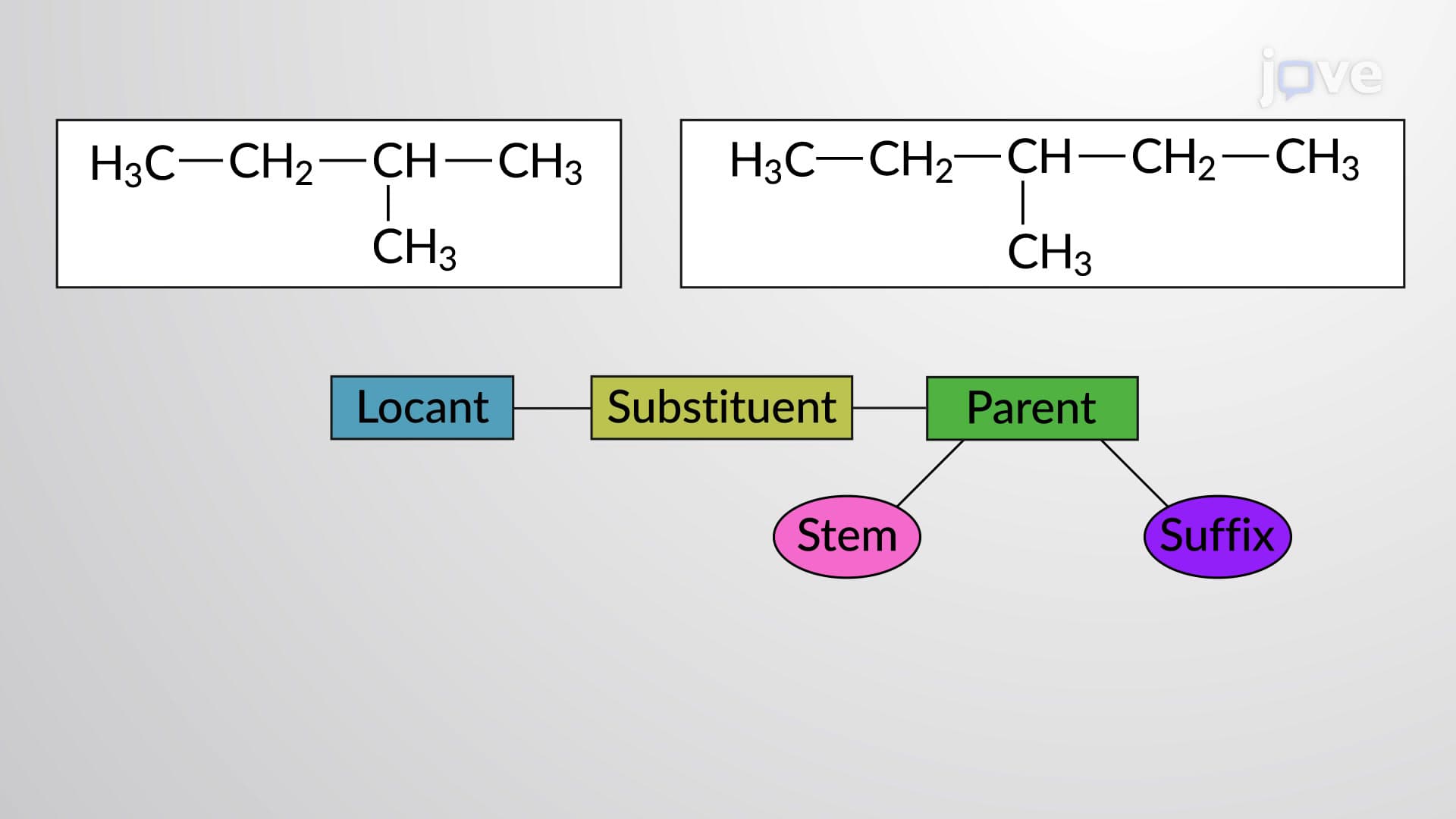
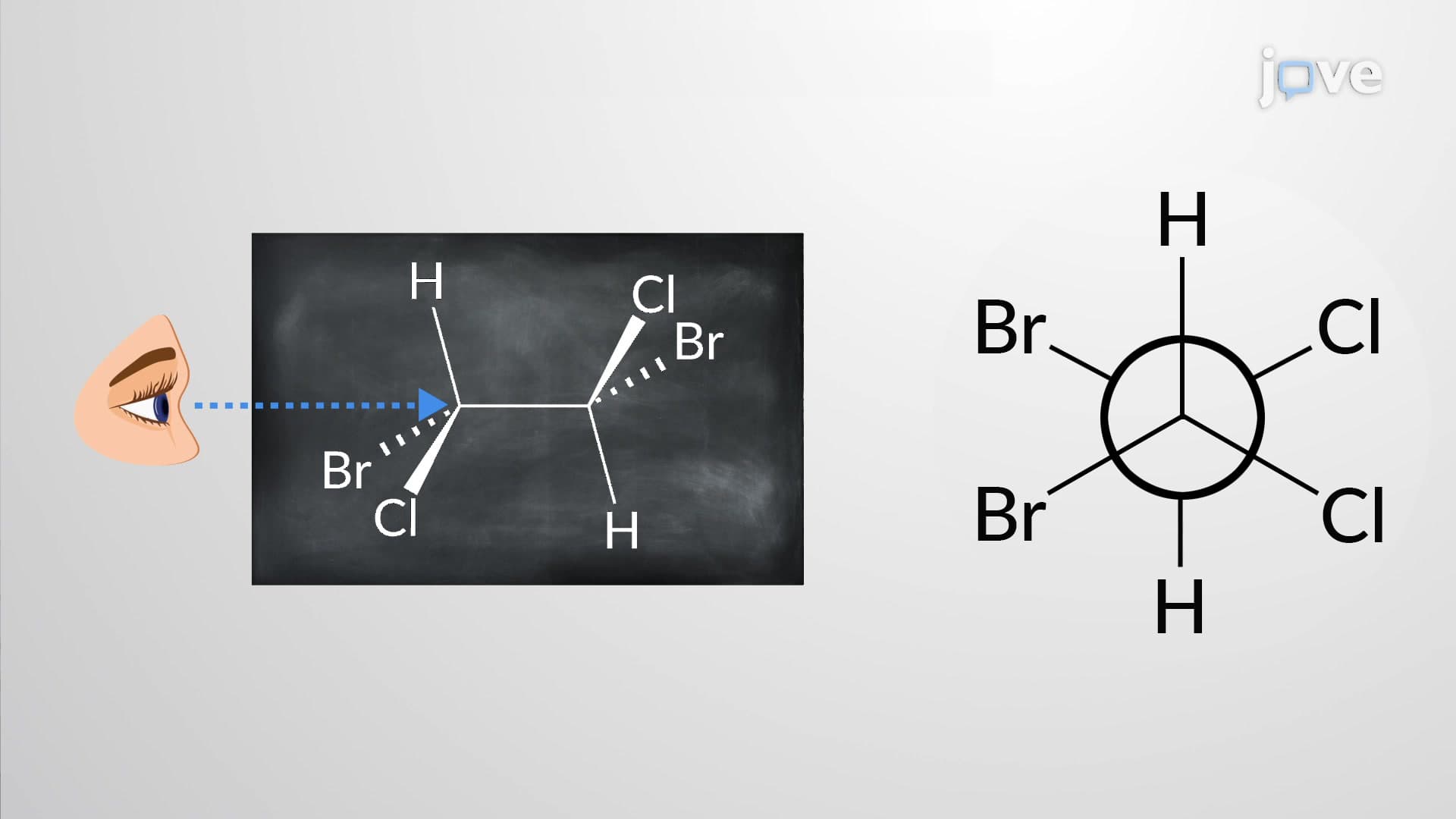
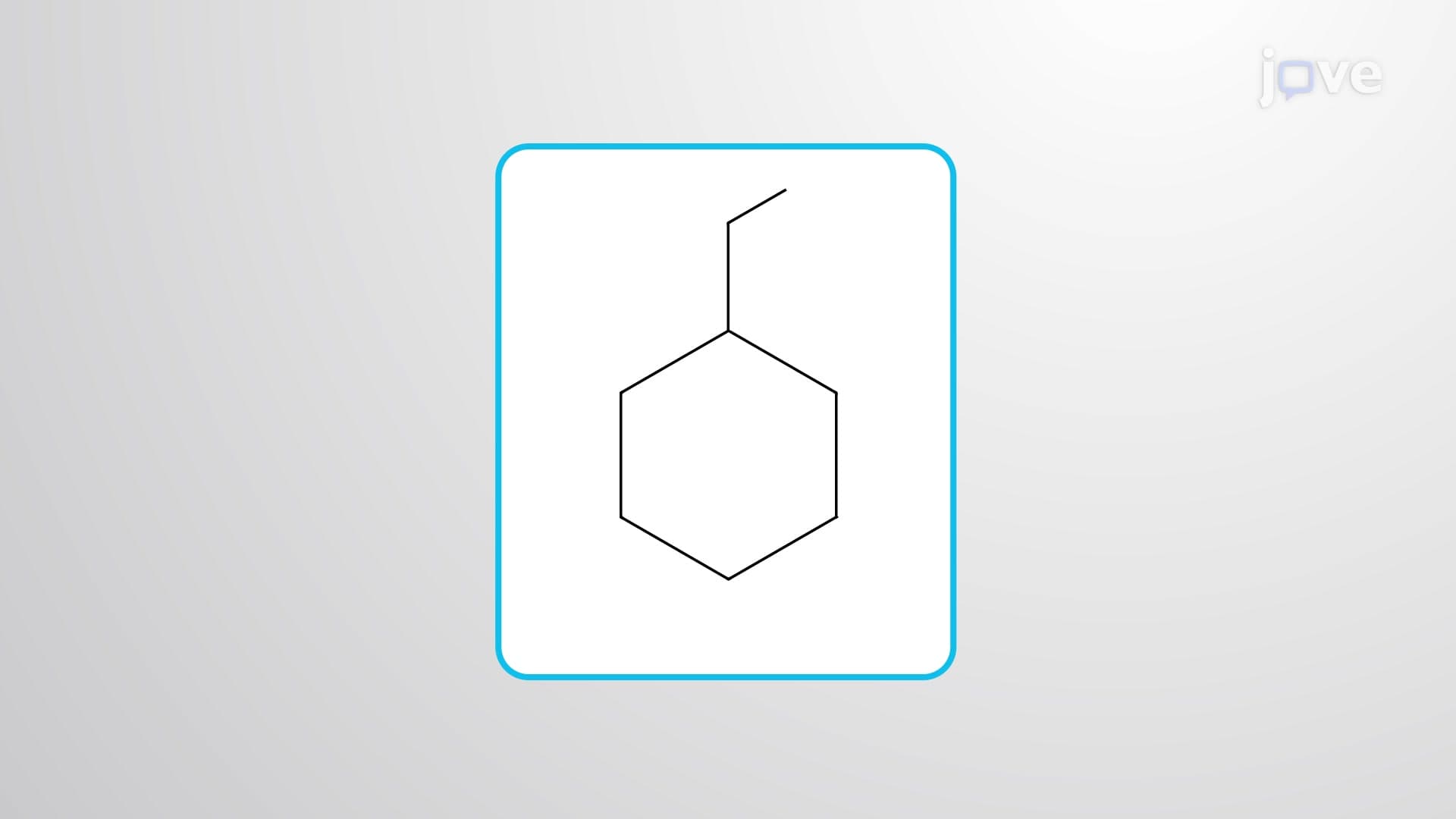
Modern chemistry education emphasizes multiple representation methods for alkane structures. Condensed structural formulas simplify Lewis structures by omitting explicit bonds, while line-angle (skeletal) structures use lines to represent carbon-carbon bonds with implied hydrogen atoms. These representations are essential for success in standardized tests like the SAT Subject Test in Chemistry and college organic chemistry courses.
Understanding alkane structure directly impacts numerous US industries. Petroleum refineries in Texas and Louisiana separate crude oil based on alkane chain length differences, while pharmaceutical companies modify alkane frameworks to create drug molecules. The EPA's fuel efficiency standards also depend on understanding how alkane structure affects combustion properties in American vehicles.
Related Micro-courses