Loading subject page…


143,300 views

Video Summary: Alkynes to Carboxylic Acids Oxidative Cleavage Explained
Ever wonder how pharmaceutical companies break down complex hydrocarbon chains to create life-saving medications? Alkynes carboxylic acids oxidative cleavage transforms triple-bonded carbon compounds into valuable carboxylic acids using powerful oxidizing agents like potassium permanganate. This process is essential in drug synthesis at companies like Pfizer, where chemists cleave alkyne intermediates to produce anti-inflammatory compounds. Alkynes to carboxylic acids oxidative cleavage explained reveals how chemists can completely sever carbon-carbon triple bonds, creating predictable products for pharmaceutical manufacturing. Watch the full video on JoVE Coach to master this concept with expert-led visuals and step-by-step explanations.
Alkynes carboxylic acids oxidative cleavage represents one of the most powerful transformations in organic chemistry, completely severing carbon-carbon triple bonds to generate carboxylic acid products. This reaction proves invaluable in both synthetic chemistry and structural analysis, allowing chemists to break down complex molecules into identifiable fragments.
Two primary oxidizing systems accomplish this transformation effectively. Potassium permanganate (KMnO4) in warm, basic aqueous conditions provides the classical approach, proceeding through an unstable diketone intermediate. The purple permanganate solution decolorizes as it consumes the alkyne, forming a characteristic brown precipitate of manganese dioxide-a visual indicator used in qualitative analysis.
Alternatively, ozonolysis offers a milder pathway, generating ozonide intermediates that undergo hydrolytic cleavage. This method proves particularly valuable when working with sensitive substrates that might decompose under harsh permanganate conditions. Both processes ultimately yield the same carboxylic acid products, making reagent choice dependent on reaction conditions and substrate tolerance.
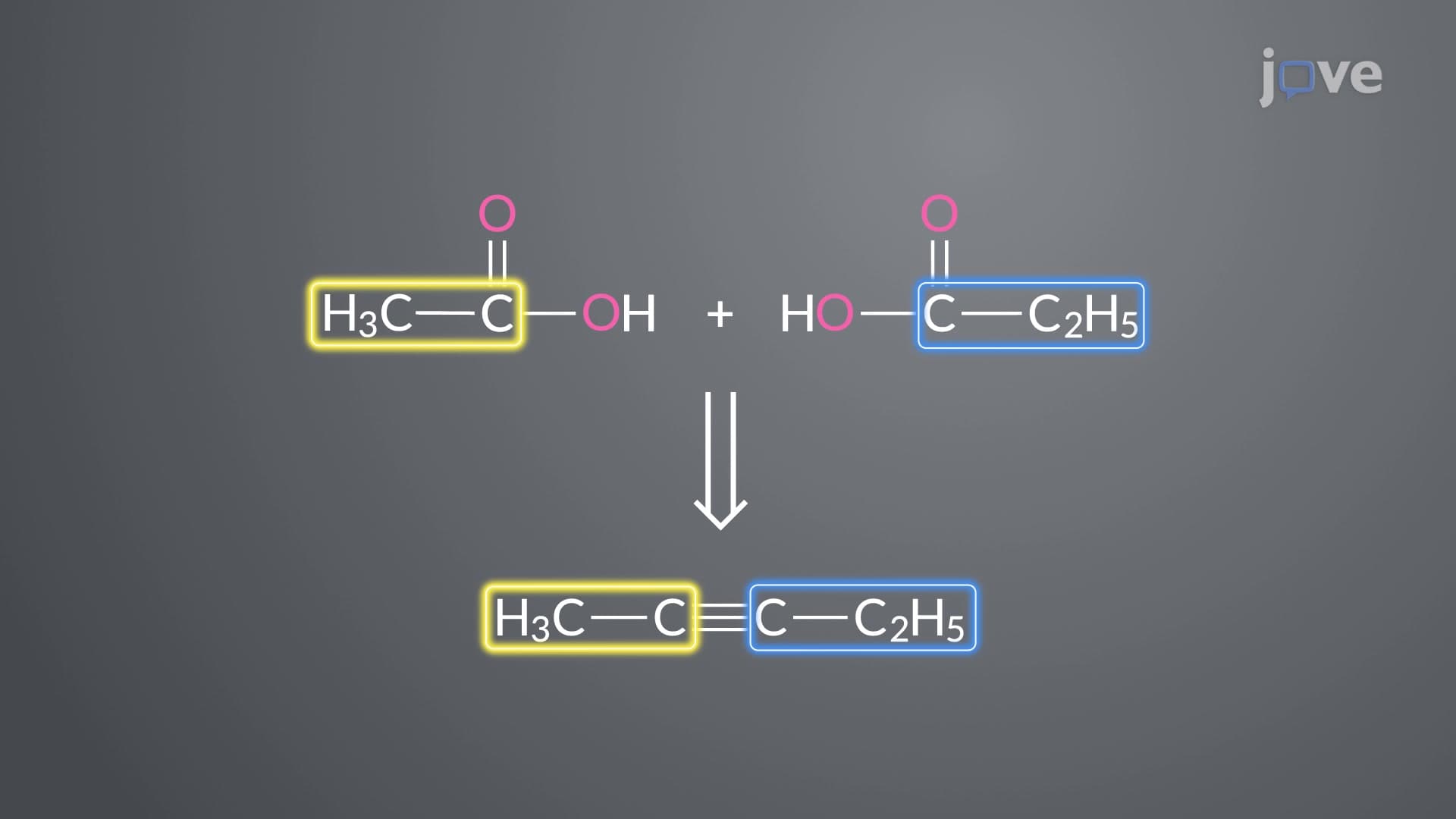
The structural outcome depends critically on alkyne substitution patterns. Internal alkynes (R-C≡C-R') generate two carboxylic acids upon cleavage, with each carbon of the original triple bond becoming a carboxyl group. This predictable pattern enables structural determination of unknown compounds through product analysis.
Terminal alkynes (R-C≡C-H) follow a different pathway, producing one carboxylic acid plus carbon dioxide. The terminal carbon forms formic acid initially, which rapidly oxidizes to carbonic acid and decomposes to CO2. This distinction proves crucial for AP Chemistry students tackling organic synthesis problems.
Alkynes to carboxylic acids oxidative cleavage explained extends beyond simple synthesis into analytical methodology. Pharmaceutical companies routinely employ this technique during drug development to confirm molecular structures. For example, when Merck researchers develop new cardiovascular medications containing alkyne groups, oxidative cleavage helps verify synthetic intermediates by generating known carboxylic acid fragments.
The permanganate test remains standard in undergraduate organic chemistry laboratories across US universities, from MIT to UCLA, providing students hands-on experience with qualitative analysis. This visual test-purple to colorless with brown precipitate formation-demonstrates unsaturation presence in unknown samples, making it invaluable for MCAT preparation and college organic chemistry courses.
Related Micro-courses