Loading video…


 12 Concepts
 143.3K views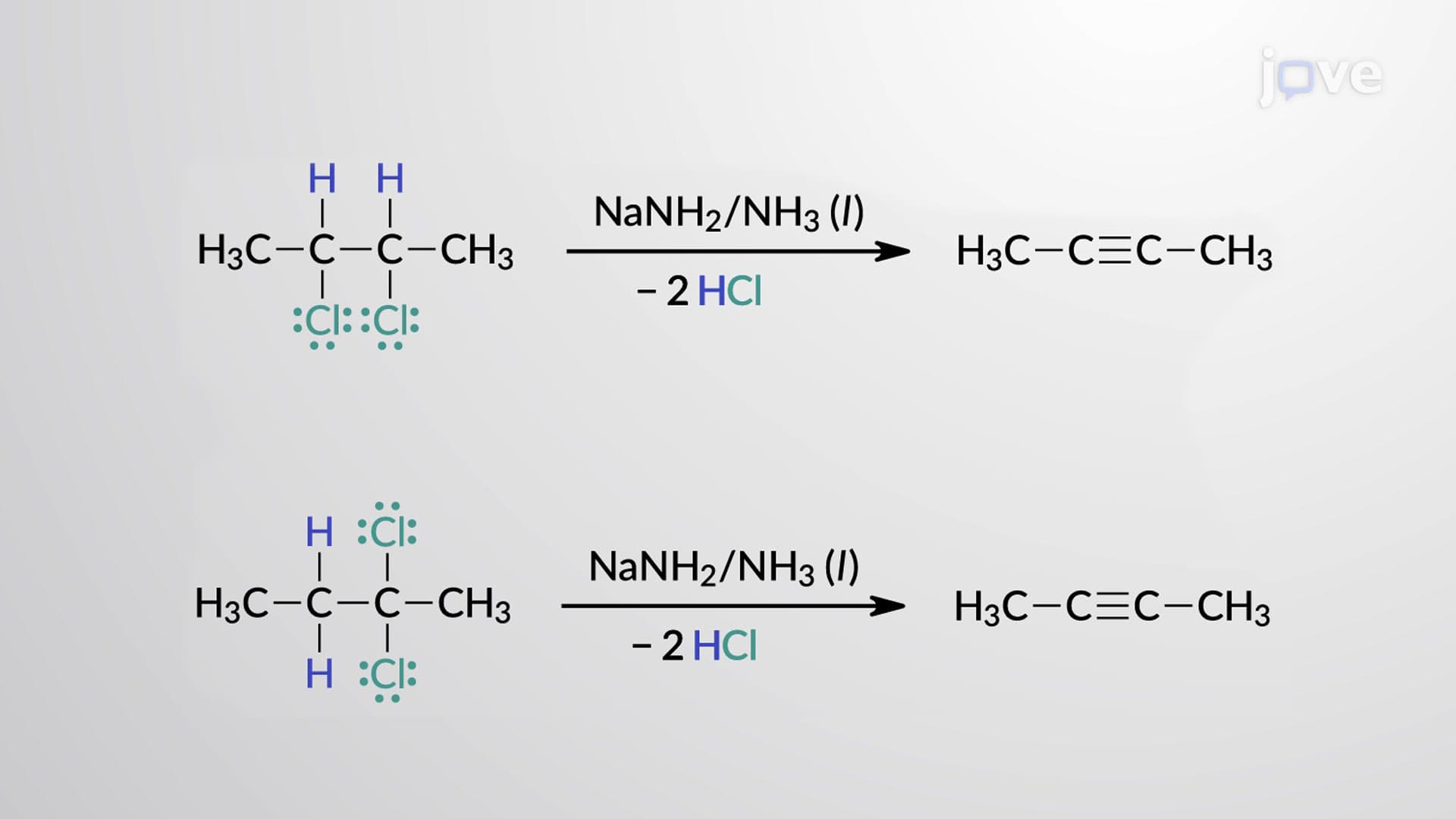

Video Summary: What Is Preparation of Alkynes Dehydrohalogenation
Ever wonder how pharmaceutical companies create the triple-bonded carbon chains found in birth control pills and pain medications? The preparation of alkynes dehydrohalogenation transforms ordinary halogenated compounds into these valuable triple-bonded structures through a fascinating double elimination process. Companies like Pfizer routinely use this method to synthesize acetylene-containing drugs, where sodium amide strips away hydrogen and halogen atoms in two successive steps. Watch the full video on JoVE Coach to master this concept with expert-led visuals and step-by-step explanations.
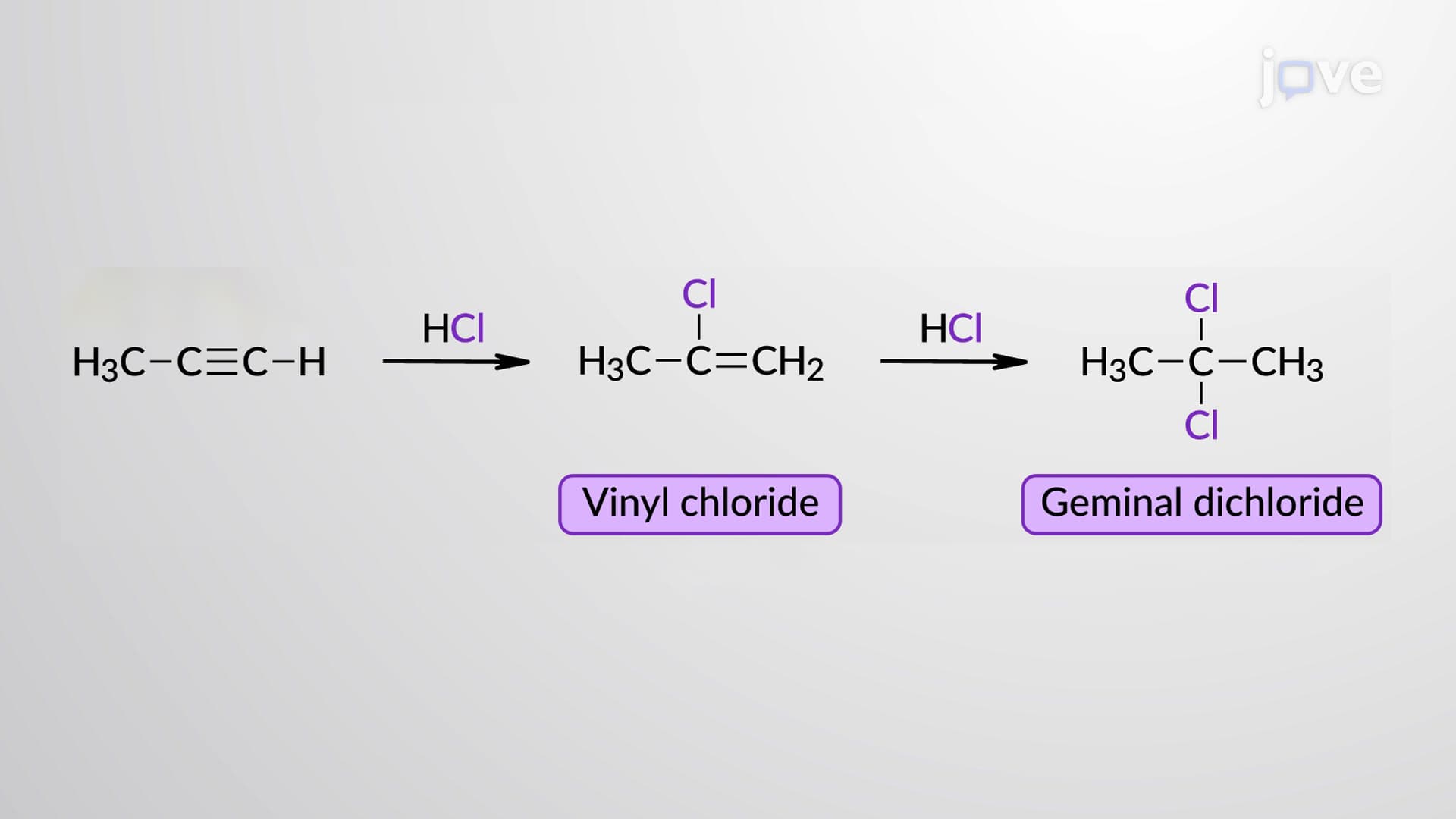
The preparation of alkynes dehydrohalogenation represents a cornerstone synthetic method in organic chemistry, particularly valuable for creating carbon-carbon triple bonds from readily available halogenated precursors. This transformation involves the elimination of two molecules of hydrogen halide (HX) from either vicinal dihalides (halogens on adjacent carbons) or geminal dihalides (both halogens on the same carbon).
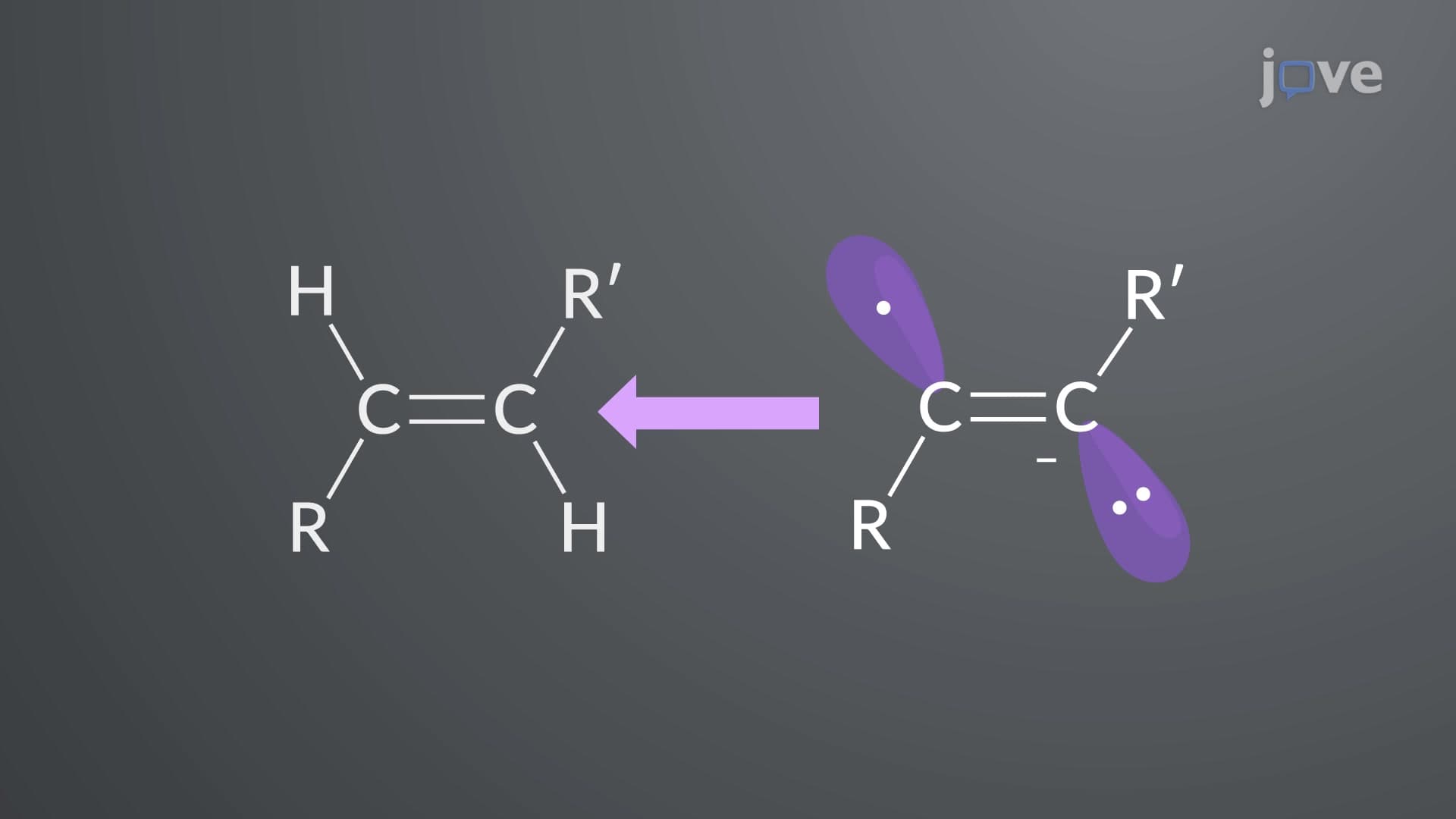
The reaction proceeds through two consecutive E2 elimination mechanisms, each requiring one equivalent of a strong base like sodium amide (NaNH2) in liquid ammonia. In the first elimination step, the base abstracts a proton while the halide simultaneously departs, forming a haloalkene intermediate. The second elimination converts this intermediate to the final alkyne product. This double dehydrohalogenation process is particularly important in AP Chemistry and organic chemistry courses at universities like Harvard and MIT, where students learn to predict and control elimination reactions.
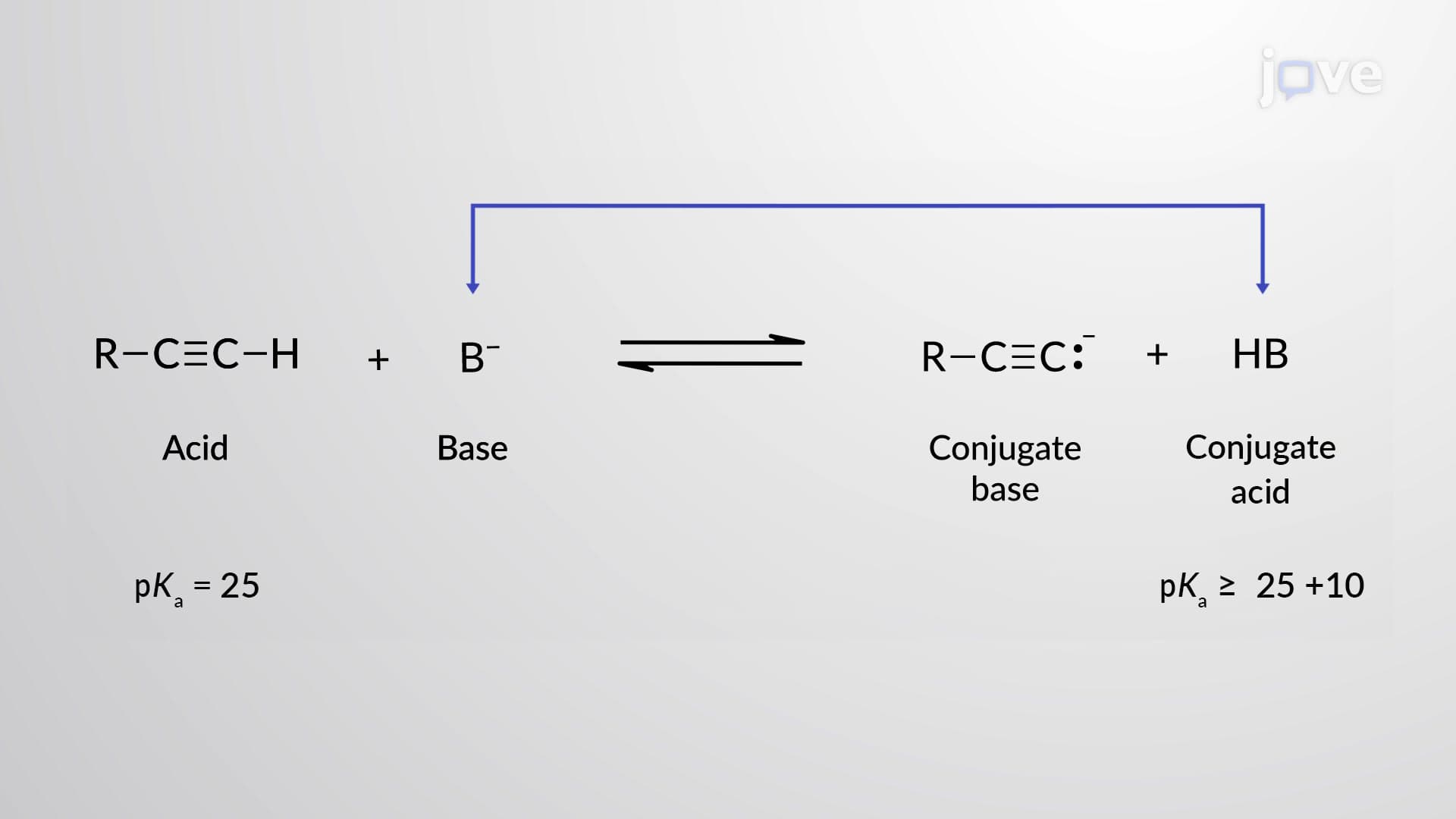
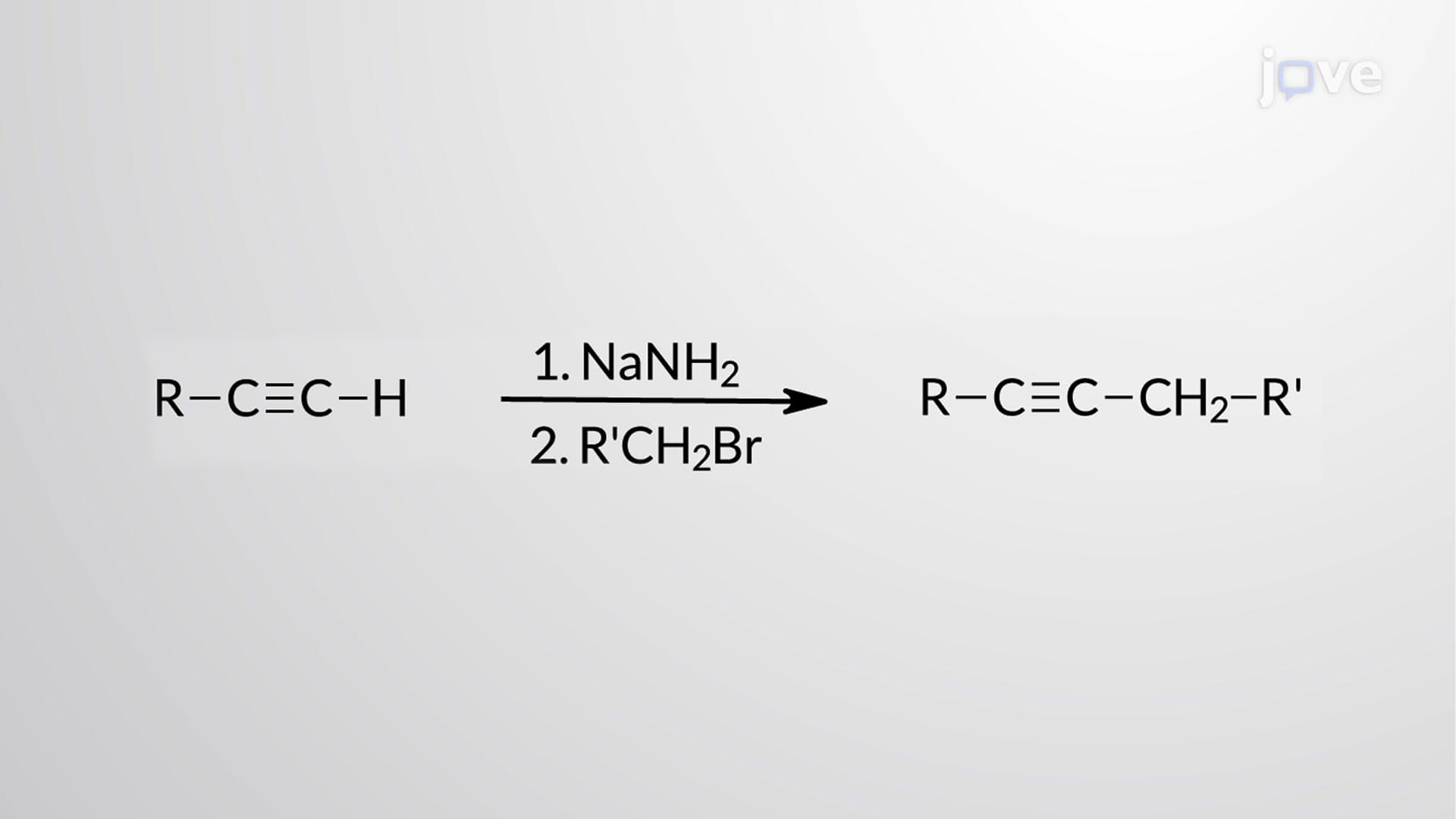
When the product is a terminal alkyne (containing a C≡C-H unit), a third equivalent of base becomes necessary. The highly acidic hydrogen of the terminal alkyne (pKa ≈ 25) is readily deprotonated by sodium amide, forming an acetylide anion. This intermediate must then be protonated with water or a mild acid to regenerate the neutral alkyne. This concept frequently appears on MCAT organic chemistry sections and college examinations.
Side reactions can complicate the dehydrohalogenation process. When elimination can occur at different positions, allene formation (compounds with cumulated double bonds) may compete with alkyne formation. However, the thermodynamic instability of allenes typically favors alkyne products. Additionally, using weaker bases like sodium hydroxide can terminate the reaction after the first elimination, providing access to alkenes instead of alkynes-a strategy employed in industrial processes by companies like DuPont and Dow Chemical for selective product formation.
Related Micro-courses