Loading video…

- Organic Chemistry
- Carboxylic Acids
- IUPAC Nomenclature of Carboxylic Acids



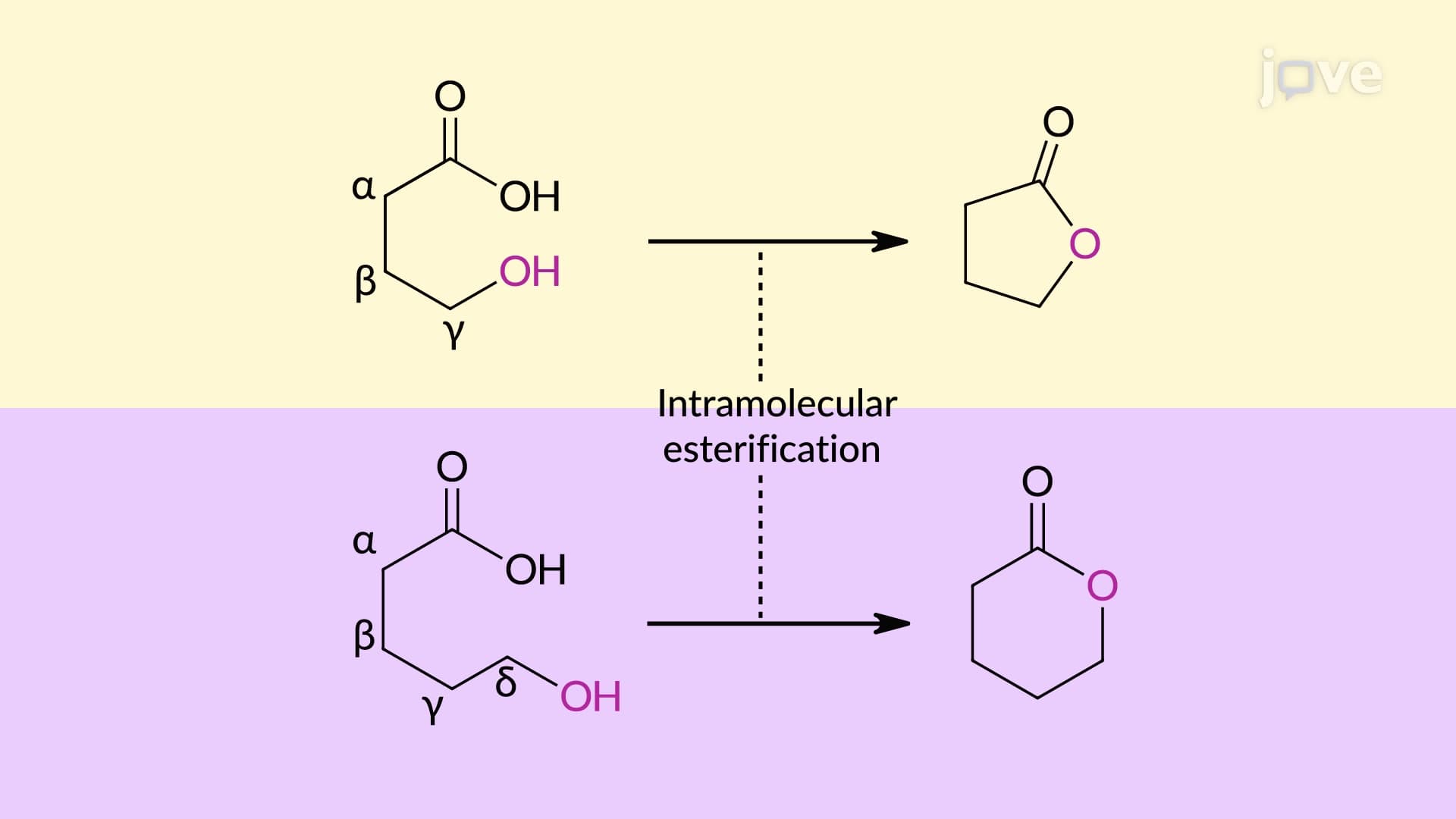
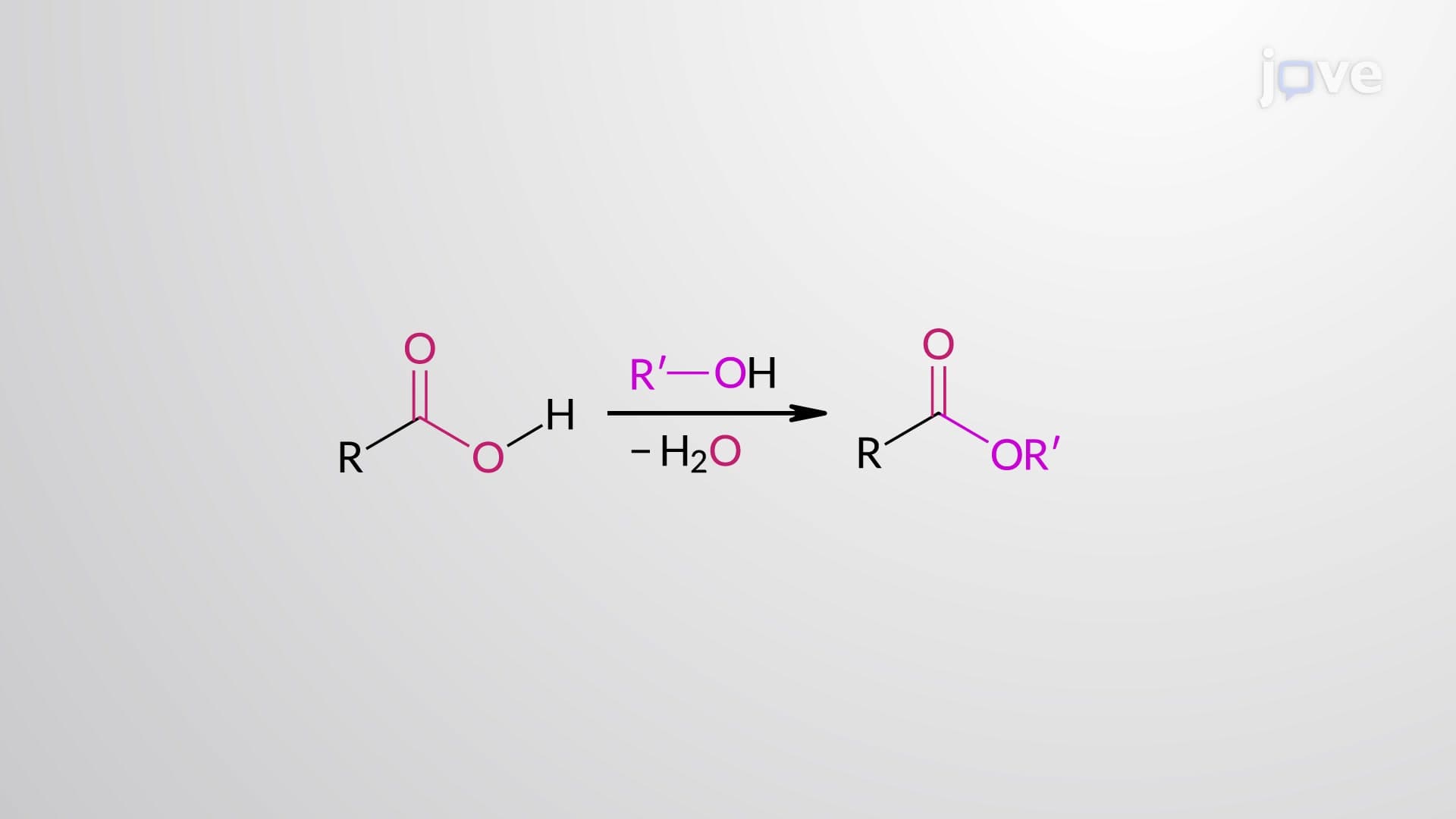

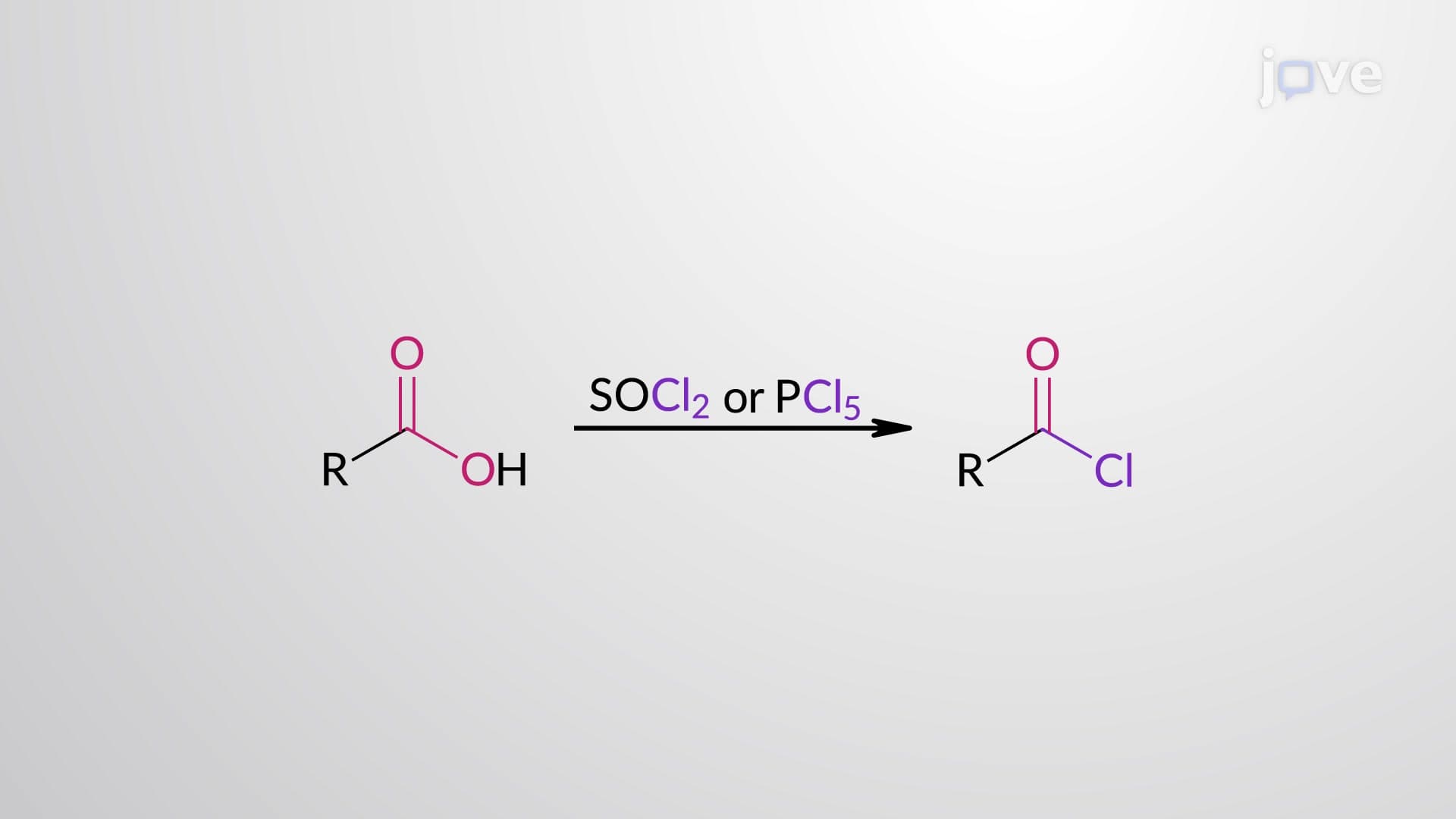
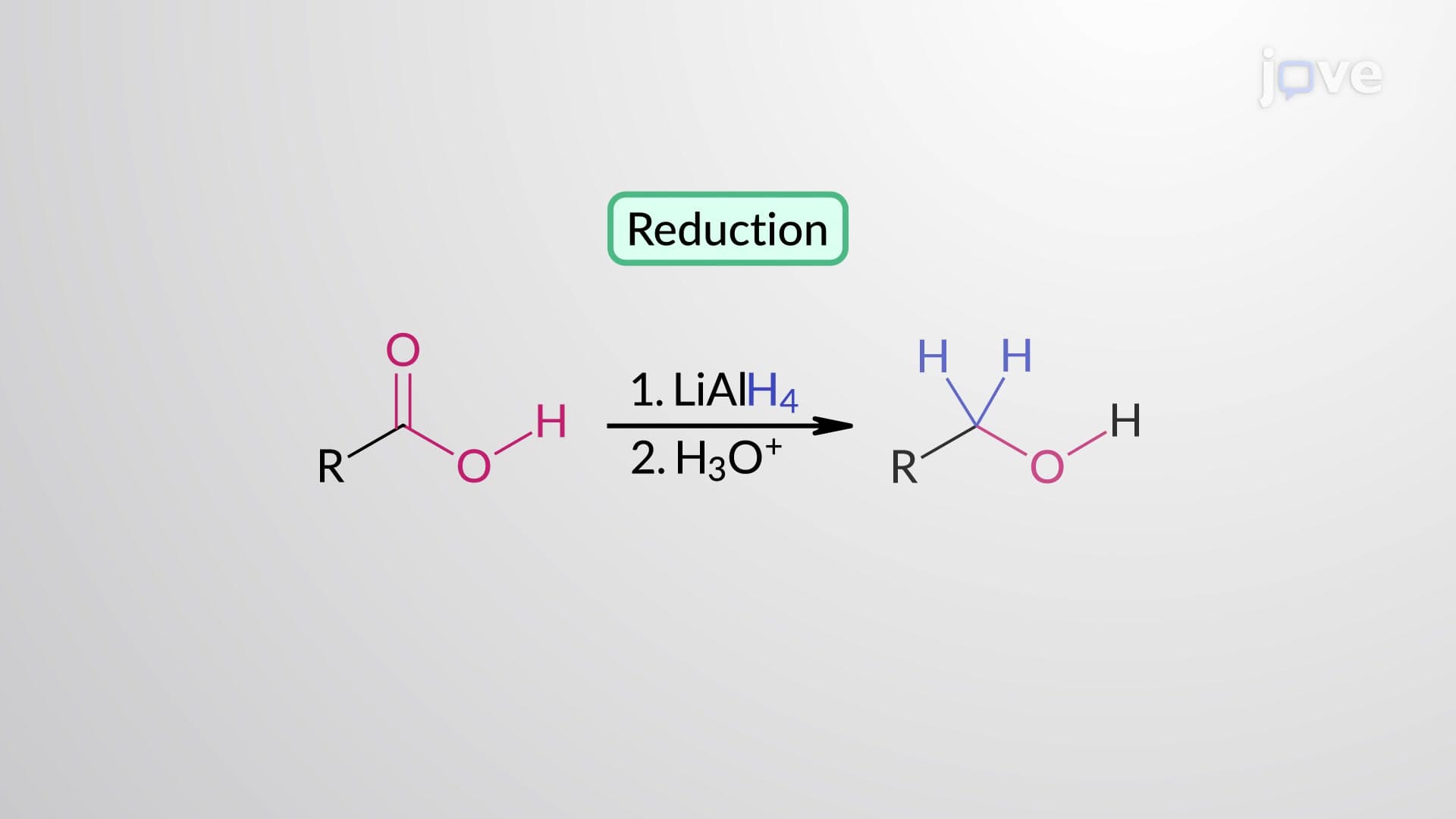

Ever wondered why aspirin's chemical name is acetylsalicylic acid while vinegar contains acetic acid? The IUPAC nomenclature of carboxylic acids follows systematic rules that create these precise names from molecular structure. From pharmaceutical compounds like ibuprofen to everyday substances like citric acid in sodas, understanding IUPAC nomenclature carboxylic acids helps decode the language of chemistry around us. Watch the full video on JoVE Coach to master this concept with expert-led visuals and step-by-step explanations.
- Understand the fundamental principles of IUPAC nomenclature of carboxylic acids explained including identification of the COOH functional group and parent chain selection
- Identify the correct suffix transformations from alkane to carboxylic acid nomenclature (-e to -oic acid for monocarboxylic acids)
- Apply proper numbering systems starting from the COOH carbon to assign correct locant values to substituents
- Recognize the nomenclature differences between monocarboxylic acids, dicarboxylic acids, and cyclic carboxylic acids
- Analyze complex molecules containing multiple COOH groups and apply appropriate prefixes (di-, tri-)
- Compare naming conventions for saturated versus unsaturated carboxylic acid parent chains
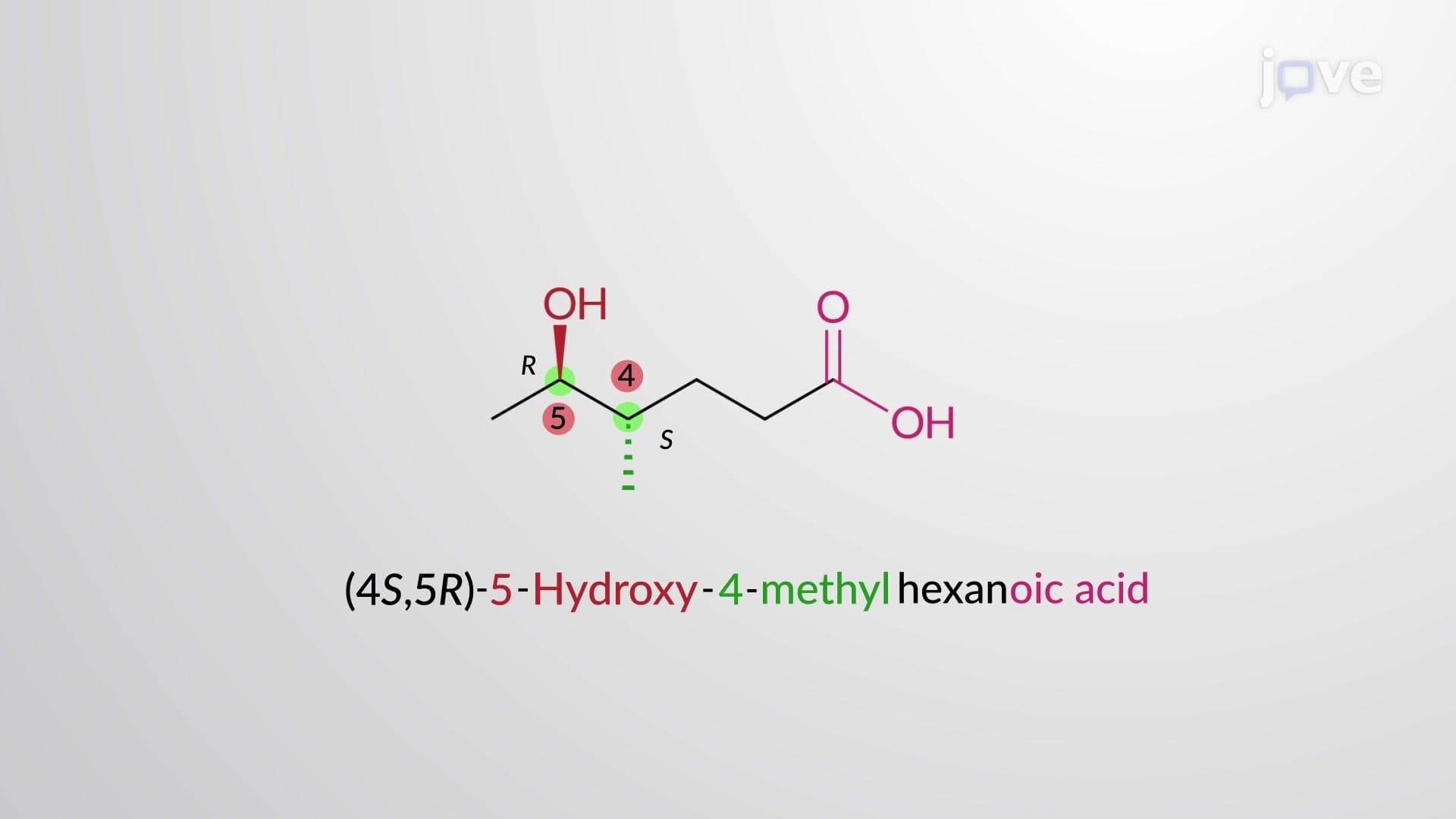
- Evaluate stereochemistry indicators and their placement in systematic names
- Explore real-world applications of carboxylic acid nomenclature in pharmaceutical and industrial contexts
Understanding IUPAC Nomenclature of Carboxylic Acids Explained
The International Union of Pure and Applied Chemistry (IUPAC) system provides standardized rules for naming carboxylic acids, compounds containing the carboxyl functional group (COOH). This systematic approach ensures that every organic molecule has one unambiguous name, crucial for scientific communication and pharmaceutical labeling in the United States.
Monocarboxylic Acid Nomenclature Rules
For compounds containing a single COOH group, the naming process follows four key steps. First, identify the longest carbon chain that includes the carboxyl carbon. This becomes your parent chain. Second, replace the terminal "-e" of the corresponding alkane name with "-oic acid." For example, a three-carbon chain becomes "propanoic acid" instead of "propane." Third, number the carbon chain starting from the carboxyl carbon (which is always carbon 1). Finally, identify and name any substituents using their position numbers.
Consider the pain reliever ibuprofen, systematically named as 2-(4-isobutylphenyl)propanoic acid. This name reveals its three-carbon carboxylic acid backbone with a complex substituted phenyl group—information vital for pharmacists and chemists in US healthcare systems.
Dicarboxylic Acids and Special Cases
Dicarboxylic acids contain two COOH groups and follow modified rules. Select the longest chain containing both carboxyl carbons, retain the "-e" from the parent hydrocarbon, and add "-dioic acid." Oxalic acid (found in spinach) becomes "ethanedioic acid" under IUPAC nomenclature, while succinic acid (important in cellular respiration) is systematically named "butanedioic acid."
When carboxyl groups attach to ring systems, the suffix "-carboxylic acid" replaces "-oic acid." Benzoic acid, a common food preservative approved by the US FDA, exemplifies this pattern. The ring carbon bearing the COOH group becomes carbon 1 for numbering purposes.
Practical Applications in US Academic Settings
Students preparing for AP Chemistry exams, college organic chemistry courses, or pre-medical MCAT sections regularly encounter carboxylic acid nomenclature problems. Understanding these rules proves essential for success in American undergraduate chemistry programs and professional school prerequisites. Many US pharmaceutical companies rely on precise IUPAC naming for drug development, regulatory submissions to the FDA, and patent applications.
Frequently Asked Questions
IUPAC nomenclature of carboxylic acids is the systematic method for naming compounds containing the COOH functional group using internationally accepted rules. This standardized system ensures precise chemical communication in research, pharmaceuticals, and academic settings. It's essential for students pursuing chemistry, pre-med, or engineering majors in US universities, as these naming conventions appear on standardized tests and professional applications.
Both exams frequently test carboxylic acid naming through structure-to-name and name-to-structure problems. The MCAT emphasizes biochemically relevant carboxylic acids like amino acids and fatty acids, while AP Chemistry focuses on systematic nomenclature rules. Students should practice identifying parent chains, applying suffix rules, and handling dicarboxylic acids. These concepts typically appear in 2-3 questions per exam section.
Monocarboxylic acids use the suffix "-oic acid" and drop the terminal "-e" from the parent alkane name. Dicarboxylic acids keep the "-e" and add "-dioic acid" instead. For example, a four-carbon chain with one COOH becomes "butanoic acid," while the same chain with two COOH groups becomes "butanedioic acid." The numbering system also differs—monocarboxylic acids always start numbering from the COOH carbon.
Pharmaceutical companies use systematic IUPAC names for drug patents, FDA submissions, and international regulatory compliance. For instance, aspirin's systematic name "2-acetoxybenzoic acid" appears in patent documents and scientific literature. Pharmacists and healthcare professionals rely on these precise names to avoid confusion between similar-sounding medications, ensuring patient safety in US healthcare systems.
No, carboxylic acid nomenclature builds on basic organic chemistry concepts taught in high school chemistry or college introductory courses. You need to understand carbon chain counting, functional group recognition, and basic alkane naming. Most US high school students successfully learn these concepts in AP Chemistry or honors chemistry courses. The rules follow logical patterns that become intuitive with practice.
Create systematic practice by working through examples of increasing complexity, starting with simple monocarboxylic acids before advancing to dicarboxylic and cyclic variants. Use flashcards for suffix patterns (-oic acid vs -dioic acid vs -carboxylic acid) and practice both naming structures and drawing structures from names. Many successful pre-med students recommend daily 15-minute practice sessions rather than cramming sessions.
Prioritize common examples like acetic acid, benzoic acid, and simple dicarboxylic acids (oxalic, succinic, glutaric). These frequently appear in US college textbooks and exams. Also study biologically relevant carboxylic acids like fatty acids and amino acids, as they bridge organic chemistry with biochemistry courses required for health science majors.
Stereochemistry descriptors (R/S configurations, E/Z for double bonds) are added as prefixes to the systematic name when chiral centers or geometric isomers exist. This becomes particularly important in pharmaceutical chemistry, where different stereoisomers can have vastly different biological activities. Advanced organic chemistry courses and MCAT preparation typically cover these applications in detail.
Related Micro-courses
28 Concepts


Related Subjects
 Analytical Chemistry 16 micro-courses›
 Chemistry 21 micro-courses›