Loading…
Loading video…

108,300 views
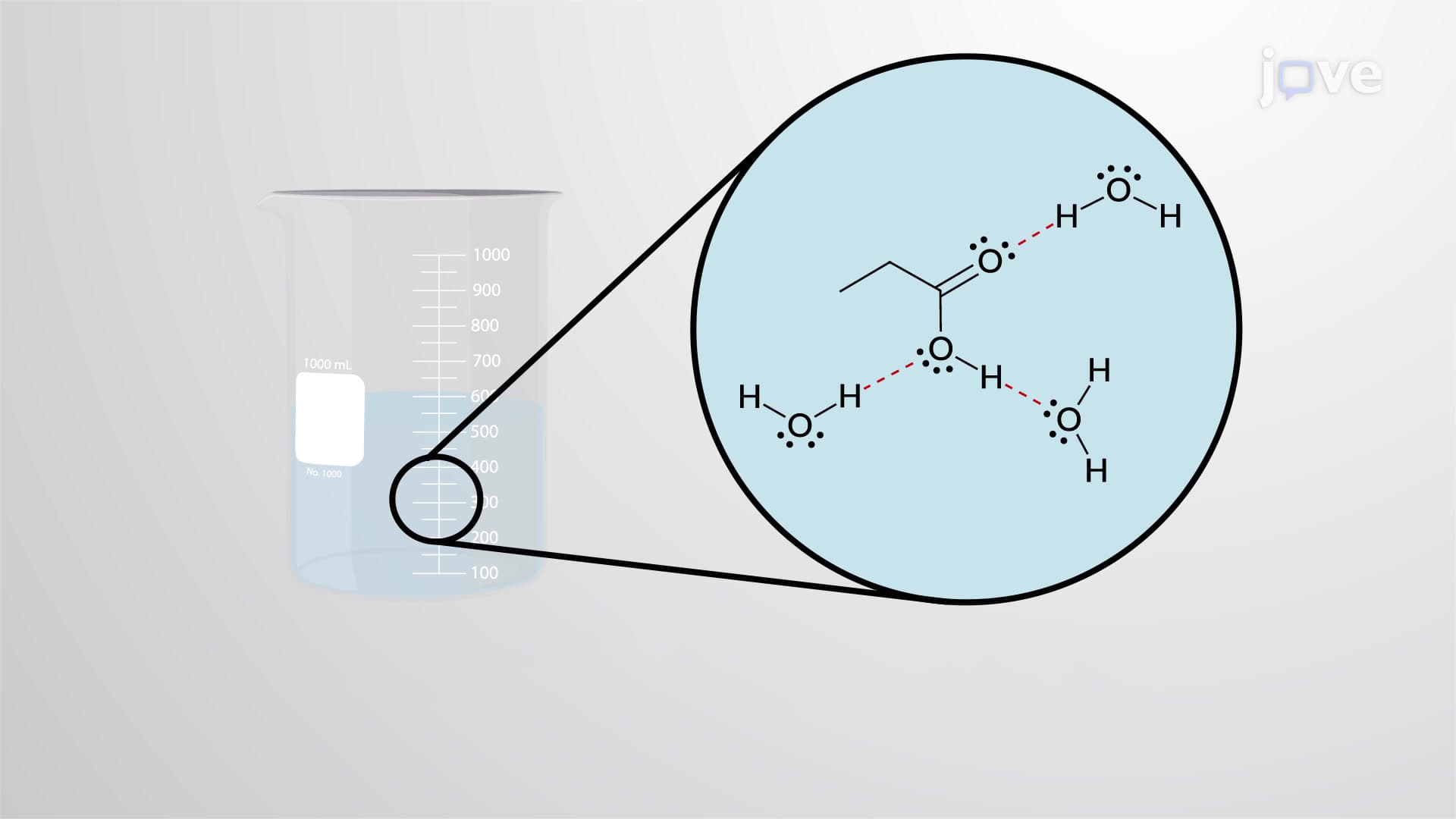
Ever wondered why vinegar has such a distinctive smell and texture compared to other household liquids? The physical properties carboxylic acids exhibit—including their unique boiling points, solubility patterns, and molecular interactions—explain why acetic acid in vinegar behaves so differently from simple alcohols or hydrocarbons. These fascinating molecular characteristics determine everything from how pharmaceutical drugs dissolve in your body to why certain food preservatives work effectively. Watch the full video on JoVE Coach to master this concept with expert-led visuals and step-by-step explanations.
Carboxylic acids represent one of the most important functional groups in organic chemistry, with physical properties that directly stem from their unique molecular structure. The combination of a carbonyl group (C=O) and a hydroxyl group (-OH) creates a highly polar region that governs virtually all physical characteristics of these compounds.
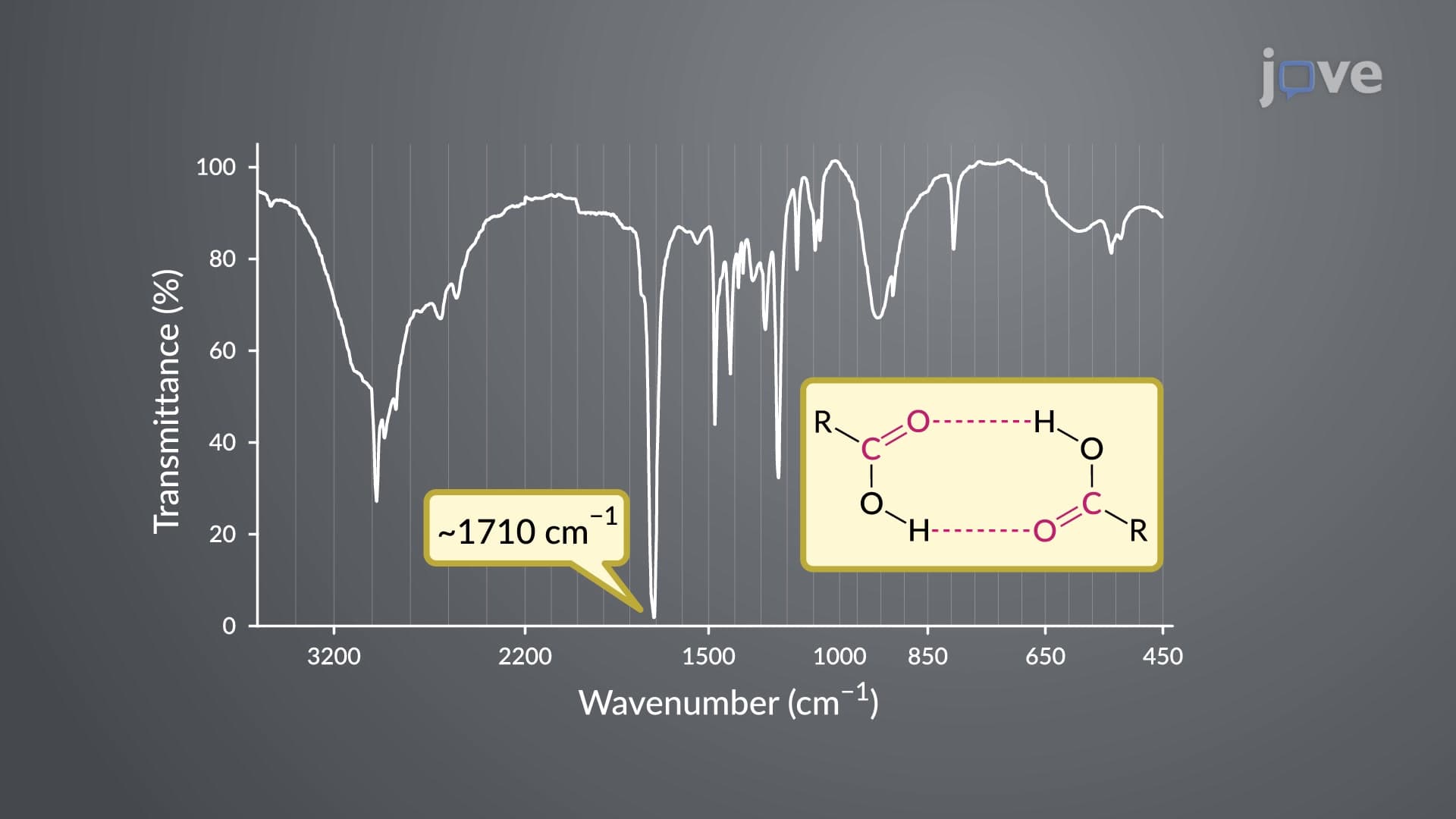
The exceptional boiling points of carboxylic acids result from their ability to form stable dimers through hydrogen bonding. Unlike simple alcohols that form single hydrogen bonds, carboxylic acids create two simultaneous hydrogen bonds between molecules, effectively doubling their apparent molecular weight. This explains why acetic acid (CH₃COOH) boils at 118°C, significantly higher than ethanol (78°C) despite similar molecular weights.
For students preparing for the AP Chemistry exam or college organic chemistry courses, understanding this dimer formation is crucial. The concept frequently appears in questions comparing boiling points across different functional groups. Consider how formic acid (HCOOH), the simplest carboxylic acid found in ant venom, demonstrates these principles on a basic level.
Water solubility in carboxylic acids follows predictable trends based on the hydrophobic-hydrophilic balance. Short-chain acids like acetic acid (vinegar's active component) and propionic acid (used in food preservation) dissolve readily in water due to dominant hydrogen bonding interactions. However, as the hydrocarbon chain extends beyond four carbons, water solubility decreases dramatically.
This principle has practical applications in pharmaceutical development. For instance, aspirin (acetylsalicylic acid) requires specific formulation considerations due to its limited water solubility, while vitamin C (ascorbic acid) dissolves easily because of multiple polar groups.
Saturated carboxylic acids exhibit higher melting points than their unsaturated counterparts due to enhanced London dispersion forces and more efficient crystal packing. Stearic acid (saturated, 18 carbons) melts at 69°C, while oleic acid (unsaturated, 18 carbons) remains liquid at room temperature, melting at 13°C. This difference explains why saturated fats are solid at room temperature while unsaturated fats remain liquid.
Dicarboxylic acids like oxalic acid and malonic acid demonstrate even higher melting points due to additional hydrogen bonding sites, making them valuable in industrial applications requiring thermal stability.
Frequently Asked Questions
Physical properties of carboxylic acids include their boiling points, melting points, solubility patterns, and molecular interactions, all determined by hydrogen bonding and polar functional groups. These properties determine how carboxylic acids behave in biological systems, industrial processes, and everyday applications like food preservation and pharmaceuticals.
MCAT questions often test your understanding of boiling point comparisons, solubility predictions, and intermolecular forces in carboxylic acids. You'll need to analyze molecular structures, predict physical properties based on chain length, and explain hydrogen bonding patterns. Practice identifying why carboxylic acids have higher boiling points than comparable alcohols or aldehydes.
Focus on the dimer formation concept, solubility trends (water-soluble for 1-4 carbons, decreasing thereafter), and boiling point patterns. Remember that hydrogen bonding creates two bonds per dimer, effectively doubling molecular weight. Practice comparing properties across functional groups and predicting solubility in polar versus nonpolar solvents.
College exams emphasize mechanistic understanding of intermolecular forces and structure-property relationships. You'll analyze melting point data, predict solvent compatibility, and explain why dicarboxylic acids have enhanced properties. Questions often involve comparing saturated versus unsaturated acids or predicting behavior in different solvent systems.
Consider aspirin production and formulation at pharmaceutical companies like Pfizer or Johnson & Johnson. Aspirin's limited water solubility requires specific tablet formulations and coating techniques to ensure proper dissolution and absorption in the human digestive system, directly applying solubility principles.
This concept builds naturally on basic intermolecular forces and polarity principles from general chemistry. If you understand hydrogen bonding and molecular polarity, you can master carboxylic acid properties. The key is connecting molecular structure to observable physical characteristics through logical reasoning.
Create comparison charts showing boiling points, melting points, and solubility data for different carboxylic acids. Practice predicting properties from molecular structures and explaining trends based on intermolecular forces. Use molecular models or drawings to visualize hydrogen bonding patterns and dimer formation.
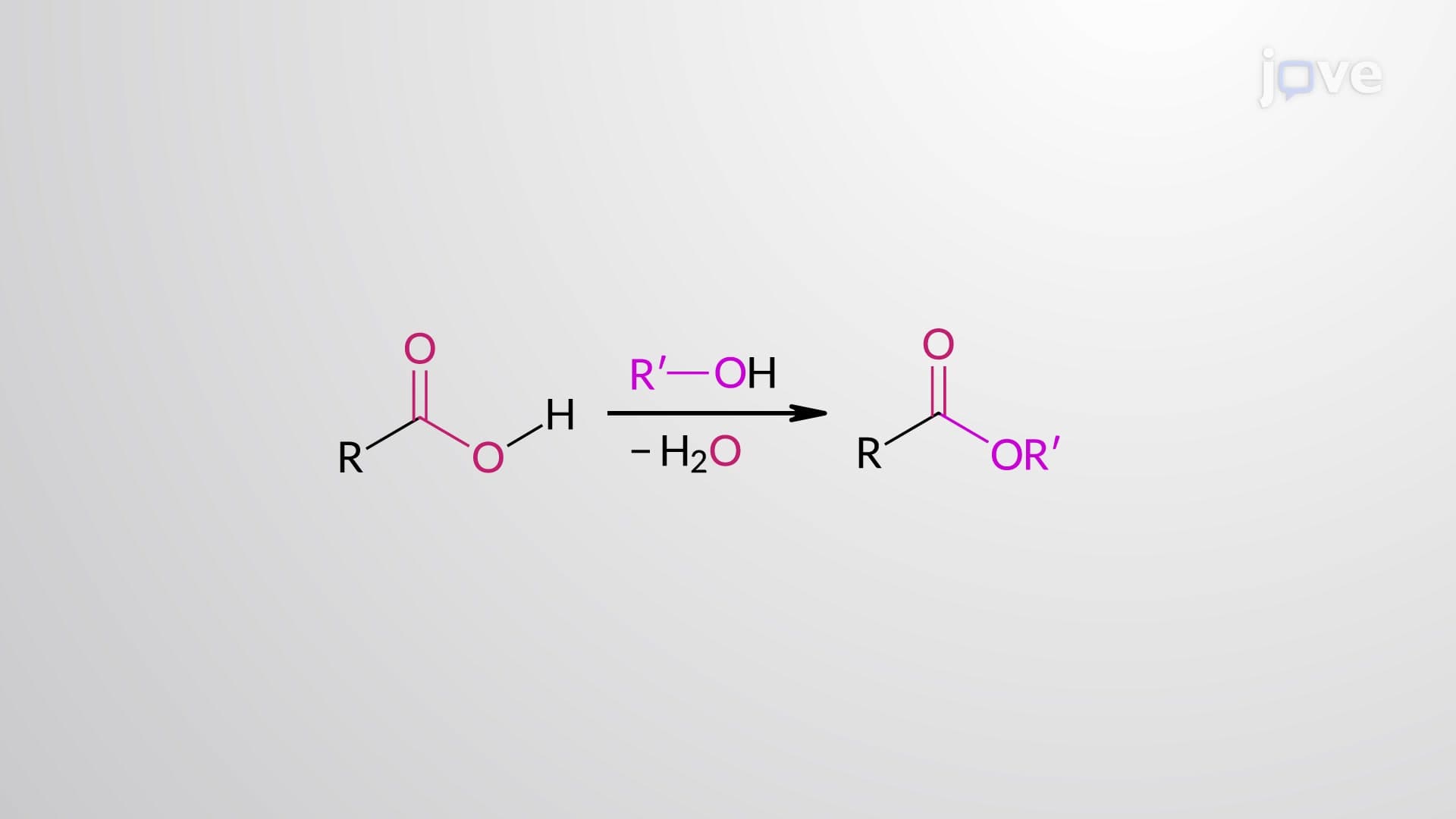
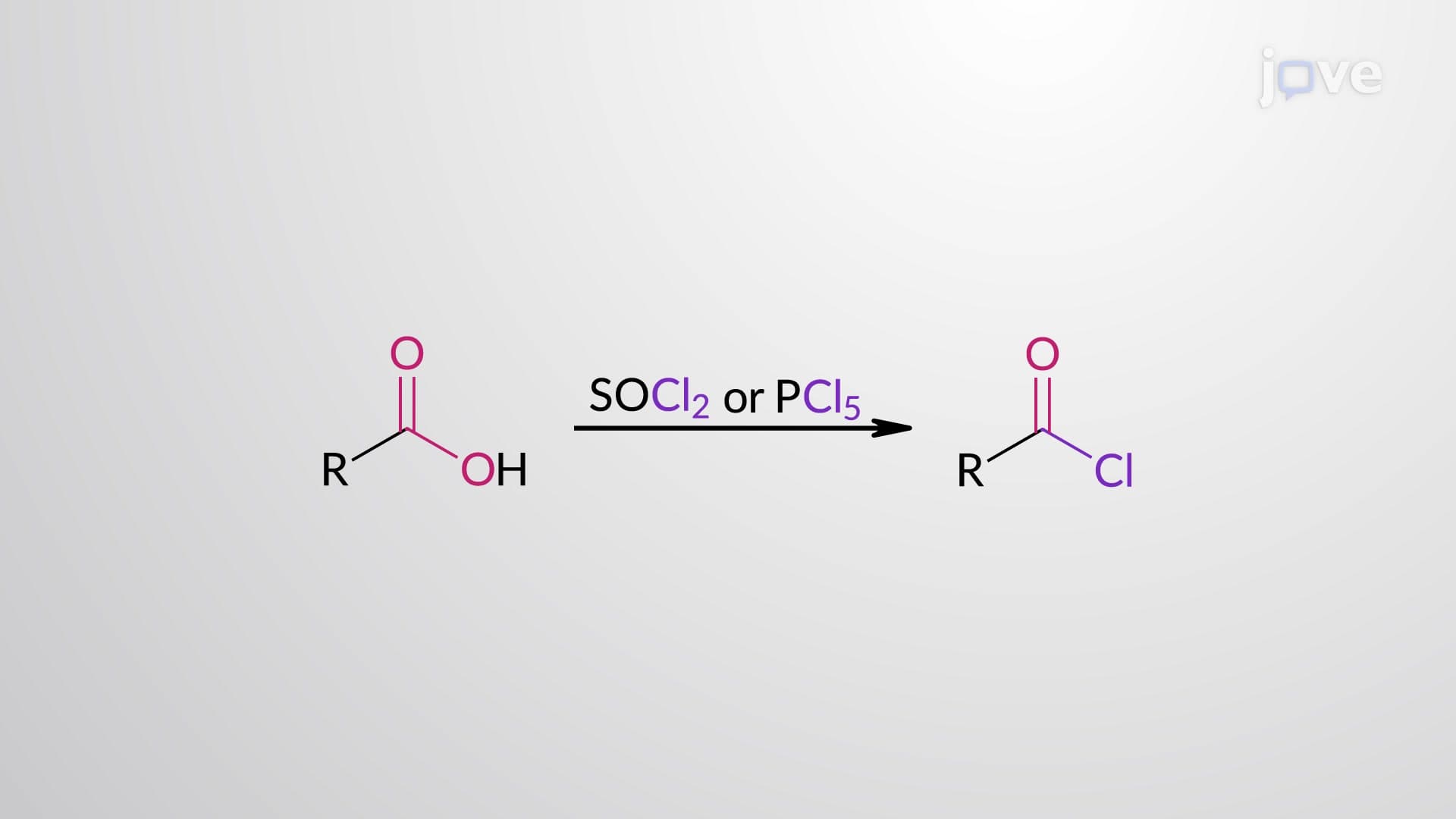
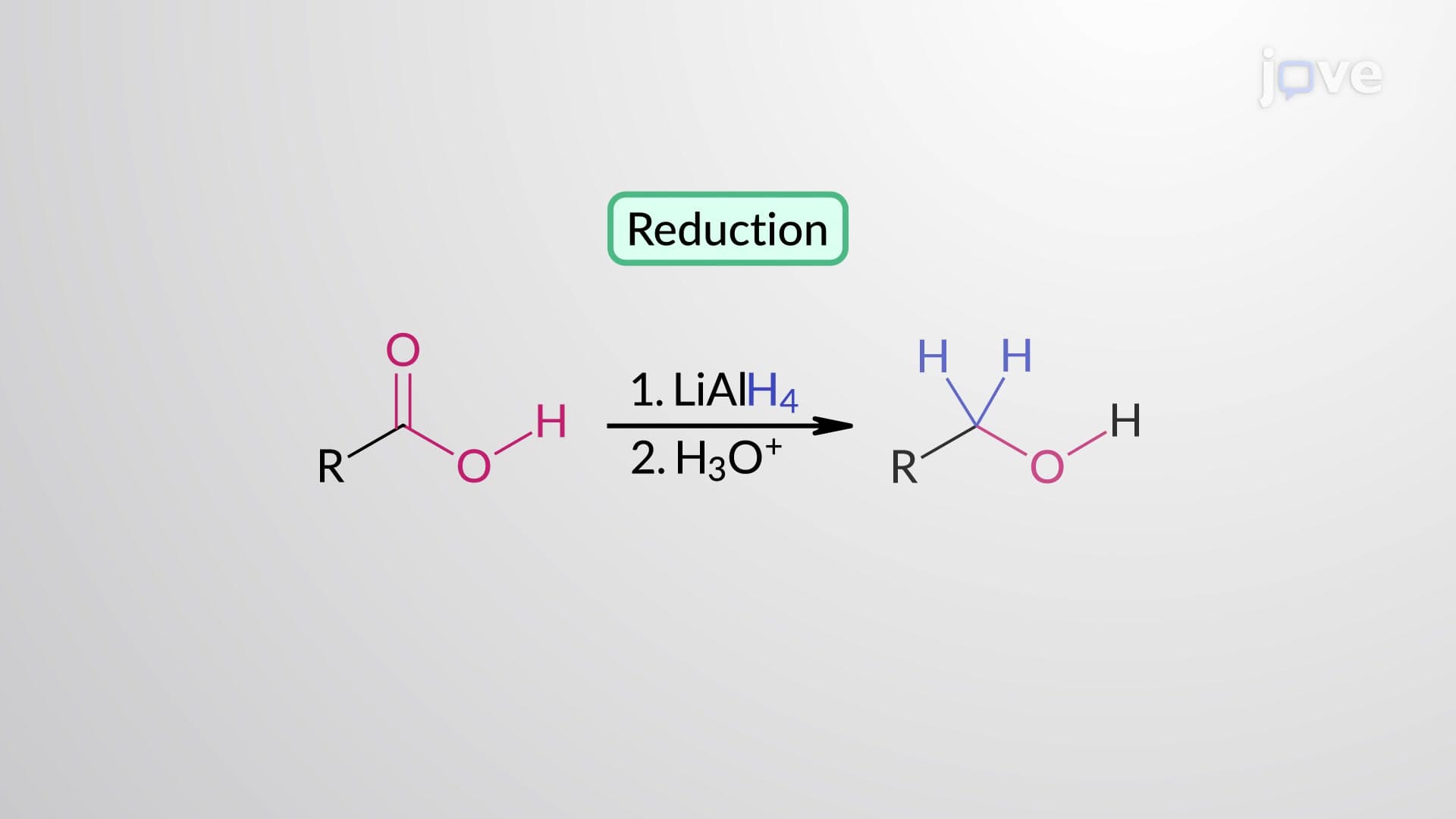
Progress to carboxylic acid chemical reactions, including nucleophilic acyl substitution mechanisms, esterification, and reduction reactions. Also explore derivatives like esters, amides, and acid chlorides, which build upon the fundamental physical property concepts you've learned.
Related Micro-courses
Related Subjects
 Analytical Chemistry 16 micro-courses›
 Chemistry 21 micro-courses›