Loading…
Loading video…

108,300 views
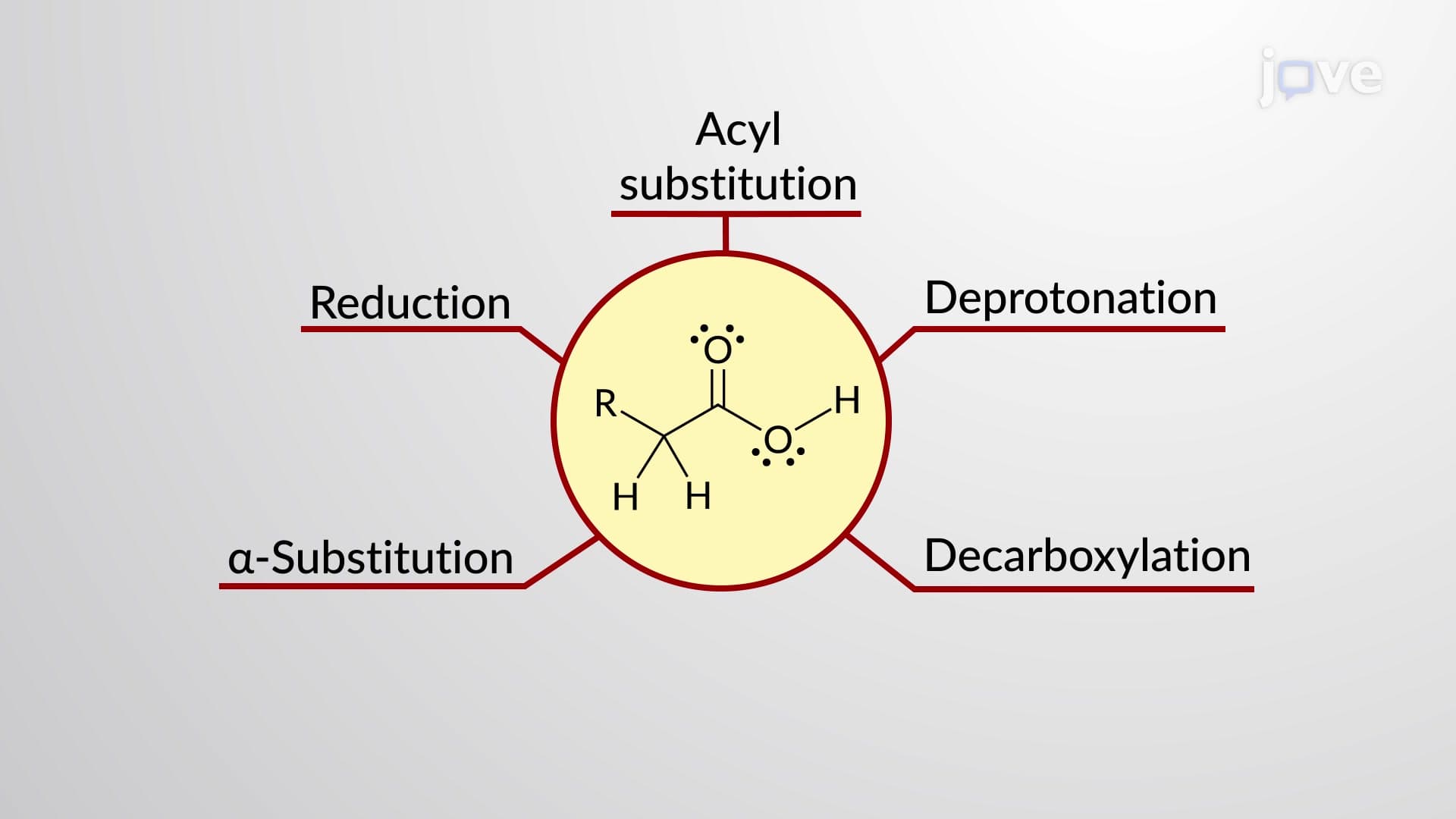
Did you know that the aspirin in your medicine cabinet undergoes reactions carboxylic acids introduction principles when it breaks down in your stomach? Carboxylic acids are among the most versatile organic molecules, featuring multiple reactive sites that enable five distinct reaction pathways. From the acid-base behavior seen in antacids to the nucleophilic substitution used in pharmaceutical manufacturing, understanding reactions of carboxylic acids introduction concepts is essential for mastering organic chemistry. Watch the full video on JoVE Coach to master this concept with expert-led visuals and step-by-step explanations.
Carboxylic acids represent one of the most important functional groups in organic chemistry, combining the properties of both alcohols and carbonyl compounds. The carboxyl group (-COOH) contains multiple reactive sites that make these molecules incredibly versatile in both biological systems and industrial applications. Students preparing for AP Chemistry or college-level organic chemistry courses must master these reaction patterns to succeed on exams and understand real-world chemical processes.
The most fundamental reaction of carboxylic acids involves their behavior as Brønsted-Lowry acids. When acetic acid reacts with sodium hydroxide to form sodium acetate (the salt used in salt-and-vinegar potato chips), it demonstrates the classic deprotonation reaction that produces water-soluble carboxylate salts. This principle is crucial for understanding drug delivery systems, where pharmaceutical companies convert acidic drugs into their sodium or potassium salts to improve solubility and bioavailability.
Interestingly, carboxylic acids can also act as weak bases when exposed to stronger acids like sulfuric acid. The lone pairs on the carbonyl oxygen become protonated, creating a species that's important in certain industrial processes, including the production of acetic anhydride used in aspirin synthesis.
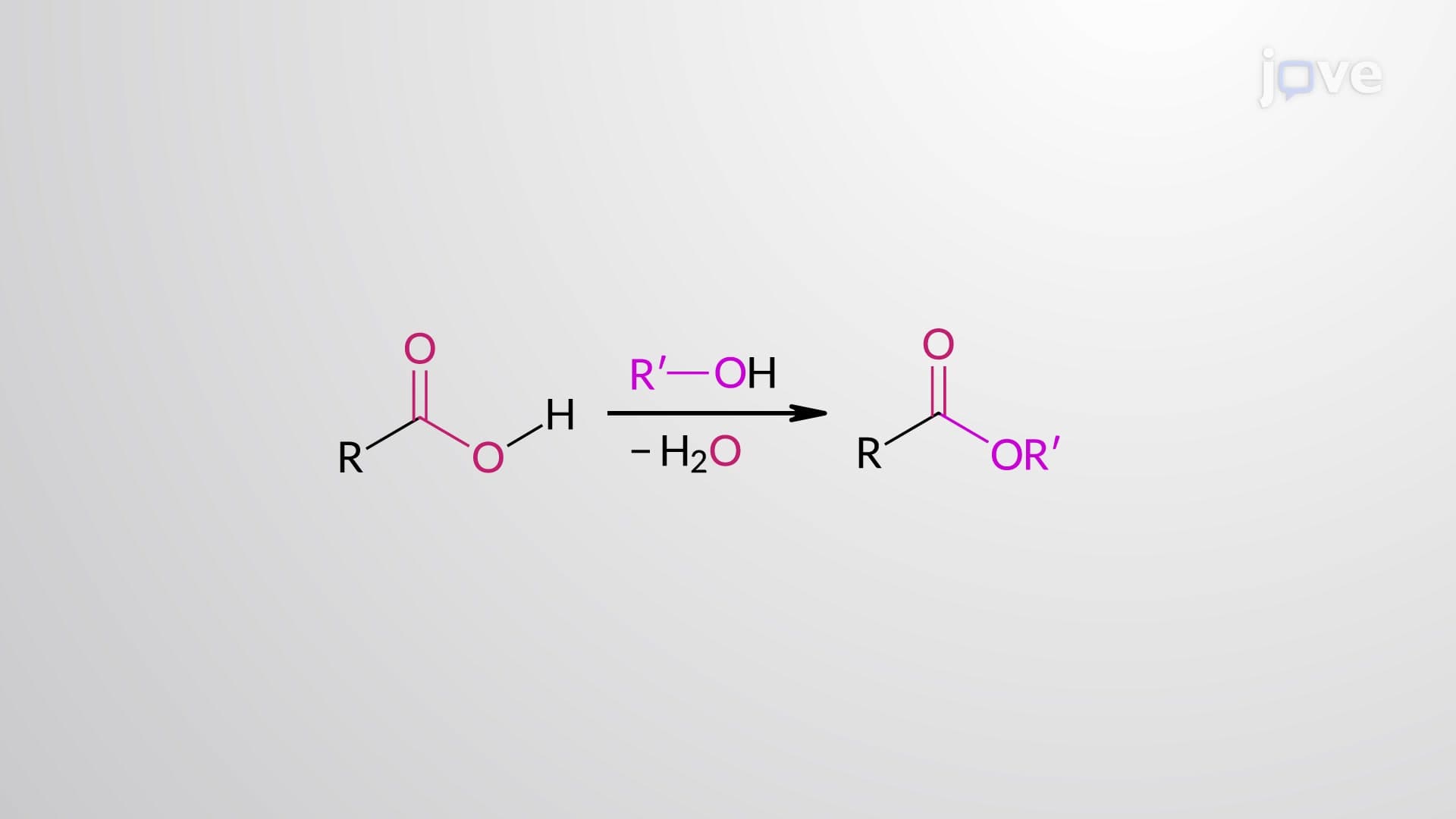
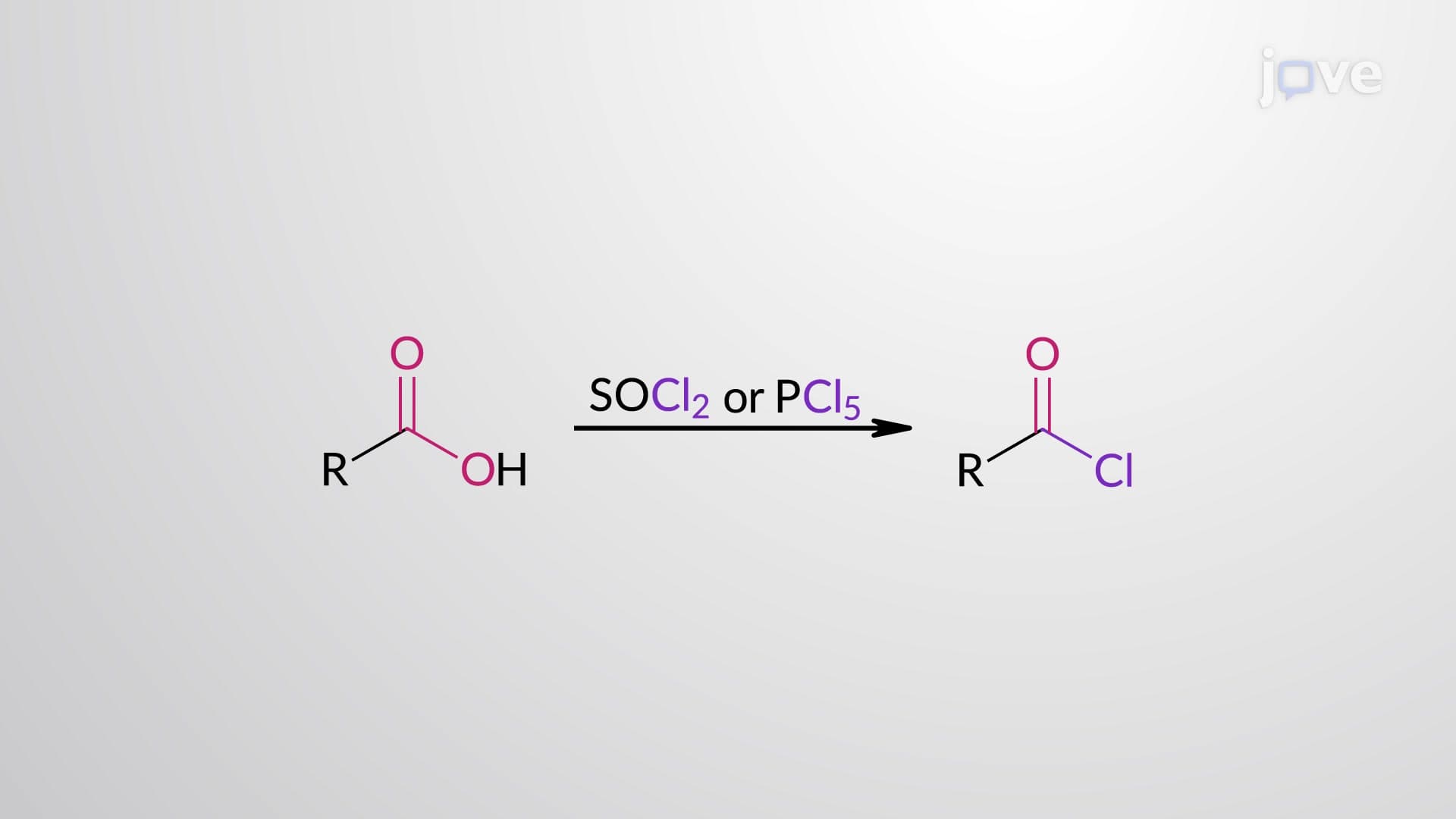
The electrophilic carbonyl carbon in carboxylic acids undergoes nucleophilic acyl substitution through a characteristic tetrahedral intermediate mechanism. This reaction type is fundamental to biochemistry, appearing in fatty acid metabolism and protein synthesis. In industrial settings, this mechanism enables the production of esters (like those in biodiesel), amides (found in nylon), and acid chlorides (used as synthetic intermediates).
MCAT test-takers frequently encounter questions about these mechanisms, particularly regarding the stability of tetrahedral intermediates and the role of leaving groups in determining reaction rates.
The Hell-Volhard-Zelinsky reaction represents a unique halogenation process where alpha-hydrogens are replaced with halogens using phosphorus and halogen gases. This reaction is particularly important in pharmaceutical synthesis, where alpha-halo acids serve as building blocks for more complex molecules. The mechanism involves initial conversion to an acyl halide, followed by enolate formation and halogenation.
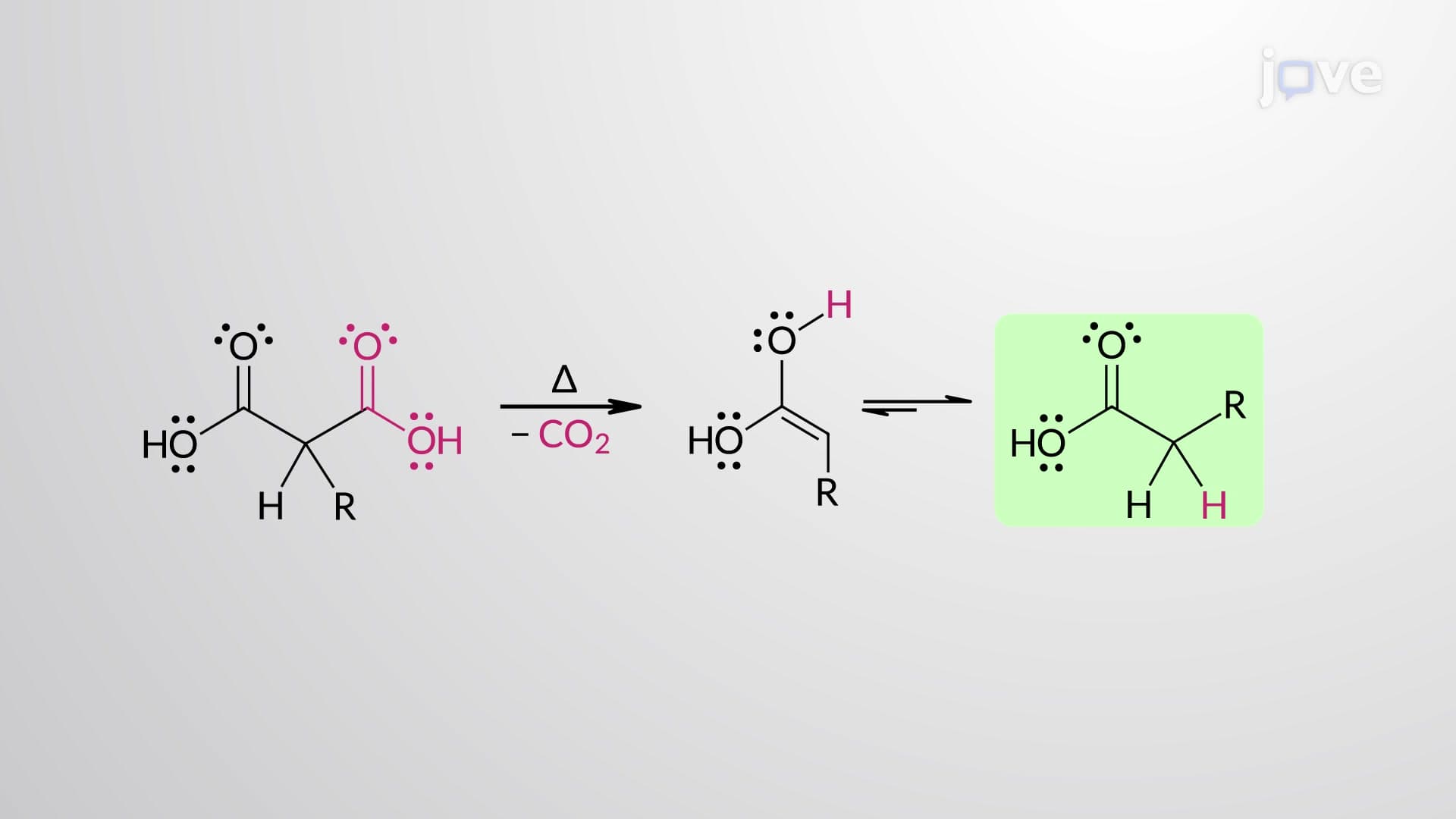
Decarboxylation reactions, especially in beta-keto acids, provide another important transformation. This process removes CO2 to form ketones and is essential in metabolic pathways like the citric acid cycle, where alpha-ketoglutarate undergoes decarboxylation to form succinyl-CoA.
Frequently Asked Questions
Reactions of carboxylic acids introduction covers five major reaction types that carboxylic acids undergo due to multiple reactive sites in the carboxyl group. This foundation is essential because carboxylic acids appear in pharmaceuticals, food chemistry, and biological systems. Understanding these reactions helps students predict products, design syntheses, and succeed on standardized exams like the AP Chemistry test and MCAT.
MCAT questions often focus on nucleophilic acyl substitution mechanisms, acid-base equilibria, and biological applications like fatty acid metabolism. AP Chemistry typically emphasizes acid-base reactions, salt formation, and basic mechanisms. Students should practice identifying reactive sites and predicting products under different conditions to maximize their scores.
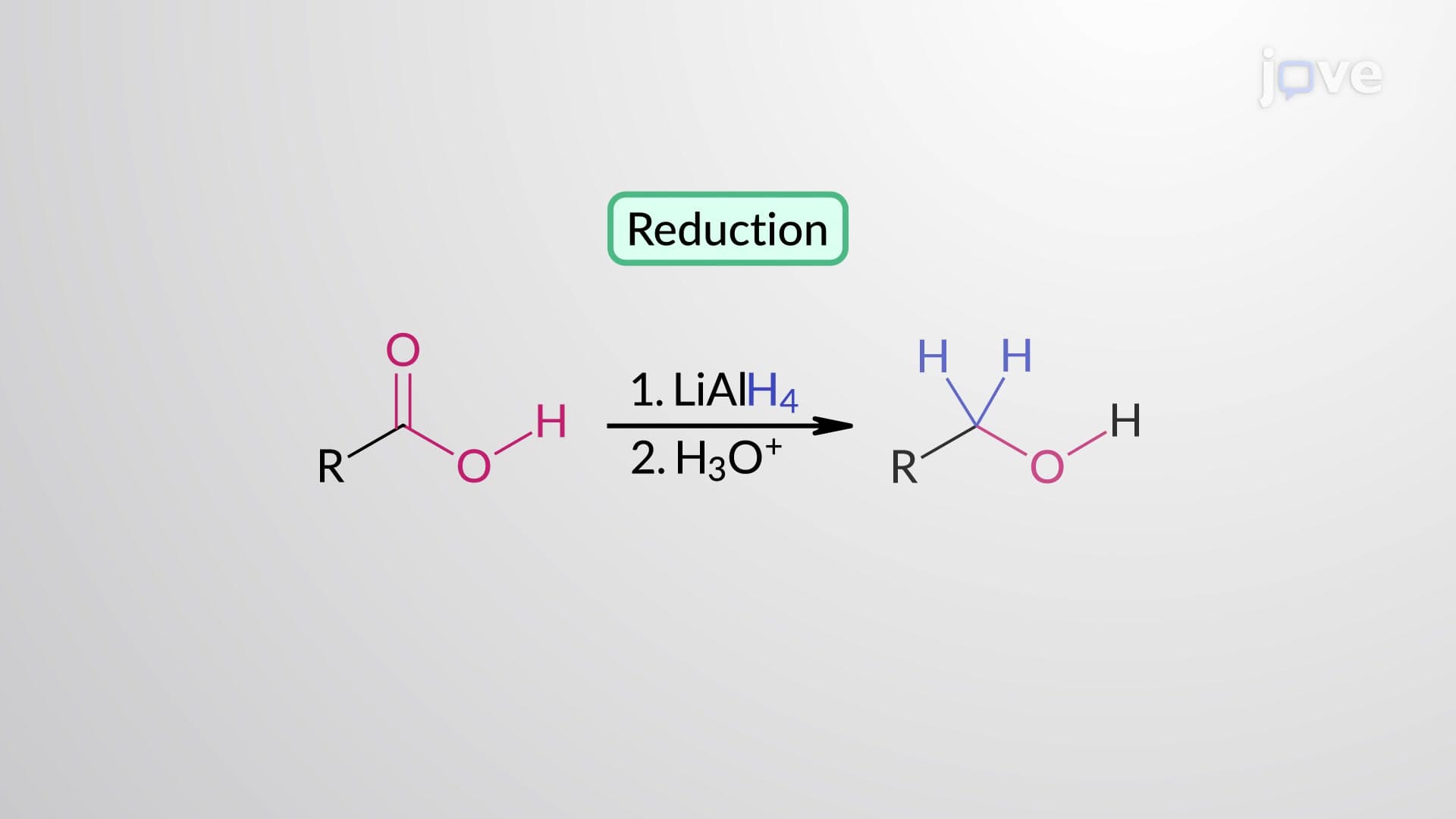
College exams frequently test mechanism drawing for nucleophilic acyl substitution, predicting products of Hell-Volhard-Zelinsky reactions, and understanding decarboxylation conditions. Students must also identify which reactions occur at different sites (OH group vs carbonyl carbon vs alpha-carbon) and explain why certain reactions are favored under specific conditions.
Major US pharmaceutical companies use these reactions extensively in drug synthesis. For example, Pfizer employs nucleophilic acyl substitution to create amide bonds in many medications, while Johnson & Johnson uses alpha-halogenation reactions as key steps in producing anti-inflammatory drugs. Carboxylate salt formation improves drug solubility and bioavailability in countless medications.
No advanced math is required - these reactions focus on understanding electron movement, bond formation, and molecular structure changes. Students with a solid foundation in general chemistry concepts like electronegativity, formal charge, and Lewis structures can successfully master these reactions through practice and pattern recognition.
Create a systematic study approach by categorizing reactions by the reactive site: OH group (acid-base), carbonyl carbon (substitution, reduction), and alpha-carbon (halogenation). Use flashcards with reaction conditions and practice drawing mechanisms repeatedly. Focus on understanding electron flow rather than pure memorization to improve retention and problem-solving ability.
After mastering the basic five reaction types, explore specific derivatives like esters, amides, and anhydrides, each with their own reaction patterns. Study Fischer esterification, amide hydrolysis, and Claisen condensation reactions. These advanced topics appear frequently in organic chemistry II courses and on graduate school entrance exams.
These reactions are fundamental to life processes - decarboxylation occurs in cellular respiration, acyl substitution creates and breaks down fats, and salt formation affects drug absorption in the digestive system. Understanding these basic reactions provides the foundation for advanced biochemistry courses and medical school preparation.
Related Micro-courses
Related Subjects
 Analytical Chemistry 16 micro-courses›
 Chemistry 21 micro-courses›