Loading subject page…


195,006 views

Video Summary: Chirality at Nitrogen Phosphorus and Sulfur Explained
Ever wondered why some molecules with nitrogen, phosphorus, or sulfur can exist as mirror images that can't be superimposed? Chirality nitrogen phosphorus sulfur extends beyond carbon to create fascinating three-dimensional arrangements. Like pharmaceutical compounds such as the antidepressant citalopram, which contains a chiral sulfur center, these heteroatoms can form enantiomers with distinct biological activities. Understanding Chirality At Nitrogen Phosphorus And Sulfur Explained reveals how lone pairs replace traditional substituents in creating chiral centers. Watch the full video on JoVE Coach to master this concept with expert-led visuals and step-by-step explanations.
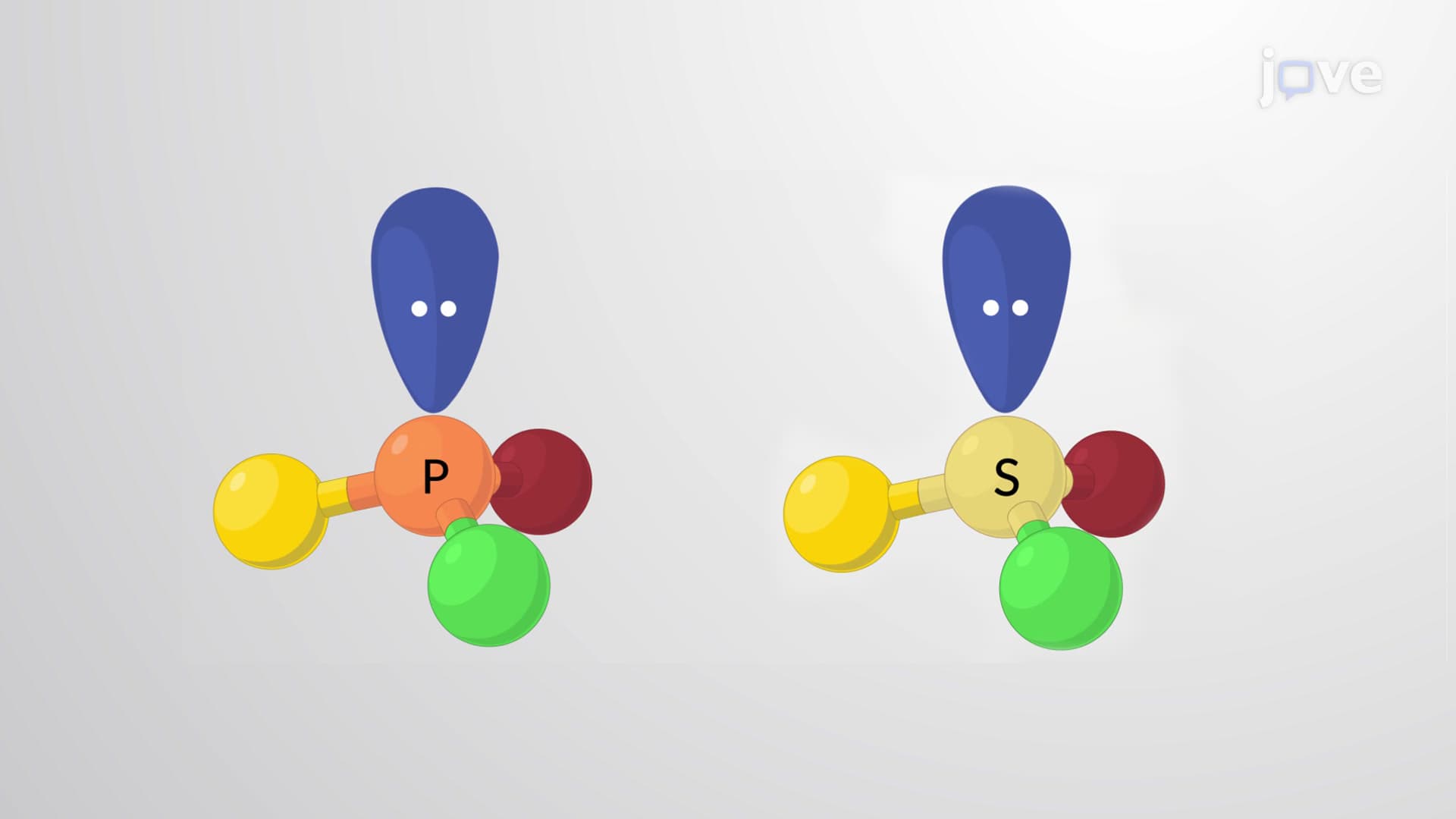
Chirality extends far beyond carbon atoms to include other elements that can adopt tetrahedral geometry. When nitrogen, phosphorus, or sulfur atoms bond to four different groups-including lone electron pairs-they create chiral centers that can exist as non-superimposable mirror images. This concept proves essential for understanding molecular behavior in advanced chemistry courses and standardized tests like the MCAT and AP Chemistry.
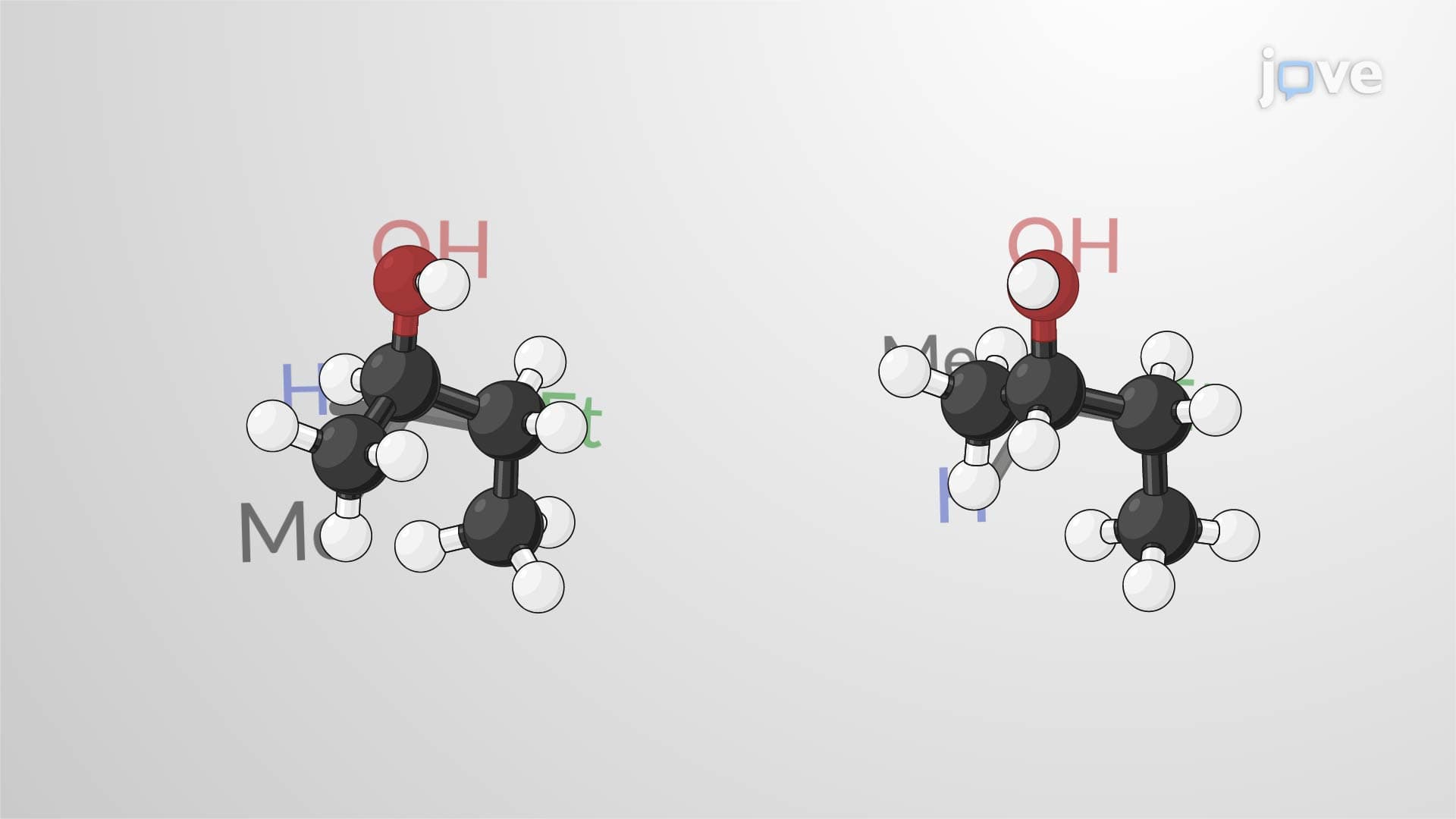
Nitrogen atoms in compounds like ethylmethylamine technically form chiral centers when bonded to three different groups plus a lone pair. However, these enantiomers rapidly interconvert through pyramidal inversion-a process resembling an umbrella flipping inside-out during a storm. This low-energy barrier (typically 5-6 kcal/mol) prevents isolation of individual enantiomers at room temperature. Students preparing for organic chemistry exams should note that quaternary ammonium salts circumvent this limitation. Without lone pairs, compounds like allylethylmethylphenylammonium chloride maintain their chirality, making R and S enantiomers separable and stable.
Trivalent phosphorus and sulfur compounds demonstrate significantly higher inversion barriers than nitrogen analogs. Phosphorus compounds like methylphenylpropylphosphine require approximately 35 kcal/mol for inversion, while sulfur compounds such as methylsulfinylbenzene need even more energy. This increased stability stems from larger atomic radii and different orbital overlap patterns. Consequently, these enantiomers remain separable under normal laboratory conditions, making them valuable in asymmetric synthesis applications.
Assigning R or S configurations to heteroatom chiral centers follows identical procedures used for carbon. The lone pair receives the lowest priority in the Cahn-Ingold-Prelog system. For methylsulfinylbenzene, priorities rank as: phenyl (highest), methyl, oxygen, and lone pair (lowest). After orienting the lone pair away from the observer, clockwise arrangement of the remaining three substituents indicates R configuration. This systematic approach appears frequently in advanced organic chemistry courses and graduate school entrance exams.
Related Micro-courses