Loading subject page…

- Organic Chemistry
- Stereoisomerism
- Molecules with Multiple Chiral Centers
Micro-course: Stereoisomerism
195,005 views
Learn key concepts and earn your certificate.
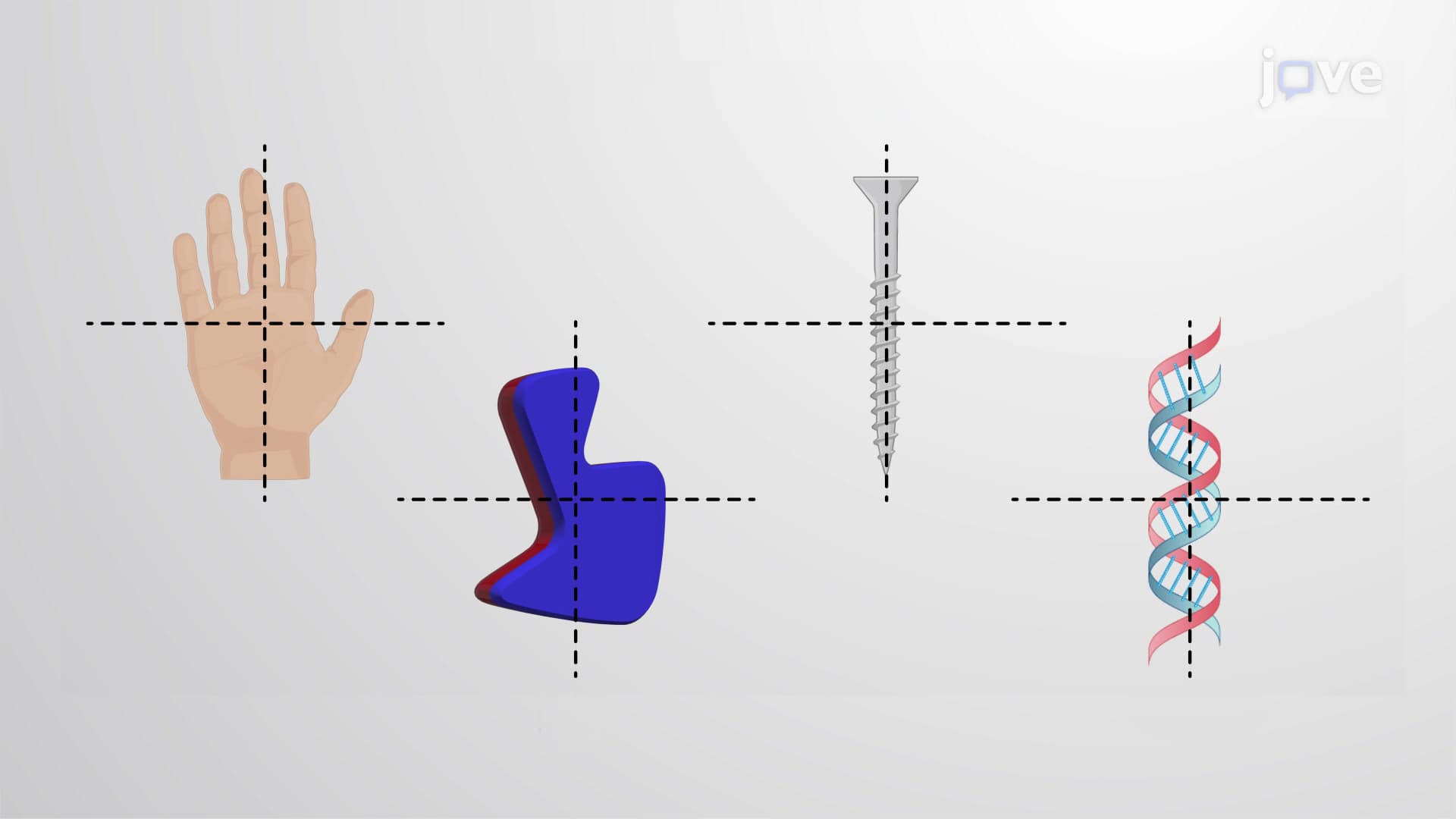

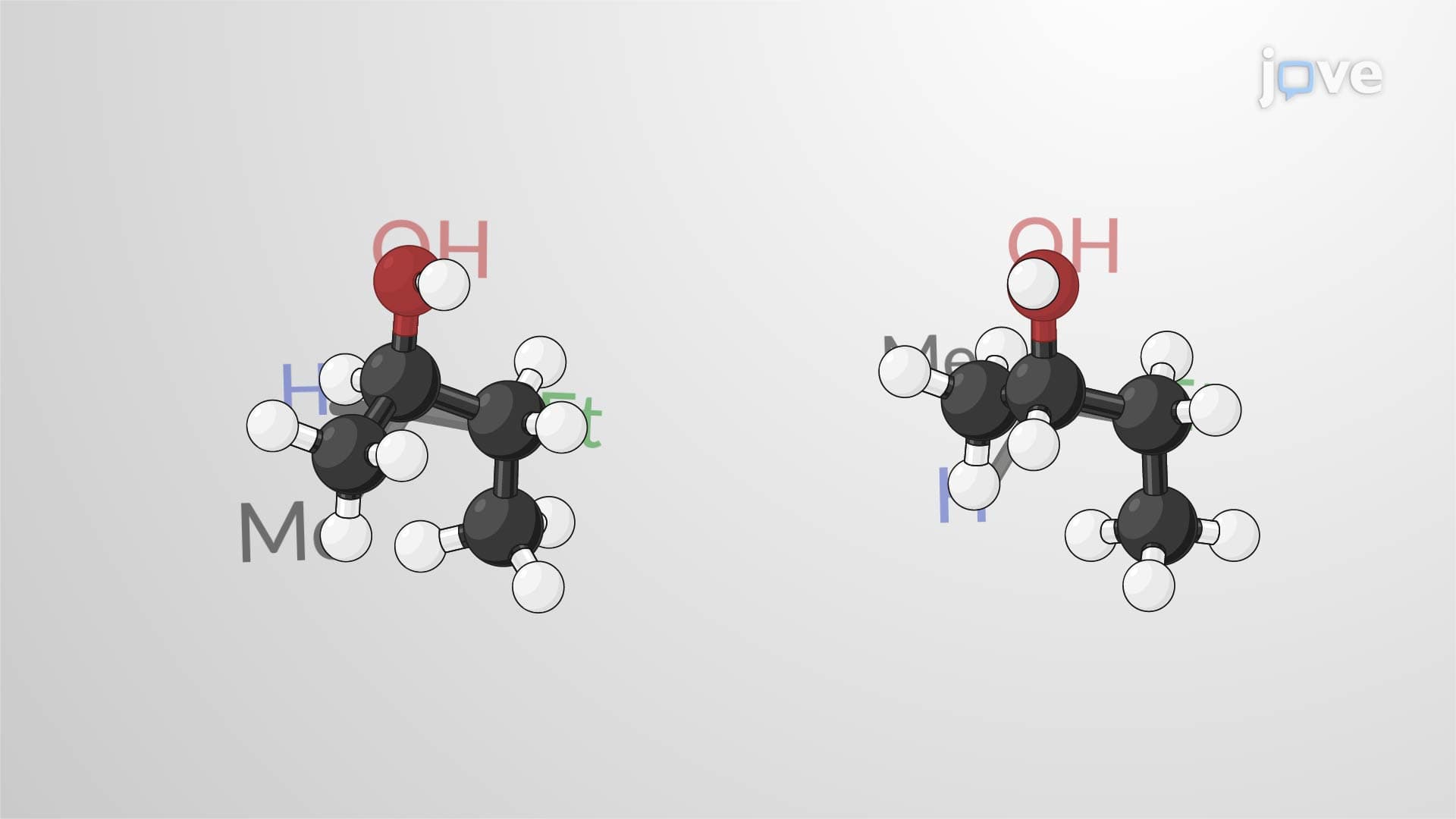
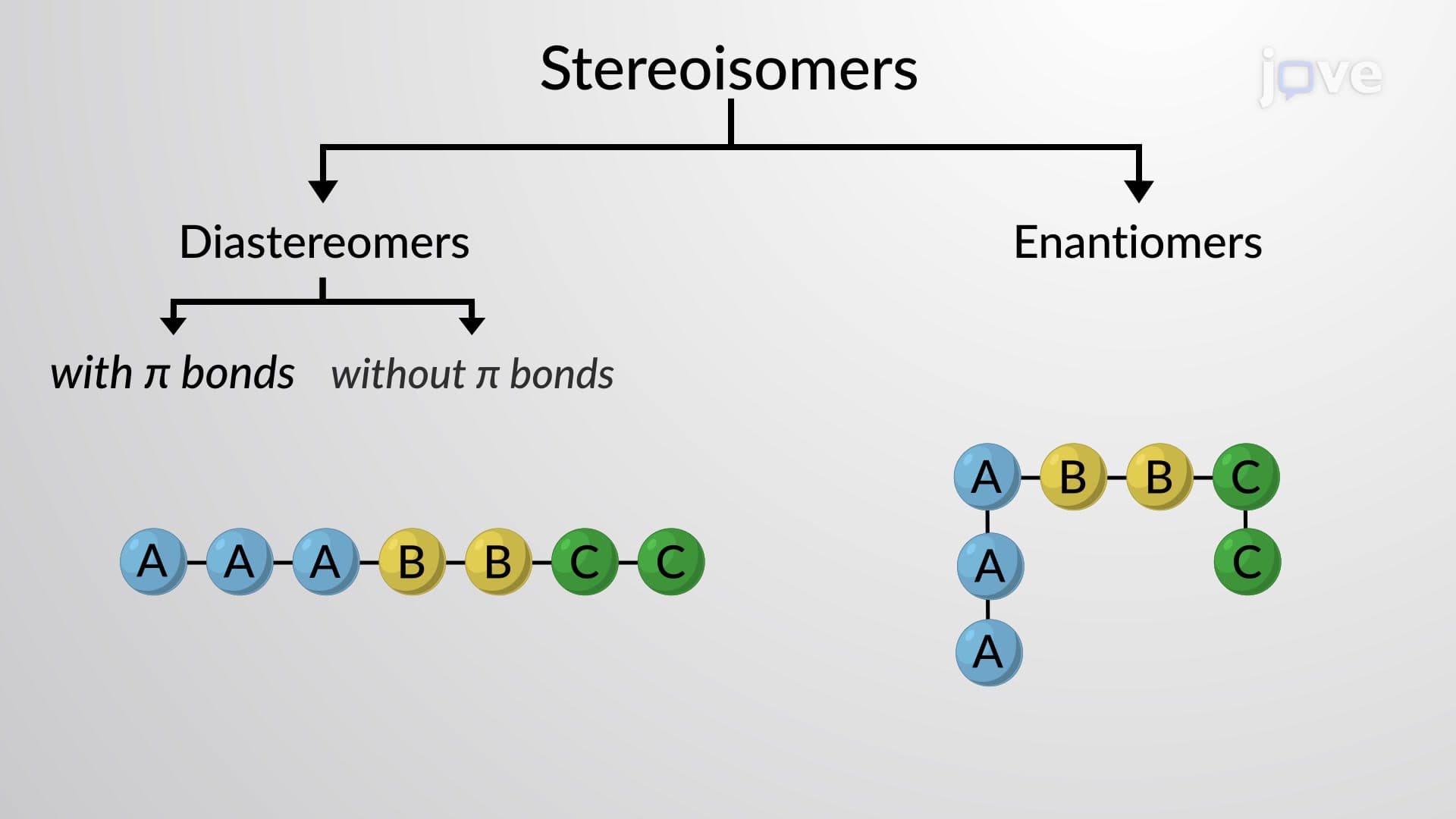
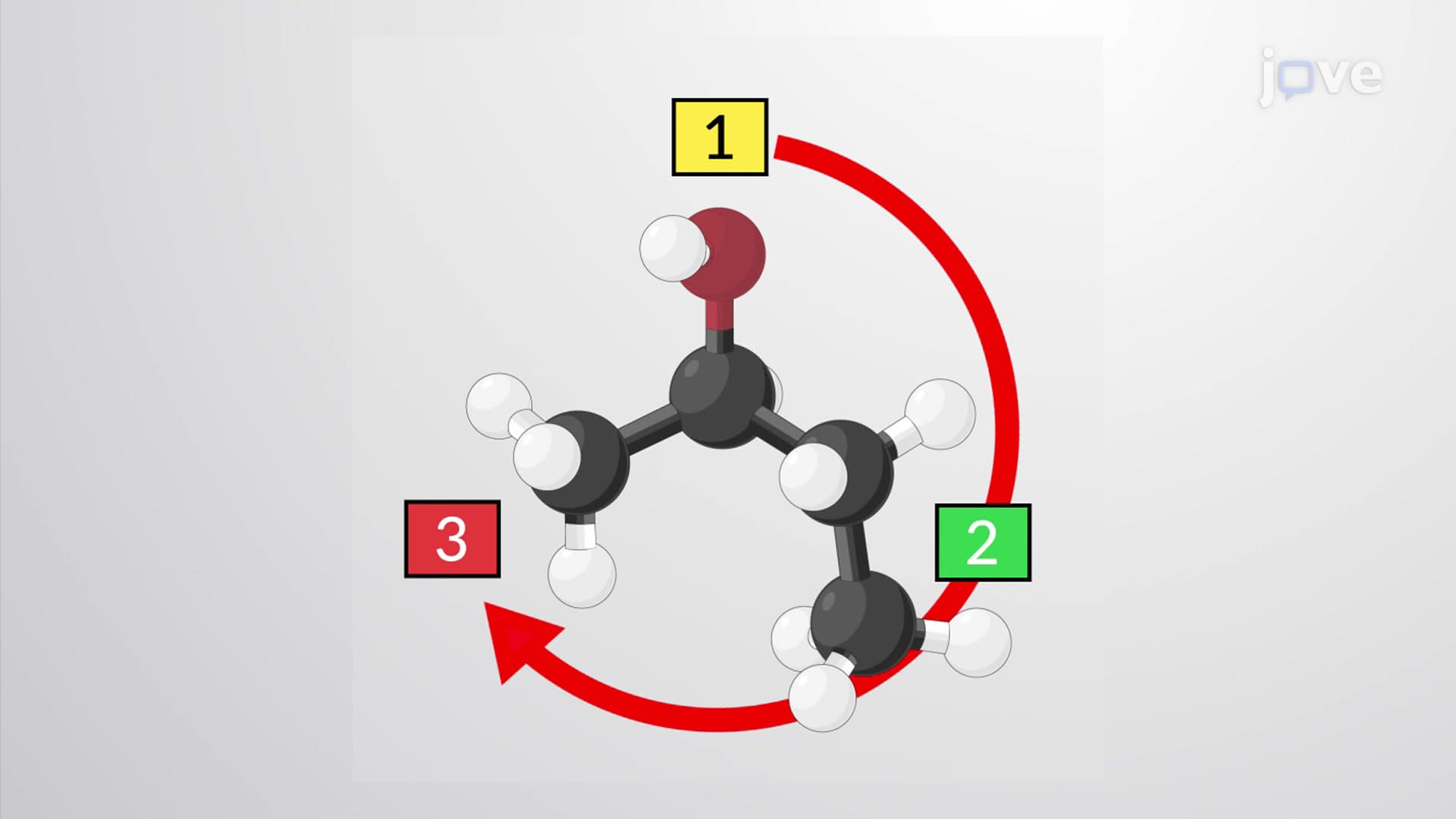
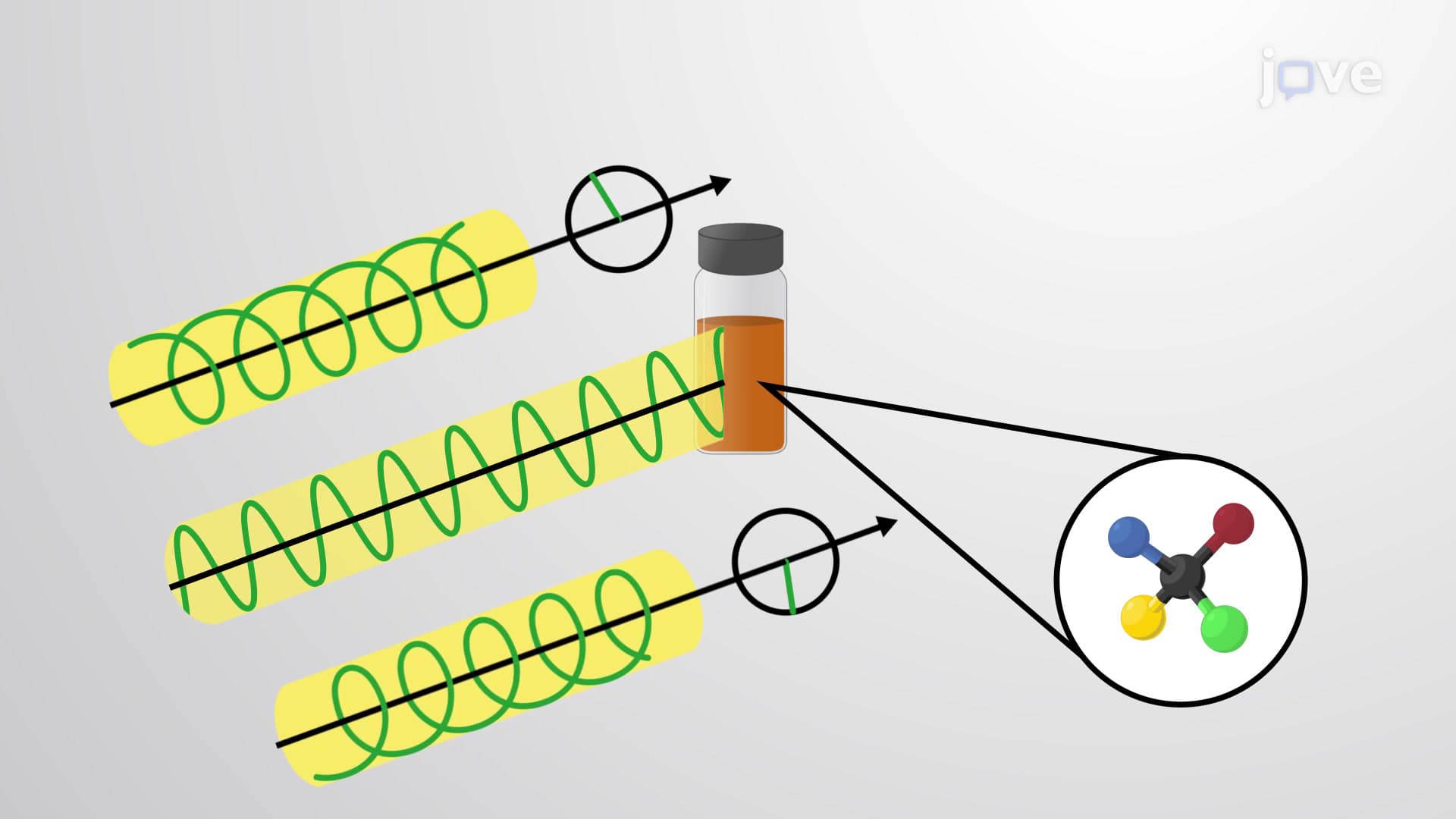
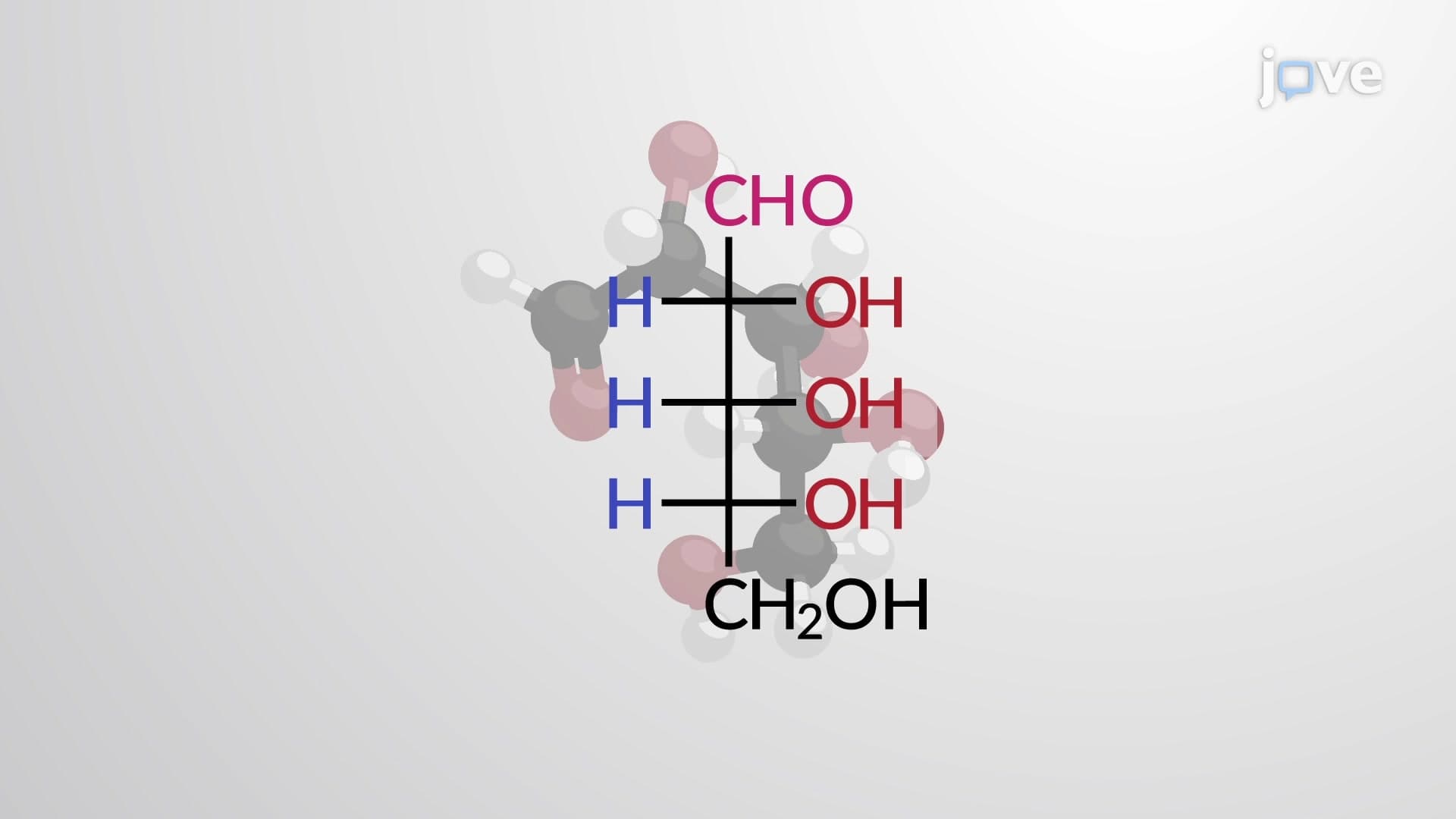
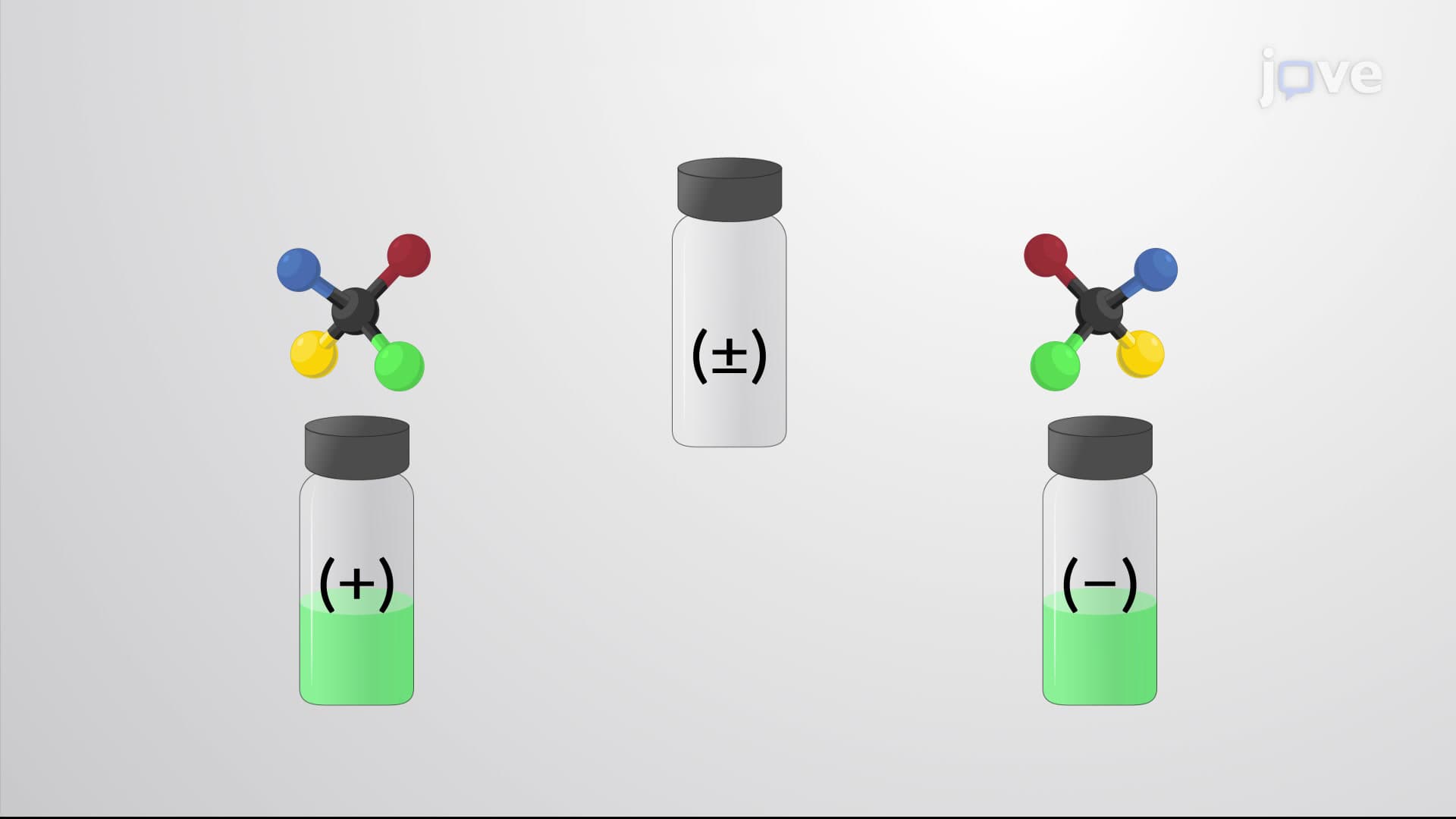
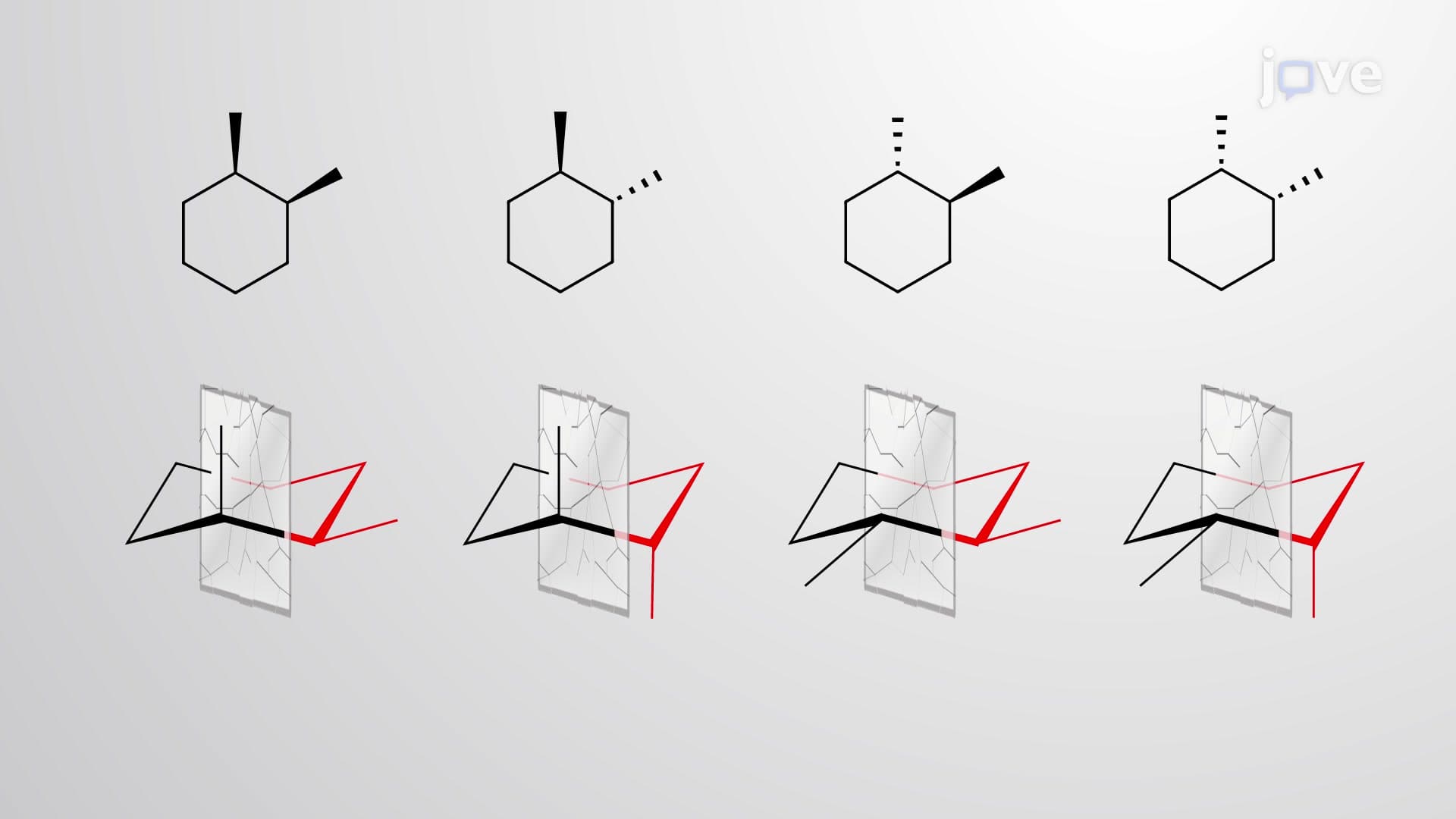
Molecules with Multiple Chiral Centers

00:00
02:25
Video Summary: Molecules with Multiple Chiral Centers Explained
Ever wondered why some pharmaceutical drugs have different effects despite identical molecular formulas? Molecules with multiple chiral centers create fascinating stereoisomeric possibilities that directly impact drug efficacy in medications like ibuprofen and thalidomide. When molecules contain two or more chiral centers, they can form enantiomers, diastereomers, or even achiral meso compounds-challenging the assumption that more chiral centers always means more stereoisomers. Understanding molecules with multiple chiral centers explained reveals why butane-2,3-diol has only three distinct stereoisomers despite four possible configurations. Watch the full video on JoVE Coach to master this concept with expert-led visuals and step-by-step explanations.
- Understand how molecules with multiple chiral centers generate stereoisomeric possibilities using the 2^n rule for initial configuration counting
- Identify meso compounds as achiral molecules containing chiral centers that possess internal symmetry elements like planes or centers of symmetry
- Analyze why molecules with multiple chiral centers may have fewer distinct stereoisomers than the theoretical maximum due to superimposable configurations
- Compare enantiomeric relationships (non-superimposable mirror images) versus diastereomeric relationships (non-mirror image stereoisomers) in multi-chiral systems
- Evaluate symmetry elements in complex molecules to predict whether configurations represent the same meso compound through rotational operations
- Apply stereochemical principles to determine the actual number of distinct stereoisomers in molecules like butane-2,3-diol and tartaric acid
- Recognize how chirality impacts pharmaceutical effectiveness and biological activity in real-world drug development scenarios
- Explore advanced stereochemical concepts including conformational analysis and energy considerations in multi-chiral center molecules
Understanding Molecules With Multiple Chiral Centers
When organic molecules contain more than one chiral center, stereochemical complexity increases dramatically. Unlike single-chiral-center molecules that are always chiral, molecules with multiple chiral centers can exhibit surprising achiral properties despite containing asymmetric carbons. This phenomenon challenges students' initial assumptions and represents a crucial concept tested on AP Chemistry exams and college organic chemistry courses.
The 2^n Rule and Its Limitations
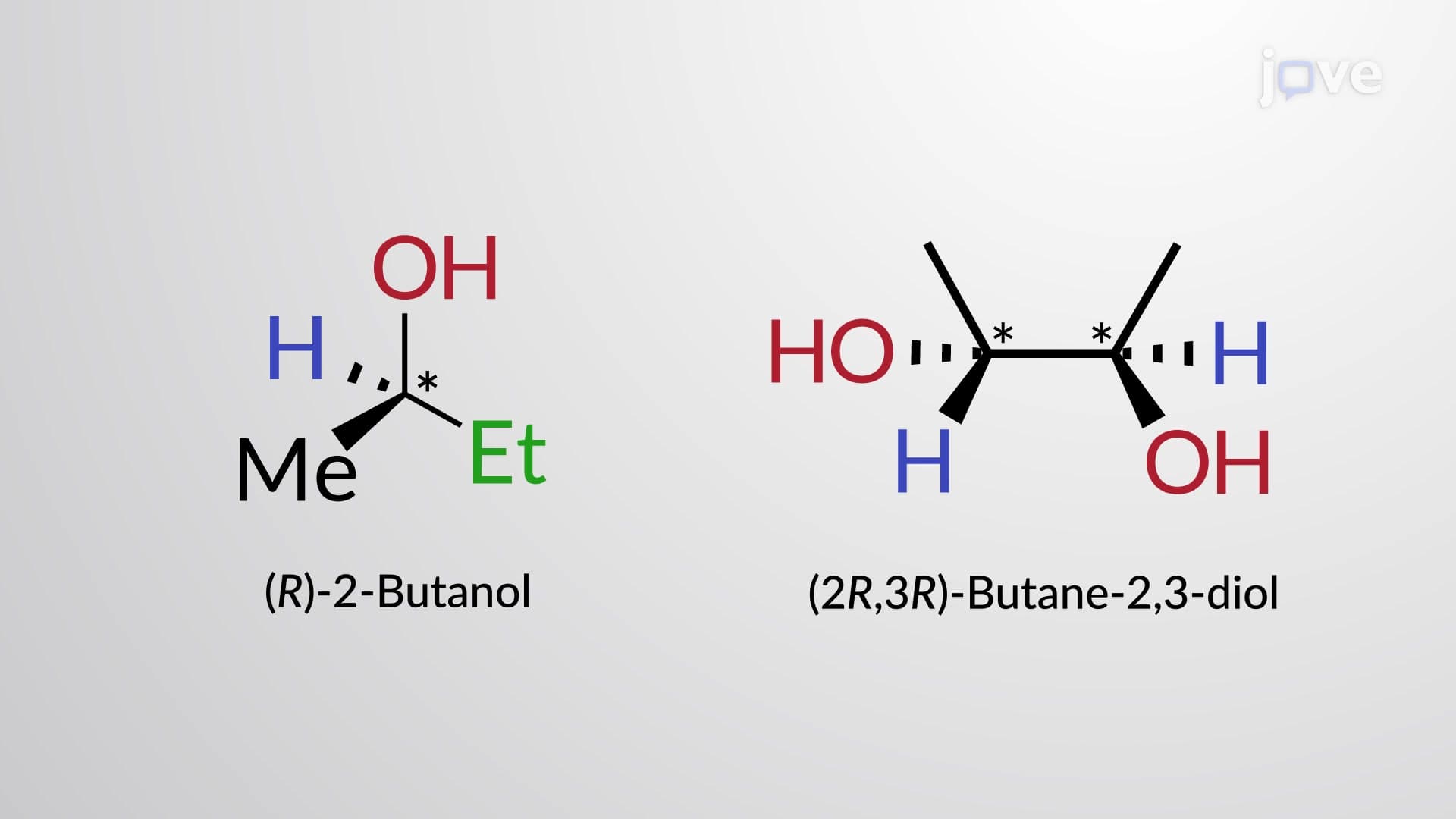
The fundamental principle governing multi-chiral molecules states that n chiral centers generate 2^n possible configurations. However, this mathematical relationship only provides the theoretical maximum-not the actual number of distinct stereoisomers. For instance, butane-2,3-diol contains two chiral centers, suggesting four possible stereoisomers (2^2 = 4). Yet careful analysis reveals only three distinct compounds exist because the RS and SR configurations are superimposable through rotation, making them identical molecules.
Meso Compounds: Achiral Molecules with Chiral Centers
Meso compounds represent one of organic chemistry's most counterintuitive concepts. These molecules contain chiral centers yet remain achiral due to internal symmetry elements. The classic example, meso-tartaric acid, demonstrates how a plane of symmetry can render a molecule achiral despite containing two chiral carbons. This concept frequently appears on MCAT practice questions, where students must distinguish between meso compounds and true enantiomers.
Practical Applications in Pharmaceutical Science
Understanding multi-chiral molecules proves essential for pharmaceutical development. Consider thalidomide, where one enantiomer treated morning sickness while its mirror image caused birth defects. Similarly, ibuprofen exists as both R and S enantiomers, though only the S-form provides anti-inflammatory effects. These real-world examples illustrate why stereochemical analysis remains crucial for drug safety and efficacy-concepts emphasized in pre-med curricula across US universities.
Advanced Symmetry Analysis
Beyond simple plane symmetry, molecules can achieve achiral properties through centers of inversion or rotational symmetry axes. Even without obvious symmetry elements, some configurations become superimposable through rotations less than 180 degrees. This advanced concept challenges students to think three-dimensionally about molecular geometry-skills essential for success in upper-level organic chemistry courses at institutions like MIT, Stanford, and UC Berkeley.
Frequently Asked Questions
Molecules with multiple chiral centers are organic compounds containing two or more tetrahedral carbons bonded to four different substituents. Unlike single-chiral molecules that are always chiral, multi-chiral molecules can be achiral due to internal symmetry. They follow the 2^n rule for possible configurations but may have fewer distinct stereoisomers than theoretically predicted.
MCAT questions frequently test meso compound identification, enantiomer versus diastereomer classification, and stereoisomer counting. Expect passage-based questions involving pharmaceutical compounds like tartaric acid or glucose derivatives. Practice identifying symmetry planes and predicting optical activity in complex molecules with 2-4 chiral centers.
AP Chemistry emphasizes stereoisomer identification, chirality recognition, and optical activity predictions. Students must calculate theoretical versus actual stereoisomer numbers and identify meso compounds. These concepts connect to molecular geometry, intermolecular forces, and biochemical processes tested in Units 2 and 5.
College exams focus on drawing Fischer projections, assigning R/S configurations, and predicting physical properties. Expect synthesis problems requiring stereoselective reactions and mechanism questions involving chiral intermediates. Understanding conformational analysis and energy differences between stereoisomers proves essential for advanced problems.
Pharmaceutical development relies heavily on multi-chiral analysis. Drugs like atorvastatin (Lipitor) and sertraline (Zoloft) contain multiple chiral centers affecting bioactivity. Food industry applications include artificial sweeteners like aspartame, where stereochemistry determines taste properties. Understanding these concepts helps explain why generic drugs must match exact stereochemical compositions.
No advanced mathematics is required beyond basic exponent rules for the 2^n calculation. The concepts rely more on three-dimensional visualization and pattern recognition. Students with strong spatial reasoning skills often excel, while those struggling can improve through molecular model manipulation and systematic practice with Fischer projections.
Build physical molecular models to visualize stereoisomers and identify symmetry elements. Create systematic comparison charts for enantiomers versus diastereomers versus meso compounds. Practice drawing Fischer projections daily and work through pharmaceutical examples to connect concepts with real-world applications. Form study groups to discuss challenging three-dimensional relationships.
Progress to conformational analysis of cyclohexane derivatives, anomeric effects in carbohydrates, and stereoselective synthesis reactions. Explore enzyme-substrate interactions emphasizing stereochemical complementarity and advanced pharmaceutical chemistry focusing on drug-receptor binding specificity.
Related Micro-courses
7 Concepts

7 Concepts