Loading video…


 12 Concepts
 195K views

Video Summary: Properties of Enantiomers and Optical Activity Explained
Why do pharmaceutical companies spend billions separating molecular twins that look identical but behave completely differently in your body? The properties enantiomers optical activity reveal how mirror-image molecules interact uniquely with polarized light and biological systems. Consider how the painkiller ibuprofen-one mirror form provides relief while its twin can cause harm. Properties of Enantiomers And Optical Activity Explained demonstrates this fascinating molecular behavior through hands-on examples. Watch the full video on JoVE Coach to master this concept with expert-led visuals and step-by-step explanations.
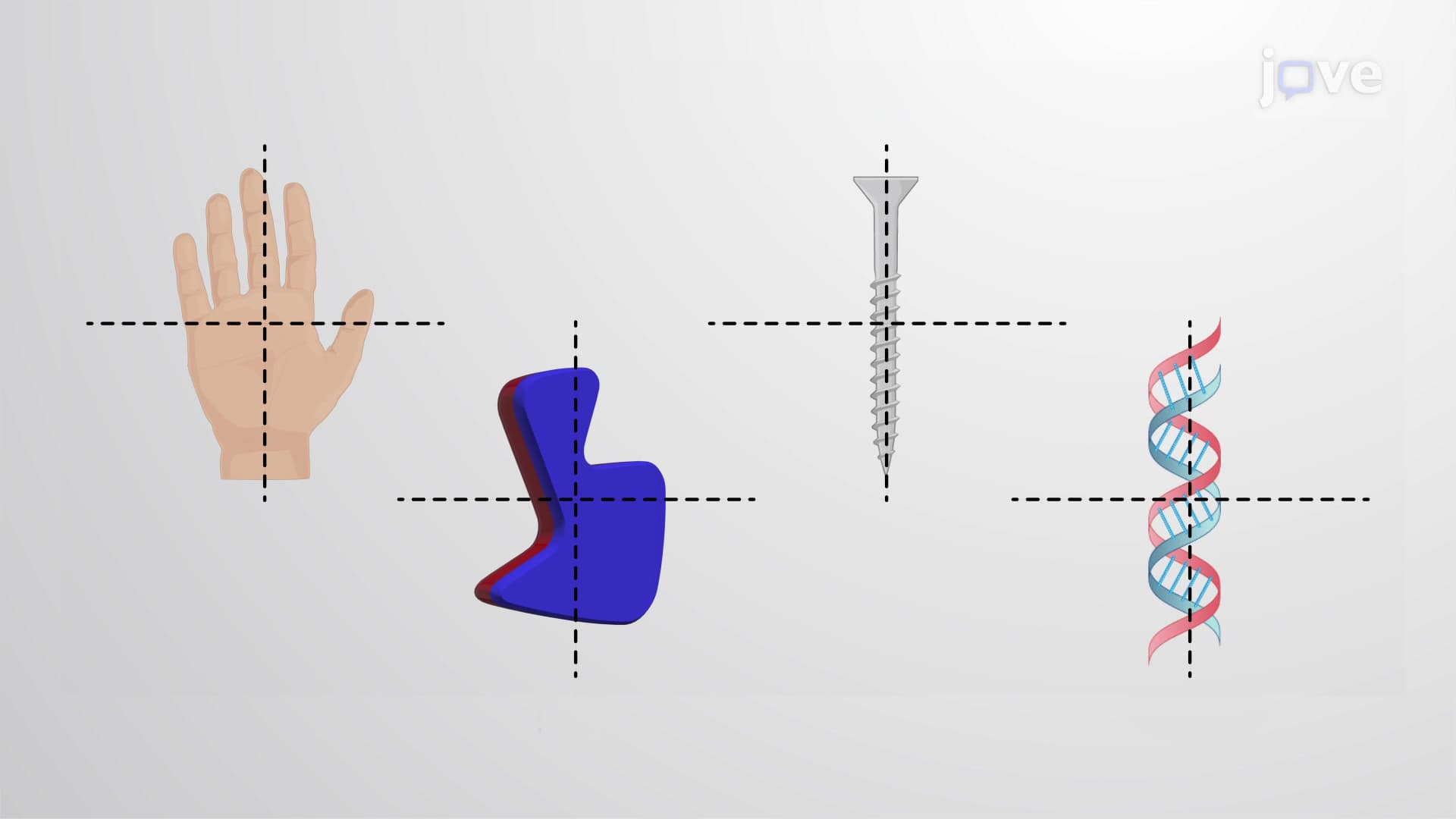
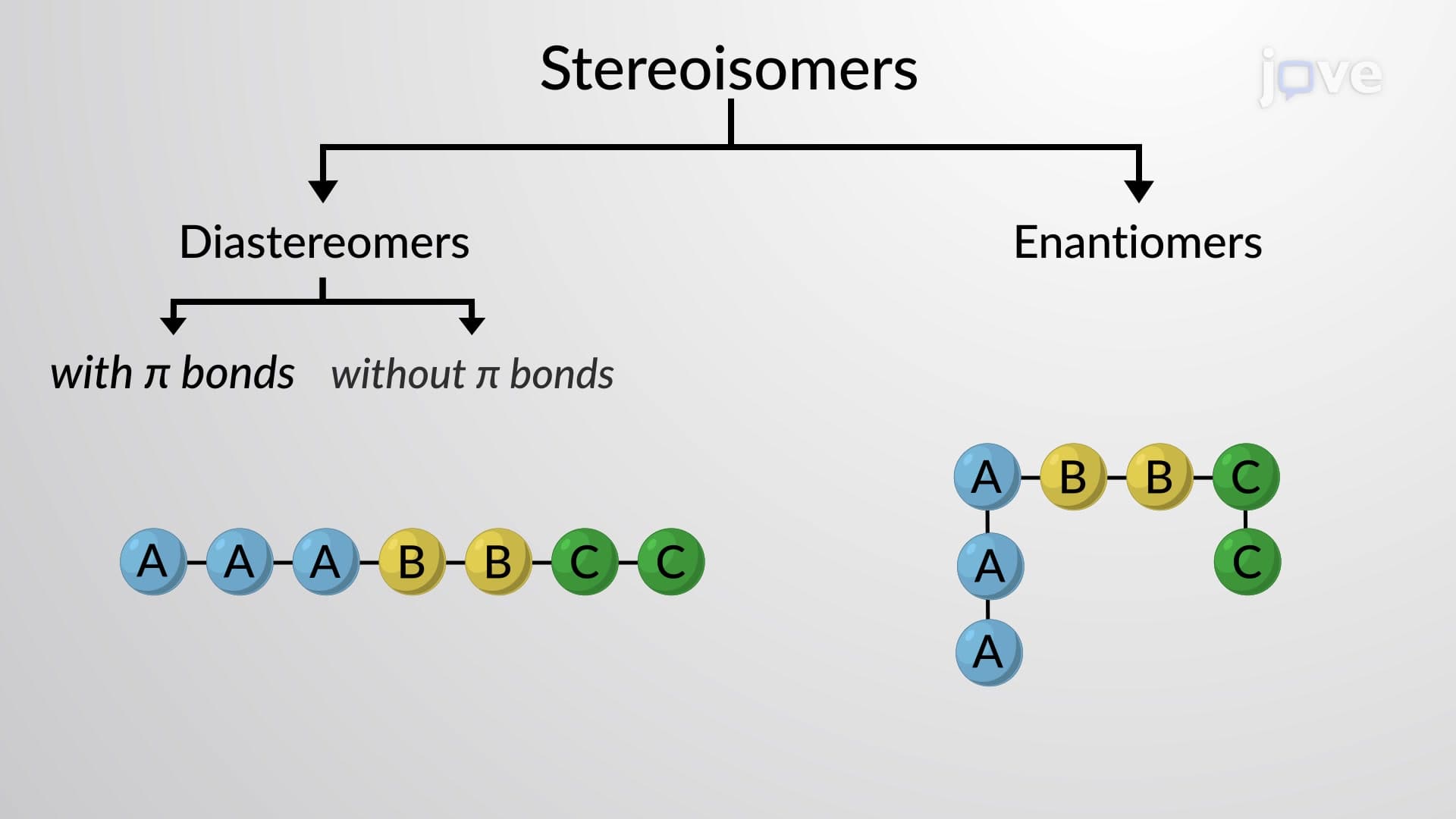
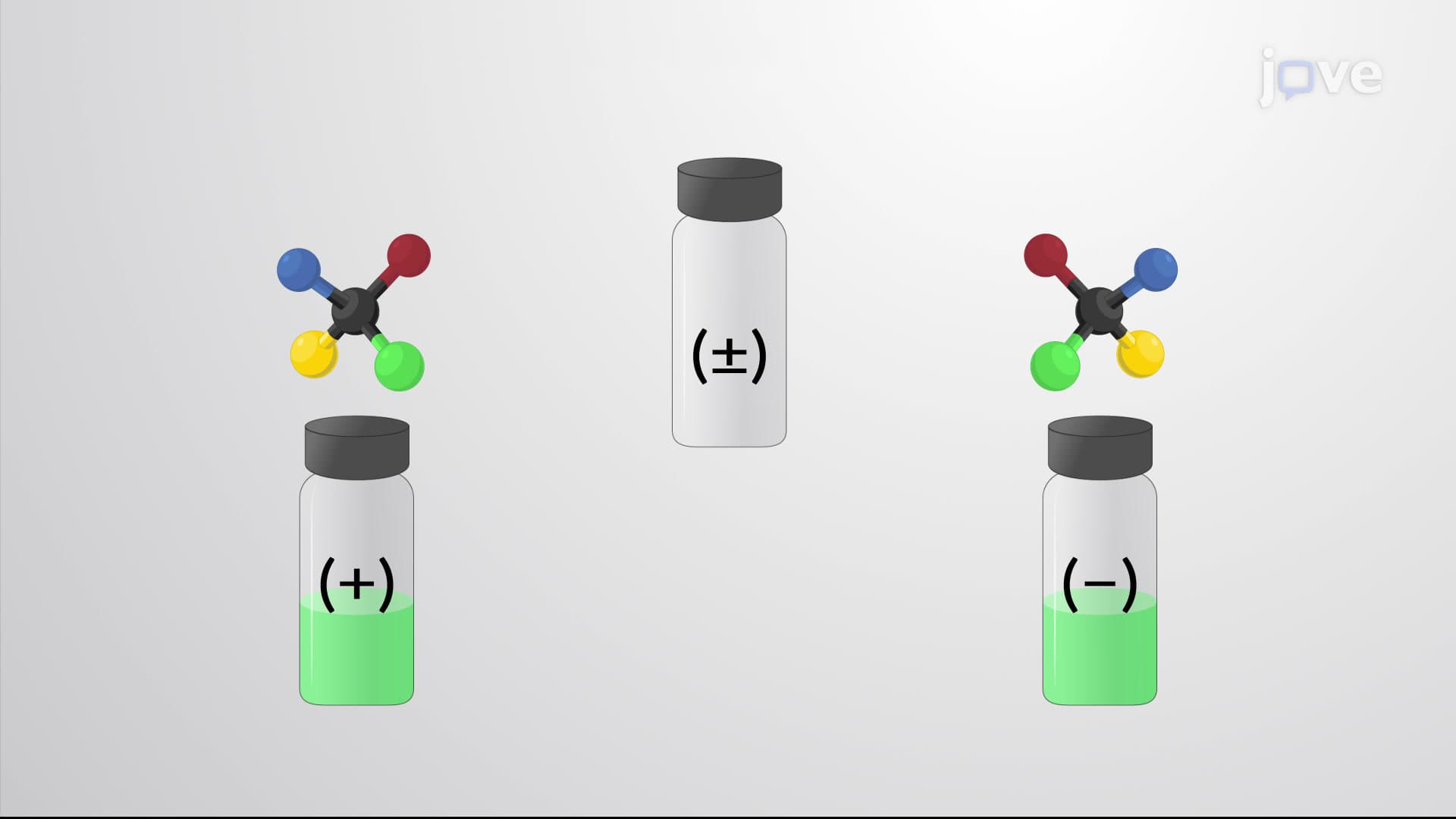
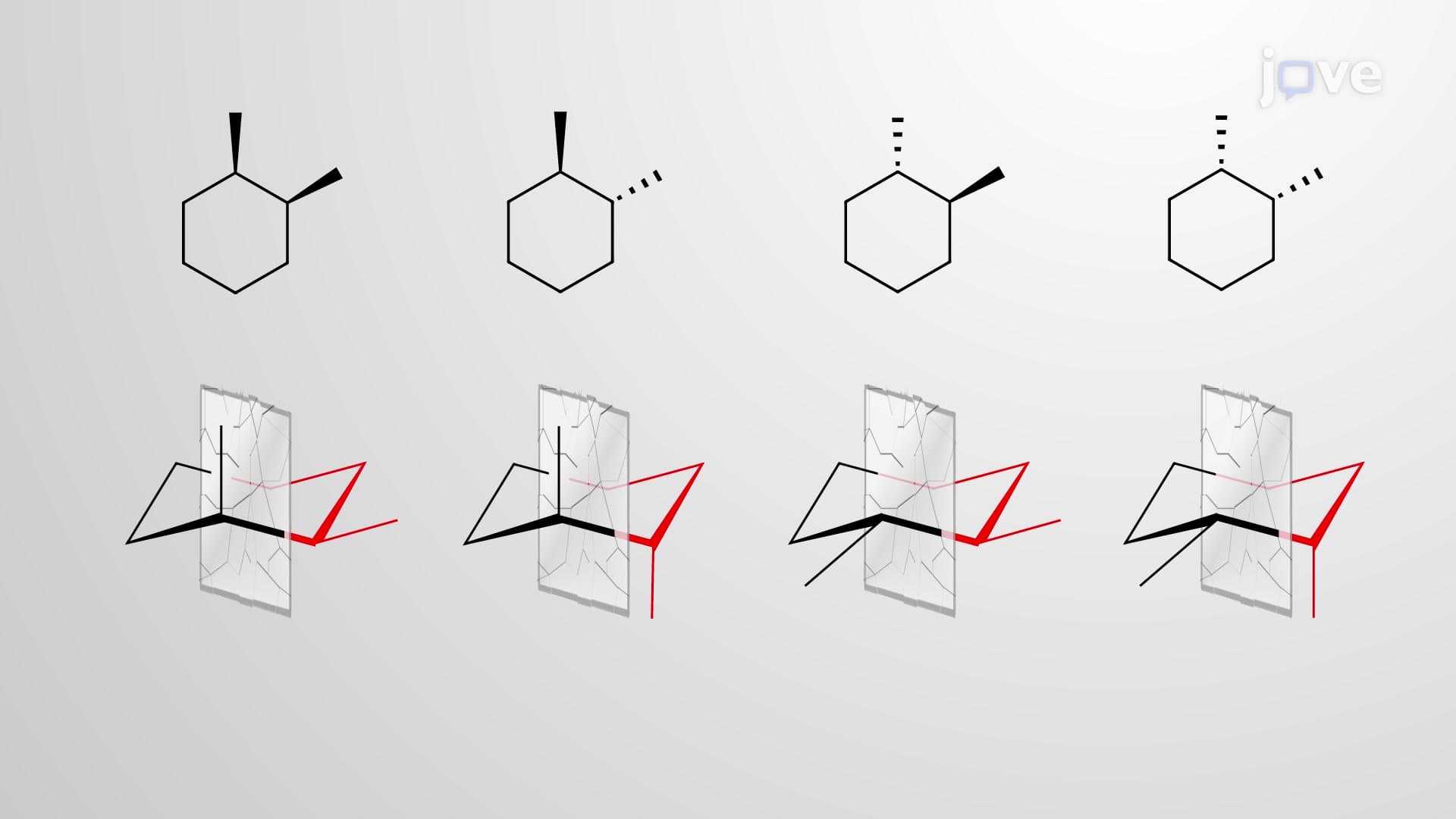
Enantiomers represent one of chemistry's most elegant examples of how molecular architecture determines behavior. These non-superimposable mirror images share identical physical properties-melting points, boiling points, and solubility-yet exhibit dramatically different interactions with chiral environments. This phenomenon becomes most apparent through optical activity, where enantiomers rotate plane-polarized light in opposite directions.
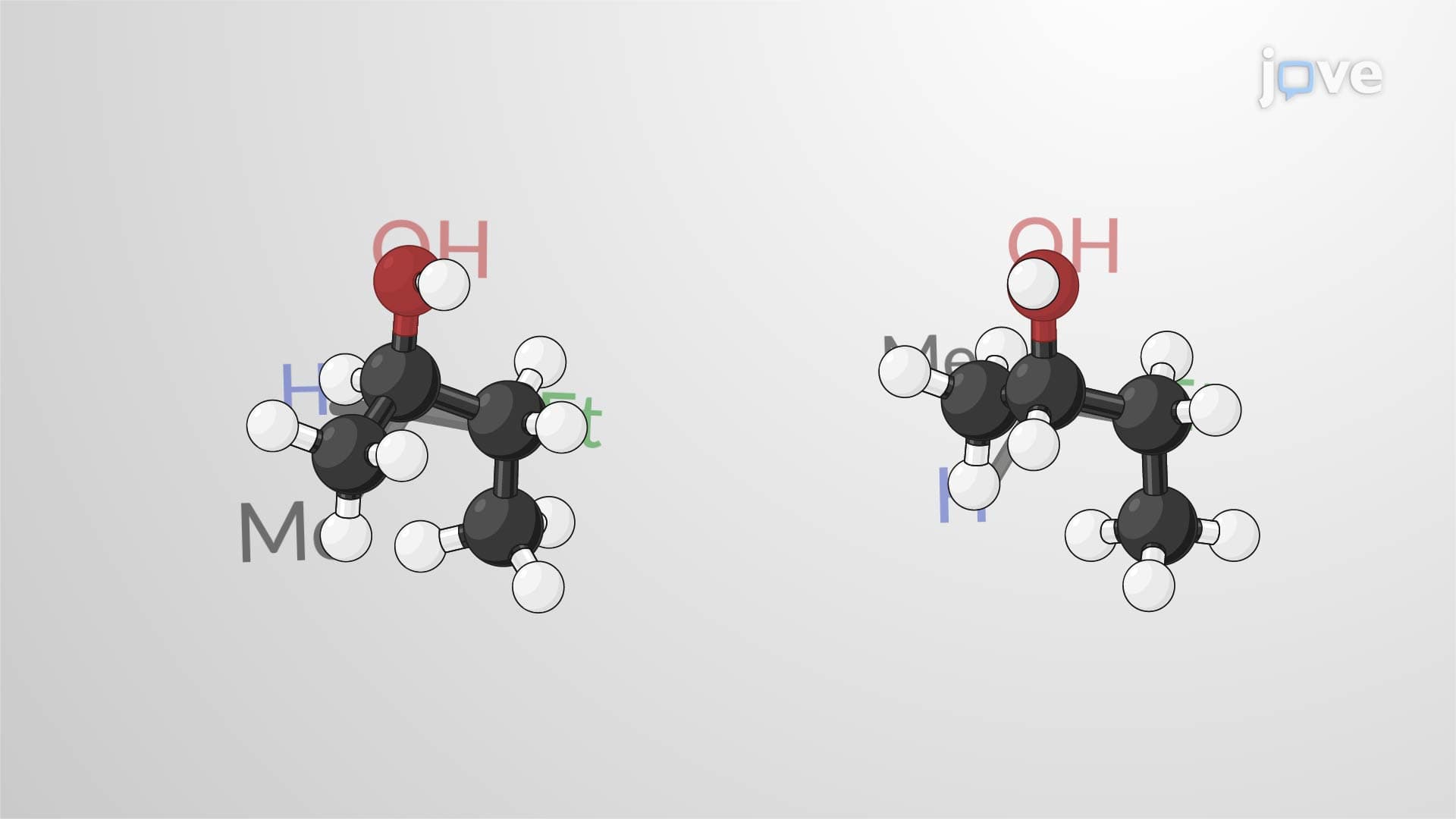
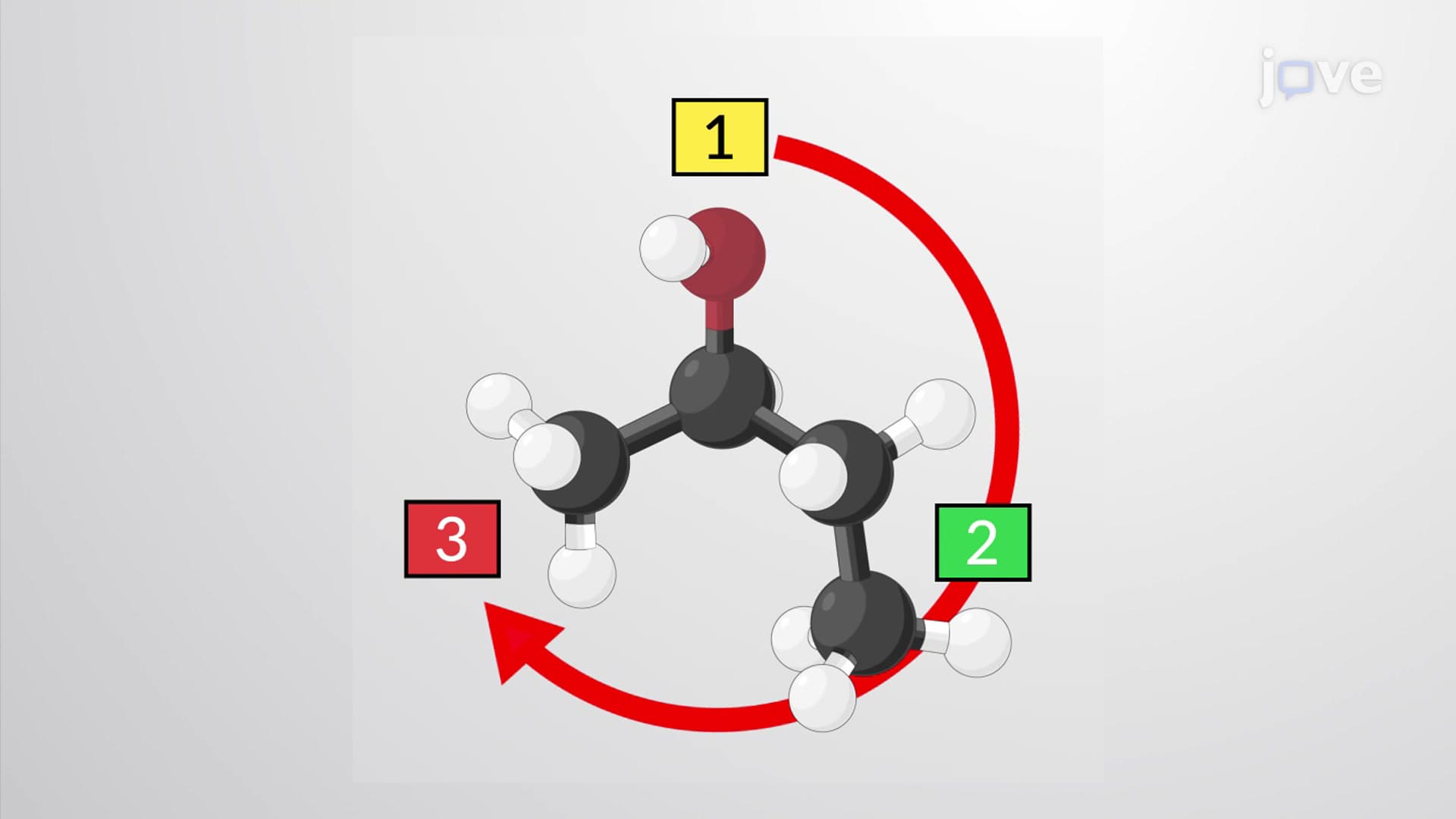
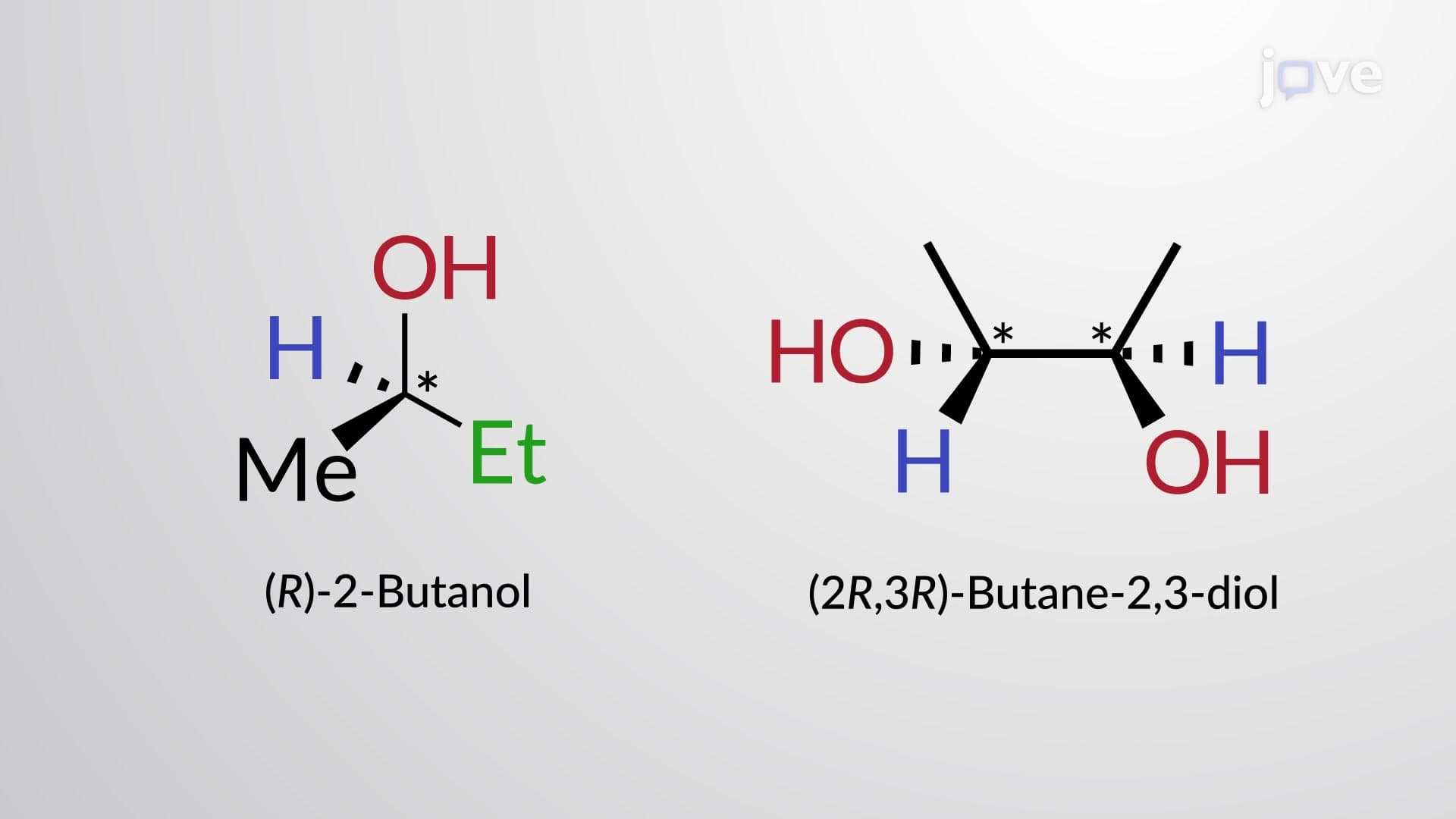
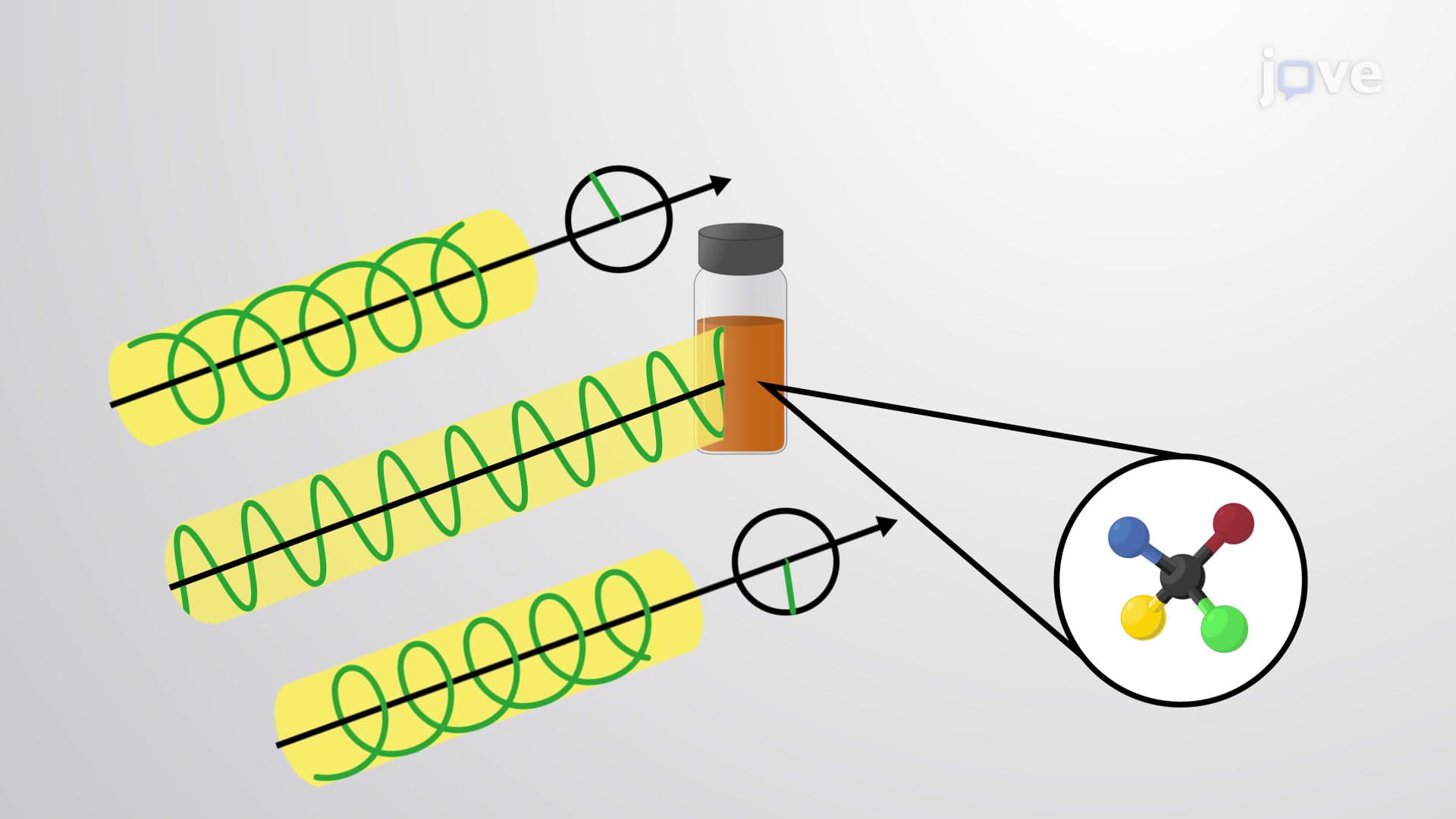
When plane-polarized light encounters a chiral molecule, the interaction produces measurable rotation. This occurs because polarized light can be conceptualized as a combination of left and right circularly polarized components. Chiral molecules preferentially interact with one circular polarization over the other, causing the plane of polarization to rotate. The R-enantiomer of 2-butanol rotates light counterclockwise (levorotatory, designated with a minus sign), while the S-enantiomer rotates light clockwise (dextrorotatory, positive sign). This behavior is crucial for AP Chemistry students studying stereochemistry and appears frequently on MCAT organic chemistry sections.
The observed rotation depends on three key factors: the compound's specific rotation (an intrinsic molecular property), solution concentration, and path length through the sample. The relationship follows: observed rotation = specific rotation × concentration × path length. This mathematical relationship allows chemists to determine unknown concentrations or assess enantiomeric purity. For college organic chemistry courses, students must master these calculations to succeed on midterm and final examinations.
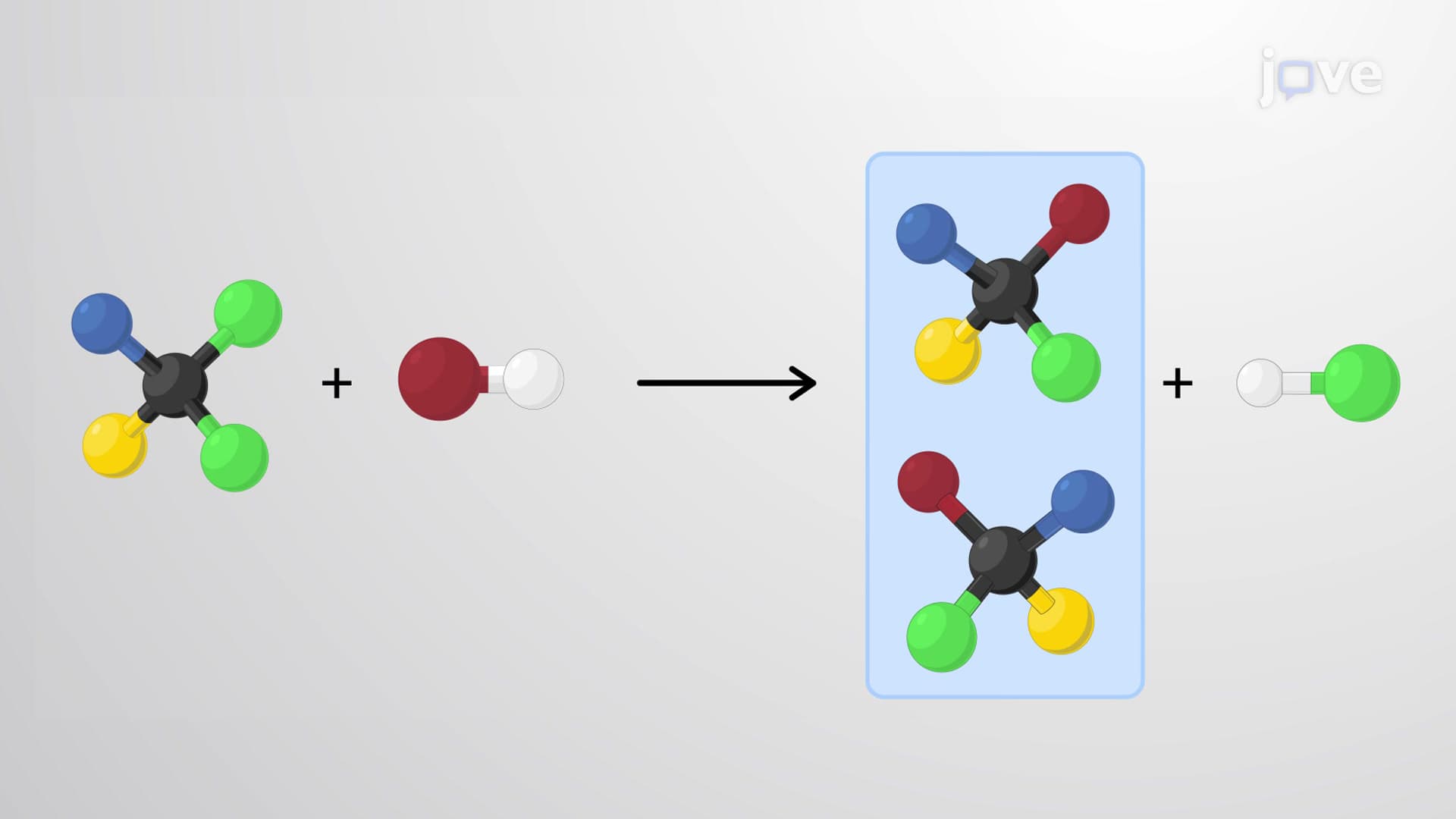
Equal mixtures of enantiomers, called racemic mixtures, produce zero net optical rotation because the opposing rotations cancel out. However, when one enantiomer predominates, the mixture exhibits measurable optical activity. Enantiomeric excess (ee) quantifies this imbalance: ee = |(R - S)/(R + S)| × 100%. A pure enantiomer shows 100% ee, while racemic mixtures show 0% ee. This concept appears regularly on pharmaceutical industry assessments and graduate school entrance exams, making it essential for pre-med students preparing for the MCAT.
Related Micro-courses