Loading subject page…


195,006 views

Video Summary: Racemic Mixtures and the Resolution Explained
Ever wonder why one form of carvone smells like spearmint while its mirror image smells like caraway? Racemic mixtures resolution explains this fascinating phenomenon where identical molecular formulas produce dramatically different properties. In pharmaceutical manufacturing across the United States, companies routinely separate these mirror-image molecules (enantiomers) from racemic mixtures to ensure drug safety and efficacy. Understanding racemic mixtures and the resolution explained is crucial for grasping how chiral molecules behave differently despite having identical compositions. Watch the full video on JoVE Coach to master this concept with expert-led visuals and step-by-step explanations.
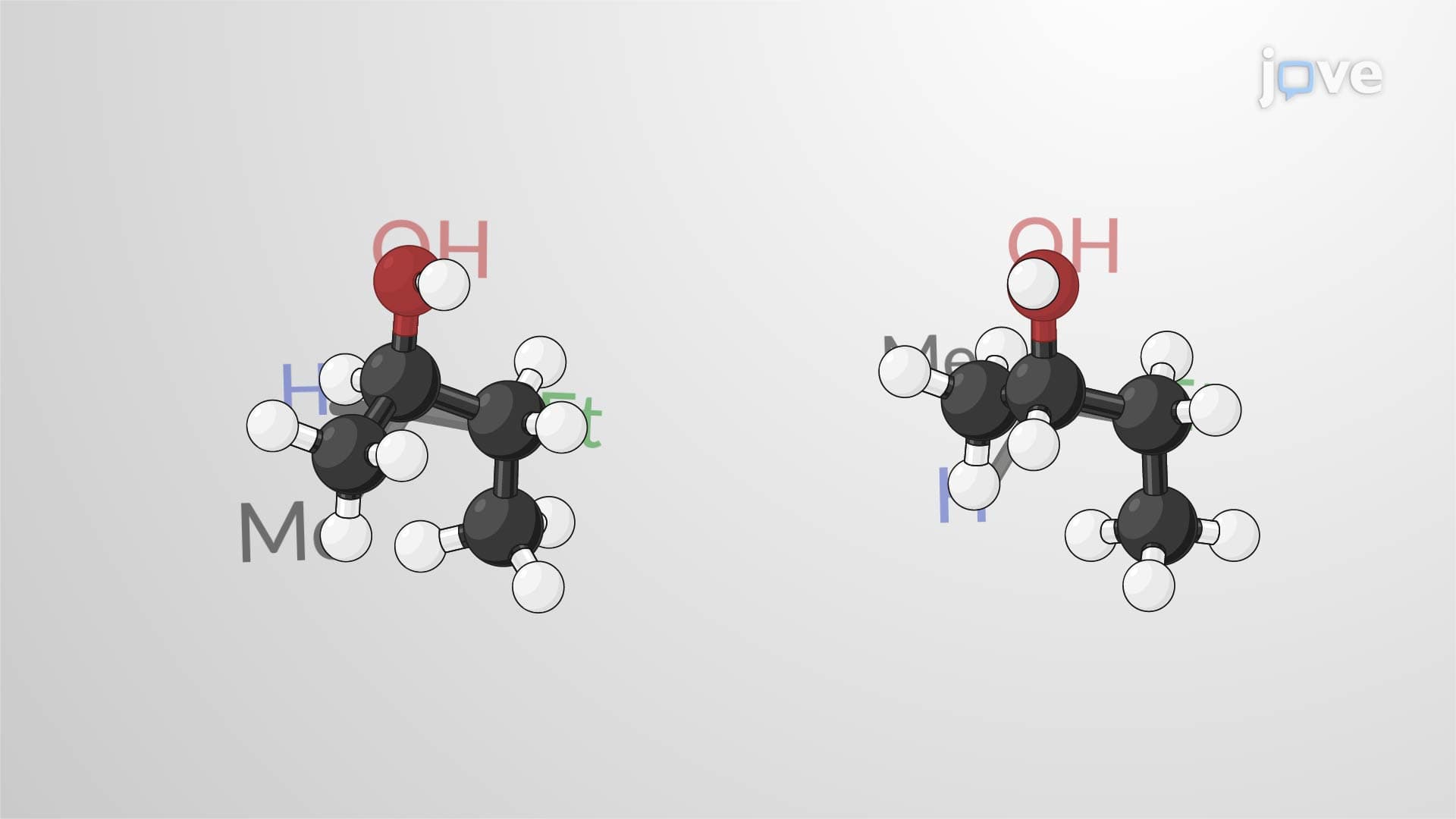
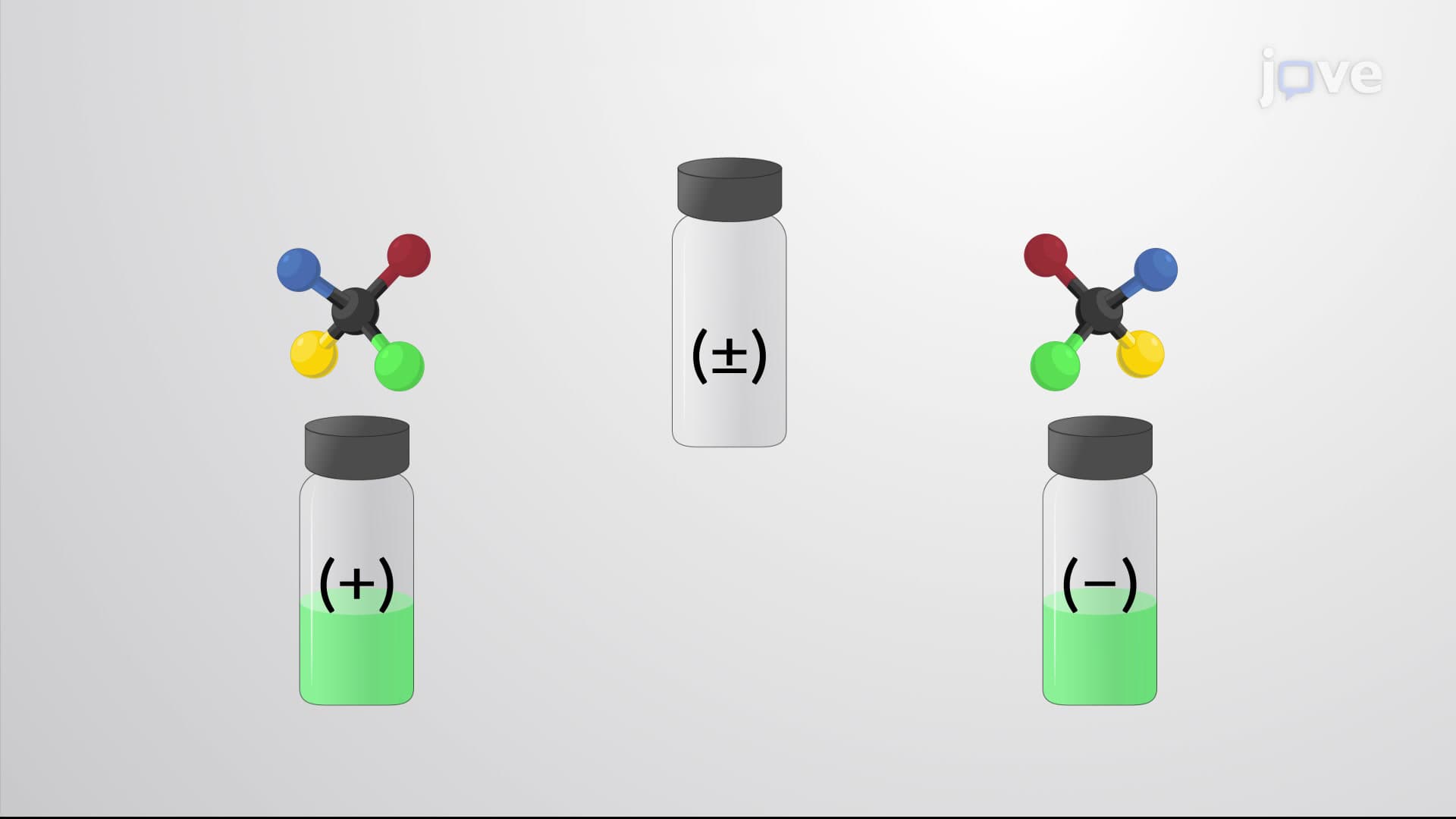
Racemic mixtures represent one of the most fascinating challenges in modern chemistry and pharmaceutical science. These equimolar combinations of enantiomers-molecules that are non-superimposable mirror images of each other-appear identical in most chemical and physical properties yet can exhibit dramatically different biological activities. The resolution of these mixtures into pure enantiomers has become increasingly critical as the FDA requires pharmaceutical companies to evaluate both enantiomers of chiral drugs separately.
The fundamental principle underlying racemic mixtures resolution lies in the concept that enantiomers interact differently with chiral environments. While enantiomers possess identical melting points, boiling points, and solubilities in achiral solvents, they exhibit distinct behaviors when exposed to chiral influences. This difference becomes the foundation for separation strategies.
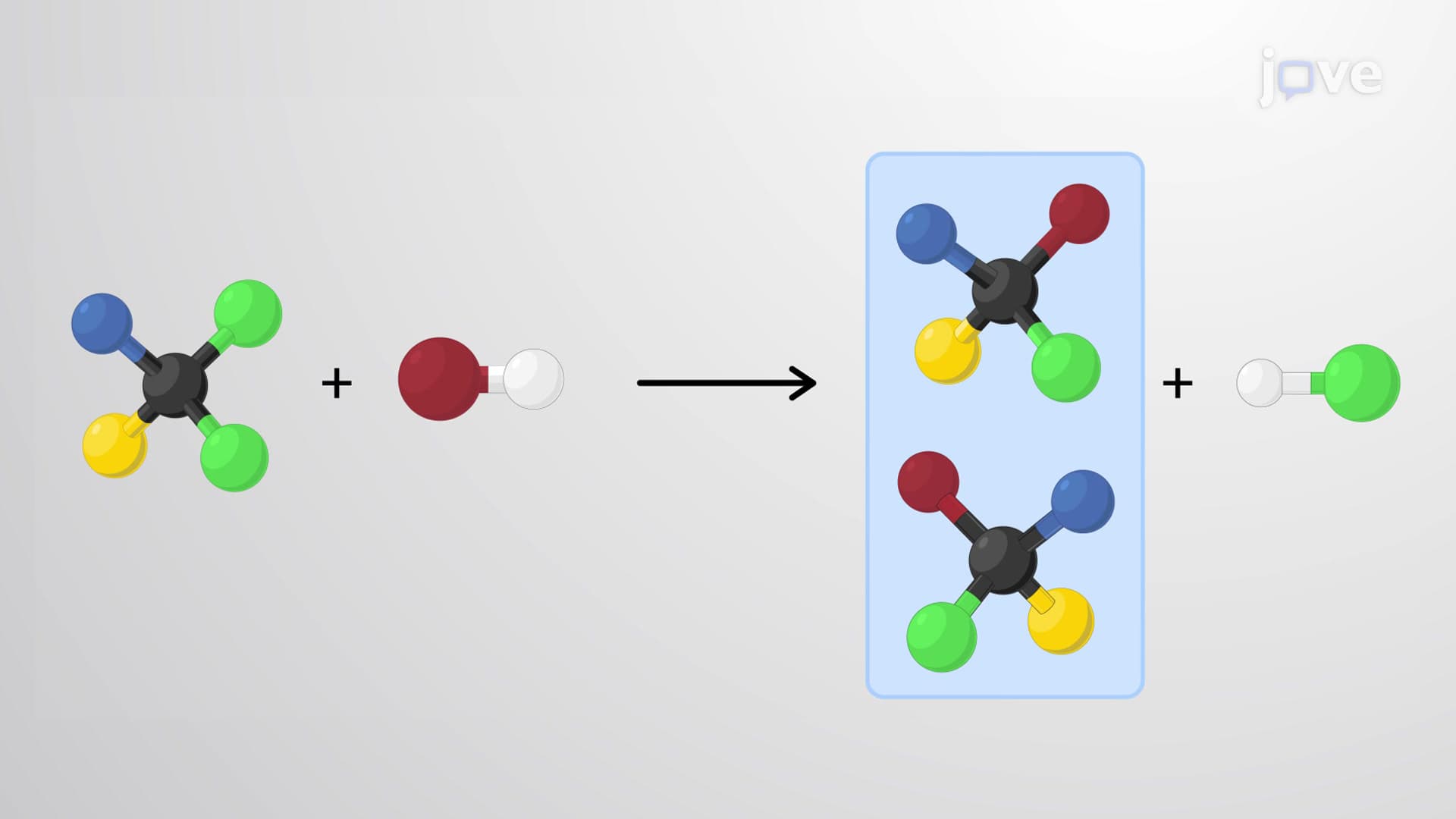
Chiral resolving agents serve as the molecular "keys" that unlock the separation process. When a chiral resolving agent reacts with a racemic mixture, it forms diastereomers rather than enantiomers. Unlike enantiomers, diastereomers possess different physical properties, making separation through conventional techniques like crystallization or chromatography possible. For instance, in the pharmaceutical industry, companies like Pfizer and Johnson & Johnson regularly employ chiral resolving agents to separate drug enantiomers during manufacturing processes.
Several established methods enable effective racemic resolution, each suited to specific molecular systems and industrial requirements. Classical resolution involves the formation of diastereomeric salts, as demonstrated in the naproxen example where N-propylglucosamine creates separable crystalline products. This method remains widely used in pharmaceutical manufacturing across the United States.
Spontaneous resolution, though less common, offers an elegant solution for certain molecules like tartaric acid. During controlled crystallization, each enantiomer preferentially associates with molecules of the same handedness, creating homochiral crystals that can be physically separated.
Modern techniques increasingly rely on chiral chromatography, where specialized column materials containing chiral stationary phases selectively retain different enantiomers. Major US pharmaceutical companies invest heavily in these technologies, with high-performance liquid chromatography (HPLC) systems costing hundreds of thousands of dollars but providing unmatched separation efficiency.
Students preparing for the MCAT encounter racemic resolution questions that test understanding of stereochemistry principles and their practical applications. The concept frequently appears in AP Chemistry curricula when discussing molecular interactions and pharmaceutical chemistry. College organic chemistry courses typically dedicate entire units to resolution techniques, often including laboratory experiments where students separate enantiomers using classical resolution methods.
In graduate-level coursework and pharmaceutical industry training, professionals learn advanced resolution techniques including enzymatic resolution, where specific enzymes selectively process one enantiomer while leaving the other unchanged. This biotechnological approach has revolutionized drug manufacturing, offering more environmentally friendly and cost-effective separation methods.
Related Micro-courses