Loading video…


 12 Concepts
 195K views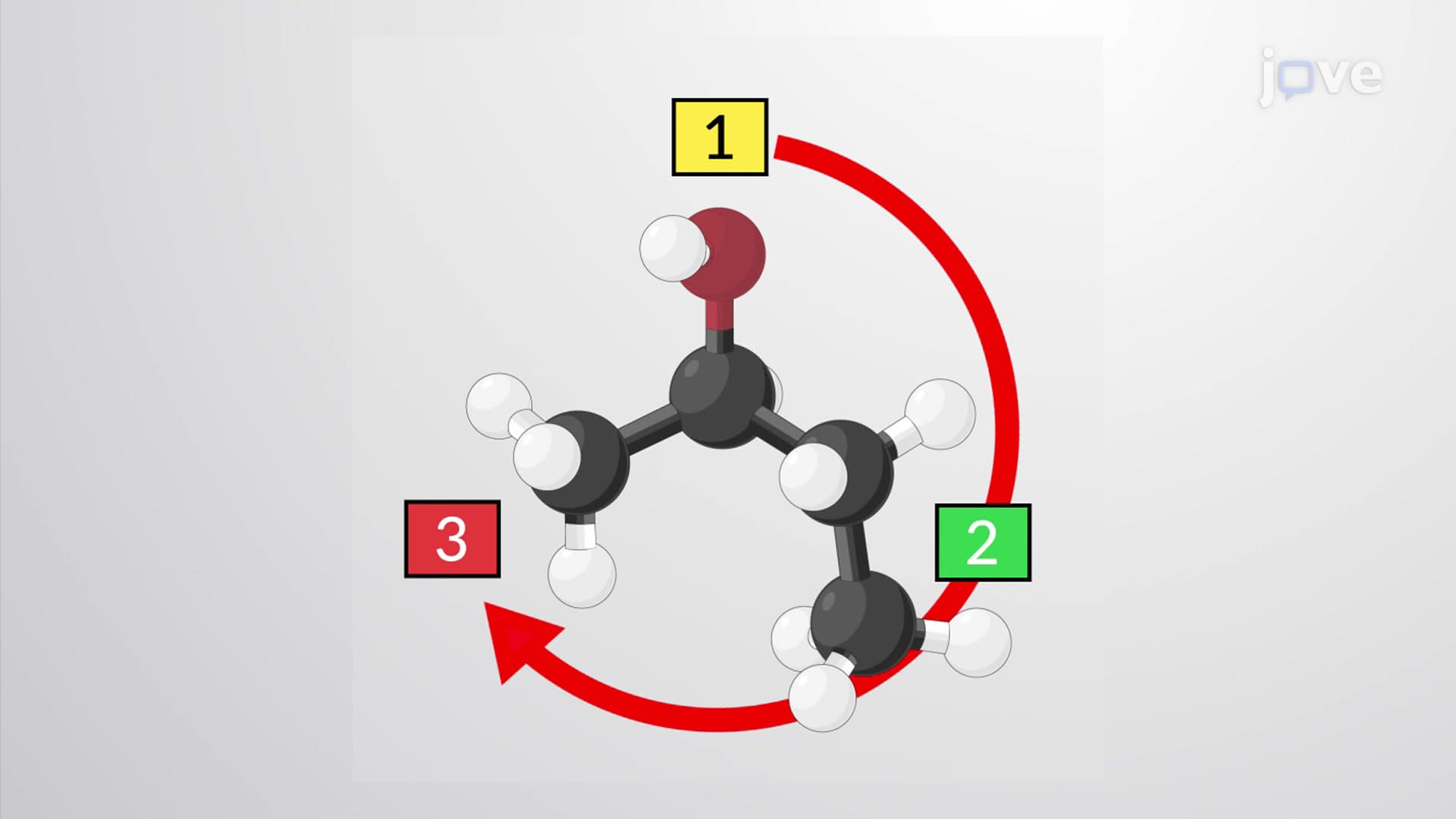

Video Summary: What are Naming Enantiomers
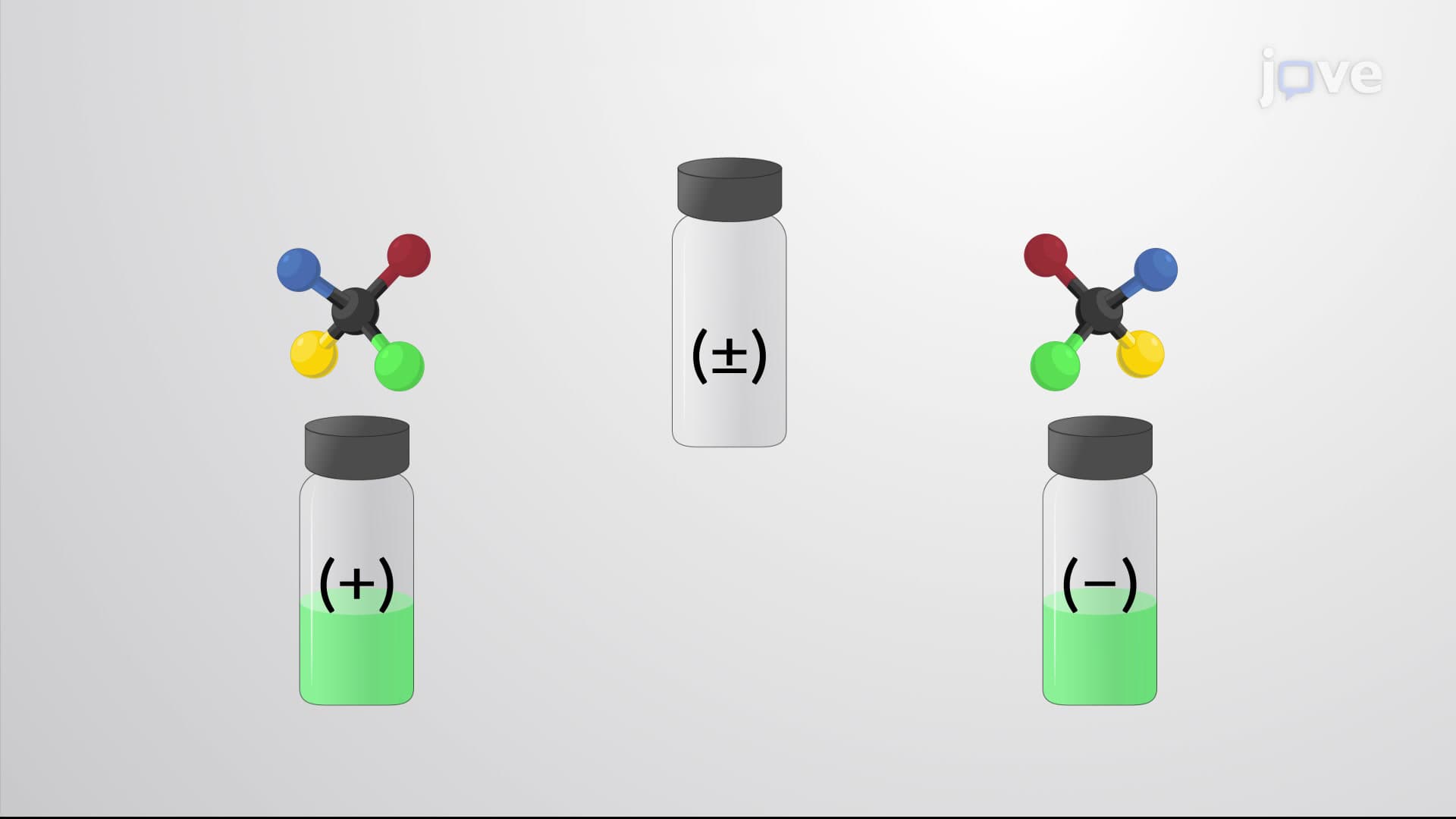
Did you know that the cholesterol in your body exists as only one specific mirror-image form, while its opposite twin would be biologically useless? Naming enantiomers requires a systematic approach to distinguish between these molecular mirror images that have identical formulas but opposite three-dimensional arrangements. The Cahn-Ingold-Prelog (R/S) system provides chemists with a standardized method to assign unique names to each enantiomer, ensuring that pharmaceutical companies can precisely identify which form of a drug they're manufacturing. Watch the full video on JoVE Coach to master this concept with expert-led visuals and step-by-step explanations.
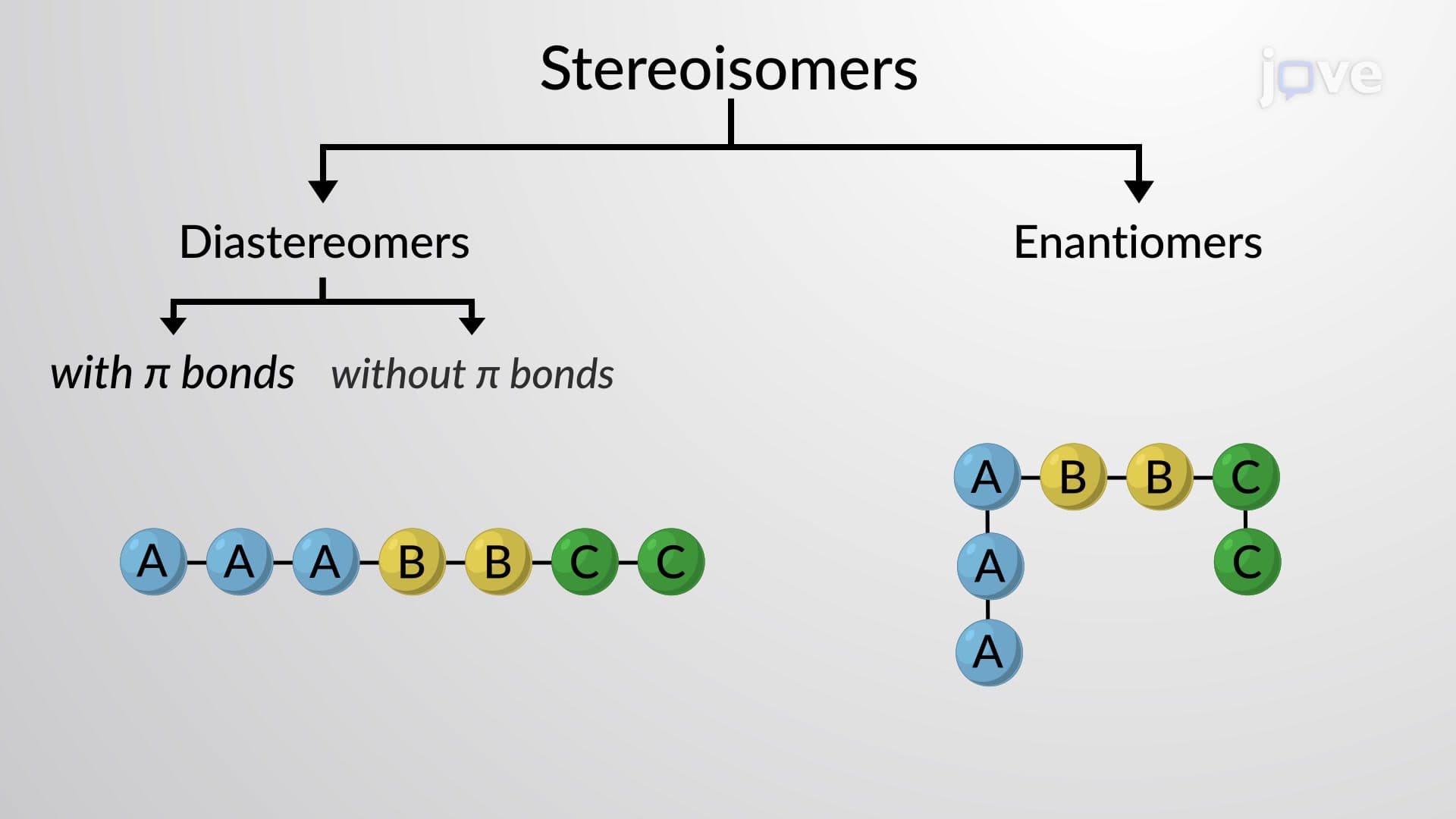
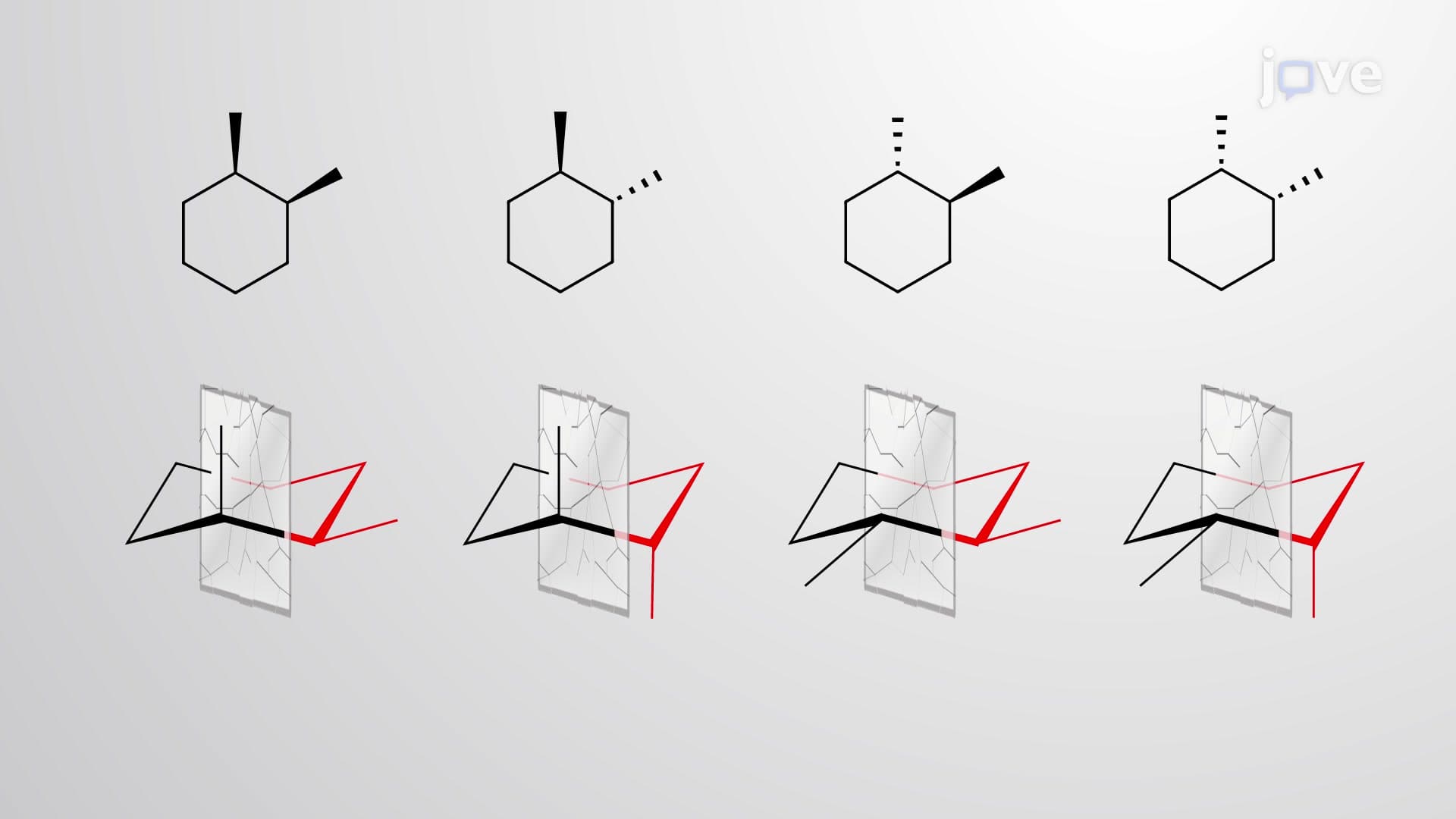
Naming enantiomers represents one of organic chemistry's most critical skills because these molecular mirror images often exhibit dramatically different biological properties. While enantiomers share identical molecular formulas and connectivity, their three-dimensional arrangements create distinct compounds requiring unique identification systems. The tragic thalidomide case of the 1960s-where one enantiomer treated morning sickness while its mirror image caused birth defects-demonstrates why precise enantiomer nomenclature matters in pharmaceutical development and regulatory approval.
The systematic approach to naming enantiomers follows three essential steps that chemistry students encounter in AP Chemistry, college organic chemistry courses, and pre-medical curricula. First, priority assignment ranks the four substituent groups at each chiral center according to atomic number, with highest atomic number receiving priority 1. When atoms directly bonded to the chiral center are identical (like two carbon atoms), chemists examine the first point of difference by moving outward along the substituent chains until finding different atoms.
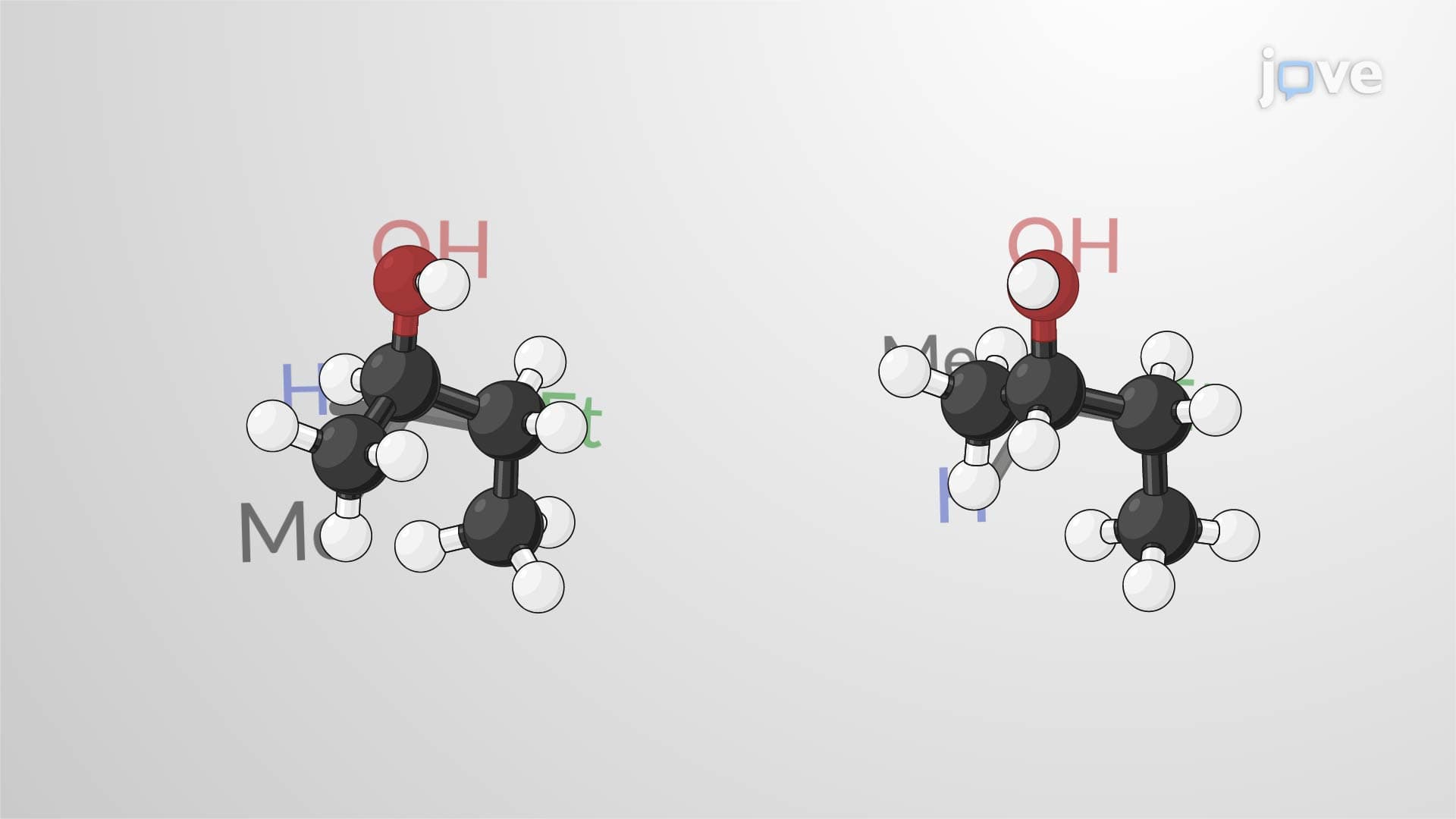
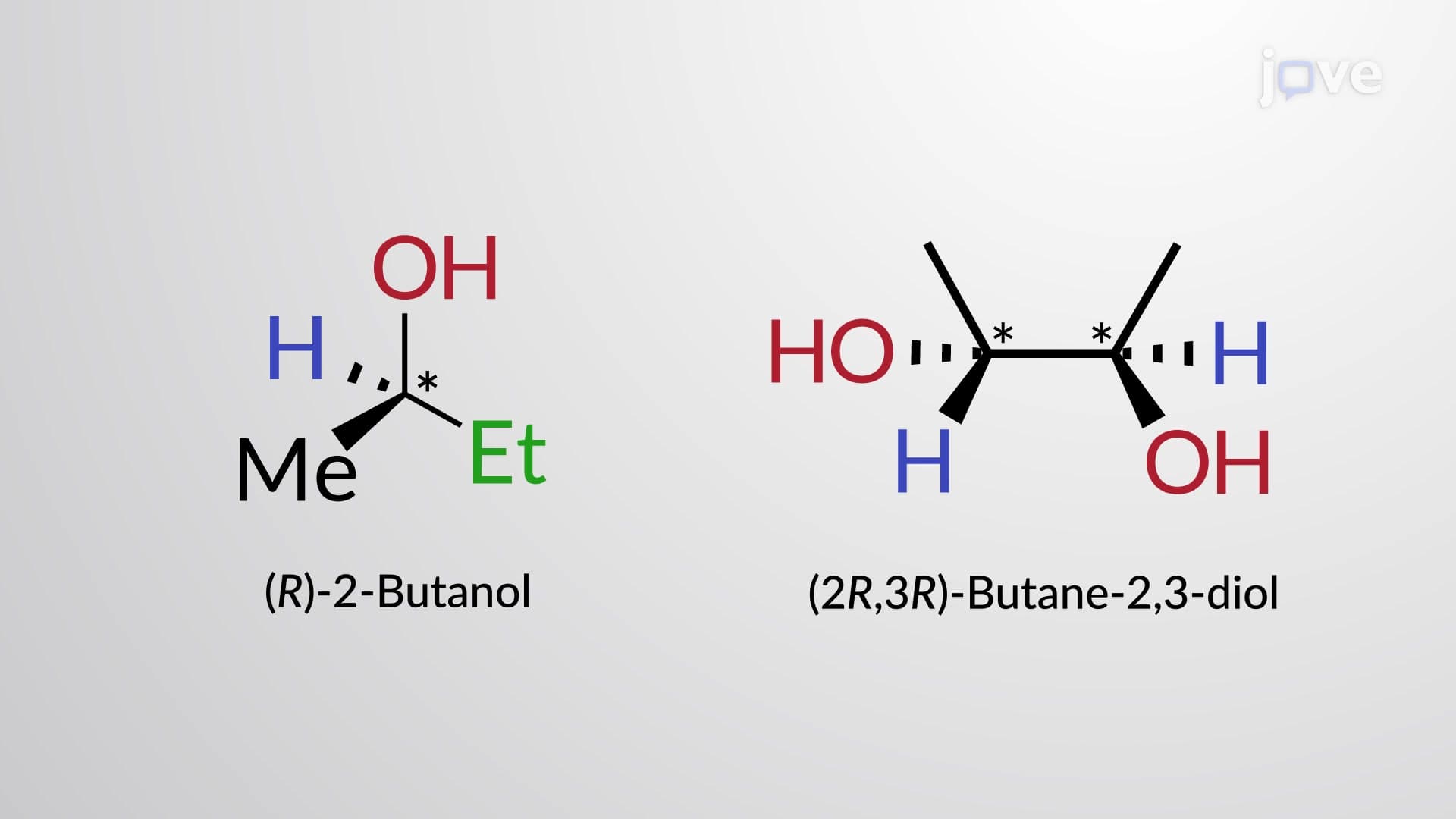
Mastering naming enantiomers requires understanding how to handle complex priority situations that frequently appear on MCAT organic chemistry sections. For 2-butanol, the hydroxyl group (-OH) receives priority 1 due to oxygen's high atomic number, while hydrogen gets priority 4 as the lightest element. The methyl (-CH₃) and ethyl (-CH₂CH₃) groups both connect through carbon, so priority depends on the second atoms: ethyl's carbon versus methyl's hydrogen atoms, making ethyl priority 2 and methyl priority 3.
The final step in naming enantiomers involves molecular visualization skills essential for success in undergraduate organic chemistry exams and standardized tests. After orienting the molecule so the lowest-priority substituent points away (like positioning a steering wheel), students trace the path from priority 1 to 2 to 3. A clockwise sequence designates R (from Latin *rectus*, meaning right), while counterclockwise indicates S (from Latin *sinister*, meaning left). This systematic approach ensures that (R)-2-butanol and (S)-2-butanol receive unambiguous, universally recognized names that communicate precise three-dimensional structure to chemists worldwide.
Related Micro-courses