Loading video…


 12 Concepts
 195K views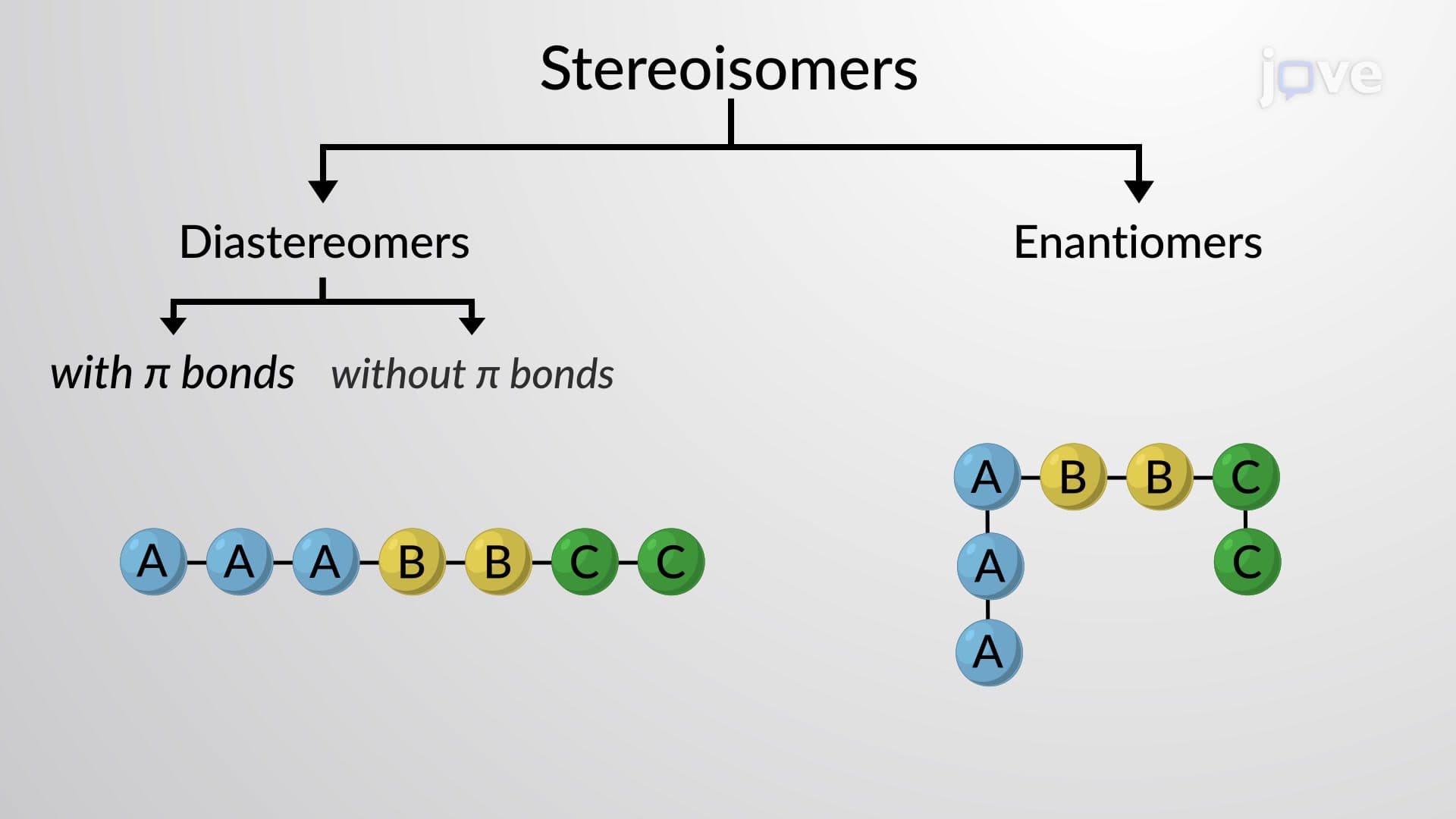

Video Summary: What are Stereoisomers
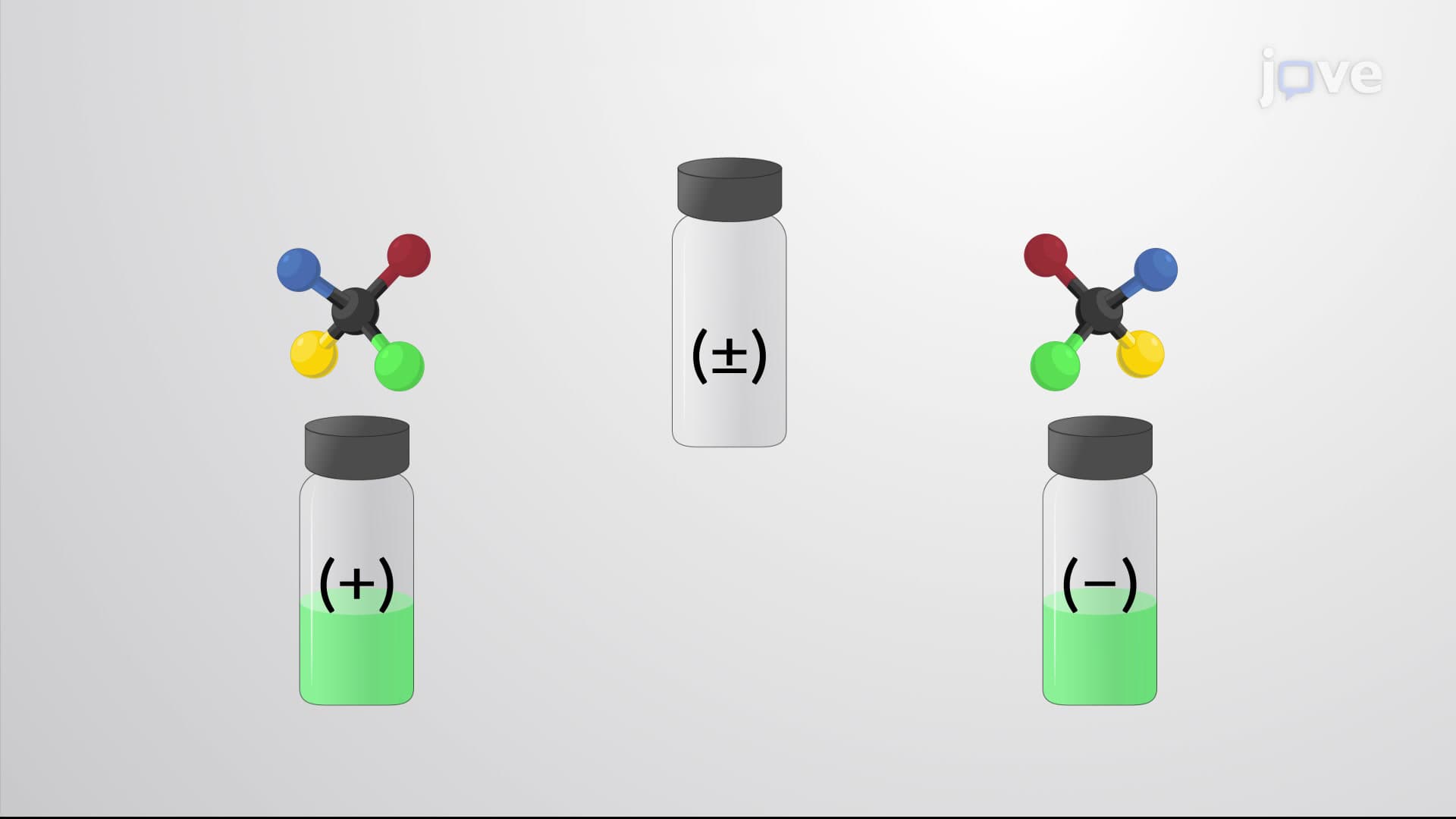
Did you know that the drug methamphetamine exists in two mirror-image forms, but only one is illegal while the other treats ADHD? Stereoisomers are molecules with identical connectivity but different spatial arrangements of atoms, creating distinct three-dimensional shapes. These molecular twins include diastereomers (non-mirror images like cis and trans compounds) and enantiomers (mirror images with potentially different biological effects). Understanding what are stereoisomers is crucial for grasping how molecular shape determines function in pharmaceuticals and biological systems. Watch the full video on JoVE Coach to master this concept with expert-led visuals and step-by-step explanations.
Stereoisomers represent one of chemistry's most fascinating phenomena-molecules that share identical connectivity yet exist as distinct compounds due to different spatial arrangements. Unlike constitutional isomers that differ in bonding patterns, stereoisomers maintain the same atom-to-atom connections while varying only in three-dimensional orientation. This concept proves essential for students preparing for AP Chemistry, college organic chemistry courses, and pre-health professional exams like the MCAT.
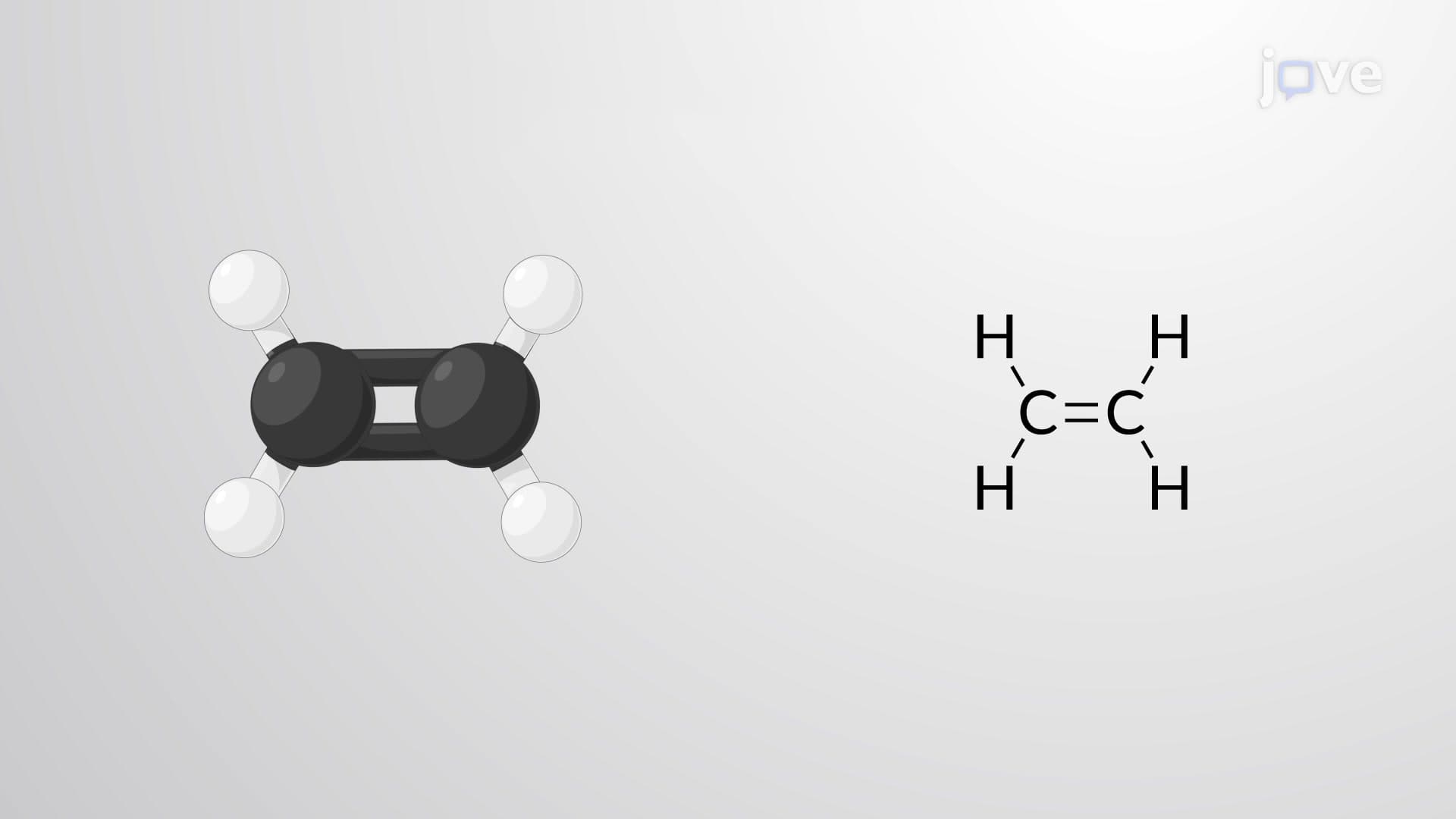
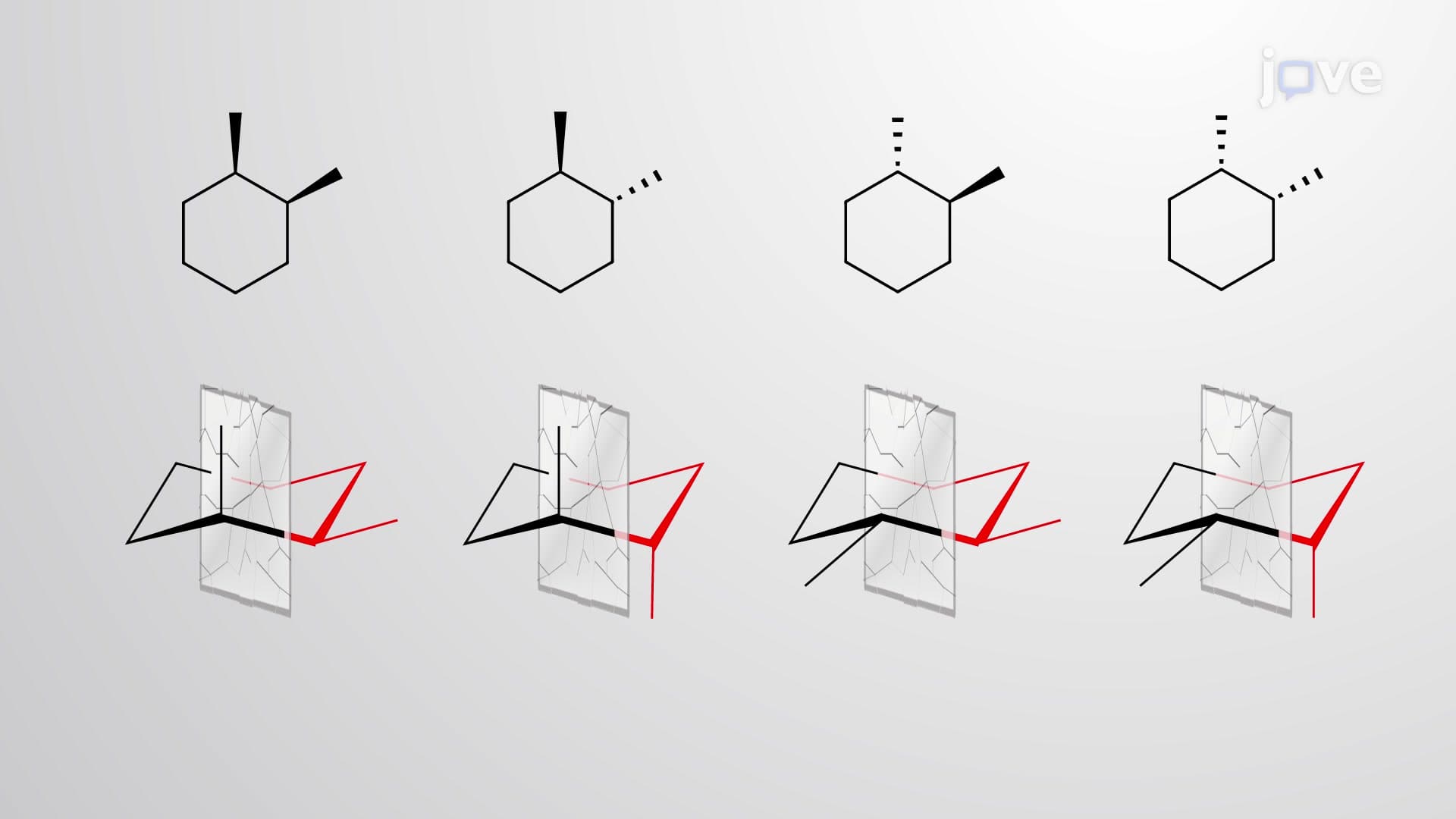
Diastereomers constitute stereoisomers that are not mirror images of each other, appearing in two distinct forms. In alkenes, geometric isomers like cis-2-butene and trans-2-butene demonstrate how restricted rotation around double bonds creates separate compounds. The cis isomer positions similar groups on the same side, while the trans isomer places them on opposite sides. This restriction prevents interconversion at room temperature, allowing both forms to exist independently.
Cyclic diastereomers, such as cis and trans-1,2-dimethylcyclohexane, showcase how ring structures create different spatial arrangements. These molecules cannot be superimposed despite identical connectivity, differing in stereochemistry at some-but not all-stereocenters. Understanding these differences proves crucial for predicting physical properties, reactivity patterns, and biological activity in pharmaceutical applications.
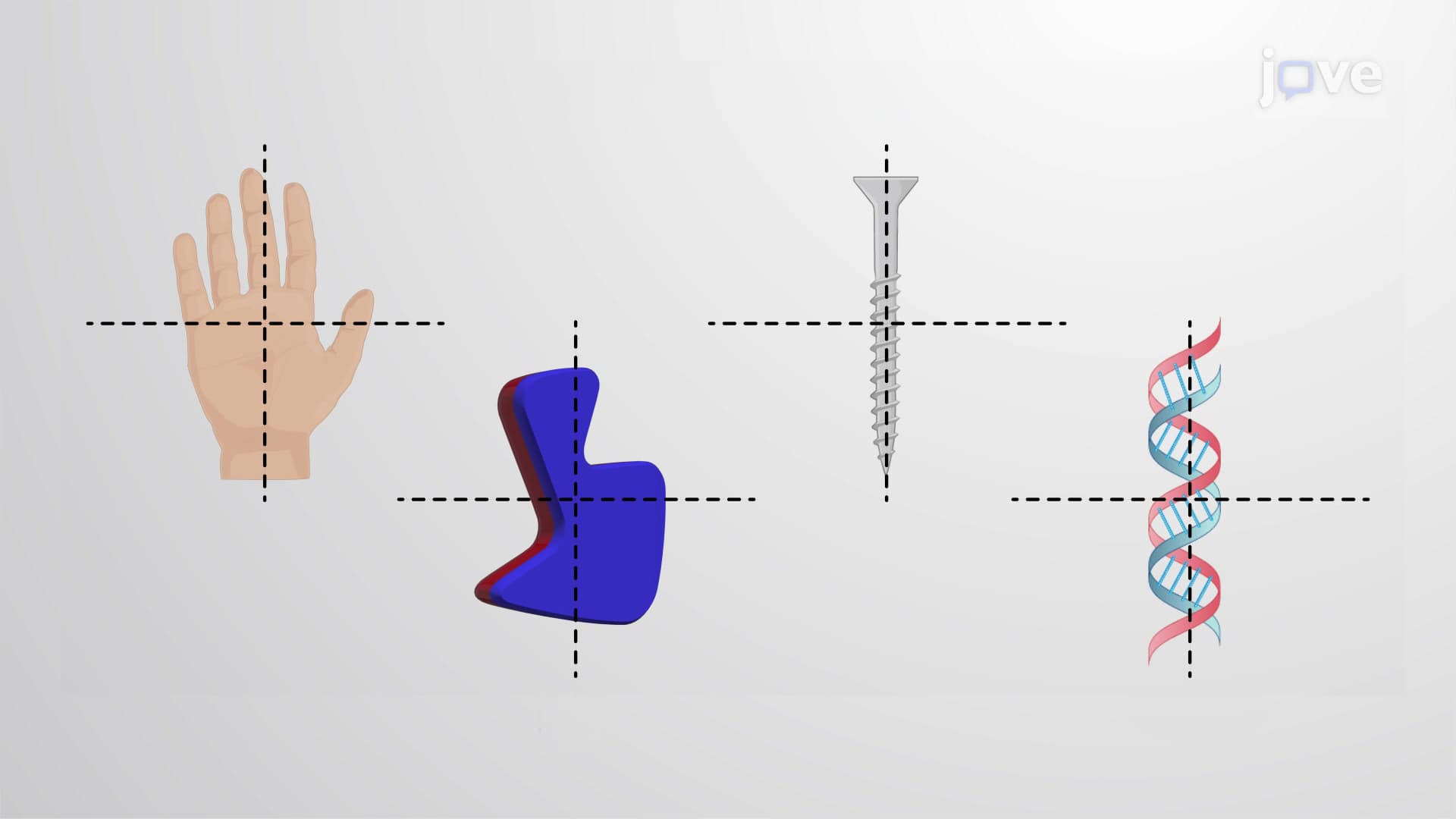
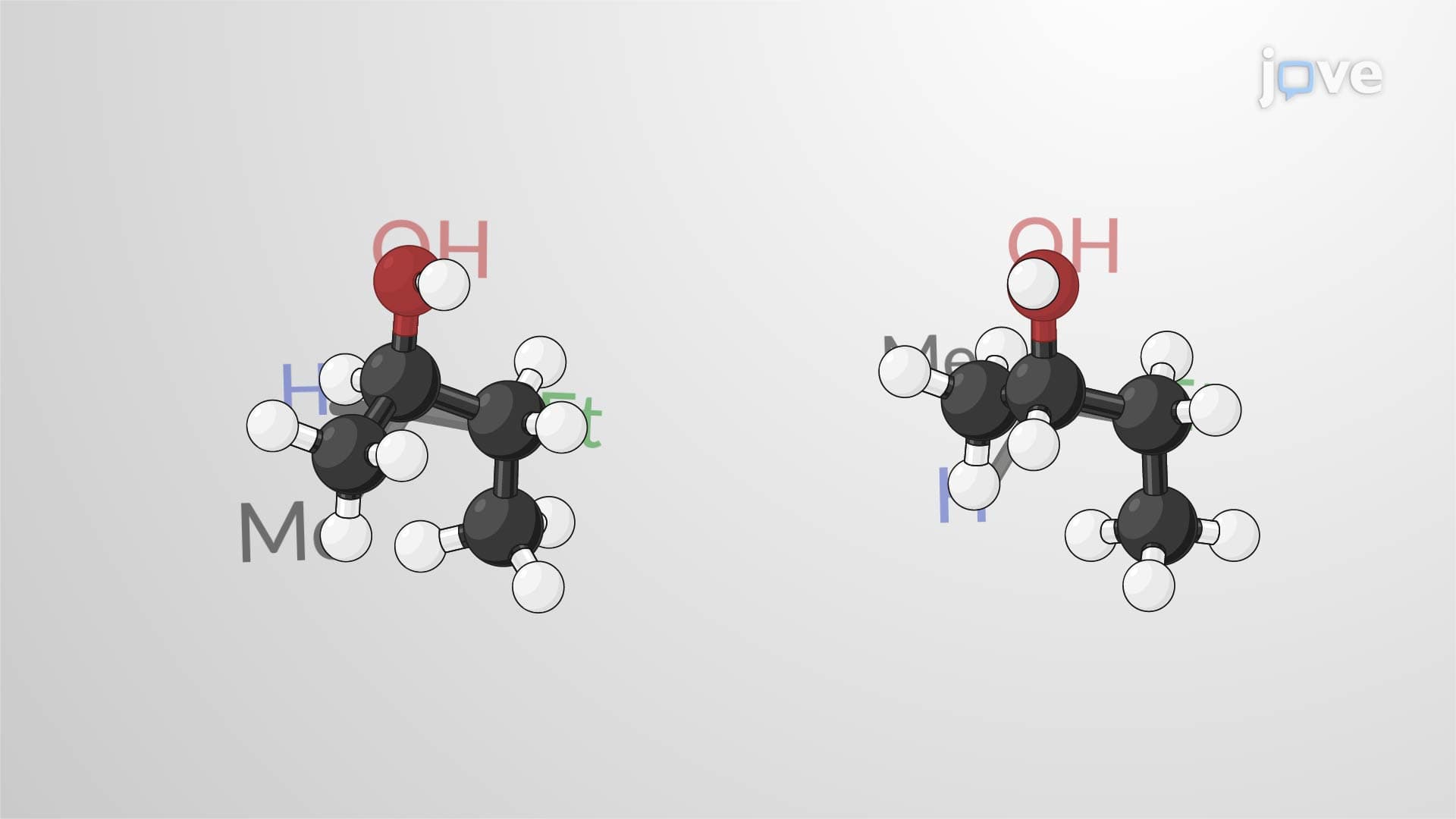
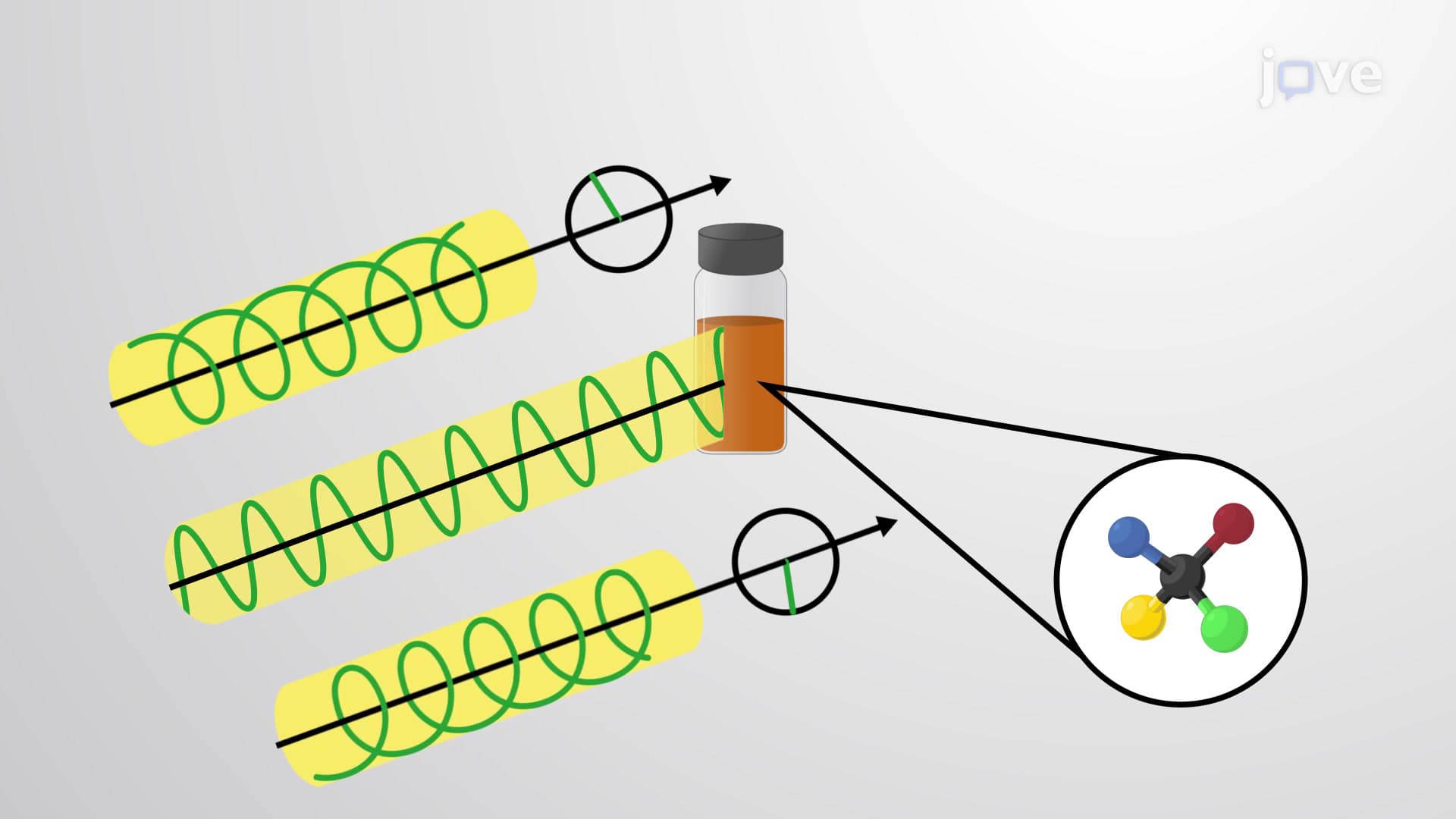
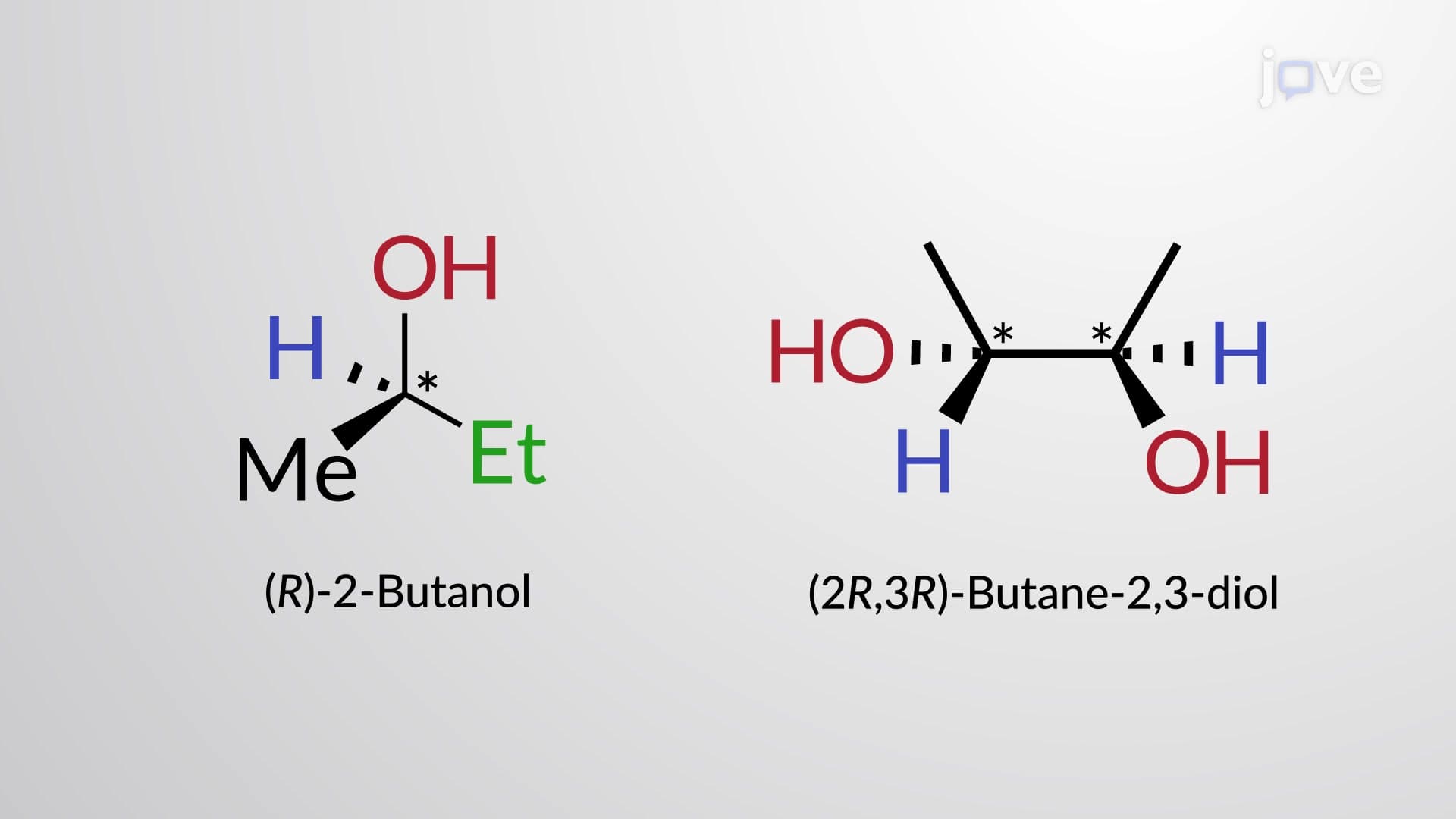
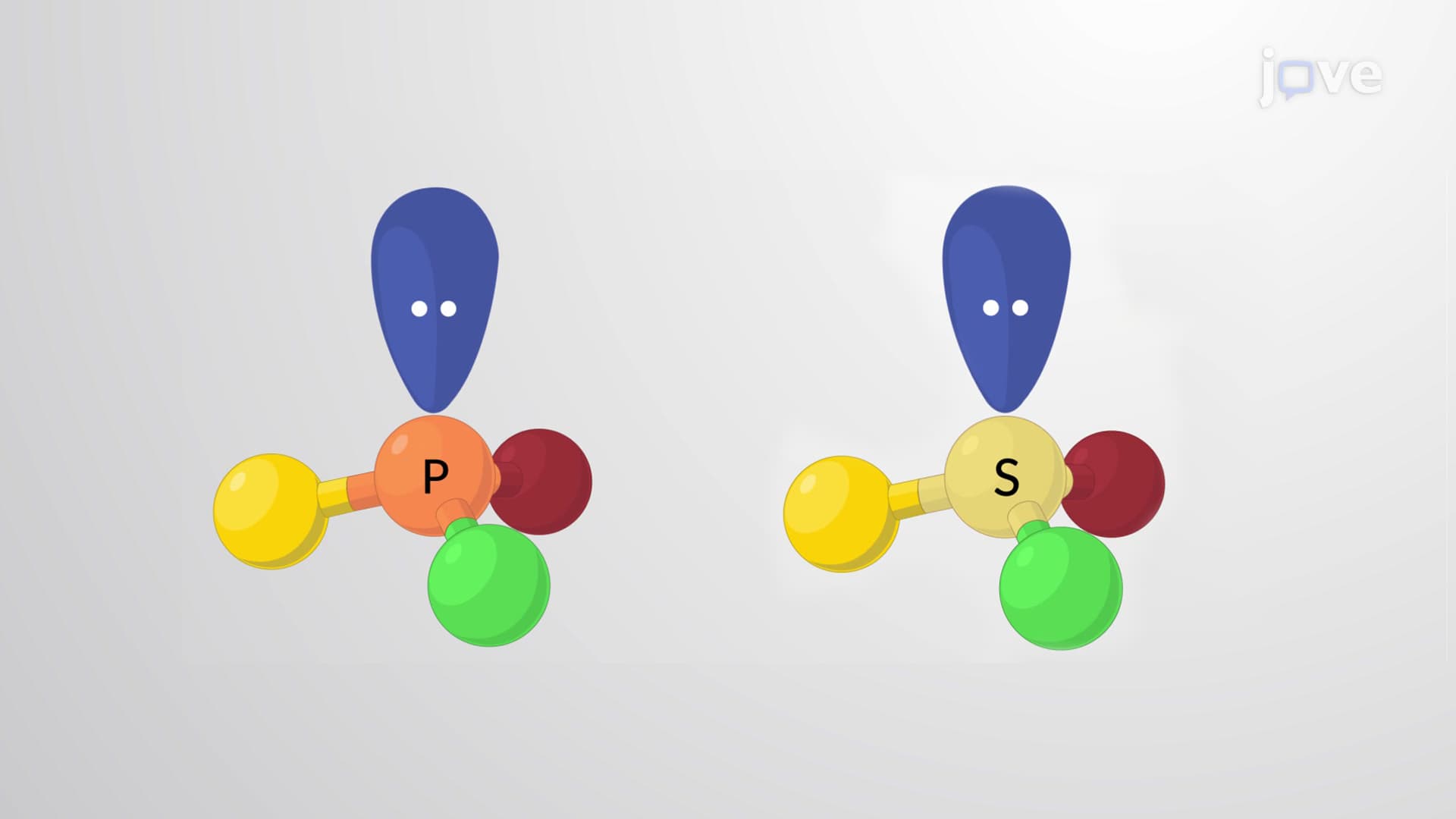
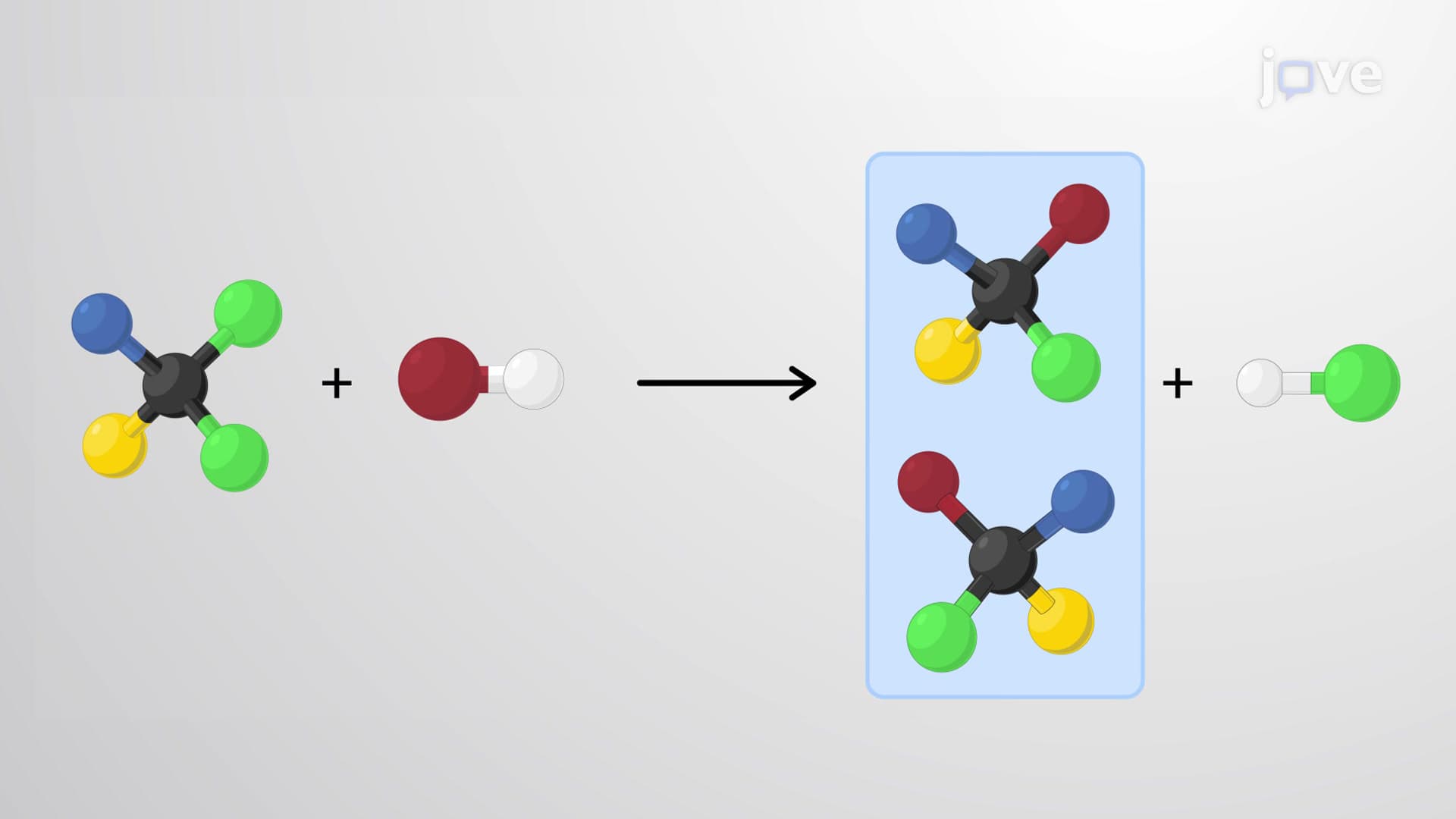
Enantiomers represent chiral molecules that exist as non-superimposable mirror images, forming enantiomeric pairs with profound implications for drug development and biological function. These molecules contain at least one stereocenter (typically a carbon atom bonded to four different groups), creating handedness similar to left and right hands.
The pharmaceutical industry provides compelling examples of enantiomeric significance. S-ibuprofen provides anti-inflammatory effects, while R-ibuprofen shows minimal activity. Similarly, L-DOPA treats Parkinson's disease effectively, but D-DOPA proves toxic. These examples illustrate how molecular handedness determines biological activity, making stereochemistry knowledge essential for future healthcare professionals.
Students encounter stereoisomer questions frequently on standardized exams, particularly the AP Chemistry exam and MCAT. Common question types include identifying stereoisomer relationships, predicting biological activity differences, and drawing three-dimensional representations. Mastering stereochemical concepts also supports success in college organic chemistry courses, where stereoisomers appear in synthesis planning, mechanism prediction, and pharmaceutical chemistry applications.
Modern drug development relies heavily on stereochemical understanding, with regulatory agencies like the FDA requiring separate evaluation of each enantiomer in new medications. This real-world application makes stereoisomer knowledge directly relevant to careers in pharmacy, medicine, and pharmaceutical research.
Related Micro-courses