Loading subject page…


195,005 views

Video Summary: What Is Chirality
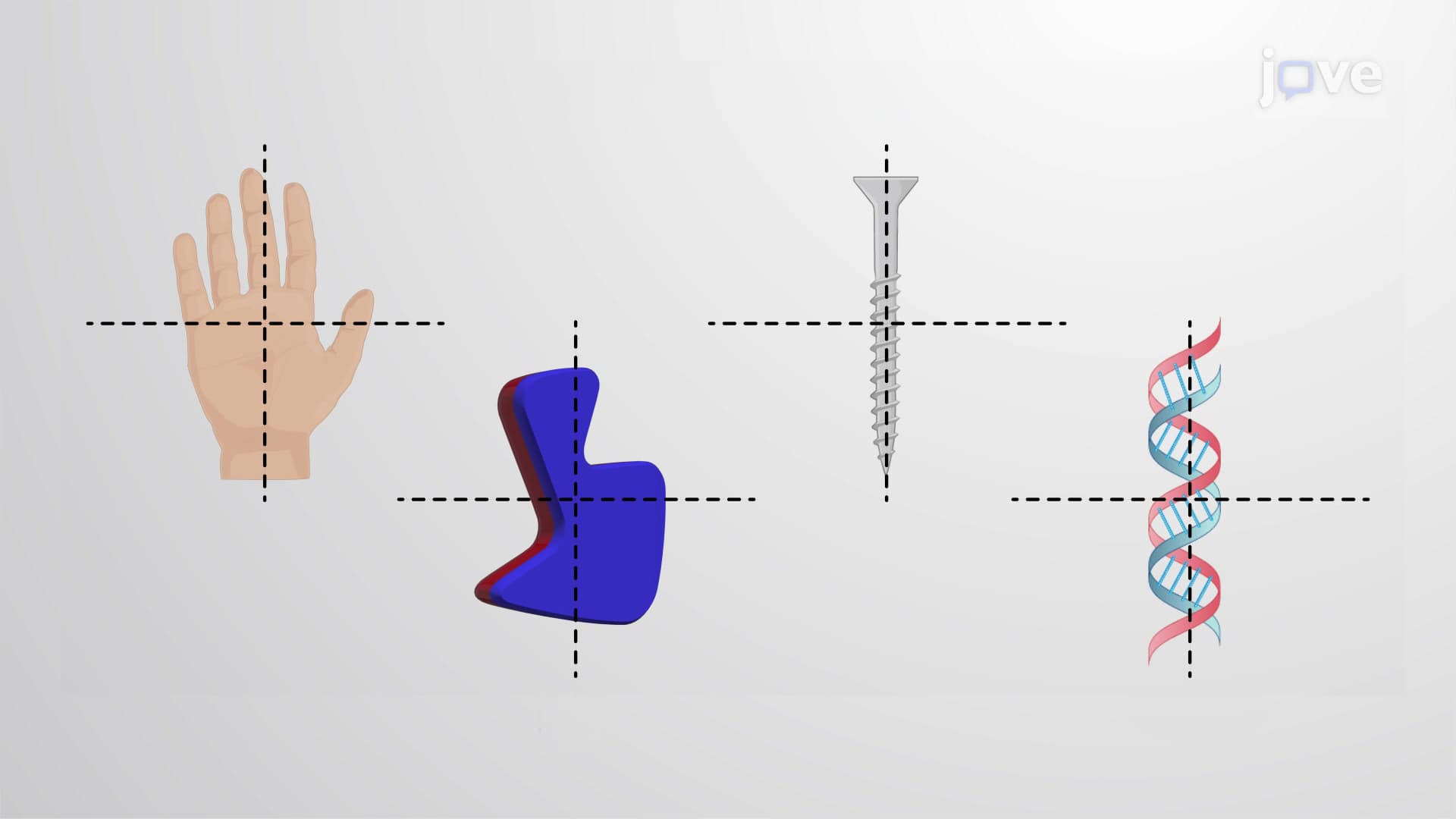
Ever wonder why your left hand can't fit perfectly into a right-hand glove? This everyday mystery reveals chirality, a fundamental concept describing objects that cannot be superimposed on their mirror images. Just like your hands, many molecules in pharmaceuticals developed by US companies like Pfizer exhibit this property, where one mirror form might heal while the other could harm. What is chirality becomes crucial when studying organic chemistry and biochemistry in high school and college courses. Watch the full video on JoVE Coach to master this concept with expert-led visuals and step-by-step explanations.
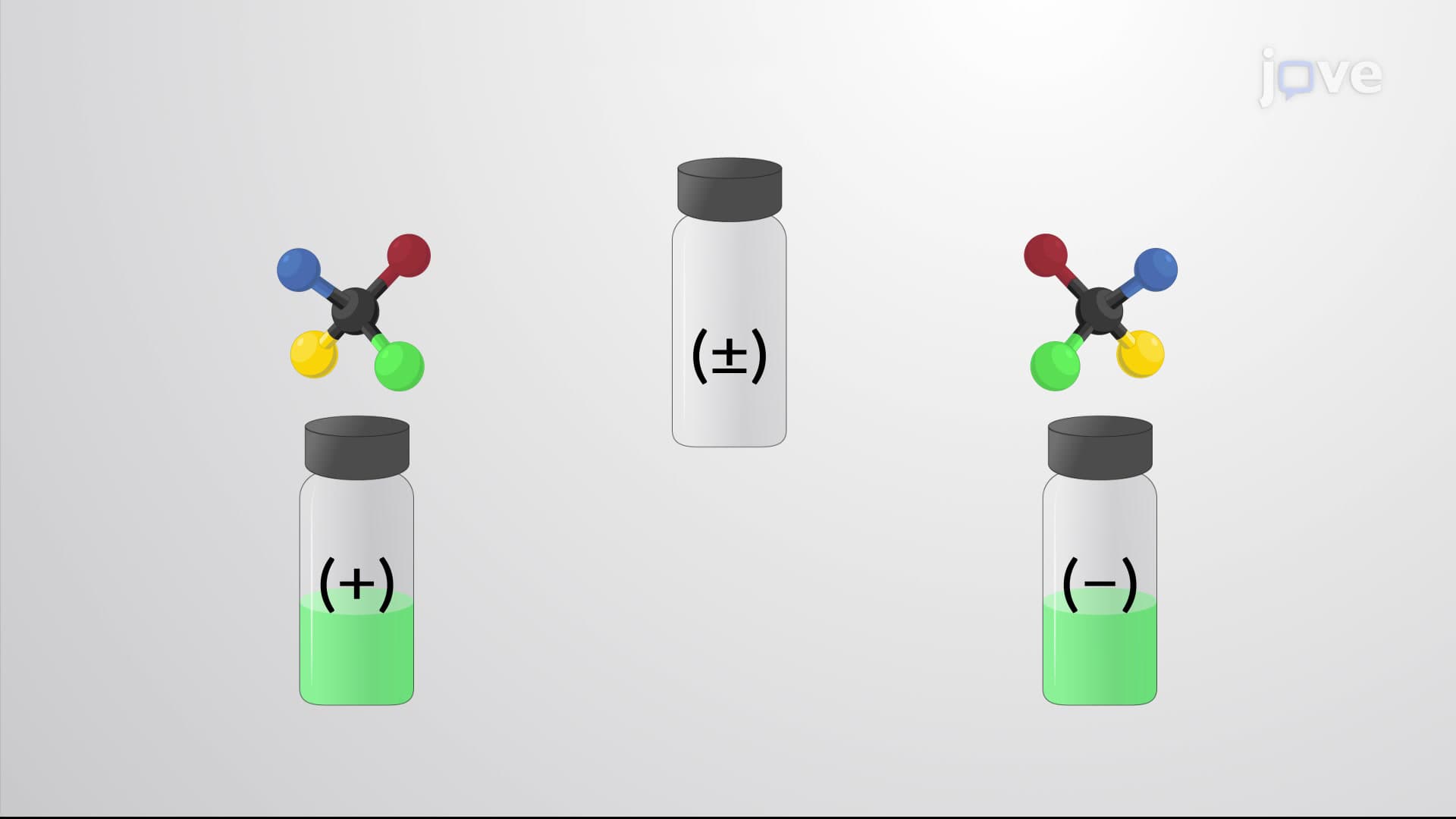
Chirality represents one of chemistry's most elegant concepts, describing the three-dimensional relationship between an object and its mirror image. When we examine the chirality definition explained in molecular terms, we discover that chiral molecules cannot be rotated or flipped to match their mirror images perfectly-much like trying to make your left hand identical to your right hand.
This property becomes especially important in AP Chemistry and college organic chemistry courses, where students must master stereochemistry concepts. The chirality definition extends beyond simple molecular recognition to influence drug design, enzyme function, and biological processes throughout living systems.
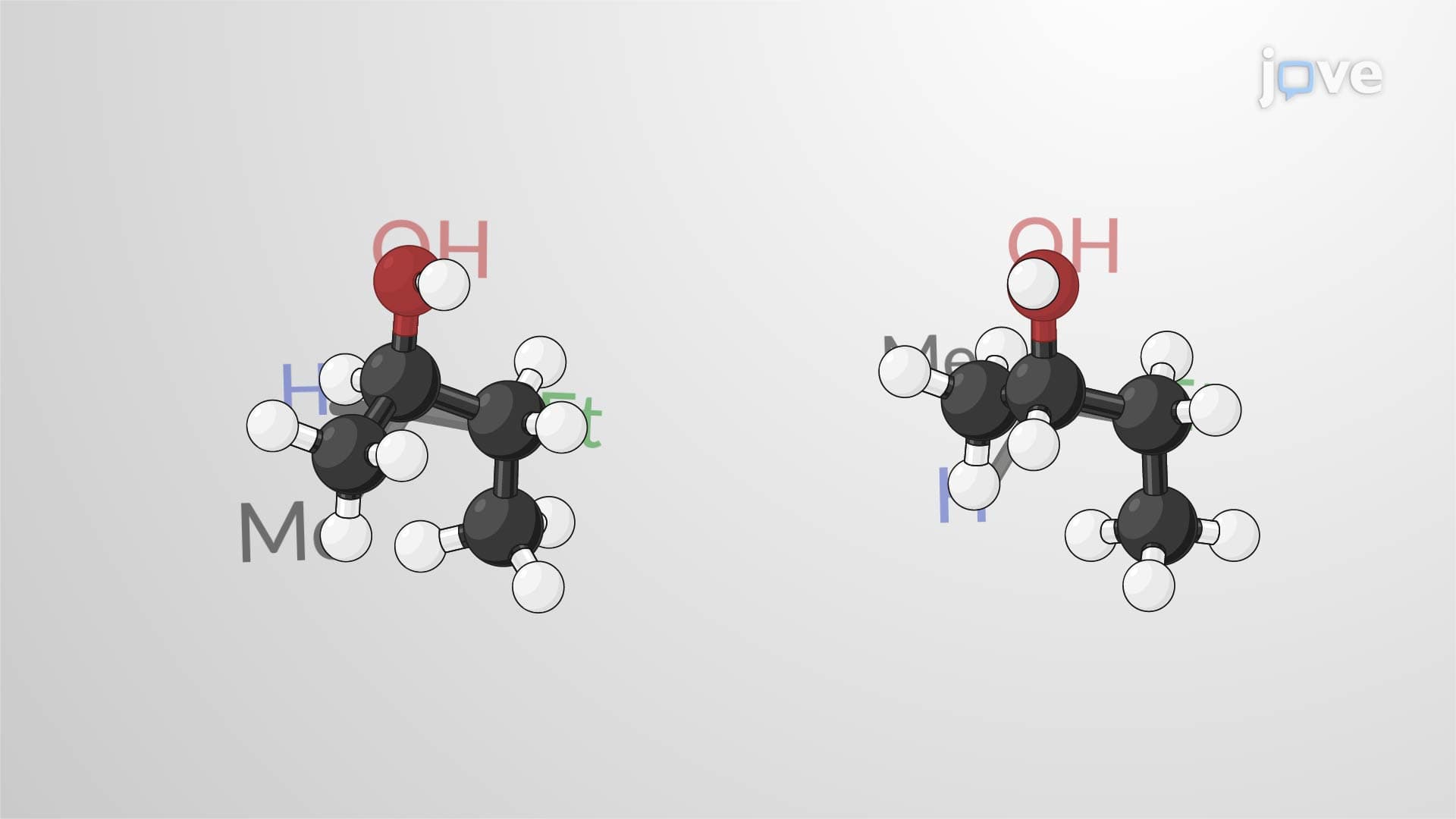
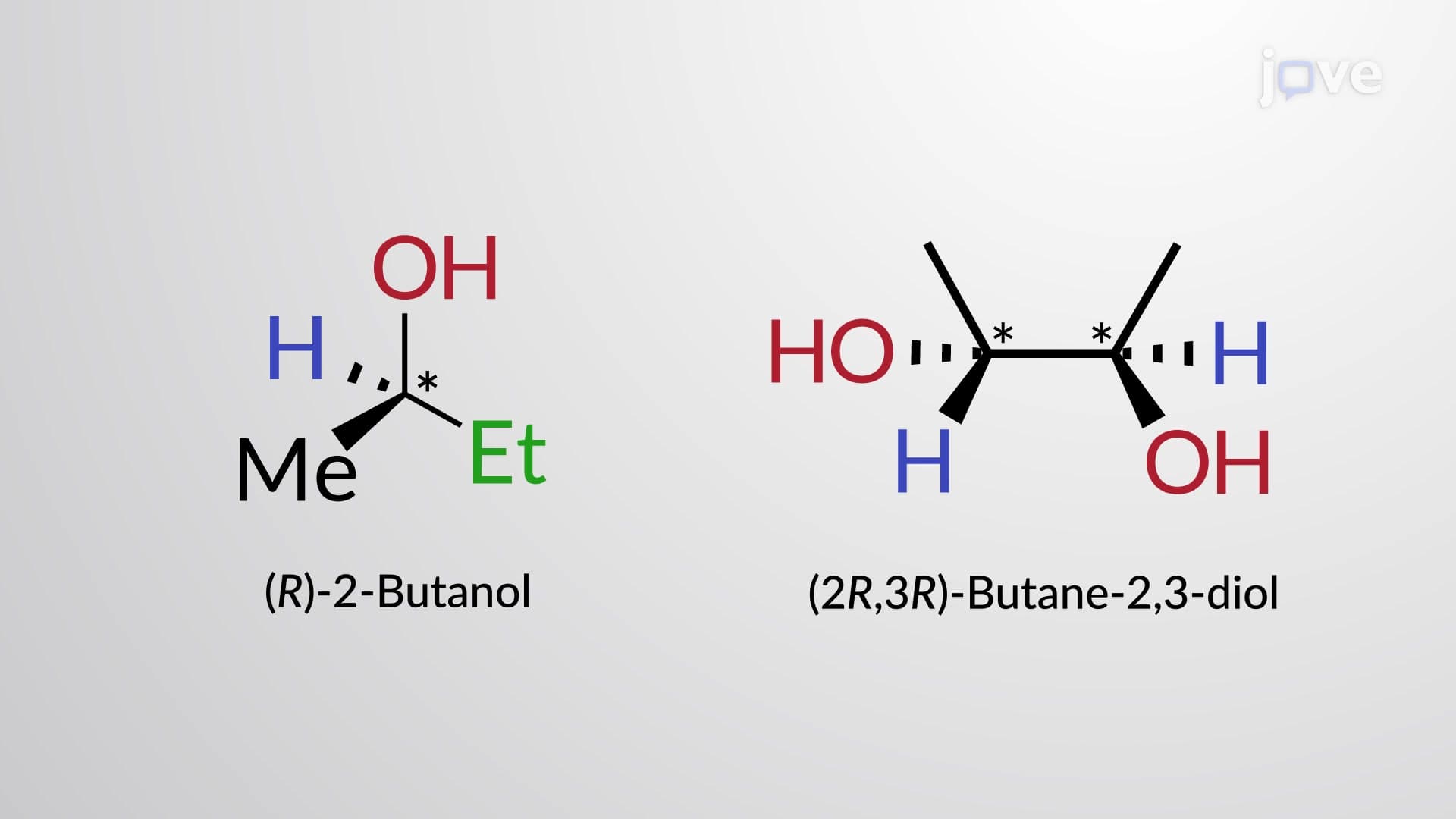
The most common source of molecular chirality occurs at tetrahedral carbon atoms bonded to four different groups-called chiral centers or stereocenters. Consider 2-butanol, a molecule frequently featured in MCAT practice questions: its central carbon connects to a methyl group, ethyl group, hydrogen atom, and hydroxyl group. This arrangement creates two non-superimposable mirror images called enantiomers.
Students preparing for standardized exams should recognize that molecules containing even one chiral center typically exhibit chirality, unless internal symmetry elements cancel out the asymmetry. This principle helps solve complex stereochemistry problems on exams like the SAT Subject Test in Chemistry or college midterms.
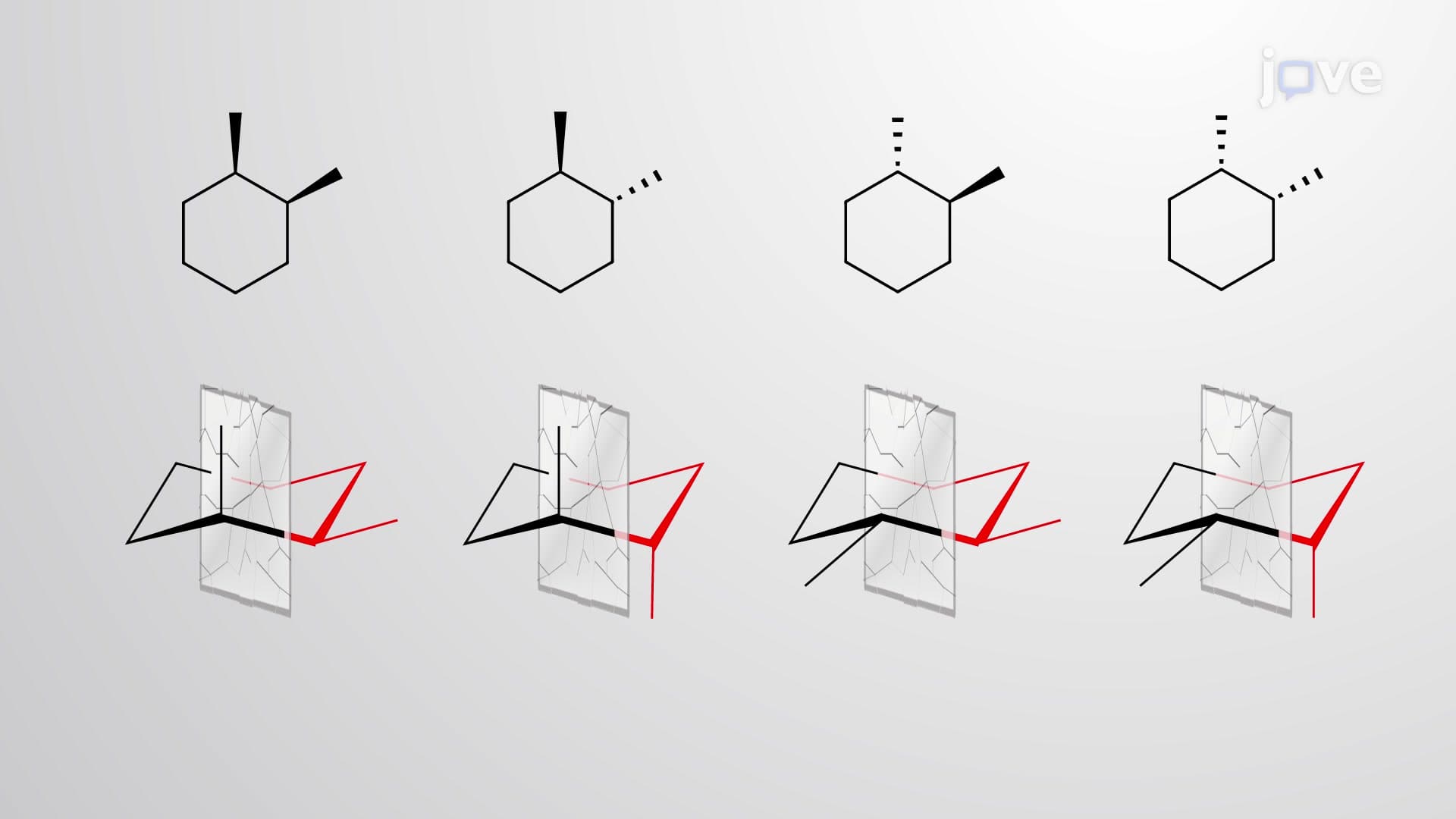
Understanding when molecules lack chirality proves equally important for exam success. Achiral molecules possess symmetry elements-specifically planes of symmetry or centers of inversion-that make them identical to their mirror images. Ethanol exemplifies this concept with its plane of symmetry passing through the carbon-carbon bond and hydroxyl group.
Advanced students in honors chemistry or AP Chemistry should also consider conformational effects. Molecules like 2,3-pentadiene appear chiral due to restricted rotation around double bonds, creating what chemists call axial chirality. These concepts frequently appear in college organic chemistry courses and graduate school entrance exams.
Chirality profoundly impacts the pharmaceutical industry, where companies like Johnson & Johnson and Merck invest billions in developing single-enantiomer drugs. The infamous thalidomide tragedy of the 1960s demonstrated chirality's importance: one mirror form treated morning sickness while the other caused birth defects. Today, FDA regulations require extensive testing of both enantiomers before drug approval, making chirality knowledge essential for students pursuing careers in medicine, pharmacy, or biochemistry.
Related Micro-courses