Loading subject page…


195,007 views

Video Summary: What Is Chirality in Nature
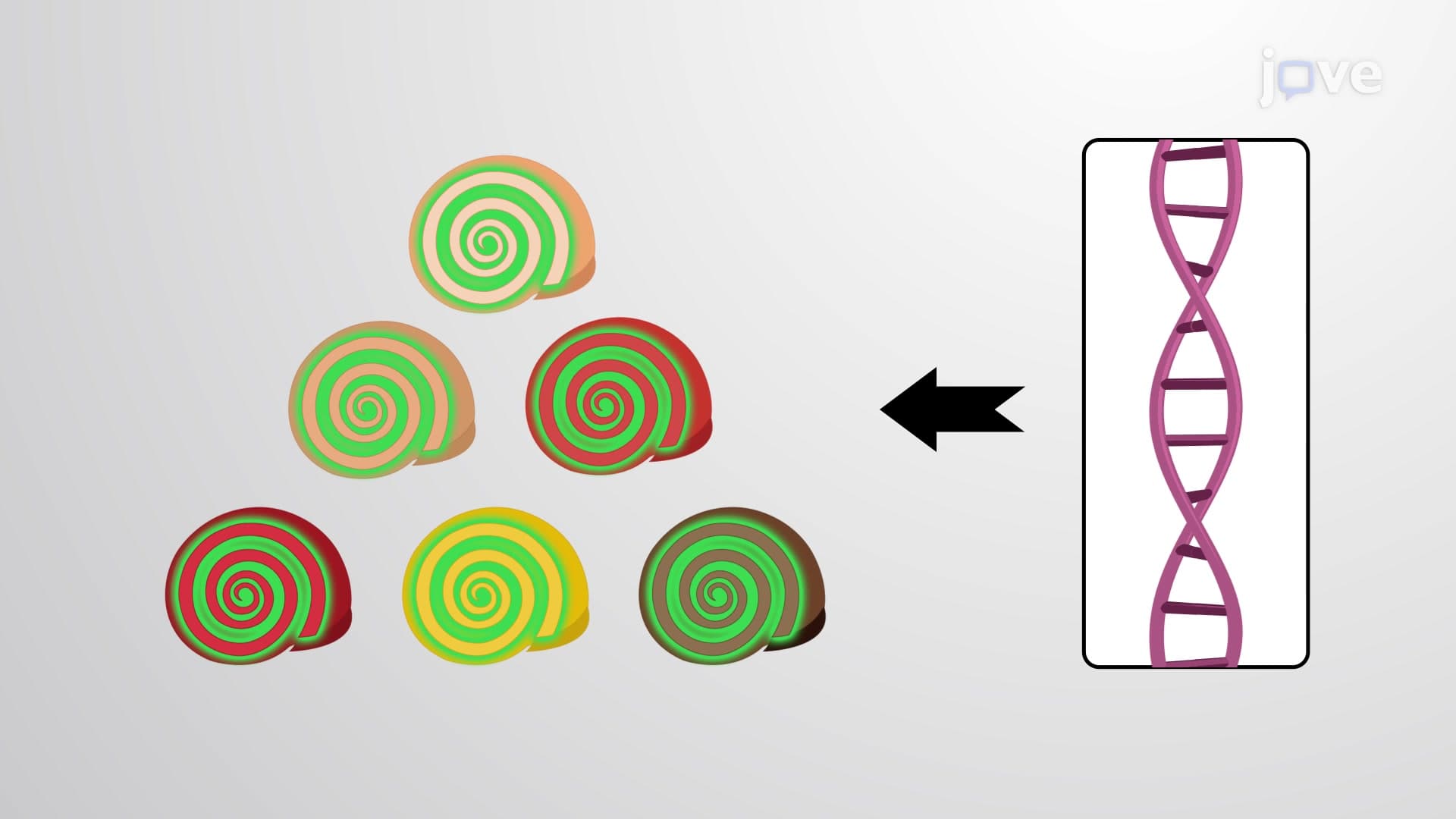
Did you know that nearly every snail shell you've encountered spirals to the right? This fascinating example of chirality in nature demonstrates how molecular handedness governs biological structures throughout the living world. From the amino acids building your muscle proteins to FDA-approved medications like naproxen, chirality determines whether molecules function properly or cause harm in biological systems. Understanding what is chirality in nature reveals why your body's enzymes can distinguish between mirror-image molecules with life-or-death precision. Watch the full video on JoVE Coach to master this concept with expert-led visuals and step-by-step explanations.
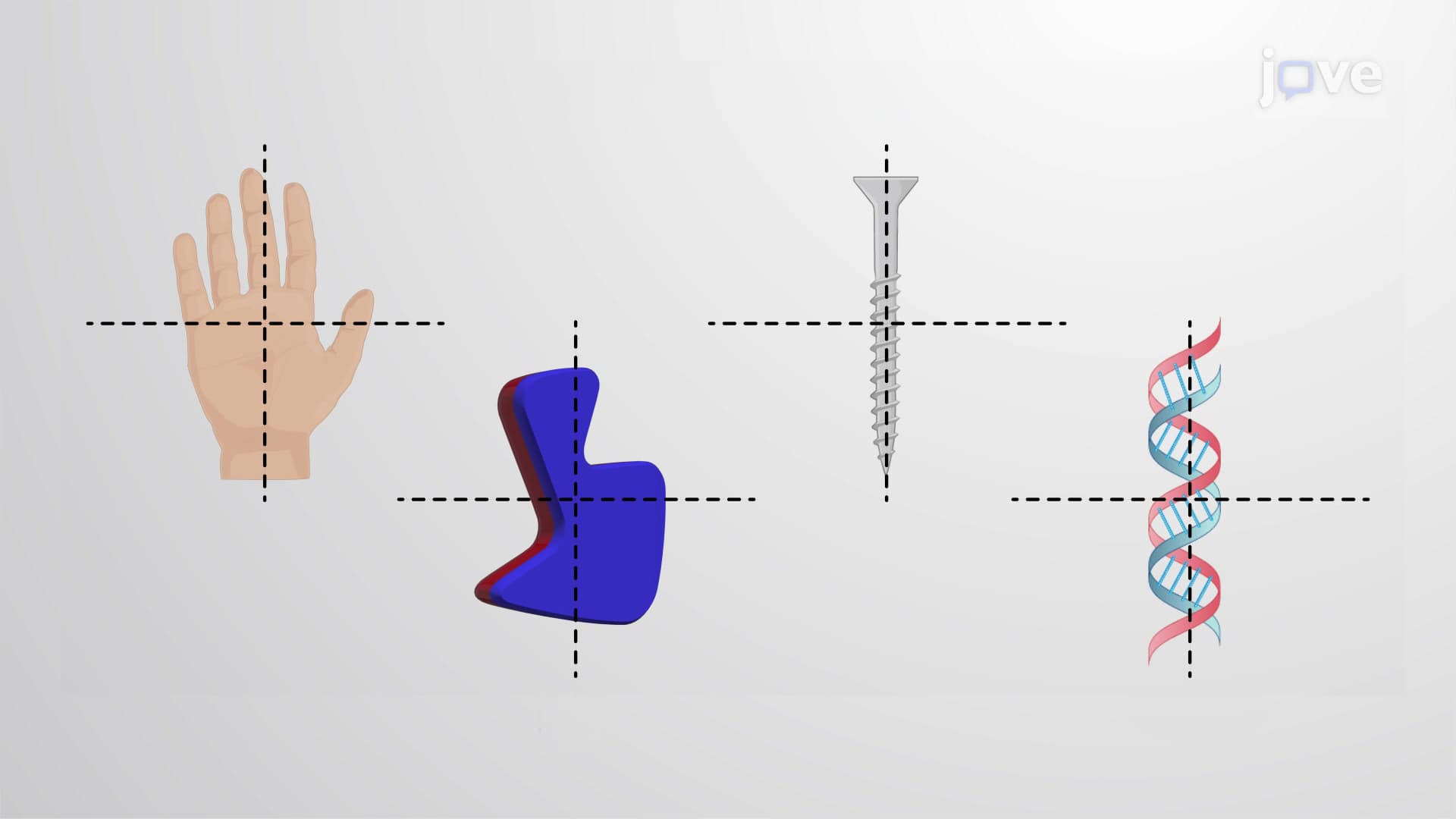
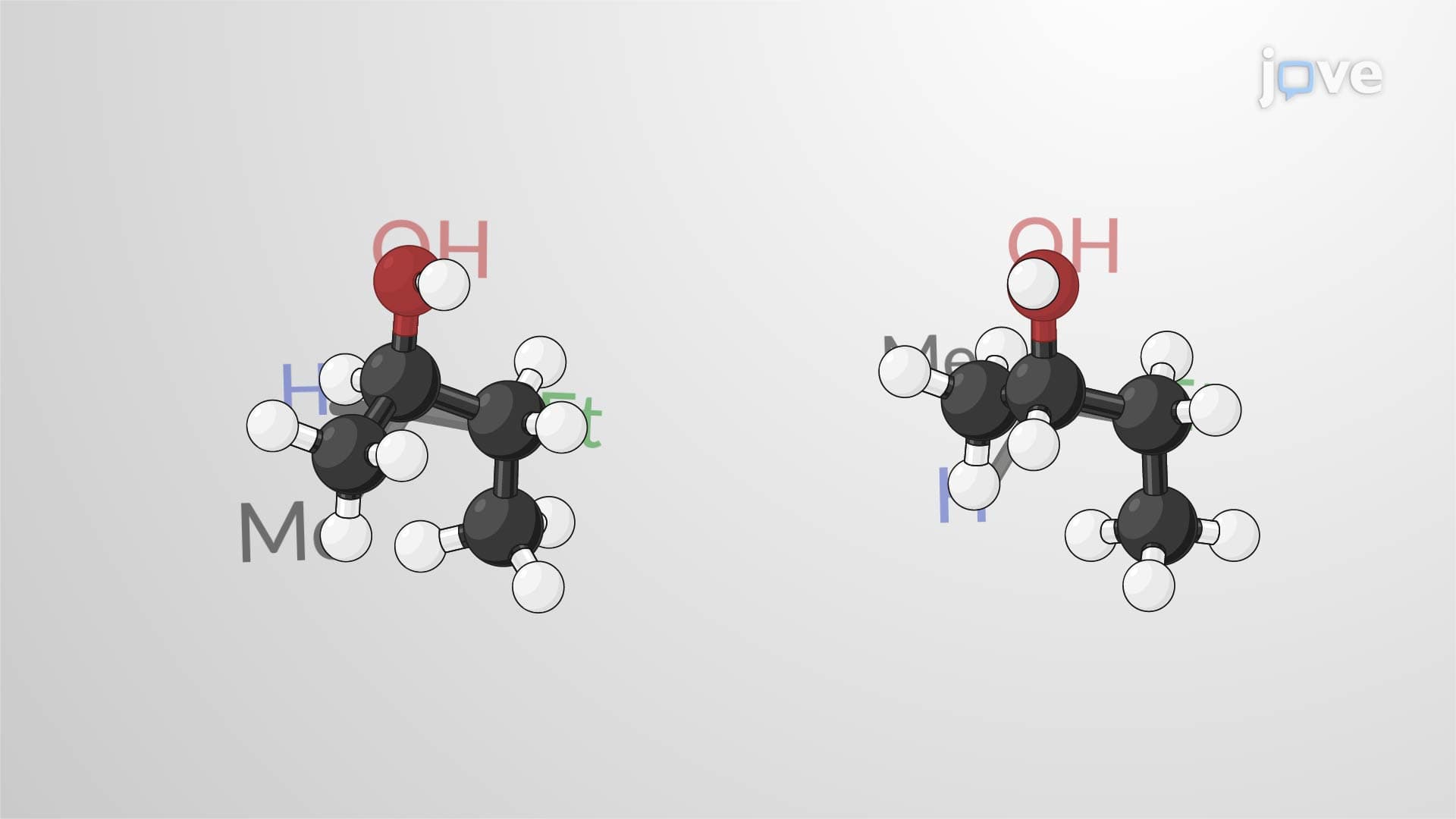
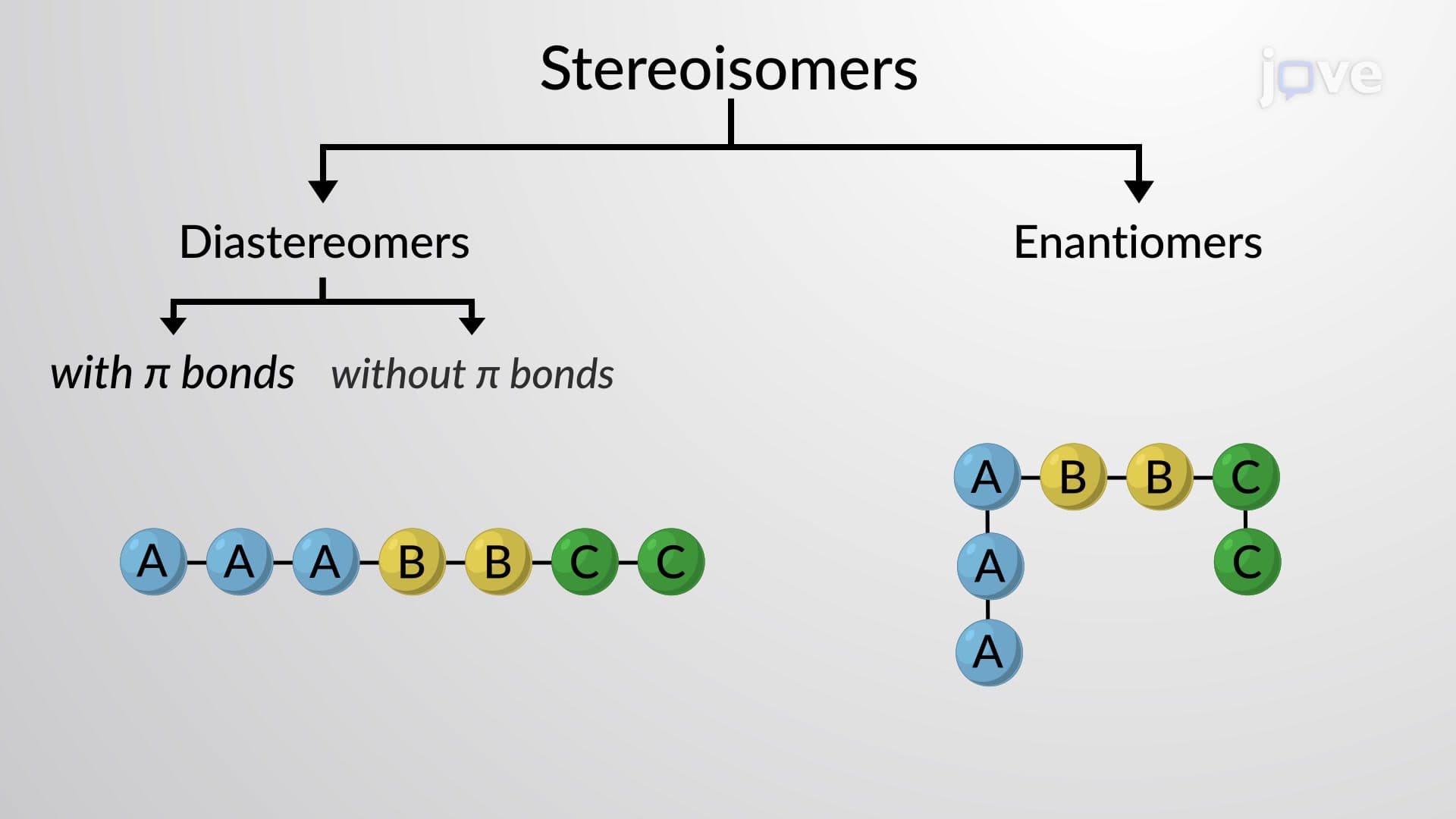
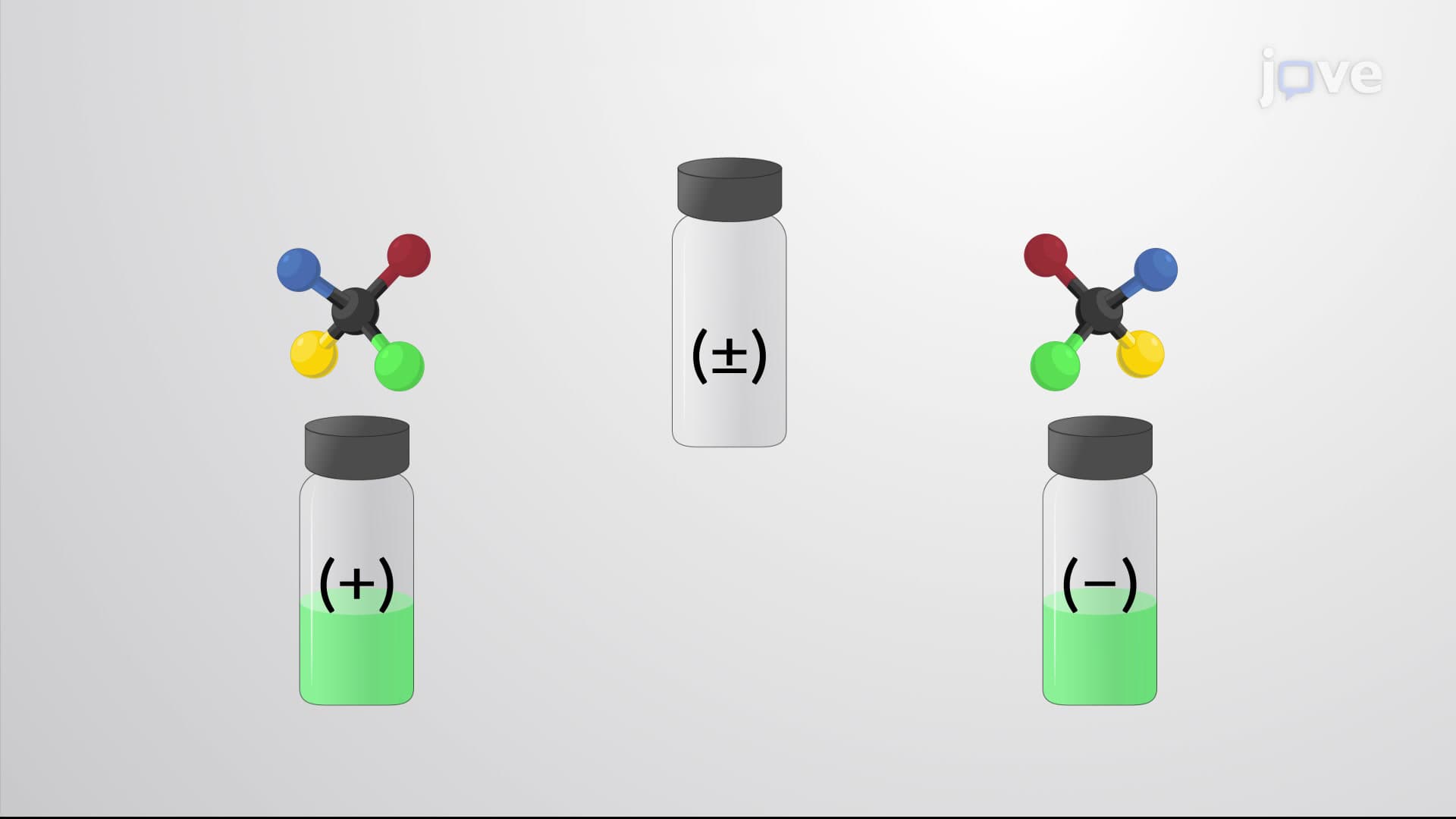
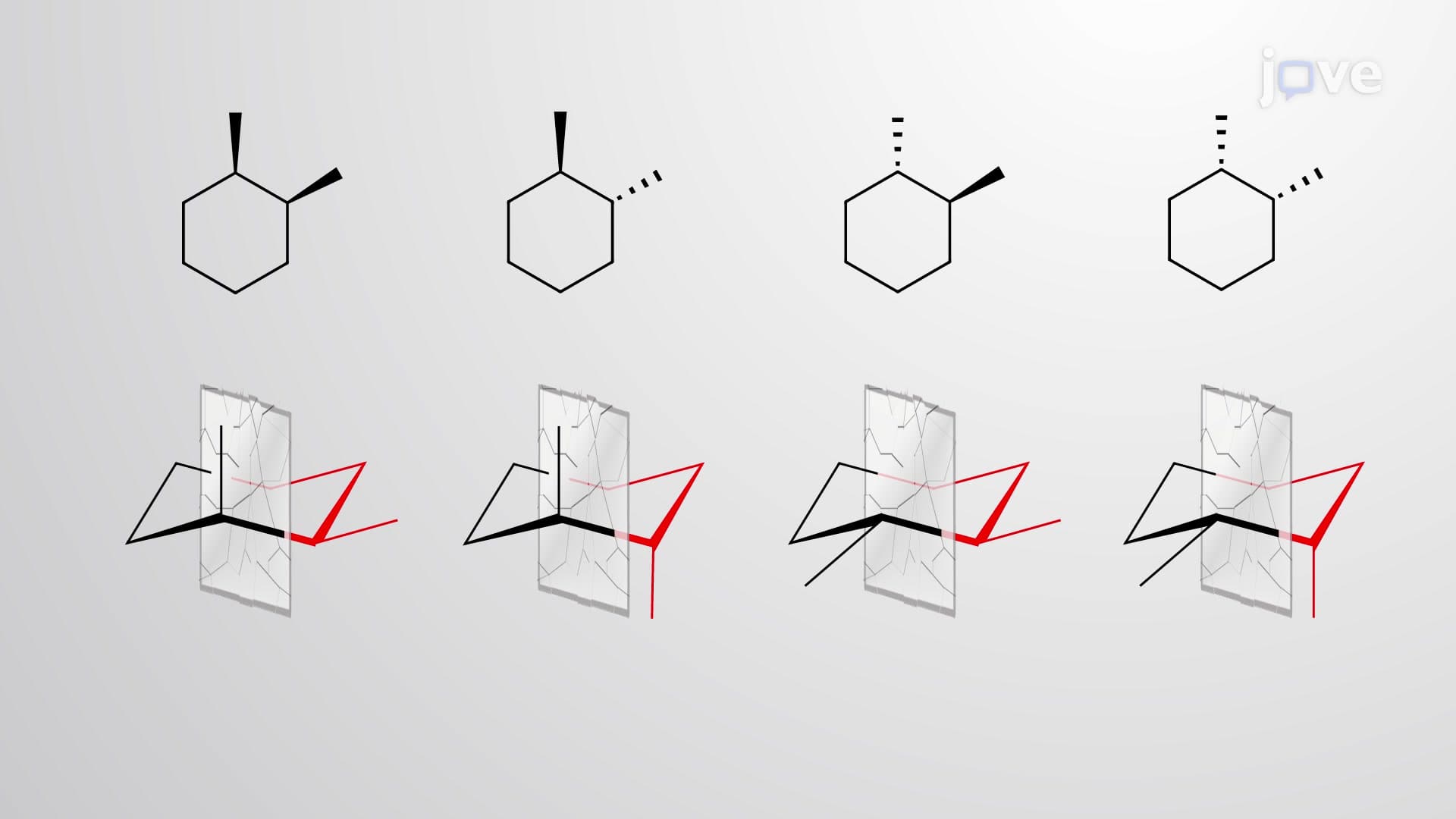
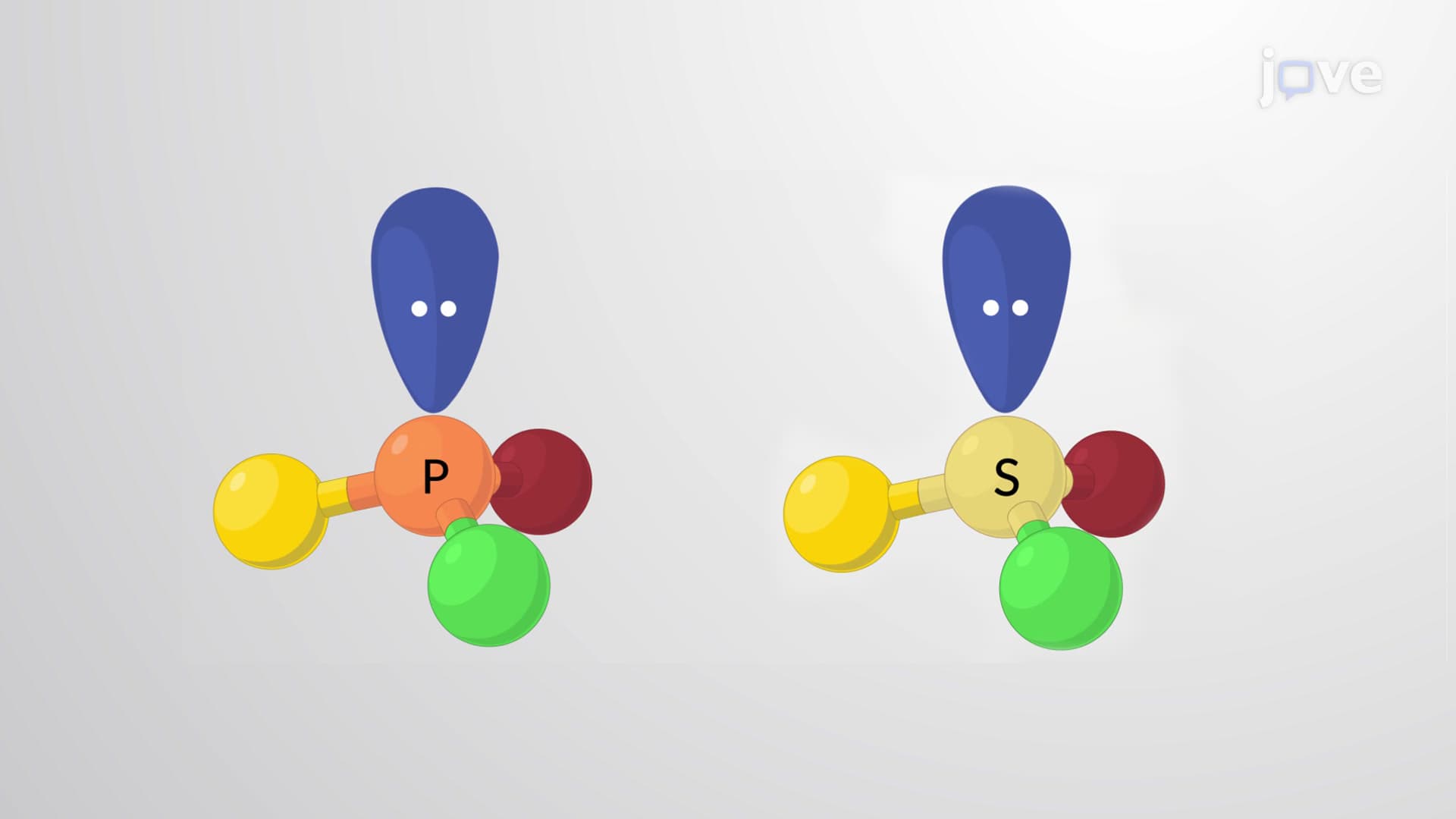
Chirality in nature represents one of biology's most fundamental organizing principles. Just as your left and right hands are mirror images that cannot be superimposed, chiral molecules exist as non-superimposable mirror images called enantiomers. This molecular handedness pervades every level of biological organization, from the spiral patterns of DNA to the coiling direction of snail shells.
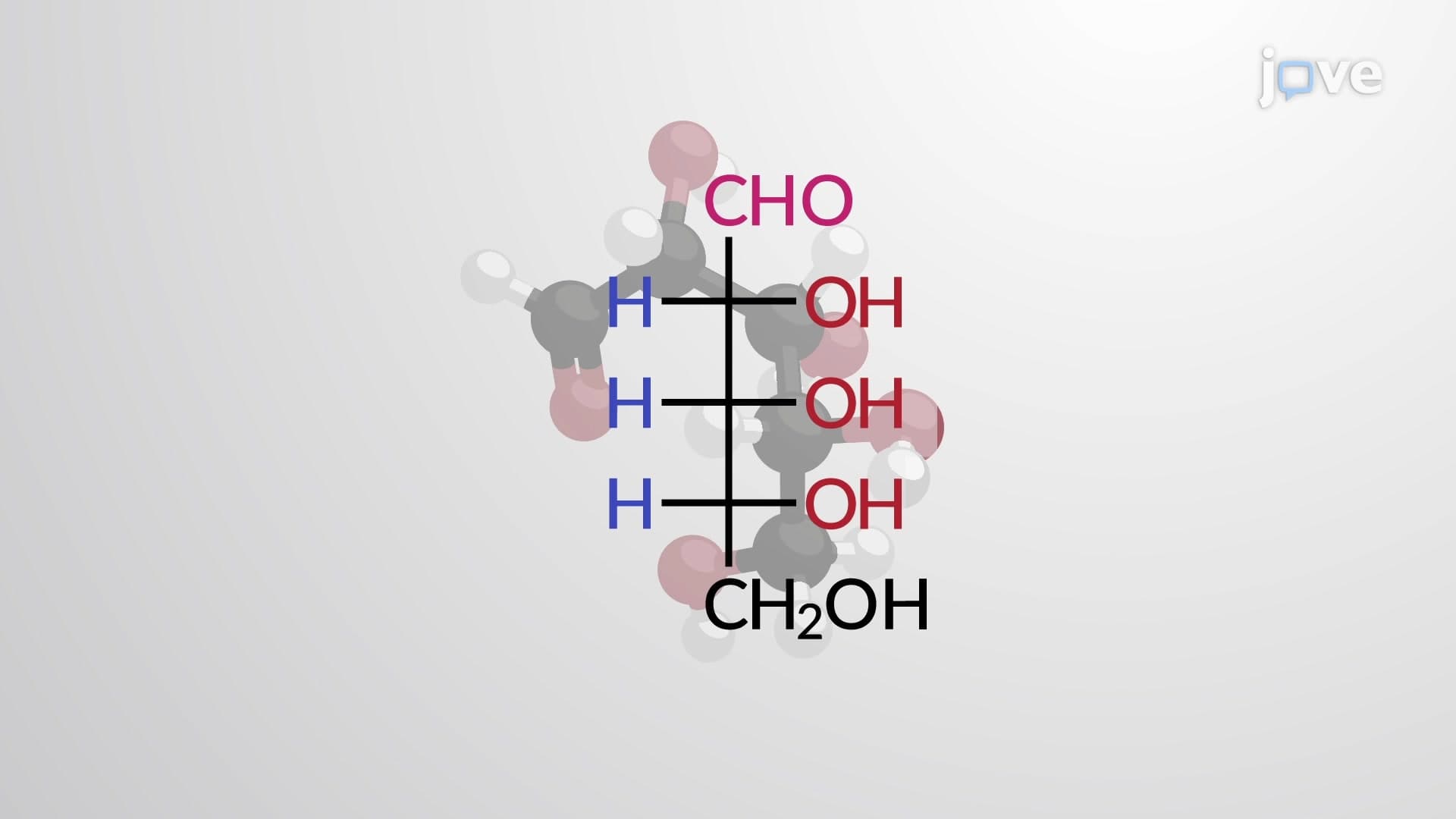
The chirality nature of amino acids establishes the foundation for all protein structure and function. Every amino acid except glycine contains at least one chiral carbon, creating distinct L- and D-forms. Remarkably, all naturally occurring amino acids in living organisms exist exclusively as L-enantiomers. This universal chirality means that human proteins like chymotrypsin, containing 268 amino acids, exist in only one of 2^268 possible configurations-a number larger than the estimated atoms in the observable universe.
Enzymes demonstrate chirality in nature through their exquisite enantioselectivity. The three-dimensional arrangement of chiral amino acids creates active sites that function like molecular locks, accepting only specific enantiomeric keys. This selectivity explains why digestive enzymes in your small intestine can distinguish between molecules that appear nearly identical on paper but behave completely differently in your body.
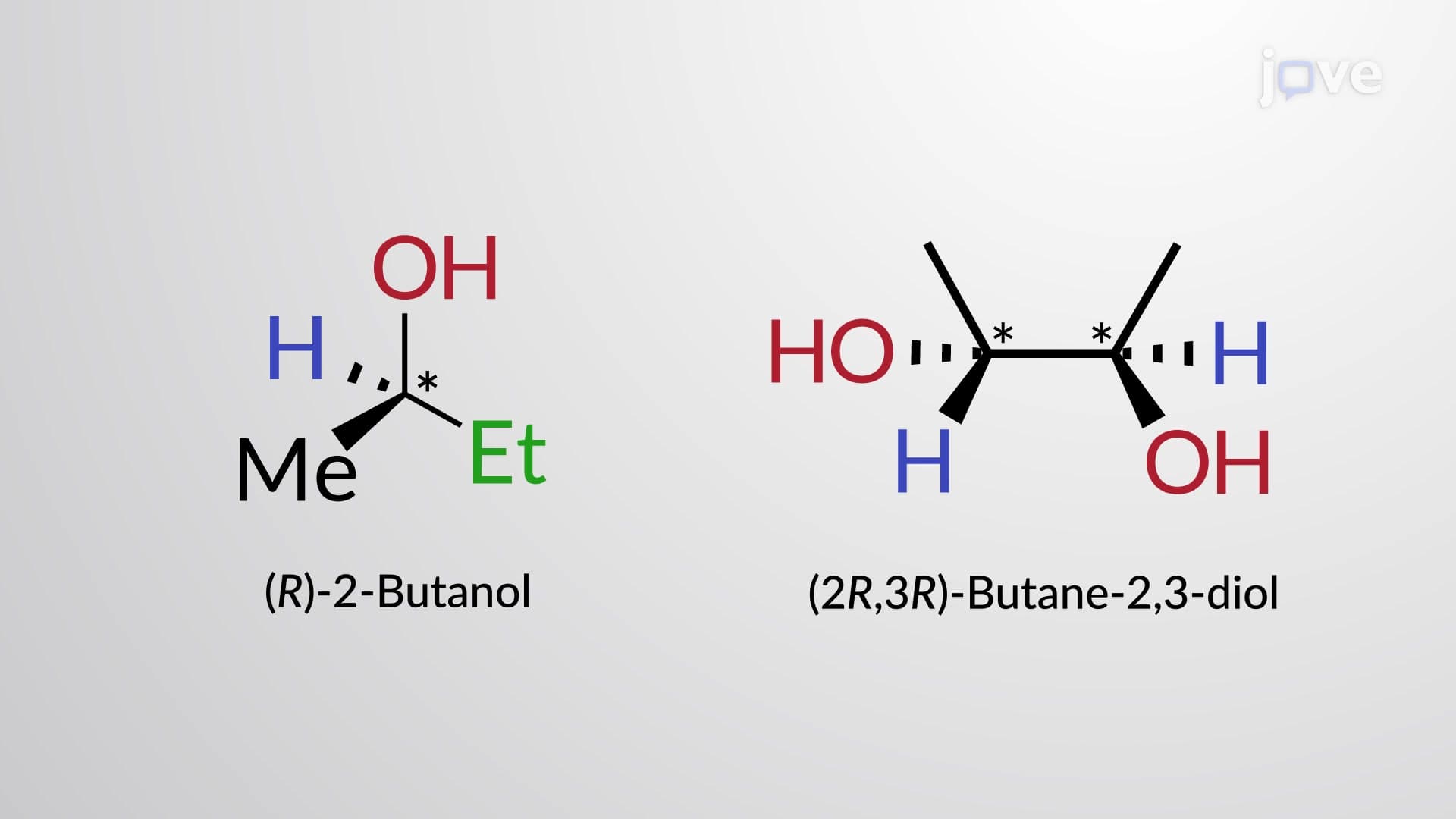
The pharmaceutical industry provides compelling examples of chirality in nature definition in practice. The FDA now requires separate testing for each enantiomer of chiral drugs because biological effects can differ dramatically. Naproxen illustrates this principle perfectly: the S-enantiomer reduces inflammation and pain, while the R-enantiomer causes liver toxicity. This understanding has revolutionized drug development, with companies like Pfizer and Merck investing billions in enantioselective synthesis.
Students preparing for AP Chemistry, MCAT, or undergraduate organic chemistry courses will encounter chirality questions requiring both conceptual understanding and practical application. College-level biochemistry coursework builds upon these foundations to explore protein folding, enzyme kinetics, and drug-receptor interactions.
Related Micro-courses