Loading subject page…


195,007 views
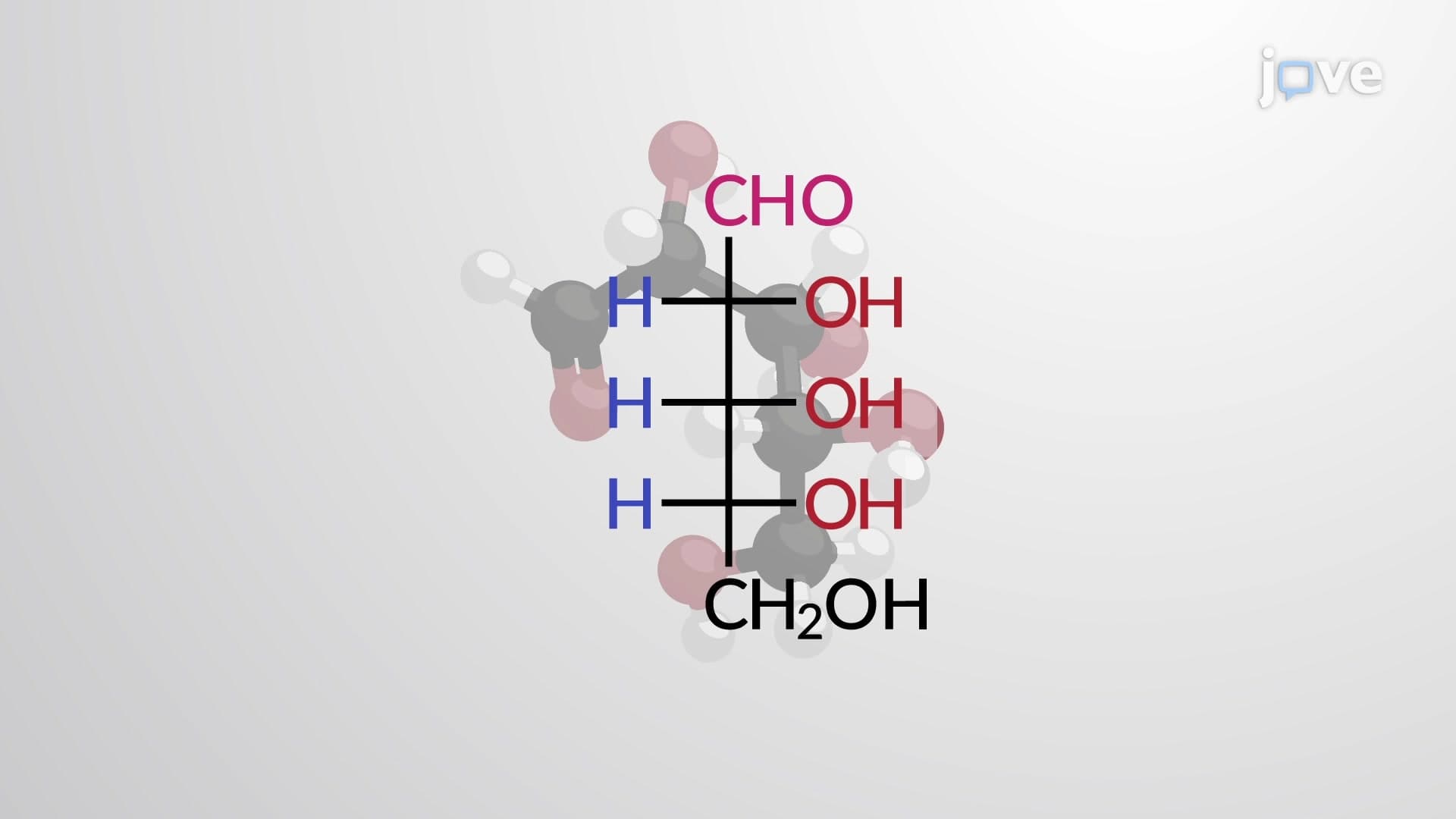

Video Summary: What Is Fischer Projections
Ever wondered how pharmaceutical chemists at companies like Pfizer visualize complex sugar molecules with multiple stereocenters? Fischer projections provide the elegant solution, transforming complicated 3D molecular structures into simple 2D representations using horizontal and vertical lines. This powerful visualization tool helps students and researchers alike understand molecules like ribose and glyceraldehyde without getting lost in confusing wedge-dash diagrams. Watch the full video on JoVE Coach to master this concept with expert-led visuals and step-by-step explanations.
Fischer projections represent one of organic chemistry's most elegant solutions to a persistent problem: how to accurately represent three-dimensional molecules on two-dimensional surfaces. Named after German chemist Emil Fischer, these projections transform complex stereochemical information into simple cross-like diagrams that students can easily interpret and manipulate.
The beauty of Fischer projections lies in their strict adherence to specific conventions. Vertical lines always represent bonds extending away from the viewer (into the page), while horizontal lines represent bonds coming toward the viewer (out of the page). This consistent framework allows chemists to communicate stereochemical information unambiguously.
Consider glyceraldehyde, a simple three-carbon sugar crucial in metabolism. In its Fischer projection, the aldehyde group appears at the top (C-1), the hydroxyl and hydrogen substituents extend horizontally from the central carbon, and the CH2OH group sits at the bottom. This representation immediately reveals the molecule's stereochemistry without requiring complex 3D visualization skills.
For molecules with multiple chiral centers, like ribose (found in RNA), the process becomes more systematic. Students learning this concept for AP Chemistry or organic chemistry courses should master the two-step approach: first, orient the carbon backbone vertically with the highest-priority carbon at the top, then systematically address each chiral center by positioning its substituents according to Fischer conventions.
This methodology proves invaluable when studying carbohydrates, amino acids, and other biologically relevant molecules. Pre-med students preparing for the MCAT will encounter Fischer projections extensively in biochemistry sections, particularly when analyzing sugar metabolism pathways or amino acid configurations.
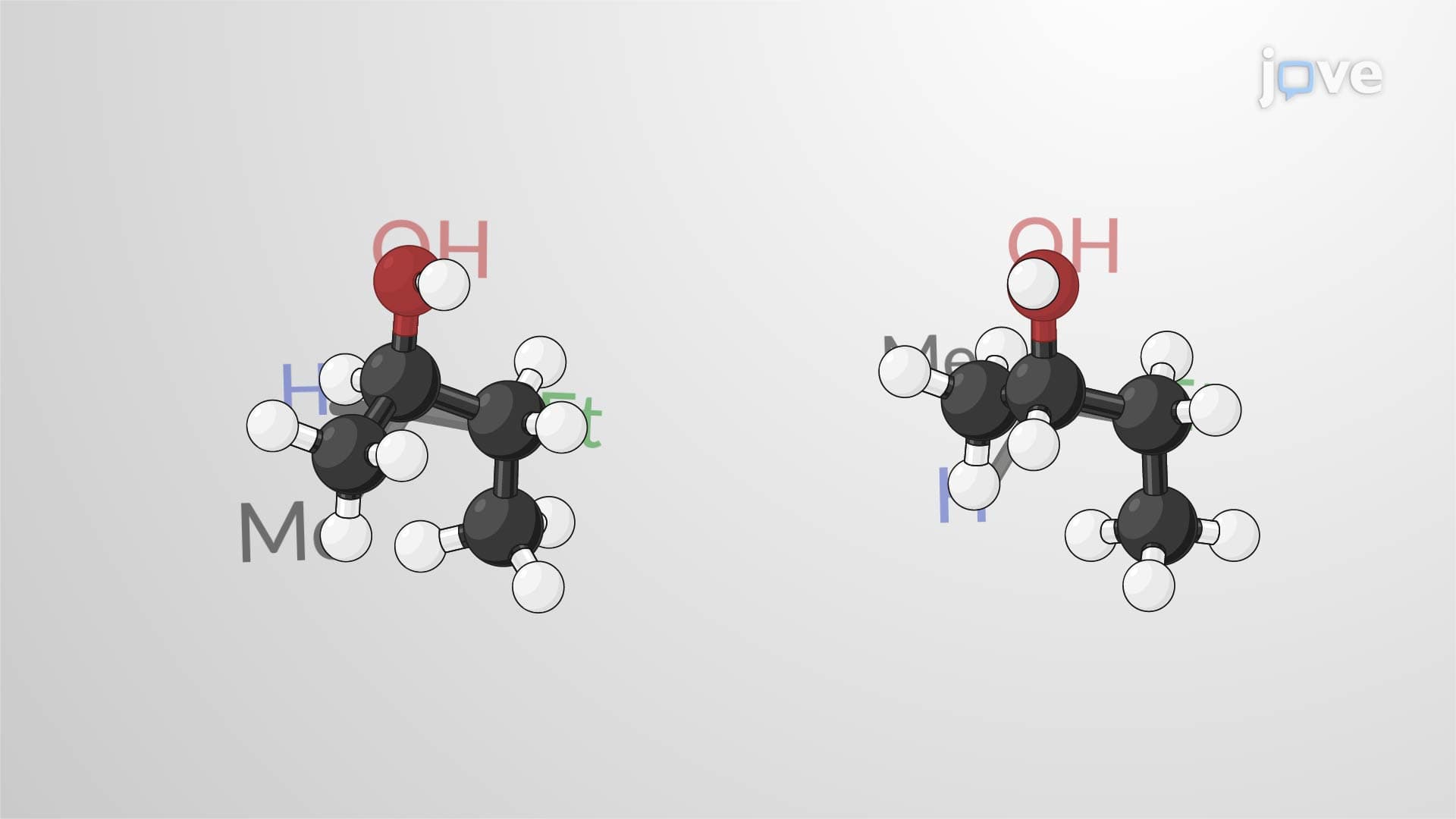
Understanding how Fischer projections behave under rotation is crucial for avoiding common stereochemical errors. In-plane 180-degree rotations preserve the molecular identity-the projection represents the same molecule. However, out-of-plane rotations create the enantiomer, fundamentally changing the molecule's biological activity. This distinction becomes critical in pharmaceutical applications, where drug enantiomers can have drastically different therapeutic effects.
Related Micro-courses