Loading subject page…


195,006 views

Video Summary: What Is Isomerism
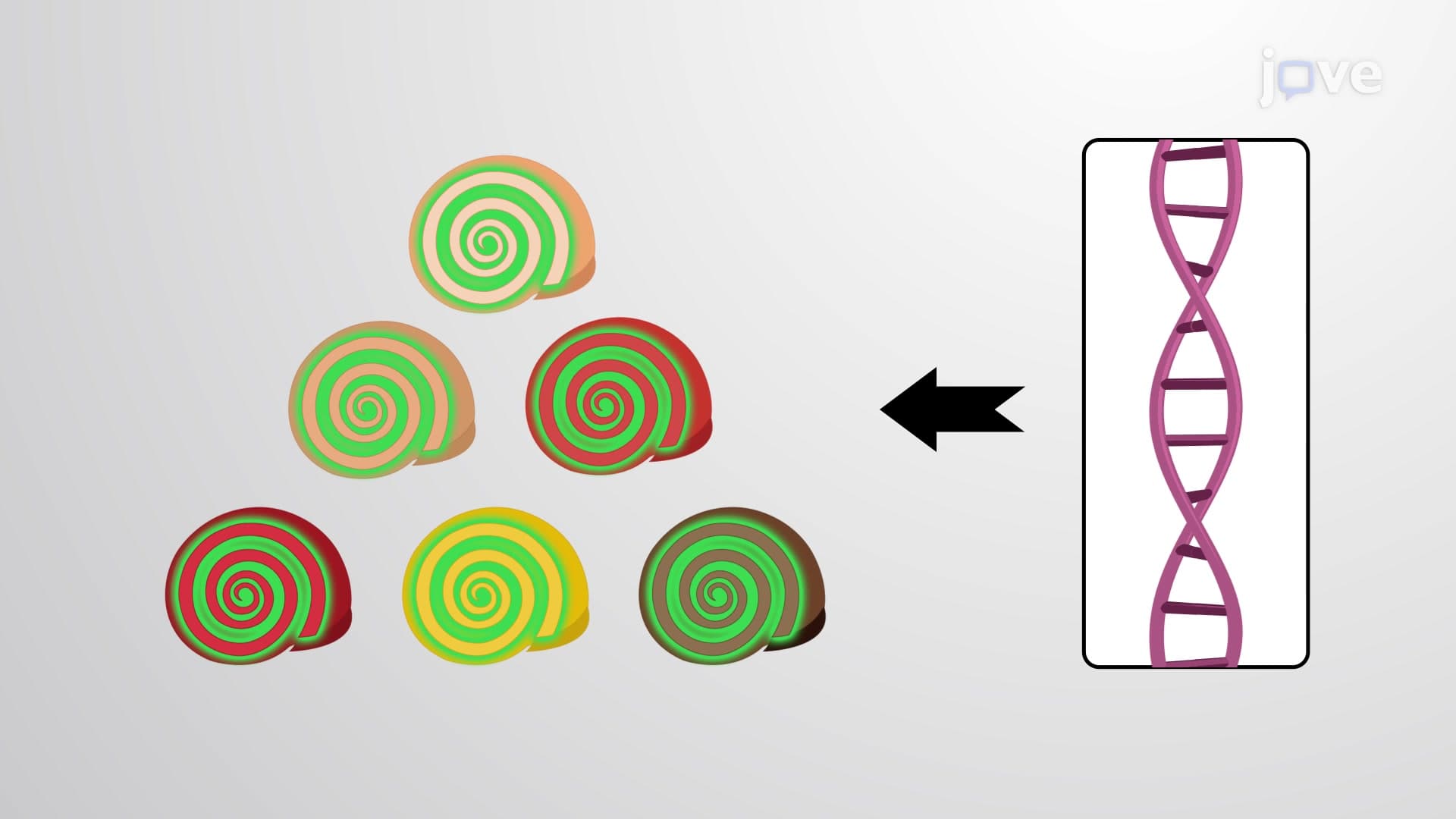
Ever wonder why some medicines work differently despite having identical chemical formulas? Isomerism explains this fascinating phenomenon where compounds share the same molecular formula but exhibit completely different properties due to their structural arrangements. A prime example is the diabetes medication metformin, which exists in different isomeric forms that affect how the body processes it. Understanding what is isomerism reveals why molecular structure, not just composition, determines a compound's behavior in everything from pharmaceuticals to petrochemicals. Watch the full video on JoVE Coach to master this concept with expert-led visuals and step-by-step explanations.
Isomerism represents one of chemistry's most elegant concepts: the ability of atoms to arrange themselves in multiple ways while maintaining the same molecular formula. This structural flexibility explains why C4H10O can represent dozens of different compounds, each with unique properties, boiling points, and biological activities. For students preparing for AP Chemistry or college organic chemistry courses, mastering isomerism concepts becomes essential for understanding everything from drug design to polymer chemistry.
Constitutional isomers differ in how their atoms connect to each other, creating fundamentally different molecular frameworks. Consider 1-methoxypropane and diethyl ether, both sharing the molecular formula C4H10O. In 1-methoxypropane, a methoxy group (-OCH3) attaches to a propane chain, while diethyl ether consists of two ethyl groups connected through an oxygen atom. These connectivity differences result in distinct boiling points, solubilities, and chemical reactivities-properties that pharmaceutical companies exploit when developing new medications.
Students encountering constitutional isomerism on the MCAT or in undergraduate organic chemistry will find that recognizing these structural patterns helps predict molecular behavior. For instance, branched alkanes typically have lower boiling points than their straight-chain constitutional isomers due to reduced surface area contact between molecules.
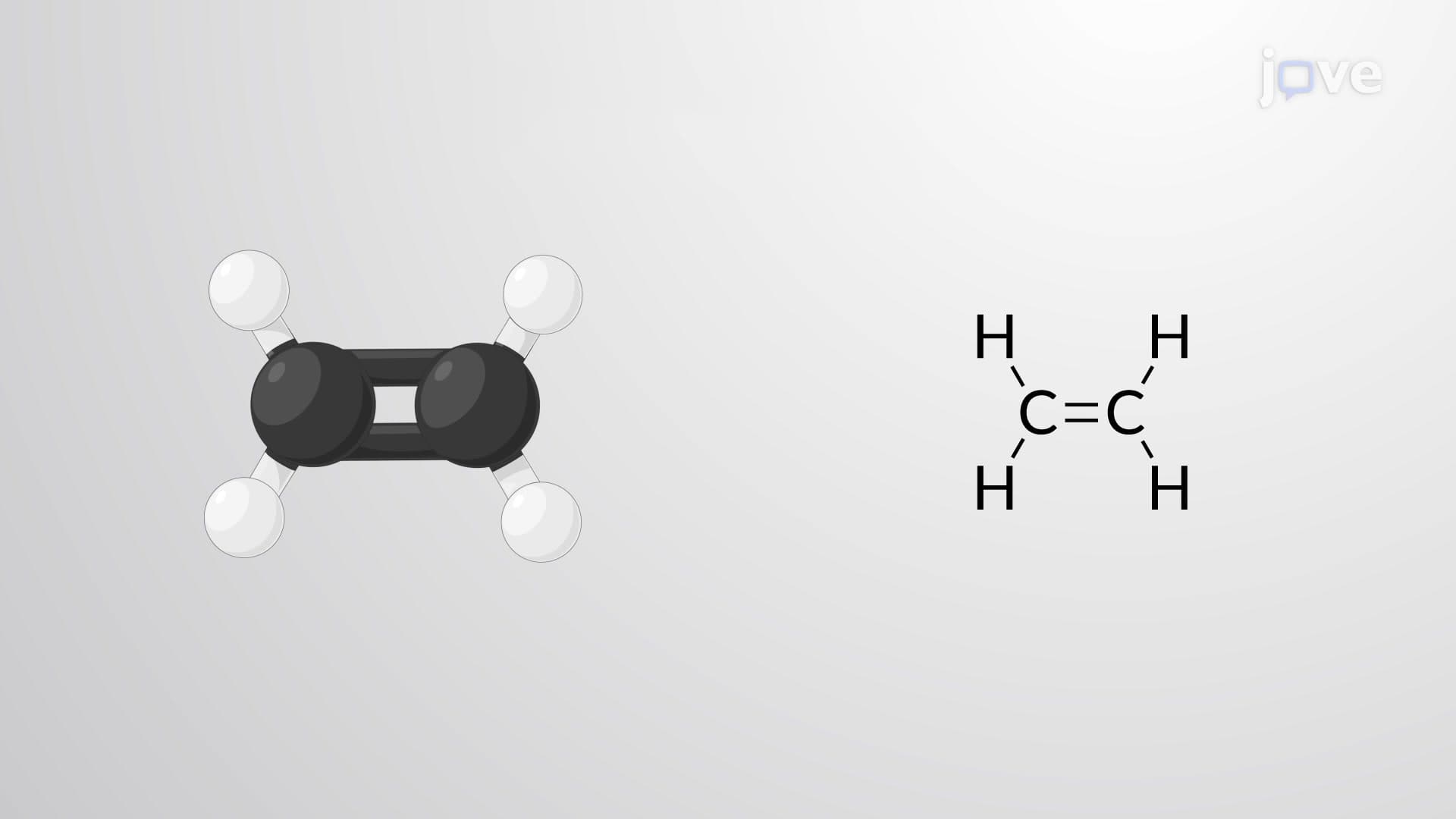
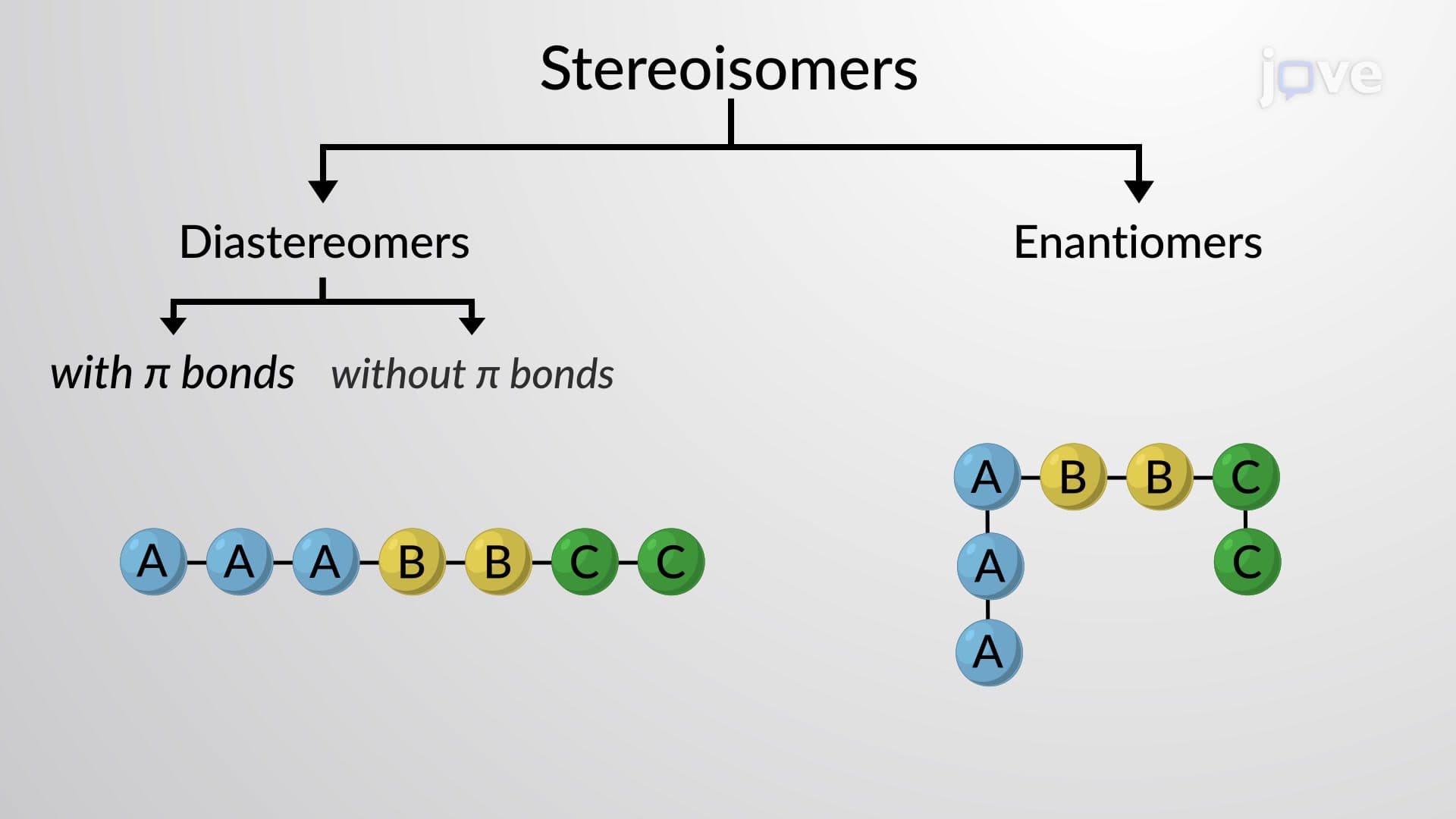
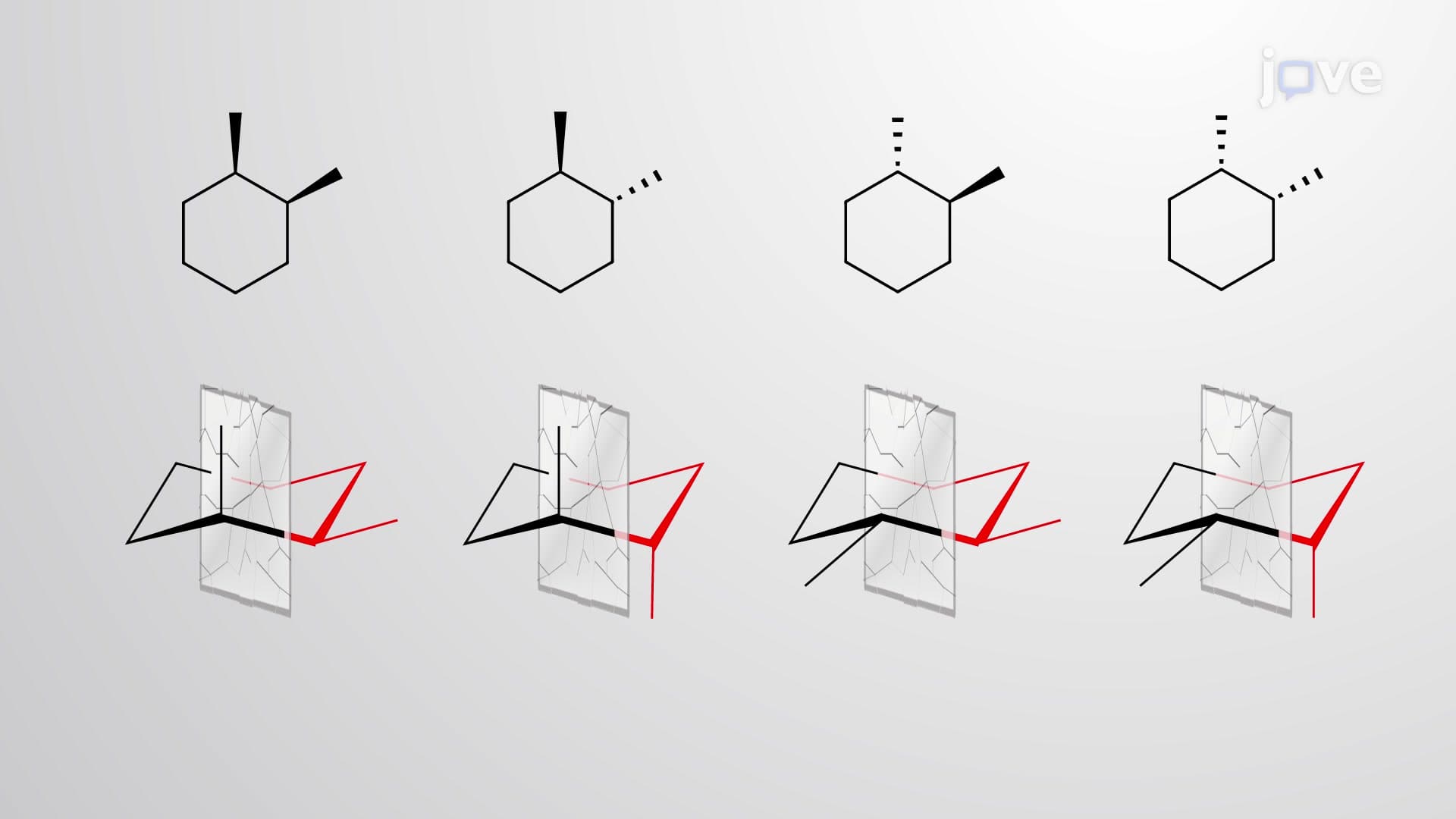
Stereoisomers represent a more subtle form of isomerism where atoms connect in identical sequences but occupy different positions in three-dimensional space. The classic example of cis-2-butene versus trans-2-butene demonstrates geometric isomerism: both molecules contain the same carbon-carbon double bond and substituents, but the methyl groups orient on the same side (cis) or opposite sides (trans) of the double bond.
This spatial arrangement profoundly affects molecular properties. Trans fats, for example, behave differently in biological systems compared to their cis counterparts, leading to their regulation by the FDA. Understanding stereoisomerism becomes crucial for pre-med students, as many pharmaceuticals exist as stereoisomeric mixtures where only one form provides therapeutic benefit.
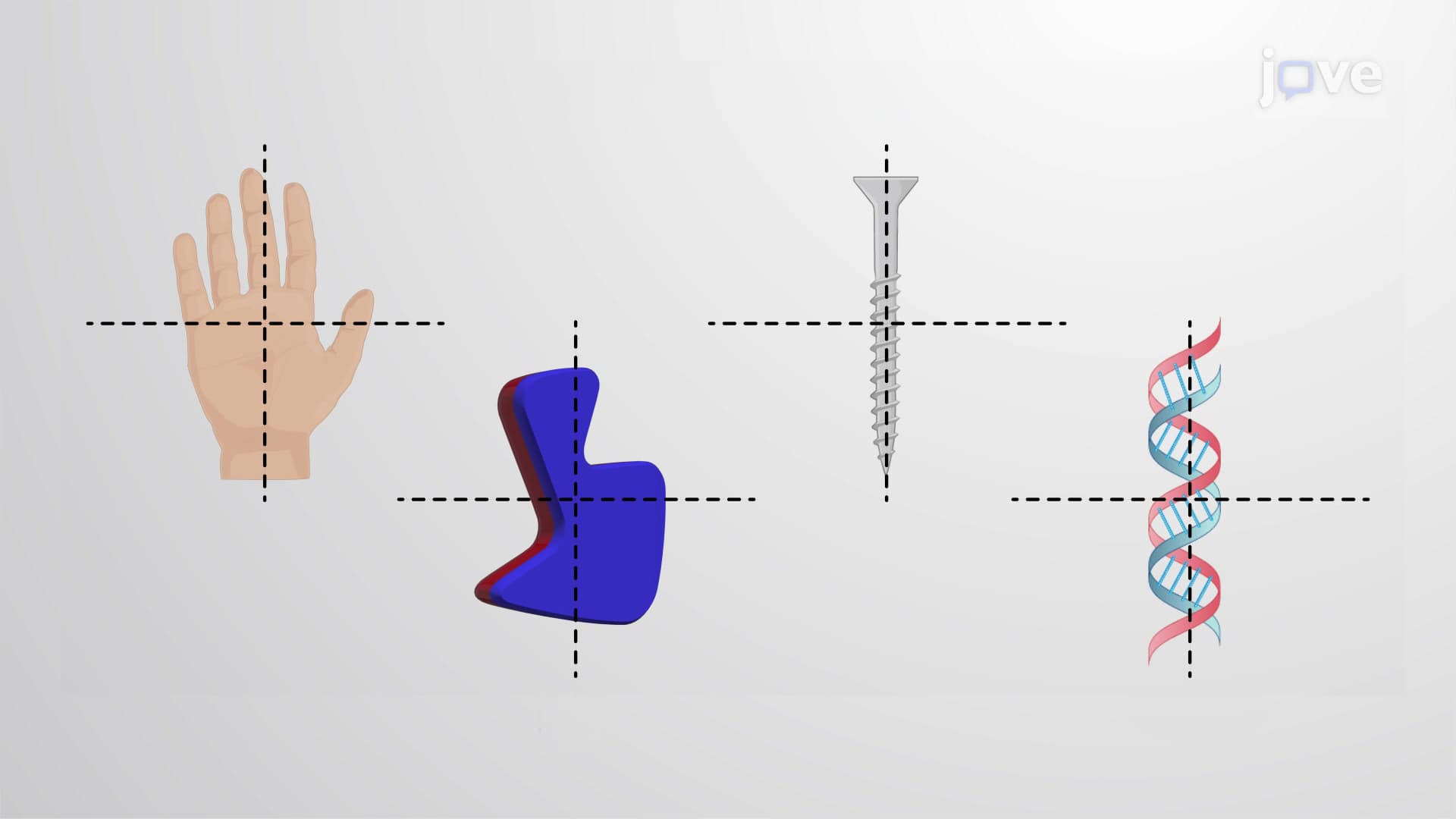
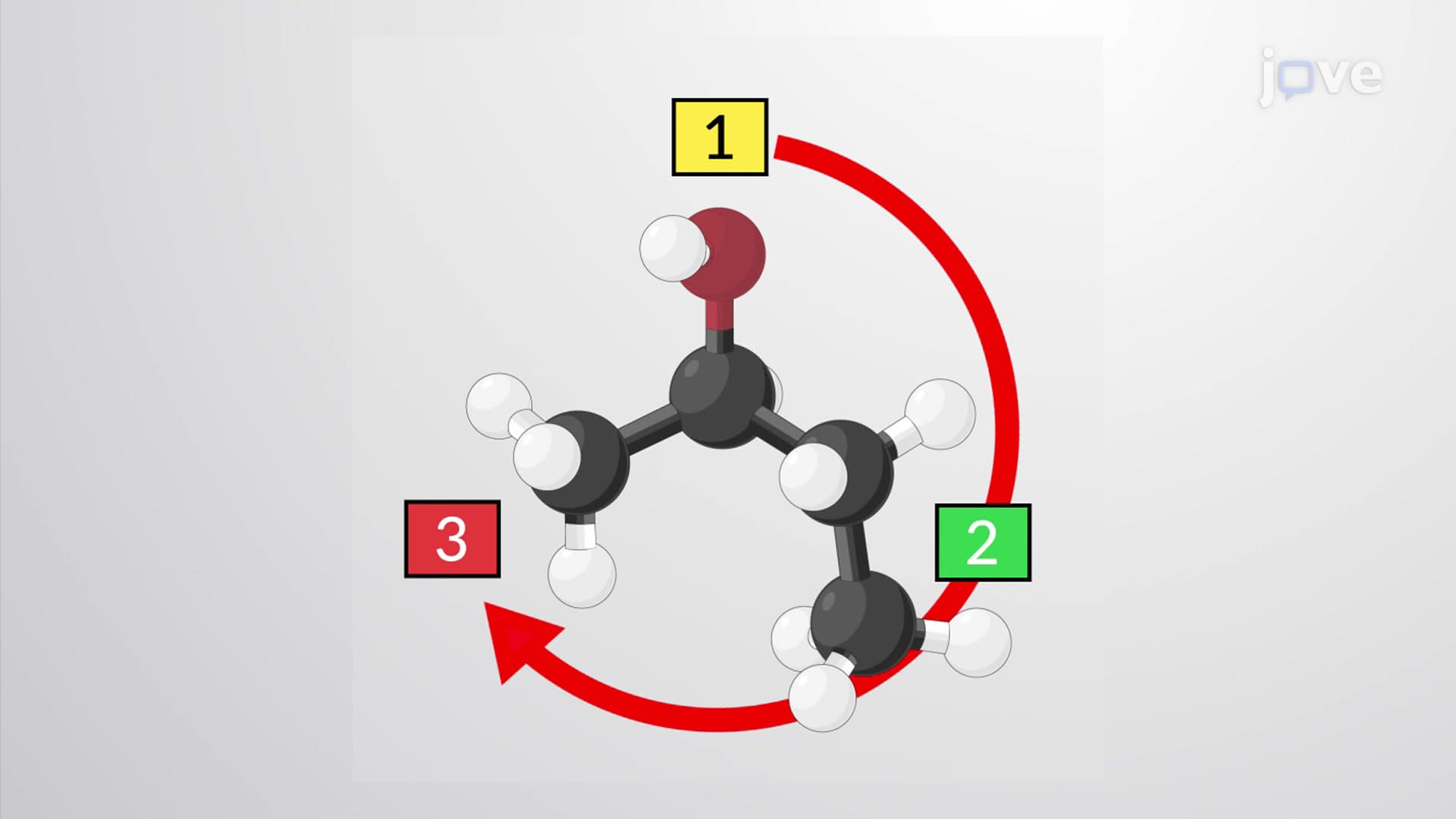
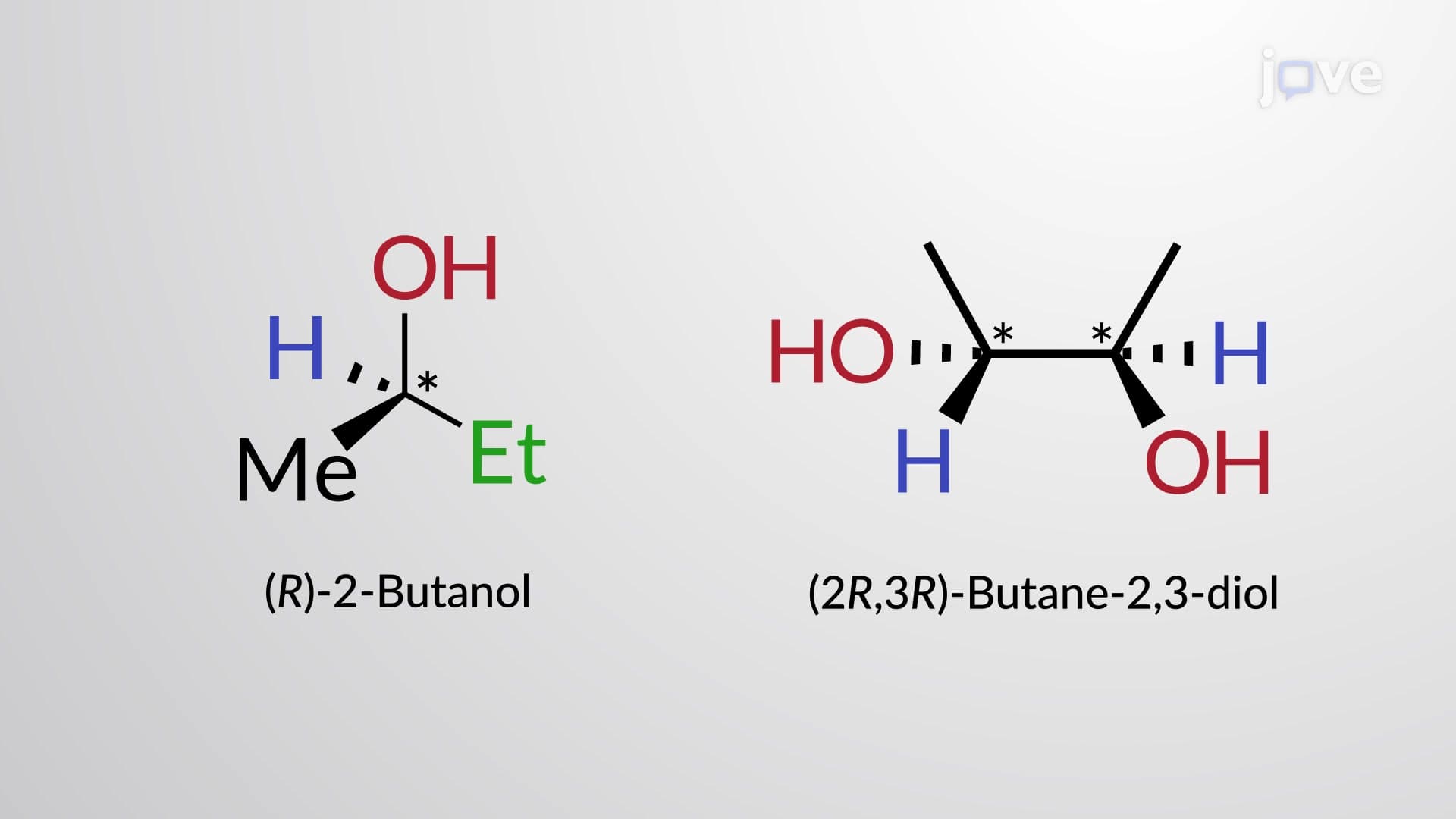
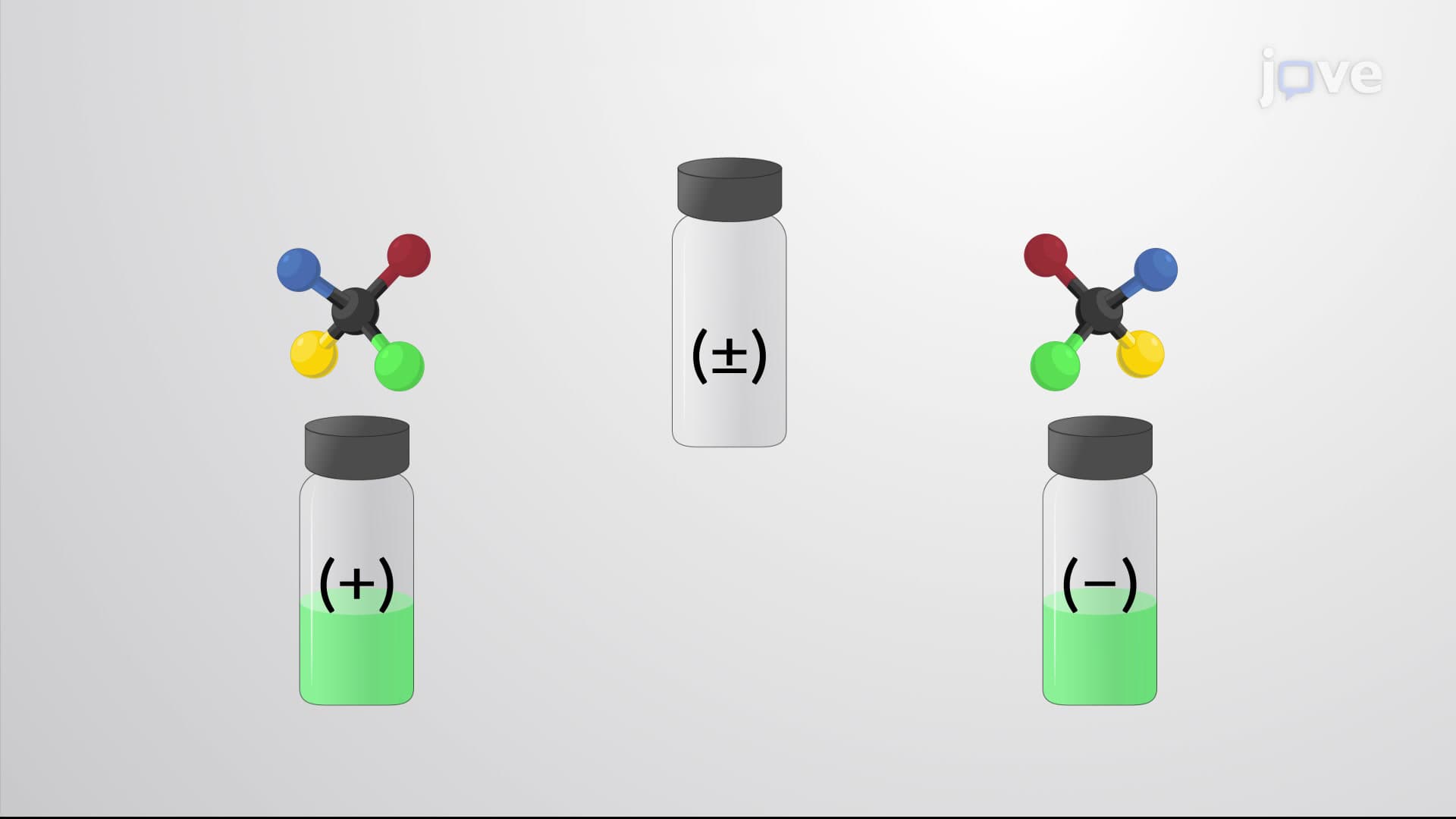
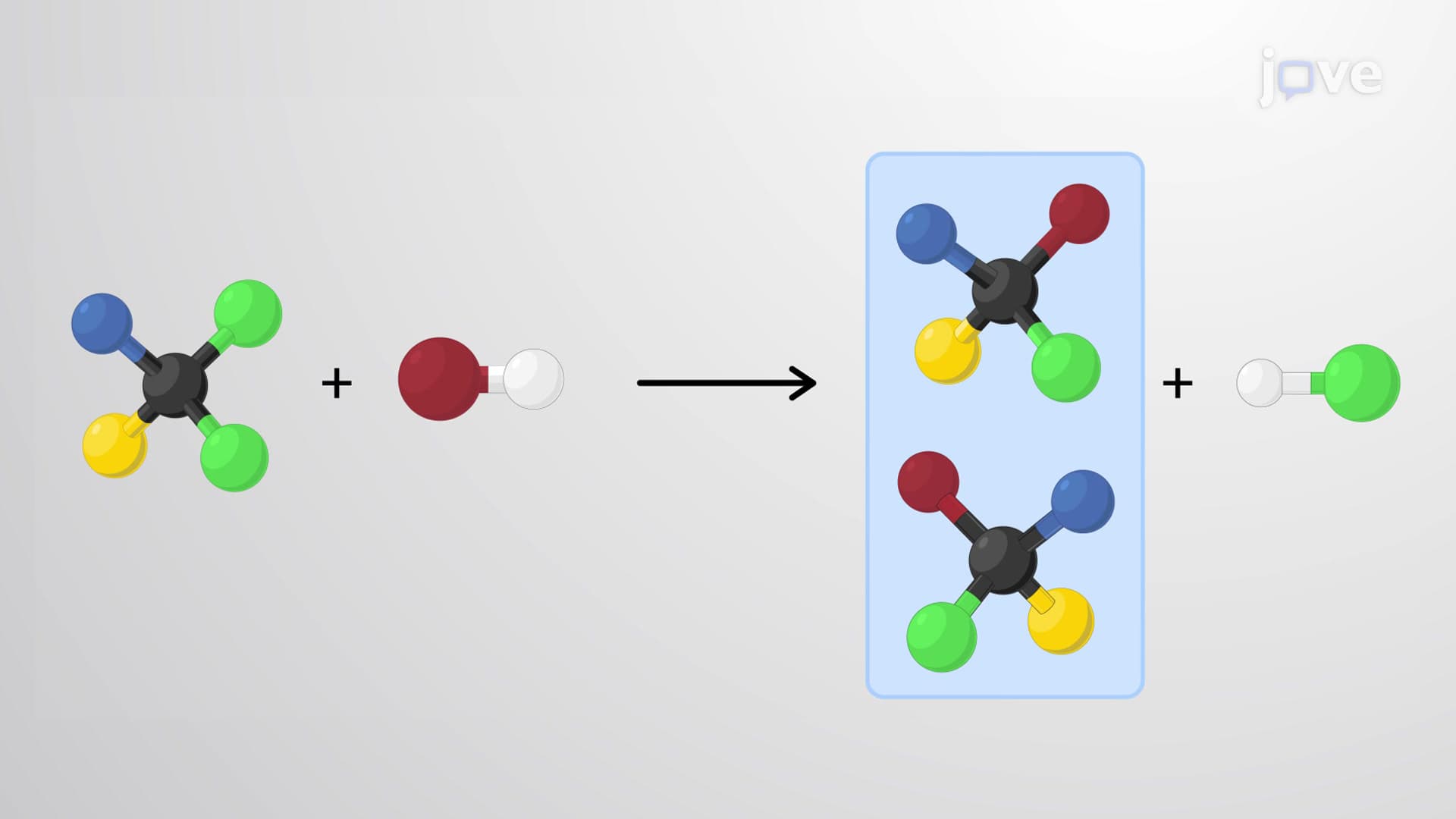
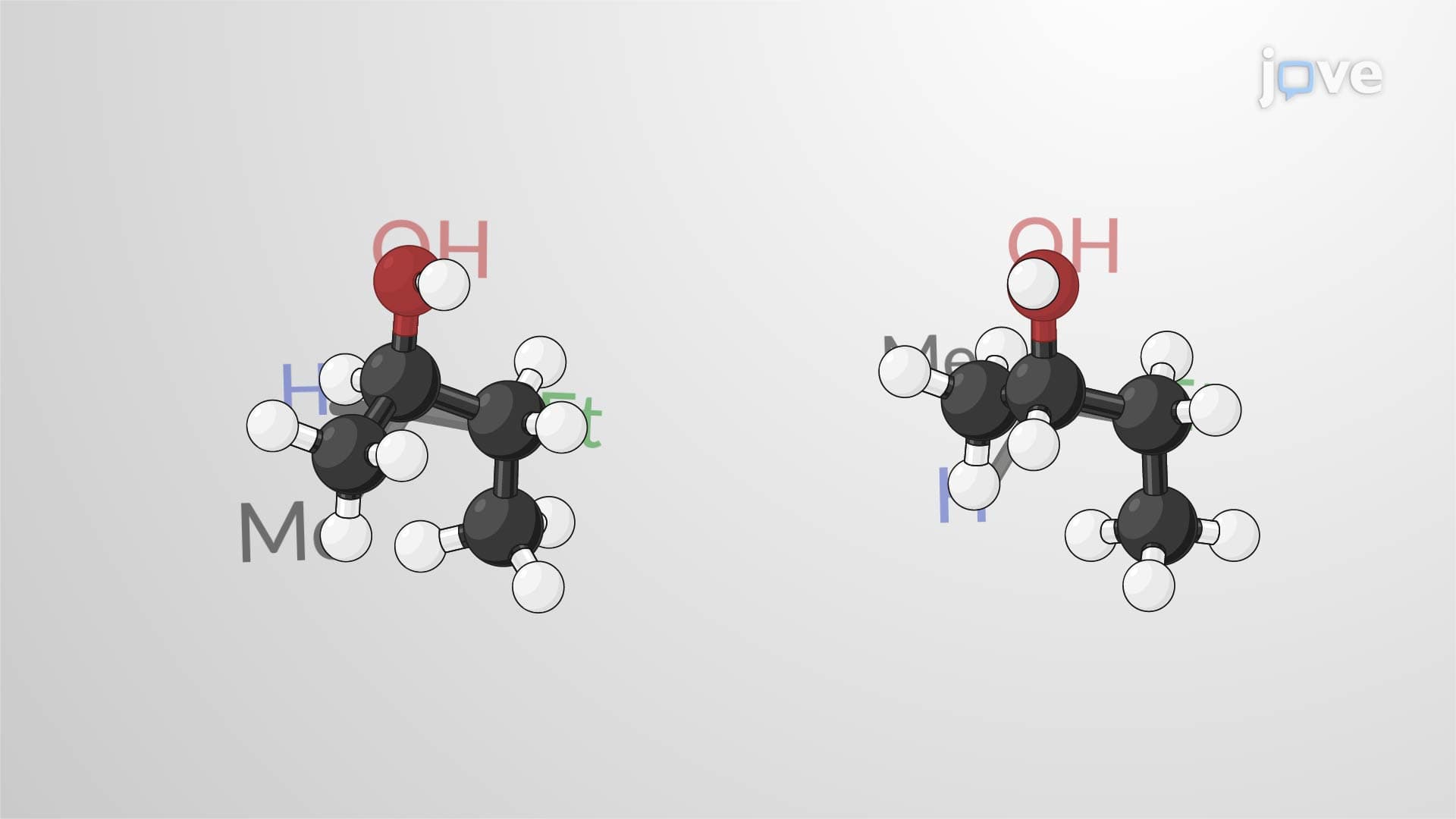
Stereocenters serve as pivotal points in molecules where exchanging any two substituents creates a different stereoisomer. In 2-butanol, the C-2 carbon acts as a stereocenter because swapping any two of its four different substituents generates the molecule's mirror image. These mirror image stereoisomers, called enantiomers, cannot be superimposed despite identical connectivity-much like left and right hands.
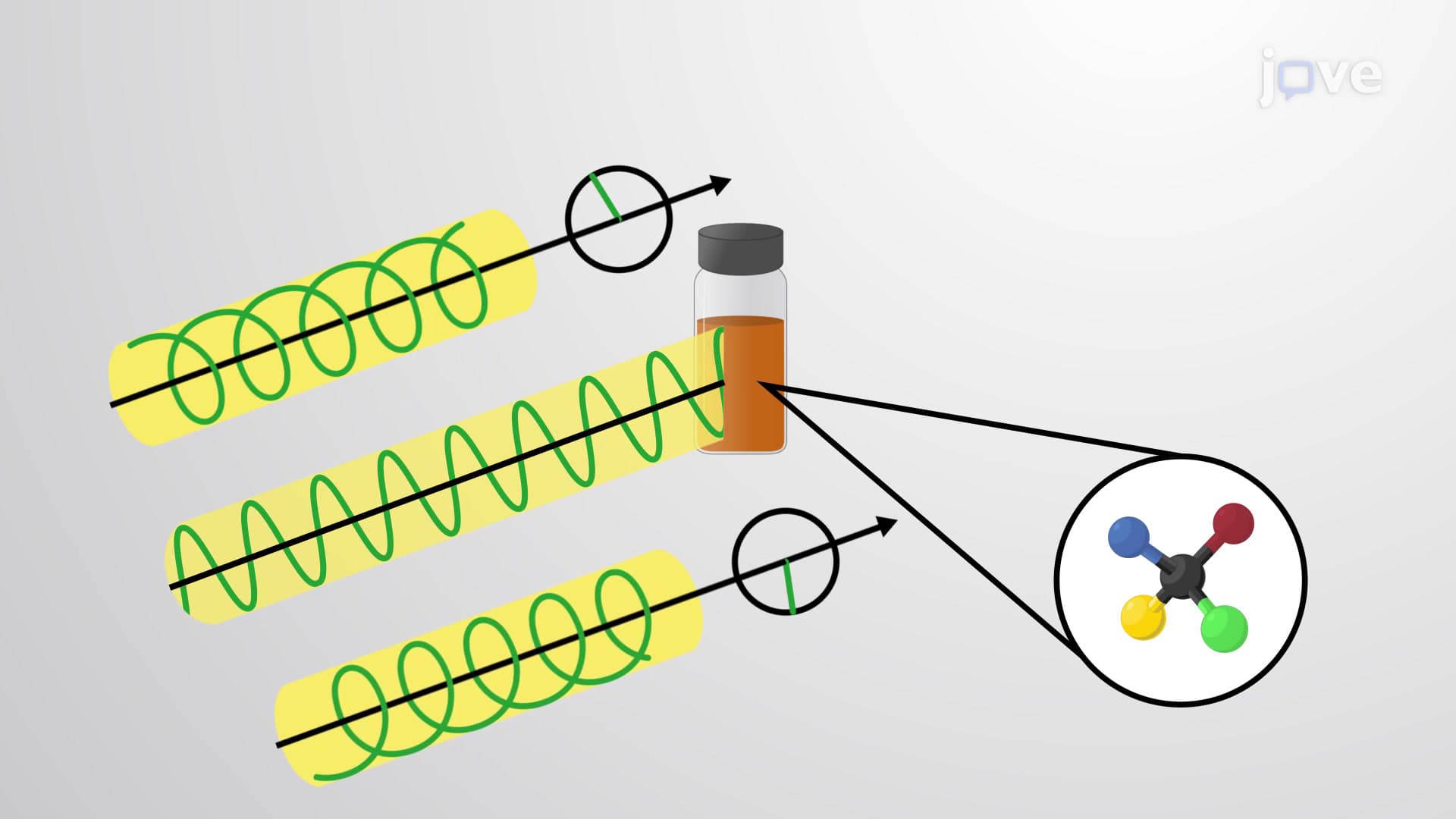
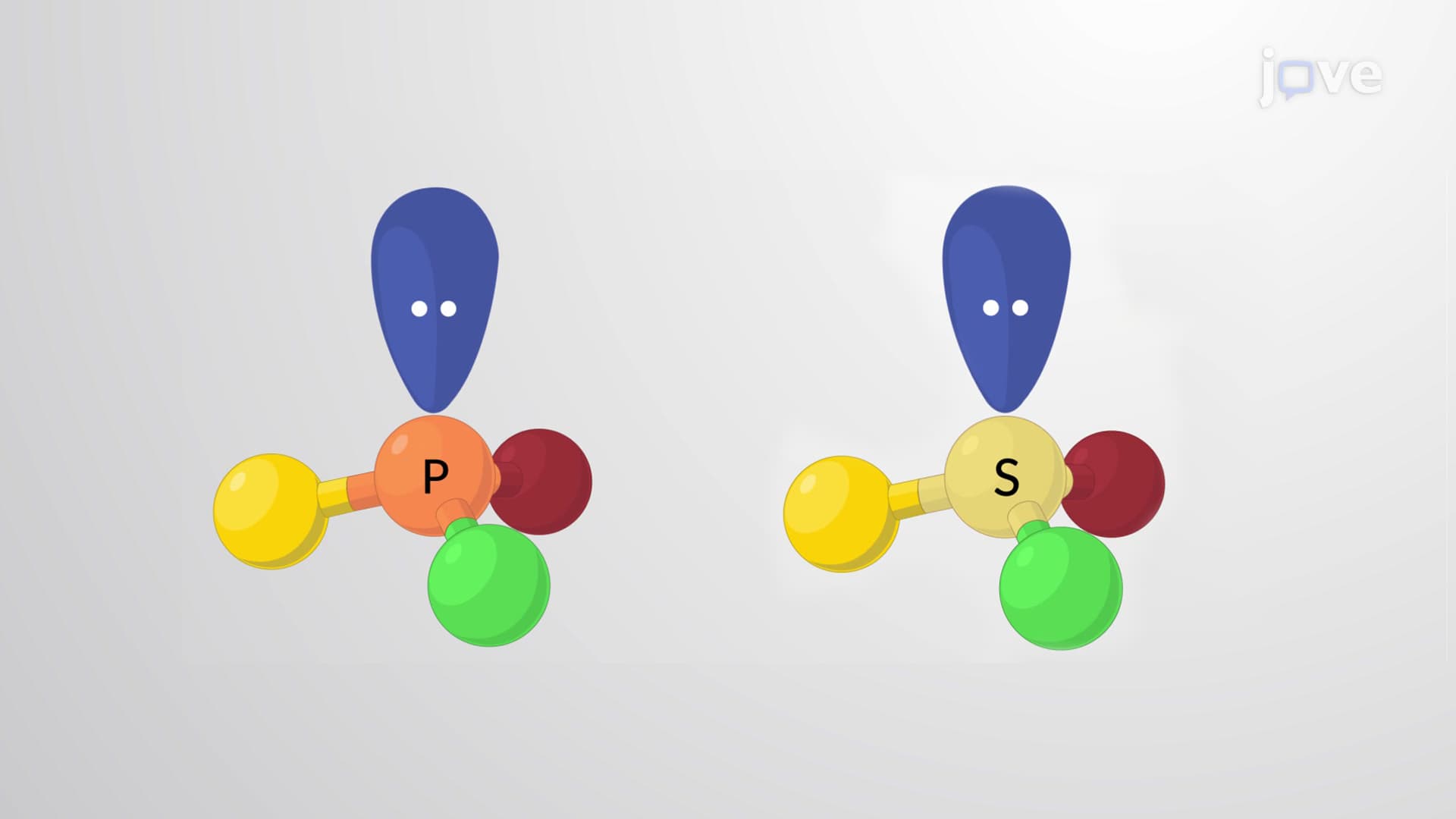
Chirality plays a critical role in biological systems, where enzymes often recognize only one enantiomer of a chiral substrate. This selectivity explains why the drug thalidomide caused birth defects: one enantiomer provided therapeutic benefits while its mirror image proved teratogenic. For students preparing for health professional school entrance exams, understanding chiral recognition becomes essential for comprehending drug action mechanisms.
Related Micro-courses