Loading video…

 12 Concepts
 109.2K views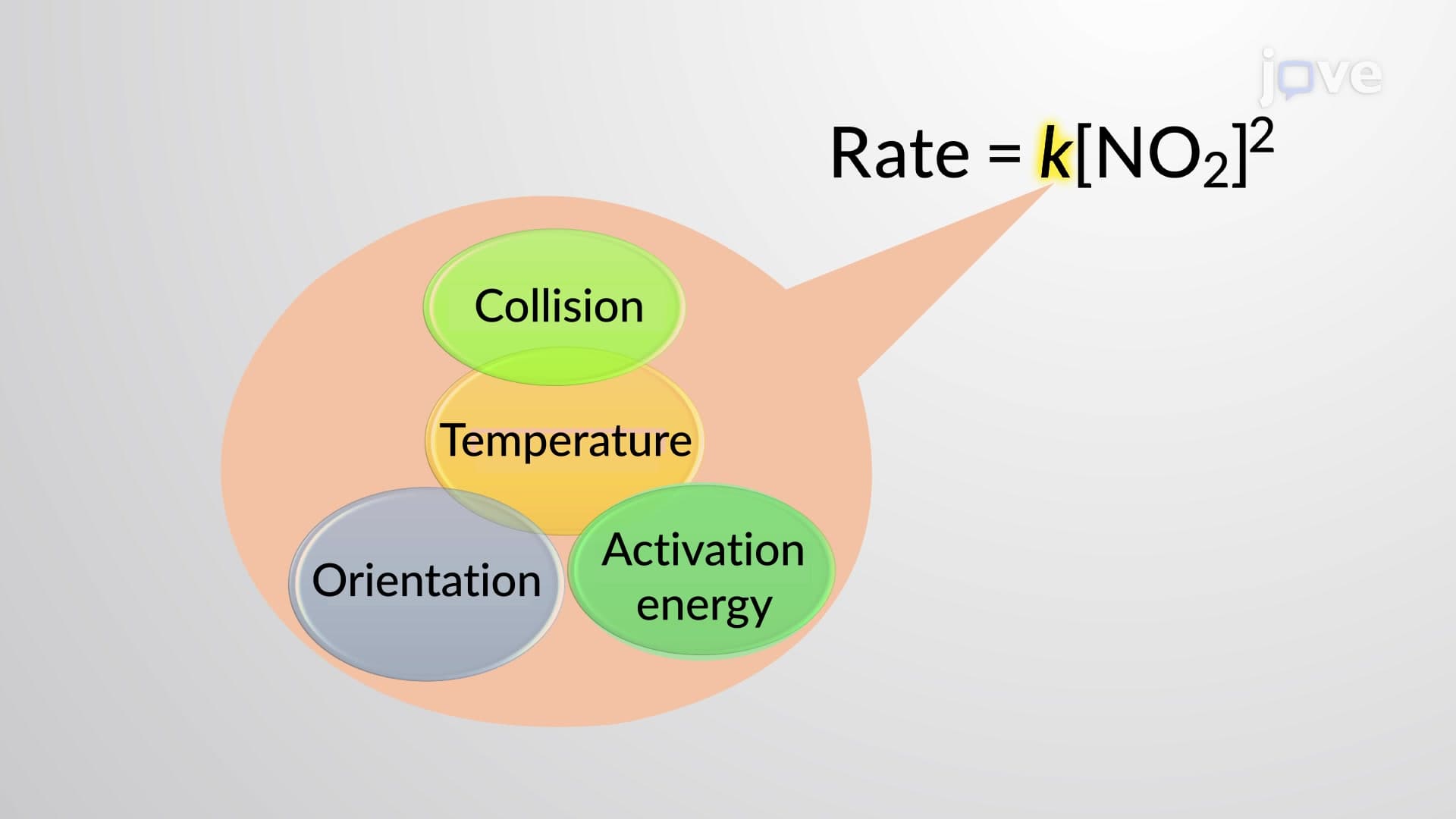

Video Summary: Effect of Temperature Change on Explained
Ever wonder why food spoils faster in summer heat or why your car engine needs warming up in winter? The effect of temperature change dramatically alters how fast chemical reactions occur, from the enzymatic processes in your refrigerator to combustion in automotive engines. In pharmaceutical manufacturing across the US, companies like Pfizer carefully control reaction temperatures to optimize drug production rates. Understanding the Effect of Temperature Change On Explained through the Arrhenius equation reveals how molecular collisions, activation energy, and reaction kinetics interconnect. Watch the full video on JoVE Coach to master this concept with expert-led visuals and step-by-step explanations.
Temperature serves as a master controller for chemical reaction rates, fundamentally altering how molecules interact and transform. The effect of temperature change extends far beyond simple heating-it influences every aspect of molecular behavior, from collision frequency to the energy available for bond breaking and formation.
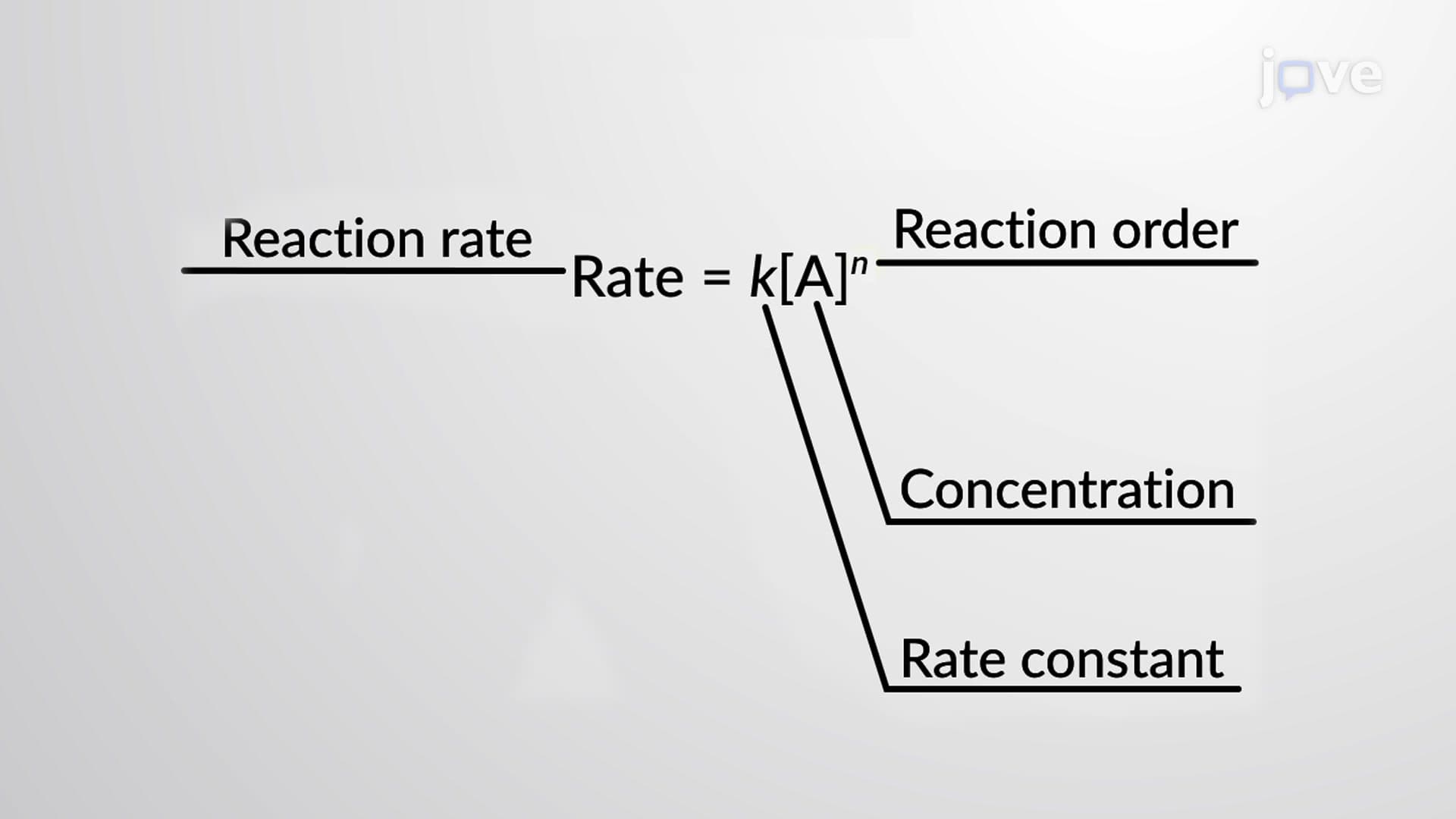
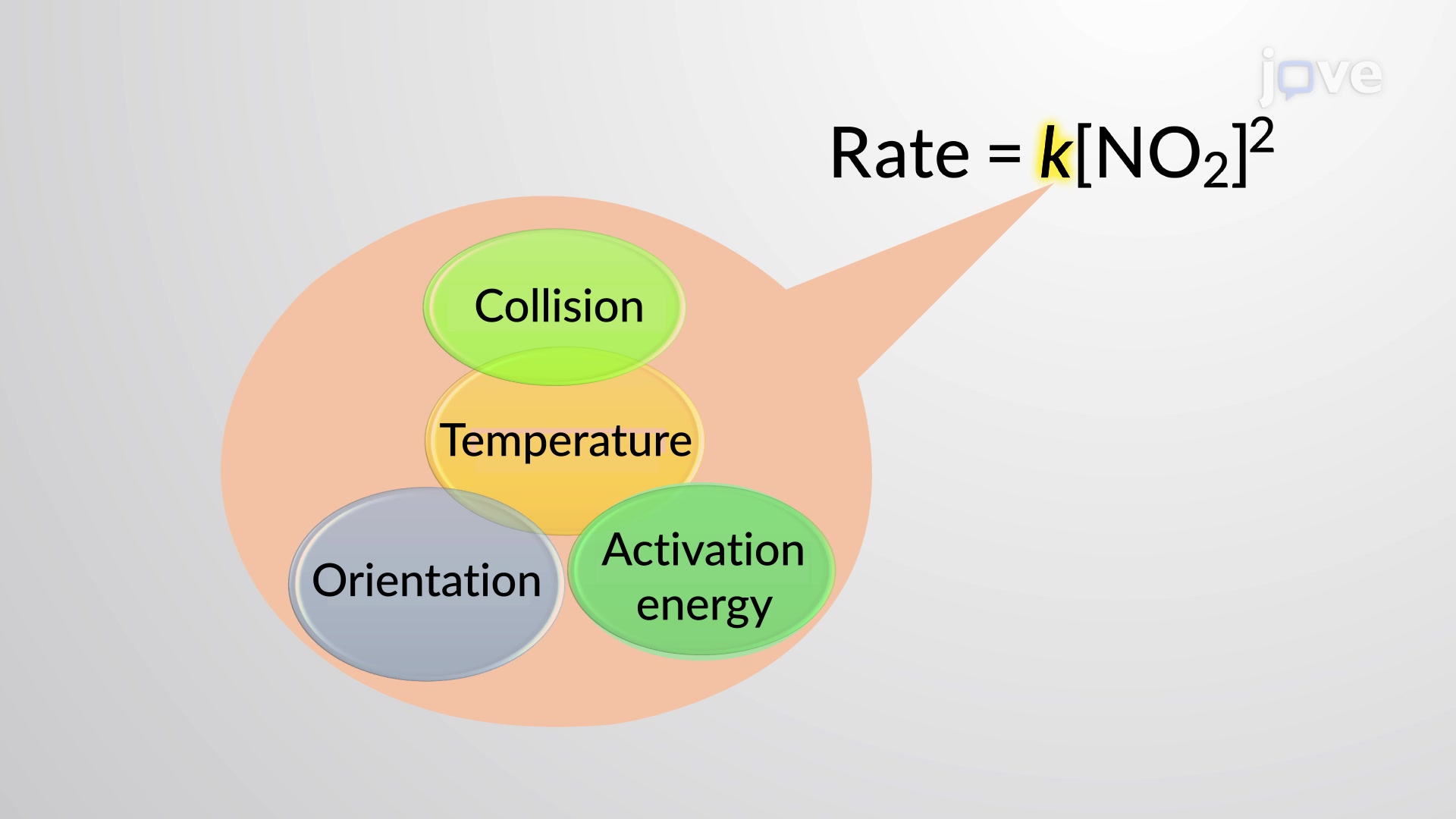
The Arrhenius equation, k = A × e^(-Ea/RT), provides the mathematical framework for understanding temperature's impact on reaction rates. Here, k represents the rate constant, A is the frequency factor, Ea denotes activation energy, R is the gas constant, and T represents absolute temperature. This equation elegantly captures how small temperature increases can produce dramatic rate enhancements-a 10°C rise typically doubles or triples reaction rates for many processes.
In US pharmaceutical manufacturing, companies like Johnson & Johnson utilize this principle when optimizing synthesis conditions. For AP Chemistry students, mastering this equation is crucial for exam success, particularly in kinetics problems that appear regularly on College Board assessments.
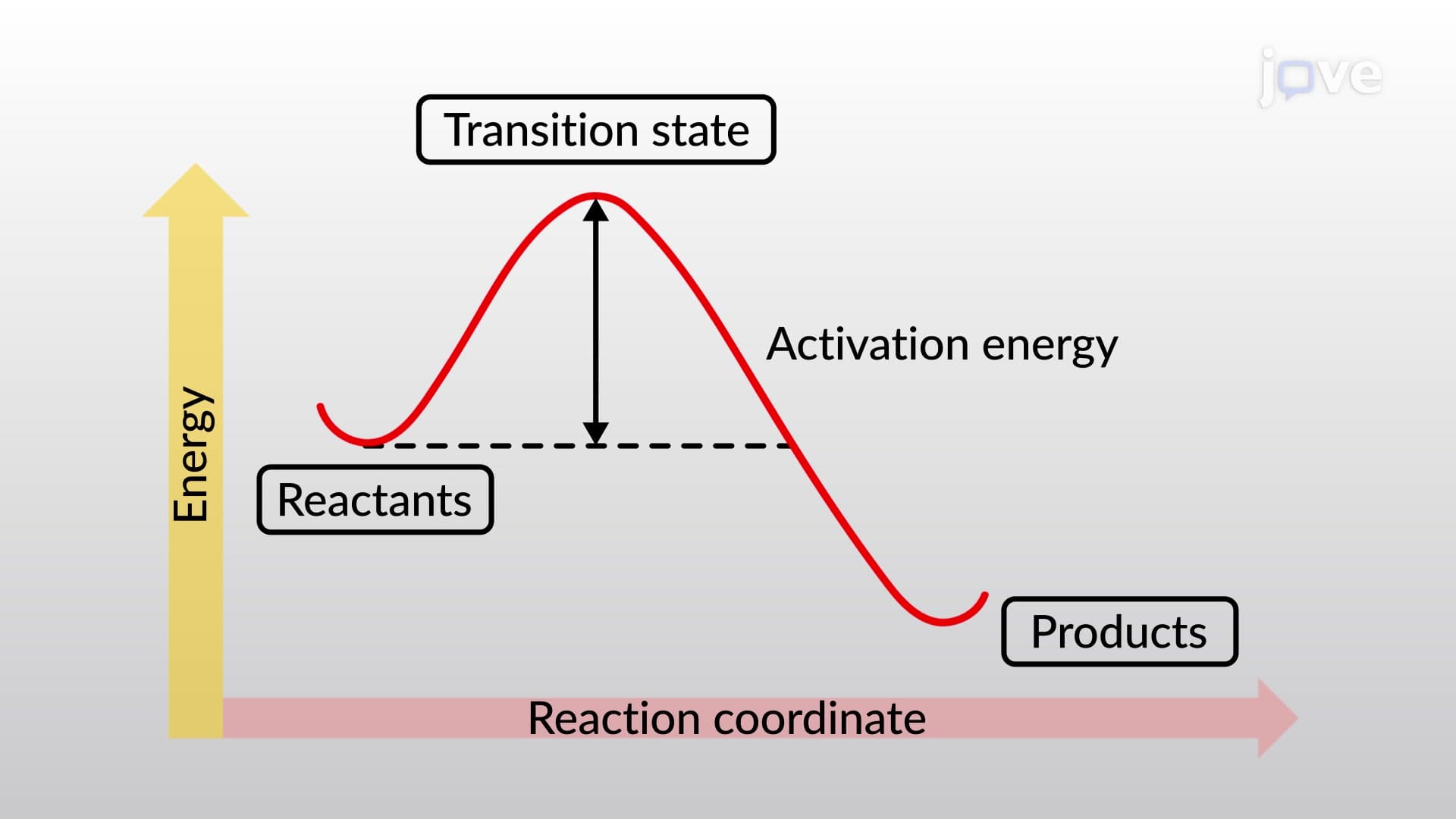
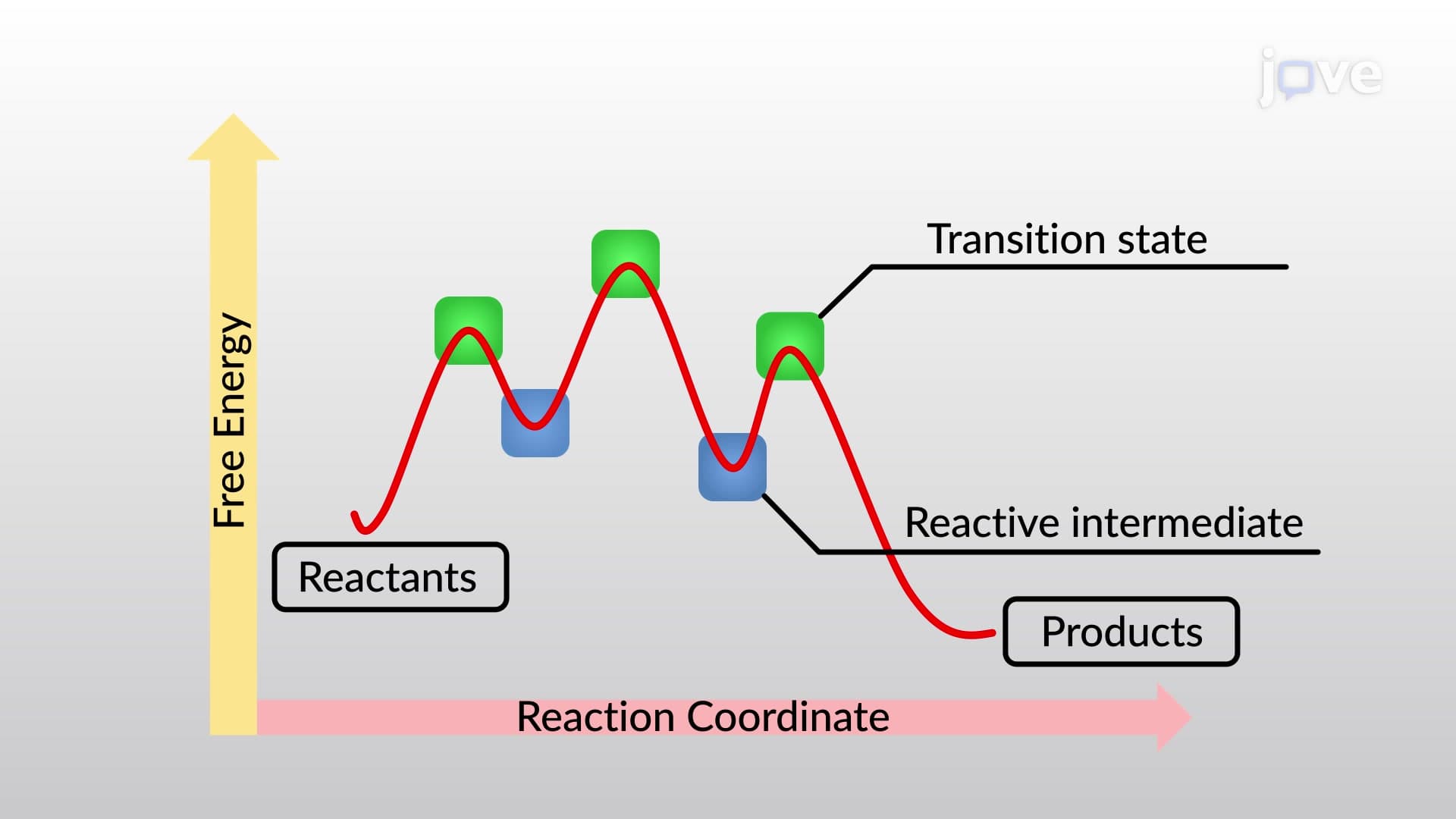
At the molecular level, chemical reactions require successful collisions between reactant molecules. However, not all collisions lead to products-molecules must possess sufficient kinetic energy to overcome the activation energy barrier. Think of this like a roller coaster: molecules need enough "speed" (energy) to reach the top of the hill (transition state) before rolling down to form products.
Temperature increases molecular kinetic energy, following the relationship KE = (3/2)kT for gases. Higher temperatures mean faster-moving molecules with greater collision forces. In industrial settings like ExxonMobil's refineries, reaction temperatures are precisely controlled to optimize hydrocarbon cracking processes, demonstrating real-world applications of these principles.
The effect of temperature change appears throughout American industry and academics. In biotechnology, companies like Genentech maintain strict temperature controls for enzyme reactions. For MCAT preparation, understanding how body temperature affects metabolic reaction rates is essential. College chemistry courses at institutions like MIT and Stanford emphasize these concepts in physical chemistry curricula, connecting theoretical principles to practical applications in catalysis and drug development.
Related Micro-courses