Loading video…

 12 Concepts
 109.2K views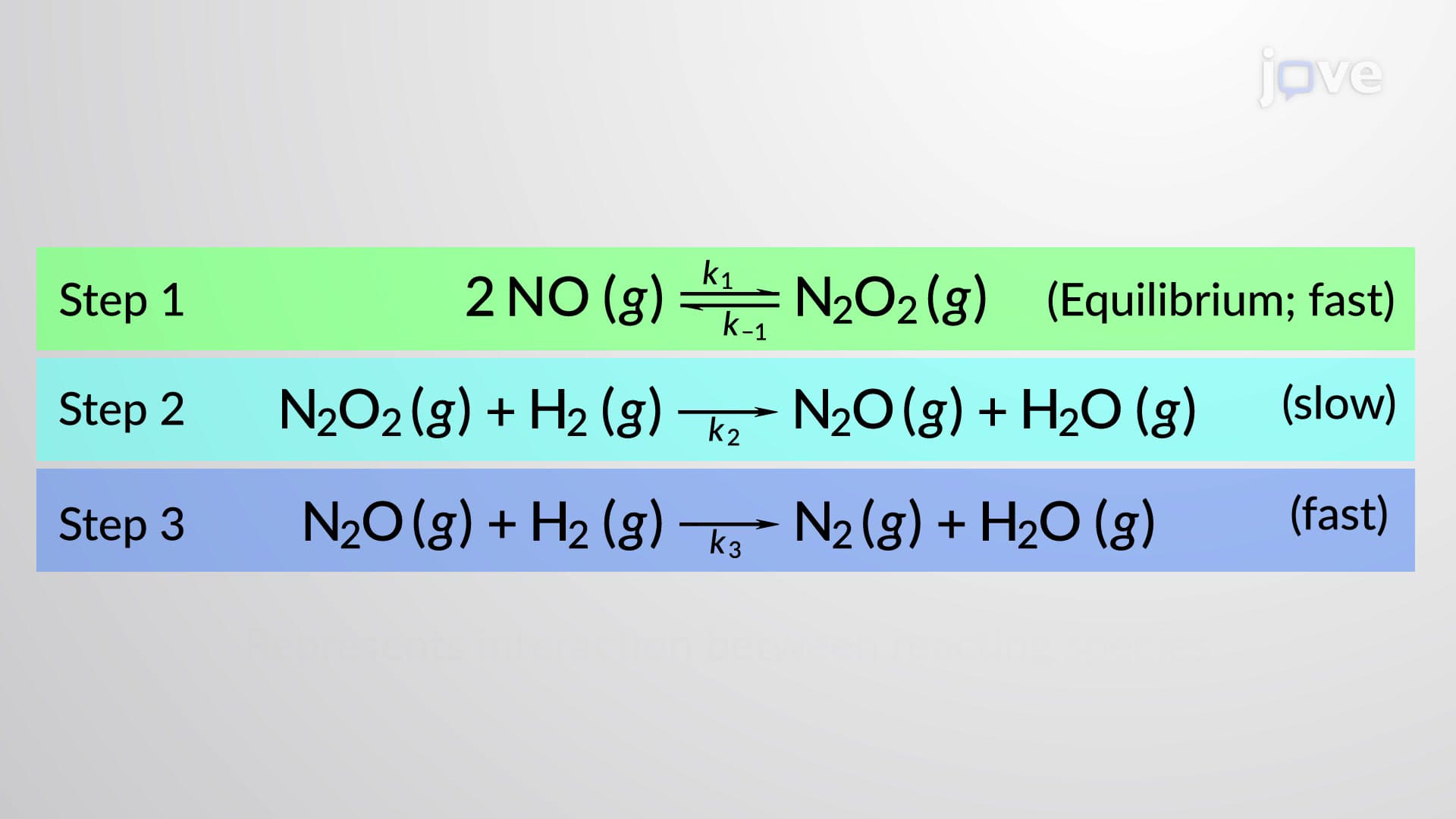

Video Summary: What are Multi Step Reactions
Why does burning gasoline in your car engine require dozens of individual chemical steps when the overall equation looks so simple? Multi step reactions break down seemingly straightforward processes into a series of elementary reactions, each with its own rate and mechanism. Consider how the catalytic converter in a US automobile transforms harmful nitrogen oxides through multiple sequential steps to produce harmless nitrogen and water. Understanding what are multi step reactions reveals the hidden complexity behind everyday chemical processes that power our technology and industry. Watch the full video on JoVE Coach to master this concept with expert-led visuals and step-by-step explanations.
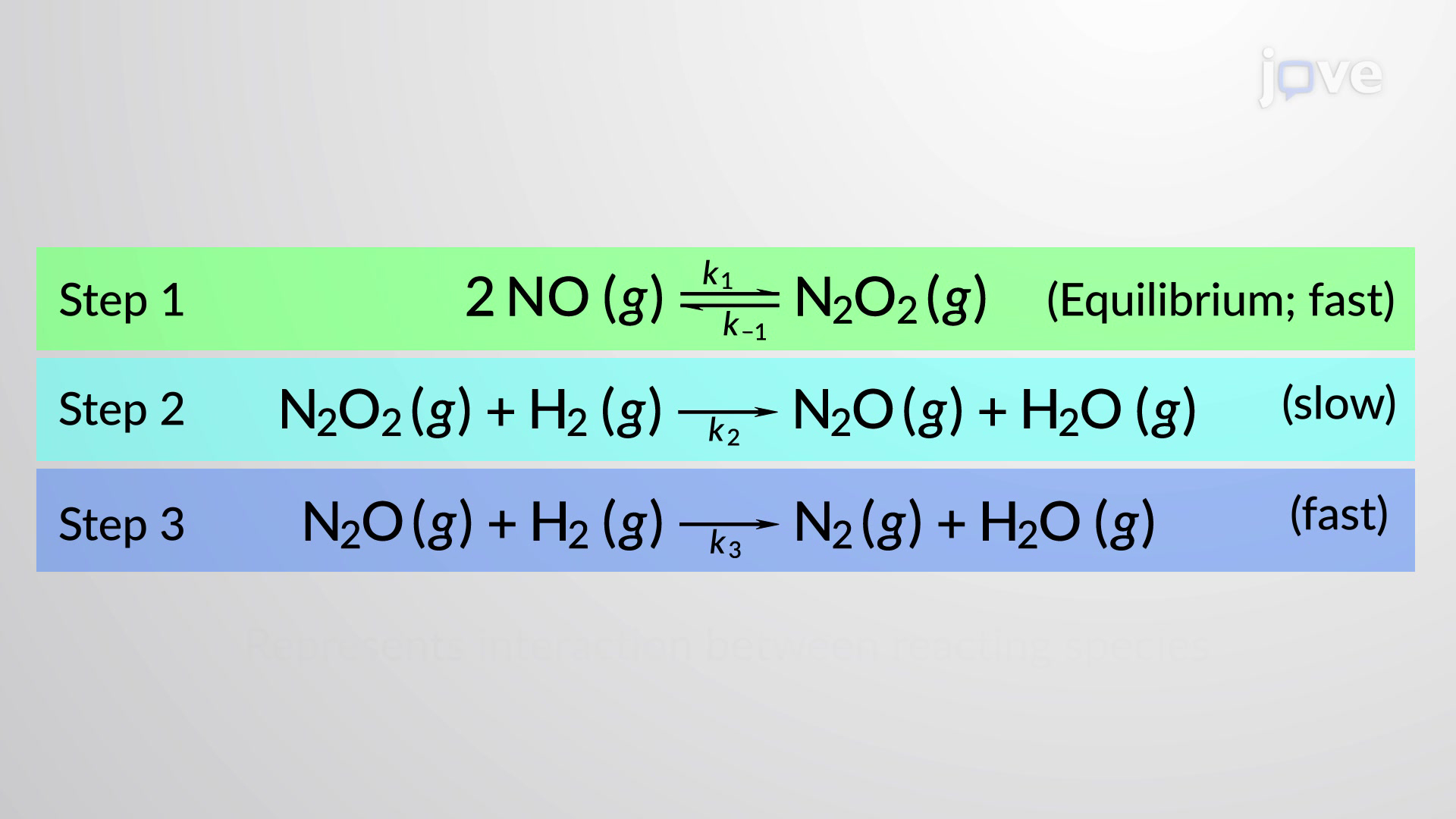
Multi step reactions represent the true complexity behind most chemical processes we encounter daily. Unlike the simplified overall equations shown in textbooks, real chemical reactions typically proceed through a series of elementary steps, each involving specific molecular interactions. These reaction mechanisms explain how reactants transform into products through intermediate species and distinct pathways.
Each individual step in a multi-step process constitutes an elementary reaction-a single molecular event involving bond formation, bond breaking, or electron transfer. For example, the industrial production of ammonia through the Haber process involves multiple elementary steps on the catalyst surface, not the simple combination of nitrogen and hydrogen suggested by the overall equation.
Elementary reactions follow specific rules: they typically involve one, two, or rarely three molecules simultaneously. The sum of all elementary steps must equal the overall balanced equation, ensuring mass and energy conservation throughout the mechanism.
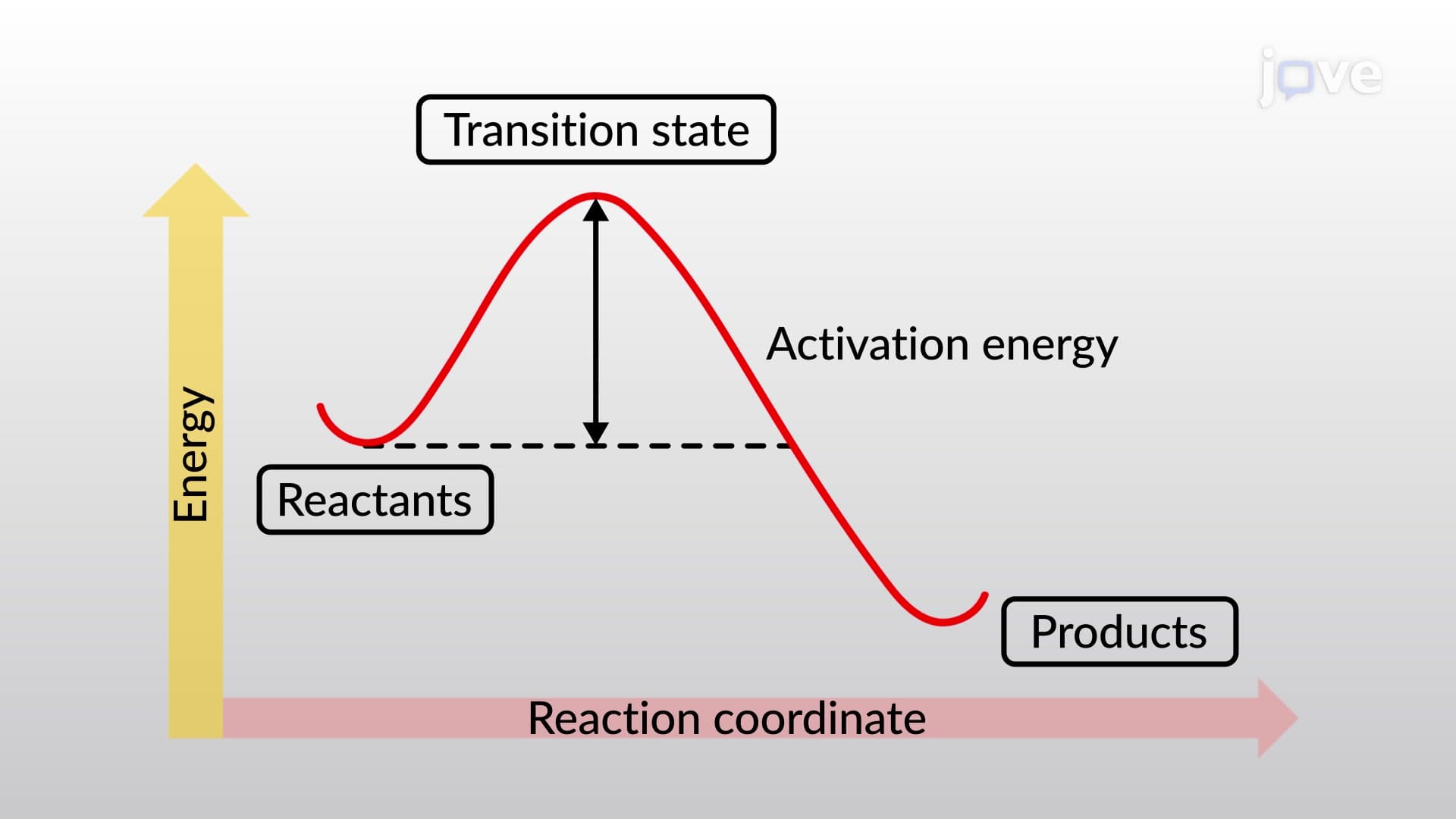
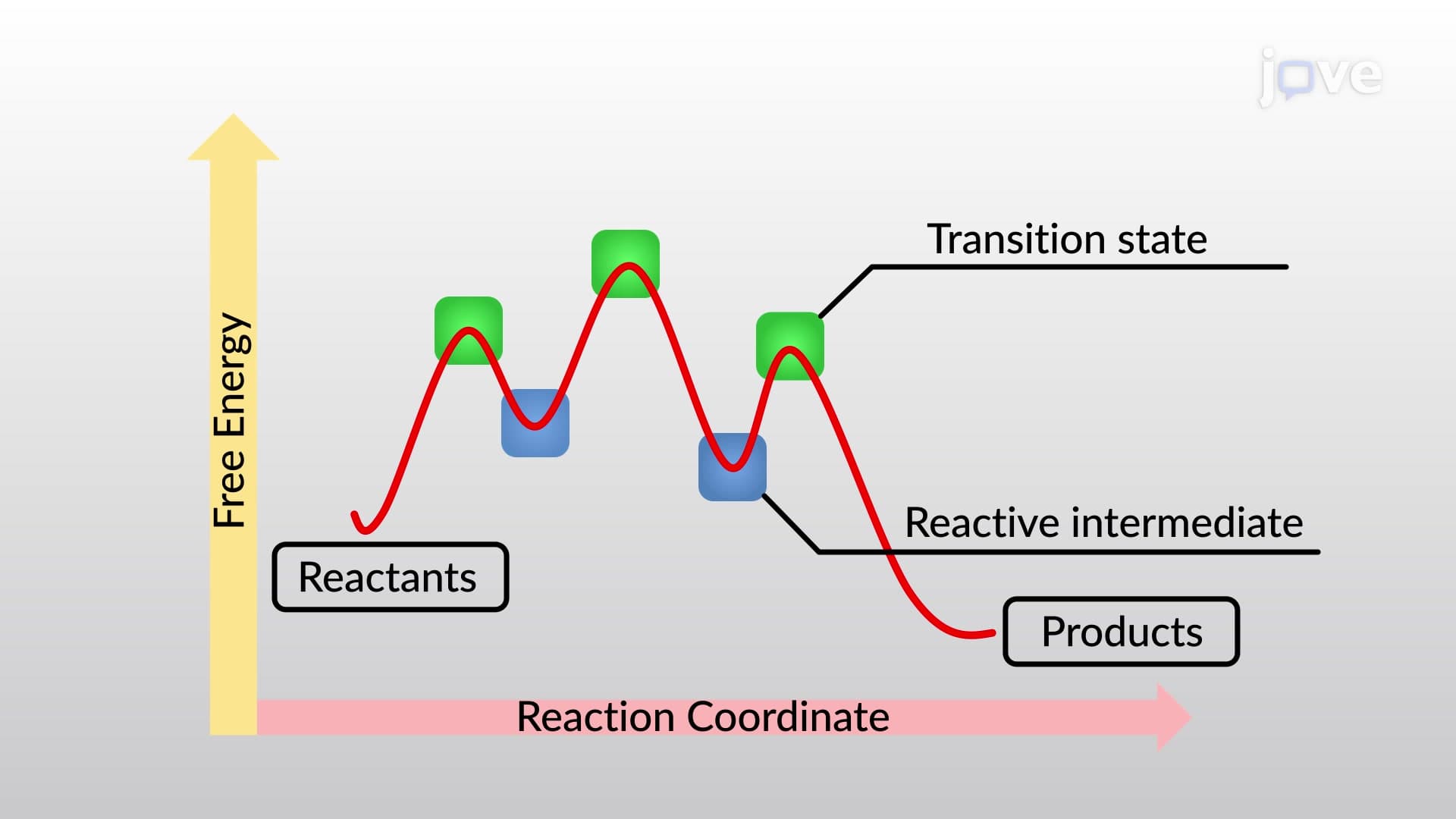
A crucial distinction exists between reaction intermediates and transition states. Intermediates are actual chemical species with finite lifetimes-they form during one elementary step and consume in another. These molecules can sometimes be detected experimentally. In contrast, transition states exist only at the peak of energy barriers during bond-forming or bond-breaking processes.
Consider pharmaceutical manufacturing: drug synthesis often produces intermediate compounds that pharmaceutical companies must isolate and purify before proceeding to subsequent reaction steps. These intermediates demonstrate the practical importance of understanding multi-step mechanisms in industrial chemistry.
The slowest elementary step, called the rate-determining step, controls the overall reaction rate-similar to how the narrowest section of a highway determines traffic flow. This concept proves essential for AP Chemistry students and college-level kinetics courses, as it explains why experimental rate laws often differ from what simple stoichiometry might predict.
For MCAT preparation, understanding rate-determining steps helps explain enzyme kinetics and metabolic pathways. The human body's cellular respiration involves dozens of elementary steps, with specific enzymes controlling rate-limiting reactions that determine overall energy production efficiency.
Industrial chemists manipulate reaction conditions to accelerate rate-determining steps, improving production efficiency and reducing costs in manufacturing processes across the United States.
Related Micro-courses