Loading subject page…

352 views

Video Summary: Fda Approved Drugs Changes to Explained
Did you know that even after Pfizer's COVID-19 vaccine received FDA approval, the company had to seek additional approval to change its manufacturing site? FDA approved drugs changes represent a complex regulatory framework that governs how pharmaceutical companies can modify their products post-approval. For instance, when Johnson & Johnson needed to relocate production of their diabetes medication from New Jersey to Puerto Rico, they faced extensive FDA review processes. Understanding Fda Approved Drugs Changes To Explained is crucial for anyone pursuing careers in pharmaceutical sciences or regulatory affairs. Watch the full video on JoVE Coach to master this concept with expert-led visuals and step-by-step explanations.
The pharmaceutical industry operates under strict regulatory oversight that extends far beyond initial drug approval. When companies like Moderna or AbbVie receive FDA approval for their medications, they enter a complex post-approval regulatory landscape where any modification to their product requires careful evaluation and often additional FDA review. This systematic approach ensures that American patients continue receiving safe, effective medications even as manufacturing processes evolve and companies seek operational improvements.
The FDA employs a three-tiered classification system that reflects the potential impact of proposed changes on drug safety and effectiveness. Major changes represent the most significant modifications, such as when Teva Pharmaceuticals relocates its entire manufacturing operation for a generic medication from one state to another. These changes require comprehensive FDA approval before any modified product can reach American pharmacies, often involving extensive documentation similar to original drug applications.
Moderate changes occupy the middle ground, encompassing modifications like process improvements or equipment updates that could affect drug characteristics but pose lower risk than major changes. For example, when Sandoz optimizes their tablet compression process for a blood pressure medication, they must either submit documentation 30 days before distribution or await FDA acknowledgment before proceeding. This approach balances patient safety with operational efficiency.
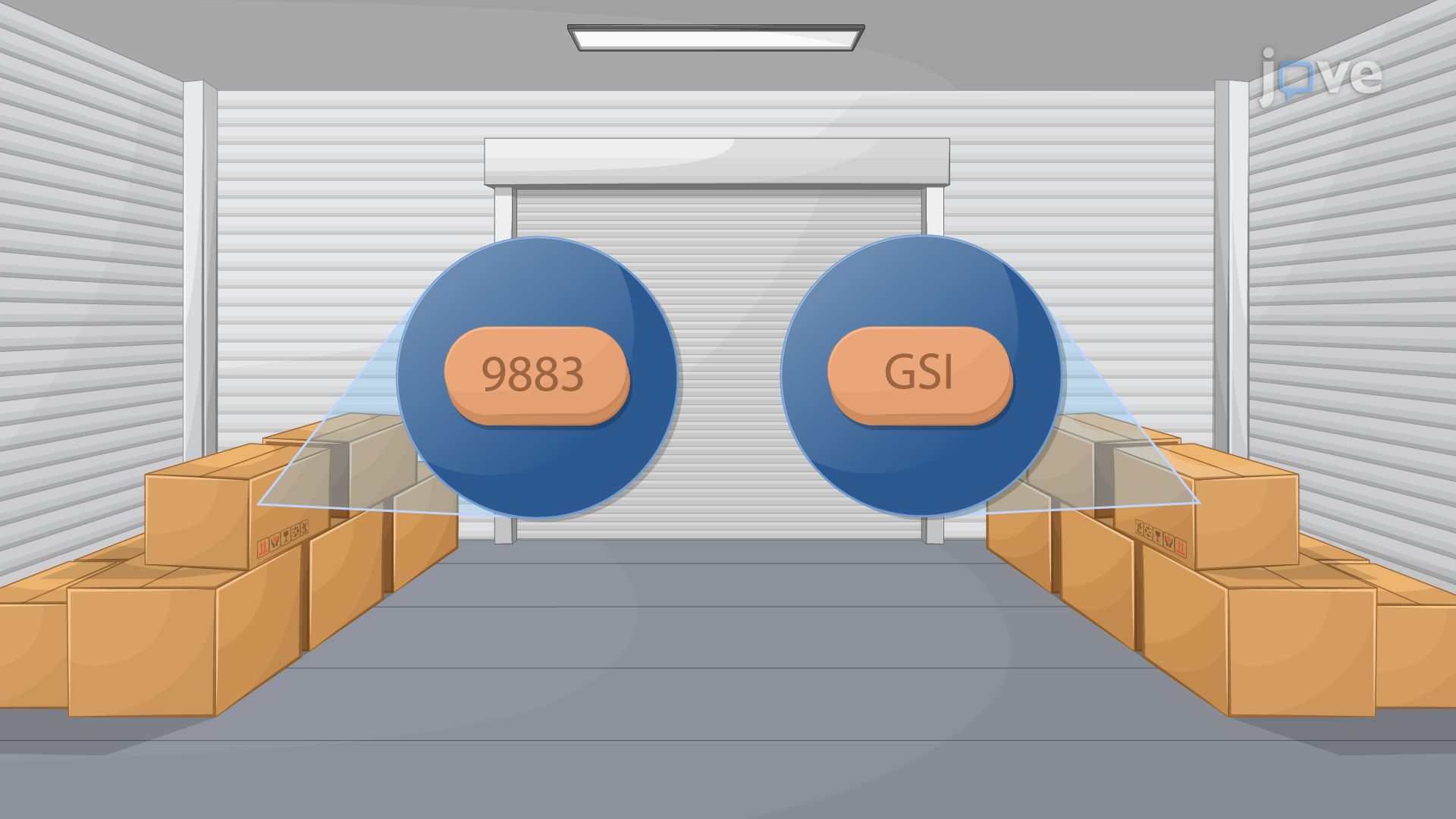
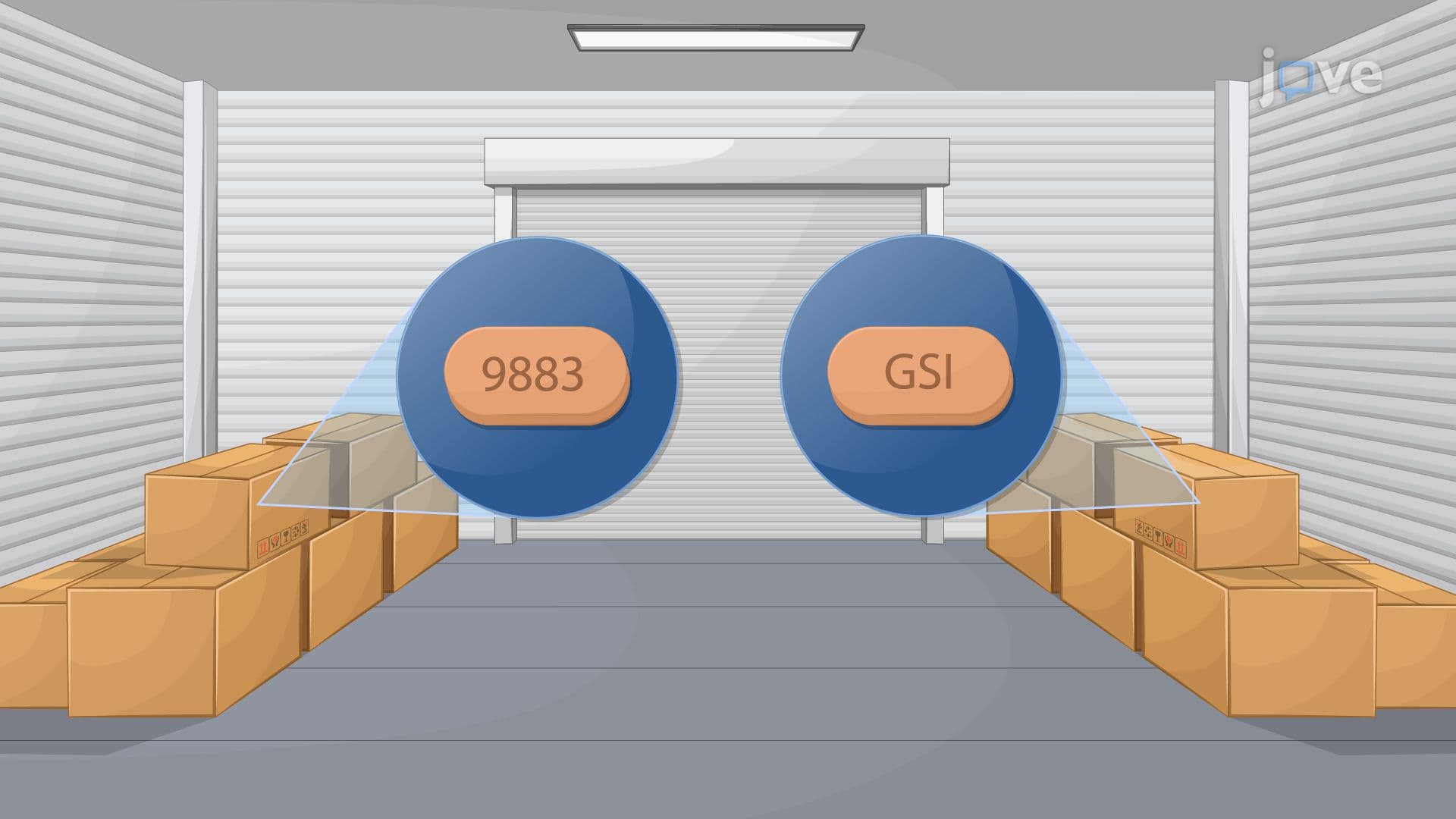
Minor changes include relatively low-impact modifications such as updating pill imprints, changing packaging colors, or minor labeling adjustments. While these changes require documentation in annual reports to FDA, they don't halt production or distribution, recognizing their minimal impact on drug safety or effectiveness.
Students preparing for MCAT pharmaceutical sciences sections or college-level pharmacology courses frequently encounter questions about FDA change classifications. Understanding these concepts proves essential for AP Biology students studying drug development and particularly relevant for those considering careers in pharmaceutical regulatory affairs. The framework also appears in USMLE Step 1 examinations, where medical students must demonstrate knowledge of drug regulation and safety monitoring systems that protect American patients throughout a medication's commercial lifecycle.
Related Micro-courses