Loading video…


 7 Concepts
 352 views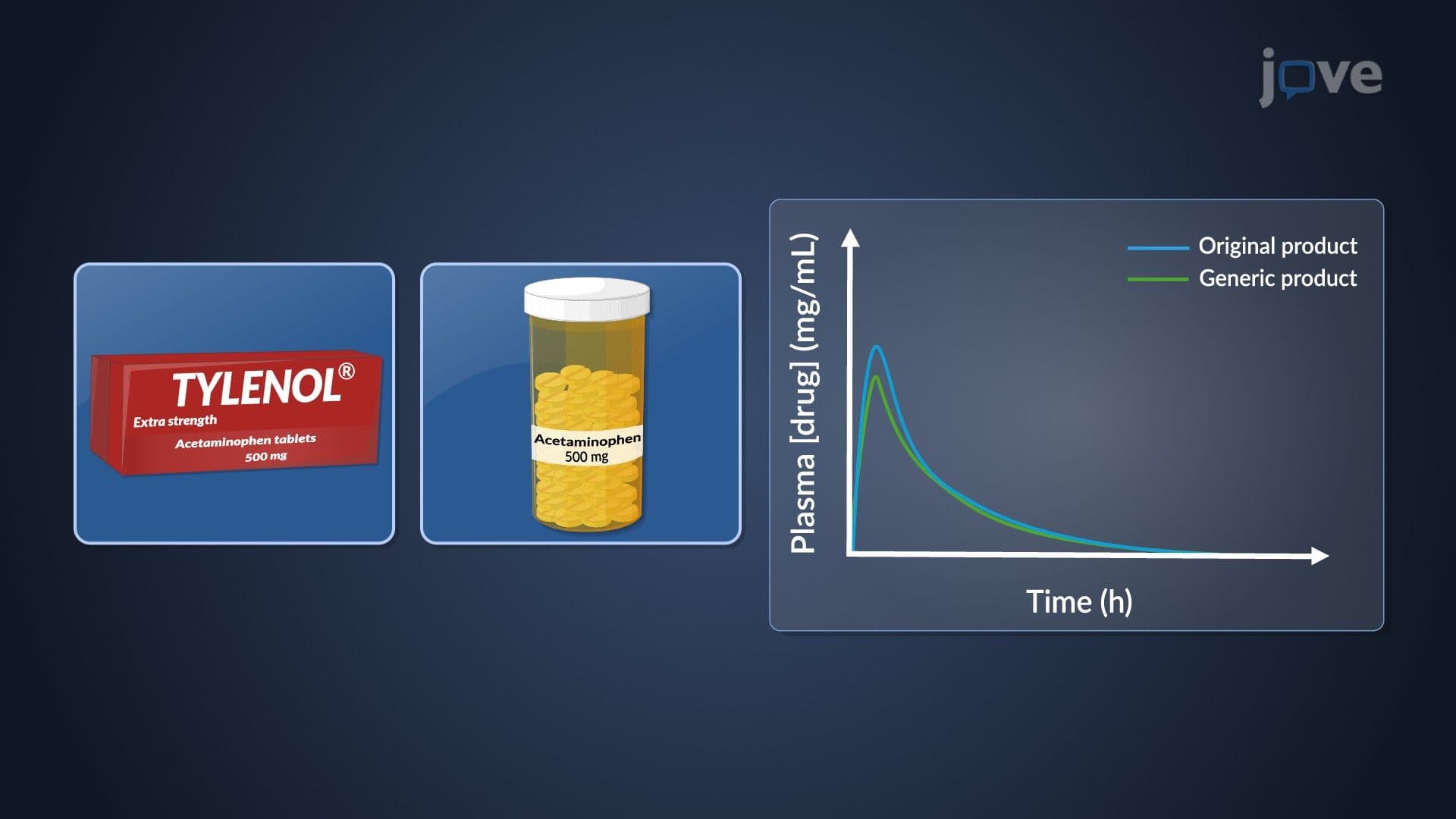

Video Summary: Pharmaceutical Alternatives Excipients and Impurities Explained
Did you know that the 2008 heparin contamination crisis affected thousands of patients across the United States when over-sulfated chondroitin sulfate slipped past quality control measures? Understanding pharmaceutical alternatives excipients impurities is crucial for ensuring drug safety and efficacy in both brand-name and generic medications. The concept of Pharmaceutical Alternatives Excipients And Impurities Explained reveals how inactive ingredients and unwanted substances can dramatically impact patient outcomes. Watch the full video on JoVE Coach to master this concept with expert-led visuals and step-by-step explanations.
Pharmaceutical products represent complex formulations where every component serves a specific purpose in delivering safe and effective therapy. Beyond the active pharmaceutical ingredient (API), medications contain carefully selected excipients-inactive ingredients that enable proper drug delivery, stability, and patient acceptability. However, these formulations can also harbor unwanted impurities and contaminants that pose significant safety risks.
Excipients serve critical functions that directly impact therapeutic outcomes. Binders like microcrystalline cellulose hold tablet components together, while solubilizers such as polyethylene glycol enhance drug dissolution and absorption. Preservatives like benzyl alcohol prevent microbial growth in multi-dose preparations. The FDA's Generally Recognized as Safe (GRAS) database guides excipient selection, but improper amounts can still compromise efficacy. For instance, insufficient disintegrant in a tablet formulation can lead to poor drug release, rendering even high-quality APIs therapeutically ineffective.
The 2008 heparin crisis exemplifies how structurally similar impurities can evade detection through routine quality control measures. Over-sulfated chondroitin sulfate, contaminating heparin supplies from Chinese manufacturers, caused severe allergic reactions and deaths across multiple US hospitals. This incident highlighted critical limitations in current analytical methods and the need for more sophisticated impurity profiling. Unlike single-dose bioequivalence studies that may miss chronic toxicity, long-term exposure to even trace impurities can trigger unexpected adverse reactions.
Generic drug manufacturers face unique challenges in achieving therapeutic equivalence while managing costs. Drug-excipient interactions during storage can lead to degradation products not present in the original formulation. Temperature fluctuations in distribution networks across diverse US climates can accelerate these interactions. The FDA's Orange Book provides guidance on acceptable excipient variations, but manufacturers must conduct thorough compatibility studies to ensure product integrity throughout the intended shelf life.
This knowledge proves essential for students preparing for MCAT pharmacy sections, NCLEX medication safety questions, and college-level pharmaceutical sciences courses where understanding formulation science directly impacts patient care decisions.
Related Micro-courses