Loading subject page…


350 views

Video Summary: Pharmaceutical Alternatives Polymorphic Form Related Explained
Did you know that two FDA-approved generic medications can contain the exact same active ingredient yet behave completely differently in your body? Pharmaceutical alternatives polymorphic form variations explain why generic drugs sometimes produce unexpected results despite containing identical chemical compounds. Consider how Pfizer's Lipitor and its generic versions use different crystal structures of atorvastatin-same molecule, different arrangement, potentially different absorption rates. Understanding pharmaceutical alternatives polymorphic form related explained concepts reveals the complex science behind drug manufacturing and bioequivalence testing. Watch the full video on JoVE Coach to master this concept with expert-led visuals and step-by-step explanations.
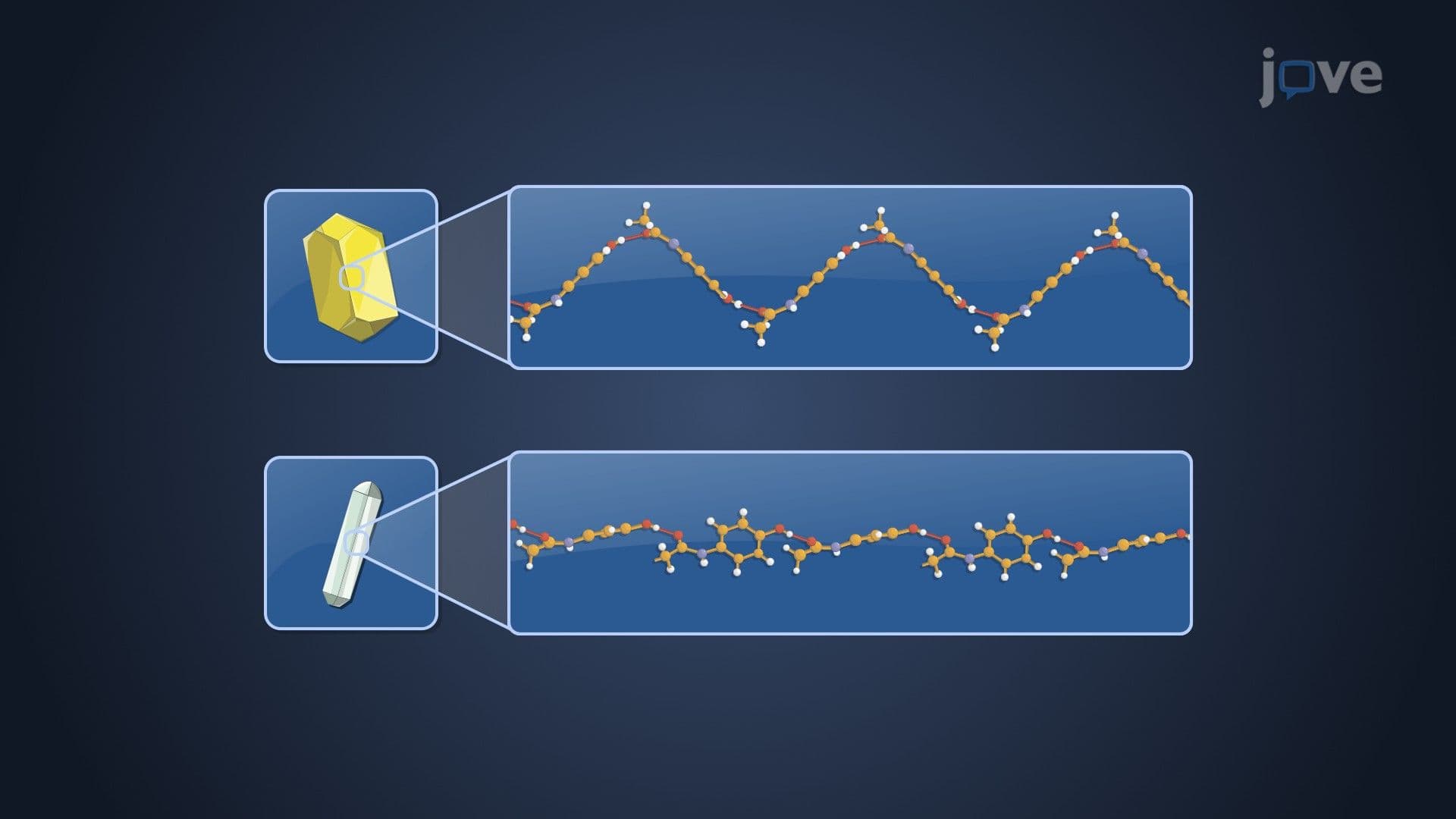
Pharmaceutical alternatives polymorphic form related explained concepts form the foundation of modern generic drug development and regulatory approval. Polymorphism refers to a drug's ability to exist in multiple solid-state crystal arrangements while maintaining the same molecular formula. Think of it like ice and snow-both are water (H2O), but their different crystal structures give them distinct physical properties.
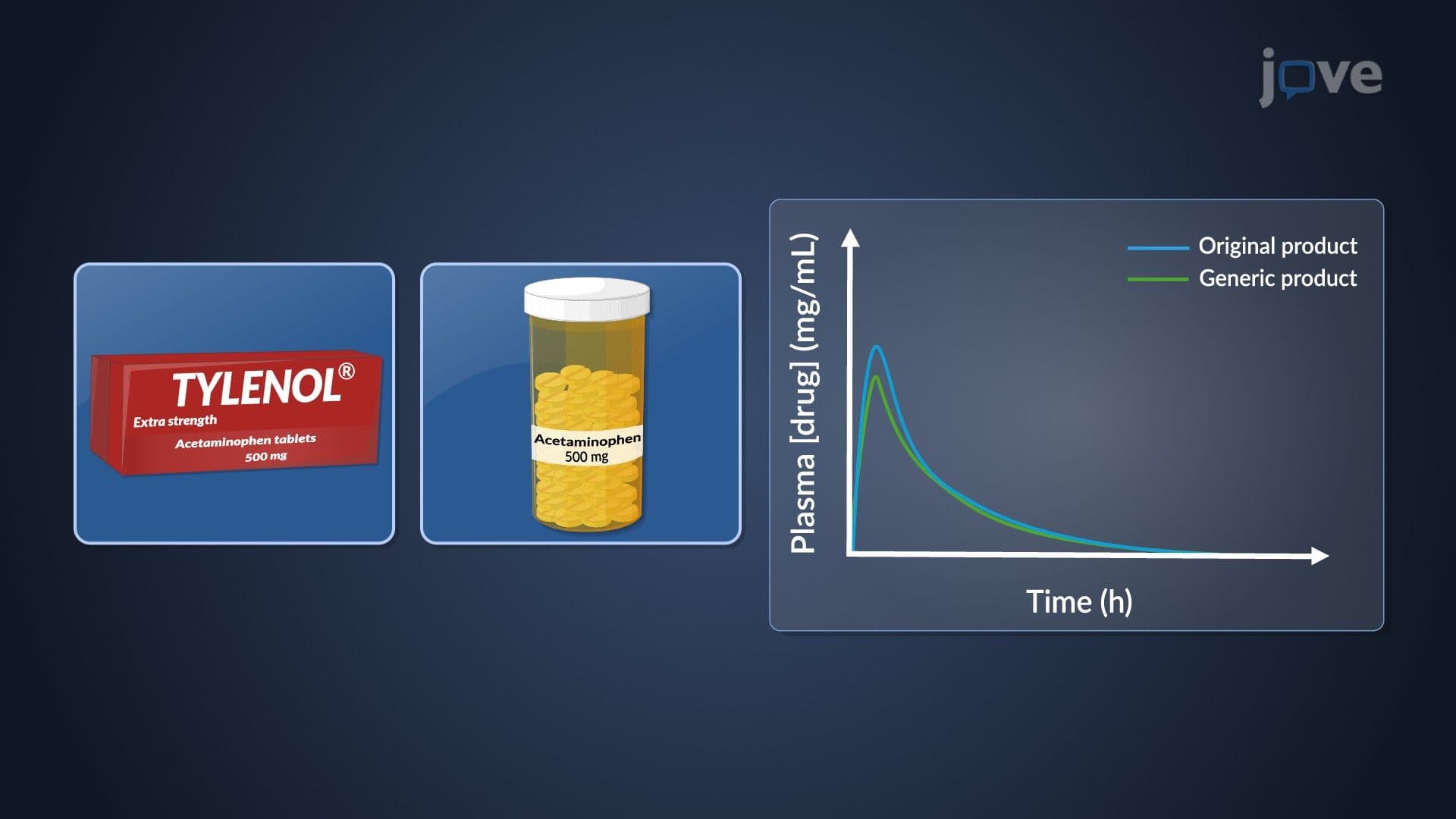
In pharmaceutical manufacturing, these crystal structure differences dramatically impact how drugs behave in the human body. The FDA recognizes this complexity through its pharmaceutical equivalence guidelines, which allow generic drugs to contain different polymorphic forms of the same active ingredient, provided they demonstrate bioequivalence through clinical testing.
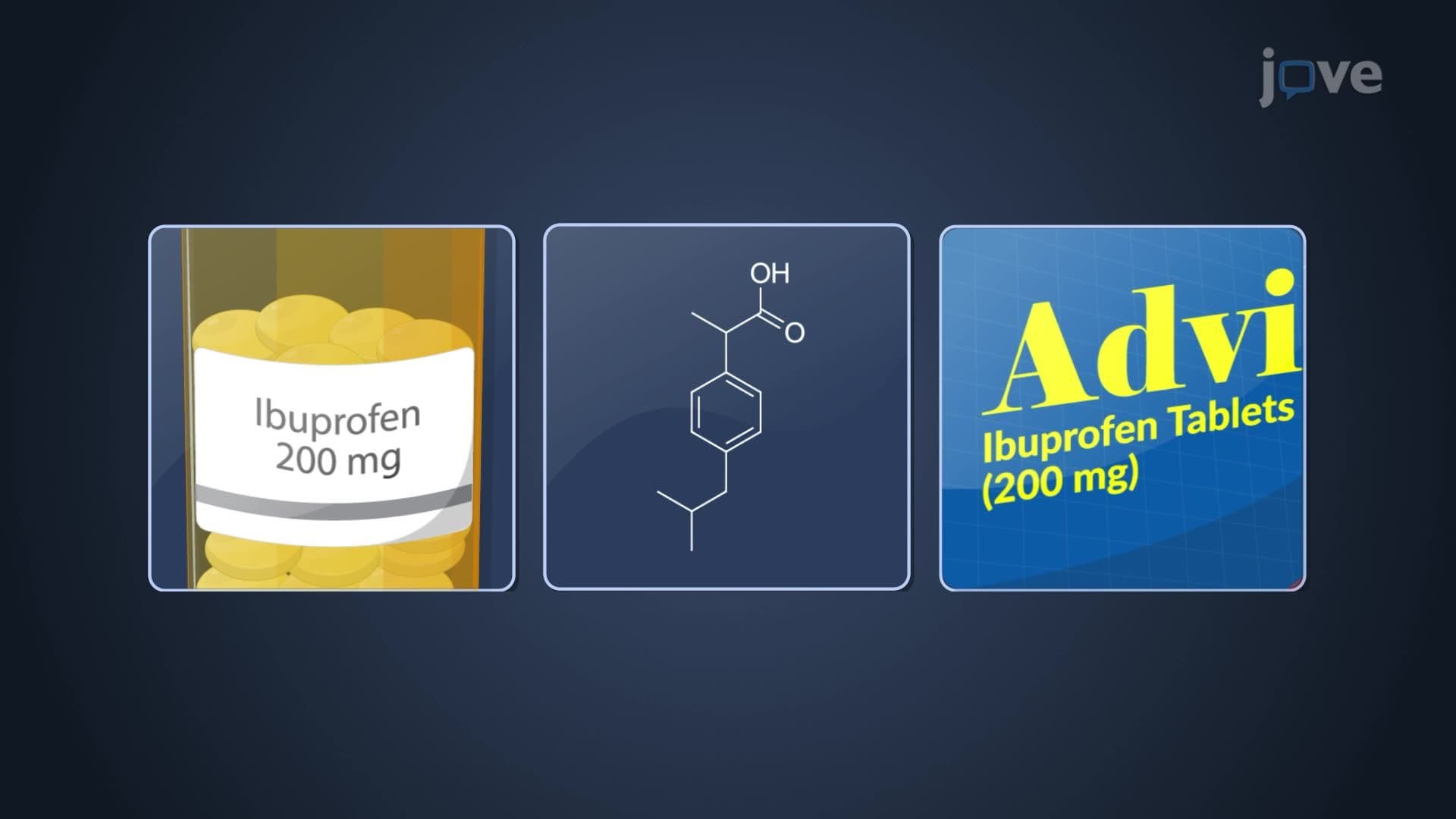
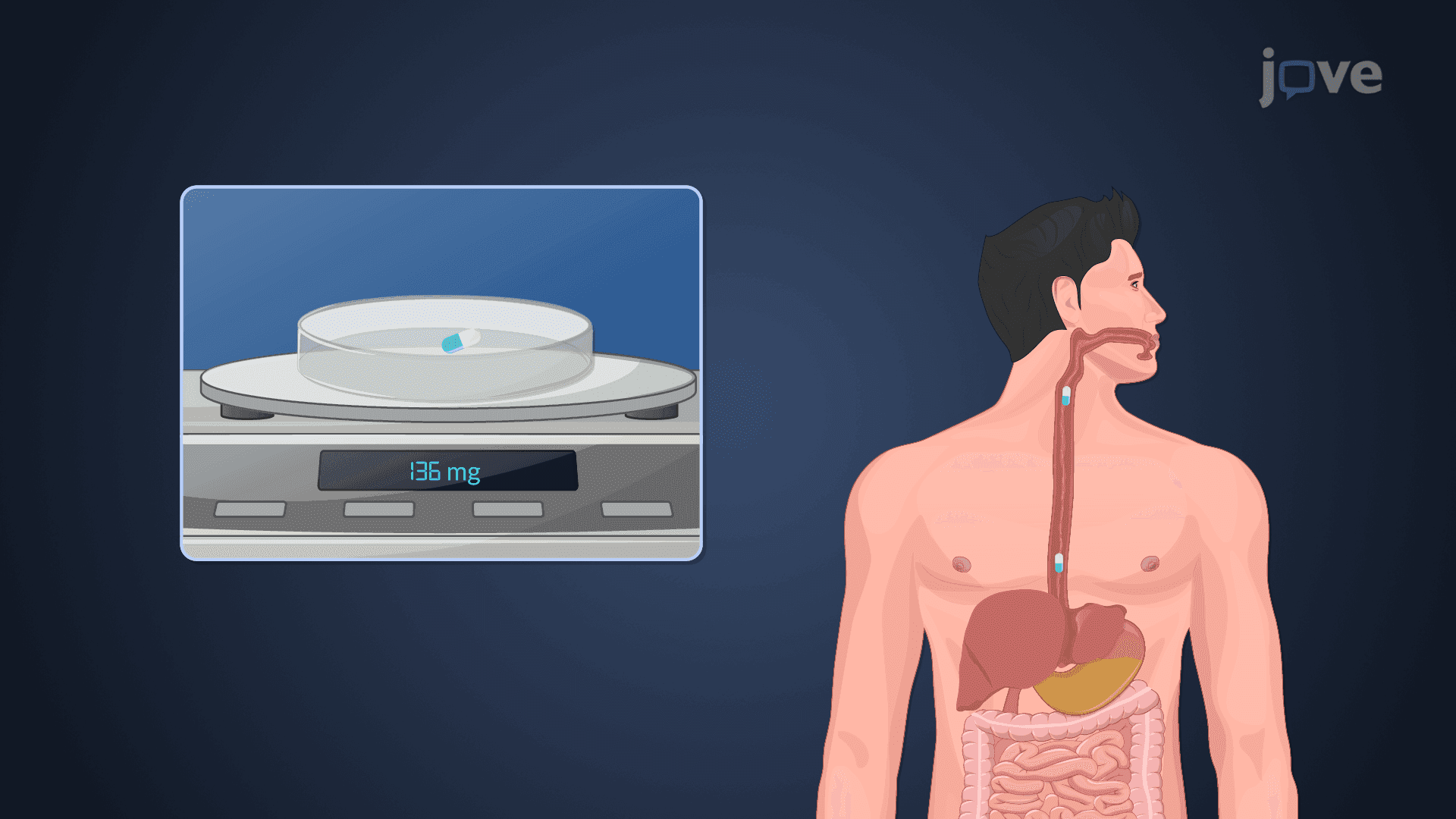
The most critical concern with polymorphic variations involves bioavailability-how much of the drug actually reaches systemic circulation. Different crystal forms dissolve at different rates, particularly problematic for poorly water-soluble drugs like ibuprofen, carbamazepine, or chloramphenicol palmitate.
Consider ritonavir (Norvir), an HIV medication that experienced a major recall when an unexpected polymorphic transformation reduced the drug's solubility by 50%. This real-world example demonstrates how seemingly minor crystal changes can render medications ineffective, highlighting why pharmaceutical companies invest heavily in polymorph screening and stability testing.
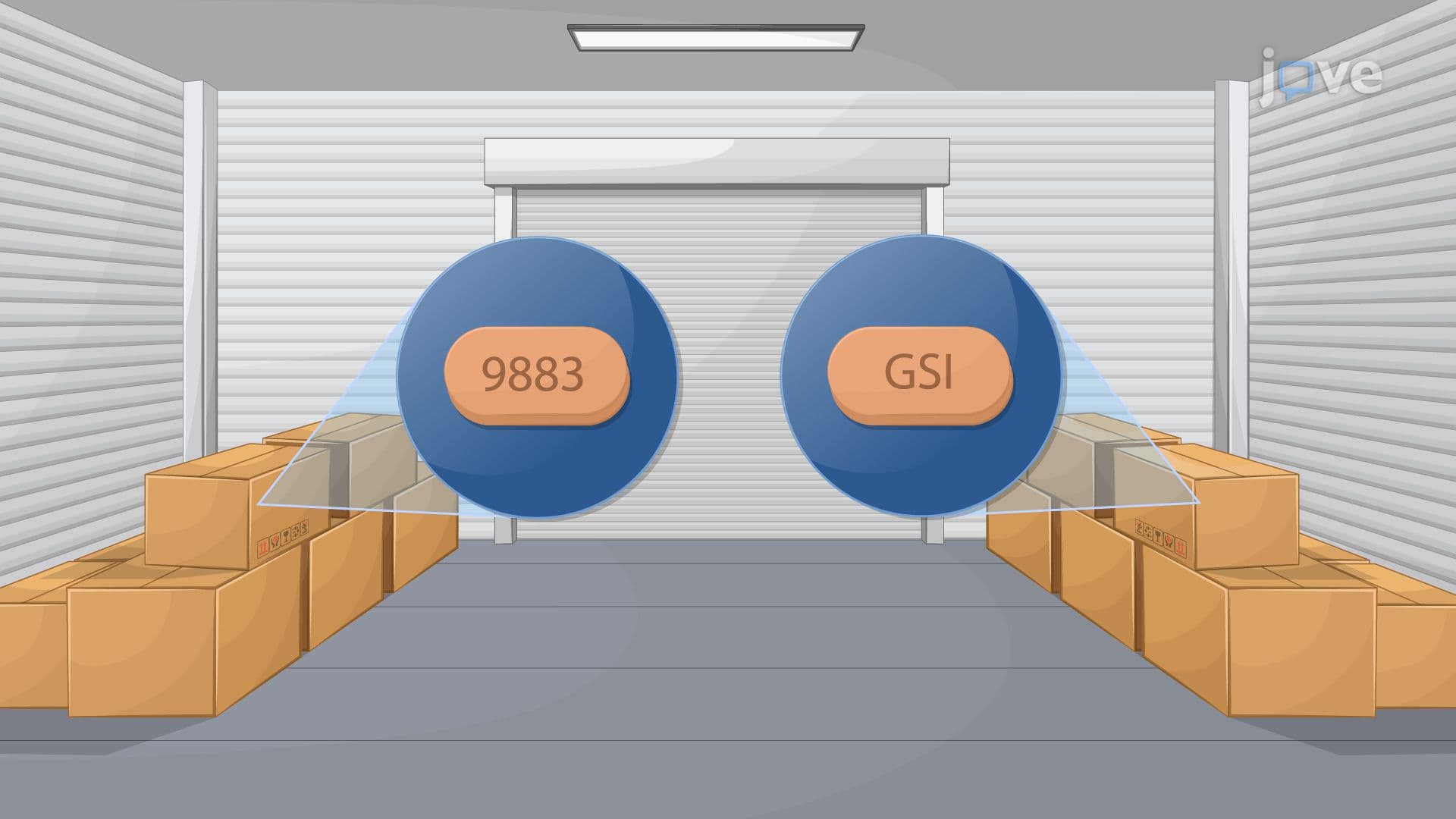
Generic manufacturers strategically use alternative polymorphic forms to circumvent existing patents on branded drugs. While the original company may patent the most stable crystal form, generics can develop equally effective formulations using different polymorphs, provided they achieve bioequivalence.
This approach requires sophisticated formulation design to manage potential phase transitions during manufacturing, packaging, and storage. Temperature fluctuations, humidity changes, and mechanical stress can trigger unwanted polymorphic conversions, potentially compromising drug effectiveness.
Particle size variations compound polymorphic challenges, especially in low-dose medications where small changes significantly impact content uniformity. The combination of different crystal forms and inconsistent particle sizes can lead to batch-to-batch variations, potentially causing therapeutic failures or unexpected side effects.
Students preparing for the MCAT, PCAT, or pharmaceutical sciences coursework should understand how these concepts apply to drug development timelines, regulatory submissions, and clinical trial design. Advanced placement chemistry students encounter similar principles when studying crystal structures and intermolecular forces.
Related Micro-courses