Loading video…


 7 Concepts
 352 views


Video Summary: Pharmaceutical Alternatives Stability Related Therapeutic Nonequivalence Explained
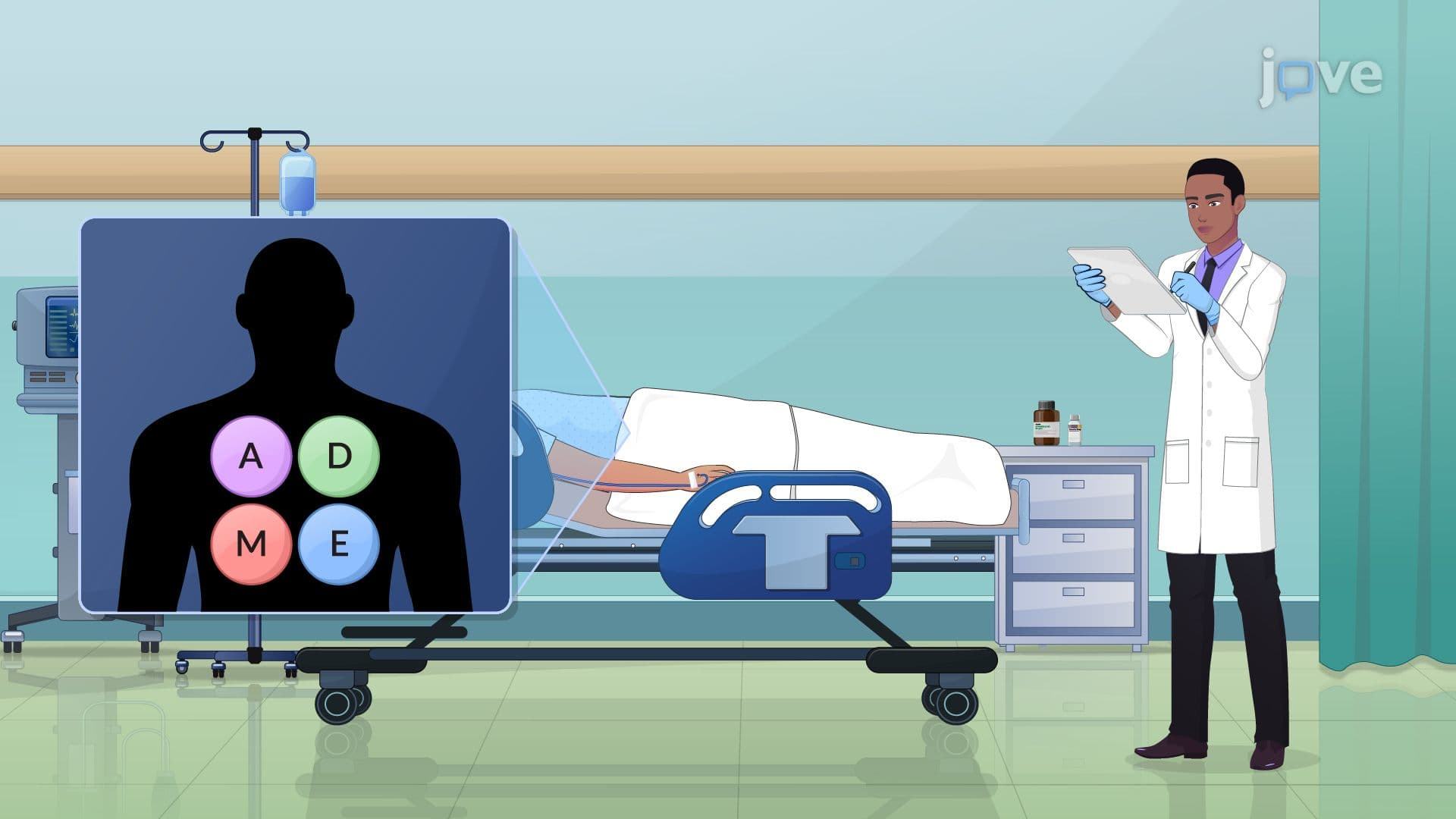
Did you know that two chemically identical medications can produce drastically different patient outcomes? Pharmaceutical alternatives stability related issues create complex therapeutic challenges, particularly when generic IV antibiotics like cefuroxime fail to prevent post-surgical infections despite having the same active ingredient as brand-name versions. The FDA has documented cases where patients required intensive care due to stability-related efficacy differences between pharmaceutical products. Understanding Pharmaceutical Alternatives Stability Related Therapeutic Nonequivalence Explained helps healthcare professionals navigate these critical drug performance variations. Watch the full video on JoVE Coach to master this concept with expert-led visuals and step-by-step explanations.
Pharmaceutical alternatives represent one of the most complex areas in modern pharmacology, where chemically identical drugs can produce vastly different clinical outcomes. This phenomenon challenges the fundamental assumption that generic medications automatically provide equivalent therapeutic benefits to their brand-name counterparts.
The FDA defines pharmaceutical alternatives as drug products containing the same therapeutic moiety but differing in chemical form, strength, dosage form, or route of administration. However, when stability issues arise, these alternatives may fail to achieve therapeutic equivalence despite meeting basic pharmaceutical equivalence criteria.
Stability-related therapeutic nonequivalence occurs when environmental factors, manufacturing processes, or formulation differences cause drug degradation that compromises clinical effectiveness. This is particularly critical for intravenous medications, which bypass first-pass metabolism and achieve 100% bioavailability immediately upon administration.
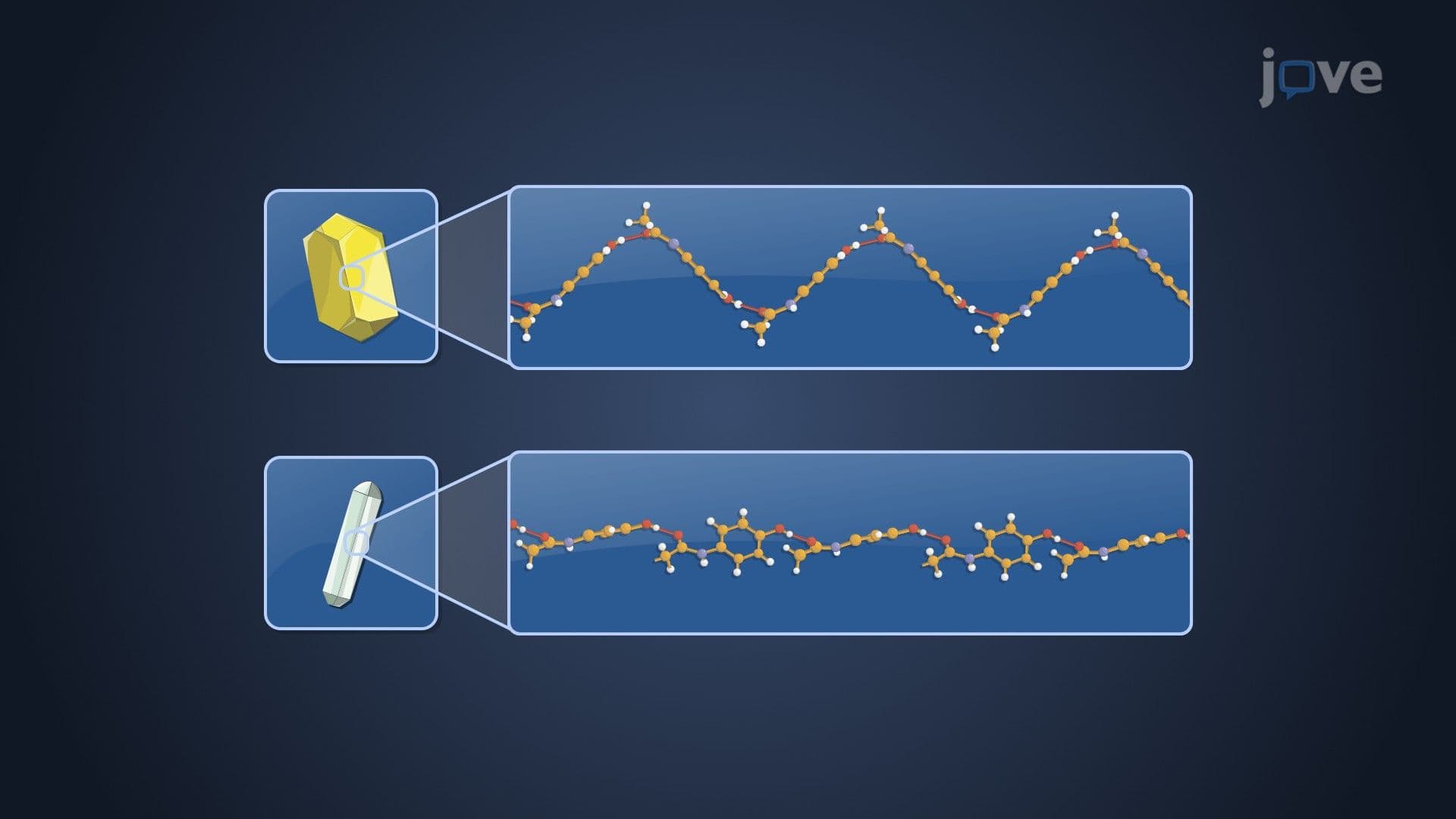
The cefuroxime case study illustrates this concept perfectly. While both branded and generic versions contained identical active pharmaceutical ingredients, the generic product underwent rapid hydrolysis-a chemical breakdown process where water molecules break chemical bonds. This degradation reduced the antibiotic's potency by the time of patient administration, leading to treatment failures and increased infection rates.
In US hospitals, stability-related therapeutic nonequivalence has significant implications for patient care protocols. The Joint Commission and FDA closely monitor these issues, particularly for critical medications like antibiotics, chemotherapy agents, and cardiovascular drugs. Healthcare systems now implement more rigorous stability testing and monitoring programs to identify potential therapeutic inequivalence before patient harm occurs.
Students preparing for the MCAT, USMLE, or pharmacy school entrance exams frequently encounter questions about pharmaceutical equivalence versus therapeutic equivalence. Understanding that chemical similarity doesn't guarantee clinical similarity is crucial for success on these standardized tests and future clinical practice.
The FDA's Abbreviated New Drug Application (ANDA) process requires generic manufacturers to demonstrate bioequivalence through clinical studies. However, stability testing requirements may vary between manufacturers, creating opportunities for therapeutic nonequivalence to emerge post-approval. This has led to enhanced FDA oversight and more stringent post-market surveillance programs to protect patient safety.
Related Micro-courses