Loading video…


 7 Concepts
 352 views

Video Summary: What are Pharmaceutical Equivalents
Did you know that when you pick up a generic prescription at CVS or Walgreens, it must meet strict pharmaceutical equivalents standards to ensure it works exactly like the brand-name version? Pharmaceutical equivalents are medications that contain identical amounts of the same active ingredients and follow the same dosing schedule, making generic drugs therapeutically interchangeable with their brand-name counterparts. Understanding what are pharmaceutical equivalents is crucial for anyone studying pharmacology or working in healthcare. Watch the full video on JoVE Coach to master this concept with expert-led visuals and step-by-step explanations.
Pharmaceutical equivalents represent a fundamental concept in modern pharmacology and drug regulation. At its core, pharmaceutical equivalence ensures that patients receive consistent therapeutic benefits whether they use a brand-name drug or its generic counterpart. This concept becomes particularly important when considering that generic drugs account for approximately 90% of all prescriptions dispensed in the United States, representing billions in healthcare savings annually.
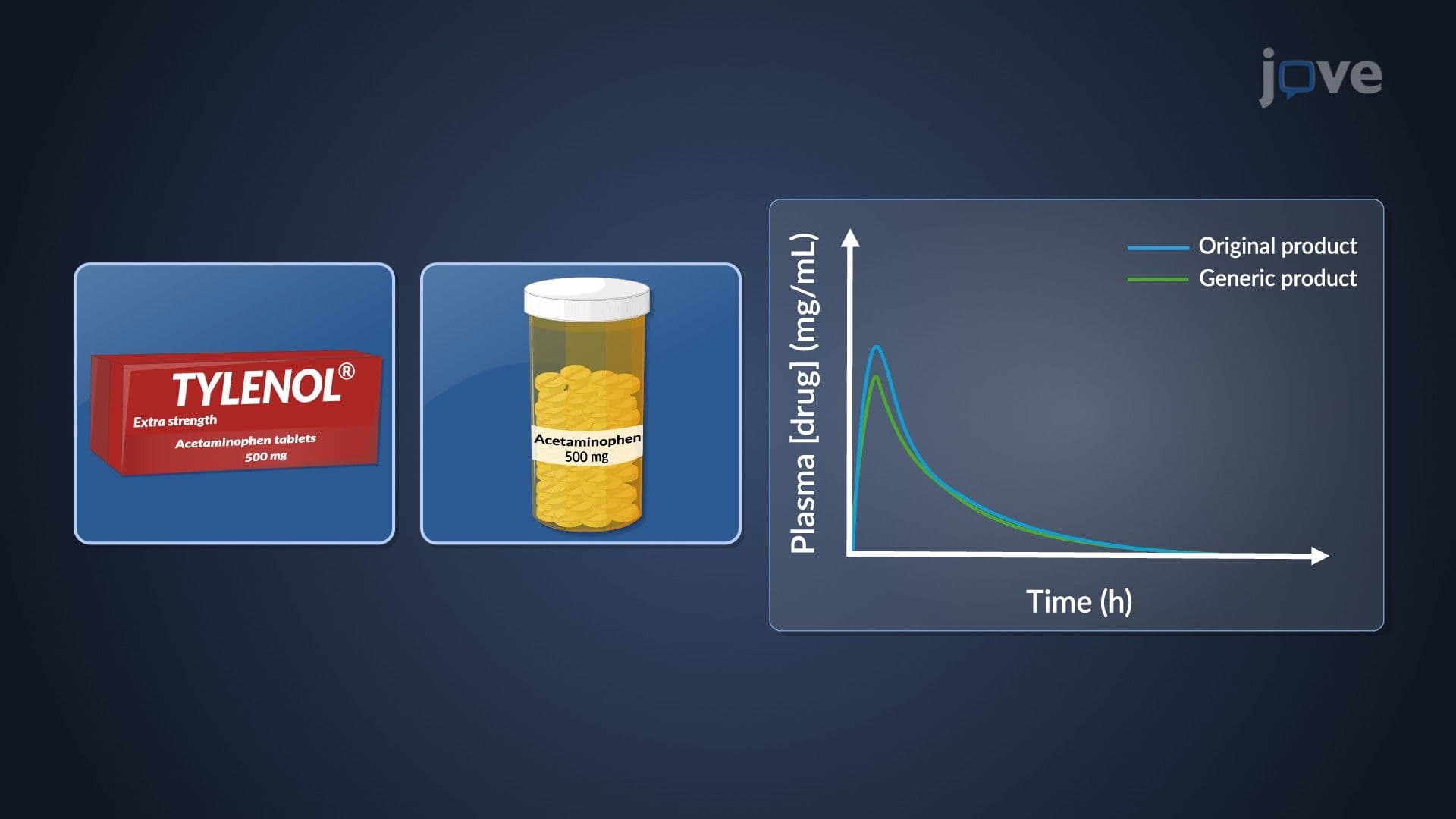
The Food and Drug Administration (FDA) has established rigorous criteria for determining pharmaceutical equivalence. Generic drugs must demonstrate bioequivalence to their reference listed drug (RLD) through comprehensive testing protocols. This includes meeting compendial standards outlined in the United States Pharmacopeia (USP) for critical parameters such as potency, content uniformity, disintegration time, and dissolution rate. For students preparing for the MCAT or pharmacy school entrance exams, understanding these regulatory pathways is essential, as questions frequently appear regarding drug approval processes and therapeutic equivalence.
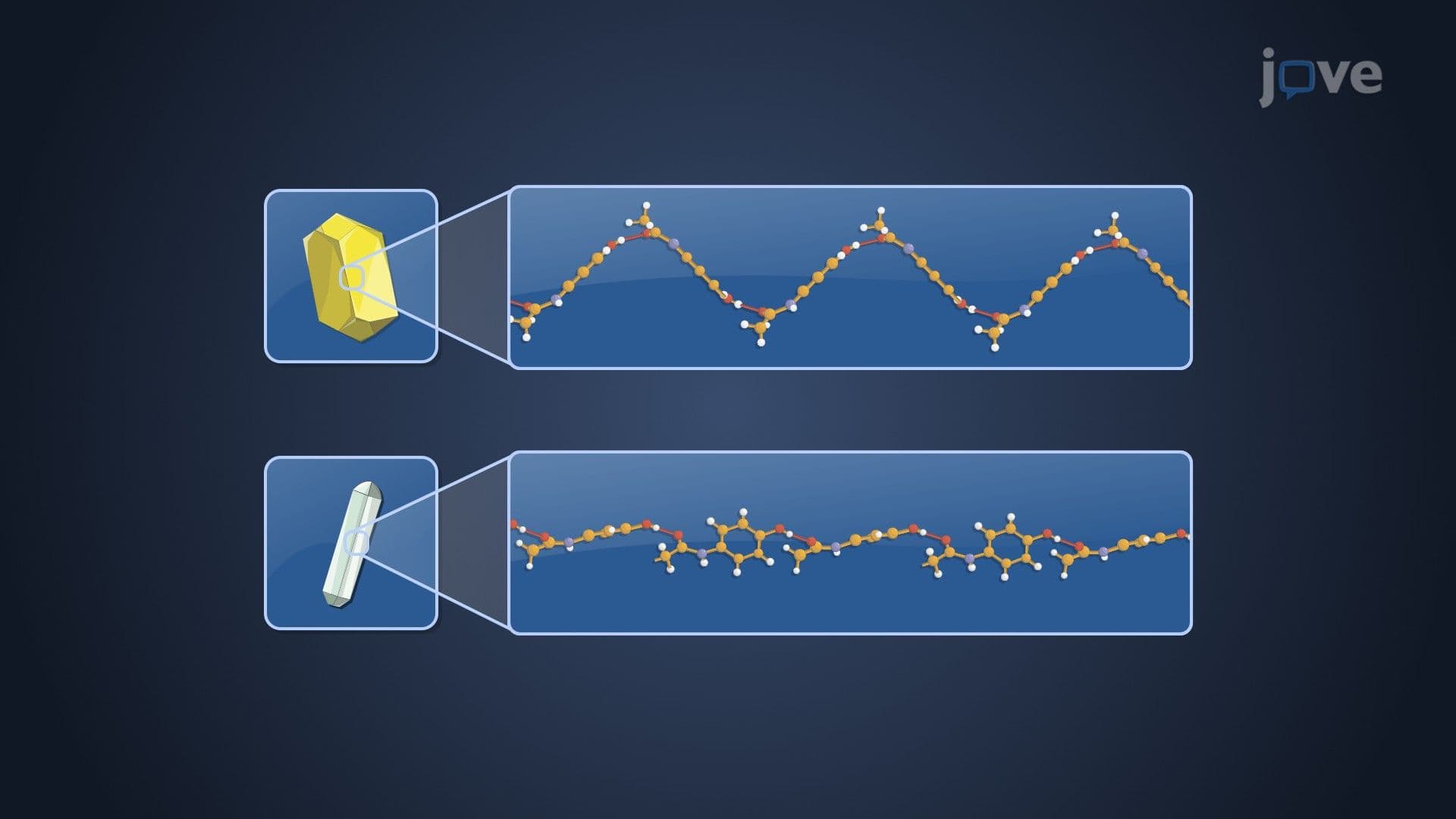
The active pharmaceutical ingredient (API) serves as the cornerstone of pharmaceutical equivalence. However, equivalence extends beyond simply matching API quantities. Factors such as particle size distribution, polymorphic forms, and stereochemistry significantly impact drug performance. For example, different crystal forms of the same API can exhibit varying dissolution rates, potentially affecting bioavailability. This concept frequently appears in AP Chemistry and college-level pharmaceutical chemistry courses, where students must understand how molecular structure influences drug behavior.
While pharmaceutical equivalents must contain identical APIs in the same amounts, they may differ in excipients-inactive ingredients that serve as carriers, binders, or preservatives. These differences can affect factors like tablet color, taste, or stability without compromising therapeutic equivalence. Manufacturing processes also play a crucial role, as different production methods can influence drug release profiles. For USMLE Step 1 preparation, understanding how excipients and manufacturing variables affect drug formulation helps students answer questions about generic drug substitution and clinical equivalence.
Related Micro-courses