Loading subject page…

1,074 views

Video Summary: Bioavailability Enhancement Drug Permeability Enhancement Explained
Did you know that up to 40% of newly developed drugs fail clinical trials simply because the human body can't absorb them effectively? Bioavailability enhancement drug permeability becomes crucial when oral medications struggle to cross intestinal barriers-like how aspirin manufacturers coat tablets to improve absorption rates in patients. Bioavailability Enhancement Drug Permeability Enhancement Explained reveals three proven strategies that pharmaceutical companies use to solve this absorption challenge. Watch the full video on JoVE Coach to master this concept with expert-led visuals and step-by-step explanations.
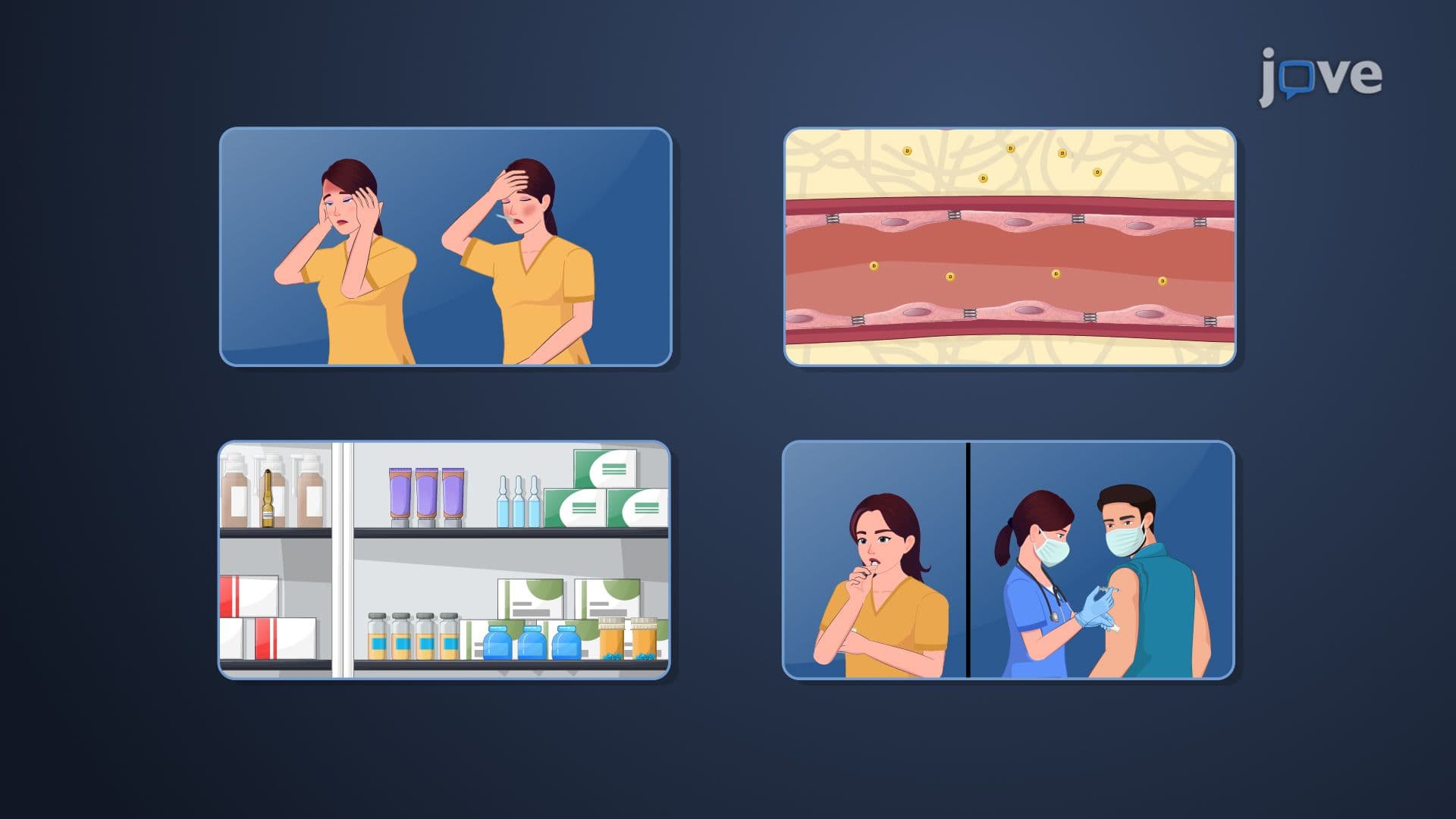
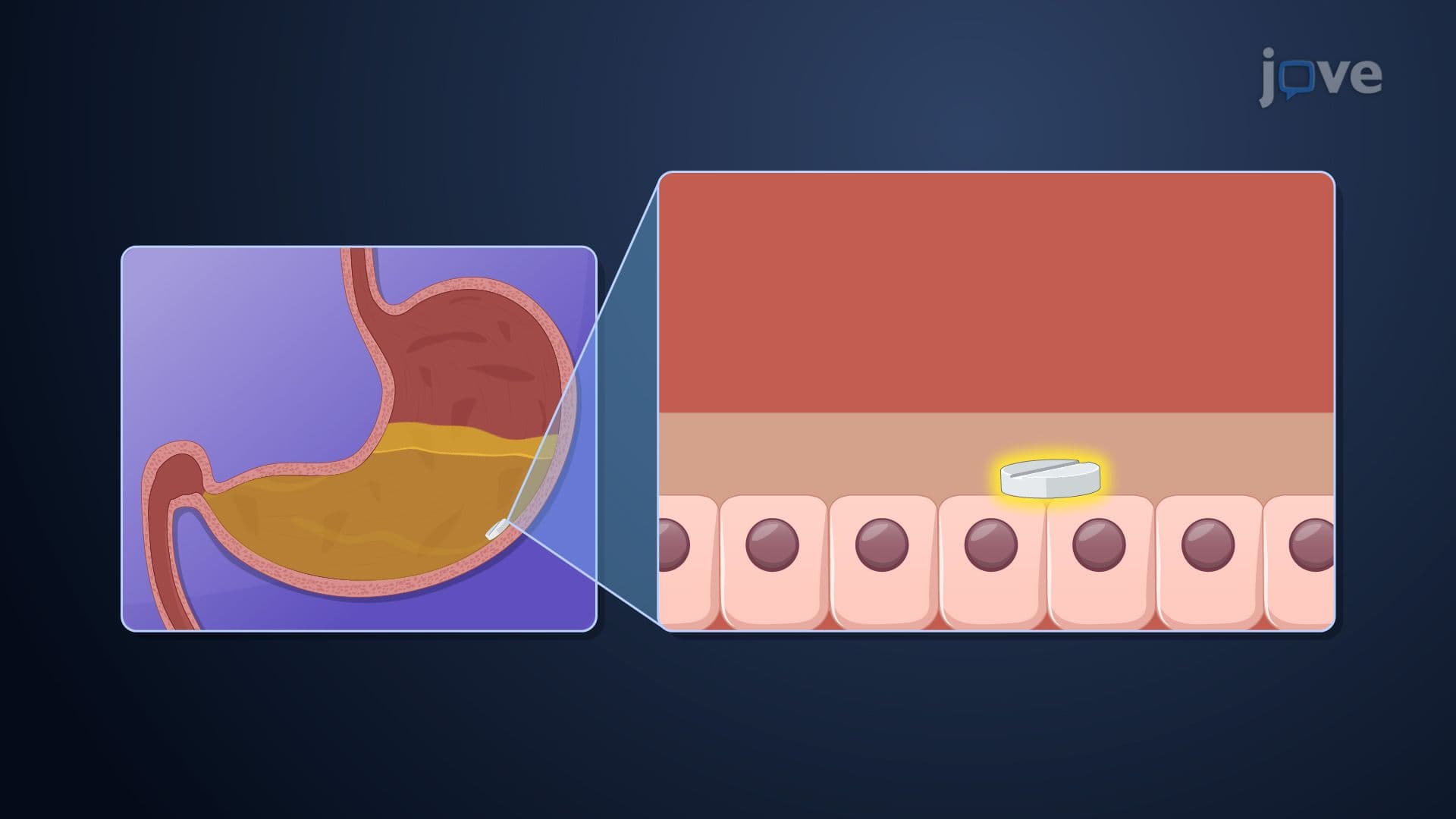
When patients swallow medications, the journey from tablet to therapeutic effect involves a critical bottleneck: drug absorption through intestinal walls. Many promising pharmaceutical compounds exhibit excellent activity in laboratory settings but fail to reach systemic circulation effectively after oral administration. This challenge has driven pharmaceutical scientists to develop sophisticated enhancement strategies that fundamentally alter how drugs interact with biological membranes.
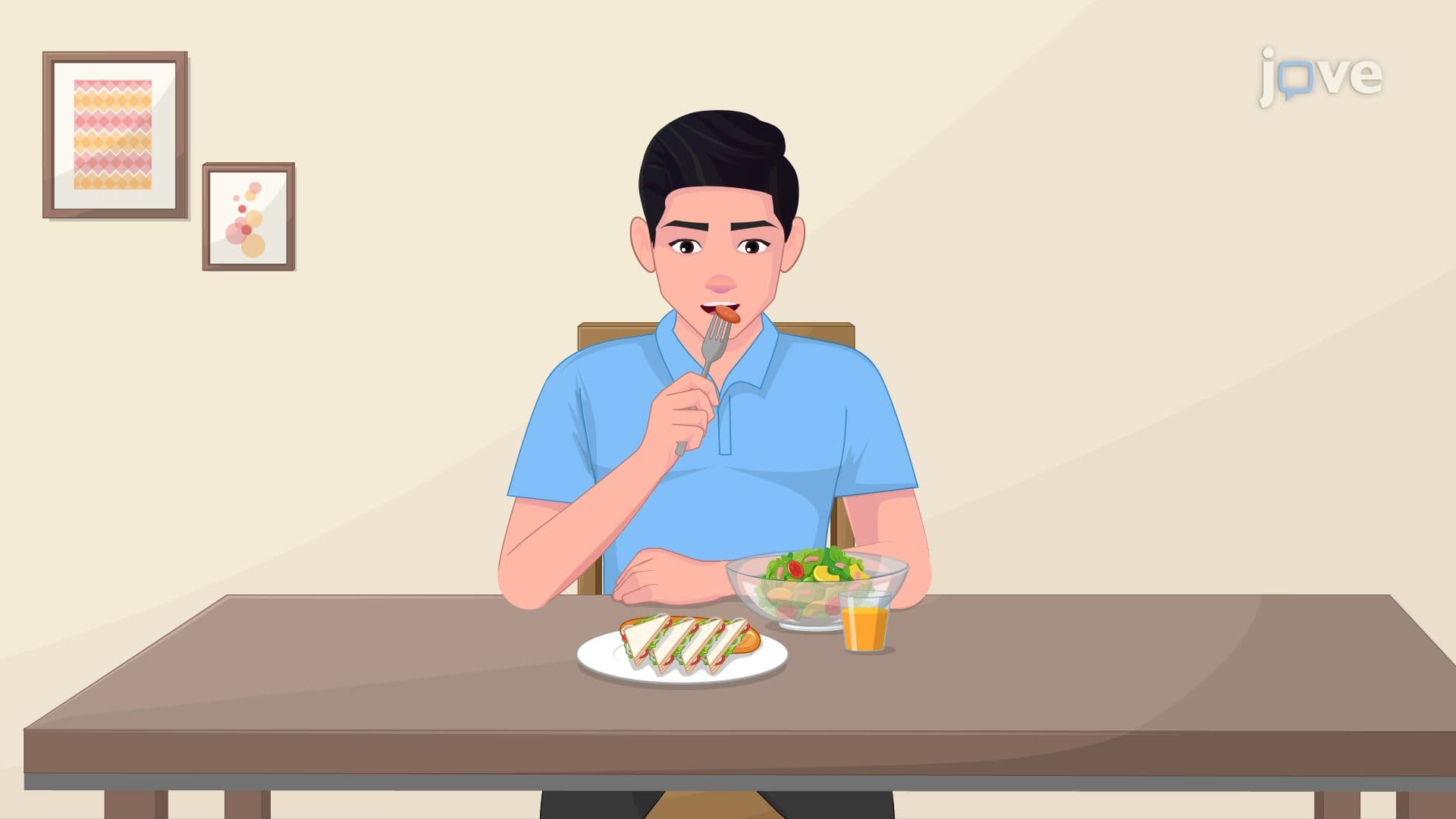
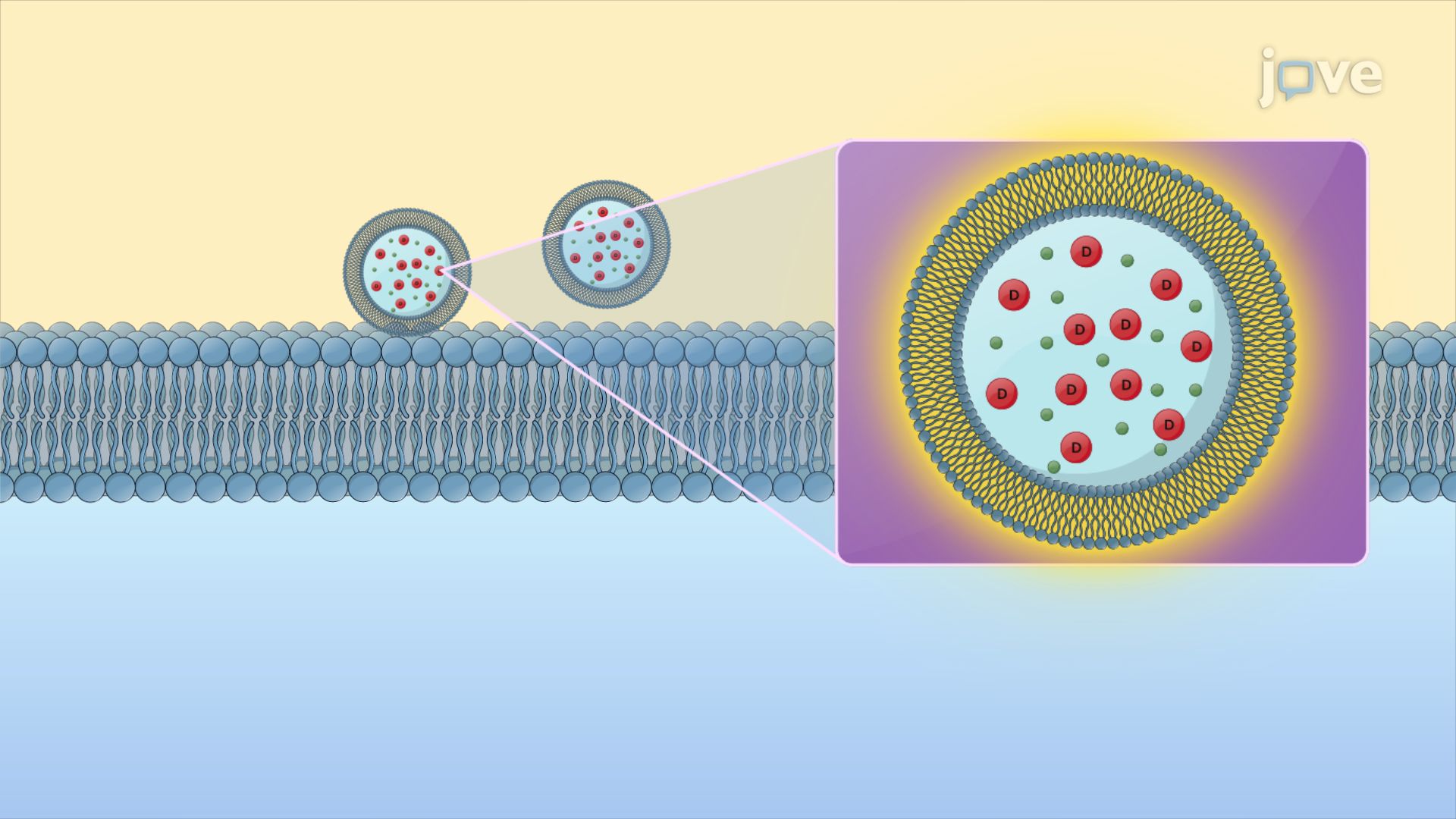
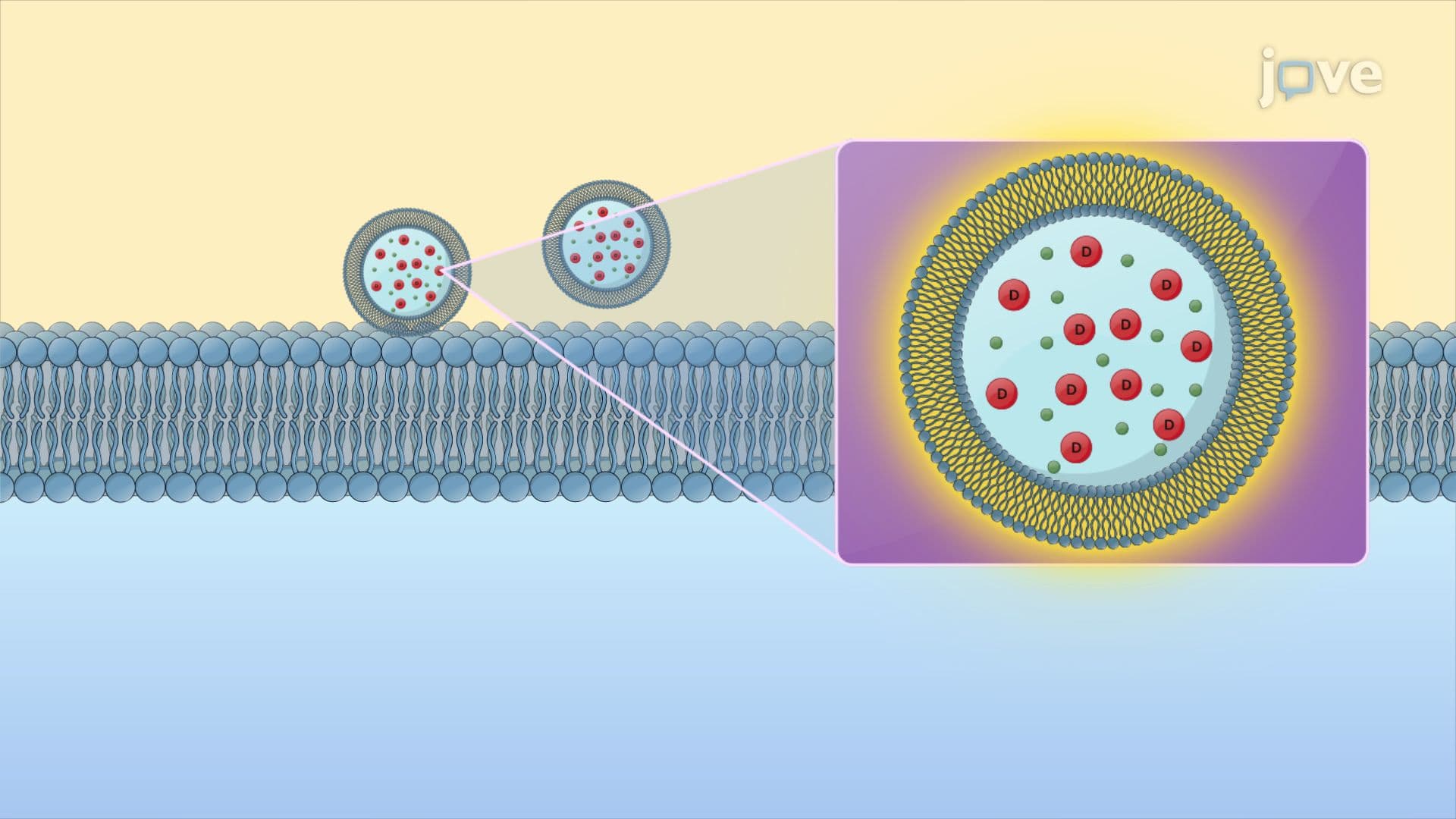
Lipid-based drug delivery systems represent the most versatile approach to permeability enhancement. These formulations work by mimicking the body's natural fat digestion processes. When you consume dietary fats, your body releases bile salts and activates specific transport pathways-lipid formulations exploit these same mechanisms.
For example, the HIV medication ritonavir originally suffered from extremely poor bioavailability until reformulated as a lipid-based capsule, dramatically improving patient outcomes. Modern lipid systems include self-emulsifying drug delivery systems (SEDDS) used in medications like cyclosporine (Neoral), which demonstrates how pharmaceutical companies successfully translate laboratory concepts into FDA-approved therapies.
These systems offer multiple advantages: sustained drug release that reduces dosing frequency, decreased gastrointestinal toxicity through gentler absorption pathways, and enhanced lymphatic uptake that bypasses first-pass liver metabolism. Students preparing for the MCAT should understand that lymphatic transport particularly benefits large molecular weight drugs and fat-soluble vitamins.
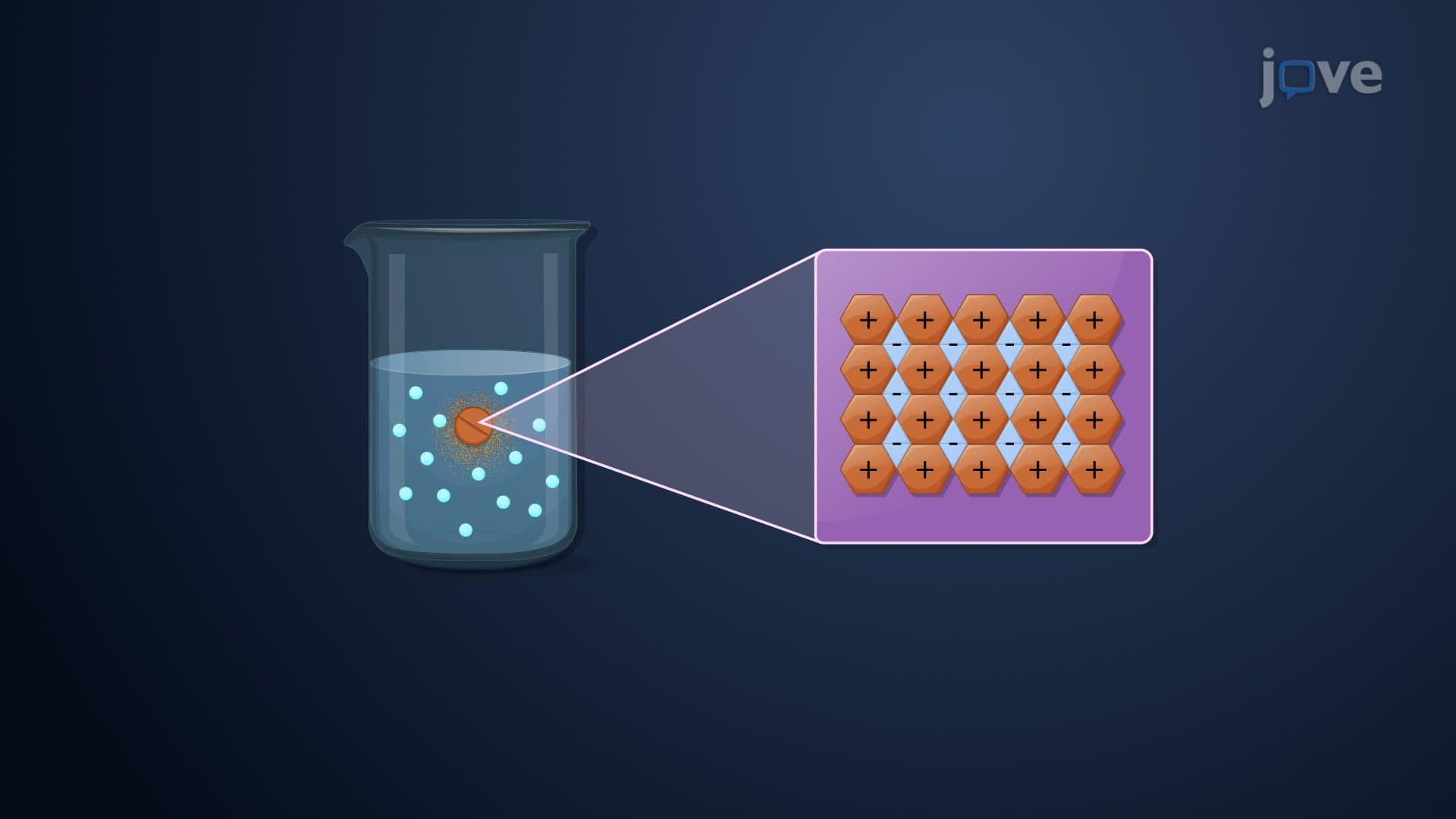
Ion pairing represents an elegant chemical solution where hydrophilic (water-loving) drugs are temporarily paired with lipophilic (fat-loving) counterions. This creates a neutral complex that readily crosses lipid membranes before dissociating to release the active drug. The beta-blocker atenolol exemplifies this approach-originally showing poor absorption, ion pairing significantly improved its therapeutic availability.
Penetration enhancers work through direct membrane interaction, temporarily disrupting the organized structure of phospholipid bilayers. EDTA chelates metal ions that maintain membrane integrity, while oleic acid inserts between phospholipid molecules, creating transient channels for drug passage. These enhancers must balance effectiveness with safety, as excessive membrane disruption could cause cellular damage.
Understanding these concepts proves essential for AP Biology students studying membrane transport and college-level pharmacology courses. USMLE Step 1 frequently tests bioavailability concepts, particularly regarding drug absorption mechanisms and factors affecting therapeutic effectiveness. Pharmacy students must master these principles for licensing examinations and clinical practice, where selecting appropriate formulation strategies directly impacts patient care outcomes.
Related Micro-courses