Loading subject page…

1,074 views

Video Summary: Bioavailability Study Design Absolute Versus Explained
Did you know that when the FDA approved generic versions of the heart medication digoxin, bioavailability study design absolute versus explained concepts became crucial for patient safety? Understanding absolute bioavailability helps researchers determine exactly how much of an oral drug like acetaminophen actually reaches your bloodstream compared to an IV injection. This fundamental pharmacokinetic principle, known as bioavailability study design absolute versus explained, forms the backbone of drug approval processes at the FDA and ensures generic medications work as effectively as brand-name drugs. Watch the full video on JoVE Coach to master this concept with expert-led visuals and step-by-step explanations.
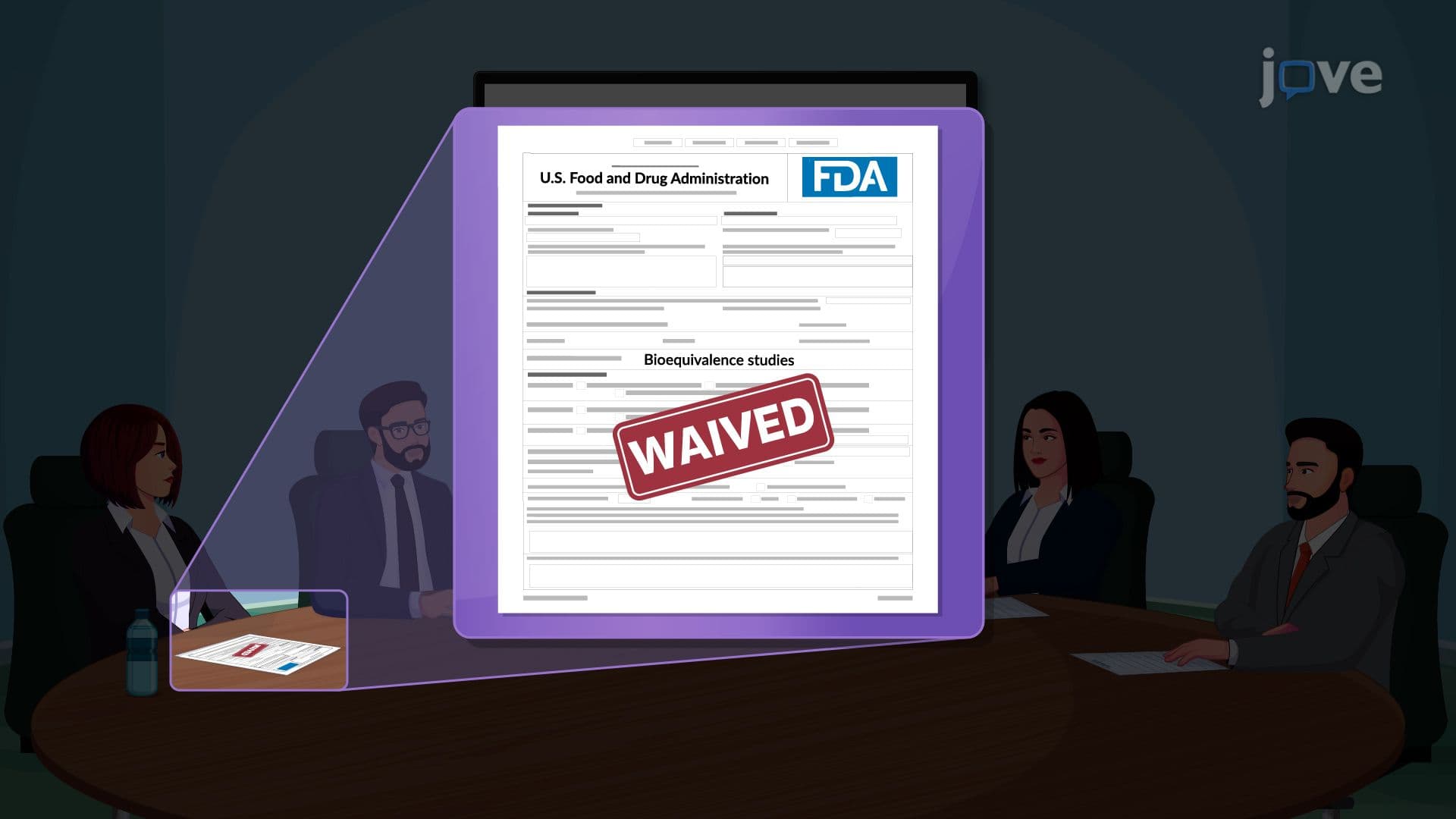
Bioavailability represents one of the most critical concepts in pharmacokinetics, directly impacting how effectively medications work in patients. When pharmaceutical companies develop new drugs or generic formulations, they must prove to the FDA that their products deliver adequate amounts of active ingredient to the bloodstream. This process relies heavily on understanding the distinction between absolute and relative bioavailability studies.
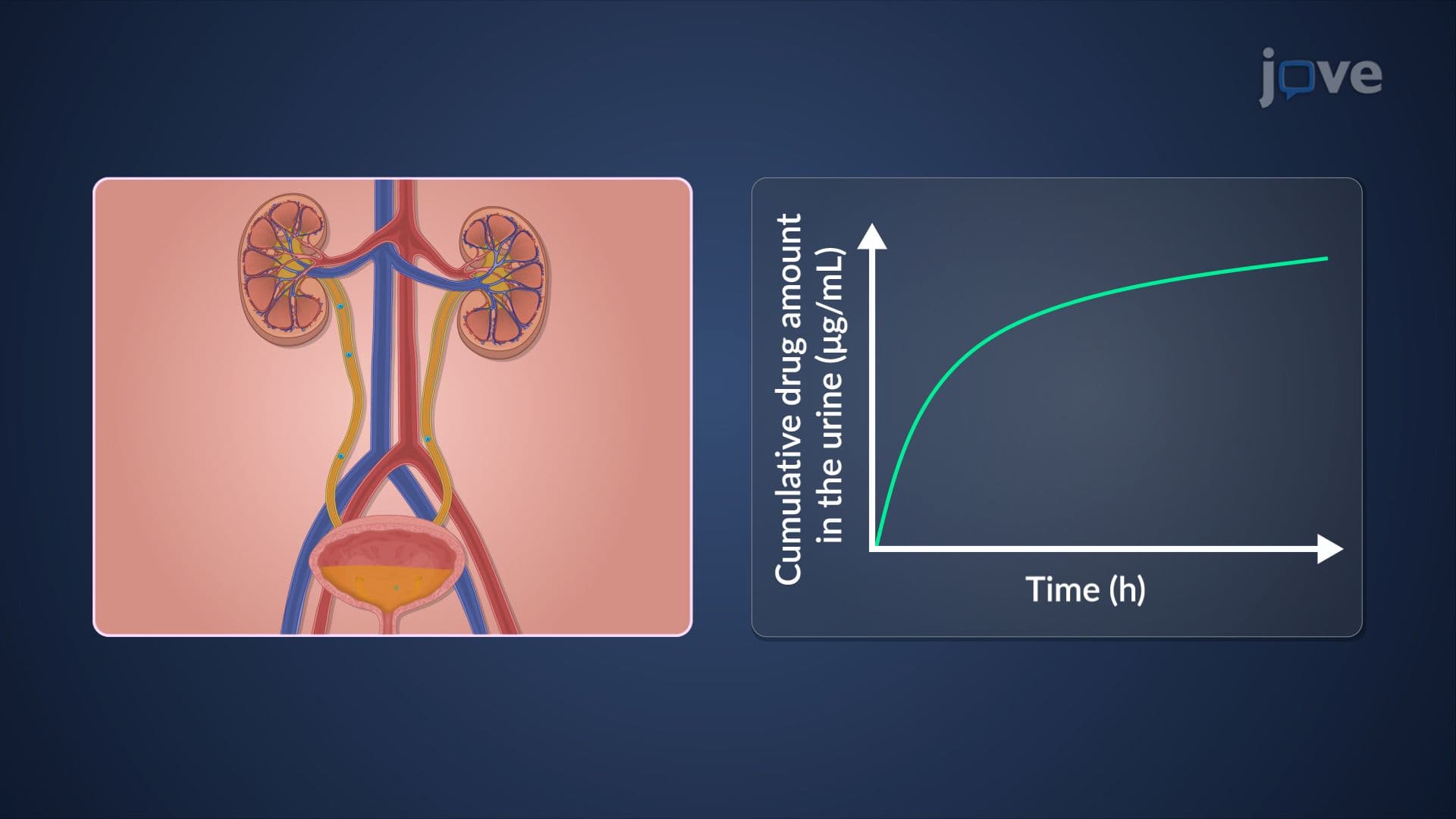
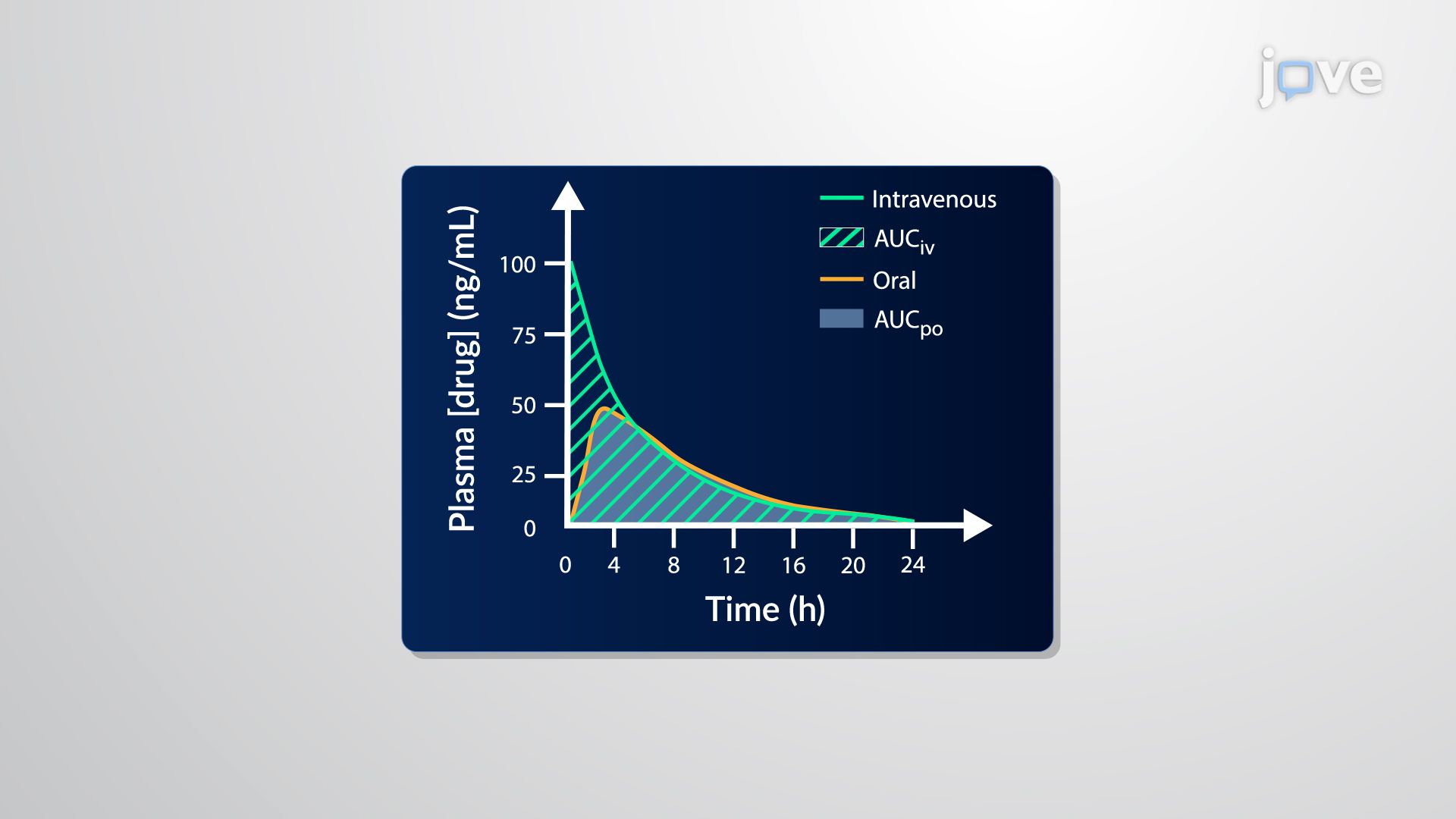
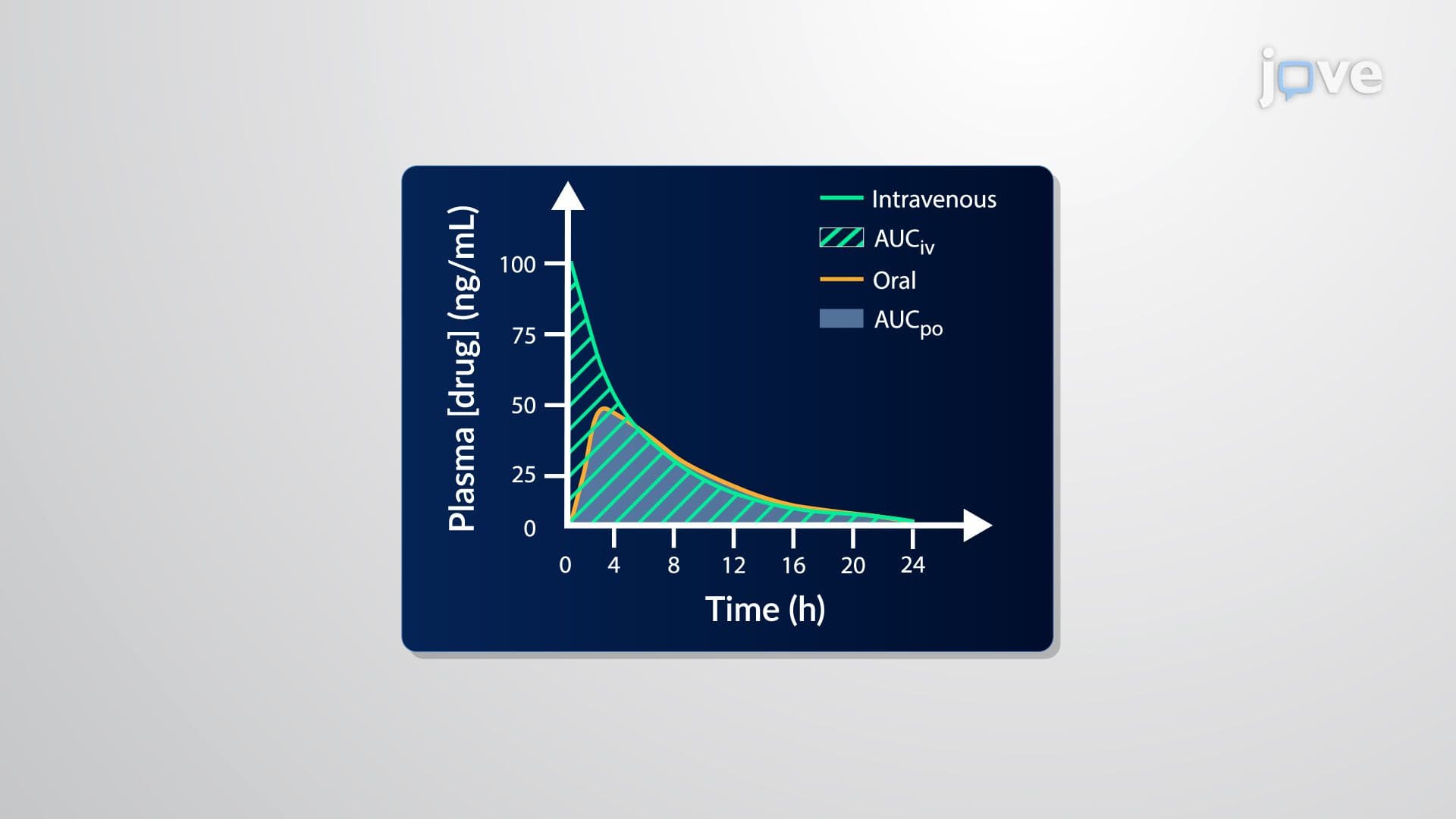
Absolute bioavailability measures what fraction of an orally administered drug actually reaches systemic circulation compared to intravenous administration. Since IV injection bypasses absorption barriers and delivers 100% of the drug directly to blood circulation, it serves as the reference point. The calculation involves comparing dose-corrected area under the curve (AUC) values: F(abs) = (AUC(oral) × Dose(IV)) / (AUC(IV) × Dose(oral)).
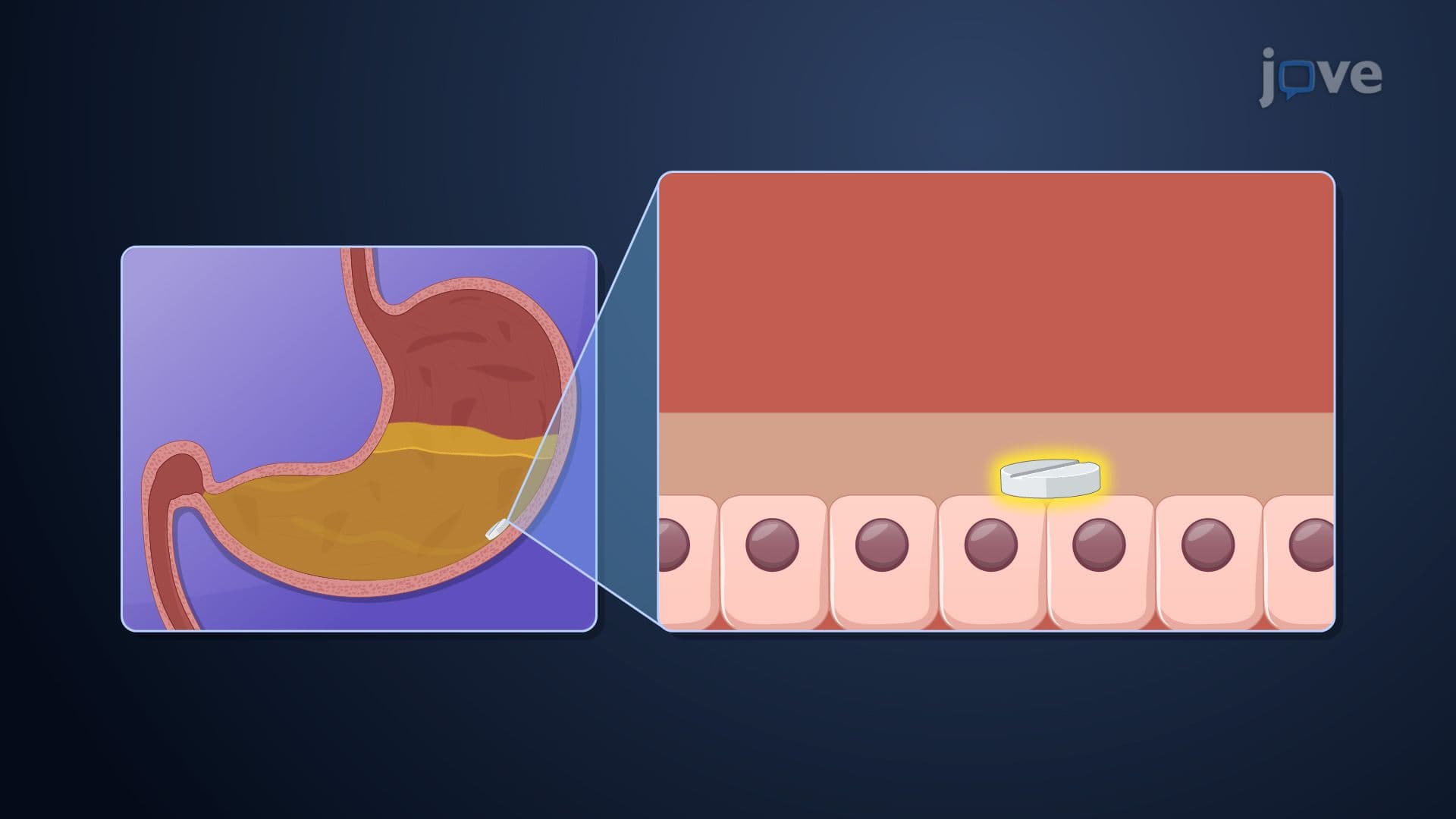
Consider aspirin as a practical example. When you take a 325mg aspirin tablet, not all of that medication reaches your bloodstream due to factors like stomach acid degradation and first-pass liver metabolism. If studies show aspirin has 80% absolute bioavailability, only 260mg of the original 325mg dose actually enters systemic circulation to provide therapeutic effects.
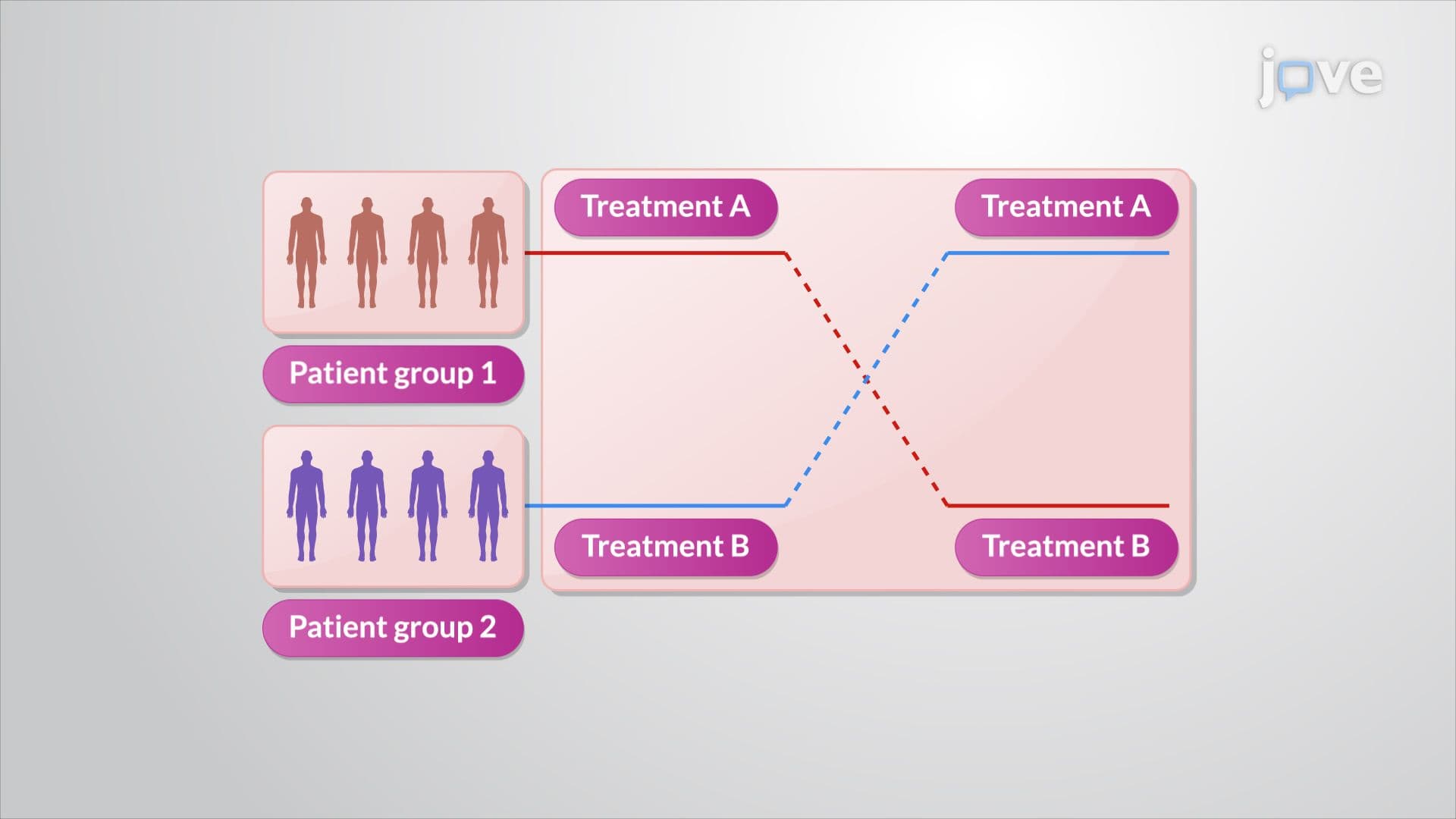
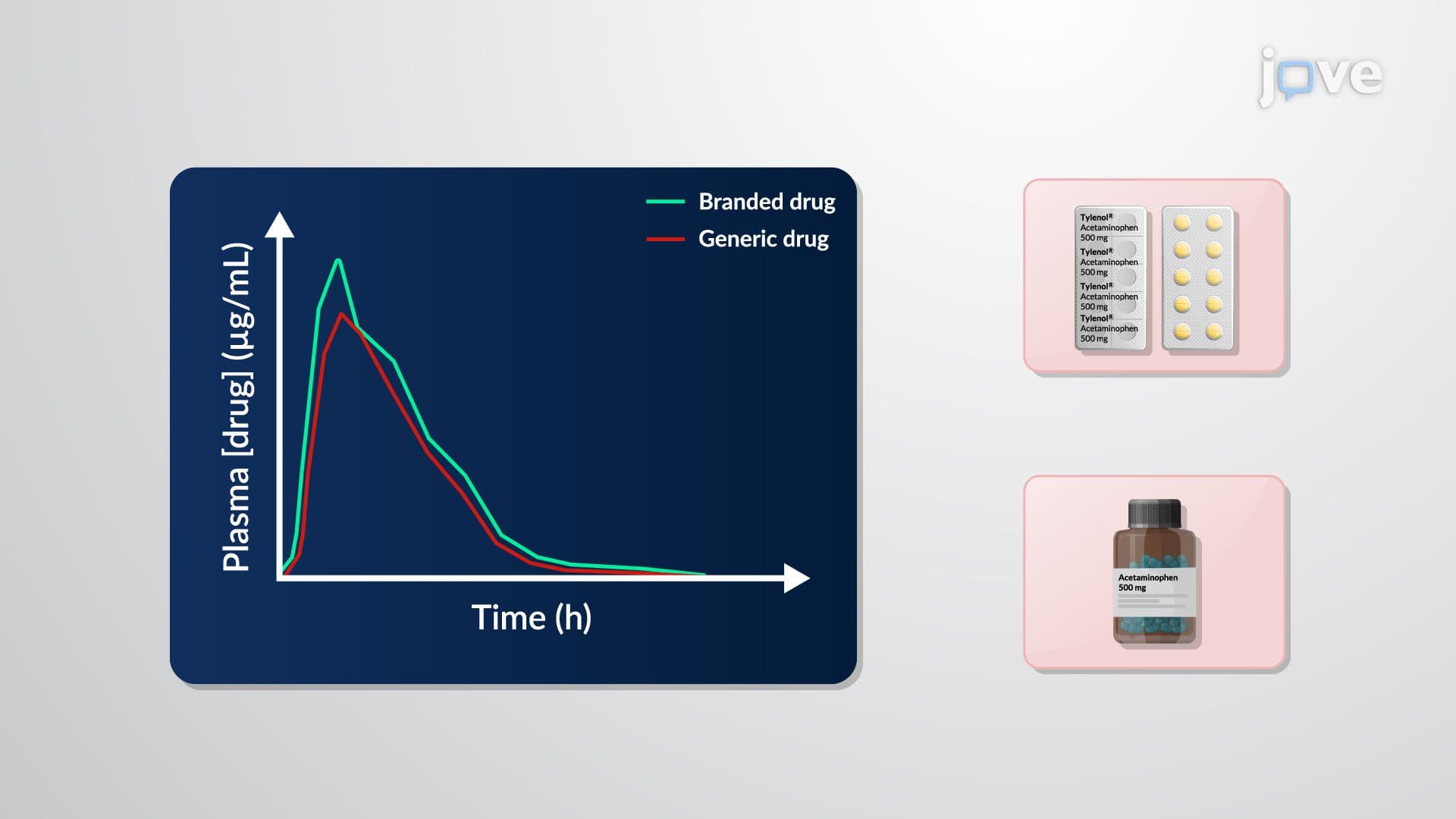
Relative bioavailability studies compare different formulations of the same drug without requiring IV administration. These studies prove essential for generic drug approval through the FDA's Abbreviated New Drug Application process. The calculation compares AUC values between test and reference formulations: F(rel) = AUC(test) / AUC(reference).
Major pharmaceutical companies like Teva and Mylan regularly conduct relative bioavailability studies to demonstrate their generic versions achieve similar blood levels as brand-name drugs. For instance, generic versions of Lipitor (atorvastatin) must show bioequivalence within 80-125% of the original formulation's AUC values.
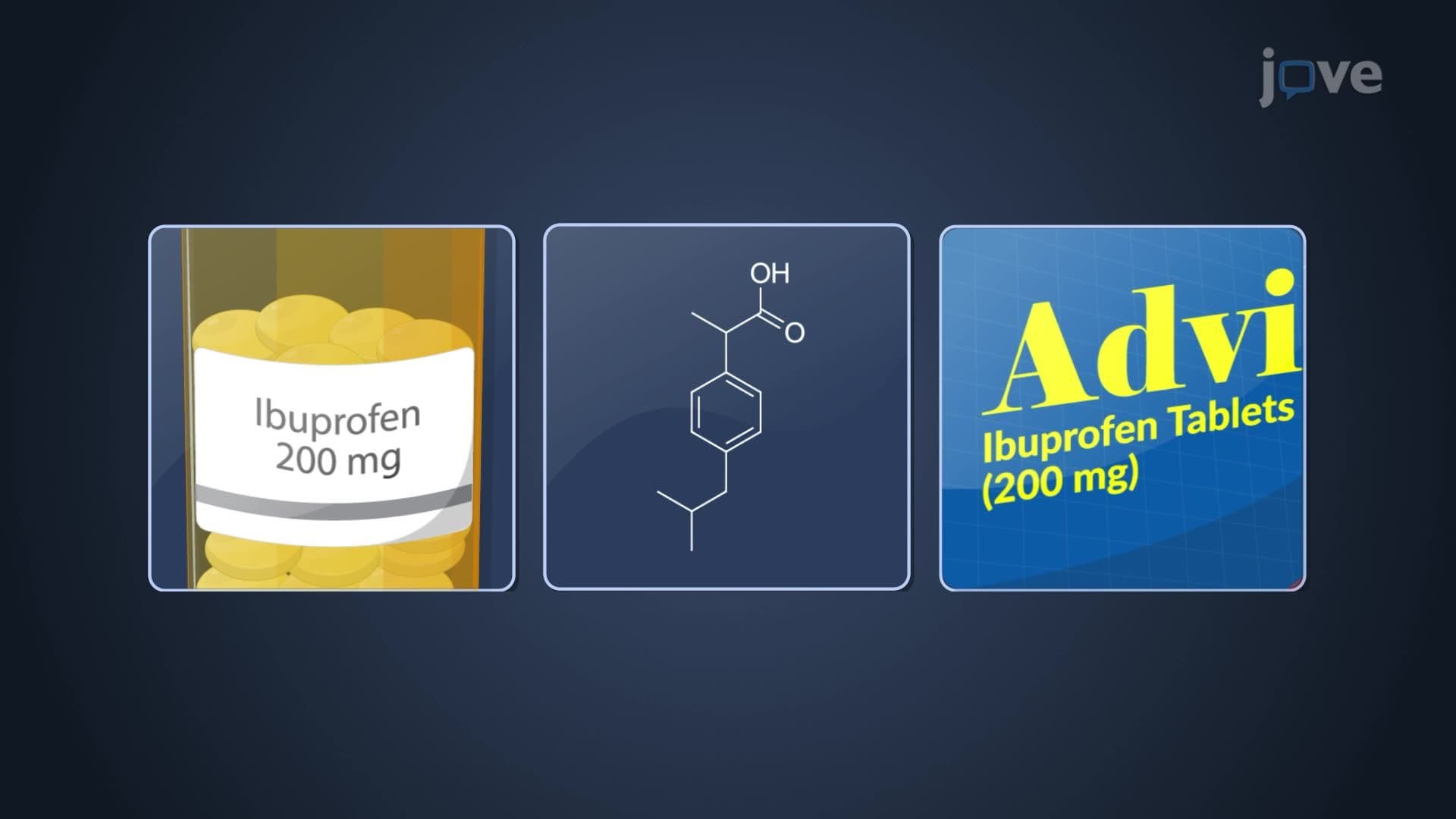
These studies extend beyond basic drug approval to characterize food effects and drug interactions. The FDA requires food-effect studies for most oral medications to determine whether patients should take drugs with or without meals. For example, some antibiotics like tetracycline show decreased bioavailability when taken with dairy products, while others like ibuprofen may show enhanced absorption with food.
Understanding bioavailability concepts proves valuable for students preparing for MCAT pharmacology sections, pharmacy school entrance exams, and college-level pharmacokinetics courses. These principles also appear in AP Chemistry contexts when discussing reaction rates and molecular interactions.
Related Micro-courses