Loading subject page…

1,074 views

Video Summary: Bioavailability Enhancement Drug Solubility Enhancement Explained
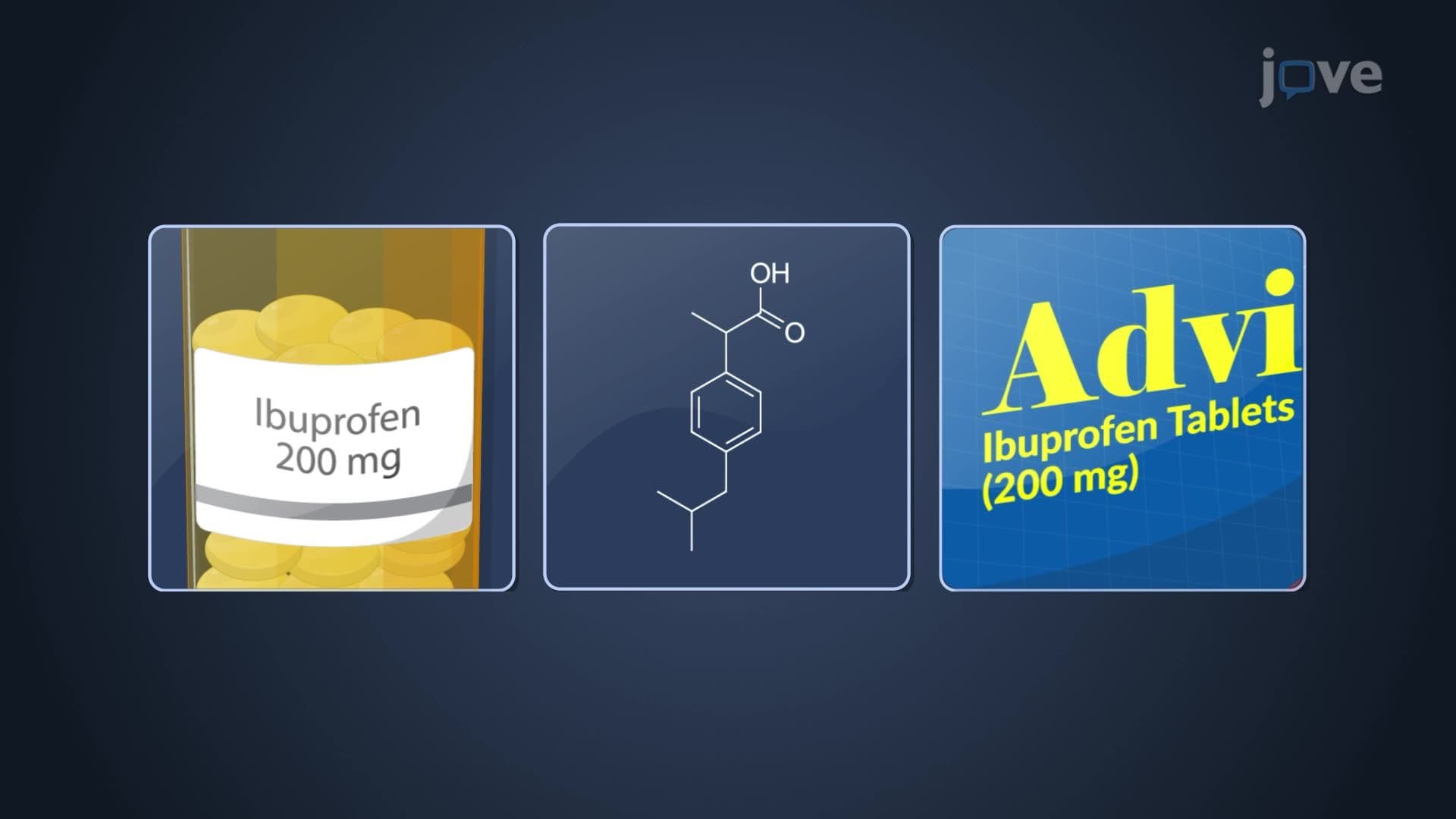
Ever wonder why some medications work faster than others? The secret lies in bioavailability enhancement drug solubility, the pharmaceutical science behind making drugs more effective in your body. When the FDA approves a new medication like Advil's liquid gel capsules, they're leveraging advanced solubility techniques to ensure faster pain relief compared to traditional tablets. Understanding Bioavailability Enhancement Drug Solubility Enhancement Explained reveals how pharmaceutical companies transform poorly soluble compounds into life-saving medications. Watch the full video on JoVE Coach to master this concept with expert-led visuals and step-by-step explanations.
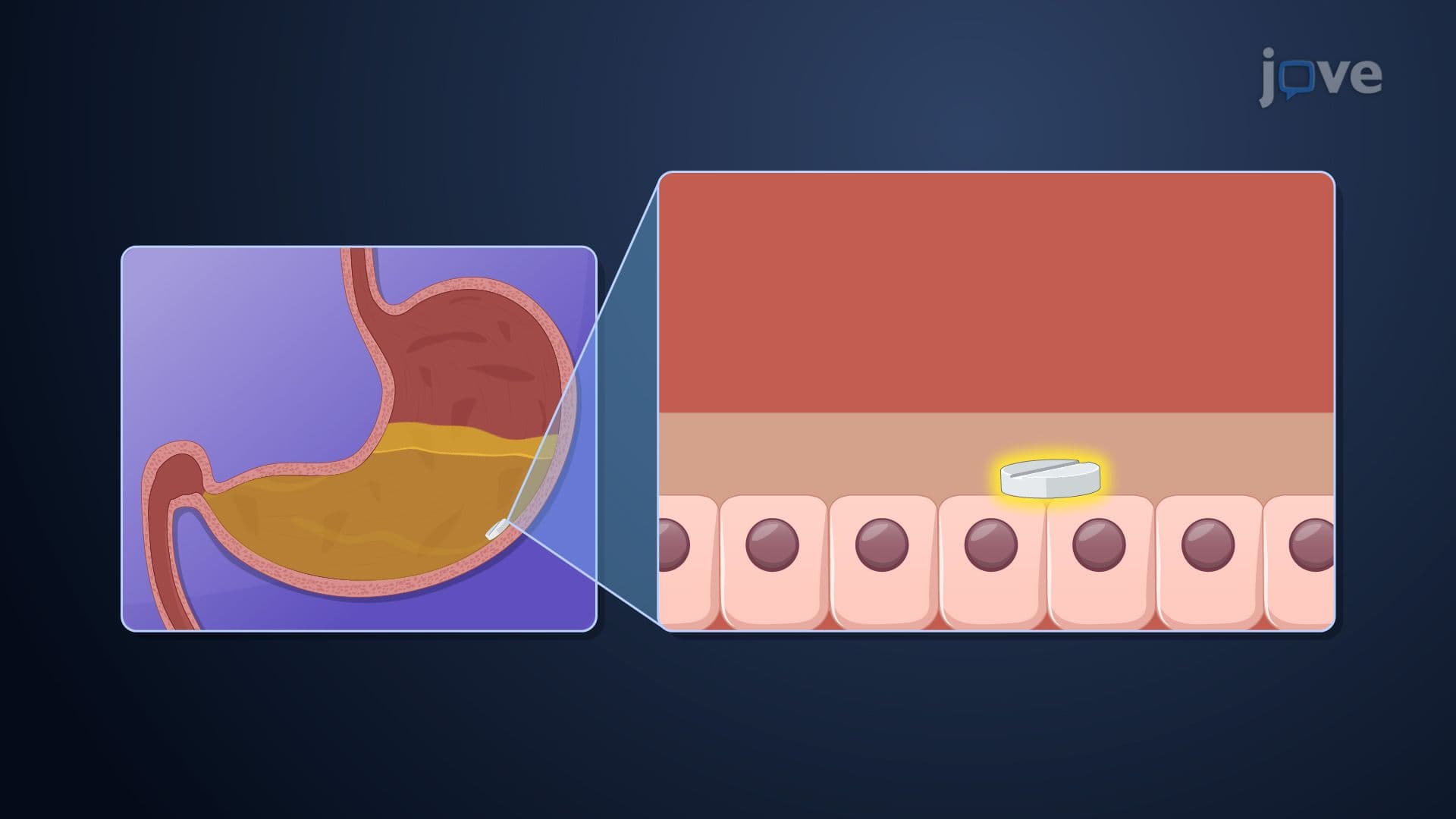
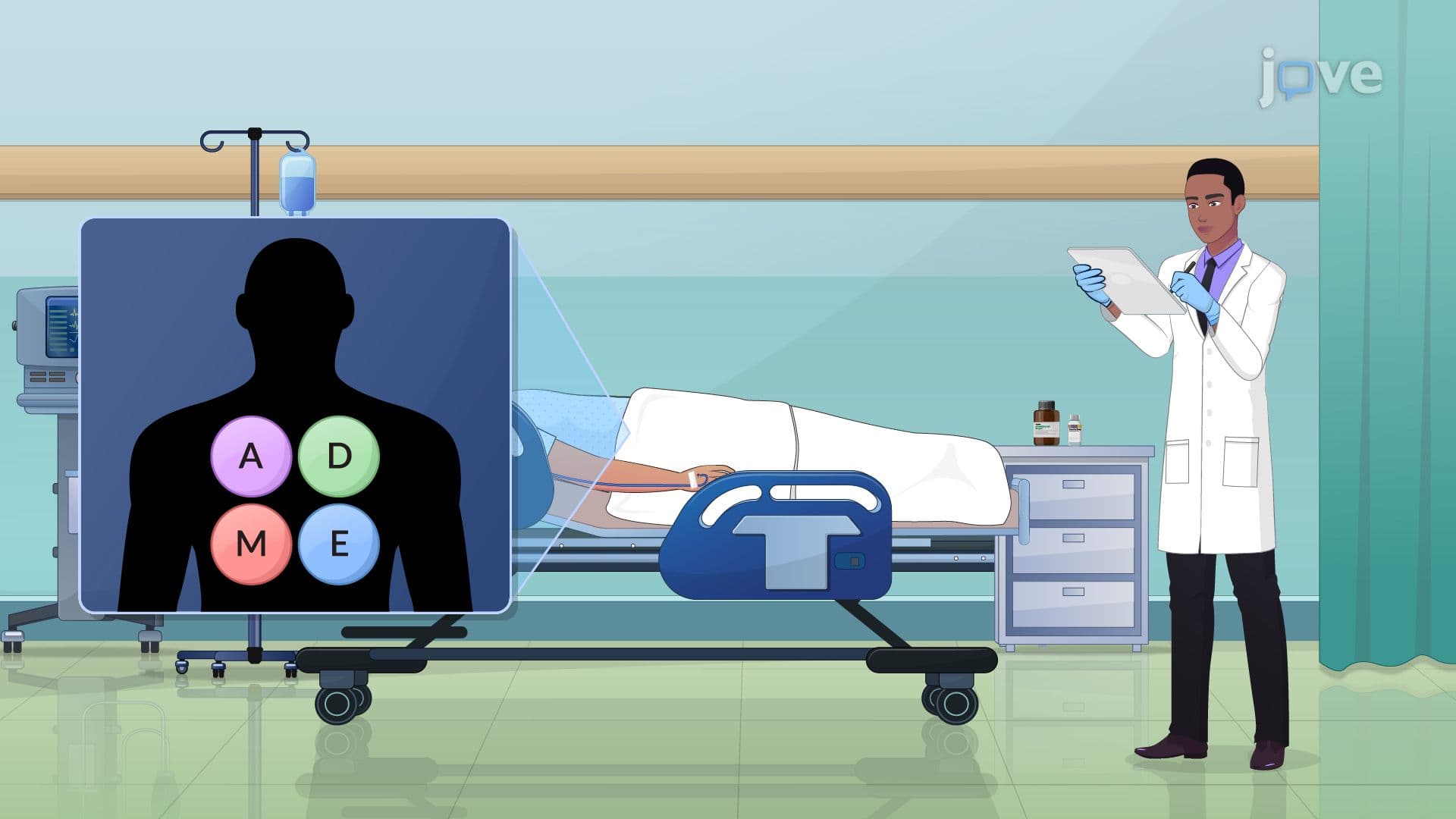
Bioavailability enhancement represents one of the most critical challenges in modern pharmaceutical science. When a drug enters your body, it must dissolve before it can be absorbed and produce therapeutic effects. Poor solubility often means reduced effectiveness, a problem that affects nearly 40% of marketed drugs and up to 90% of compounds in pharmaceutical development pipelines.
The relationship between particle size and dissolution rate follows the Noyes-Whitney equation, where smaller particles provide greater surface area for dissolution. Micronization reduces drug particles to less than 10 microns, while nanonization achieves sizes between 200-600 nanometers. These techniques dramatically increase the surface area available for dissolution.
Consider ibuprofen formulations: traditional tablets contain larger crystals that dissolve slowly, while liquid gel capsules use micronized particles suspended in oil, enabling faster absorption and quicker pain relief. Major pharmaceutical companies like Pfizer and Johnson & Johnson routinely employ these size-reduction techniques in blockbuster medications.
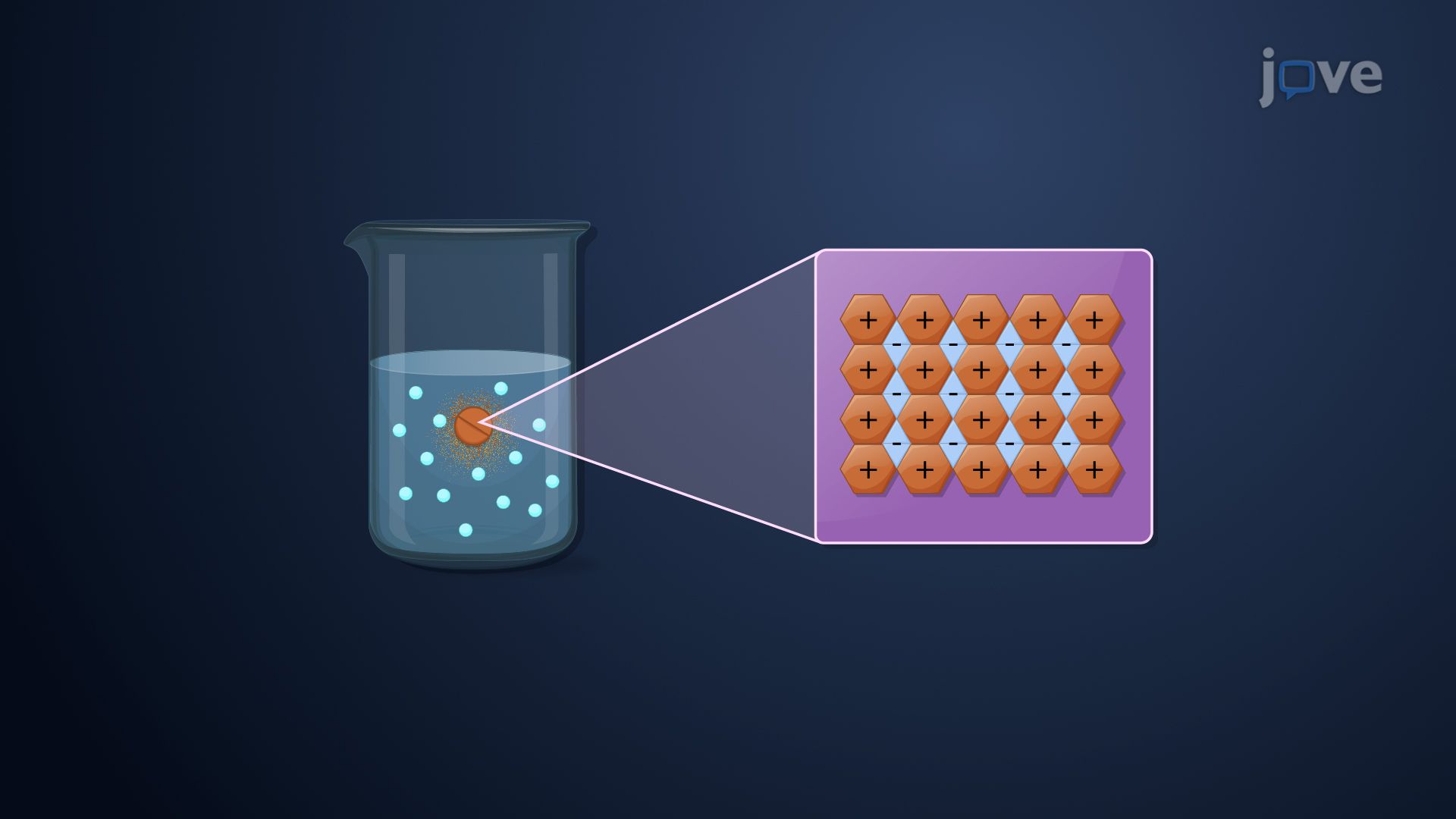
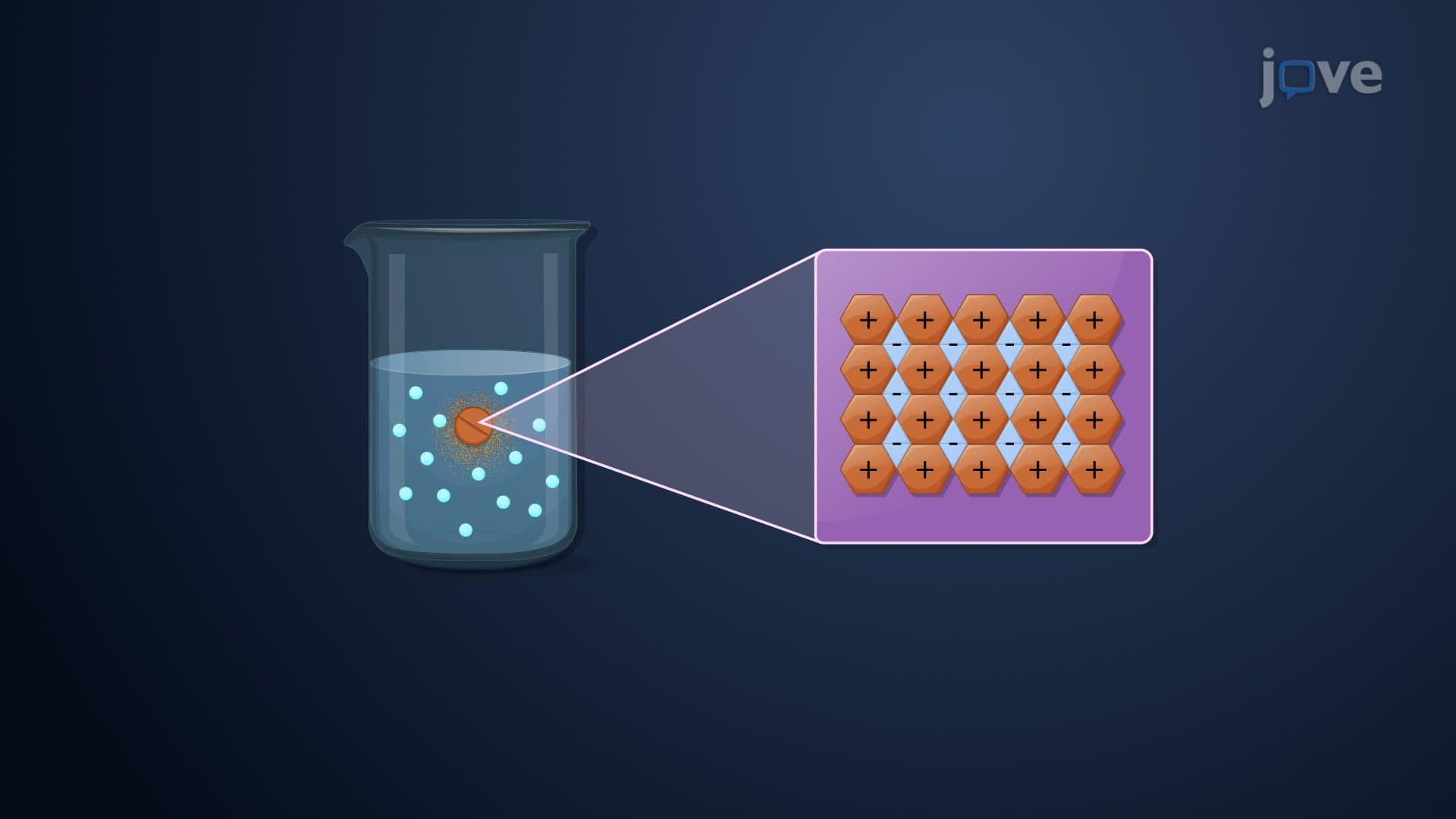
Converting drugs into salt forms represents another powerful strategy for solubility enhancement. Salt formation can increase solubility by orders of magnitude compared to the parent compound. For example, sodium salts typically demonstrate higher aqueous solubility than their corresponding free acids or bases.
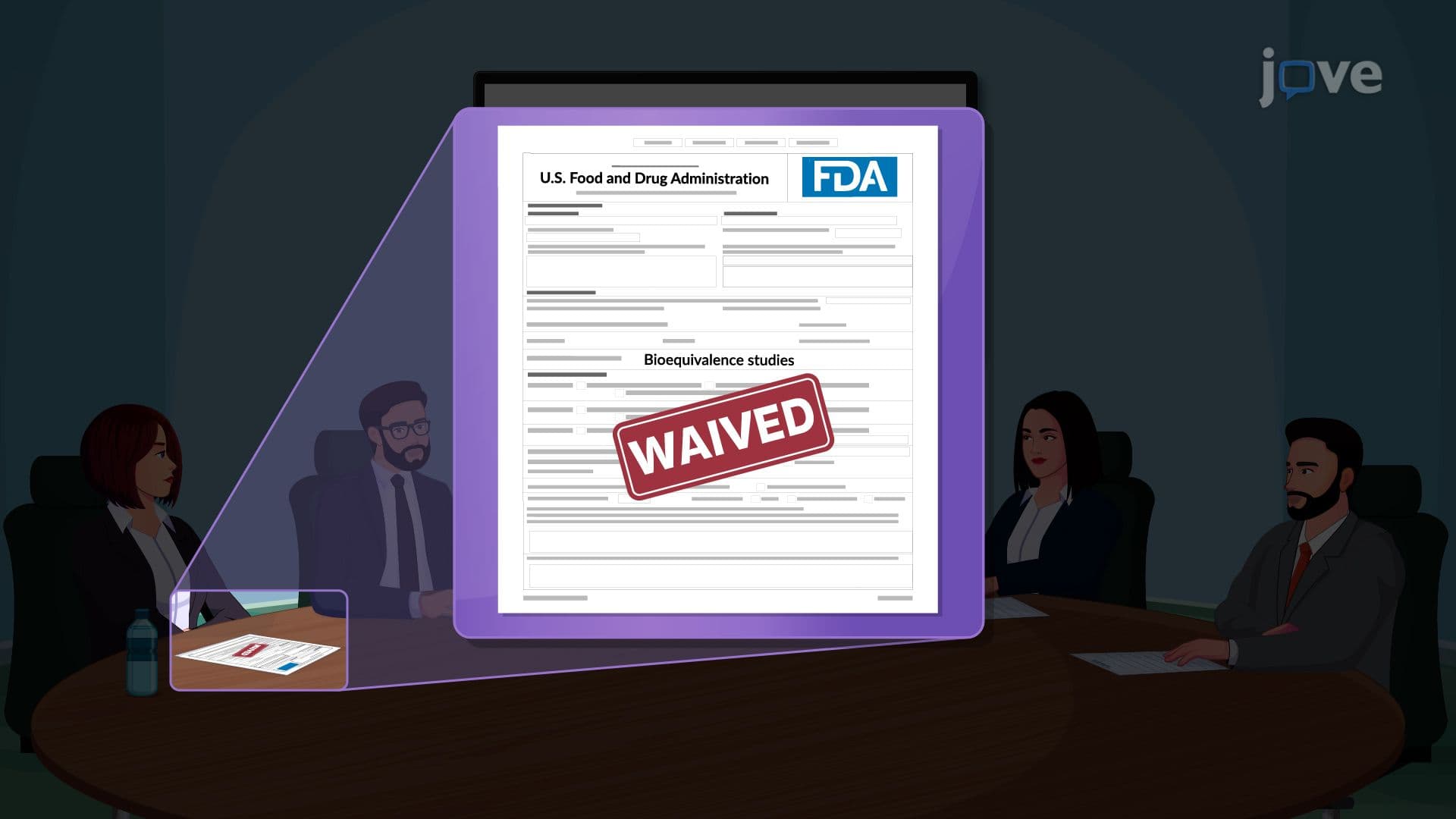
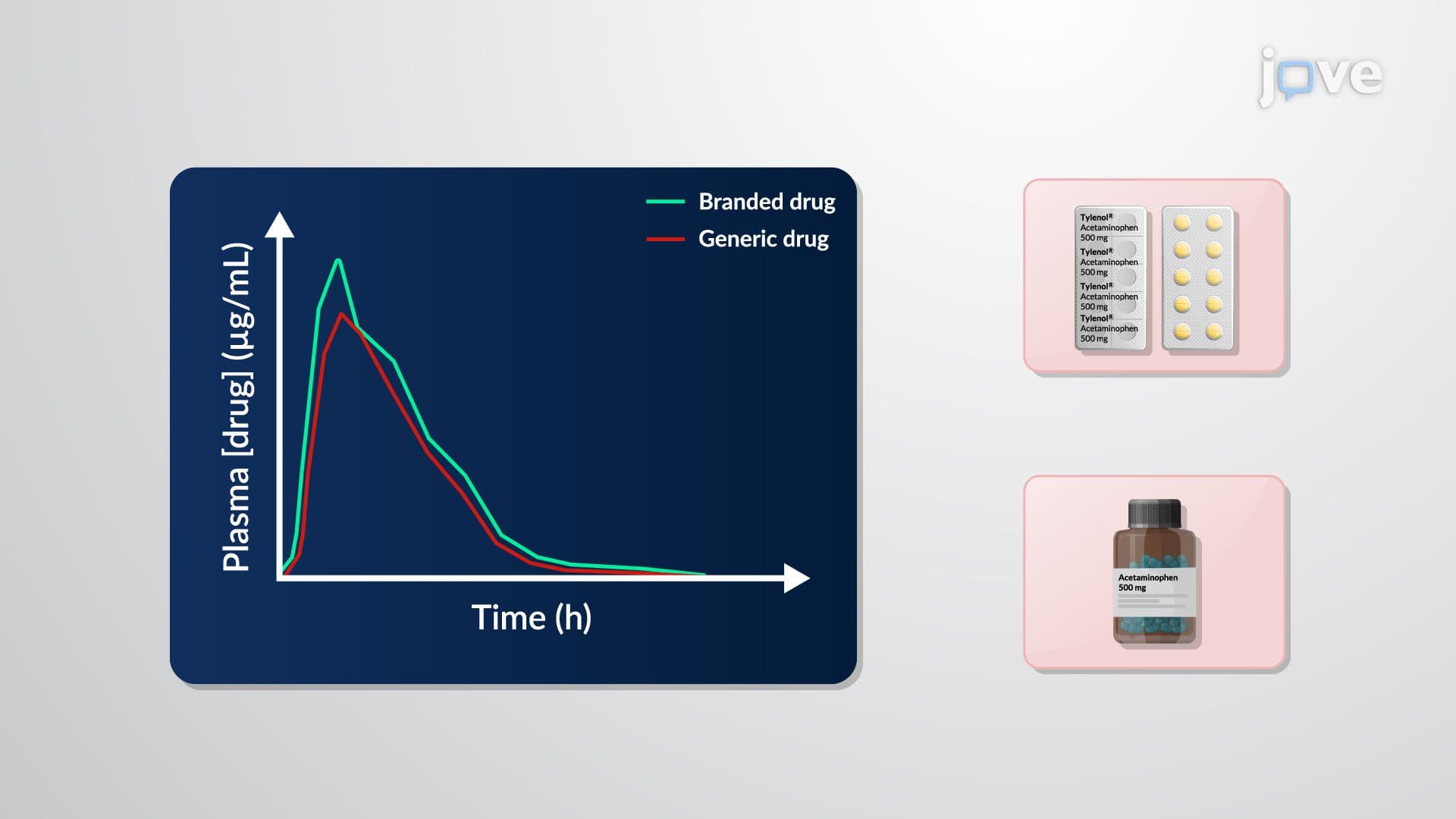
The selection between anhydrous and hydrated crystal forms also significantly impacts dissolution. Anhydrous forms generally exhibit higher solubility and dissolution rates because they lack the stabilizing water molecules found in hydrates. This principle guides formulation scientists when developing generic medications that must demonstrate bioequivalence to brand-name drugs.
Modern pharmaceutical development increasingly relies on solid dispersion technology, where poorly soluble drugs are dispersed within water-soluble polymer matrices like polyethylene glycol (PEG). This approach creates molecular-level mixing that prevents drug crystallization and maintains high dissolution rates.
These concepts frequently appear on the MCAT's Chemical and Physical Foundations section, where students must understand intermolecular forces affecting drug-polymer interactions. College-level pharmaceutical chemistry courses also emphasize these principles when discussing drug development and formulation science.
Related Micro-courses