Loading subject page…

1,074 views

Video Summary: Bioavailability Enhancement Drug Stability Enhancement Explained
Did you know that up to 90% of orally administered drugs can be destroyed in your stomach before reaching their target? Bioavailability enhancement drug stability techniques solve this critical problem by protecting medications during their journey through the digestive system. For instance, when patients take cyclosporin (an immunosuppressive drug used in organ transplants), co-administering it with erythromycin can dramatically improve how much active drug actually reaches the bloodstream. Bioavailability Enhancement Drug Stability Enhancement Explained covers polymer coatings, complexing agents, and gastro-retentive systems that ensure medications work effectively. Watch the full video on JoVE Coach to master this concept with expert-led visuals and step-by-step explanations.
Bioavailability enhancement drug stability enhancement represents a critical intersection of pharmaceutical science and clinical medicine. When medications enter the human body, they face a hostile environment filled with acidic gastric juices, digestive enzymes, and rapid transit times that can destroy or reduce drug effectiveness. The gastrointestinal tract, while designed to break down food, often treats medications as foreign substances to be eliminated or degraded.
Modern pharmaceutical engineering employs sophisticated polymer coating systems to create protective barriers around drug molecules. These coatings act like molecular armor, preventing premature drug release in the stomach's acidic environment (pH 1.5-3.5) while ensuring optimal release in more neutral intestinal conditions. Enteric coatings, commonly used in aspirin and other NSAIDs, exemplify this approach by dissolving only when they reach the small intestine's higher pH levels. This strategy proves particularly valuable for students preparing for the MCAT, where understanding drug delivery mechanisms frequently appears in biological sciences sections.
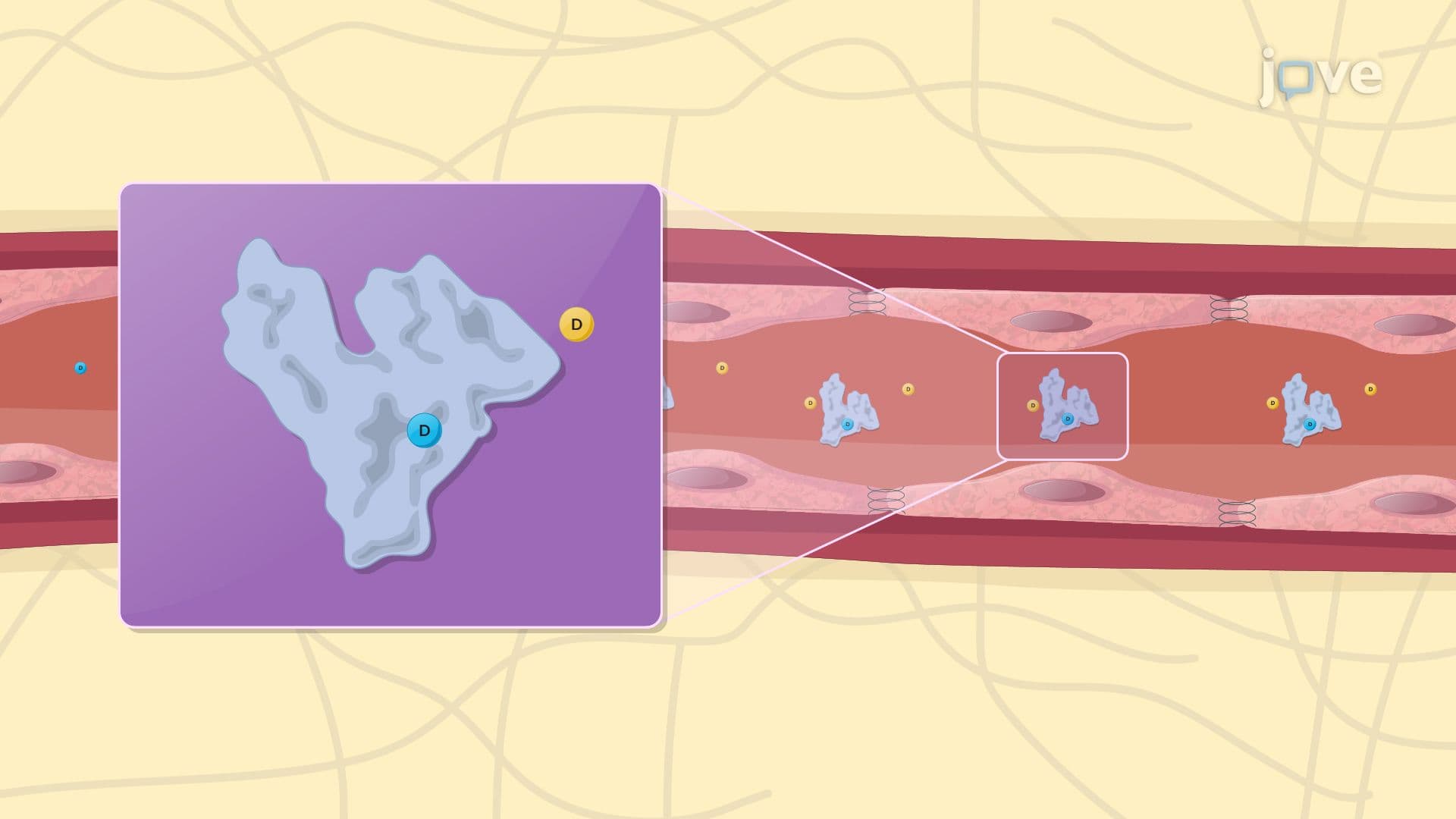
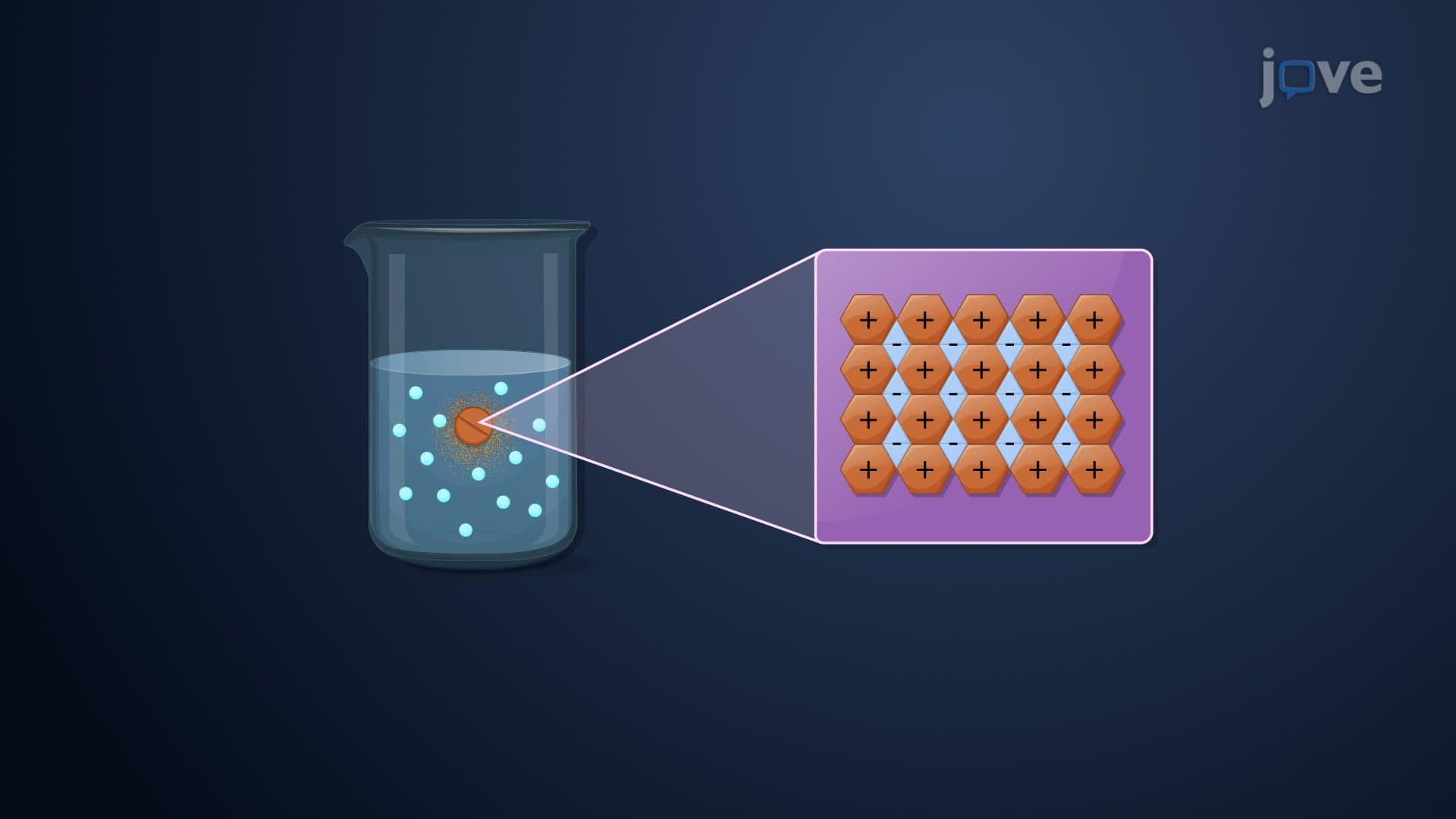
β-cyclodextrins represent one of the most elegant solutions in pharmaceutical formulation science. These ring-shaped sugar molecules create protective pockets that encapsulate drug molecules, shielding them from degradation while maintaining their therapeutic activity. The FDA has approved numerous cyclodextrin-containing formulations, including antifungal medications and cardiovascular drugs. College students studying organic chemistry will recognize this as a practical application of host-guest chemistry principles covered in advanced coursework.
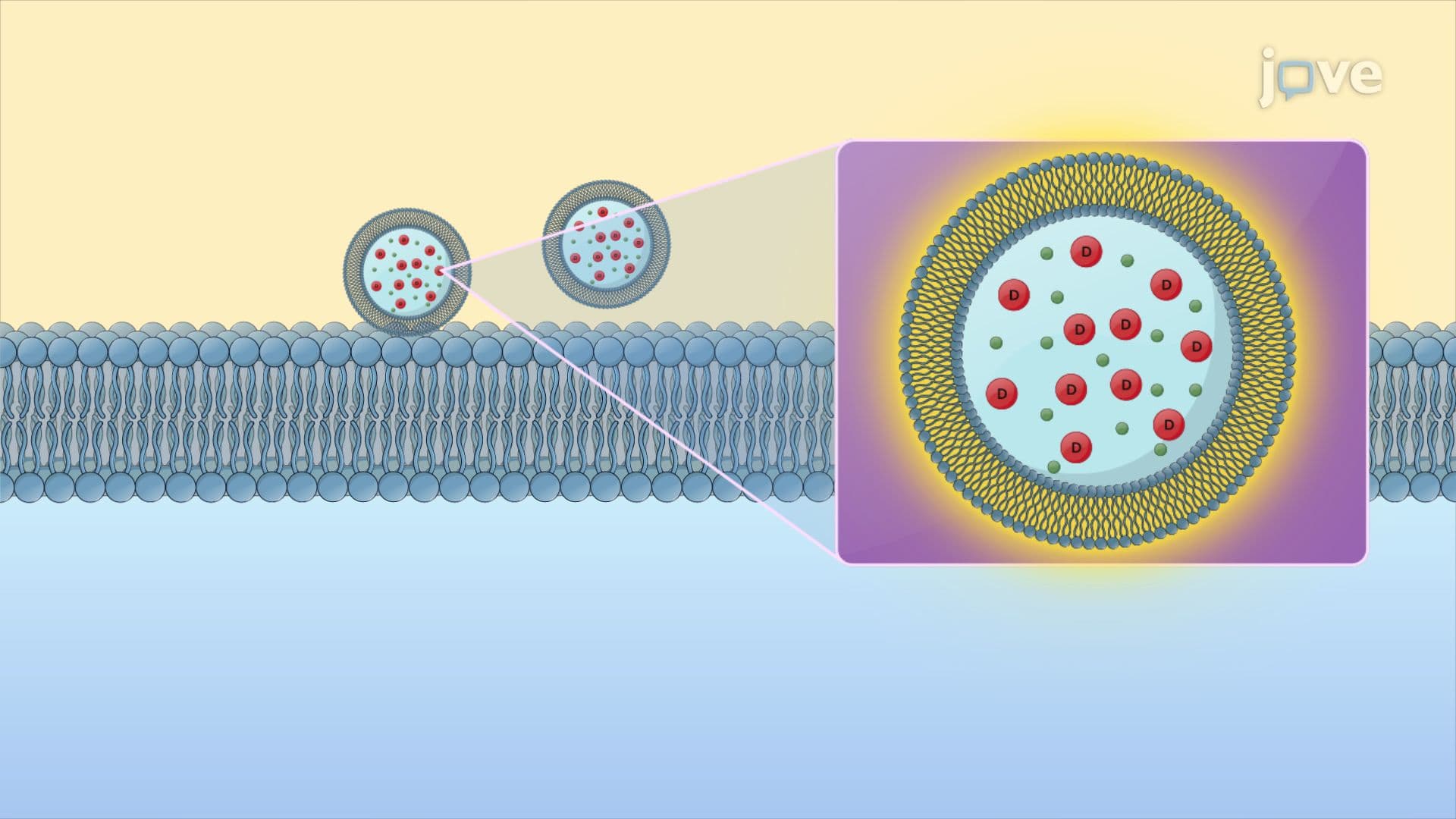
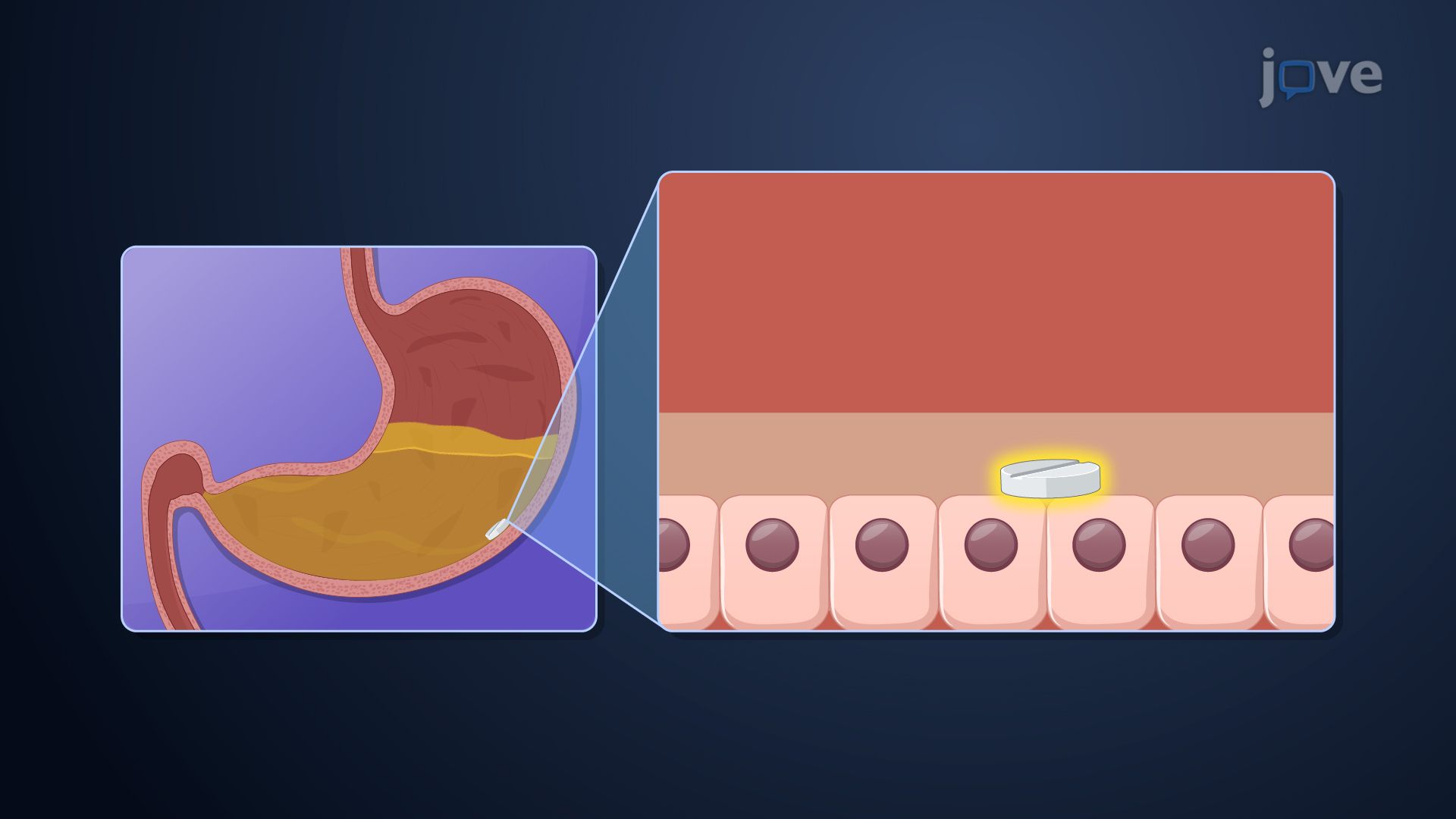
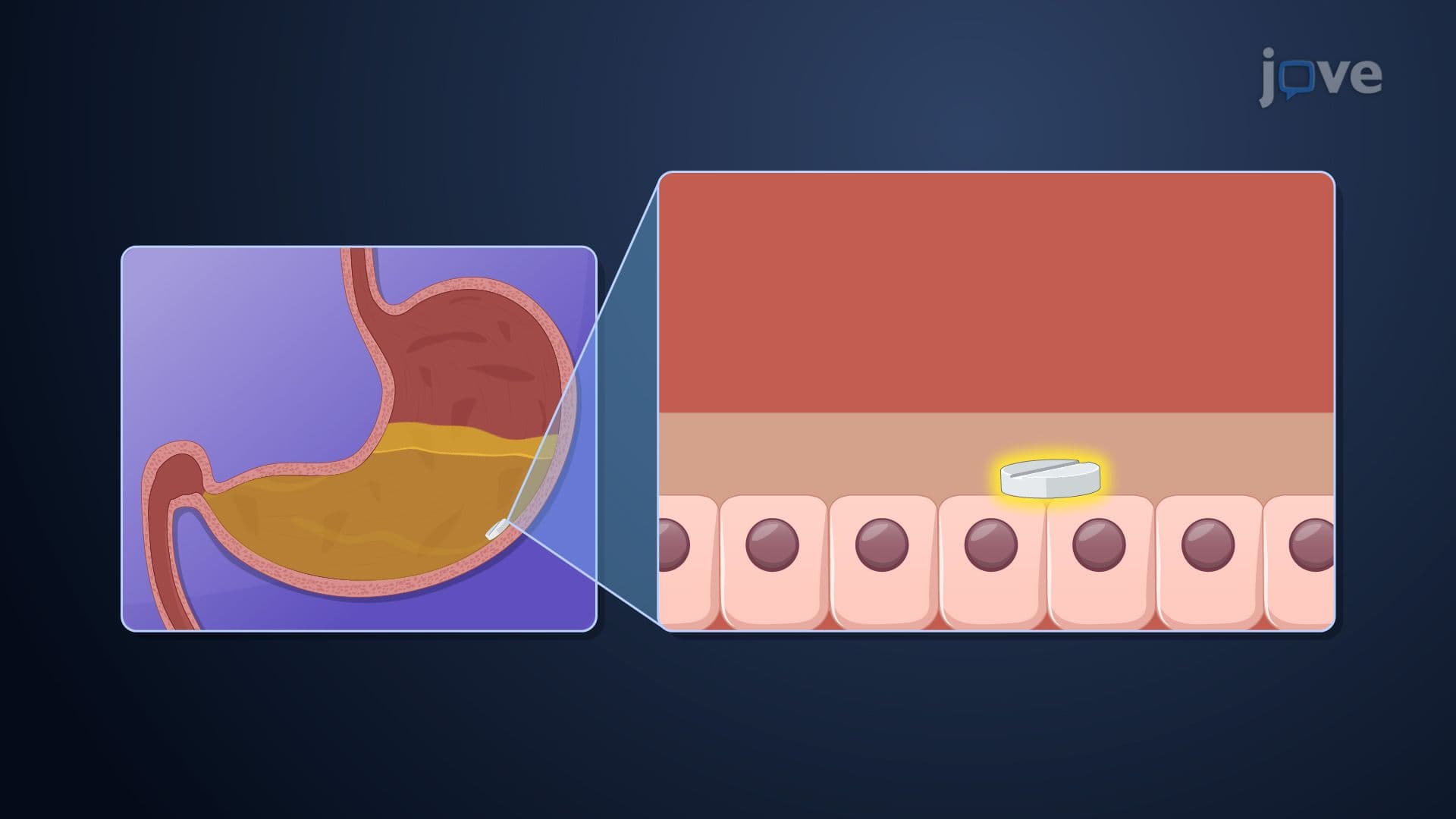
Gastro-retentive drug delivery systems demonstrate how pharmaceutical innovation directly translates to improved patient outcomes. Bioadhesive excipients like hydroxypropyl methylcellulose create temporary bonds with stomach tissue, extending drug residence time from typical 2-3 hours to potentially 8-12 hours. The clinical significance becomes apparent in real US healthcare scenarios: patients taking medications for H. pylori eradication (a common cause of stomach ulcers) benefit tremendously from these extended-release formulations. For pre-pharmacy students preparing for the PCAT or those in PharmD programs, understanding these mechanisms proves essential for clinical rotations and board examinations like the NAPLEX.
Related Micro-courses