Loading subject page…

- Pharmacokinetics and Pharmacodynamics
- Bioavailability and Bioequivalence
- Bioavailability Study Design: Healthy Subjects Versus Patients
Micro-course: Bioavailability and Bioequivalence
1,059 views
Learn key concepts and earn your certificate.



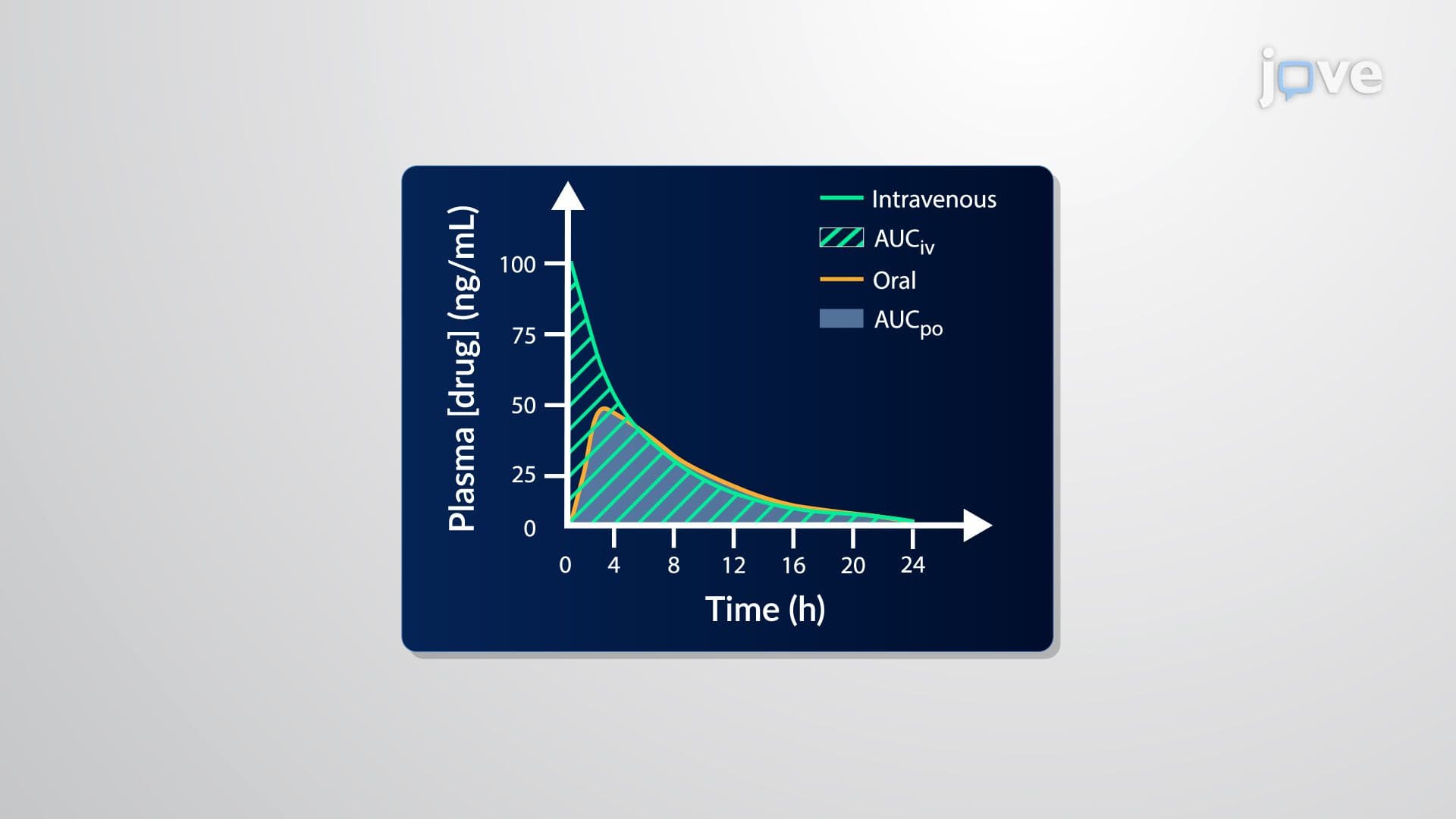

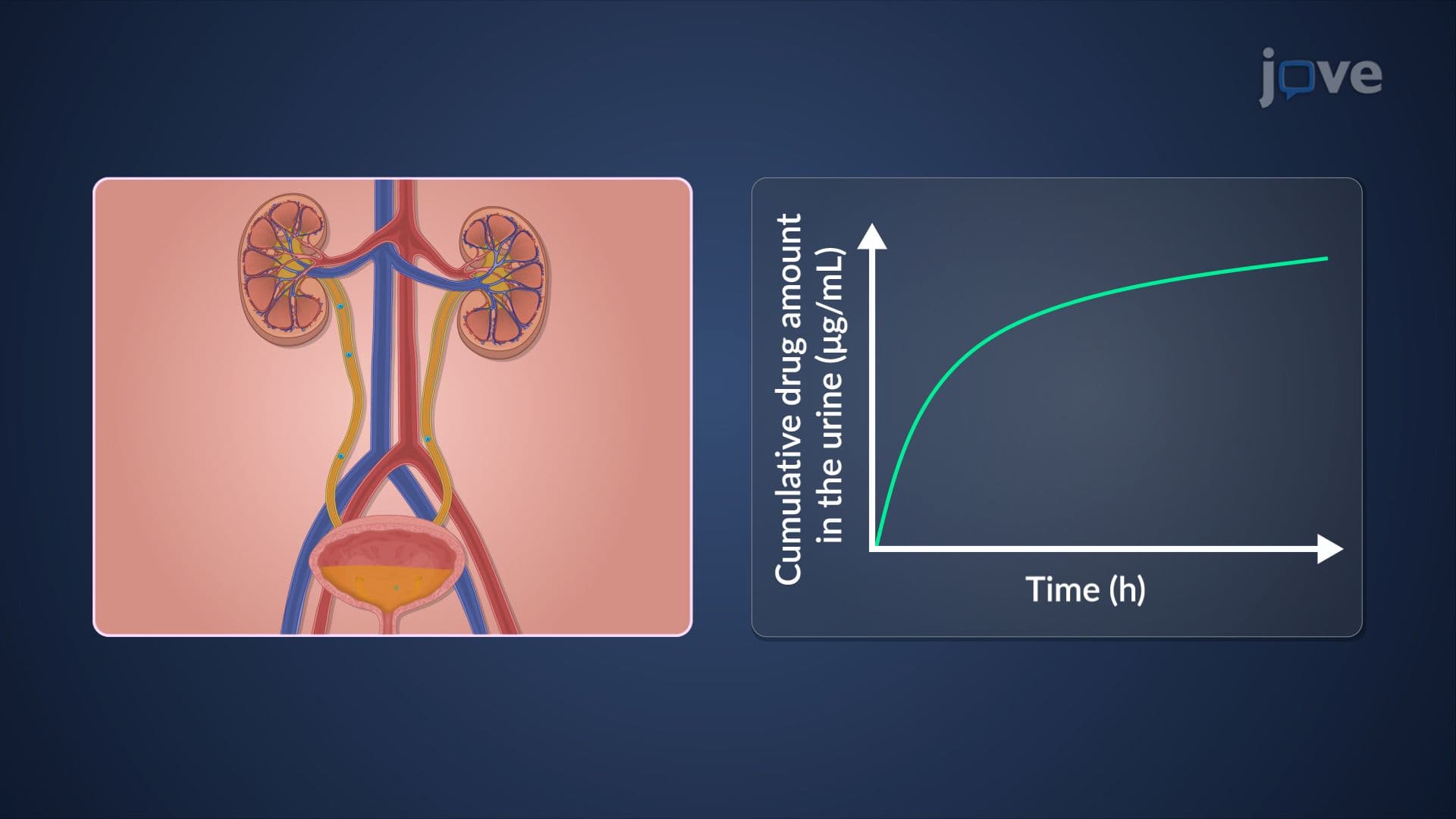
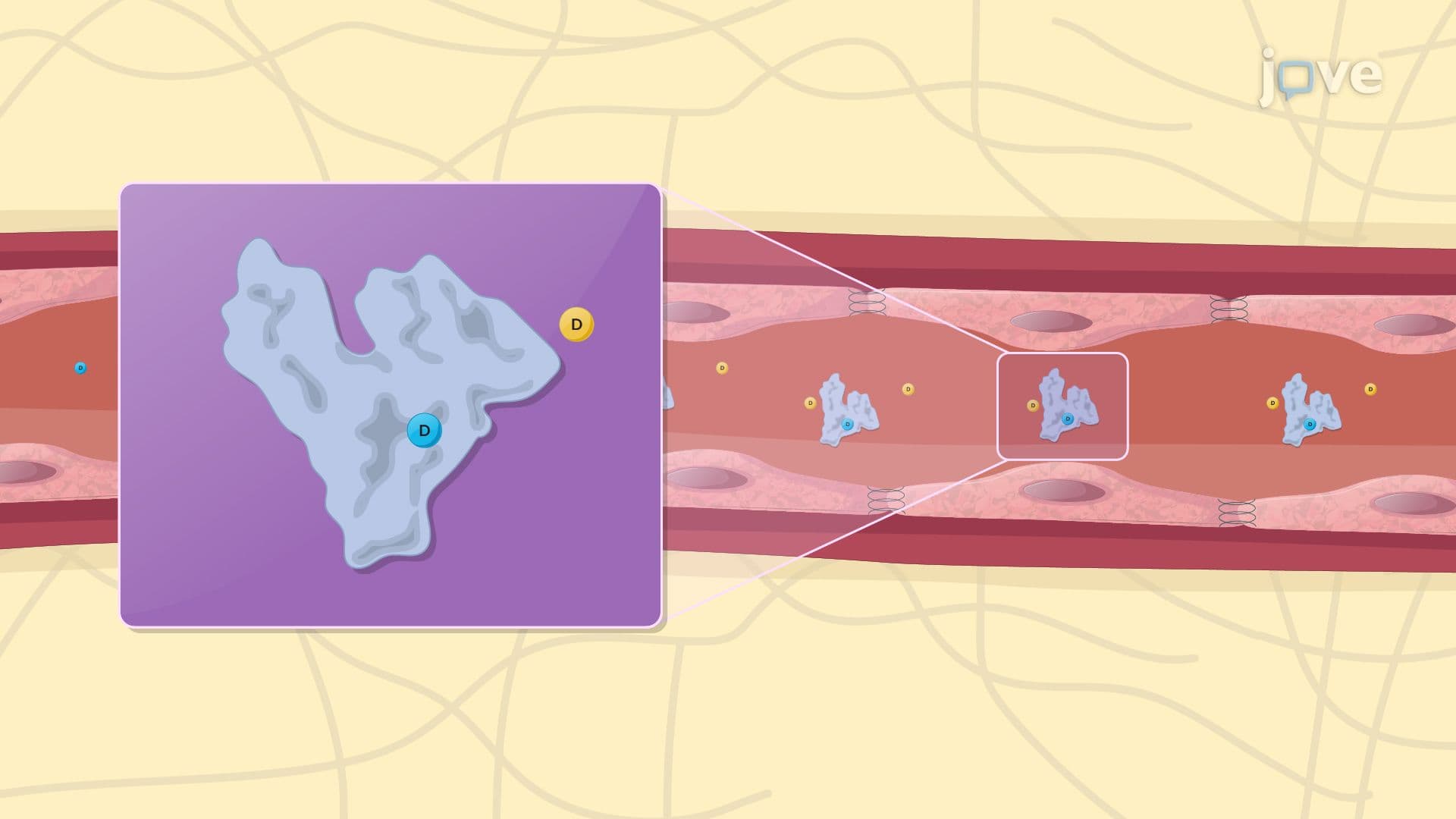





Bioavailability Study Design: Healthy Subjects Versus Patients

00:00
01:15
Video Summary: Bioavailability Study Design Healthy Subjects Explained
Ever wonder why new medications are tested on perfectly healthy college students before reaching patients who actually need them? Bioavailability study design healthy protocols require this counterintuitive approach because diseases can dramatically alter how drugs are absorbed. For instance, when Pfizer developed new formulations of common pain relievers, they first tested absorption rates in healthy Harvard medical students rather than arthritis patients. This Bioavailability Study Design Healthy Subjects Explained approach eliminates variables like existing medications and physiological changes that could skew results. Watch the full video on JoVE Coach to master this concept with expert-led visuals and step-by-step explanations.
- Understand why Bioavailability Study Design Healthy Subjects Explained protocols prioritize healthy volunteers over target patient populations despite seeming counterintuitive
- Identify the specific medical screening requirements and exclusion criteria used to select appropriate healthy subjects for bioavailability studies
- Analyze how disease states, concurrent medications, and physiological changes in patients can confound drug absorption data and study outcomes
- Compare the advantages and limitations of using healthy volunteers versus patient populations in bioavailability research design
- Evaluate the ethical considerations and informed consent procedures required when enrolling healthy subjects in pharmaceutical studies
- Apply standardized dietary, fasting, and medication washout protocols that ensure reliable bioavailability data collection
- Recognize the minimum washout period requirements between studies (ten biological half-lives) to prevent drug interaction interference
- Explore how bioavailability study results from healthy subjects translate to real-world patient treatment protocols
Understanding Bioavailability Study Design with Healthy Subjects
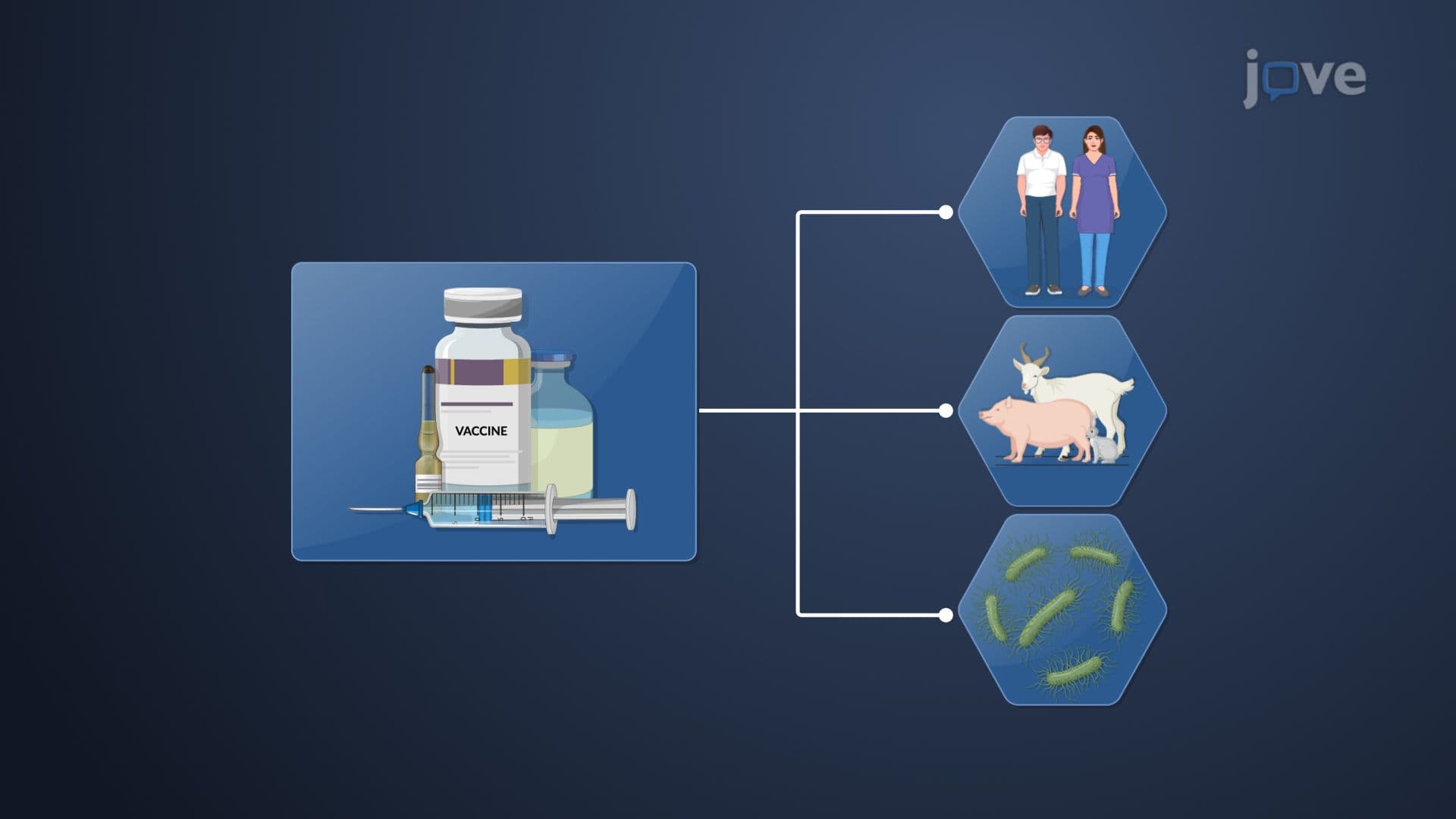
Bioavailability study design healthy subjects explained represents a fundamental paradox in pharmaceutical research: to understand how drugs work in sick patients, researchers must first study them in perfectly healthy individuals. This approach stems from the need to establish baseline drug absorption, distribution, and elimination patterns without the confounding variables present in disease states.
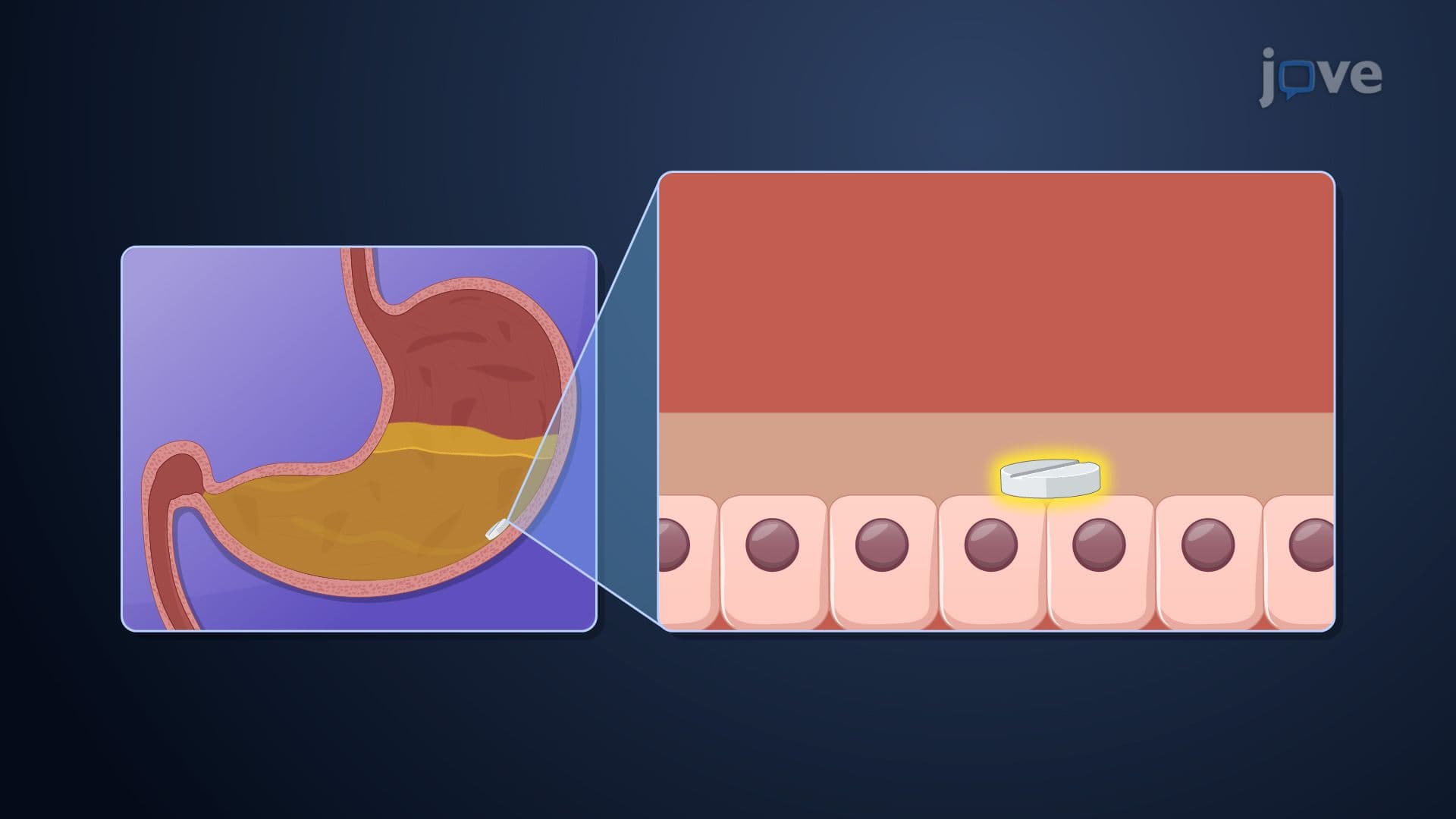
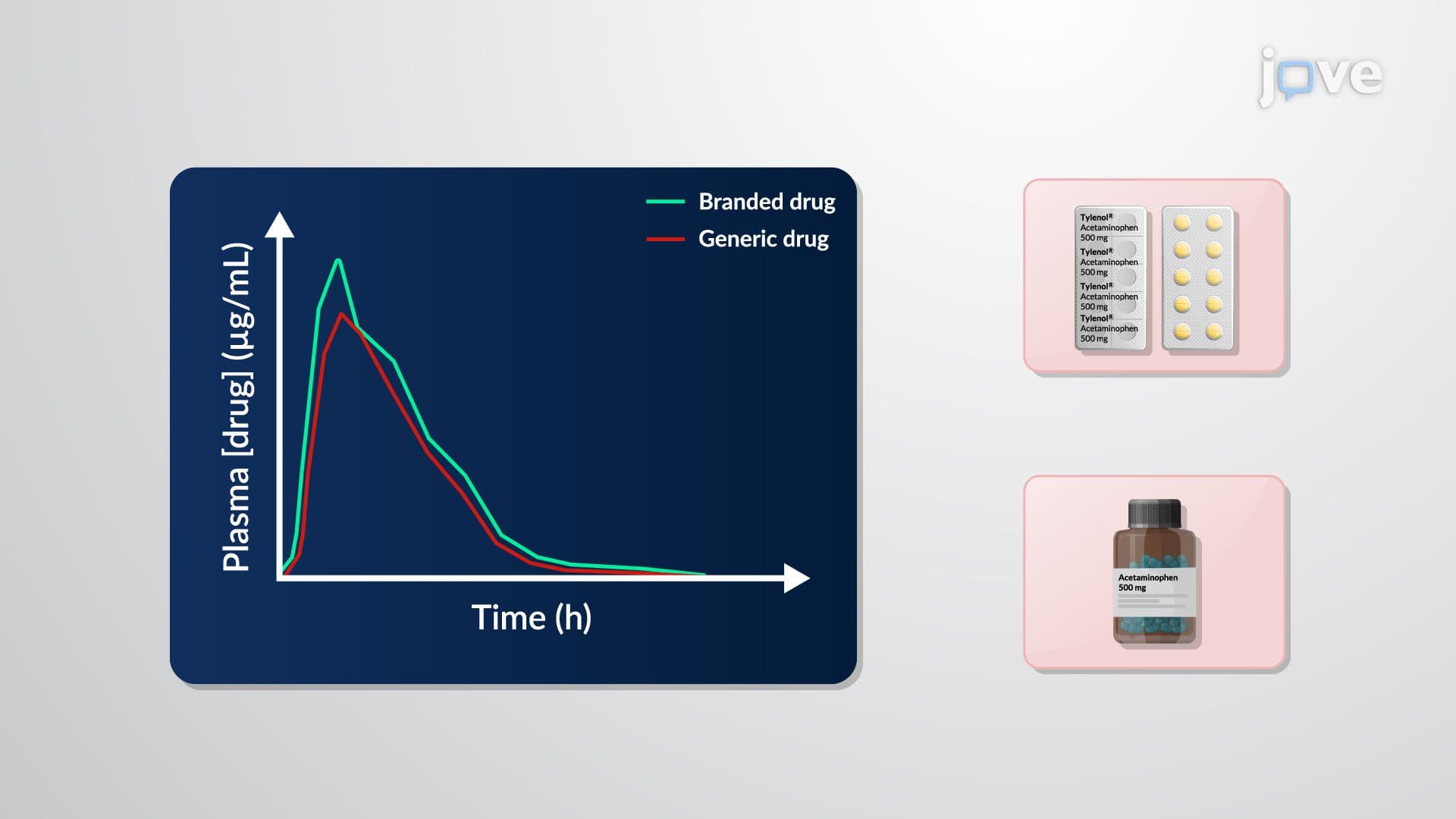
The rationale behind this methodology becomes clear when considering real-world scenarios. When Johnson & Johnson developed new formulations of acetaminophen, researchers needed to understand pure drug absorption kinetics before accounting for how liver disease might alter metabolism, or how gastroparesis in diabetic patients might delay stomach emptying and drug absorption.
Subject Selection and Medical Screening Protocols
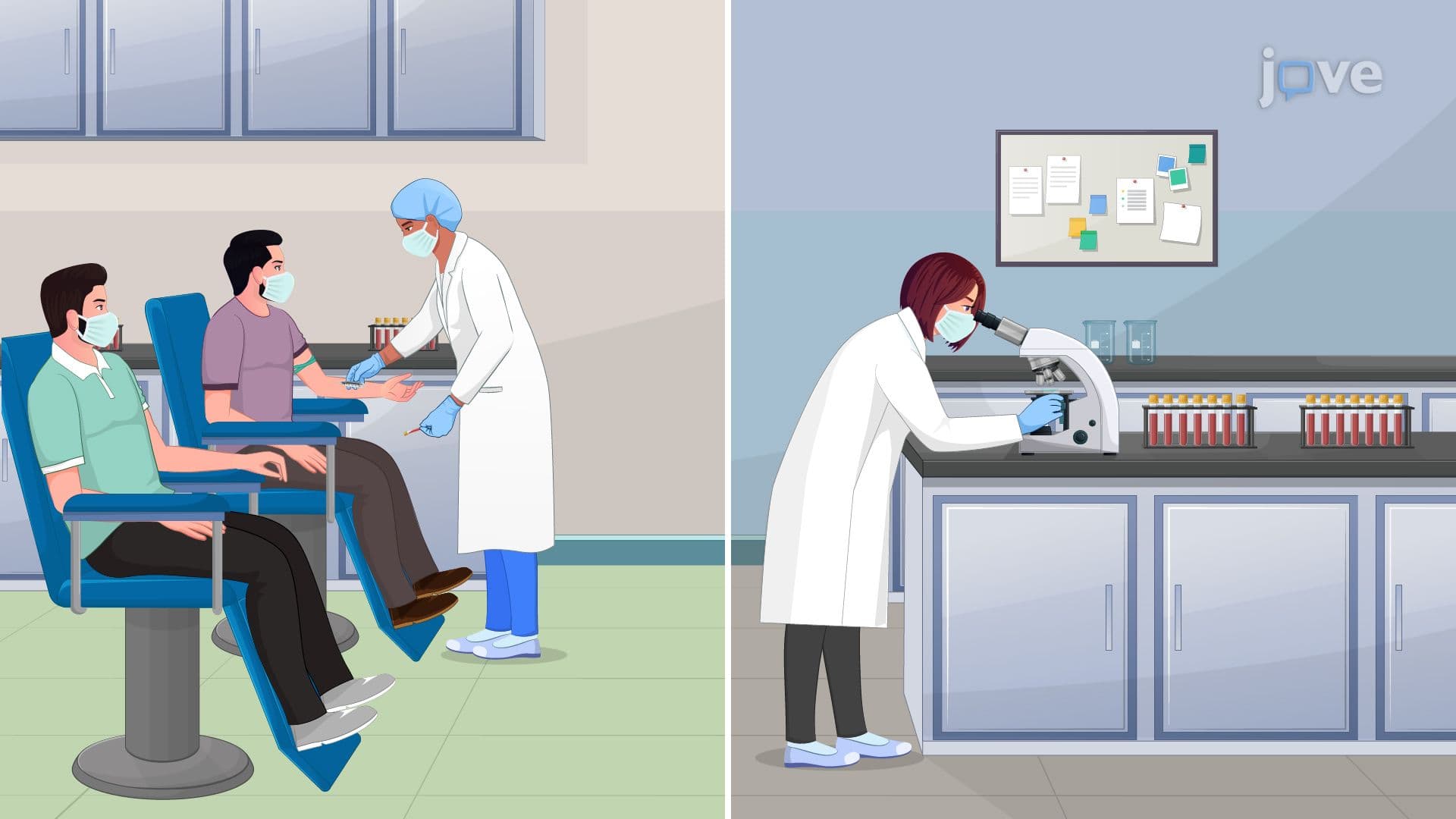
The selection process for healthy volunteers involves comprehensive medical examinations designed to exclude any conditions that might influence drug pharmacokinetics. Potential subjects undergo physical examinations, laboratory testing including complete blood counts and comprehensive metabolic panels, and detailed medical histories. This screening process ensures that any observed variations in drug absorption reflect actual formulation differences rather than individual health status variations.
Universities like Stanford and Johns Hopkins often serve as recruitment centers for these studies, with medical students and young professionals comprising a significant portion of volunteer populations. The demographic typically includes individuals aged 18-45, within normal weight ranges, and free from chronic medications or health conditions.
Standardized Study Conditions and Dietary Controls
Bioavailability study design healthy protocols require strict adherence to standardized conditions that eliminate variables affecting drug absorption. Subjects must maintain consistent dietary patterns, typically involving standardized meals with controlled fat, protein, and carbohydrate content. For example, high-fat meals can significantly increase absorption of lipophilic drugs, while certain foods can either enhance or inhibit cytochrome P450 enzymes responsible for drug metabolism.
The fasting requirements-overnight fasting before dosing and continued fasting for at least four hours post-dose-ensure that food-drug interactions don't confound absorption measurements. These protocols mirror those used in major bioequivalence studies conducted by the FDA for generic drug approvals.
Washout Periods and Cross-Over Study Design
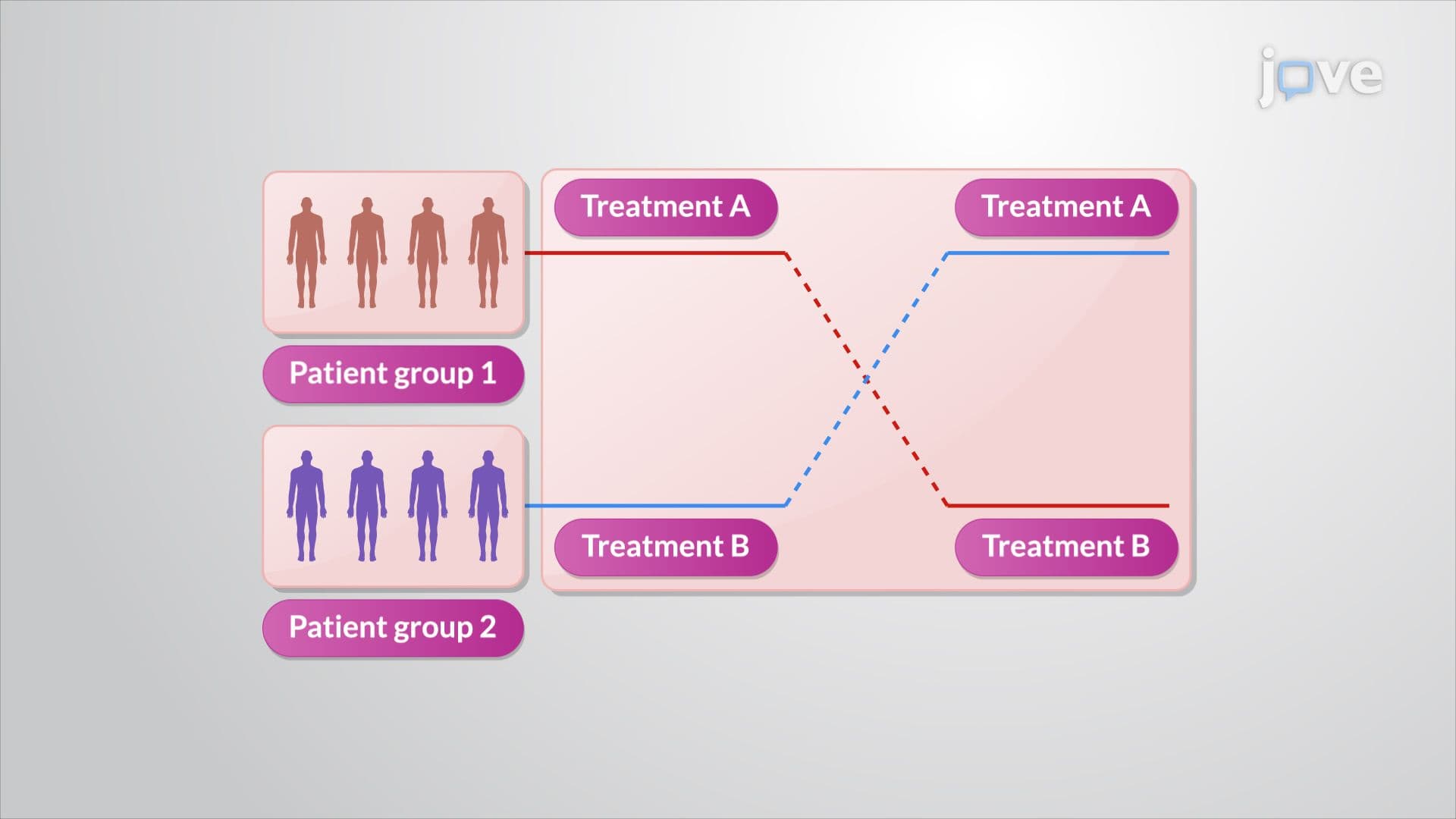
When subjects participate in multiple study phases or different studies, the ten biological half-life washout period prevents drug accumulation or interaction effects. This calculation ensures that less than 0.1% of the previous drug dose remains in the system before the next study phase begins. For drugs with long half-lives, such as certain psychiatric medications, this requirement can extend washout periods to several months.
This meticulous approach to bioavailability study design ensures that data collected from healthy subjects provides reliable foundation for understanding drug behavior, ultimately informing dosing recommendations and safety profiles for patient populations. These principles frequently appear in MCAT pharmacology sections and advanced placement biology coursework focusing on human physiology and drug metabolism.
Frequently Asked Questions
Bioavailability study design using healthy subjects is a research method where new drug formulations are tested on healthy volunteers instead of patients to measure how much drug enters the bloodstream. This approach eliminates confounding factors like diseases or other medications that could affect results. It provides baseline data on drug absorption, distribution, and elimination that researchers use to predict how the drug will behave in patient populations.
MCAT questions often test understanding of pharmacokinetic principles including bioavailability, asking students to interpret drug concentration curves or explain why healthy subjects are used. AP Biology may include bioavailability concepts in human physiology units, particularly when discussing digestive system absorption or circulatory system drug distribution. Students should understand the relationship between study design choices and data reliability for both exams.
Students often struggle with the counterintuitive logic of testing drugs on healthy people rather than patients who need them. The concept requires understanding multiple pharmacokinetic principles simultaneously: absorption, metabolism, distribution, and elimination. College exams frequently test the ability to explain why eliminating variables (like disease states) actually makes study results more applicable to patient care, which requires higher-order thinking skills.
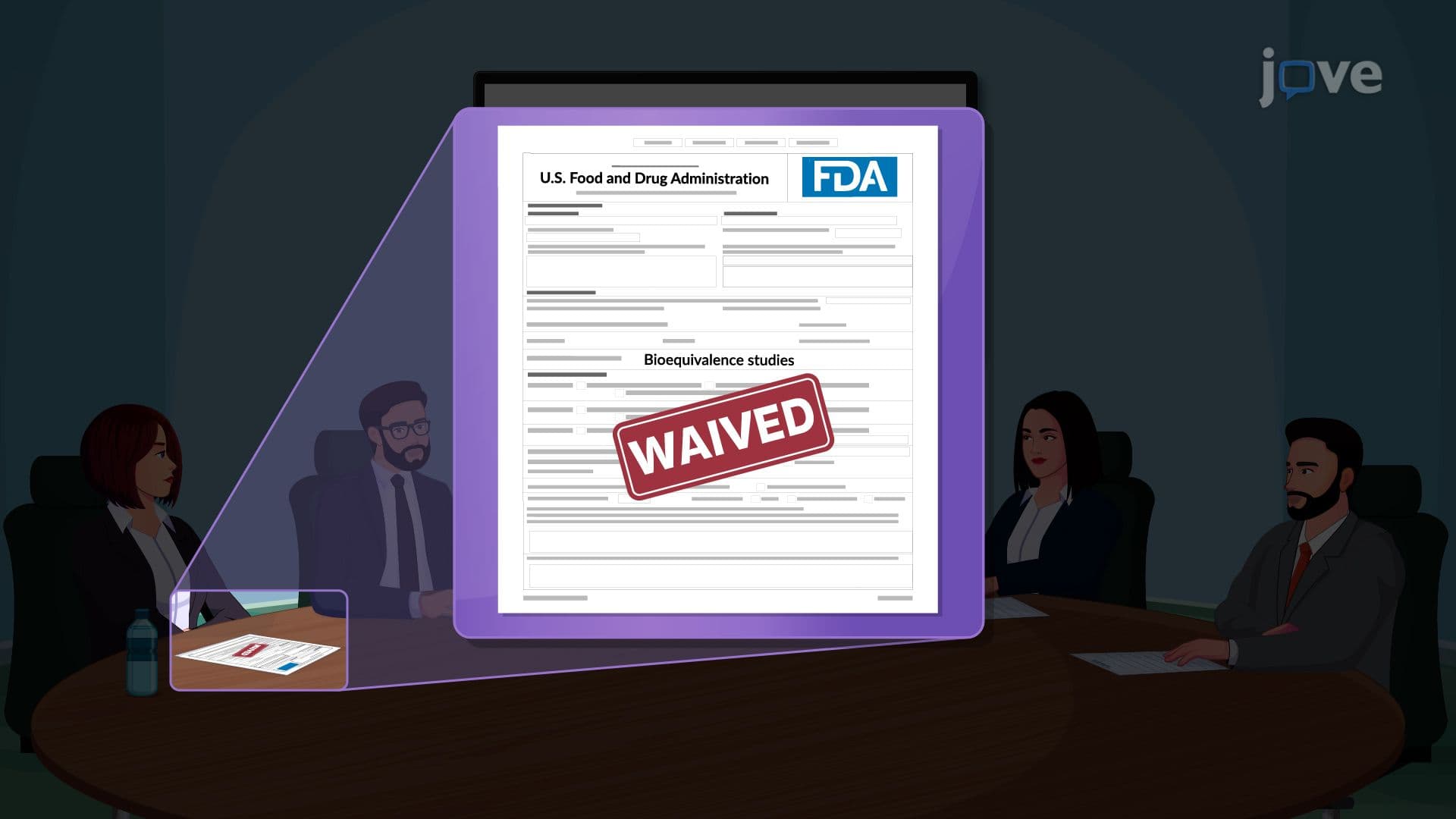
When Teva Pharmaceuticals develops generic versions of brand-name drugs, they conduct bioequivalence studies using healthy volunteers at clinical research organizations like Covance in Wisconsin or ICON in Texas. These studies compare blood concentration levels between the generic and brand formulations in healthy subjects, providing FDA with data to approve generic drugs that patients will eventually use for conditions like hypertension or diabetes.
While bioavailability studies involve complex pharmacology, the basic concepts are accessible to high school students with biology background. The core idea-testing drugs on healthy people to get cleaner data-builds on familiar scientific principles like controlling variables in experiments. Students can understand the reasoning without mastering advanced pharmacokinetic calculations, making it excellent preparation for college-level coursework.
Focus on understanding the rationale behind using healthy subjects rather than memorizing specific protocols. Practice explaining how diseases, medications, and physiological changes could confound study results. Review basic pharmacokinetic terminology and be able to explain the relationship between study design and data interpretation. HESI A2 typically tests conceptual understanding rather than detailed protocol knowledge.
Students should progress to studying bioequivalence testing, Phase I through Phase IV clinical trials, and pharmacovigilance. Understanding drug metabolism pathways, particularly cytochrome P450 enzyme systems, provides deeper insight into why controlling variables matters. Advanced students can explore population pharmacokinetics and how bioavailability data from healthy subjects translates to special populations like pediatric or geriatric patients.
Related Micro-courses