Loading subject page…

- Pharmacokinetics and Pharmacodynamics
- Bioavailability and Bioequivalence
- Bioequivalence Experimental Study Designs: Completely Randomized and Randomized Block Designs
Micro-course: Bioavailability and Bioequivalence
1,059 views
Learn key concepts and earn your certificate.












Bioequivalence Experimental Study Designs: Completely Randomized and Randomized Block Designs


00:00
01:20
Video Summary: Bioequivalence Experimental Study Designs Completely Explained
Ever wonder why generic medications cost less but work just as well as brand-name drugs? Bioequivalence experimental study designs are the scientific backbone that proves generic drugs deliver the same therapeutic effects as their brand-name counterparts. When the FDA approved generic versions of Lipitor (atorvastatin) in 2011, rigorous bioequivalence studies using multiple experimental designs ensured patients received identical benefits at a fraction of the cost. Bioequivalence Experimental Study Designs Completely Explained covers the essential methodologies-from completely randomized to Latin square designs-that pharmaceutical companies use to demonstrate drug equivalency. Watch the full video on JoVE Coach to master this concept with expert-led visuals and step-by-step explanations.
- Understand the fundamental principles of Bioequivalence Experimental Study Designs Completely Explained and their role in pharmaceutical research and drug approval processes
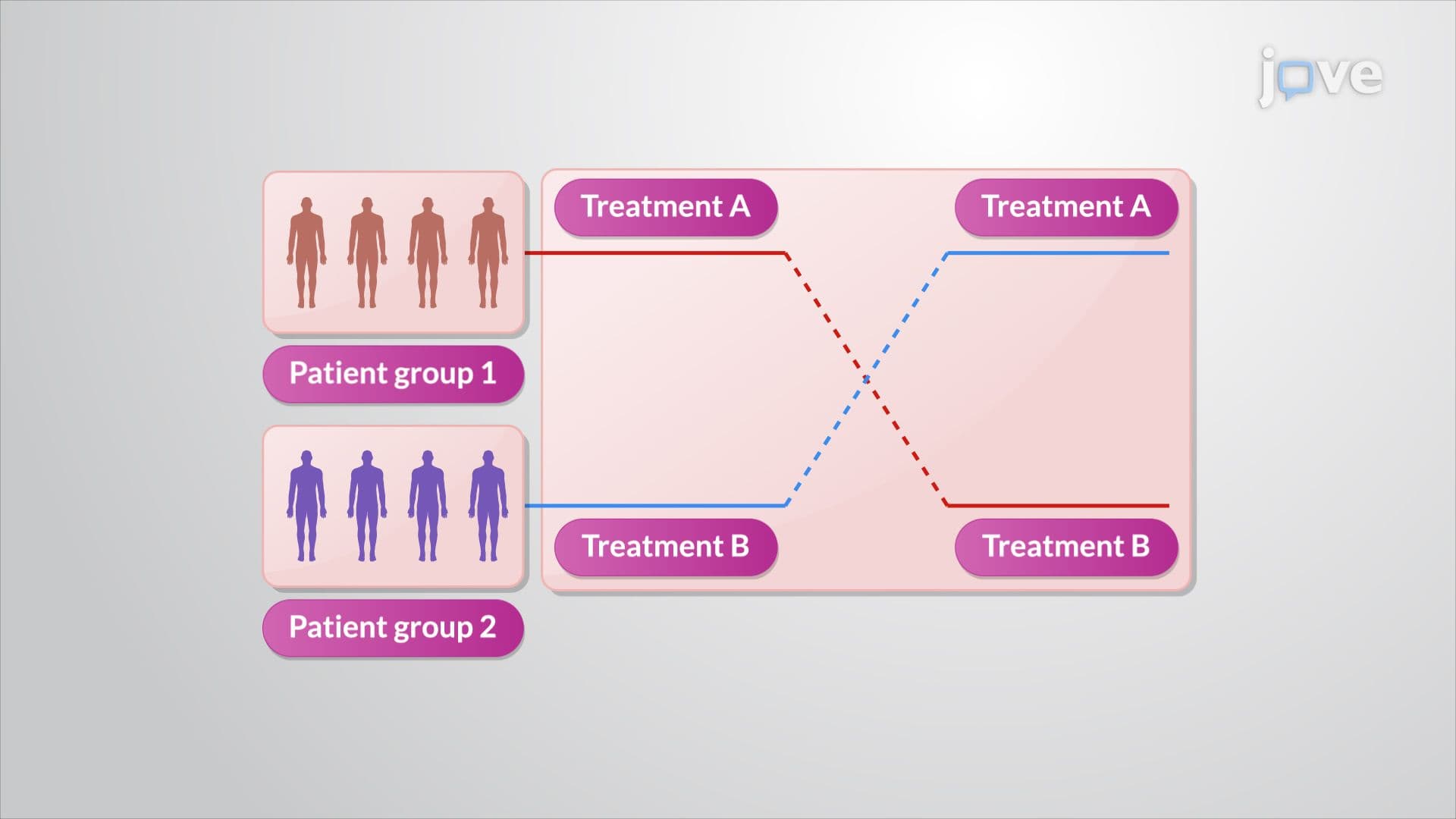
- Identify the six major categories of bioequivalence study designs: completely randomized, randomized block, repeated measures, crossover, carry-over, and Latin square designs
- Compare the advantages and limitations of completely randomized designs versus randomized block designs in bioequivalence testing
- Analyze how proper randomization techniques minimize bias and ensure valid statistical comparisons between test and reference drug products
- Evaluate the importance of homogeneous subject groups in preventing random error amplification during bioequivalence studies
- Apply knowledge of experimental design principles to determine the most appropriate study methodology for specific pharmaceutical research scenarios
- Recognize how different design types control for variability and accommodate varying numbers of treatments and subjects
- Explore the statistical considerations and analytical complexities associated with missing data in blocked experimental designs
Understanding Bioequivalence Experimental Study Designs Completely Explained
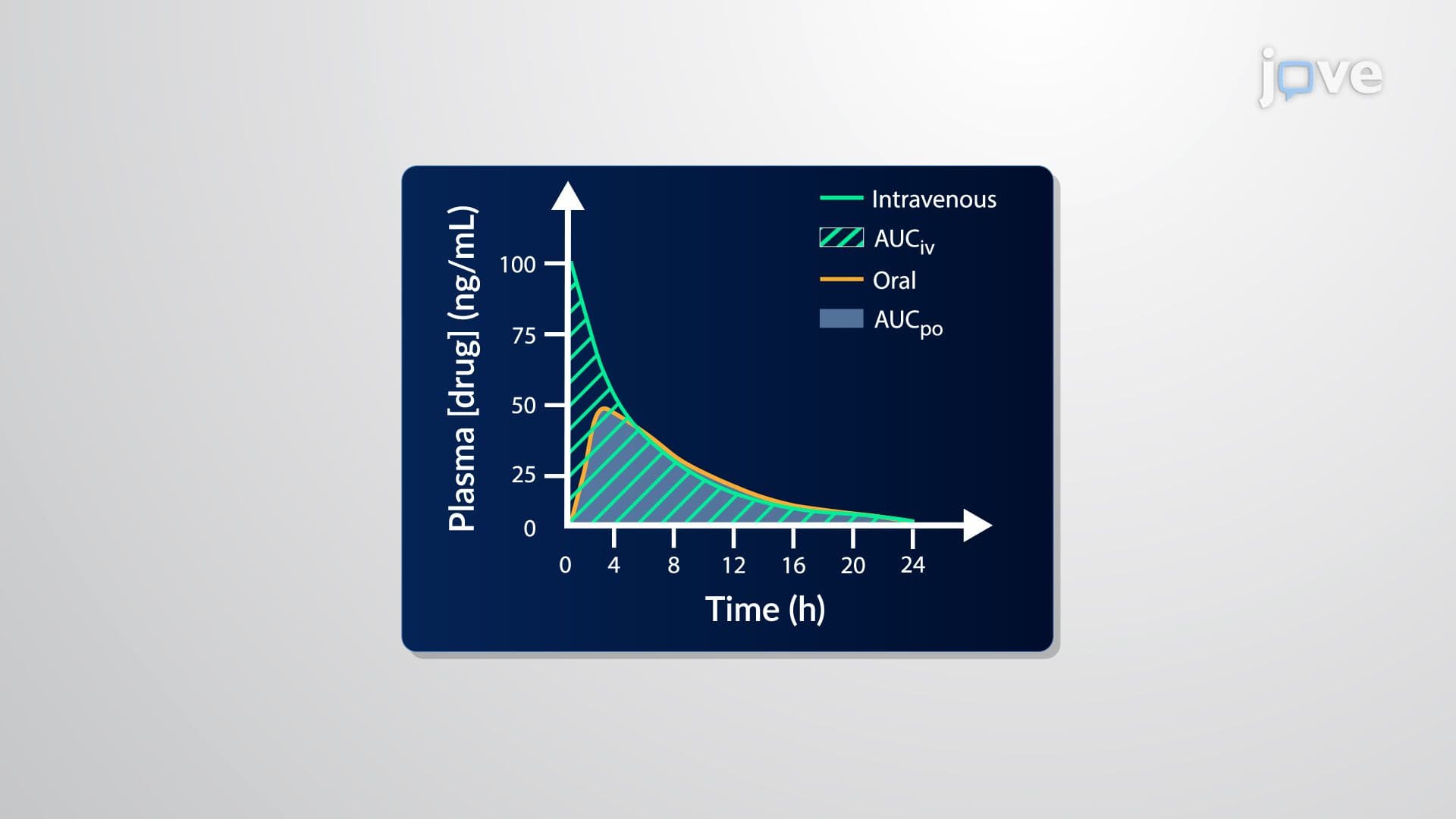
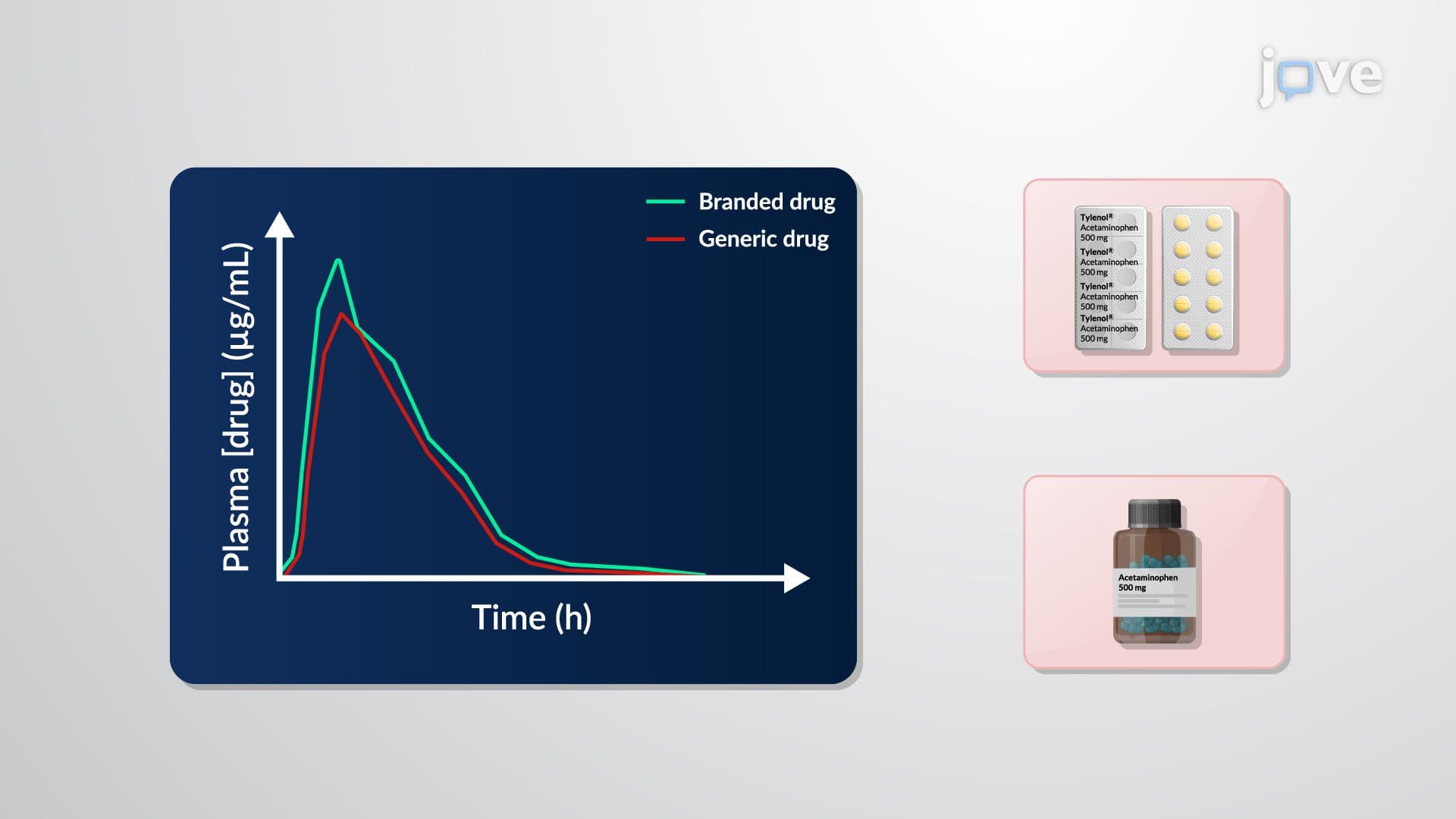
Bioequivalence experimental study designs form the scientific foundation for determining whether different formulations of the same drug produce equivalent therapeutic effects in the human body. These sophisticated methodologies are essential for FDA drug approval processes, particularly when evaluating generic medications against brand-name drugs. The primary goal is to demonstrate that two drug products deliver the same amount of active ingredient to the bloodstream at the same rate, ensuring therapeutic equivalency.
Completely Randomized Designs: Simplicity Meets Scientific Rigor
Completely randomized designs represent the most straightforward approach to bioequivalence testing. In this methodology, researchers randomly allocate treatments to all study participants without any predetermined grouping structure. For example, when testing a generic version of the blood pressure medication lisinopril, researchers might randomly assign 200 participants to receive either the generic formulation or the brand-name Prinivil, with each subject having an equal probability of receiving either treatment.
The randomization process involves generating unique random numbers for each subject and treatment combination, eliminating selection bias and ensuring statistical validity. This design excels in its simplicity and flexibility, making it particularly valuable for studies involving limited treatments or when researchers need to accommodate varying numbers of participants. However, completely randomized designs work best with homogeneous subject populations, as significant differences between participants can amplify random error and compromise study results.
Randomized Block Designs: Enhanced Precision Through Strategic Grouping
Randomized block designs offer a more sophisticated approach by dividing study participants into homogeneous groups (blocks) based on characteristics like age, gender, body weight, or medical history. Within each block, treatments are randomly assigned, ensuring that each treatment appears equally within similar participant groups. This methodology significantly improves precision and allows researchers to control for known sources of variability.
Consider a bioequivalence study for a diabetes medication where researchers create blocks based on participants' baseline blood glucose levels. By ensuring each treatment appears equally within low, moderate, and high glucose level groups, researchers can more accurately assess drug performance across different patient populations. This approach accommodates any number of treatments and provides more reliable results than completely randomized designs.
Applications in Academic and Professional Settings
These experimental design principles frequently appear in advanced placement (AP) Biology and Statistics courses, particularly when students study pharmaceutical research methodologies. Pre-med students encounter these concepts in MCAT preparation, especially in the Chemical and Physical Foundations of Biological Systems section. Pharmacy school curricula extensively cover bioequivalence study designs in pharmacokinetics and biopharmaceutics courses, while nursing students studying for NCLEX examinations learn about these concepts when understanding drug equivalency and therapeutic substitution principles.
Frequently Asked Questions
Bioequivalence experimental study designs are scientific methods used to prove that different versions of the same drug work equally well in the human body. These designs help researchers compare how generic and brand-name medications are absorbed, distributed, and eliminated, ensuring patients receive the same therapeutic benefits regardless of which version they take.
MCAT questions often test understanding of experimental design principles, statistical analysis, and research methodology within bioequivalence studies. Students might encounter passages describing pharmaceutical research scenarios where they must identify appropriate study designs, recognize potential sources of bias, or interpret statistical results from bioequivalence trials.
College exams typically include questions about selecting appropriate experimental designs for specific research scenarios, comparing advantages and disadvantages of different methodologies, and calculating statistical parameters from bioequivalence studies. Students often analyze case studies involving FDA drug approval processes and generic drug development.
Major US pharmaceutical companies like Pfizer, Johnson & Johnson, and Merck use these designs when developing generic formulations or reformulating existing drugs. For example, when Teva Pharmaceuticals developed generic versions of EpiPen auto-injectors, they employed rigorous bioequivalence studies to demonstrate therapeutic equivalency to the original Mylan product.
While helpful, extensive statistics knowledge isn't required to grasp fundamental concepts. High school students with basic understanding of scientific method, variables, and simple statistical concepts can successfully learn these principles. The key is understanding how proper experimental design ensures reliable, unbiased results in pharmaceutical research.
Focus on understanding the logic behind each design type rather than memorizing definitions. Practice identifying appropriate designs for different research scenarios, create comparison charts highlighting advantages and disadvantages of each method, and work through real pharmaceutical case studies to see how these concepts apply in practice.
After mastering basic experimental designs, explore crossover and Latin square designs, pharmacokinetic parameter analysis, and statistical methods for bioequivalence assessment. Advanced topics include population pharmacokinetics, regulatory guidelines for bioequivalence studies, and international harmonization standards for pharmaceutical research.
The FDA requires specific bioequivalence study designs as part of Abbreviated New Drug Applications (ANDAs) for generic medications. These studies must demonstrate that generic drugs are bioequivalent to reference listed drugs, ensuring therapeutic interchangeability and patient safety while maintaining pharmaceutical standards.
Related Micro-courses