Loading subject page…
- Pharmacokinetics and Pharmacodynamics
- Bioavailability and Bioequivalence
- Bioequivalence Experimental Study Designs: Repeated Measures, Cross-Over, Carry-Over, and Latin Square Designs
Micro-course: Bioavailability and Bioequivalence
1,059 views
Learn key concepts and earn your certificate.











Bioequivalence Experimental Study Designs: Repeated Measures, Cross-Over, Carry-Over, and Latin Square Designs

00:00
01:15
Video Summary: Bioequivalence Experimental Study Designs Repeated Explained
When the FDA evaluates whether generic drugs work as effectively as brand-name medications, they rely on sophisticated bioequivalence experimental study designs to ensure patient safety. These repeated-measure approaches, including crossover and Latin square designs, allow researchers to compare drug formulations using the same subjects as their own controls-dramatically reducing variability and costs. For instance, when testing generic versions of blood pressure medications, pharmaceutical companies use these designs to demonstrate therapeutic equivalence. Bioequivalence Experimental Study Designs Repeated Explained covers these critical methodologies that protect millions of Americans taking generic medications. Watch the full video on JoVE Coach to master this concept with expert-led visuals and step-by-step explanations.
- Understand the fundamental principles of Bioequivalence Experimental Study Designs Repeated Explained and how randomized block designs utilize subjects as their own controls
- Identify the key components of repeated measures, crossover, and Latin square designs in pharmaceutical research contexts
- Analyze the advantages and limitations of crossover designs, including precision benefits and potential carry-over effects
- Compare different experimental approaches for bioequivalence studies, particularly when evaluating three or more treatment formulations
- Evaluate the importance of wash-out periods in preventing residual drug effects that could compromise study validity
- Apply Latin square design principles to minimize inter-subject and temporal variations in comparative drug studies
- Recognize real-world applications of these designs in FDA regulatory submissions for generic drug approvals
- Explore how these experimental frameworks contribute to cost-effective pharmaceutical development while maintaining patient safety standards
Understanding Bioequivalence Experimental Study Designs Repeated Explained
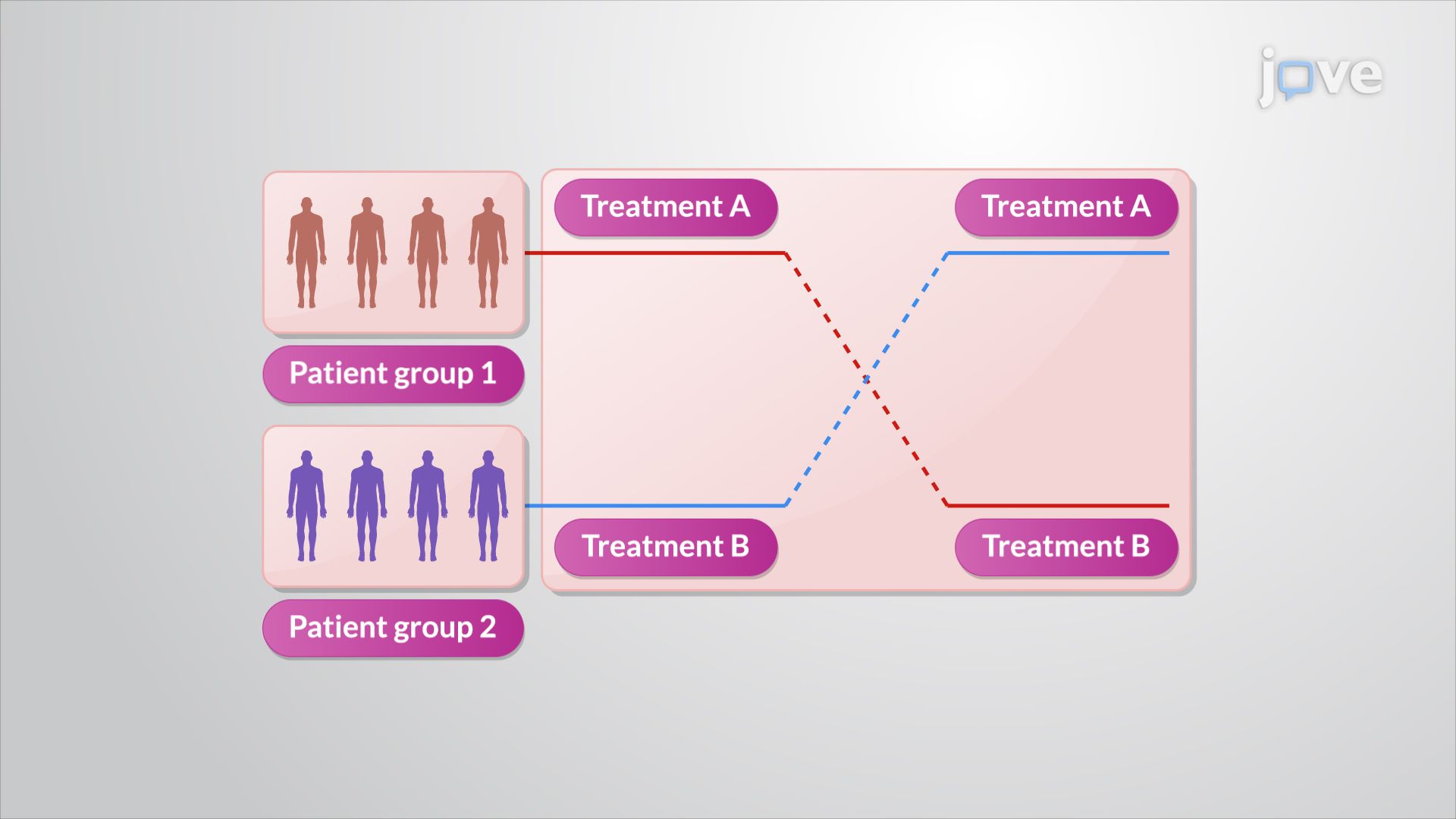
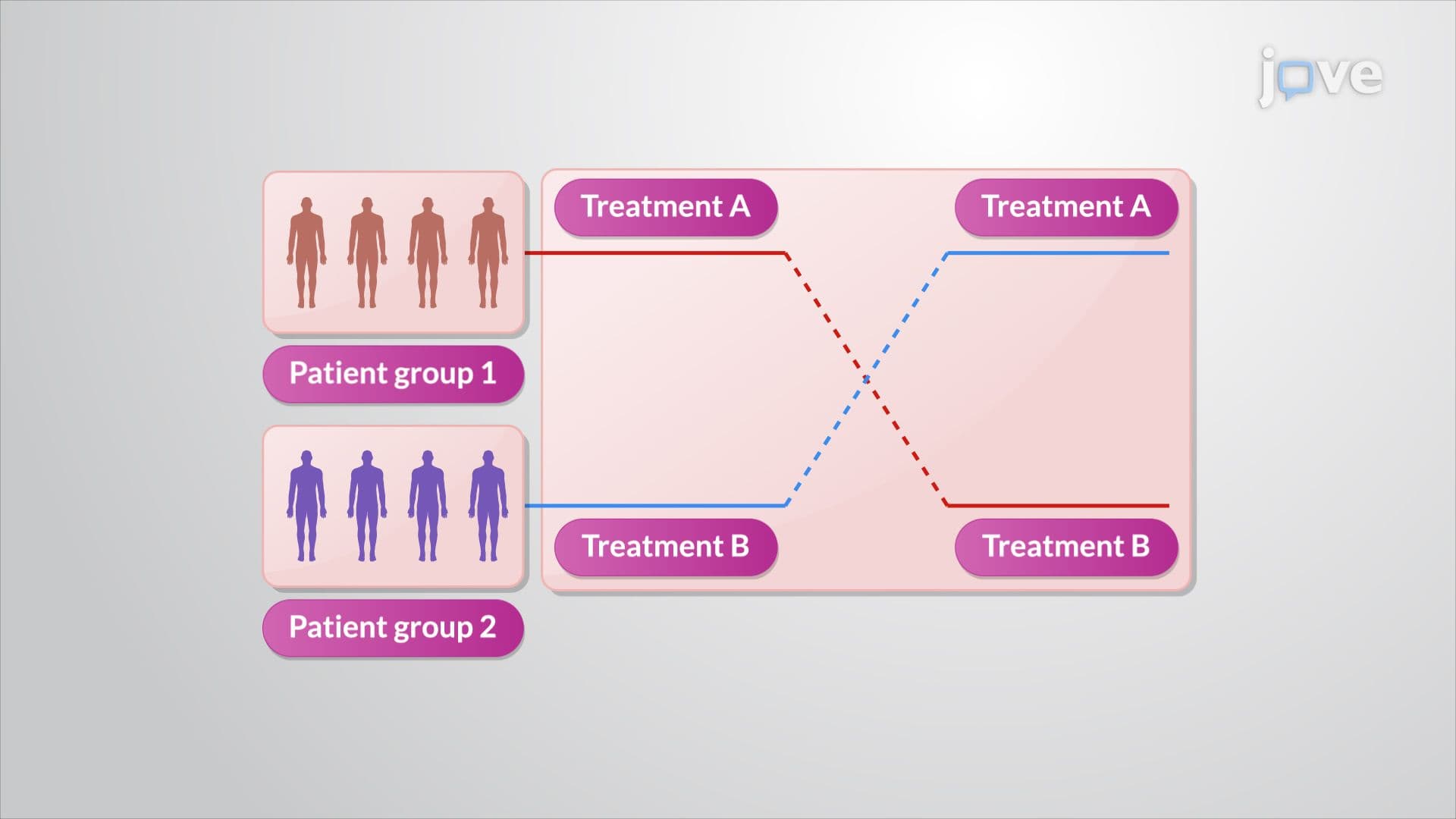
Bioequivalence experimental study designs repeated explained represents a cornerstone methodology in pharmaceutical research, where the same subjects receive multiple treatments in carefully controlled sequences. Unlike traditional between-subject designs, these approaches leverage each participant as their own control, dramatically reducing the variability that typically plagues drug comparison studies.
The Power of Repeated Measures and Crossover Designs
Repeated measures designs excel in bioequivalence testing because they eliminate inter-subject variability-the natural differences between individuals that can mask true treatment effects. When Mylan Pharmaceuticals sought FDA approval for their generic EpiPen, they utilized crossover designs to demonstrate bioequivalence with the brand-name product. In these studies, each participant receives both the generic and brand formulations in randomized order, allowing direct comparison within the same individual.
Crossover designs offer exceptional statistical power with smaller sample sizes, making them economically attractive for pharmaceutical companies. However, they introduce the critical challenge of carry-over effects-residual influences from previous treatments that can contaminate subsequent measurements. For instance, if testing two different insulin formulations, the first treatment's metabolic effects might persist and influence responses to the second treatment.
Managing Carry-over Effects Through Strategic Design
The wash-out period becomes crucial in crossover studies, providing sufficient time for complete drug elimination between treatment phases. For most oral medications, a wash-out period of five half-lives ensures less than 3% of the original dose remains in the system. When Bristol-Myers Squibb tested bioequivalence of their cardiovascular medications, they implemented two-week wash-out periods to prevent any residual drug interactions.
Advanced Applications: Latin Square Designs
Latin square designs represent the gold standard for comparing three or more treatments while controlling for both subject and temporal variations. These designs ensure each subject receives each treatment exactly once, with treatments distributed across different time periods to minimize period effects. The FDA particularly values these designs for complex bioequivalence studies involving multiple formulation strengths or modified-release preparations.
This methodology proves especially valuable in preliminary drug development phases, where pharmaceutical companies need robust comparative data to guide formulation decisions. Students preparing for the MCAT will encounter these concepts in experimental design sections, while AP Biology students should understand how these principles apply to controlled experimentation in biological systems.
The statistical advantages include increased precision and reduced experimental error, though challenges exist in complex randomization procedures and limited degrees of freedom for error estimation.
Frequently Asked Questions
Bioequivalence experimental study designs repeated explained refers to research methodologies where the same subjects receive multiple drug treatments in controlled sequences to compare therapeutic equivalence. These designs include crossover, repeated measures, and Latin square approaches that use participants as their own controls, eliminating inter-subject variability and providing precise comparisons essential for FDA generic drug approvals.
These designs are primarily used to demonstrate that generic medications produce the same therapeutic effects as brand-name drugs in the human body. Pharmaceutical companies employ these methods to satisfy FDA requirements for generic drug approval, ensuring patients receive equivalent treatment outcomes regardless of which manufacturer produces their medication.
The MCAT frequently tests understanding of experimental design principles, including crossover studies and controlling for confounding variables. Students should recognize how these designs eliminate inter-subject variability, understand wash-out period importance, and identify when repeated measures approaches provide superior statistical power compared to between-subject designs.
Students often confuse carry-over effects with treatment effects, failing to recognize why wash-out periods are essential. They may also overlook how these designs control for individual differences that could mask true treatment differences, which is crucial for understanding controlled experimental methodology tested on AP exams.
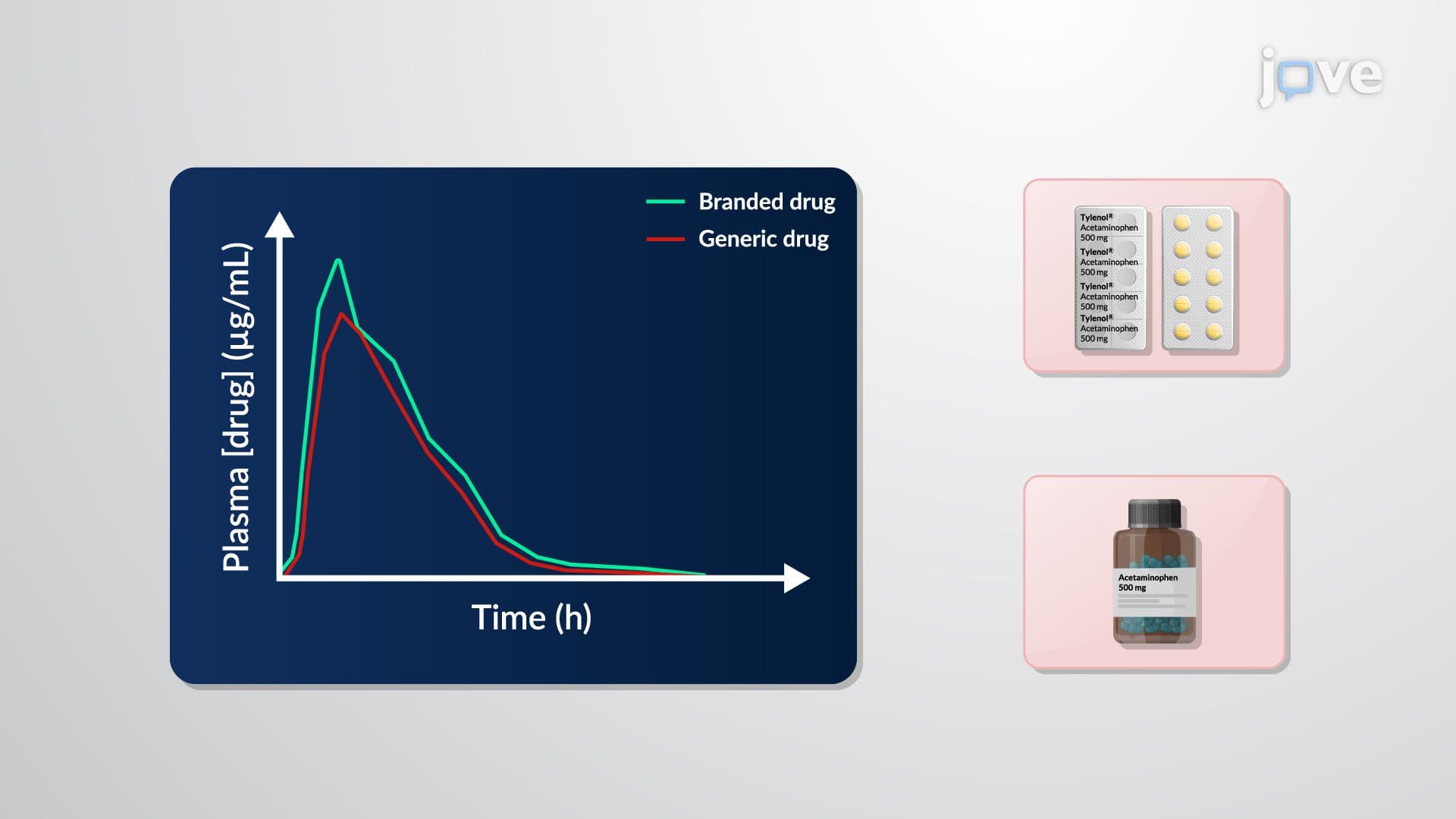
When Teva Pharmaceuticals developed generic versions of Adderall, they used crossover designs to demonstrate bioequivalence with the brand medication. Participants received both formulations in randomized order with appropriate wash-out periods, allowing FDA reviewers to confirm the generic produced identical blood concentration profiles, ensuring therapeutic equivalence for ADHD patients nationwide.
No advanced statistics background is required to grasp the fundamental concepts. Understanding basic principles of experimental control, randomization, and why eliminating individual differences improves measurement precision provides sufficient foundation for high school and introductory college courses covering this topic.
Focus on understanding the logic behind using subjects as their own controls, memorize key advantages (increased precision, reduced sample size requirements) and challenges (carry-over effects, complex randomization). Practice identifying when wash-out periods are necessary and recognize how these designs contribute to drug safety and regulatory approval processes.
Consider studying broader clinical trial methodology, including parallel group designs, dose-response relationships, and pharmacokinetic analysis. Understanding FDA regulatory pathways for drug approval and biostatistics applications in pharmaceutical research builds naturally upon these experimental design foundations.
Related Micro-courses