Loading video…

 17 Concepts
 1.1K views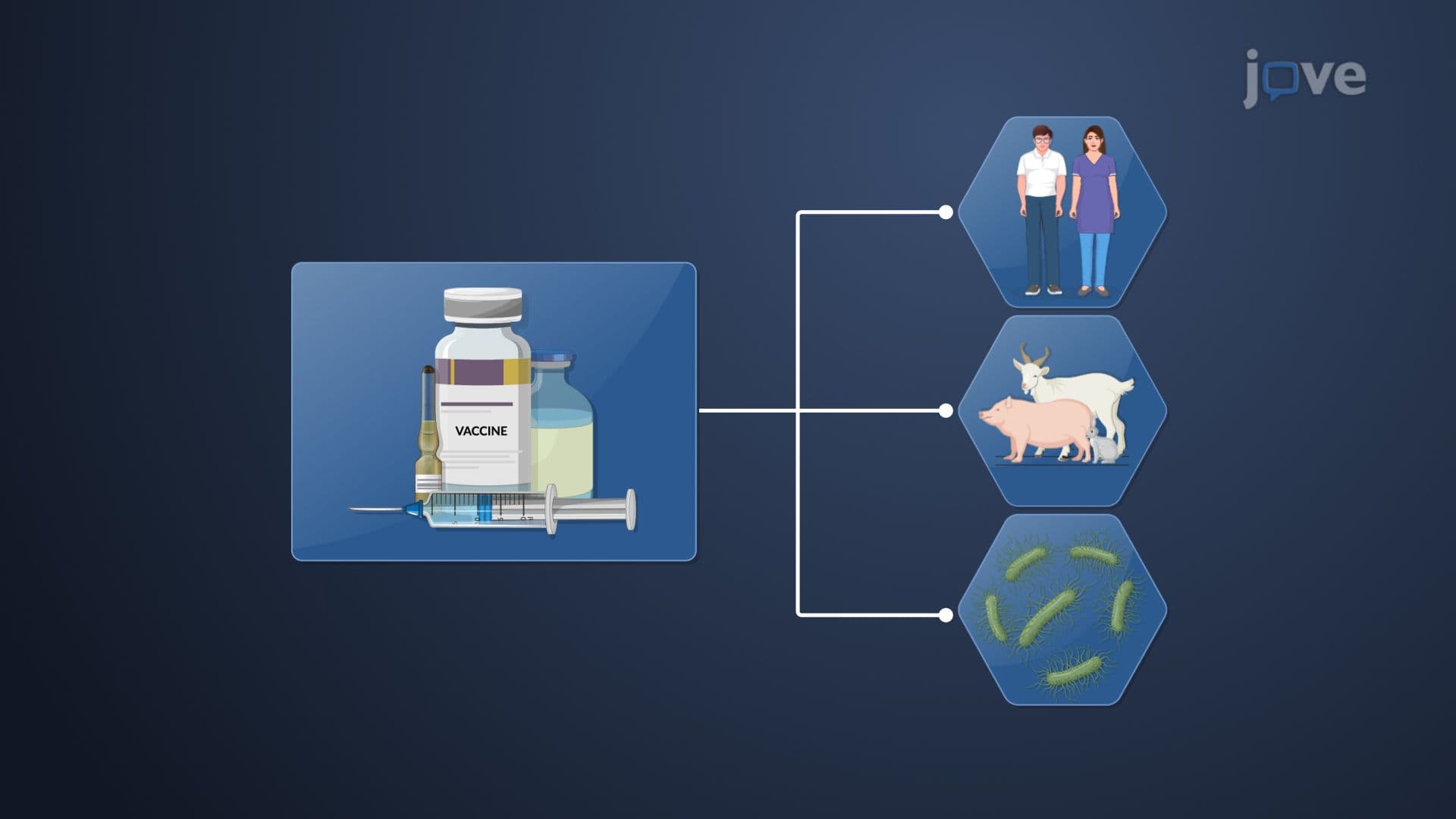

Video Summary: Drug Products Biologics Biosimilars and Interchangeables Explained
Did you know that insulin, the life-saving medication for diabetics, isn't manufactured in traditional pharmaceutical factories but grown in living organisms? Drug products biologics biosimilars represent a revolutionary approach to medicine, where treatments like Humira (used for arthritis) are created from living cells rather than chemical synthesis. Understanding Drug Products Biologics Biosimilars And Interchangeables Explained is crucial for grasping how modern medicine develops cost-effective alternatives to expensive biologic treatments. Watch the full video on JoVE Coach to master this concept with expert-led visuals and step-by-step explanations.
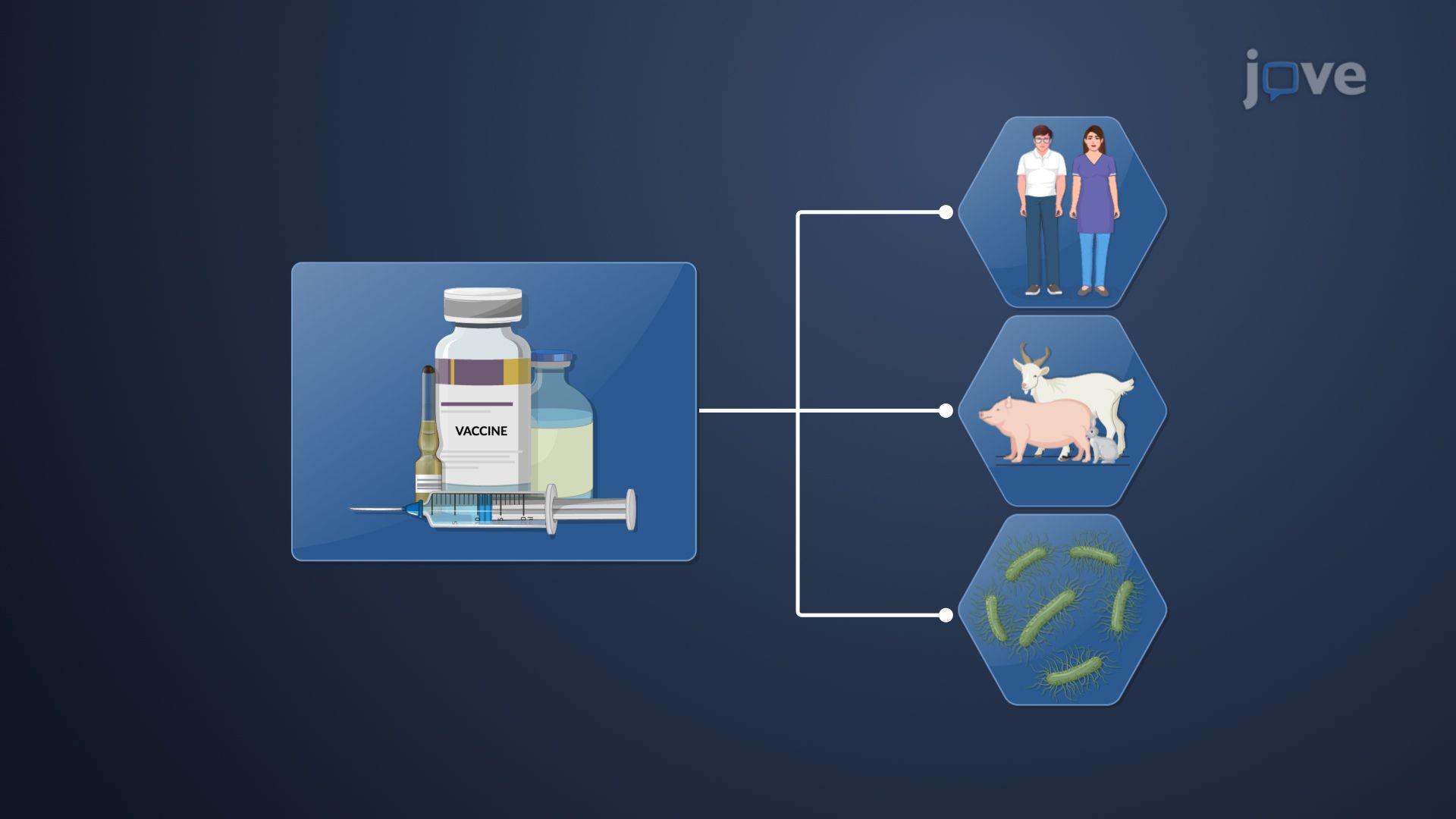
The landscape of modern pharmaceuticals extends far beyond traditional chemical compounds synthesized in laboratories. Biologics represent a sophisticated class of medications derived from living organisms, fundamentally changing how we approach treatment for complex diseases. Unlike conventional drugs that consist of small, well-defined chemical molecules, biologics are large, complex proteins or other substances produced by living cells, including bacteria, yeast, or mammalian cell cultures.
Biologics originate from three primary living sources: humans, animals, and microorganisms. The complexity of these products stems from their biological origin, making them significantly more challenging to characterize and replicate than traditional pharmaceuticals. Consider insulin, originally extracted from pig and cow pancreases, now predominantly produced using genetically modified bacteria or yeast. Growth hormones, another prominent example, are manufactured using recombinant DNA technology in specialized cell cultures, replacing earlier extraction methods from human cadavers.
The manufacturing process for biologics involves sophisticated biotechnology platforms that maintain precise environmental conditions. Unlike chemical synthesis, where identical molecules are produced through predictable reactions, biological manufacturing introduces inherent variability. This variability necessitates rigorous quality control measures and comprehensive analytical testing throughout production.
The Patient Protection and Affordable Care Act of 2010 revolutionized biologic regulation by establishing the Biologics Price Competition and Innovation Act. This legislation created abbreviated pathways for biosimilar and interchangeable biologic approvals, similar to generic drug pathways but adapted for biological complexity. The FDA's Purple Book, analogous to the Orange Book for generic drugs, lists approved biosimilar and interchangeable biologics.
This regulatory framework addresses the significant cost burden of biologic treatments. For instance, Humira (adalimumab), used to treat rheumatoid arthritis and Crohn's disease, costs approximately $5,000-$6,000 per month. Biosimilar alternatives can reduce costs by 20-30%, making treatments more accessible to patients and reducing healthcare system expenses.
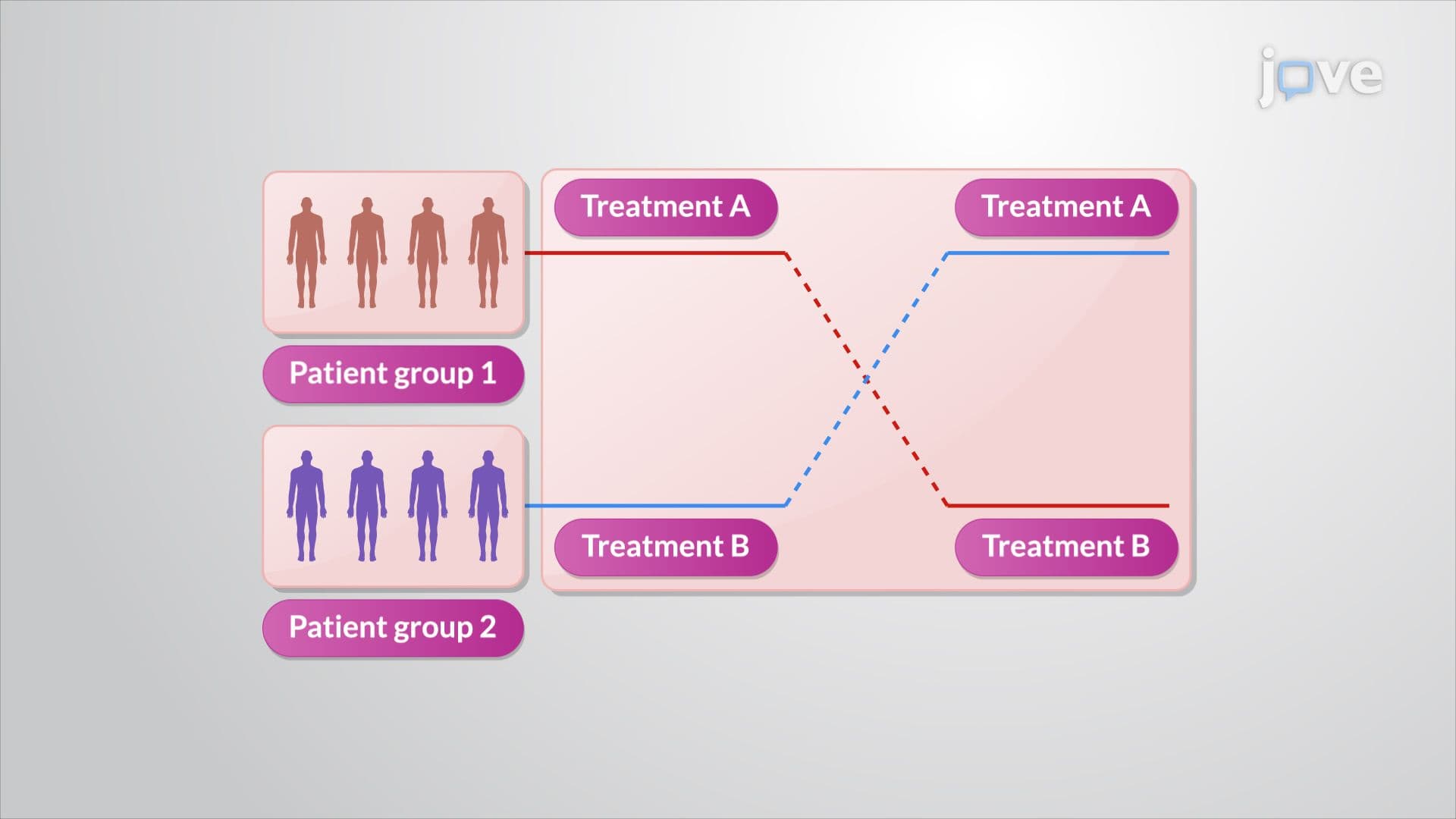
Biosimilar products demonstrate high similarity to reference products with no clinically meaningful differences in safety, purity, and potency. However, achieving interchangeable status requires additional evidence demonstrating that the biosimilar produces the same clinical result as the reference product without increased risk or diminished efficacy when switched or alternated.
The distinction carries practical implications for pharmacy substitution practices. While biosimilars require physician approval for switching, interchangeable products allow automatic pharmacy substitution, similar to generic drugs. This difference significantly impacts patient access and healthcare delivery efficiency.
Students preparing for MCAT, USMLE, or AP Biology exams should understand that biosimilarity assessment involves comprehensive comparative studies examining physicochemical properties, biological activity, immunogenicity, and clinical outcomes across diverse patient populations.
Related Micro-courses