Loading video…

 17 Concepts
 1.1K views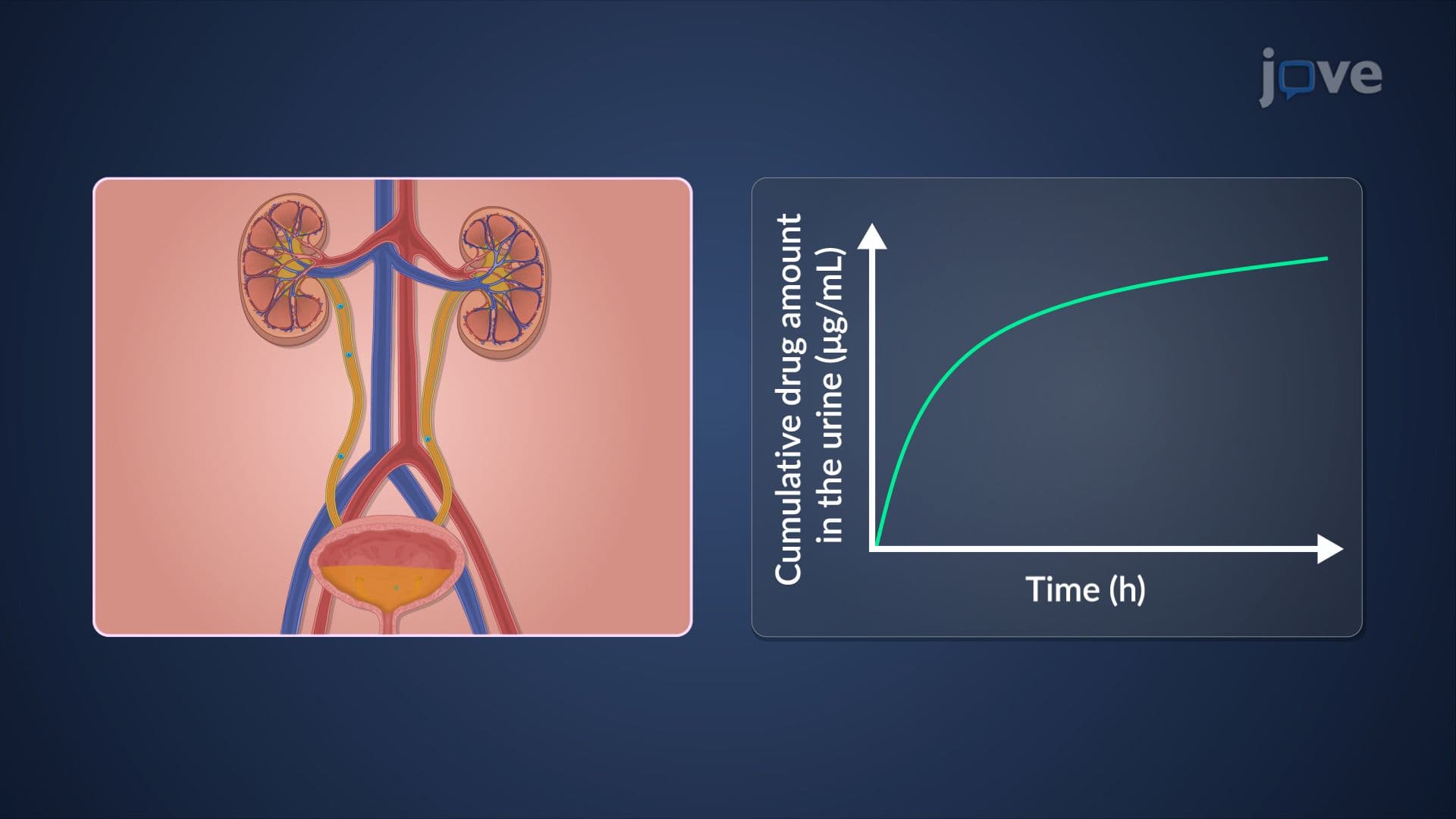

Video Summary: Measurement of Bioavailability Pharmacokinetic Methods Guide
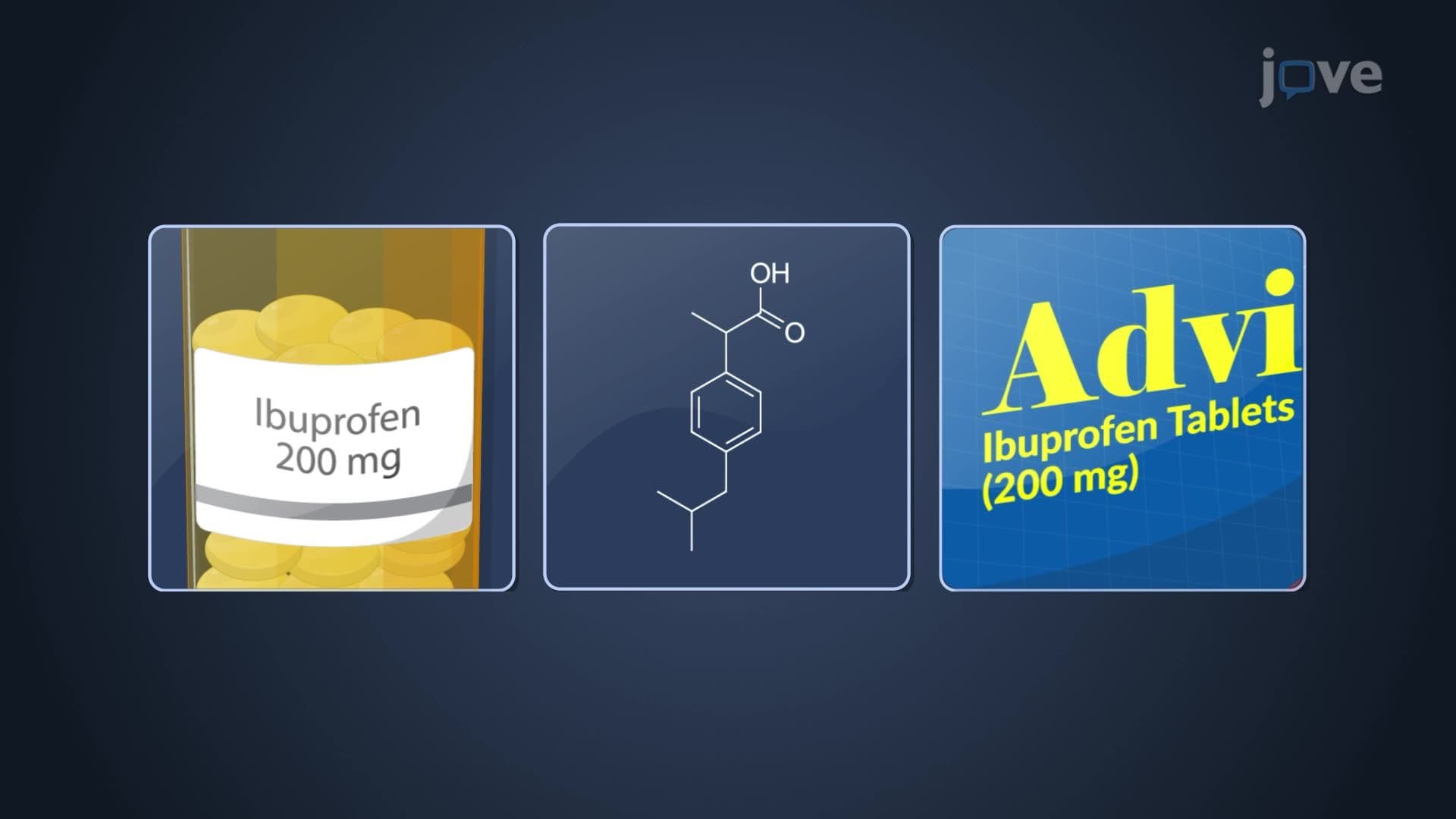
Ever wonder why some medications work faster than others, or why your doctor might switch you from a brand-name drug to a generic version? The measurement of bioavailability pharmacokinetic methods reveals how effectively drugs are absorbed and utilized by your body. When the FDA evaluates new formulations of common medications like ibuprofen or acetaminophen, they rely on these precise scientific techniques to ensure therapeutic equivalence. Watch the full video on JoVE Coach to master this concept with expert-led visuals and step-by-step explanations.
Bioavailability measurement represents a cornerstone of modern pharmaceutical science, determining how much of an administered drug reaches systemic circulation and becomes available for therapeutic action. These pharmacokinetic methods provide quantitative data that pharmaceutical companies and regulatory agencies use to ensure drug safety, efficacy, and quality across different formulations.
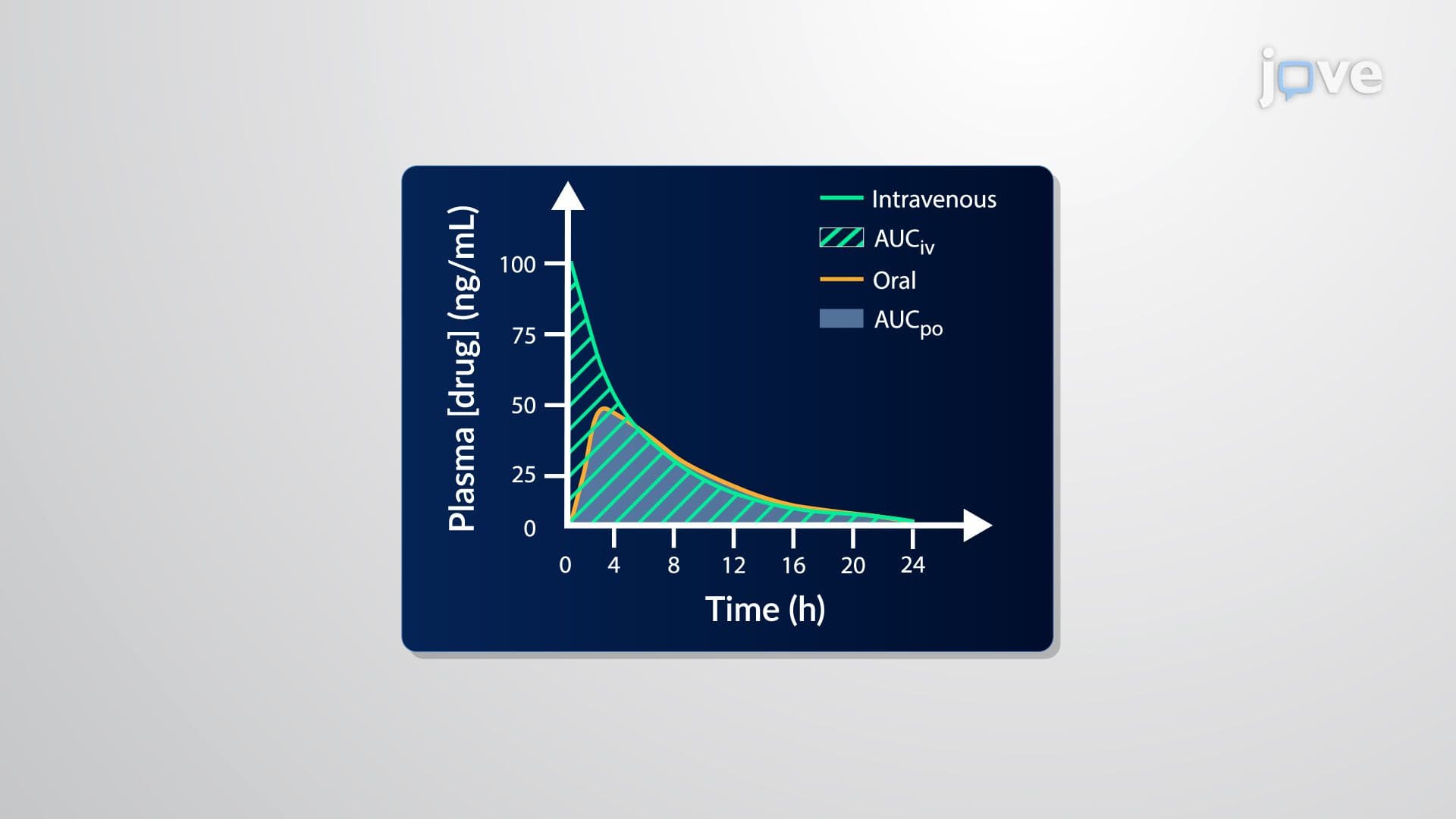
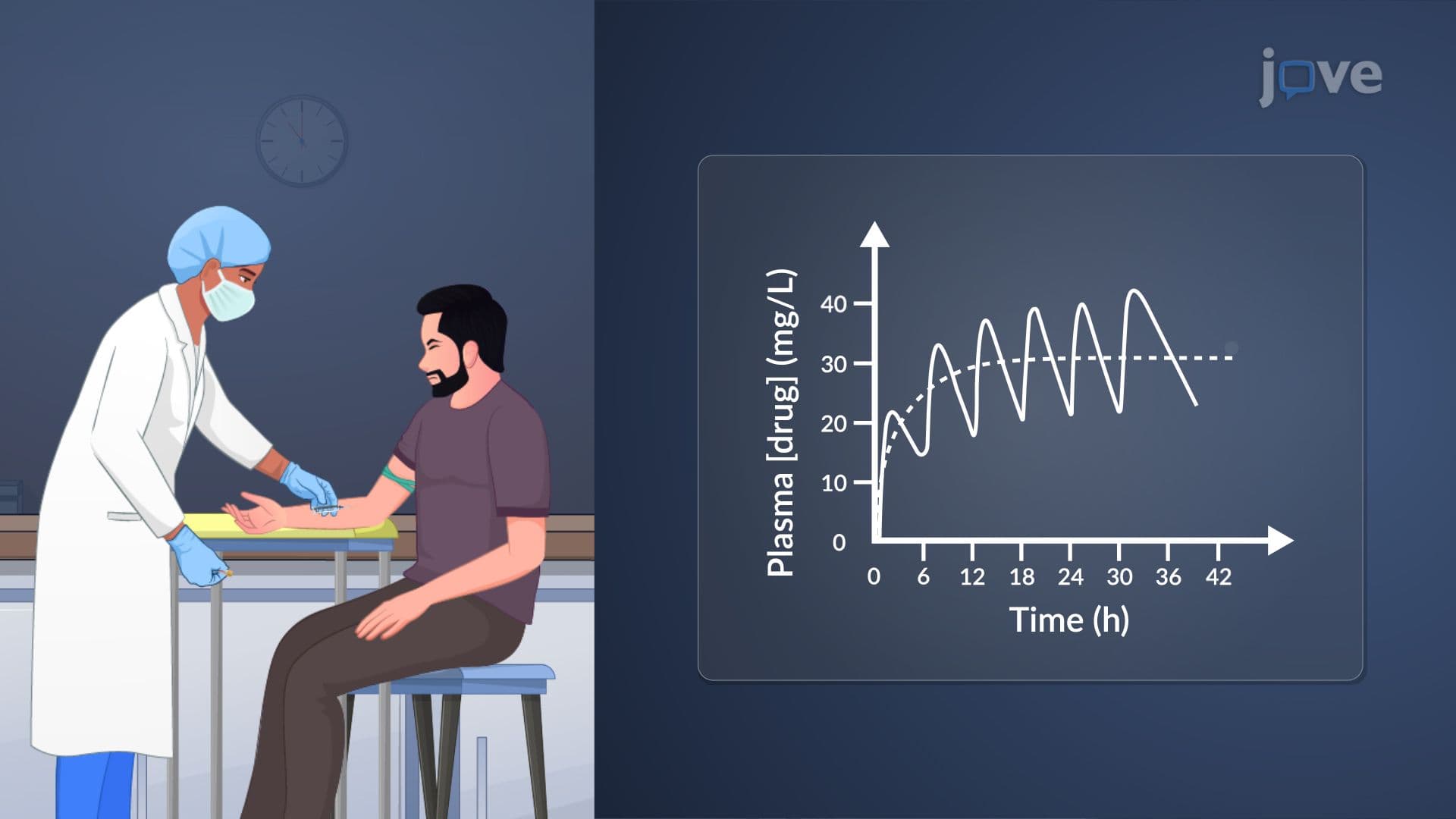
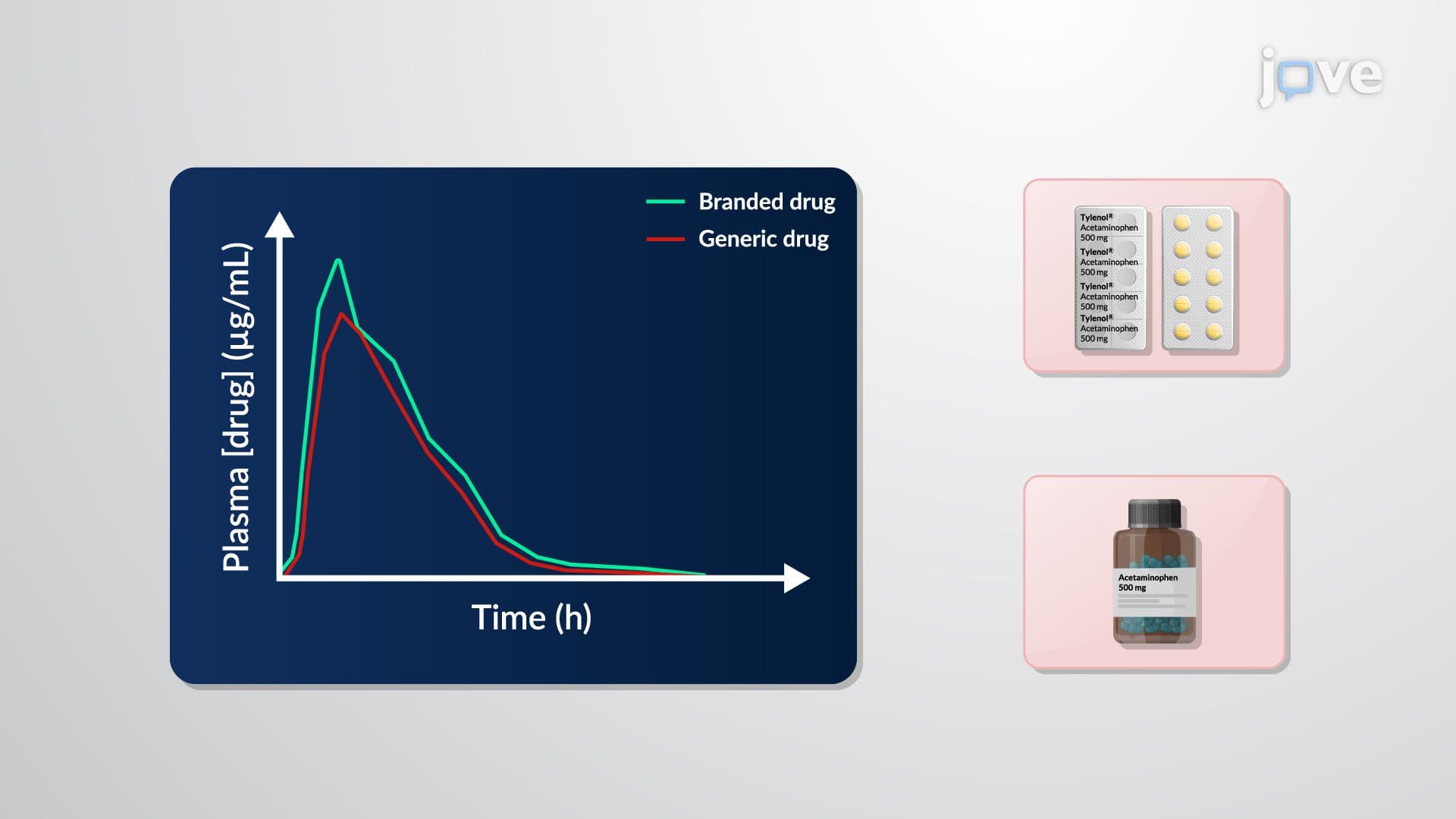
Plasma concentration-time studies form the backbone of bioavailability assessment. When researchers collect blood samples at specific intervals after drug administration, they create detailed profiles showing how drug levels change over time. The resulting data yields three critical parameters that appear frequently on MCAT and pharmacy school examinations.
Tmax represents the time to reach peak plasma concentration, indicating absorption speed. A shorter Tmax suggests rapid drug uptake-crucial for medications like emergency epinephrine autoinjectors where immediate action saves lives. Cmax measures the maximum plasma concentration achieved, reflecting both absorption extent and elimination rate. Higher Cmax values often correlate with enhanced therapeutic effects but may also increase side effect risks.
The Area Under the Curve (AUC) provides the most comprehensive bioavailability measure, representing total drug exposure over time. FDA bioequivalence studies require generic drugs to demonstrate AUC values within 80-125% of brand-name references, ensuring therapeutic equivalence for patients switching between formulations.
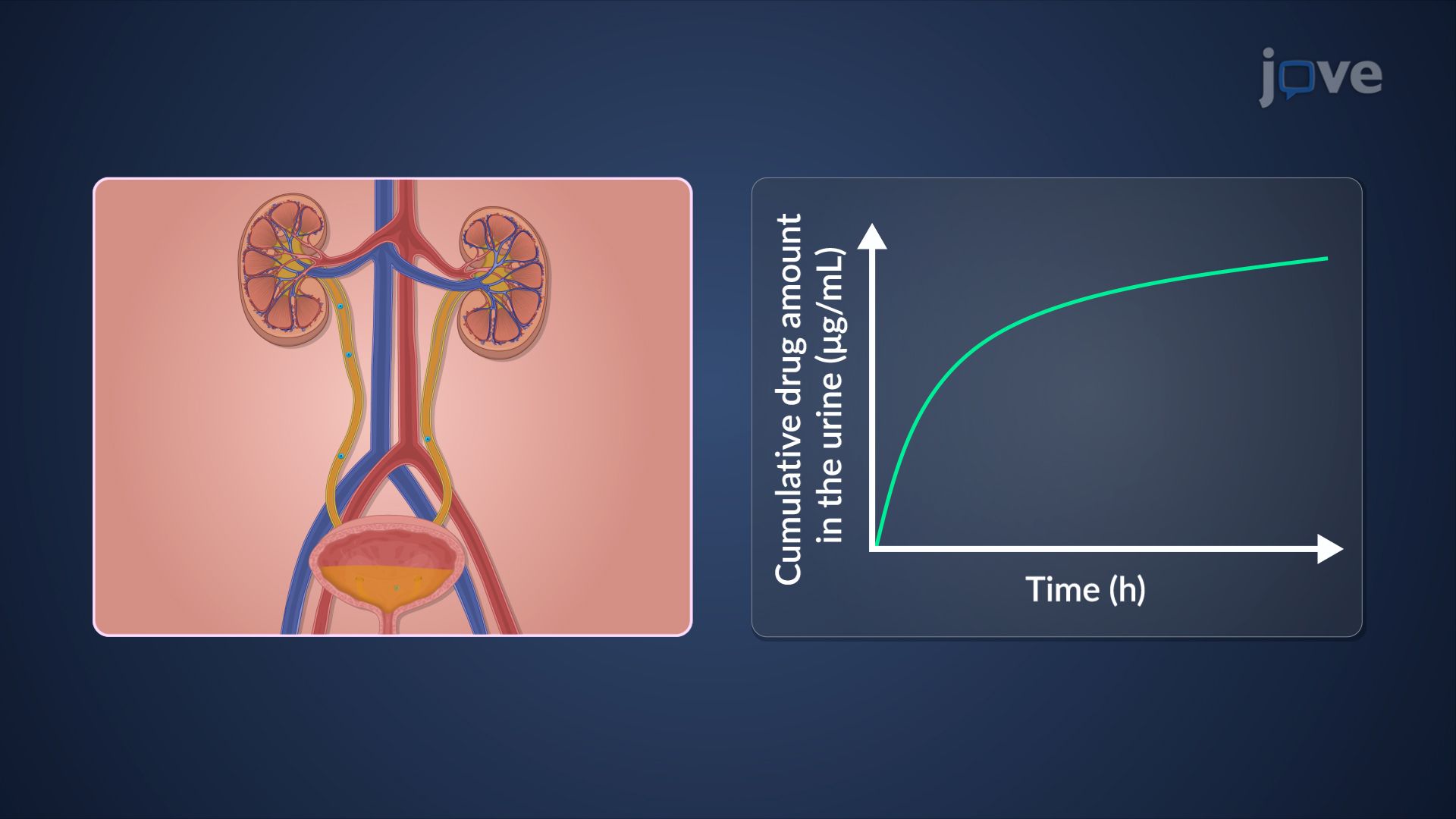
When plasma sampling proves challenging or impractical, urinary excretion studies offer valuable alternatives. These methods track cumulative drug amounts excreted in urine over time, providing insights into total absorption without requiring frequent blood draws-particularly beneficial for pediatric or elderly patient populations.
The cumulative amount excreted (Xu∞) reflects total drug absorption, while excretion rate (dXu/dt) patterns mirror plasma concentration profiles. Total excretion time (t∞) encompasses the complete absorption and elimination timeline, enabling researchers to compare different drug products effectively.
These concepts frequently appear in advanced placement chemistry courses, undergraduate pharmacology classes, and professional school entrance exams. Students preparing for the MCAT encounter bioavailability questions in both chemical and biological sciences sections, while pharmacy students apply these principles throughout their curriculum and on NAPLEX examinations.
Related Micro-courses