Loading subject page…
- Pharmacokinetics and Pharmacodynamics
- Bioavailability and Bioequivalence
- Bioavailability: Overview
Micro-course: Bioavailability and Bioequivalence
1,059 views
Learn key concepts and earn your certificate.


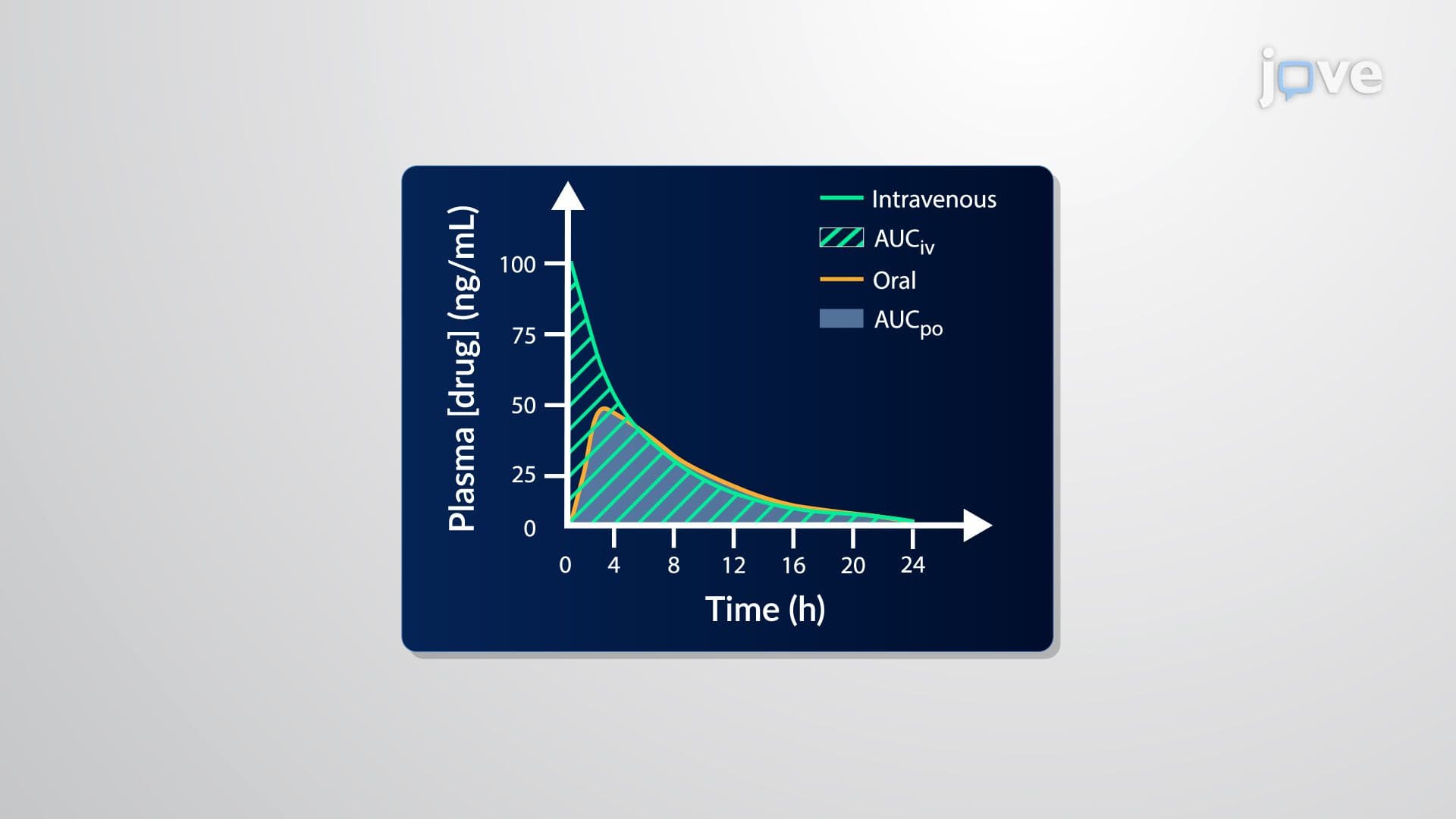
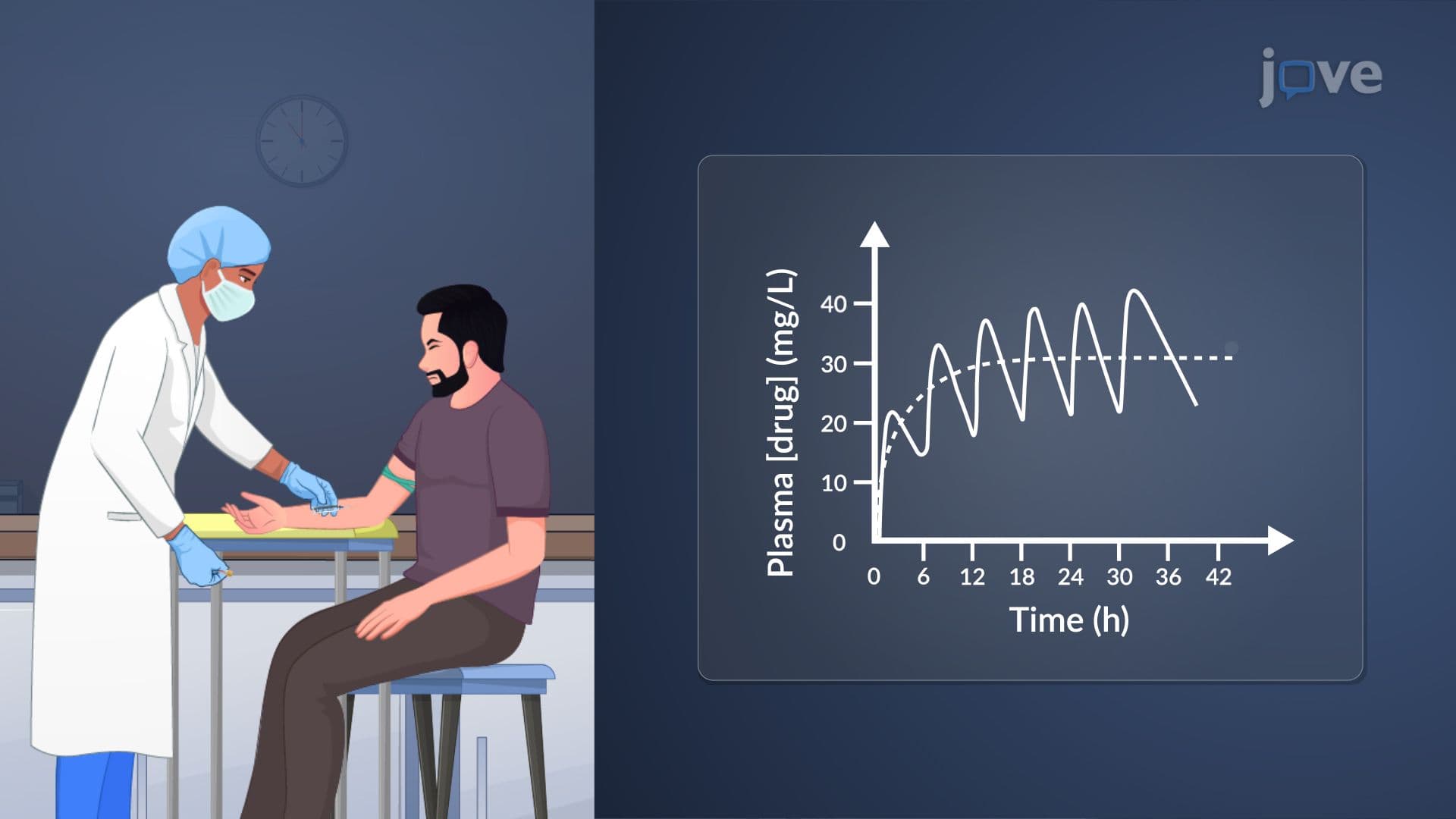
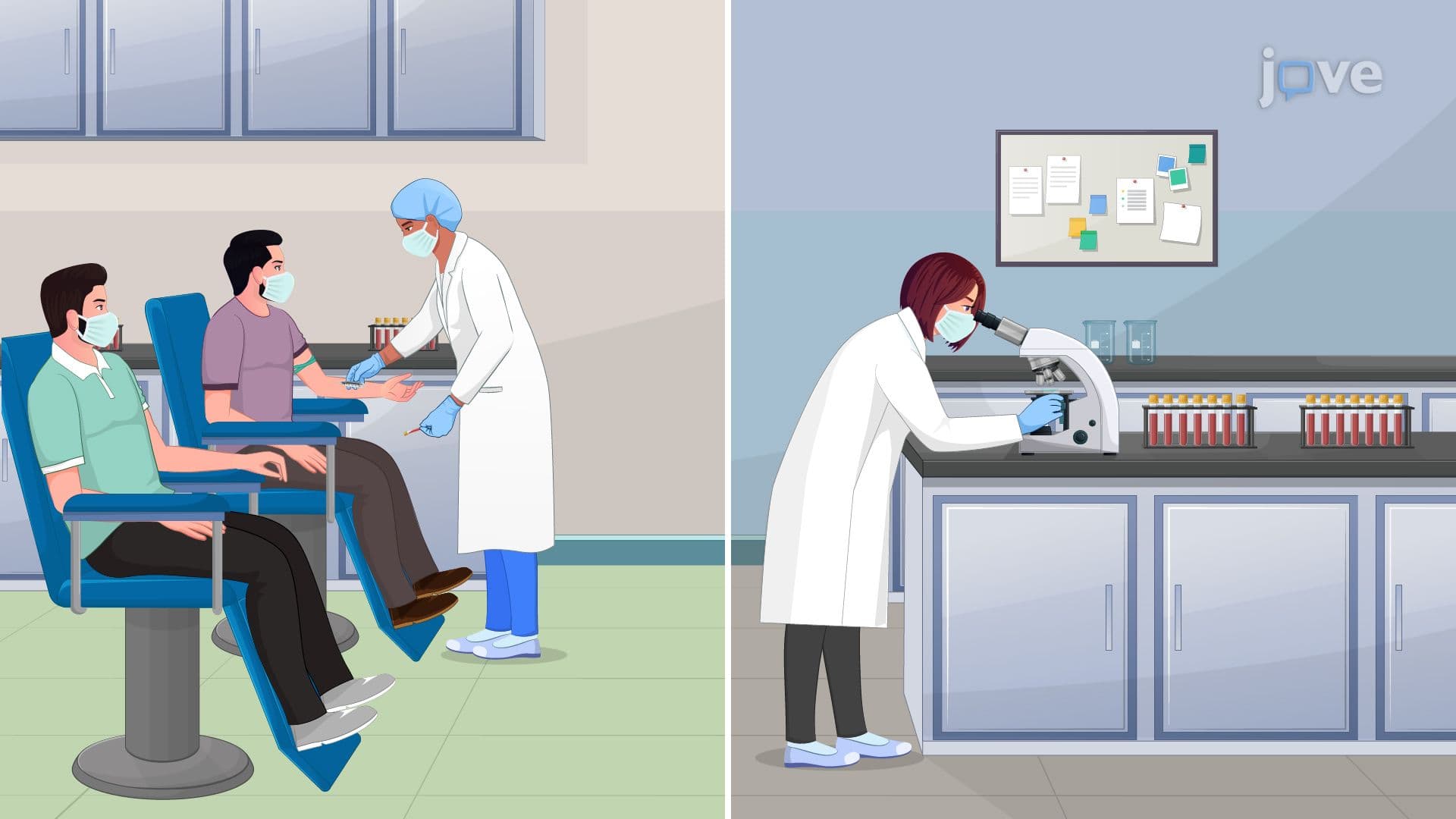
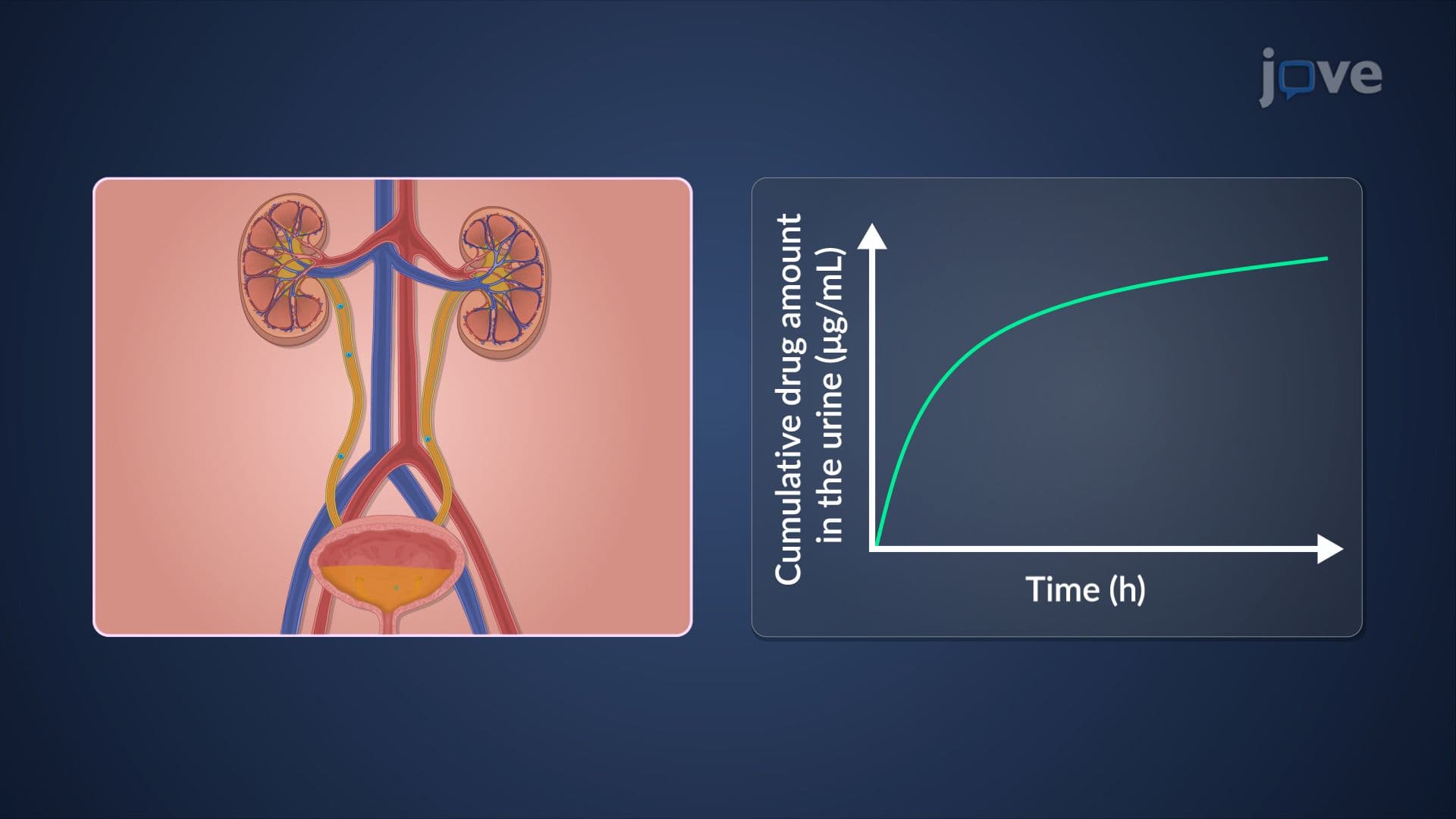
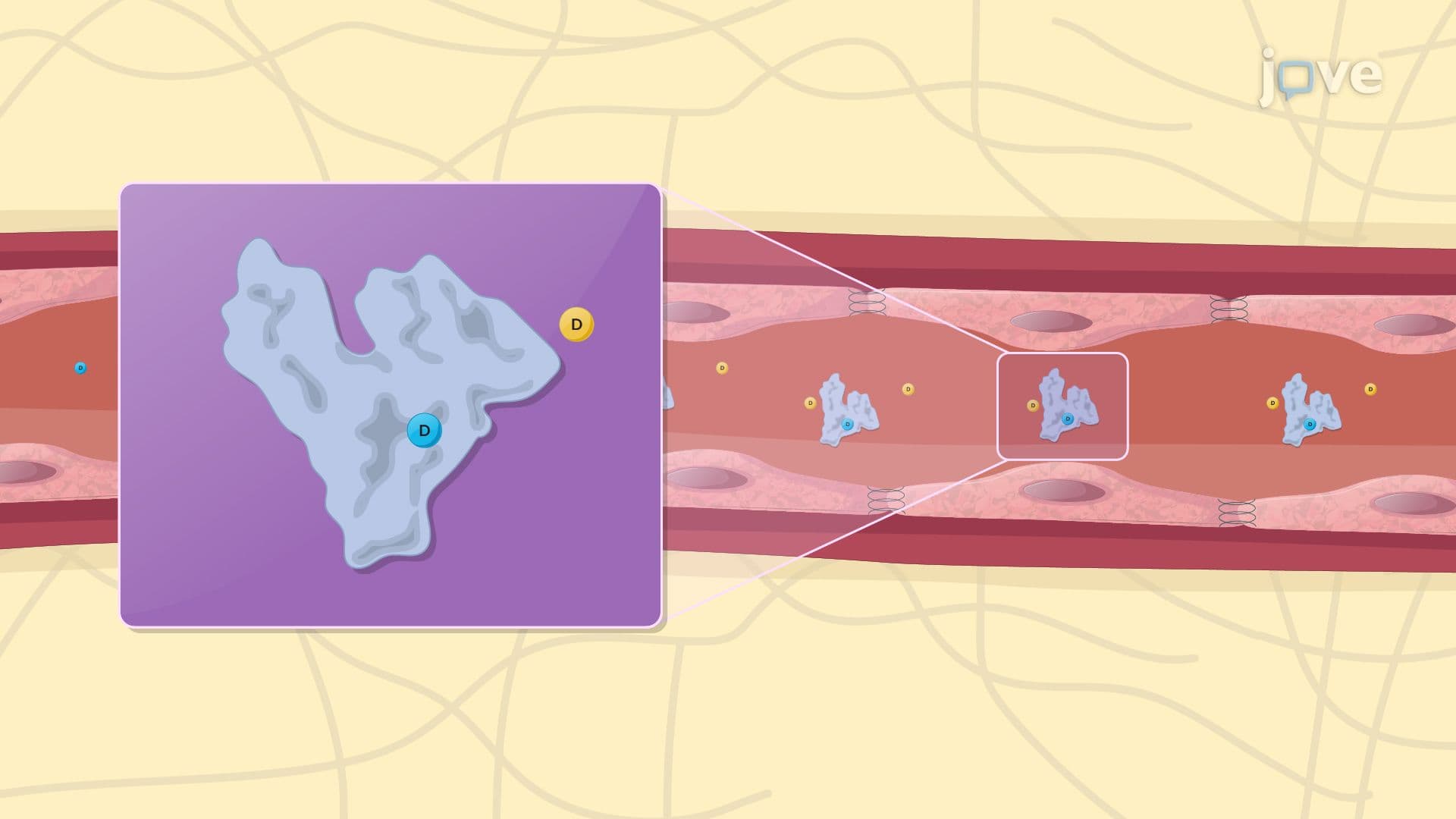
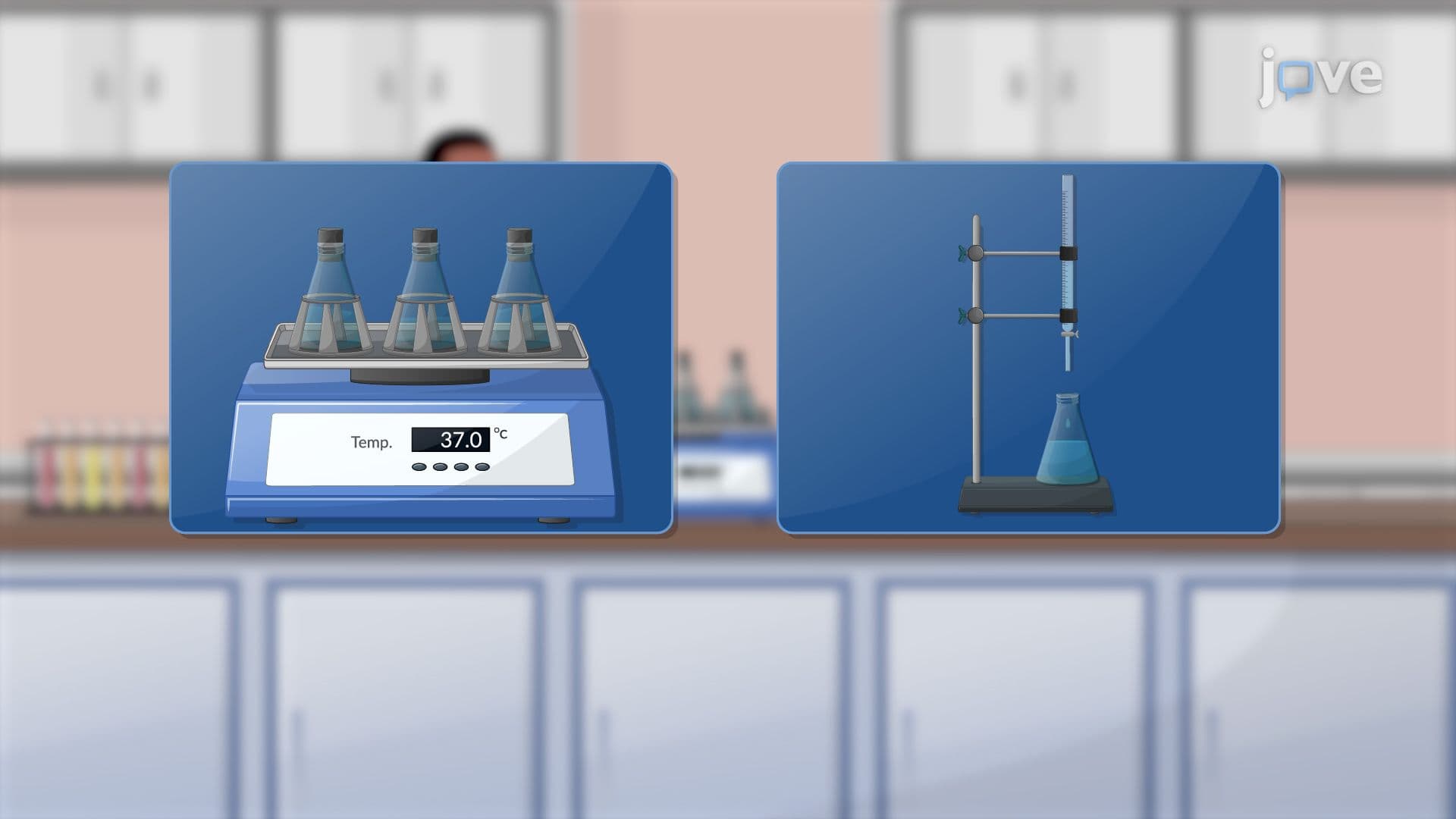
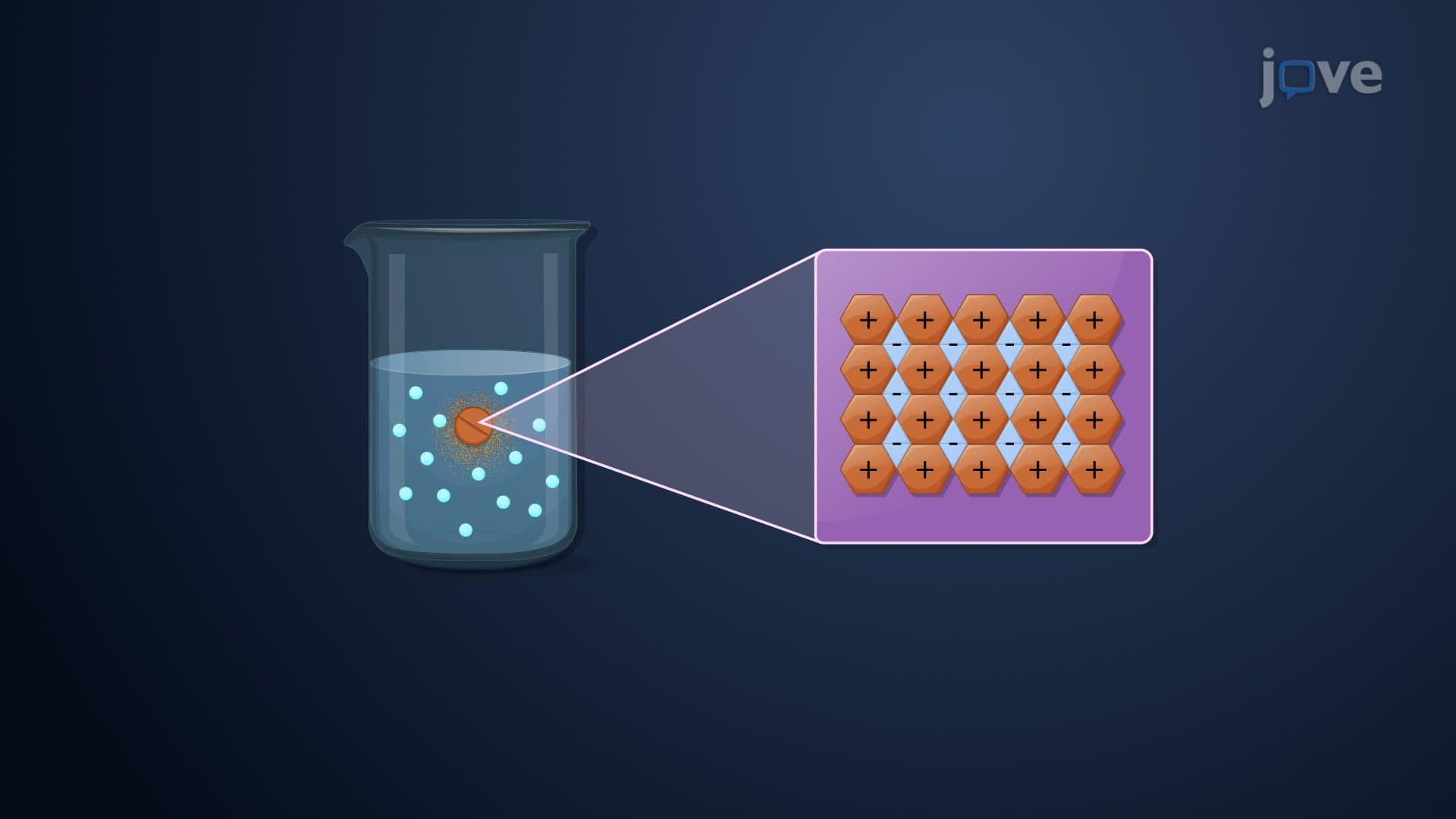
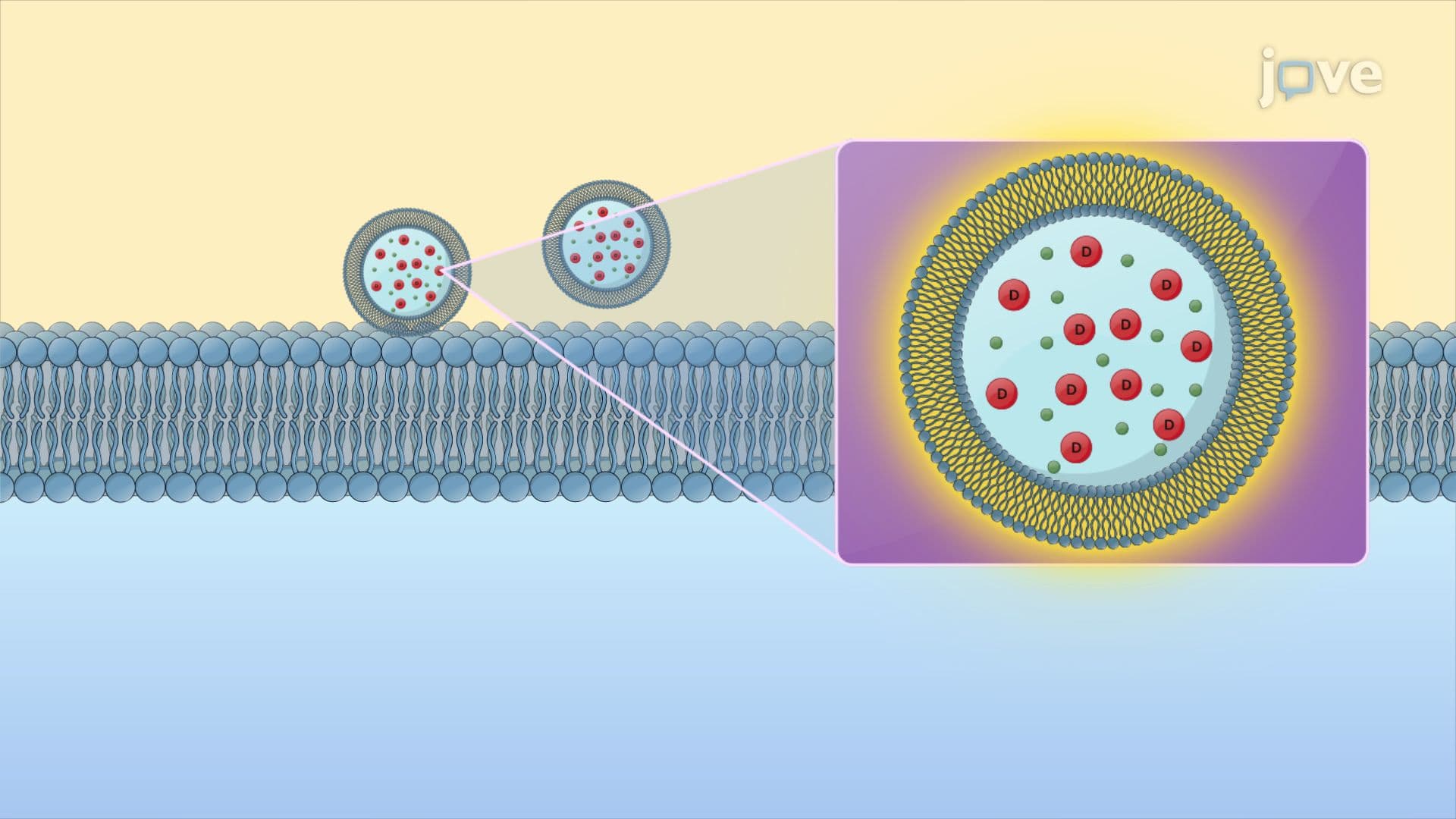
Bioavailability: Overview

00:00
01:17
Video Summary: What Is Bioavailability
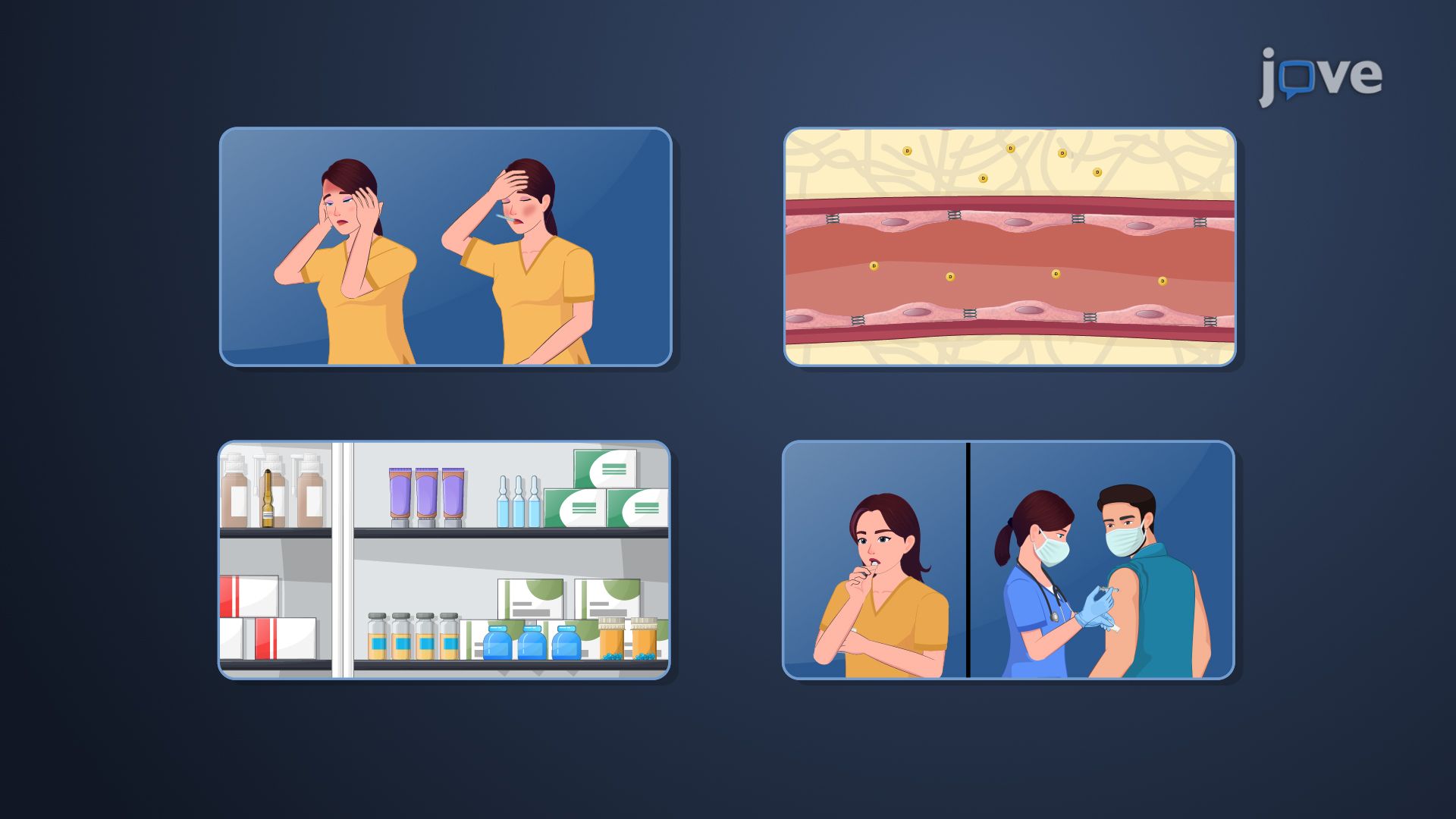
Ever wonder why your doctor prescribes a higher dose of some medications when taken orally versus injection? The answer lies in bioavailability, the fraction of an administered drug dose that actually reaches your bloodstream unchanged. While an IV injection delivers 100% bioavailability, oral medications like acetaminophen (Tylenol) may only achieve 60-90% due to liver metabolism. Understanding what is bioavailability helps explain why route of administration dramatically affects drug effectiveness. Watch the full video on JoVE Coach to master this concept with expert-led visuals and step-by-step explanations.
- Understand what is bioavailability and how it quantifies the fraction of administered drug reaching systemic circulation
- Identify factors affecting bioavailability including administration route, first-pass metabolism, and gastrointestinal conditions
- Compare bioavailability across different drug delivery methods, from 100% IV to variable oral absorption
- Analyze how liver enzymes, gastric pH, and intestinal motility influence drug absorption and metabolism
- Evaluate why certain drugs like lidocaine require specific administration routes due to extensive first-pass effects
- Apply bioavailability principles to predict therapeutic effectiveness and dosing requirements
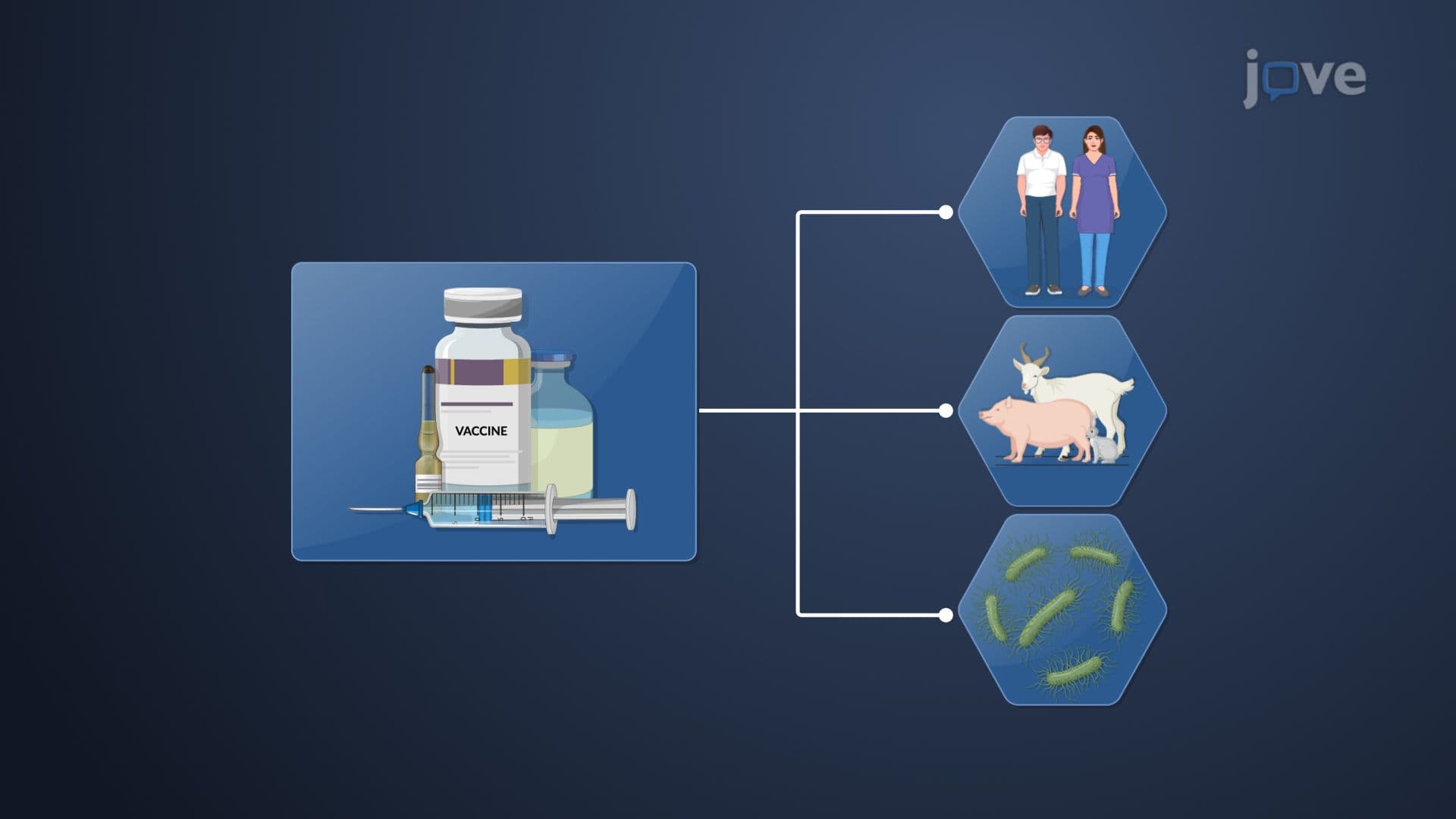
- Recognize the clinical importance of bioavailability studies in pharmaceutical development and patient care
- Explore real-world examples of how bioavailability affects medication selection in US healthcare settings
Understanding What is Bioavailability in Pharmacology
Bioavailability represents one of pharmacology's most fundamental concepts, defining the proportion of an administered drug that reaches systemic circulation in its active, unchanged form. This bioavailability definition explained simply means measuring how much medication actually gets into your bloodstream to produce therapeutic effects.
The mathematical expression for bioavailability compares the amount of drug reaching circulation to the total dose administered. For intravenous administration, bioavailability equals 100% since the drug bypasses all absorption barriers. However, oral medications face significant hurdles including stomach acid degradation, intestinal absorption limitations, and hepatic first-pass metabolism.
Factors Influencing Drug Bioavailability
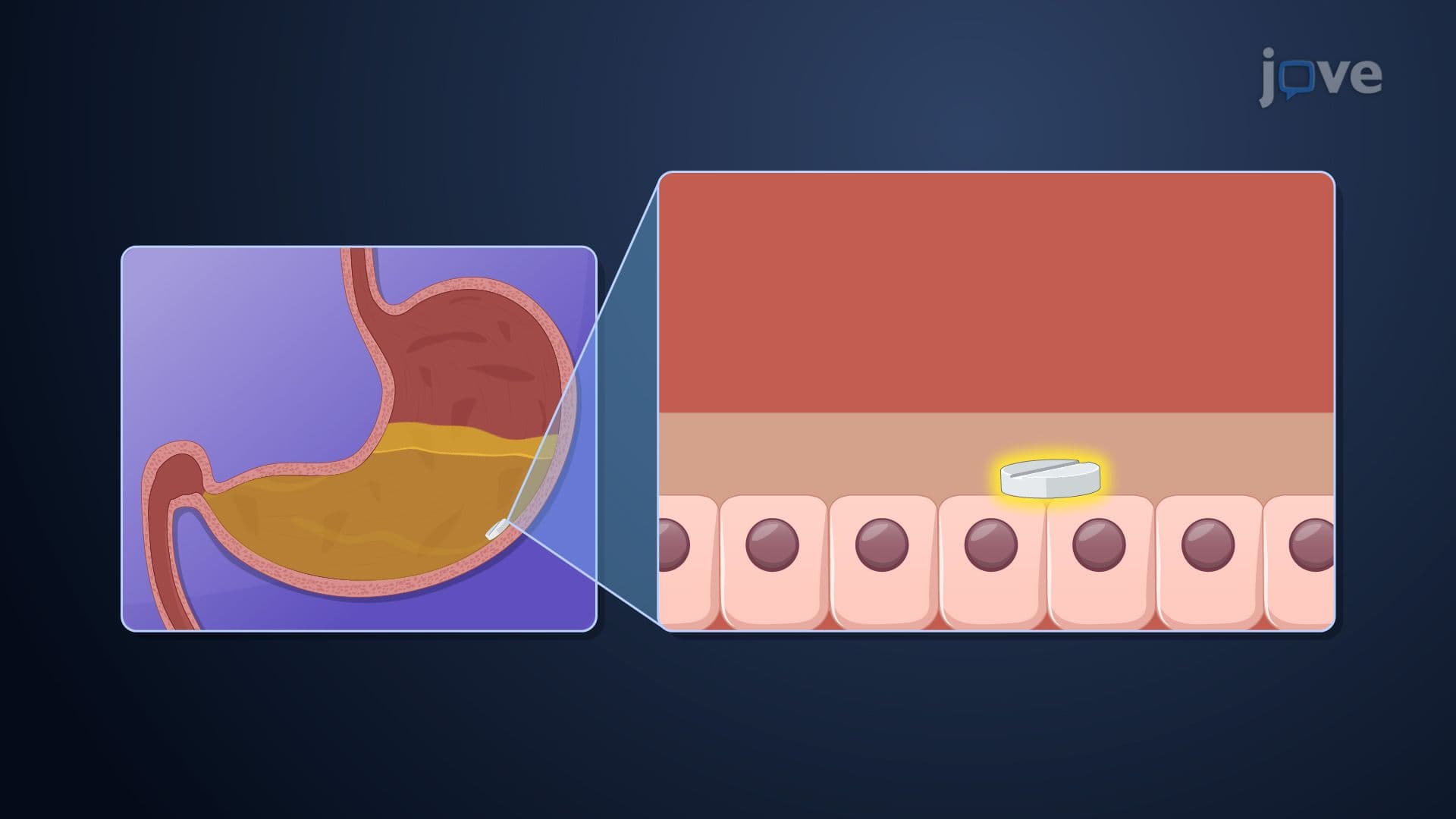
Multiple physiological and pharmaceutical factors determine bioavailability outcomes. Gastric pH significantly affects drug stability and dissolution, for example, proton pump inhibitors like omeprazole (Prilosec) reduce stomach acid, potentially altering absorption of pH-sensitive medications. Intestinal motility, influenced by conditions like gastroparesis common in diabetic patients, can dramatically reduce bioavailability by limiting contact time between drug and absorptive surfaces.
First-pass metabolism in the liver represents perhaps the most significant bioavailability barrier for oral drugs. Enzymes in the cytochrome P450 system metabolize many medications before reaching systemic circulation. Lidocaine exemplifies this phenomenon, extensive hepatic metabolism renders oral administration ineffective, requiring topical or injectable routes for therapeutic benefit.
Clinical Applications and Bioavailability Studies
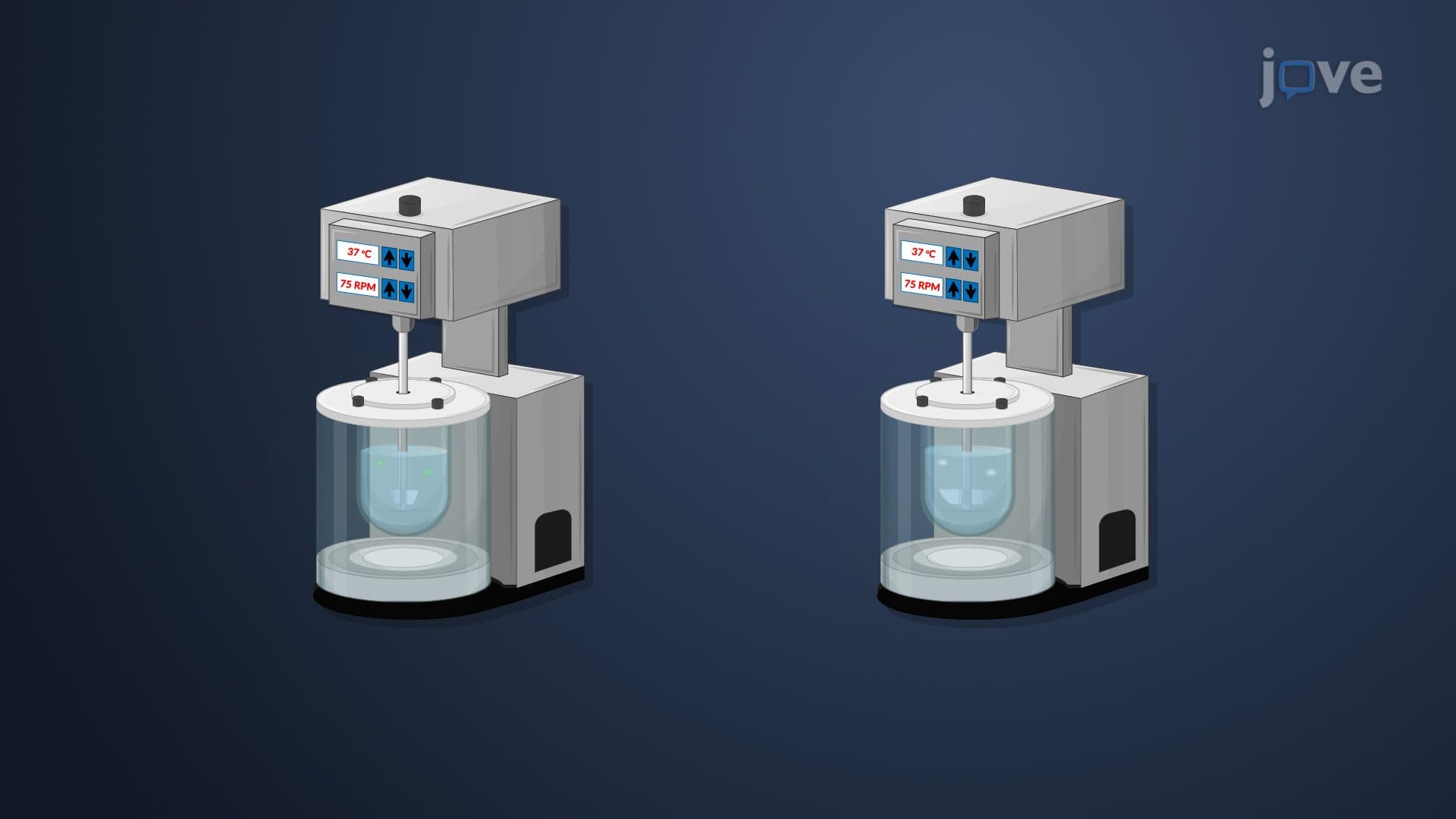
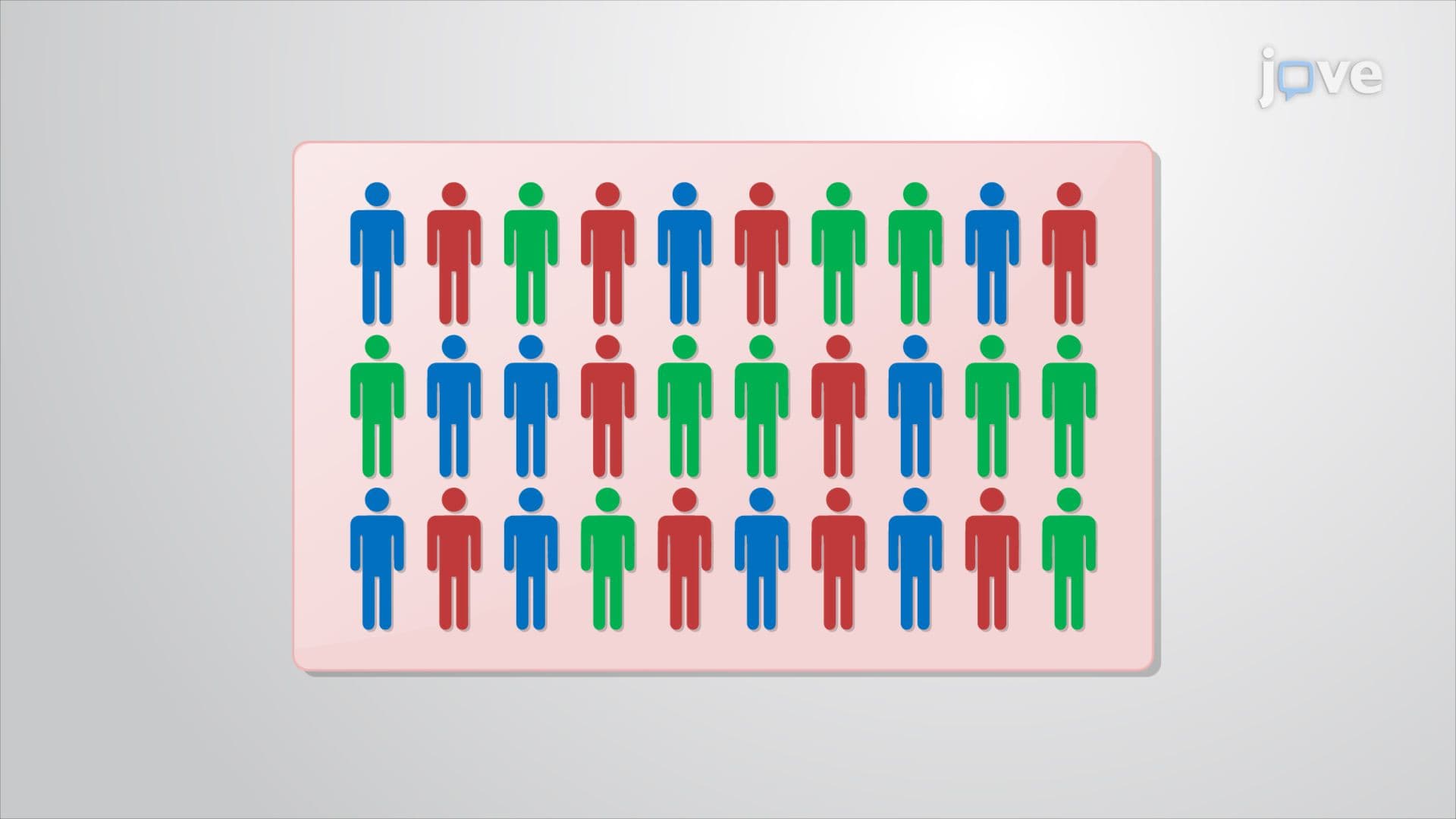
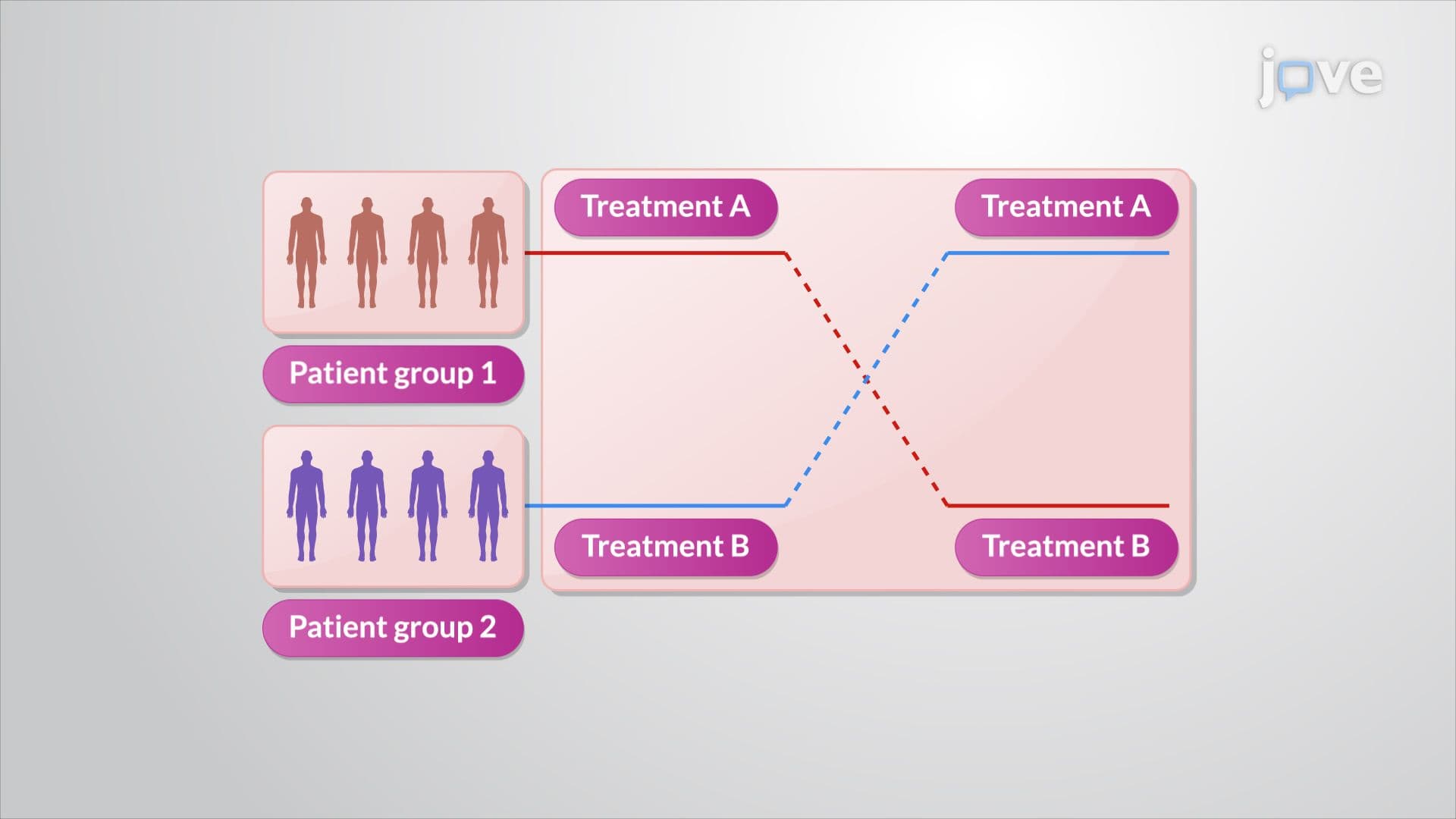
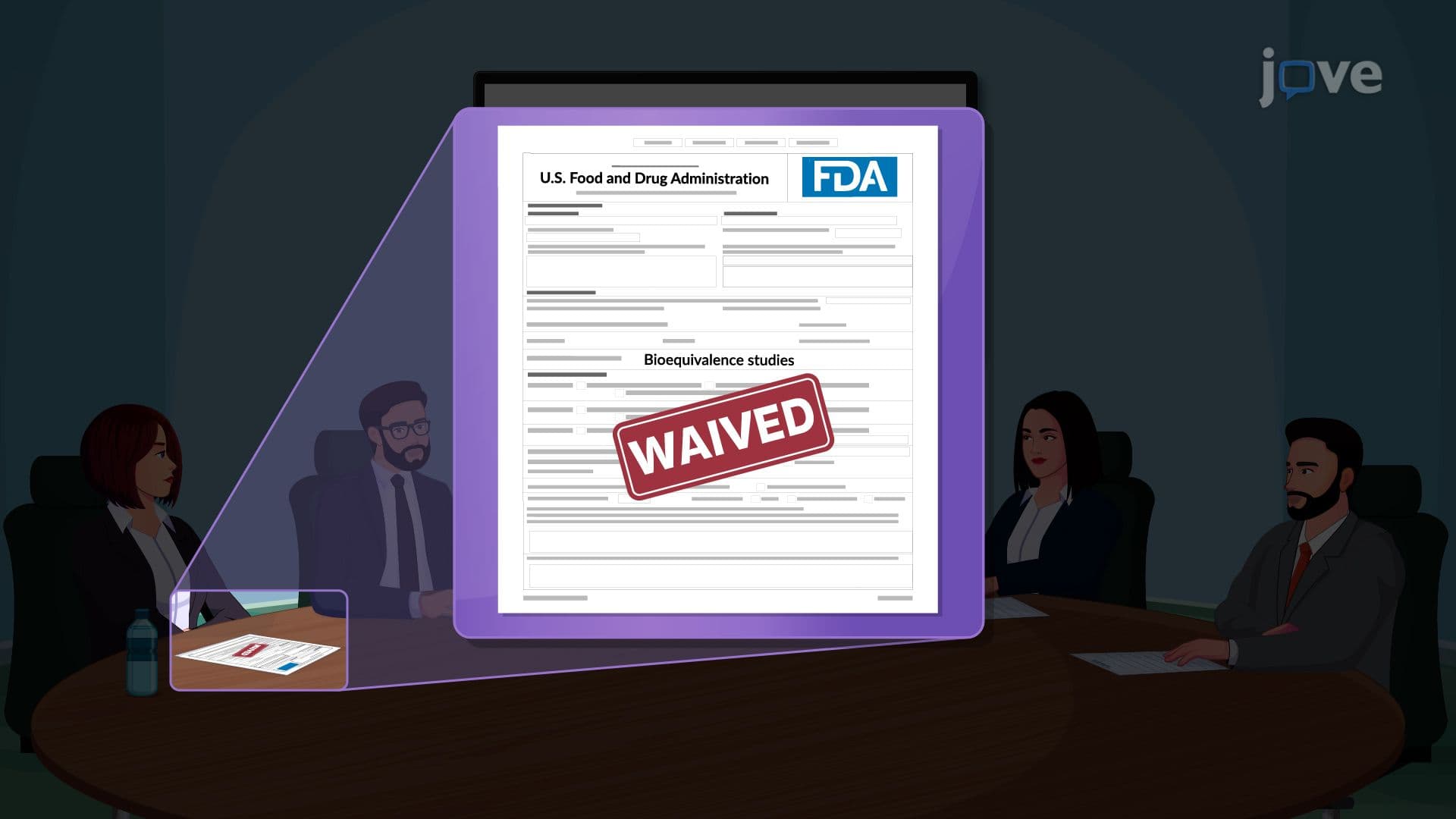
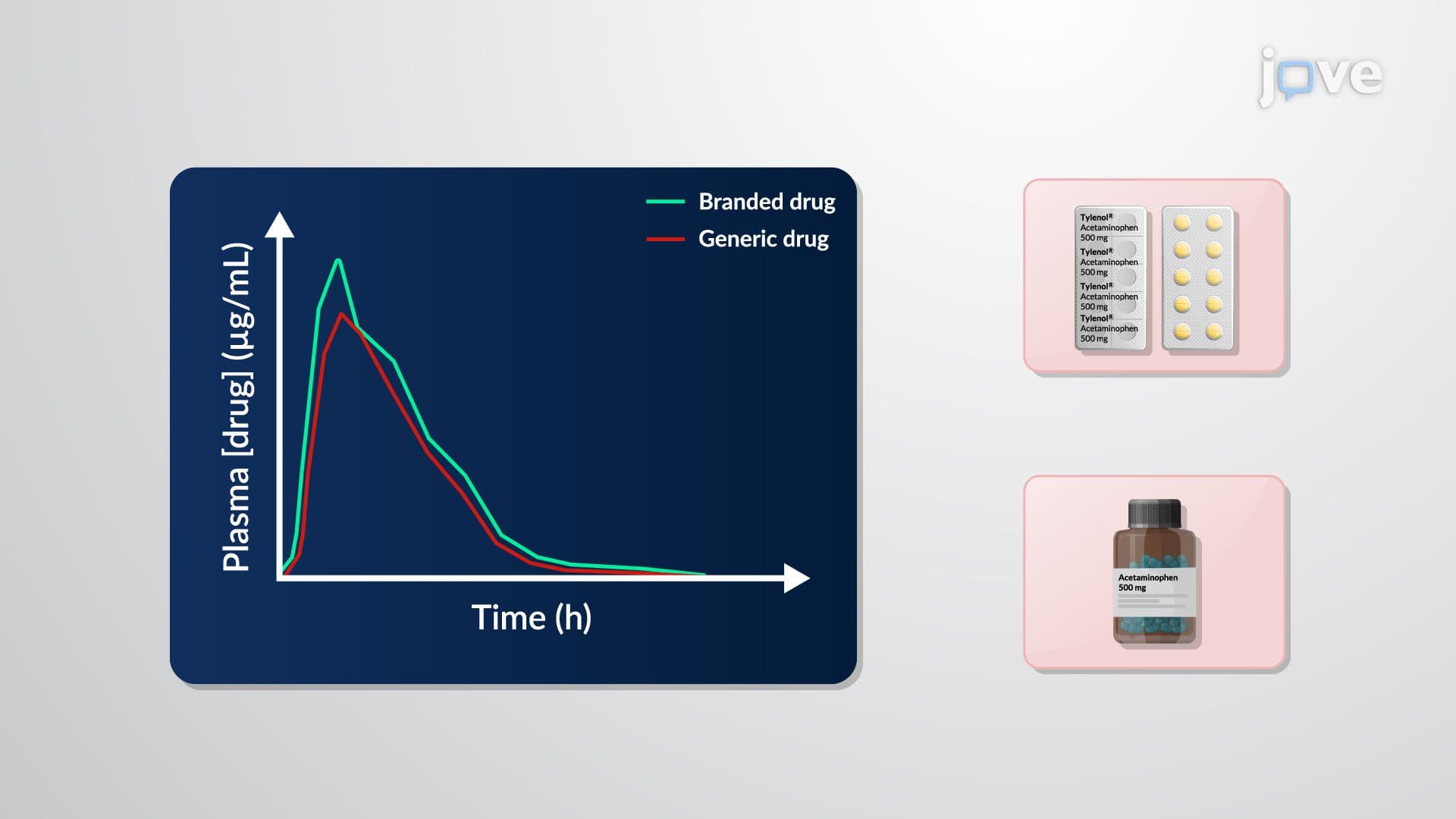
US pharmaceutical companies conduct comprehensive bioavailability studies during drug development, comparing new formulations against established reference standards. The FDA requires these studies to demonstrate bioequivalence between generic and brand-name medications, ensuring therapeutic substitutability.
Healthcare providers routinely consider bioavailability when prescribing medications. Warfarin (Coumadin) demonstrates narrow therapeutic windows where small bioavailability changes significantly impact anticoagulation effectiveness. Similarly, thyroid hormone replacement therapy requires careful attention to bioavailability differences between formulations to maintain stable hormone levels.
Bioavailability in Academic and Professional Examinations
Students preparing for MCAT, USMLE, or pharmacy school examinations frequently encounter bioavailability questions. AP Biology courses introduce these concepts when covering digestive system physiology and drug metabolism. Understanding bioavailability principles proves essential for nursing students taking NCLEX examinations, particularly when calculating drug dosages and understanding medication administration routes.
Frequently Asked Questions
Bioavailability measures the percentage of an administered drug dose that reaches your bloodstream in active form. It explains why the same medication may require different doses depending on whether it's taken orally, injected, or applied topically.
For MCAT purposes, bioavailability represents the fraction (F) of administered drug reaching systemic circulation unchanged, calculated as AUC(oral)/AUC(IV) × 100%. This concept frequently appears in passages about pharmacokinetics and drug metabolism.
AP Biology questions often test bioavailability concepts within digestive system units, asking students to explain why oral medications have lower bioavailability than injections due to first-pass liver metabolism and gastrointestinal absorption barriers.
Patient factors like age, liver disease, gastric pH changes from antacids, food interactions, and genetic variations in metabolizing enzymes all influence bioavailability. For example, grapefruit juice inhibits intestinal enzymes, increasing bioavailability of certain heart medications.
Not at all! Bioavailability builds on basic biology concepts you already know about digestion and circulation. Think of it as tracking how much of a medication successfully completes its journey from administration site to bloodstream.
Create comparison charts showing different administration routes and their typical bioavailability percentages. Practice calculating bioavailability from given data and memorize key examples like 100% IV versus variable oral absorption rates.
Drugs with extensive first-pass metabolism, like nitroglycerin or insulin, get broken down by liver enzymes before reaching circulation. These medications require alternative routes like sublingual, transdermal, or injection to achieve therapeutic effectiveness.
Explore related pharmacokinetic principles including drug distribution, metabolism pathways, and elimination half-life. These concepts work together to explain complete drug behavior in the human body.
Related Micro-courses