Loading subject page…


1,074 views


Video Summary: What Is Bioavailability Influencing Factors
Did you know that taking certain medications with a glass of grapefruit juice can dramatically alter their effectiveness? Bioavailability influencing factors determine how much of an administered drug actually reaches systemic circulation to produce therapeutic effects. These factors range from the drug's chemical properties to food interactions-for instance, the acne medication isotretinoin must be taken with fatty foods to maximize absorption in US patients. Understanding what is bioavailability influencing factors is crucial for safe and effective medication therapy. Watch the full video on JoVE Coach to master this concept with expert-led visuals and step-by-step explanations.
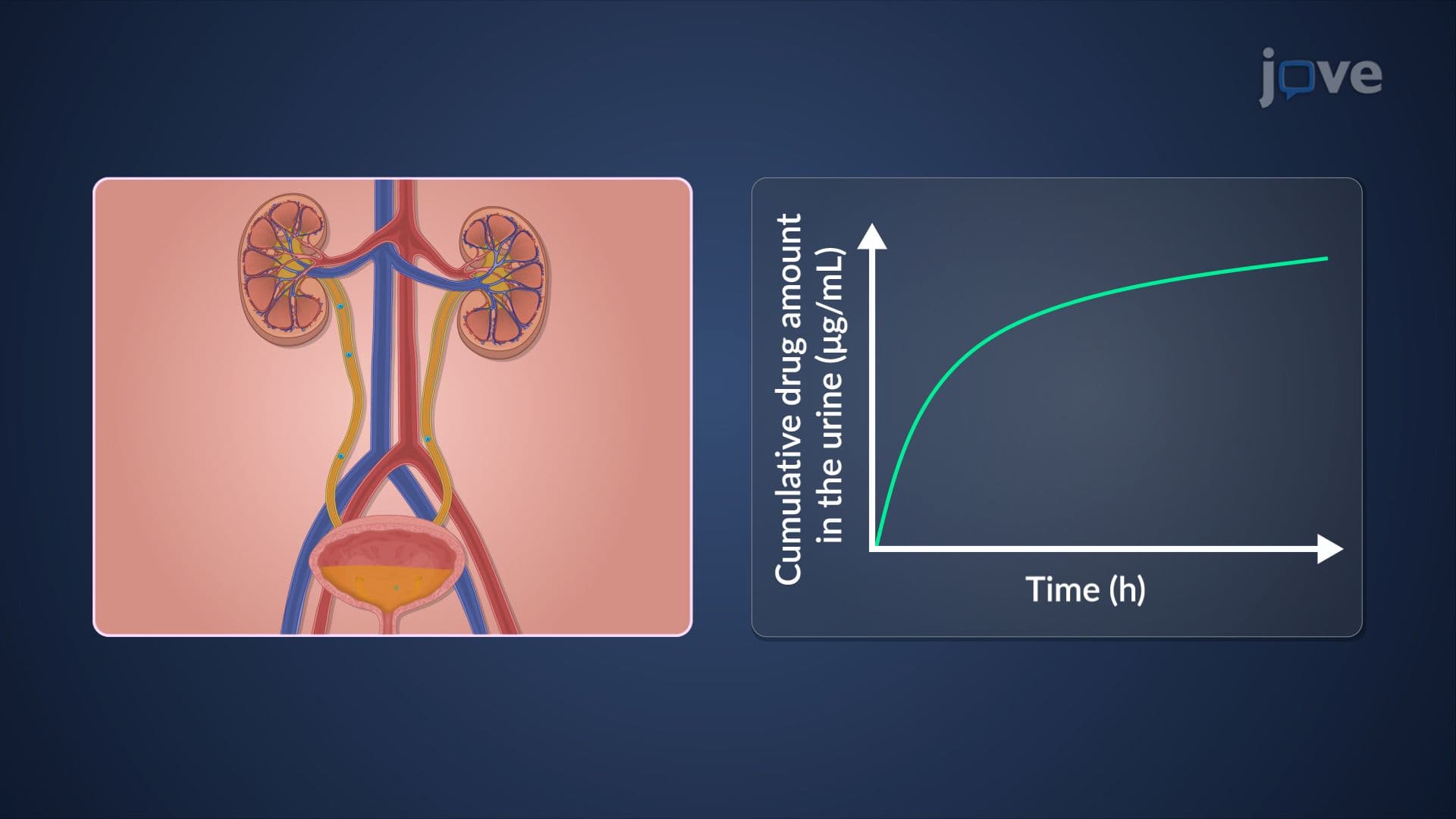
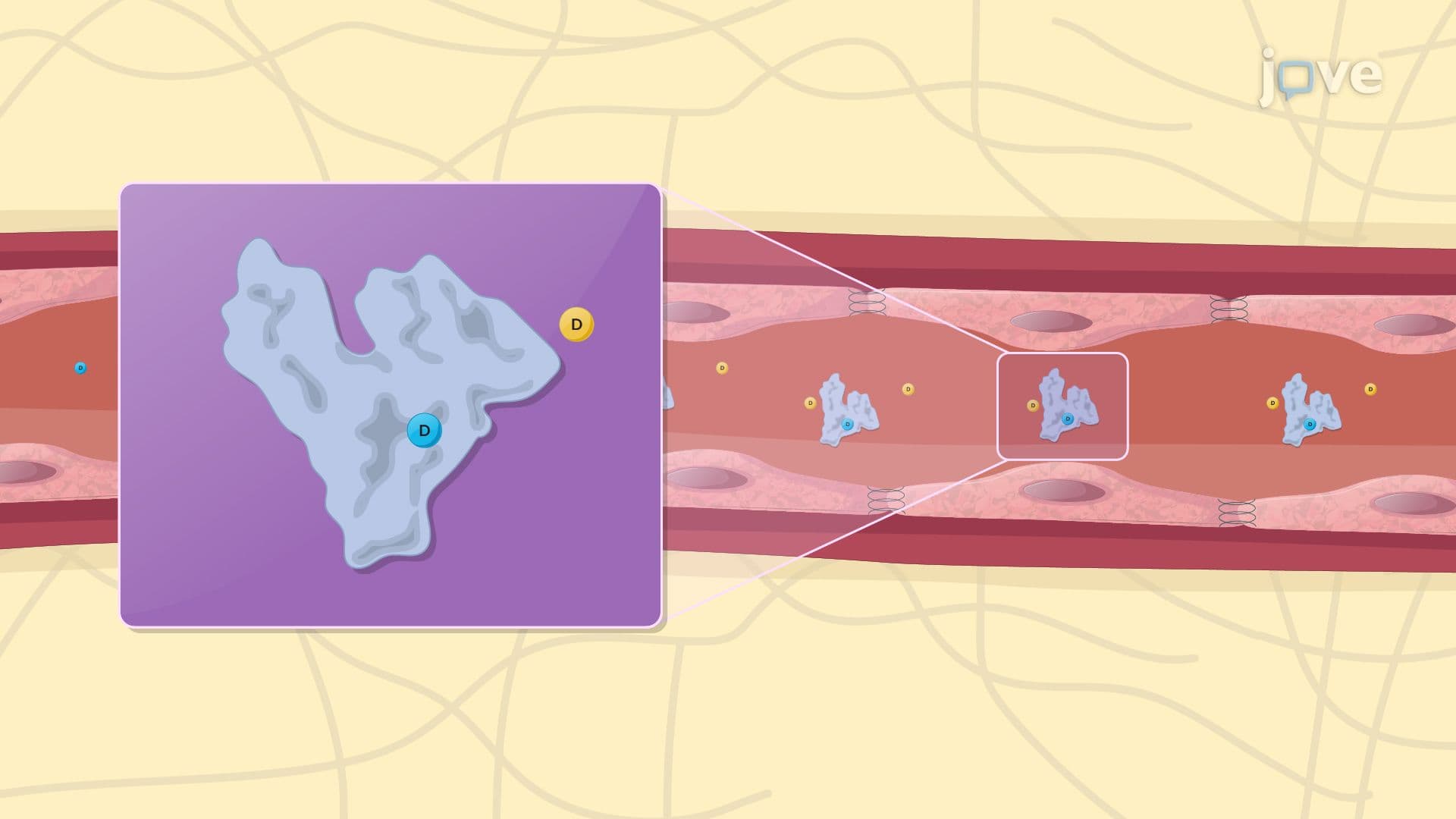
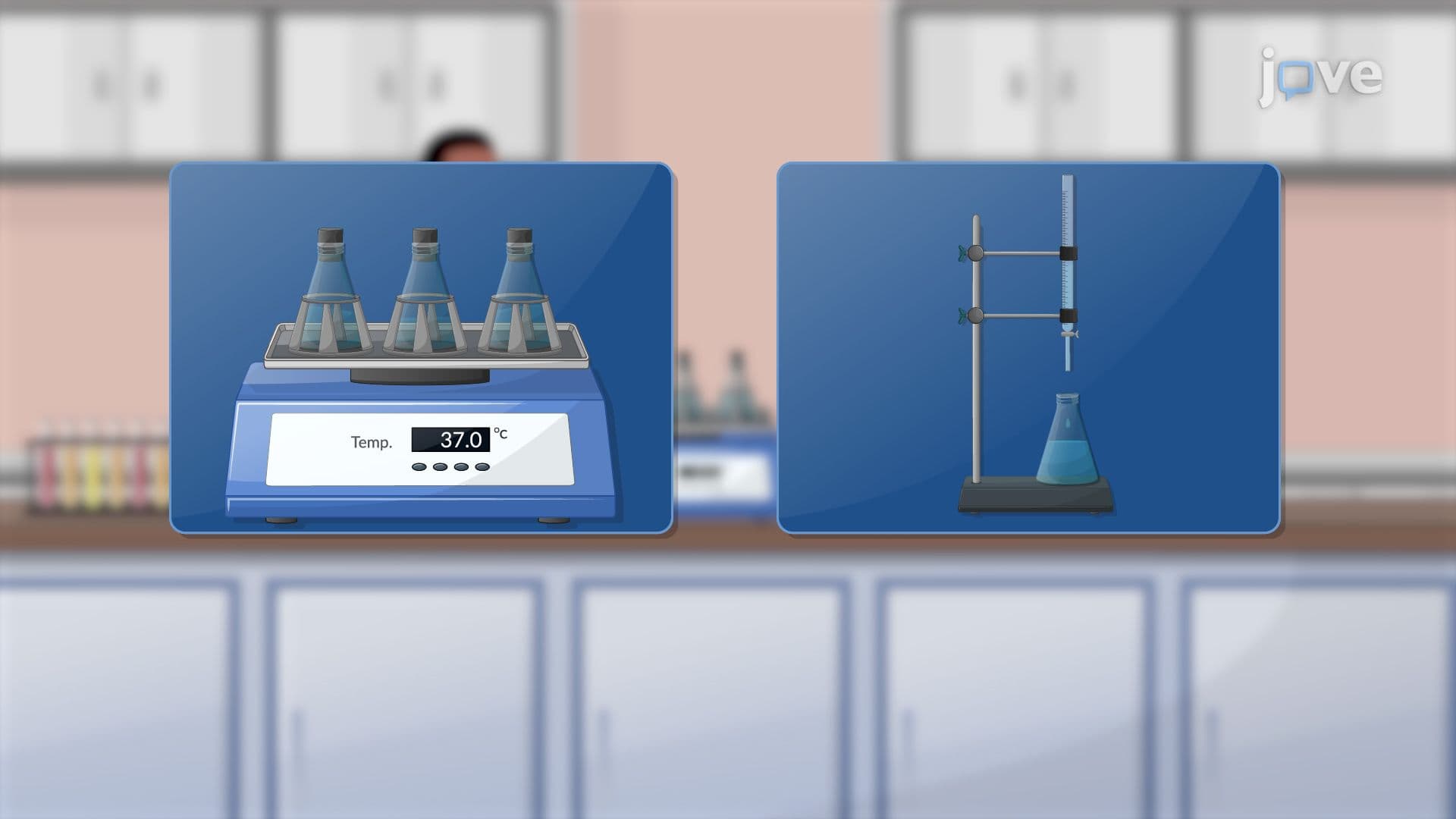
Bioavailability influencing factors encompass multiple variables that determine what fraction of an administered drug dose reaches systemic circulation unchanged. In the US healthcare system, understanding these factors is essential for pharmacy students preparing for the NAPLEX exam and medical students tackling USMLE Step 1 pharmacology questions. These factors directly impact therapeutic outcomes and patient safety across all clinical specialties.
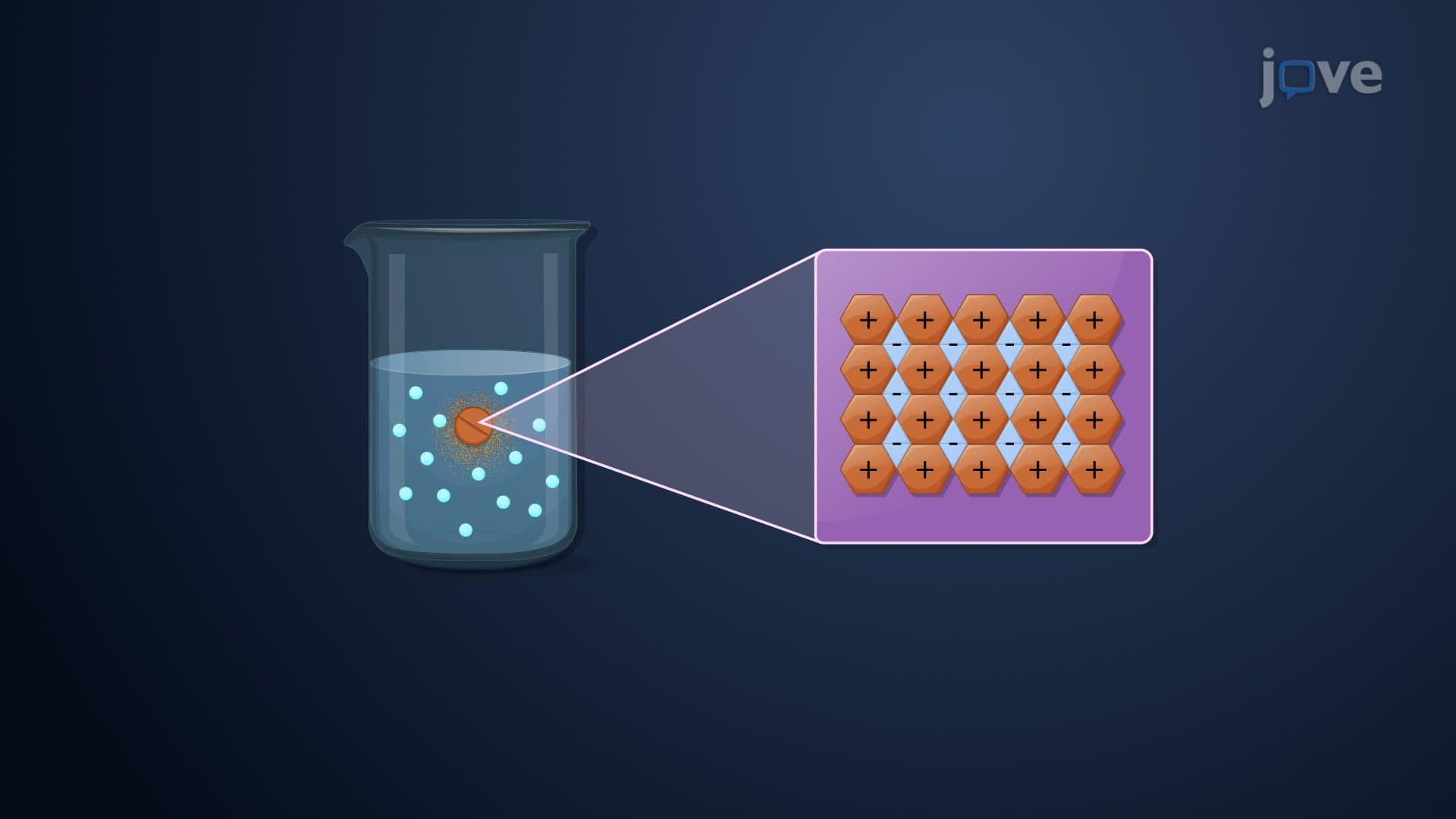
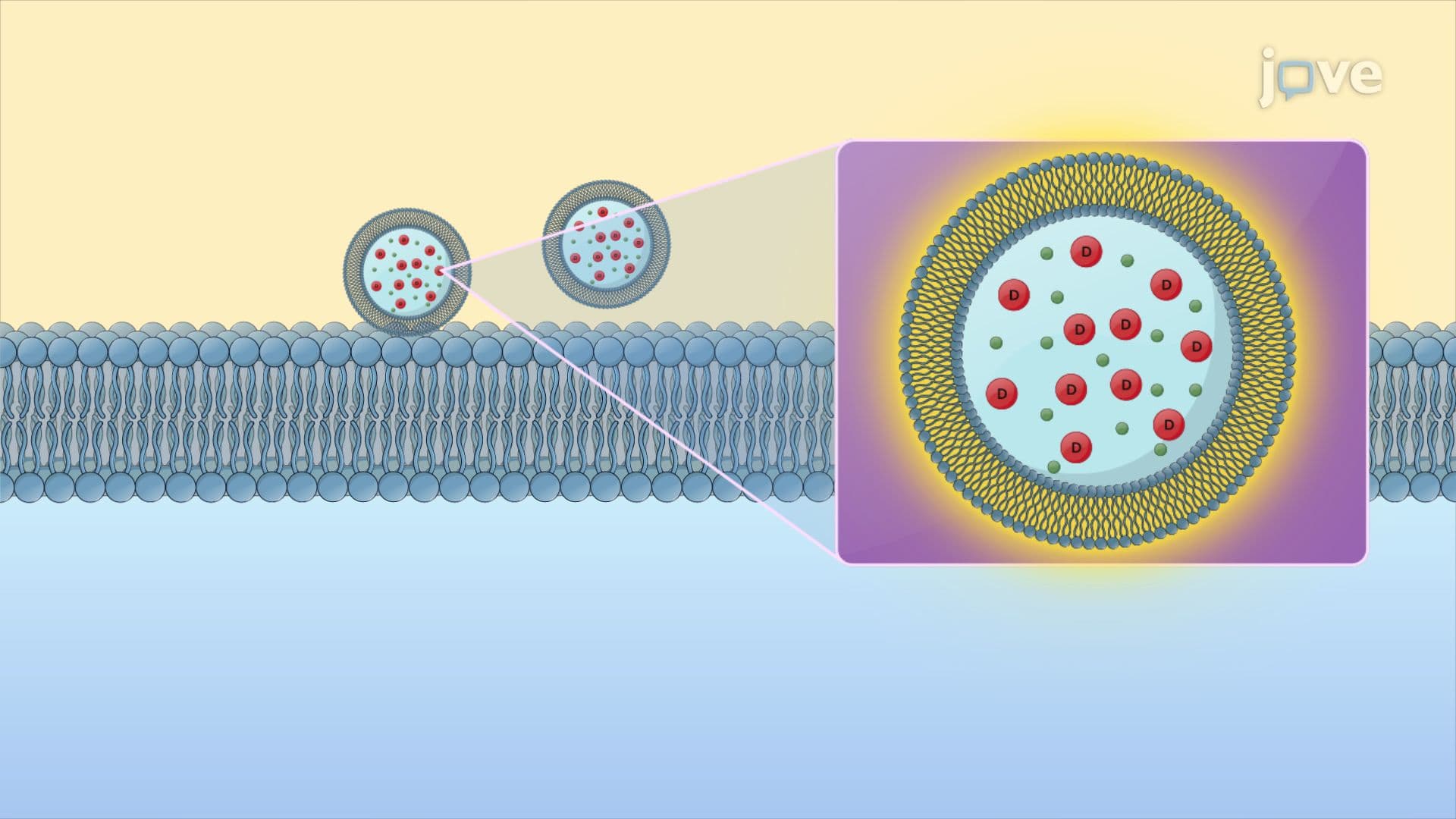
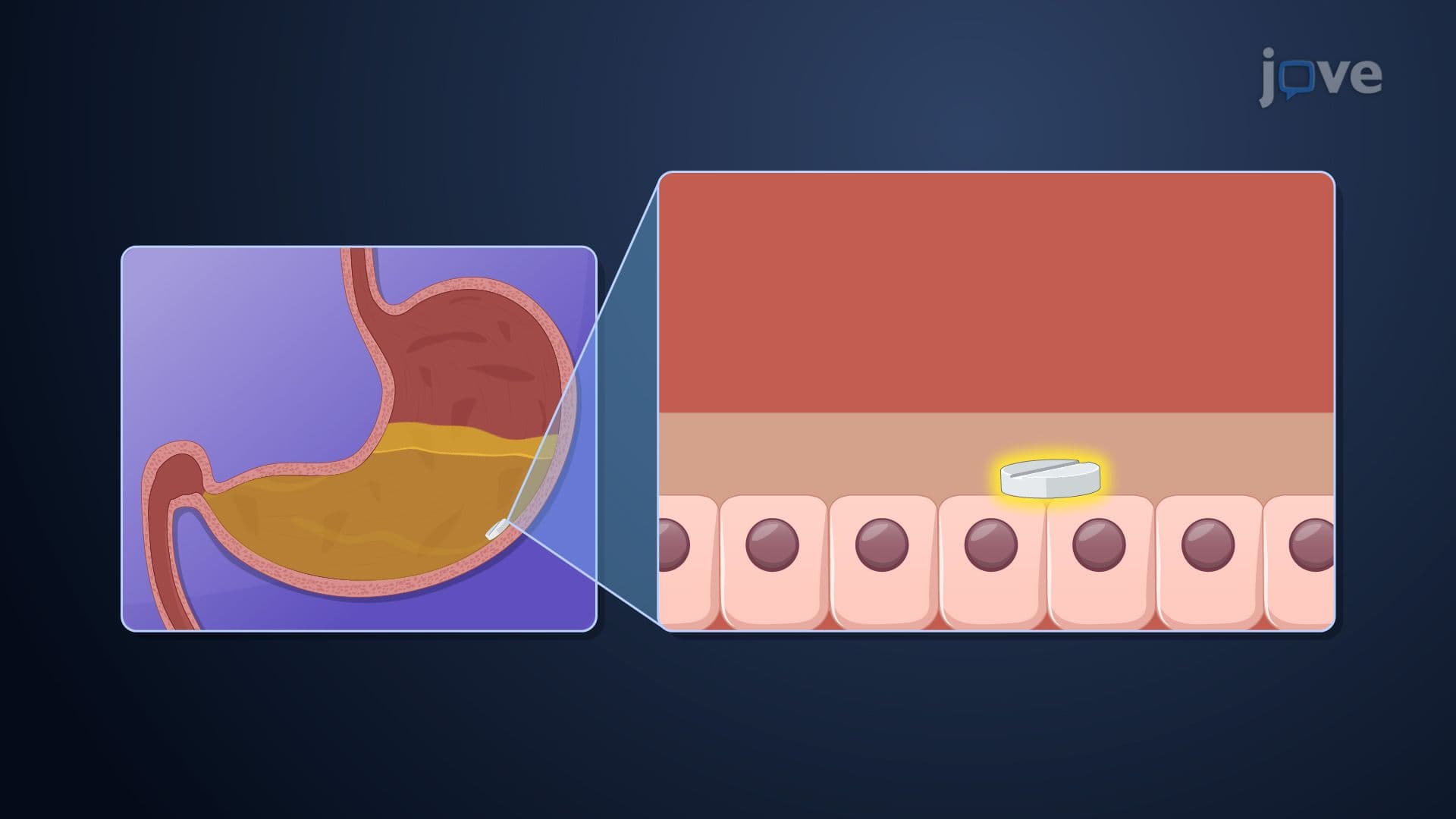
Drug solubility represents a primary bioavailability influencing factor. Poorly water-soluble drugs like phenytoin (Dilantin) require special formulations to achieve adequate absorption. US pharmaceutical companies address this through controlled-release systems and enteric coatings that protect acid-labile medications during gastric transit. For example, omeprazole (Prilosec) uses enteric coating to prevent destruction by stomach acid, ensuring the drug reaches the alkaline small intestine intact.
Chemical stability in physiological environments significantly affects bioavailability. Penicillin antibiotics demonstrate acid lability, prompting the development of acid-resistant formulations like amoxicillin tablets that maintain stability in gastric conditions commonly encountered in US patients.
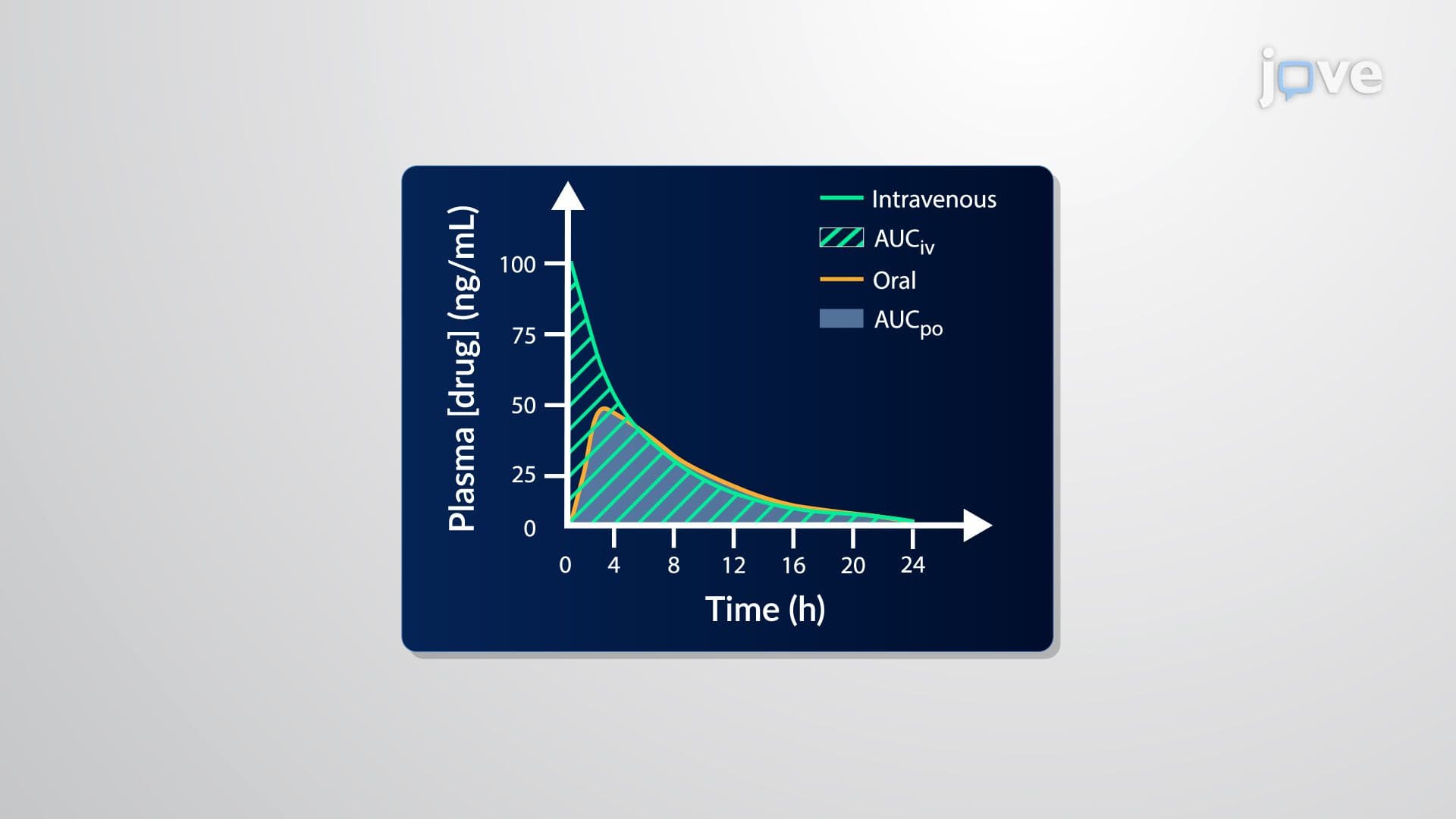
The liver's extensive metabolic capacity creates a significant barrier to oral drug bioavailability. Propranolol exemplifies this phenomenon-despite complete absorption from the gastrointestinal tract, extensive hepatic metabolism reduces bioavailability to approximately 25% in typical US patients. This first-pass effect necessitates higher oral doses compared to intravenous administration.
Prodrug strategies cleverly circumvent these limitations. Valacyclovir (Valtrex), widely prescribed for herpes infections in the US, converts to the active antiviral acyclovir after absorption, achieving superior bioavailability compared to oral acyclovir alone.
Nutritional factors create complex bioavailability influencing factors scenarios. The acne medication isotretinoin (Accutane) requires high-fat meals for optimal absorption-US dermatologists routinely counsel patients to take doses with substantial food intake. Conversely, didanosine absorption decreases with food, requiring administration on empty stomachs.
Drug-drug interactions through enzyme modulation represent critical clinical considerations. Grapefruit juice inhibits intestinal CYP3A4 enzymes, dramatically increasing bioavailability of medications like simvastatin, potentially causing dangerous adverse effects in US patients who unknowingly consume this combination.
Related Micro-courses