Loading video…

 17 Concepts
 1.1K views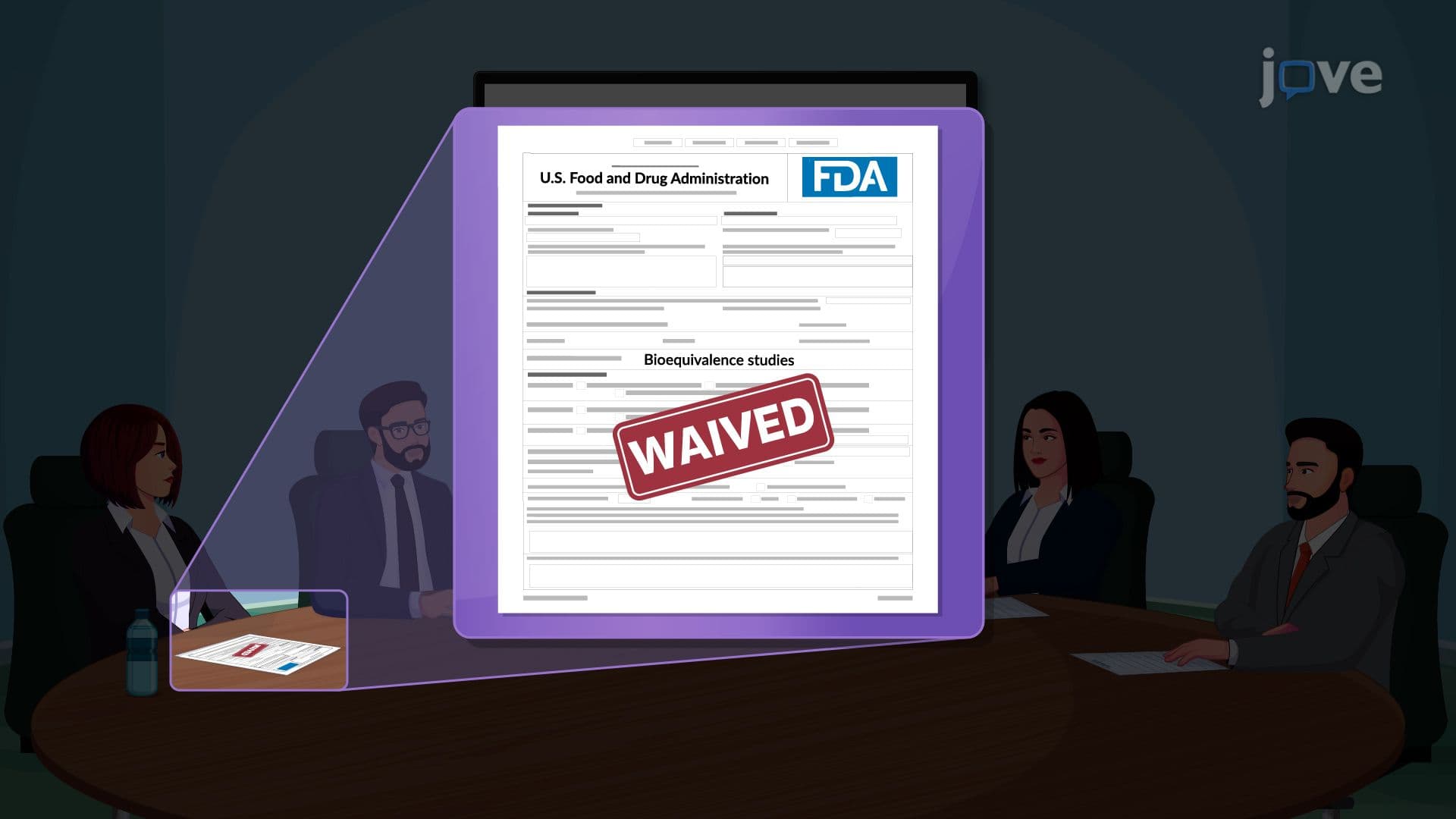

Video Summary: What Is Bioequivalence Studies Biowaivers
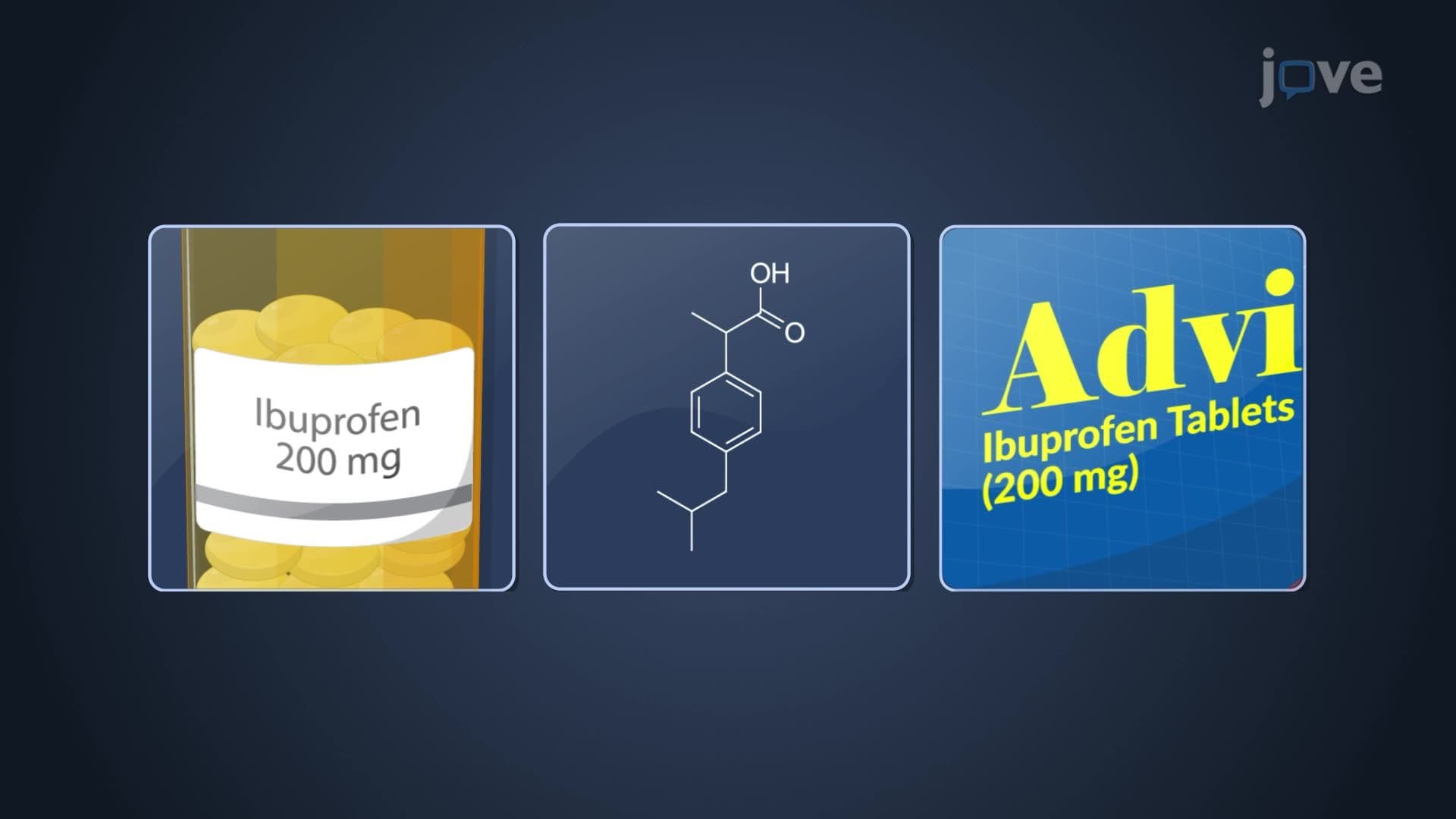
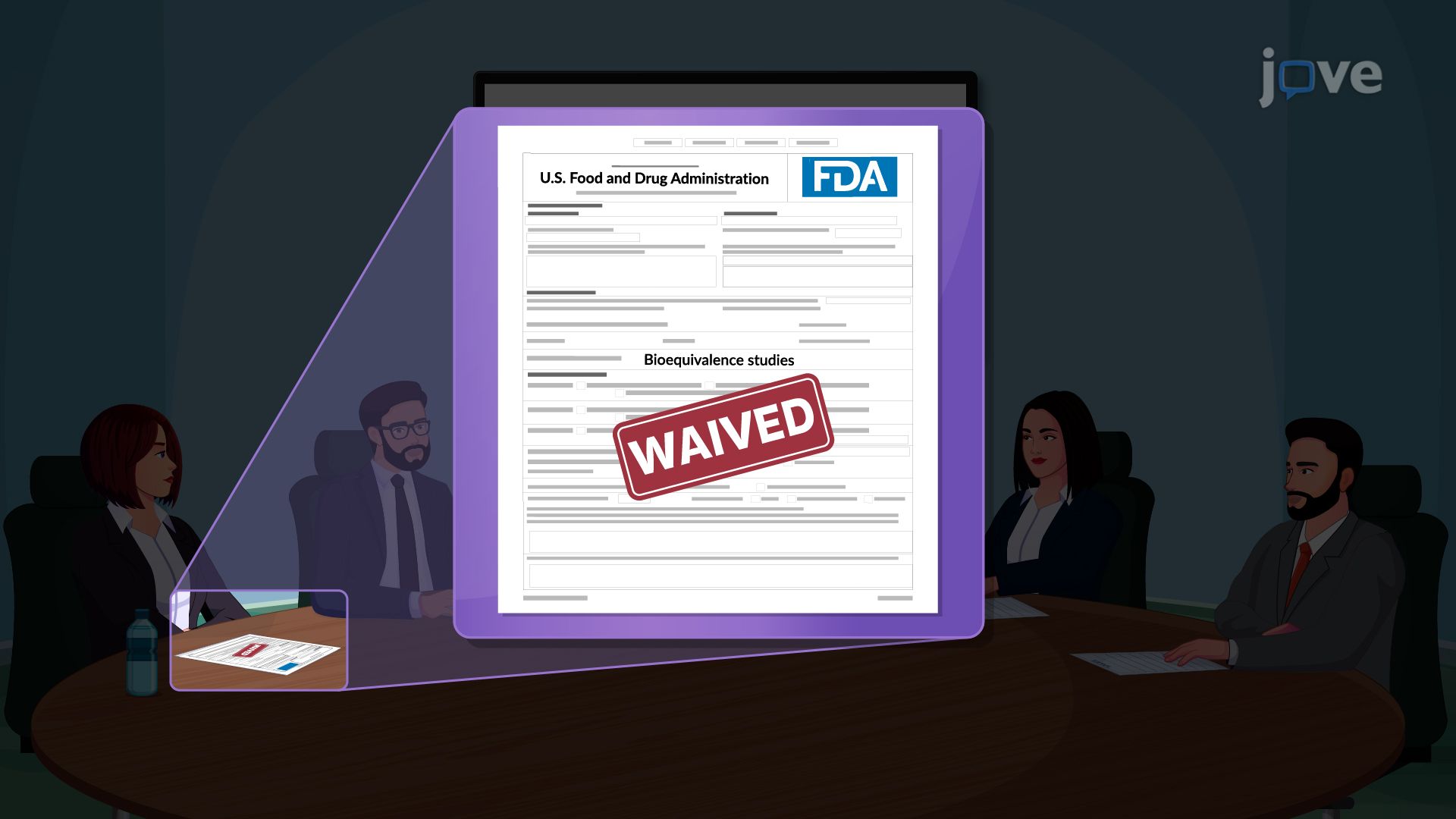
Did you know that pharmaceutical companies can sometimes skip expensive human testing for certain drug formulations? Bioequivalence studies biowaivers allow the FDA to approve generic medications without requiring full clinical trials when specific scientific criteria are met. For example, if a generic ibuprofen tablet demonstrates identical dissolution patterns to Advil in laboratory tests, additional human studies may be waived. Watch the full video on JoVE Coach to master this concept with expert-led visuals and step-by-step explanations.
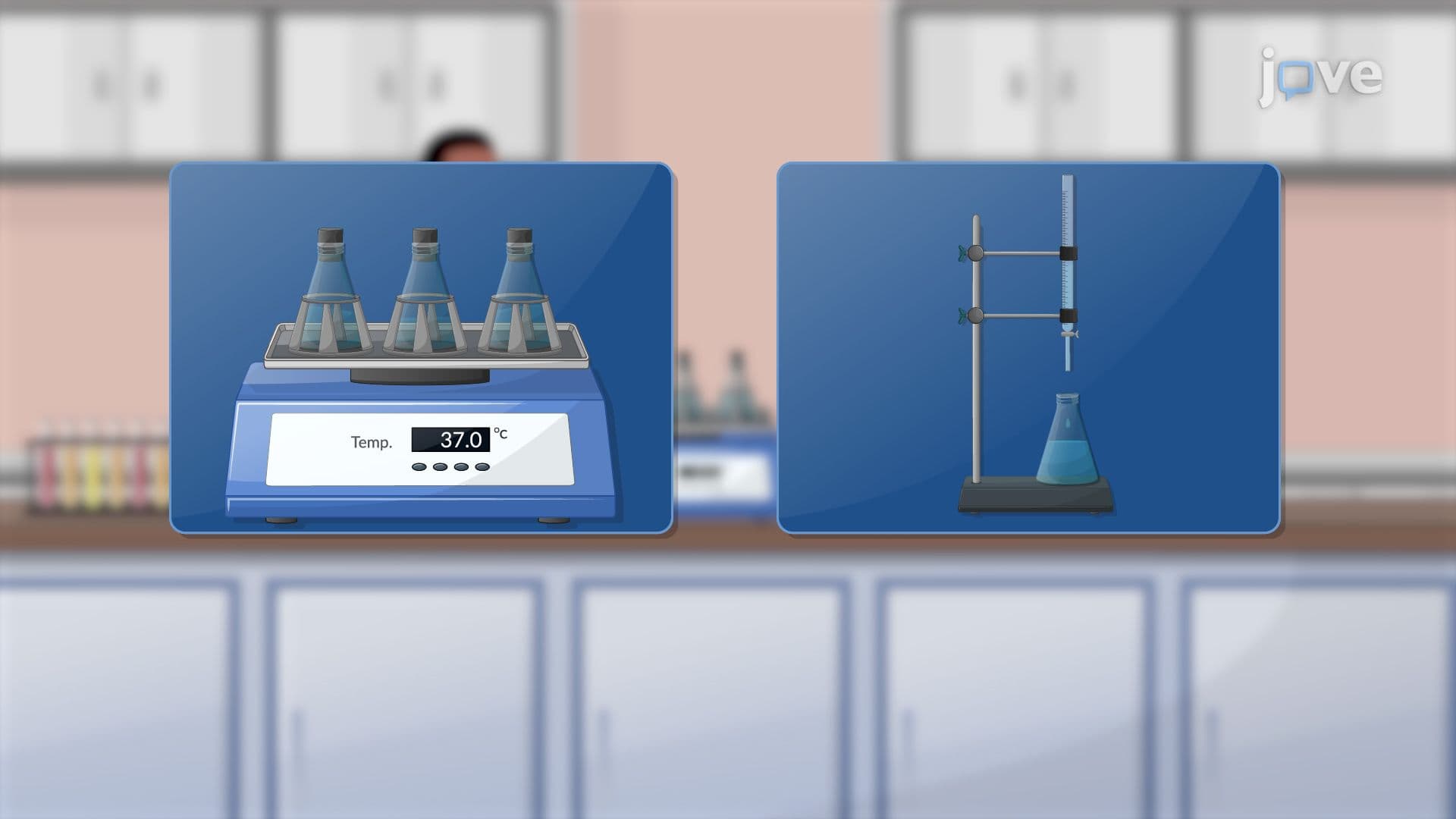
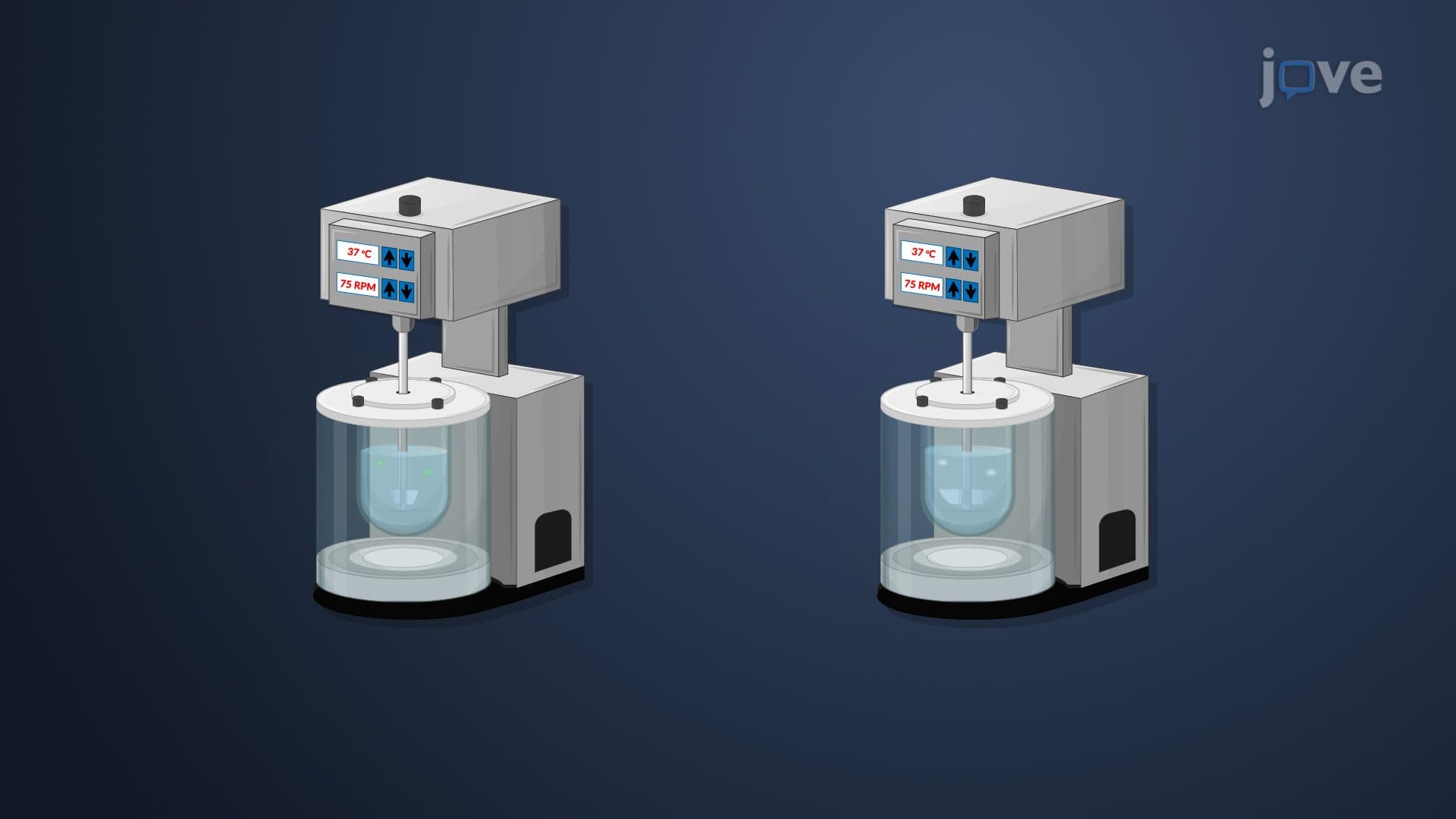
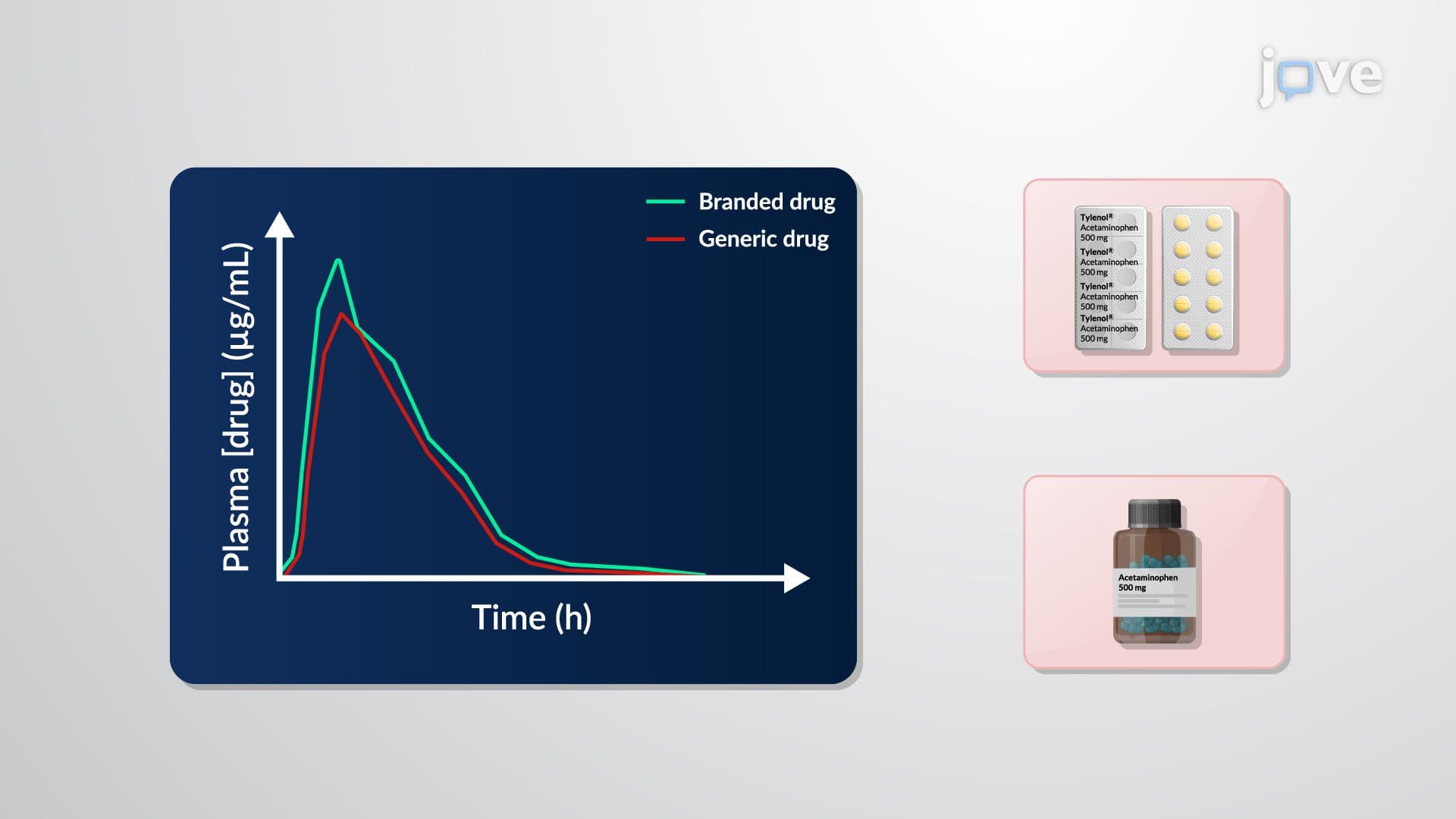
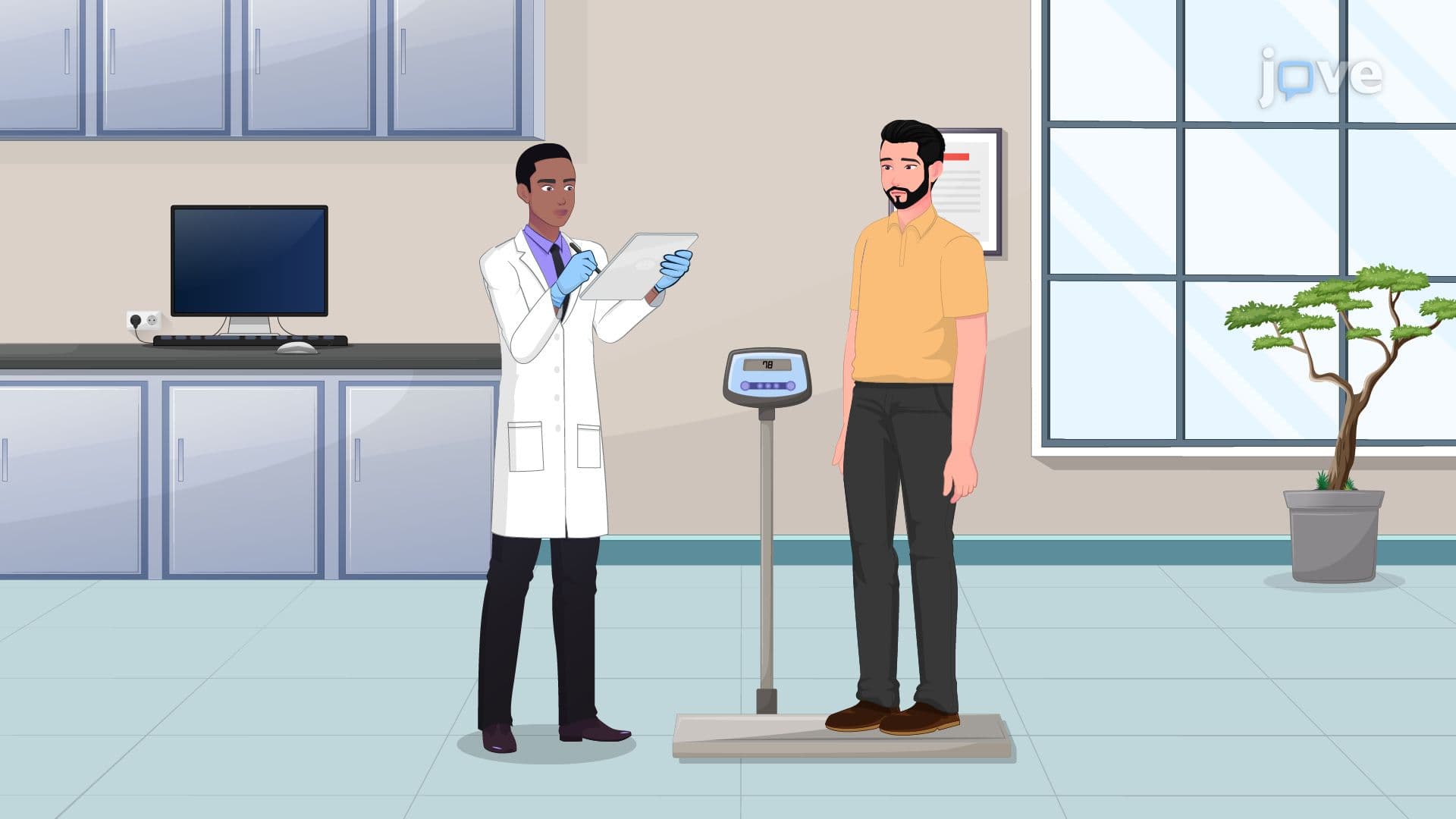
Bioequivalence studies biowaivers represent a critical regulatory pathway that allows pharmaceutical companies to demonstrate drug equivalence without conducting expensive human clinical trials. The FDA established this framework to streamline generic drug approval while maintaining safety and efficacy standards. When specific scientific criteria are met, in vitro (laboratory-based) testing can substitute for in vivo (human subject) studies, significantly reducing development costs and time to market.
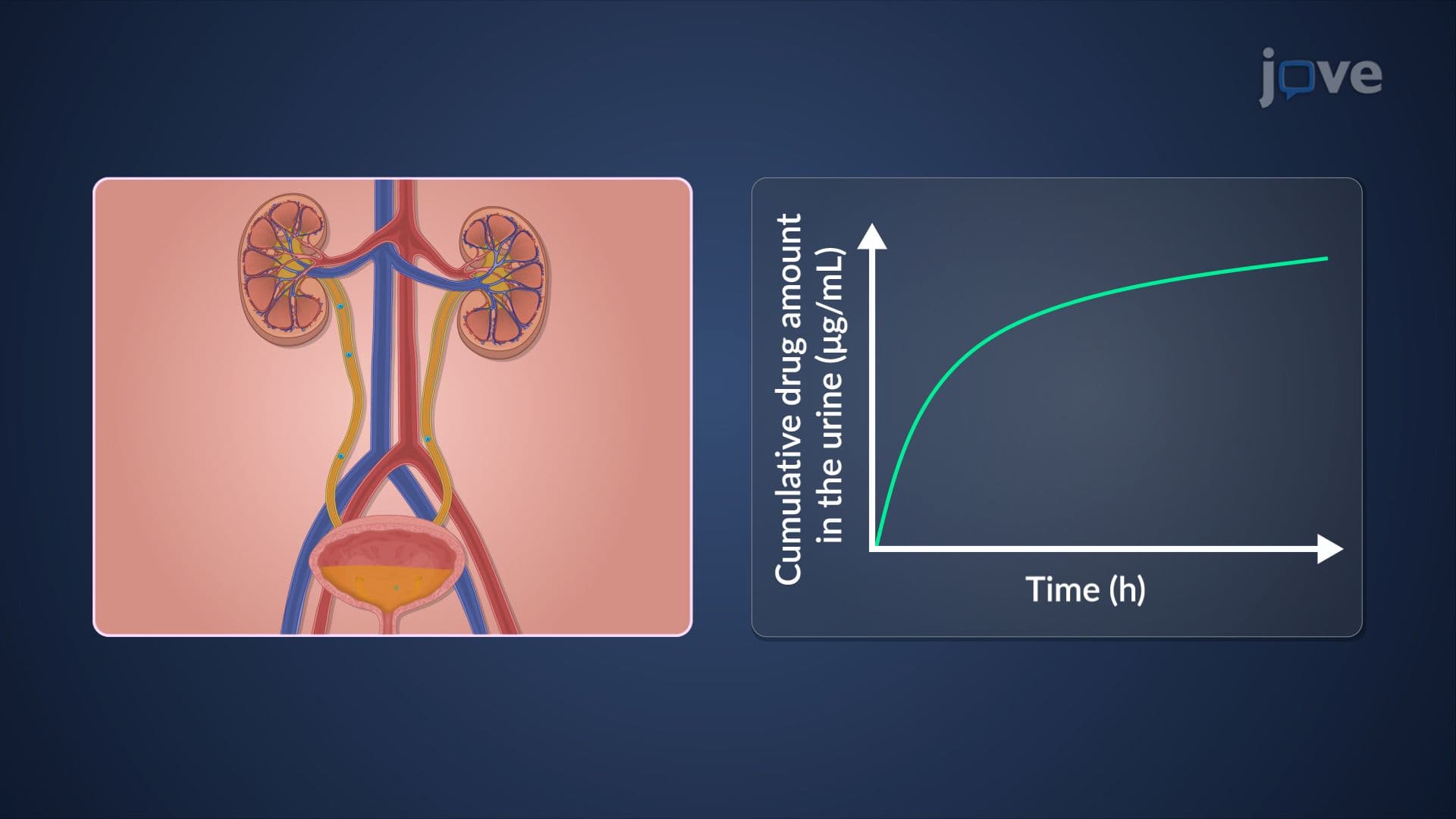
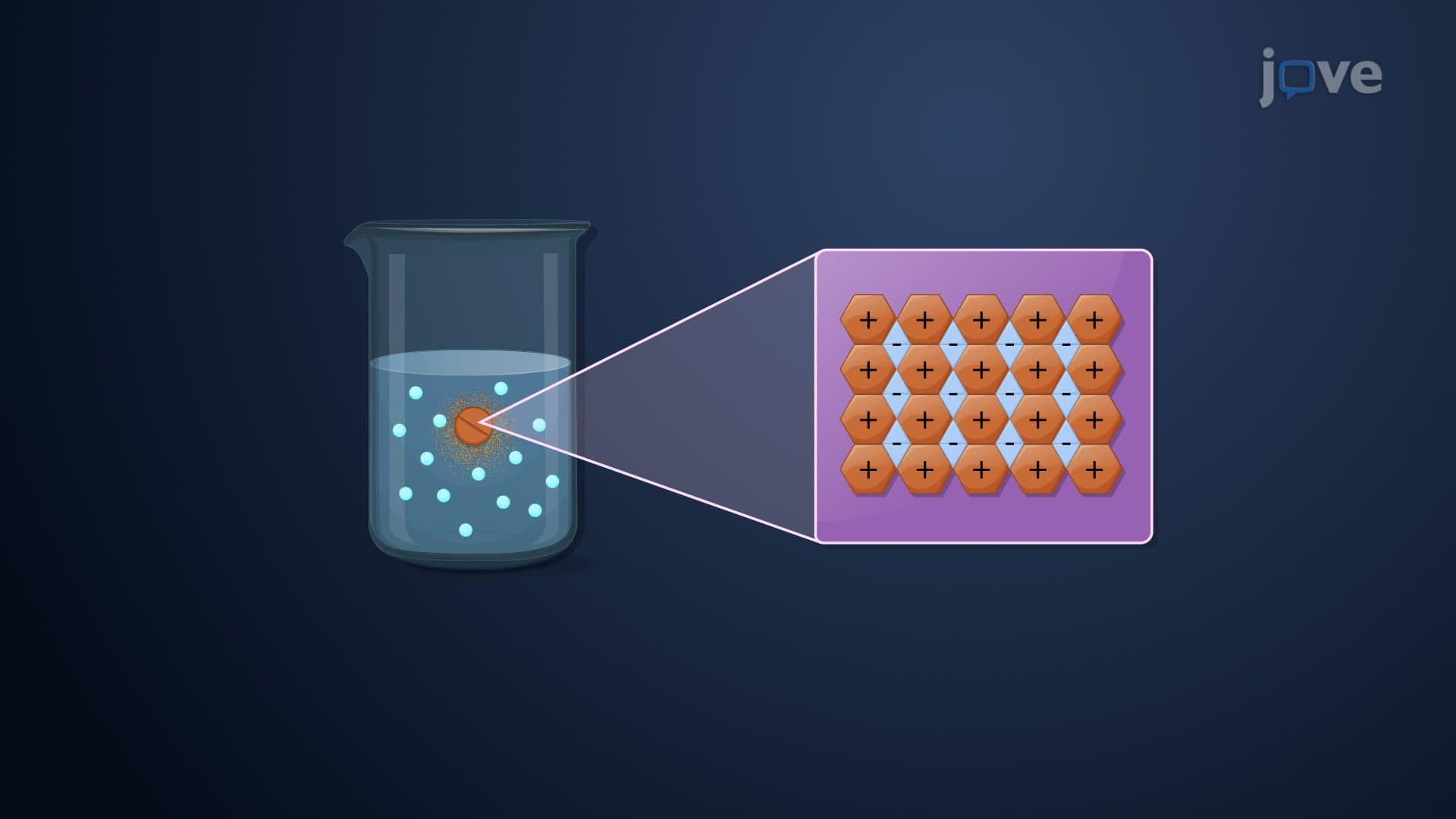
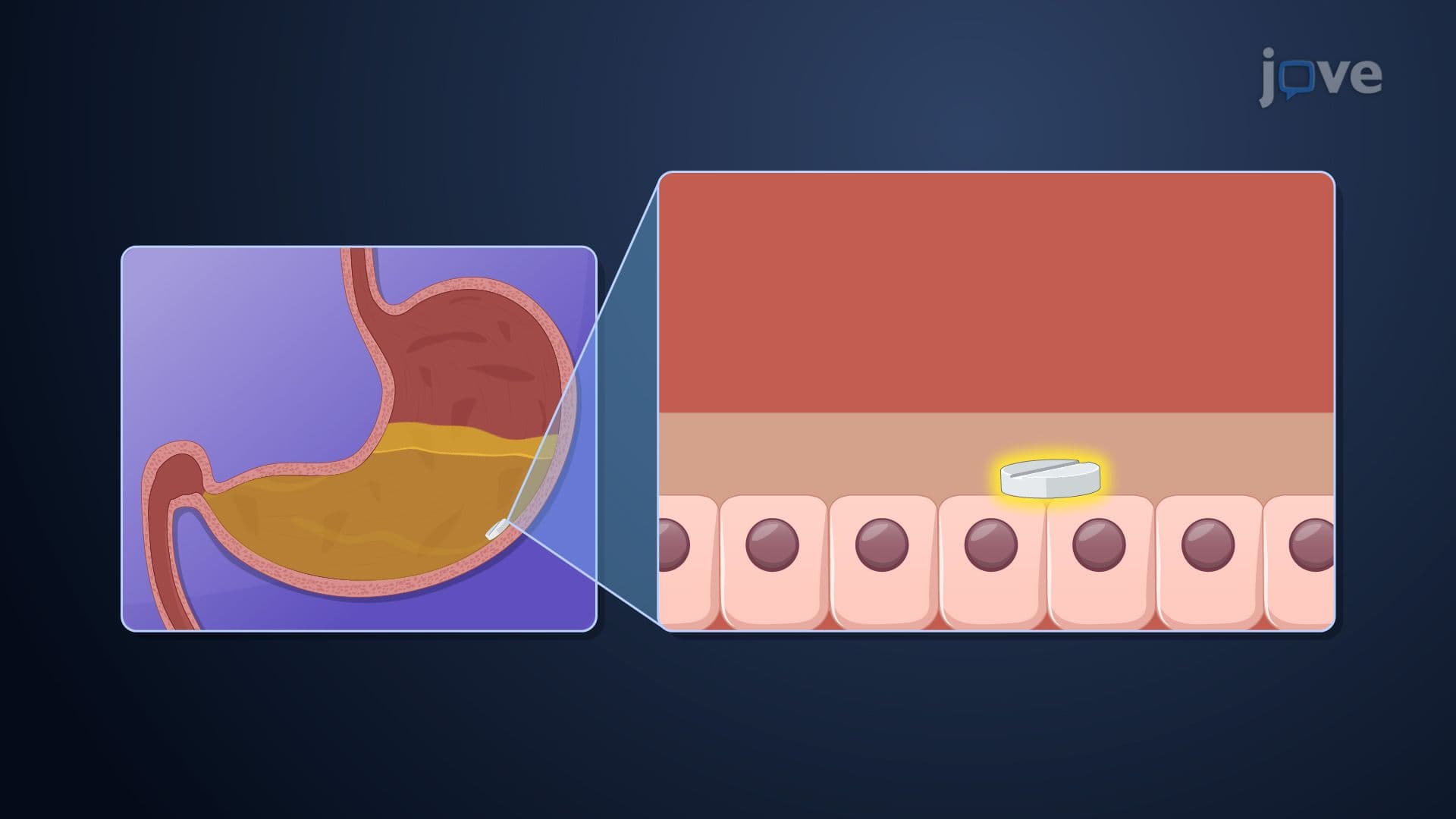
The foundation of bioequivalence studies biowaivers lies in establishing strong correlations between dissolution characteristics and drug bioavailability. For immediate-release solid dosage forms like tablets and capsules, this correlation is often weak, necessitating human studies for the highest strength formulation. However, when pharmaceutical companies can demonstrate that lower-strength products maintain identical ratios of active pharmaceutical ingredients (APIs) and excipients, comparative dissolution testing becomes sufficient evidence of bioequivalence.
Consider a practical example: if Pfizer develops a generic version of Lipitor (atorvastatin) in 10mg, 20mg, and 40mg strengths, they must conduct full bioequivalence studies on the 40mg formulation. If the lower strengths contain proportionally identical ingredients and demonstrate similar dissolution profiles, the FDA may waive human testing requirements for the 10mg and 20mg versions.
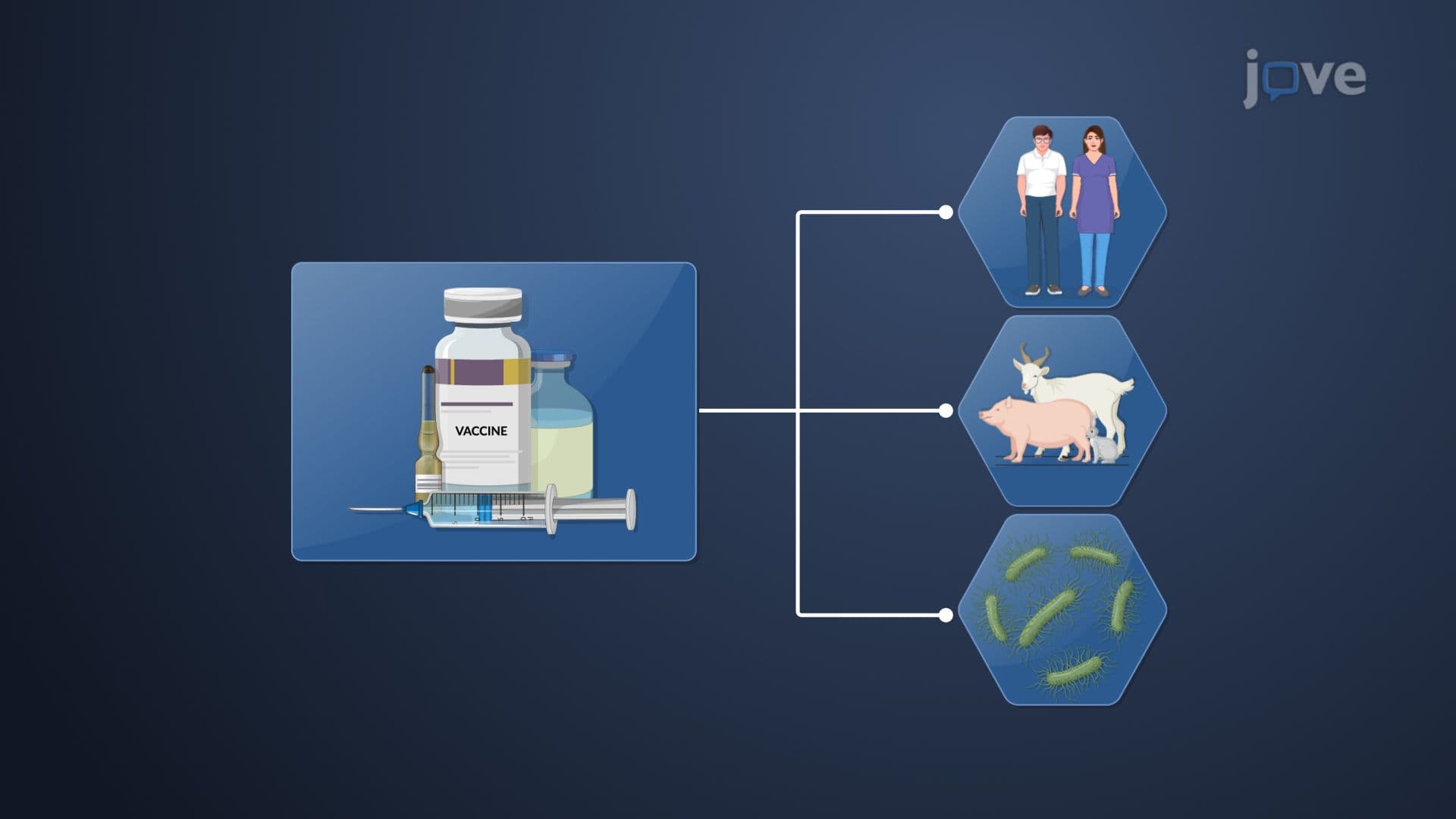
Certain pharmaceutical products qualify for automatic biowaivers due to their "self-evident" bioequivalence. These include solutions for parenteral (intravenous), oral, or topical administration that maintain identical active and inactive ingredient ratios compared to reference products. For instance, a generic saline solution for IV administration would receive a biowaiver if it demonstrates chemical and pharmaceutical equivalence to the branded version, as bioavailability differences are negligible in solution form.
The biowaiver system serves multiple stakeholders in healthcare delivery. For students preparing for the MCAT or pharmacy school entrance exams, understanding these concepts demonstrates knowledge of drug development economics and regulatory science. Healthcare professionals benefit from increased access to cost-effective generic medications, while patients gain affordability without compromising therapeutic outcomes. The FDA estimates that biowaivers can reduce generic drug development costs by 60-80% compared to full bioequivalence studies, directly translating to lower prescription costs for consumers.
This regulatory framework also appears frequently in pharmaceutical sciences coursework and professional examinations, making it essential knowledge for students pursuing careers in pharmacy, regulatory affairs, or clinical research.
Related Micro-courses