Loading subject page…


1,074 views


Video Summary: What Is Equivalence in Vitro And
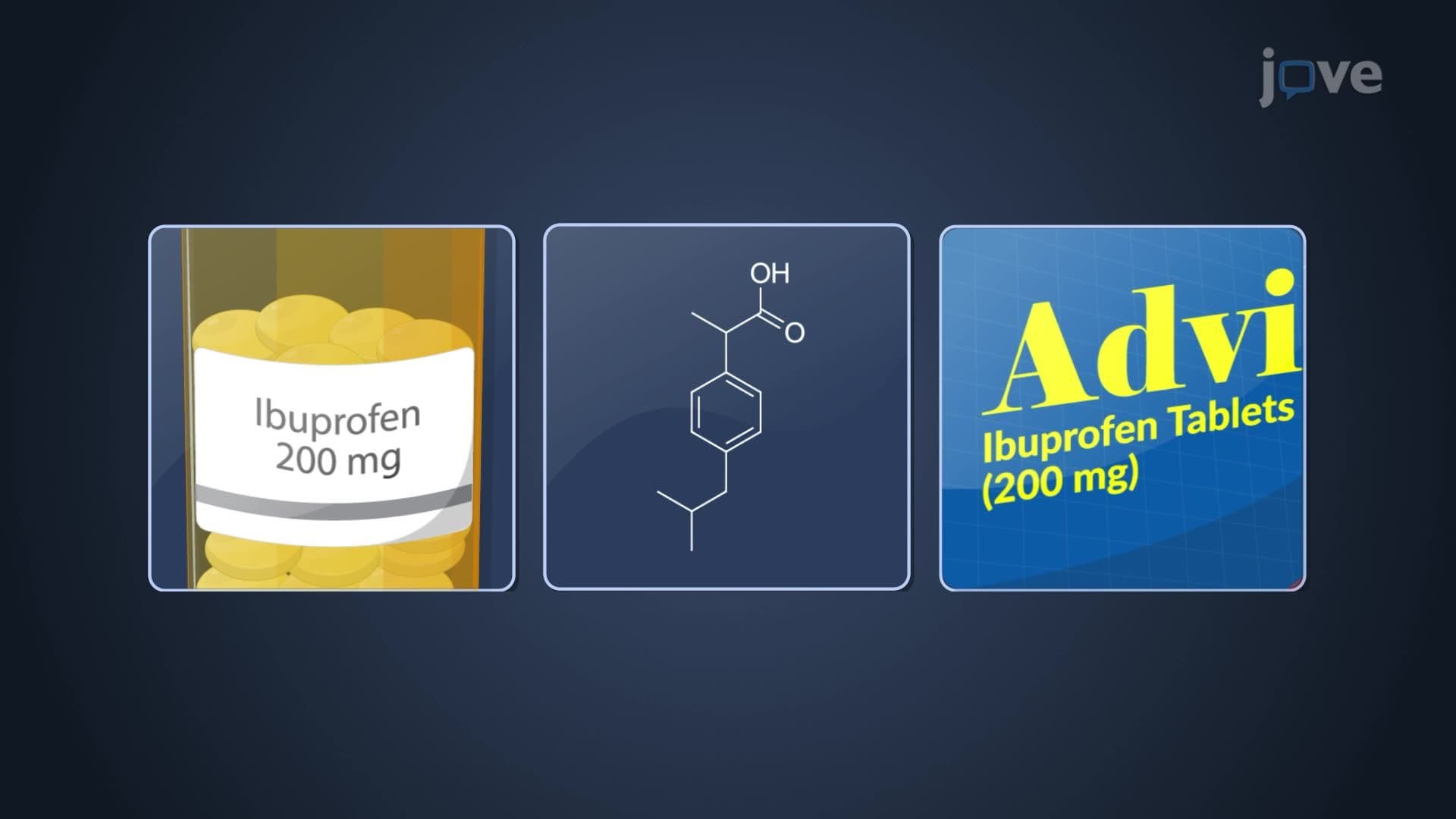
Ever wondered why generic medications cost less but work just as well as brand-name drugs? The answer lies in equivalence vitro testing, a critical process that ensures different drug formulations deliver identical therapeutic results. For instance, when Walmart's generic ibuprofen receives FDA approval, it must demonstrate the same pain-relief effectiveness as Advil through rigorous laboratory studies. Understanding what is equivalence in vitro and how it applies to drug development reveals the science behind safe, affordable healthcare options. Watch the full video on JoVE Coach to master this concept with expert-led visuals and step-by-step explanations.
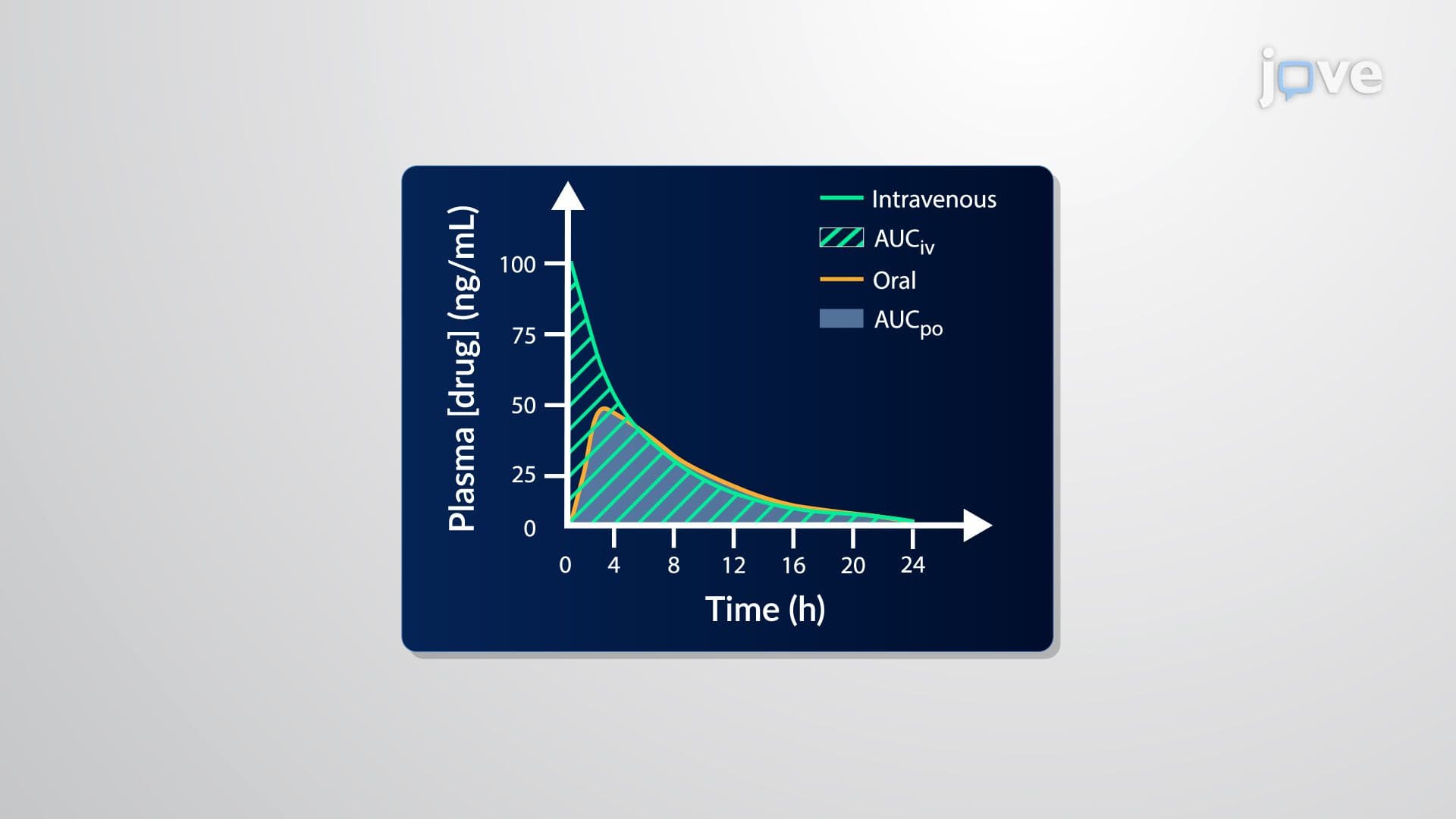
Equivalence in vitro and related testing methods form the backbone of modern pharmaceutical regulation and generic drug approval processes. In vitro equivalence specifically refers to laboratory-based studies that compare how different drug formulations release their active ingredients under controlled conditions, without involving human or animal subjects.
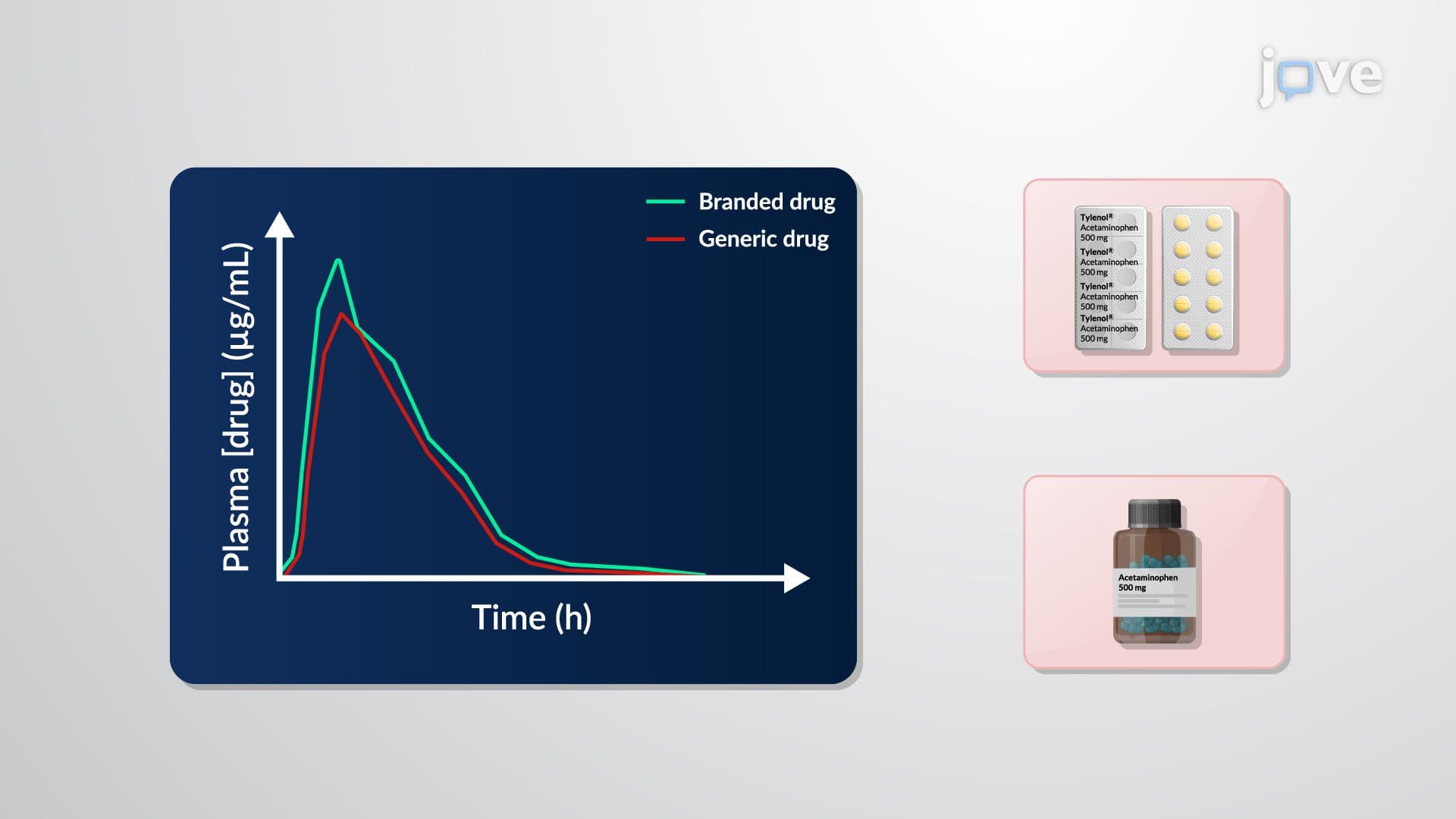
Drug equivalence encompasses multiple interconnected concepts that students encounter in AP Biology, college pharmacology courses, and pre-health programs. Chemical equivalence requires identical active ingredients in equal quantities-think of how generic acetaminophen contains the exact same pain-relieving compound as Tylenol. Pharmaceutical equivalence goes further, demanding uniform strength, quality, and purity standards that the FDA strictly monitors.
Therapeutic equivalence represents the gold standard, ensuring that different products containing the same active ingredient produce identical clinical outcomes. This concept frequently appears on MCAT practice questions, where students must distinguish between drugs that are chemically similar versus therapeutically interchangeable.
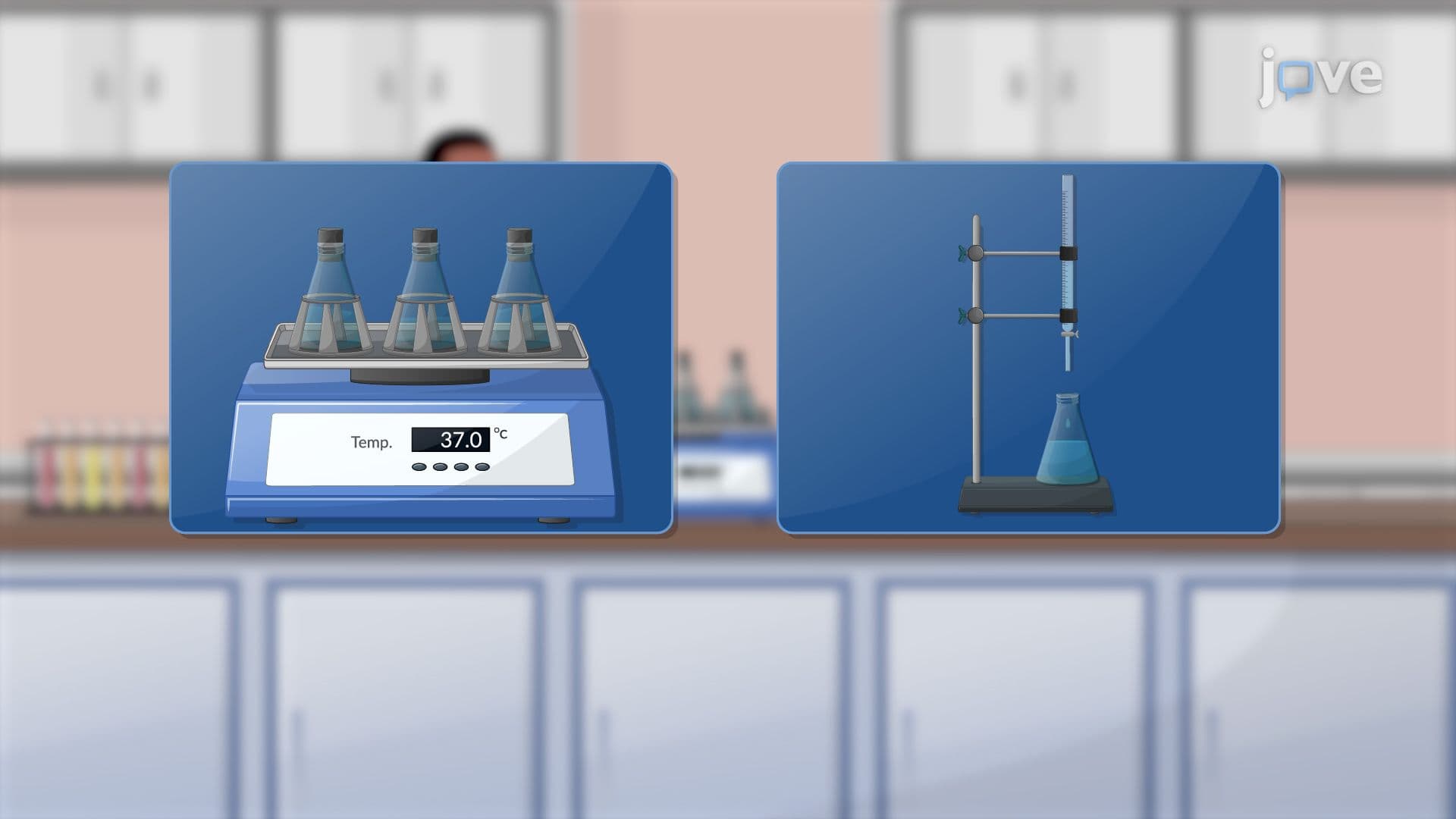
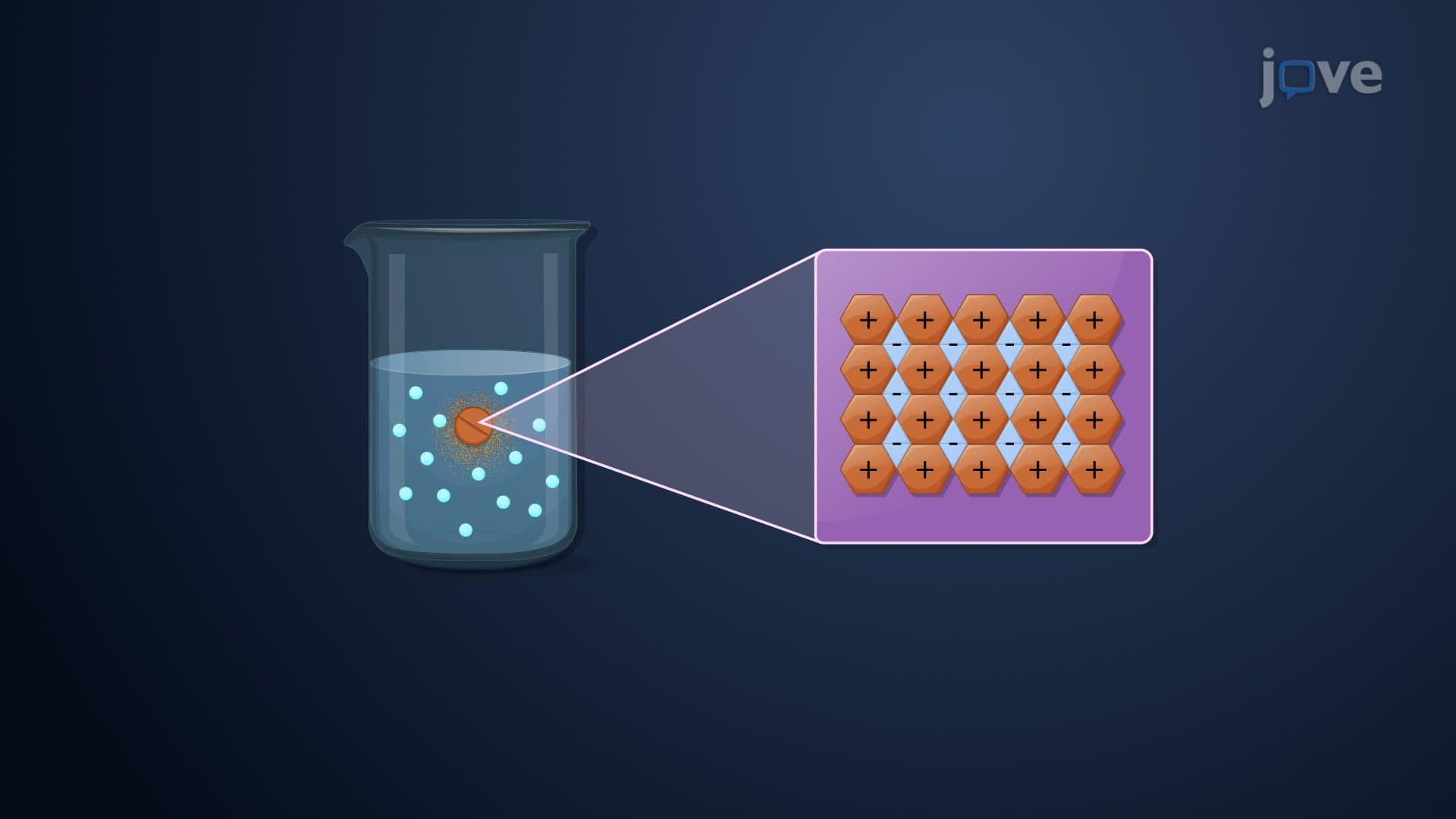
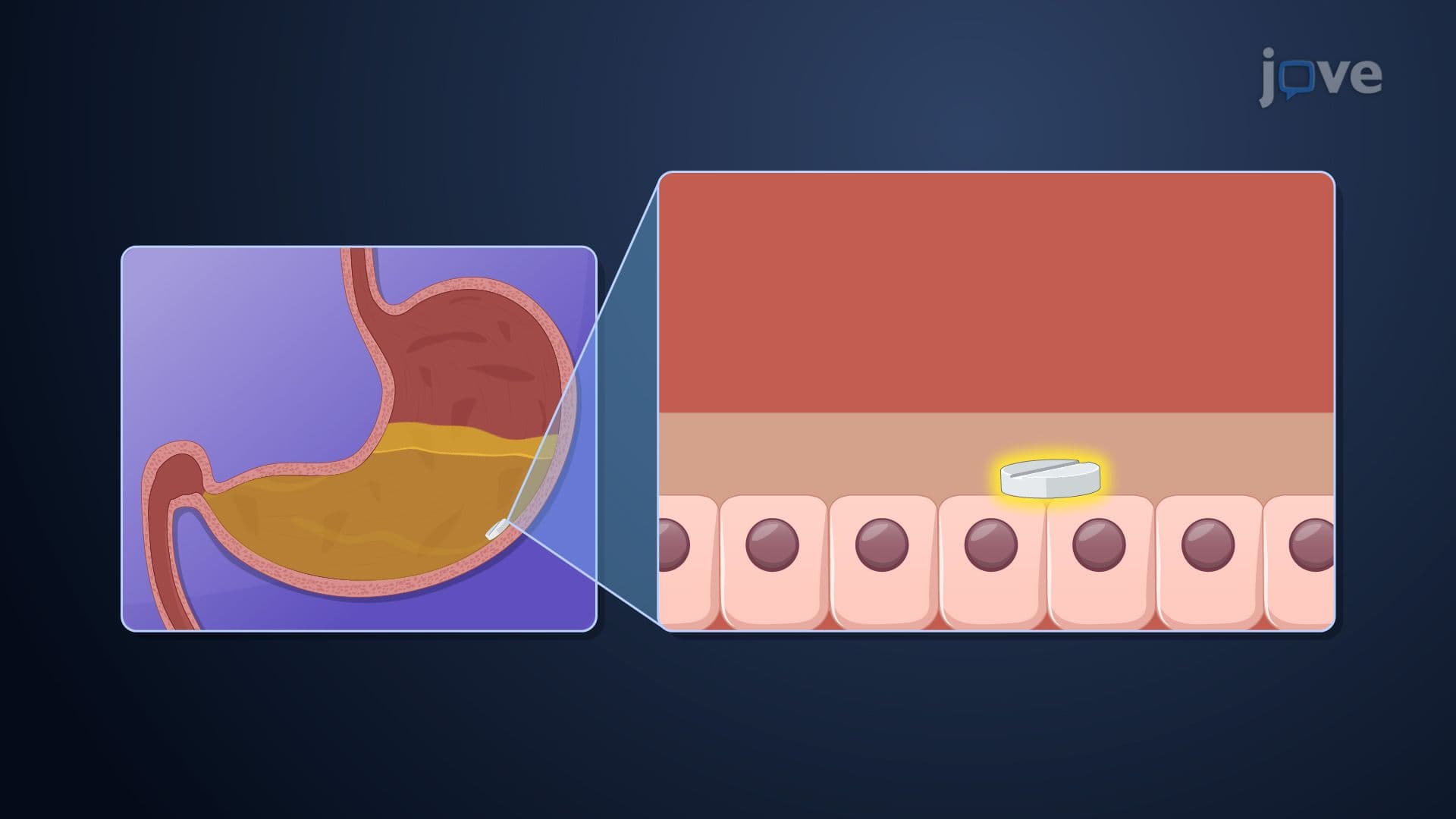
In vitro bioequivalence studies revolutionize drug development by using dissolution tests instead of costly human trials. These laboratory experiments measure how quickly and completely active ingredients dissolve from tablets, capsules, or other dosage forms under standardized conditions mimicking the human digestive system.
For example, when evaluating generic versions of extended-release medications like OxyContin, researchers use sophisticated dissolution apparatus that simulate stomach acid conditions, intestinal pH levels, and mechanical agitation. The resulting data shows whether the generic formulation releases oxycodone at the same controlled rate as the brand-name version.
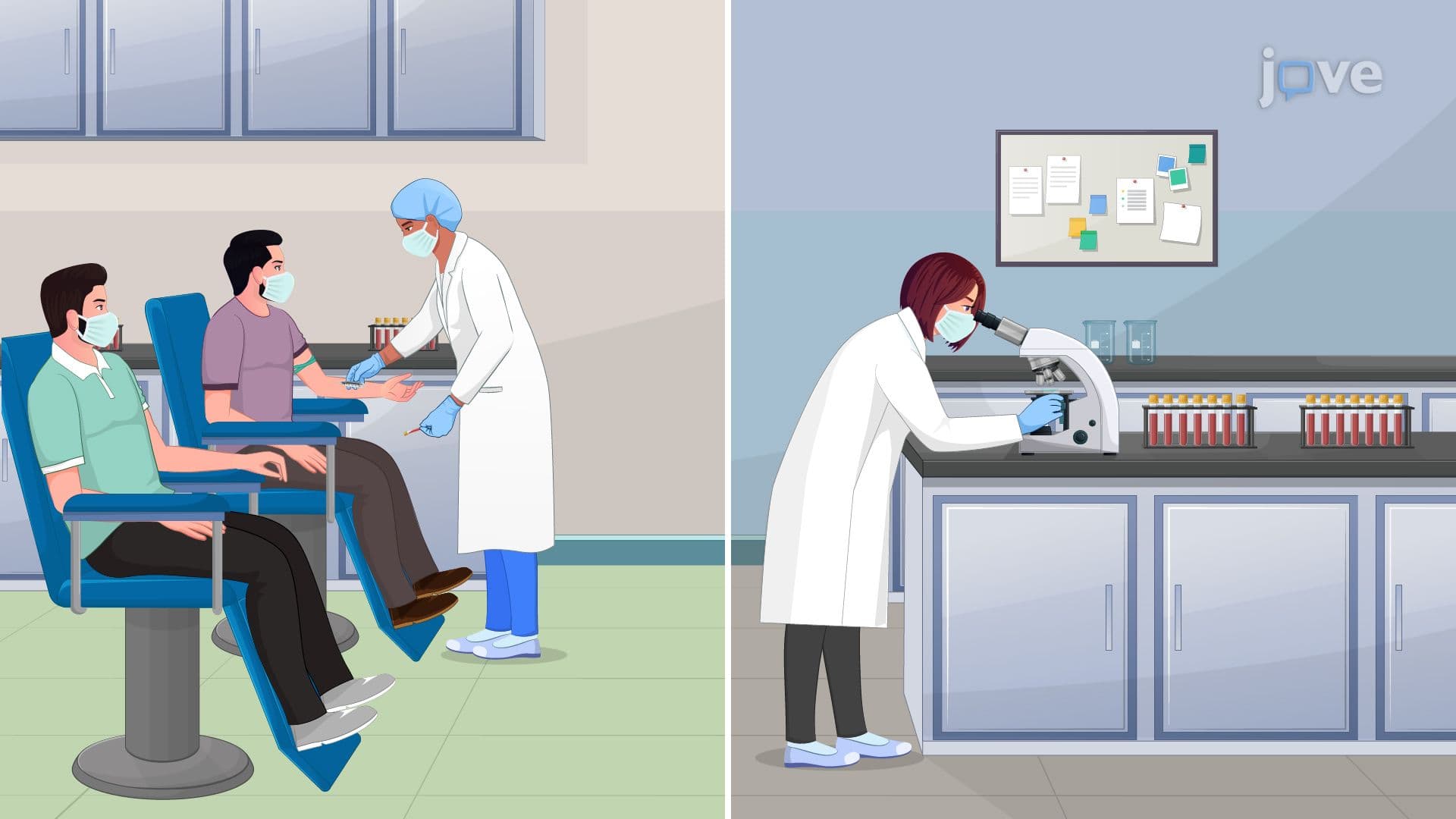
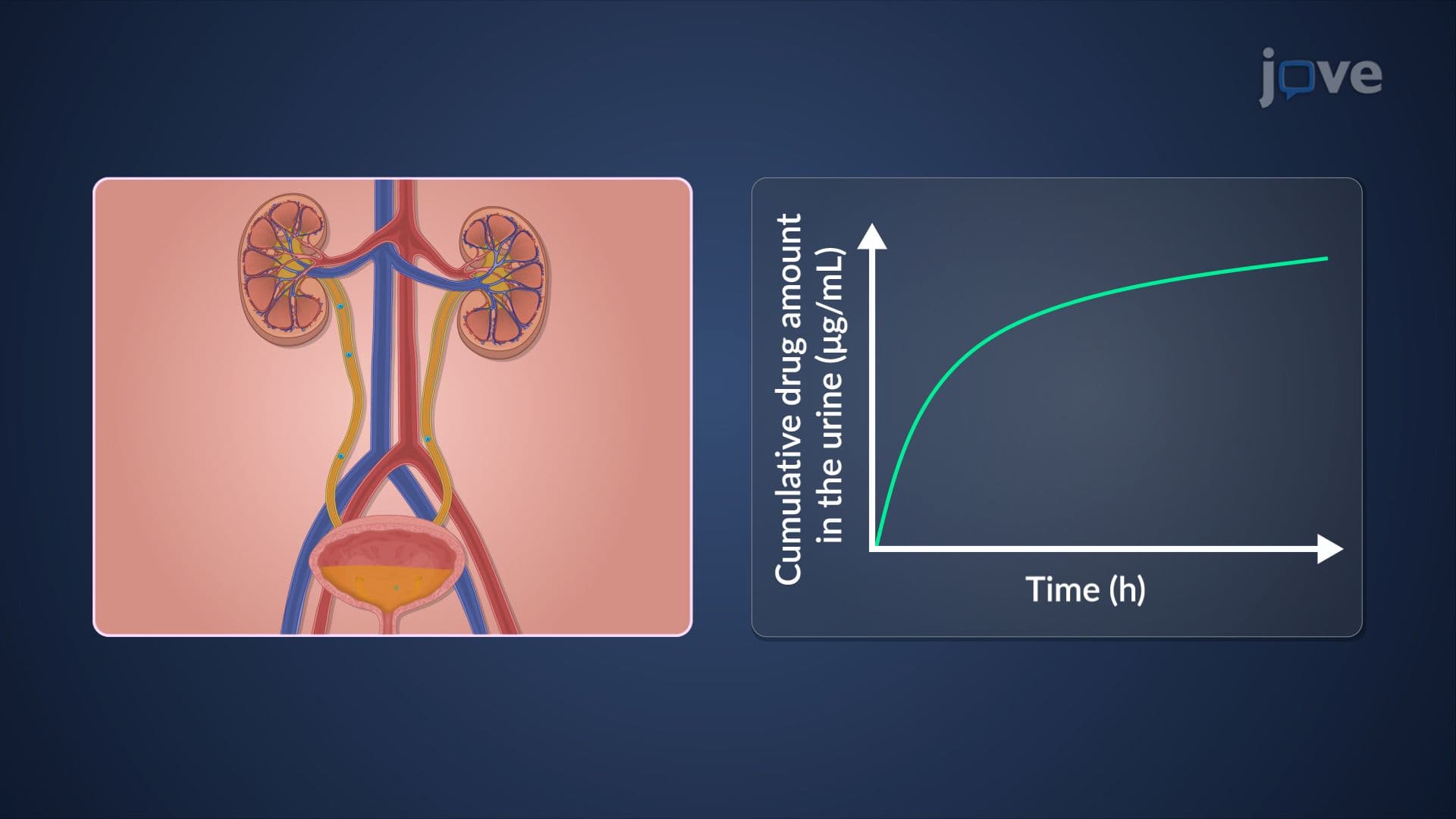
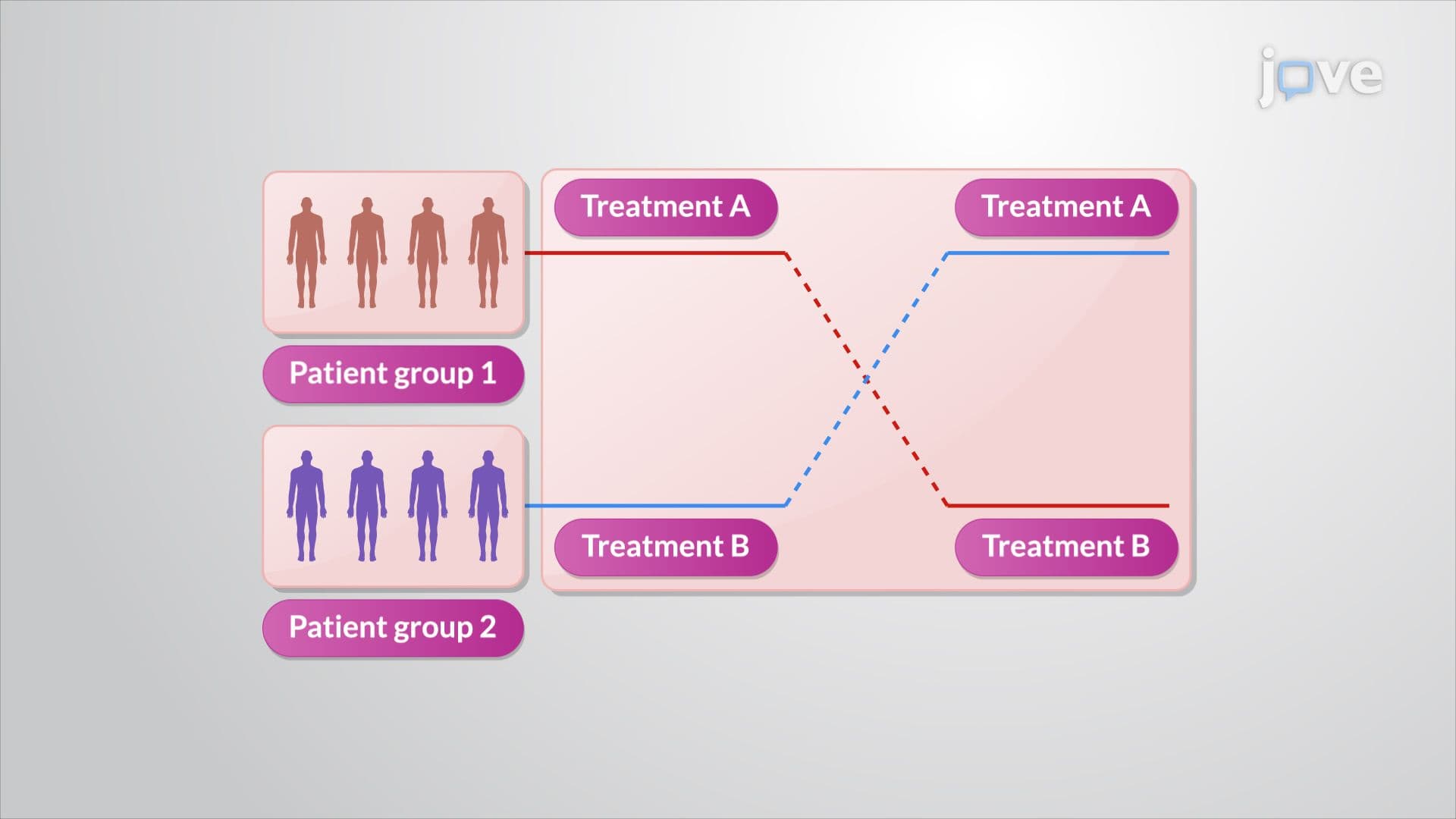
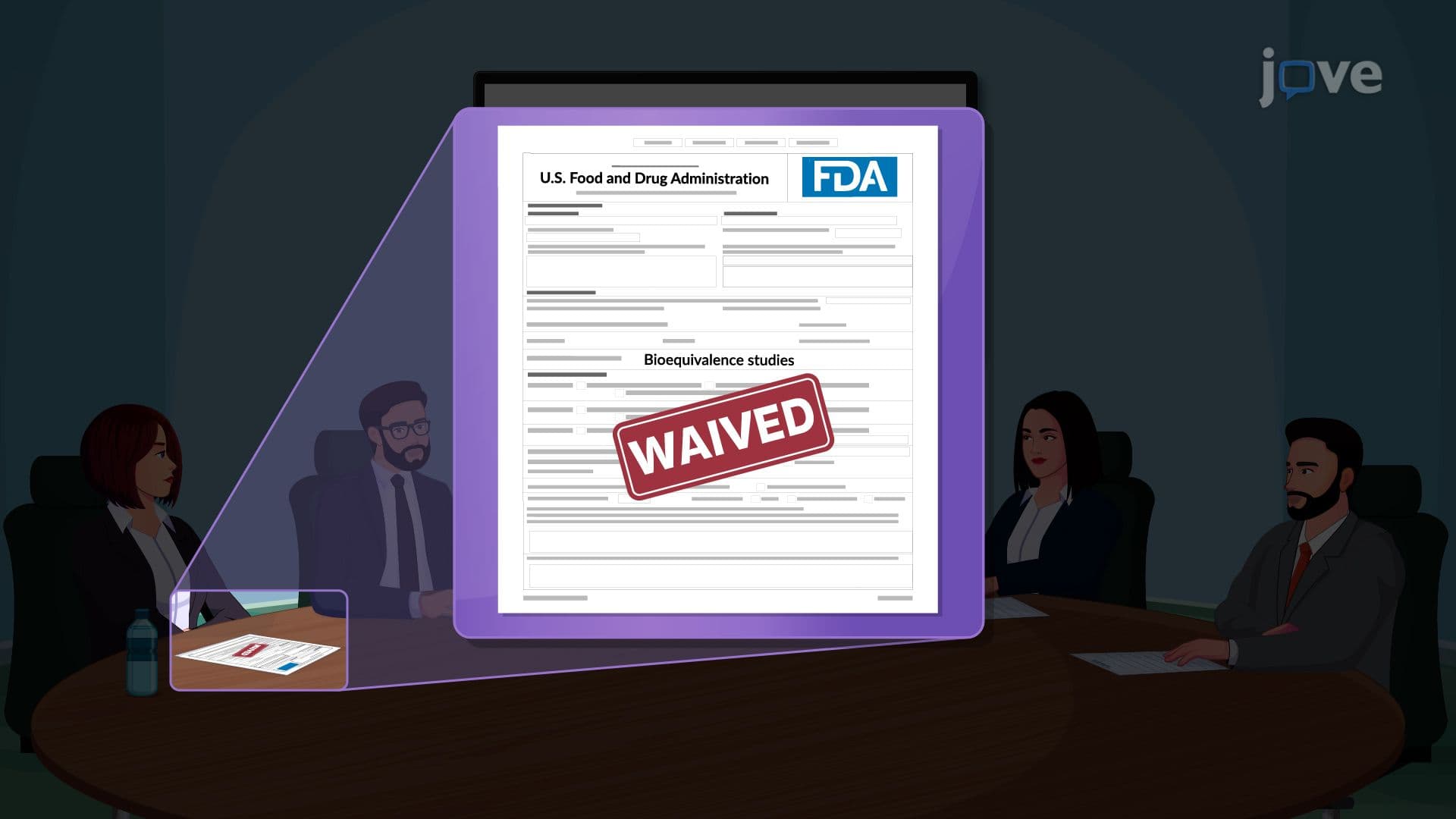
The FDA determines when in vitro studies suffice versus requiring expensive in vivo trials based on several factors. Drugs with narrow therapeutic margins-where small dosage differences cause significant clinical effects-typically need human bioequivalence studies. However, medications with wide safety margins and predictable absorption patterns often qualify for in vitro-only approval pathways, reducing costs and accelerating generic drug availability.
This regulatory framework directly impacts healthcare accessibility and pharmaceutical economics, topics that appear in college-level health policy courses and business school case studies examining drug pricing strategies.
Related Micro-courses