Loading video…


 26 Concepts
 1.8K views

Video Summary: Drug Dosing Infants and Children Explained
Did you know that a 6-month-old baby might need a higher dose per kilogram of acetaminophen than their teenage sibling? Drug dosing infants children requires completely different calculations than adult medications due to unique physiological differences in body composition, organ maturity, and drug processing capabilities. For instance, pediatric patients at Boston Children's Hospital receive carefully calculated doses based on body surface area rather than simple weight conversions. Drug Dosing Infants And Children Explained covers the critical factors that make pediatric pharmacology so complex, from neonatal water distribution to adolescent metabolism rates. Watch the full video on JoVE Coach to master this concept with expert-led visuals and step-by-step explanations.
Pediatric pharmacology represents one of the most complex areas in medical science, requiring healthcare providers to master intricate dosing calculations that account for dramatic physiological changes throughout childhood development. Unlike adult medicine where standardized dosing often applies, pediatric patients demand individualized approaches that consider everything from cellular composition to organ function maturity.
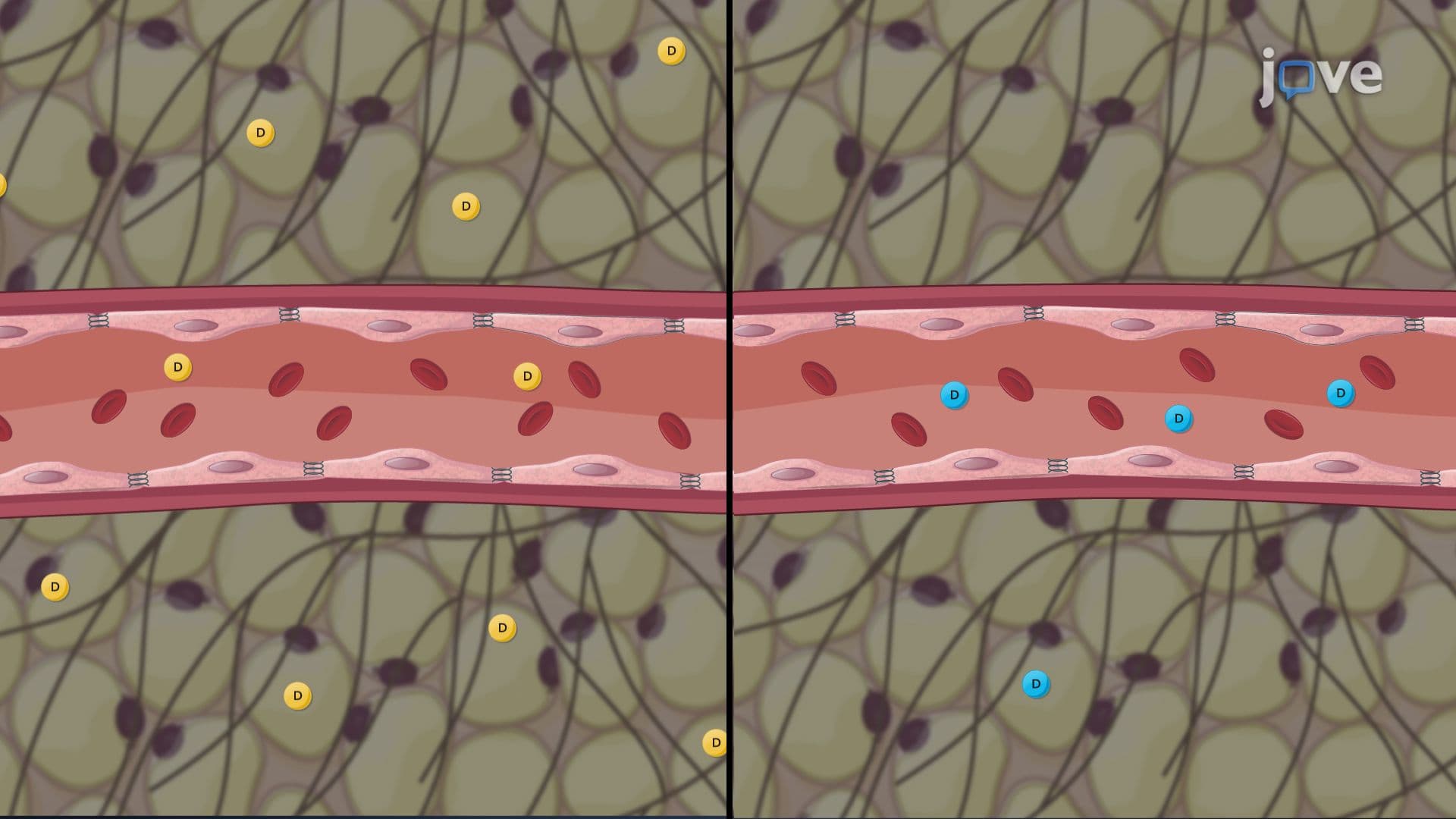
The foundation of pediatric dosing lies in understanding how children's bodies differ fundamentally from adults. Neonates possess significantly higher total body water content-approximately 75-80% compared to adults' 60%-which dramatically affects how water-soluble medications distribute throughout their systems. This increased aqueous environment means hydrophilic drugs like gentamicin require higher doses per kilogram to achieve therapeutic levels, while lipophilic medications may need dose reductions due to lower fat content in younger patients.
Body surface area calculations become particularly crucial when dosing chemotherapy agents at pediatric oncology centers like St. Jude Children's Research Hospital. The Mosteller formula (BSA = √[(height × weight)/3600]) provides more accurate dosing predictions than simple weight-based calculations, especially for drugs with narrow therapeutic windows. This approach better correlates with physiological functions including cardiac output, renal blood flow, and glomerular filtration rates-all critical factors in drug elimination.
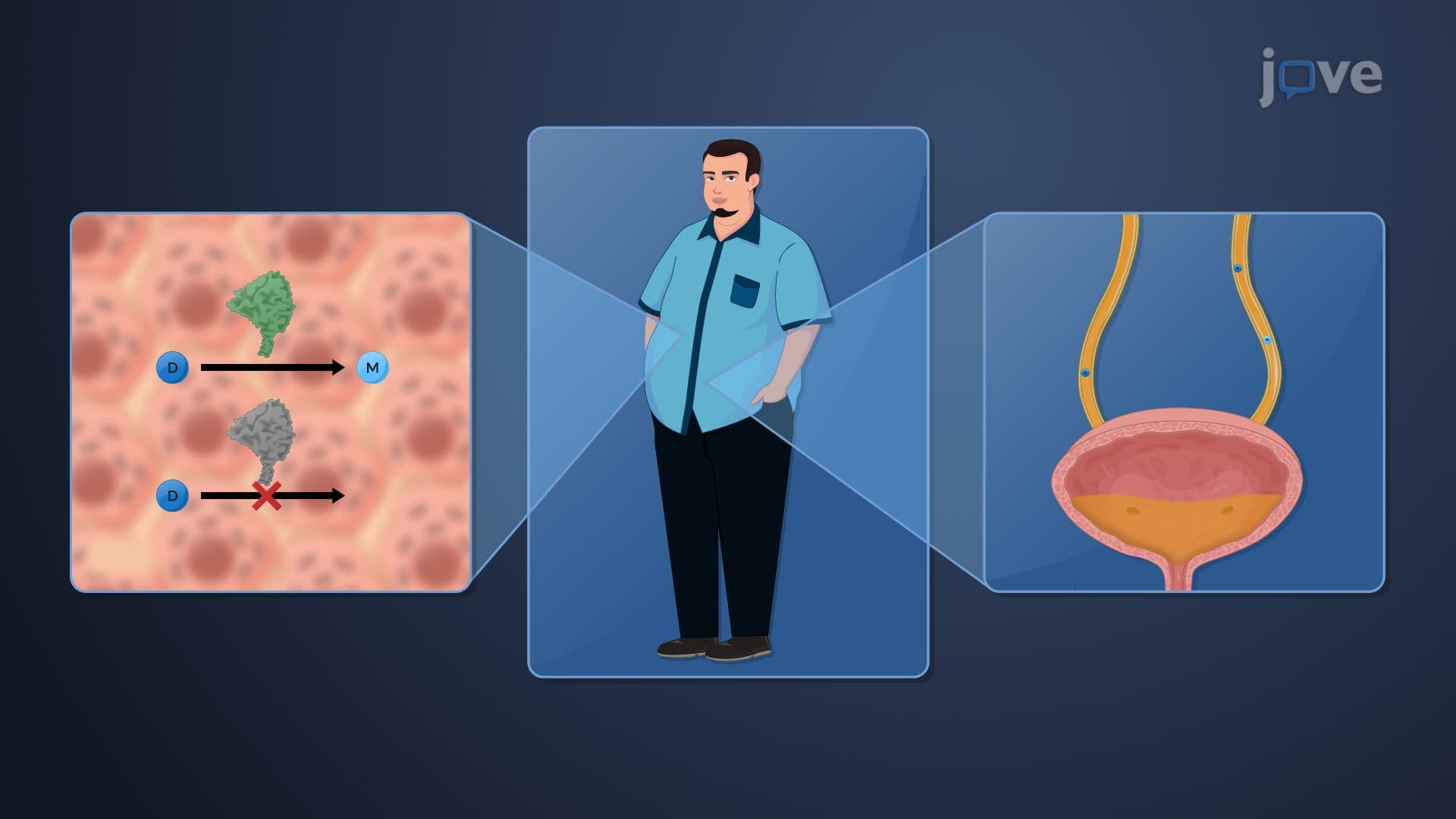
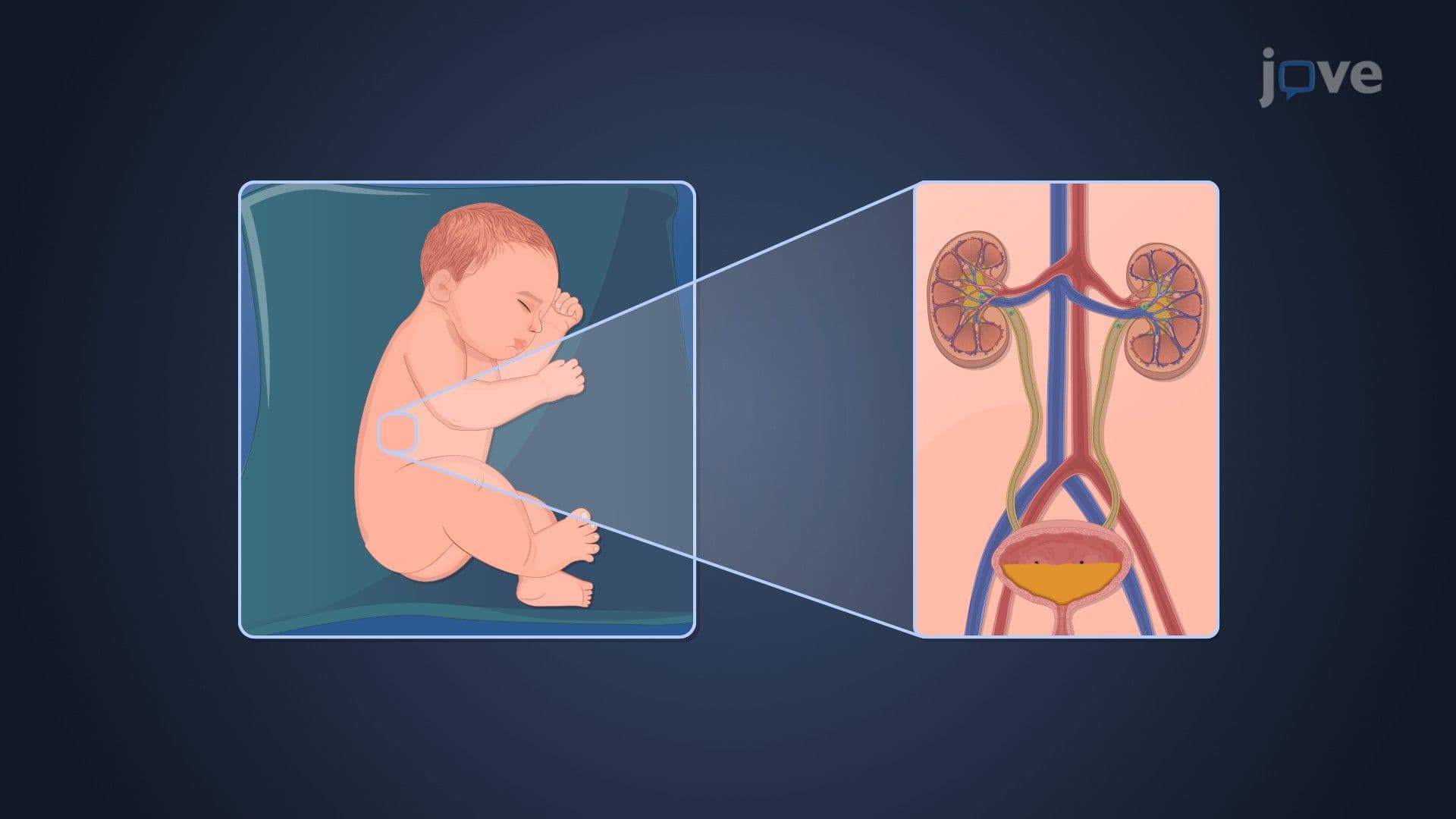
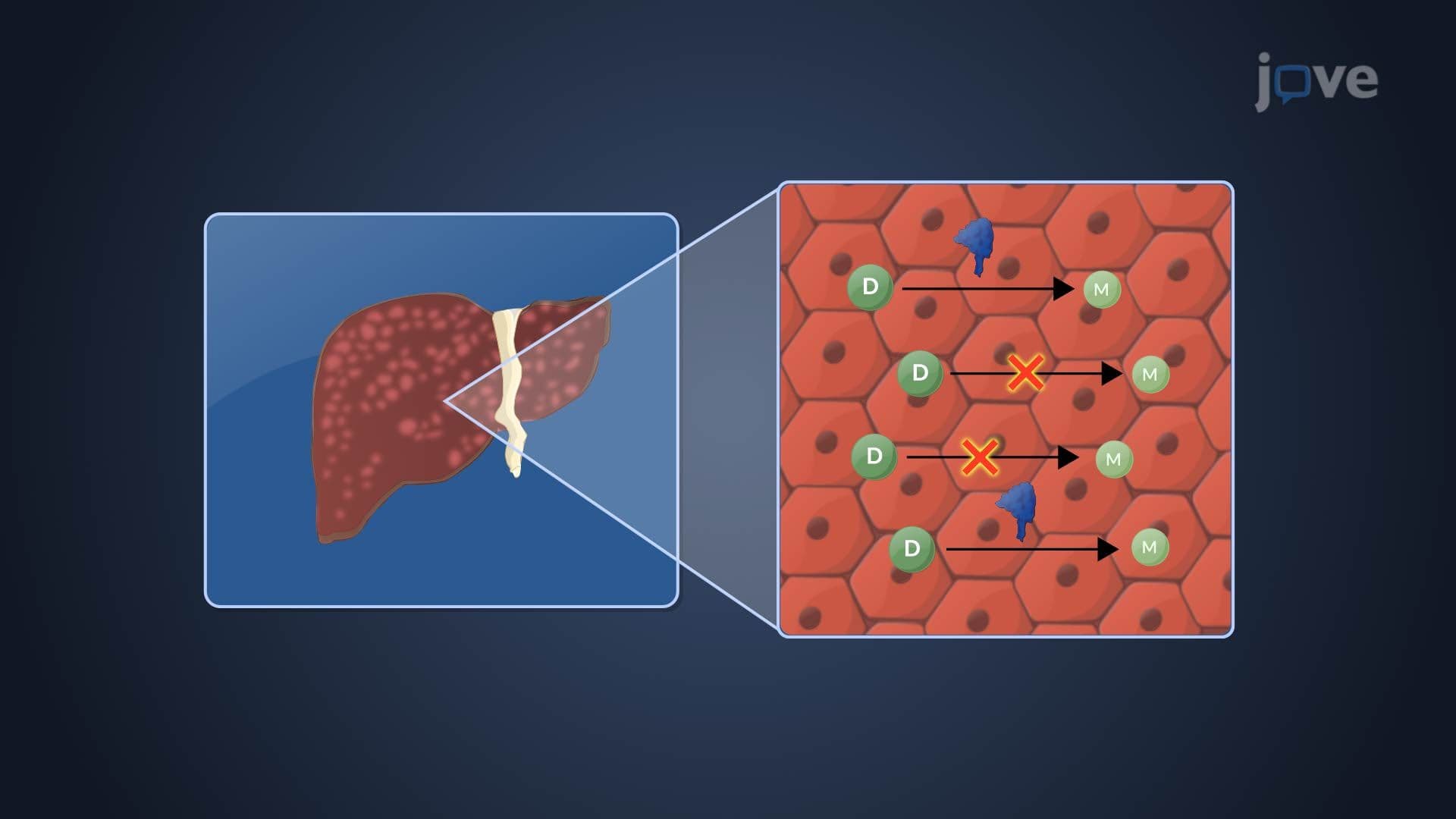
Different pediatric age groups present unique challenges that healthcare providers encounter daily in clinical practice. Preterm neonates often have immature liver enzyme systems, particularly cytochrome P450 pathways, requiring significant dose adjustments for medications like phenytoin or warfarin. The cytochrome P450 system doesn't fully mature until around age 2, explaining why many medications require frequent dose modifications during infancy.
For students preparing for the MCAT or nursing school entrance exams like the HESI A2, understanding these developmental pharmacokinetics proves essential. College-level pharmacology courses frequently test concepts around how drug clearance mechanisms mature throughout childhood, with renal function reaching adult levels around age 1-2 years while hepatic metabolism continues developing into adolescence.
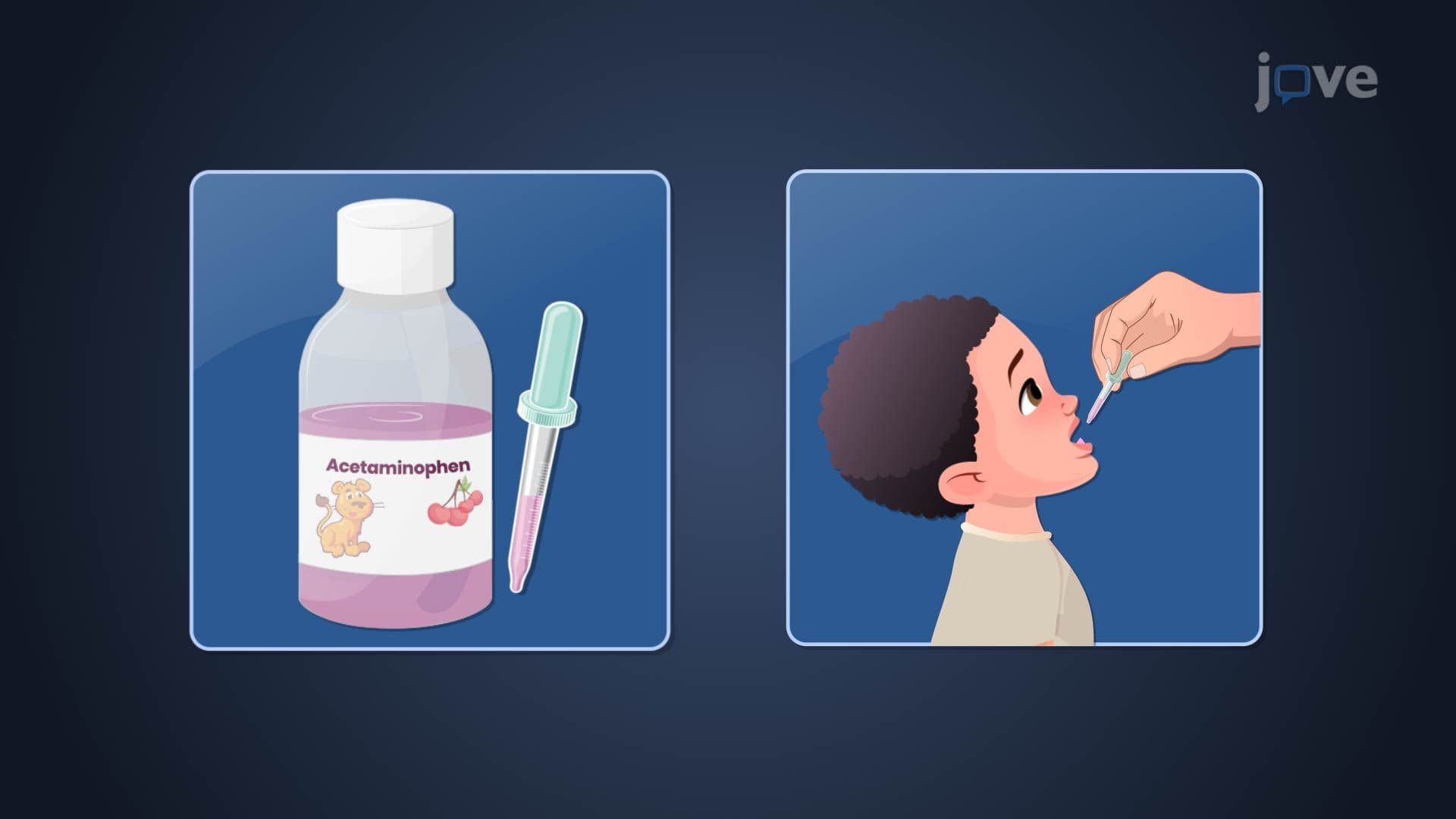
Pediatric drug formulations present unique challenges that pharmacy schools across institutions like the University of California San Francisco emphasize in their curricula. Liquid formulations with calibrated droppers allow precise dosing for patients who cannot swallow pills, while palatability becomes crucial for medication compliance. The FDA's pediatric labeling requirements now mandate age-specific dosing information, reflecting growing recognition of children's unique medication needs.
Understanding these principles becomes particularly relevant for students pursuing healthcare careers, as pediatric dosing errors represent significant safety concerns in clinical practice. The Joint Commission identifies medication errors as leading causes of pediatric hospital adverse events, making mastery of these concepts essential for future healthcare providers.
Related Micro-courses