Loading video…


 26 Concepts
 1.8K views

Video Summary: Hepatic Disease and Pharmacokinetics Pathophysiology and Liver Function Tests
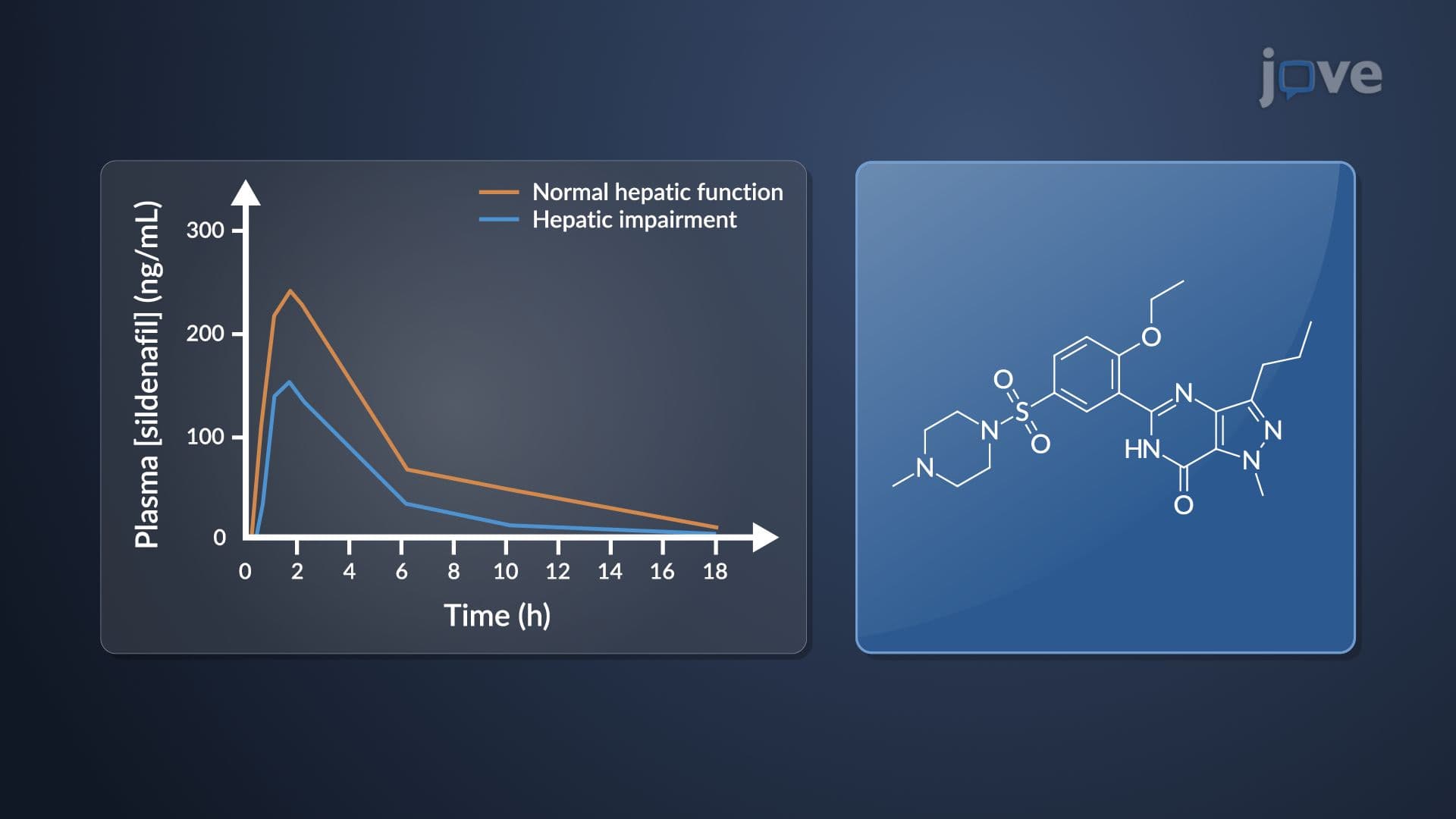
Why do some medications work differently in patients with liver disease? Hepatic disease pharmacokinetics: pathophysiology reveals how liver dysfunction dramatically alters drug metabolism and clearance. For example, patients with cirrhosis at Johns Hopkins Hospital often require significantly reduced doses of common medications like acetaminophen to prevent toxicity. Understanding Hepatic Disease and Pharmacokinetics: Pathophysiology and Liver Function Tests is crucial for safe medication management in clinical practice. Watch the full video on JoVE Coach to master this concept with expert-led visuals and step-by-step explanations.
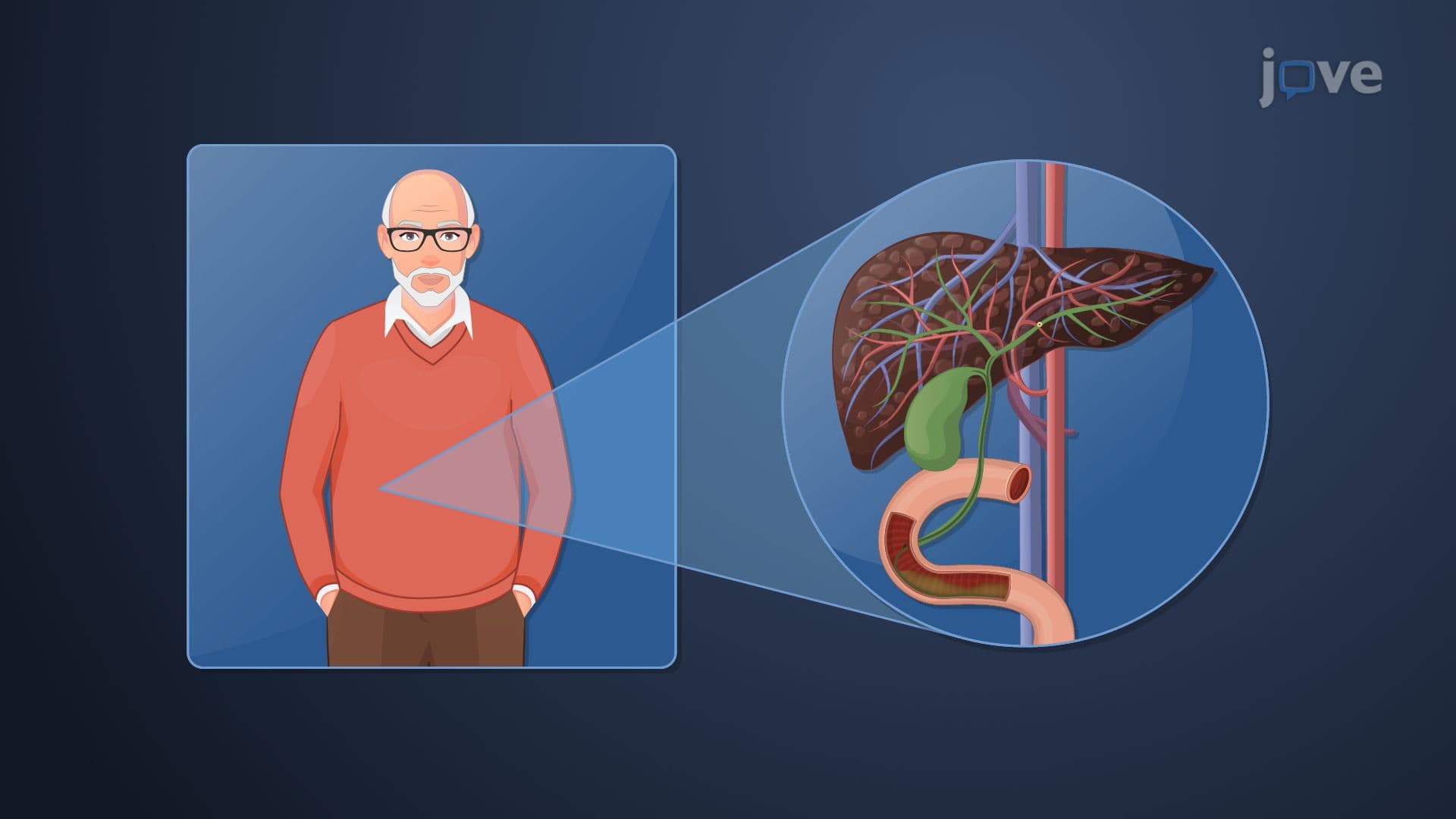
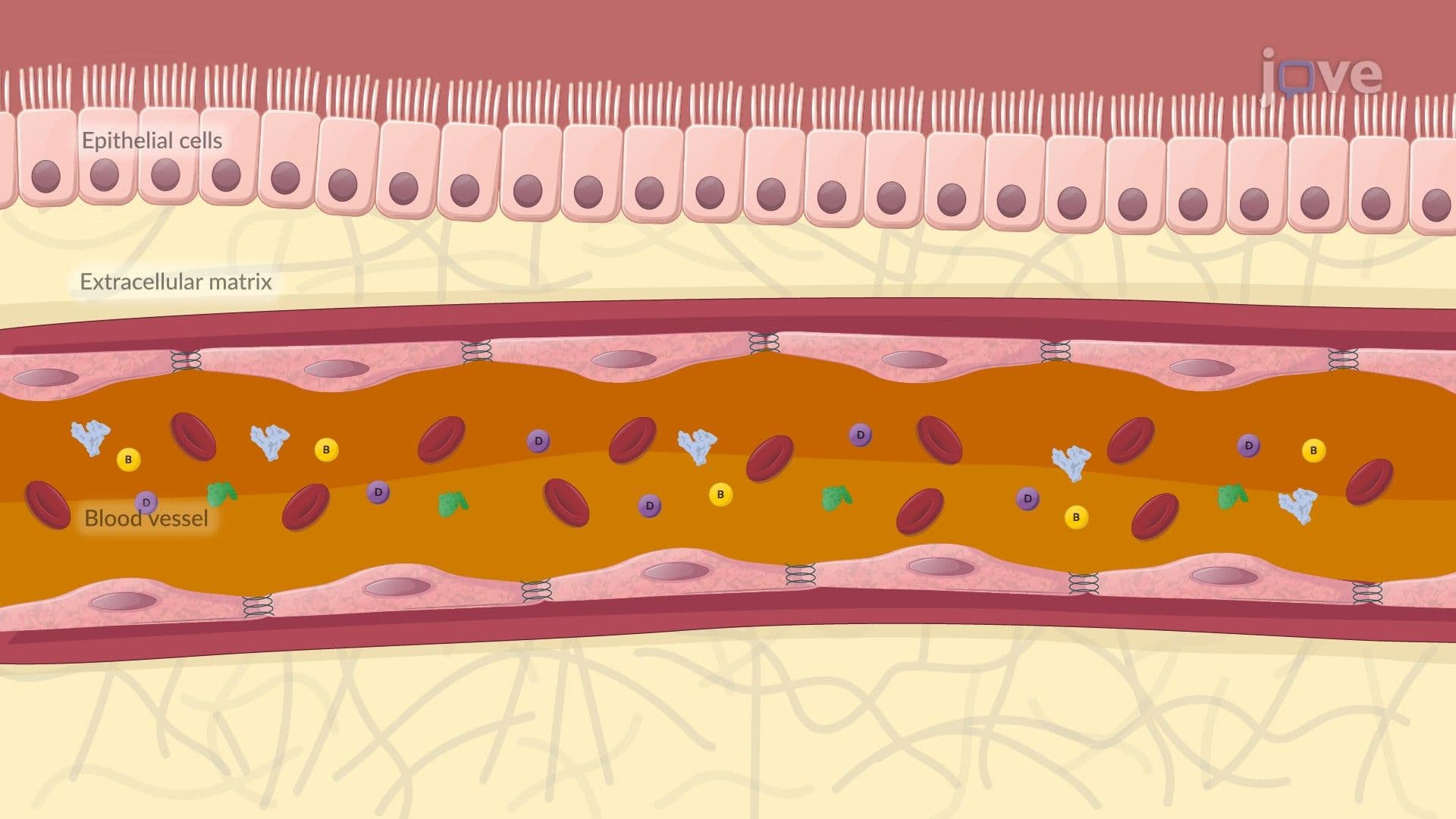
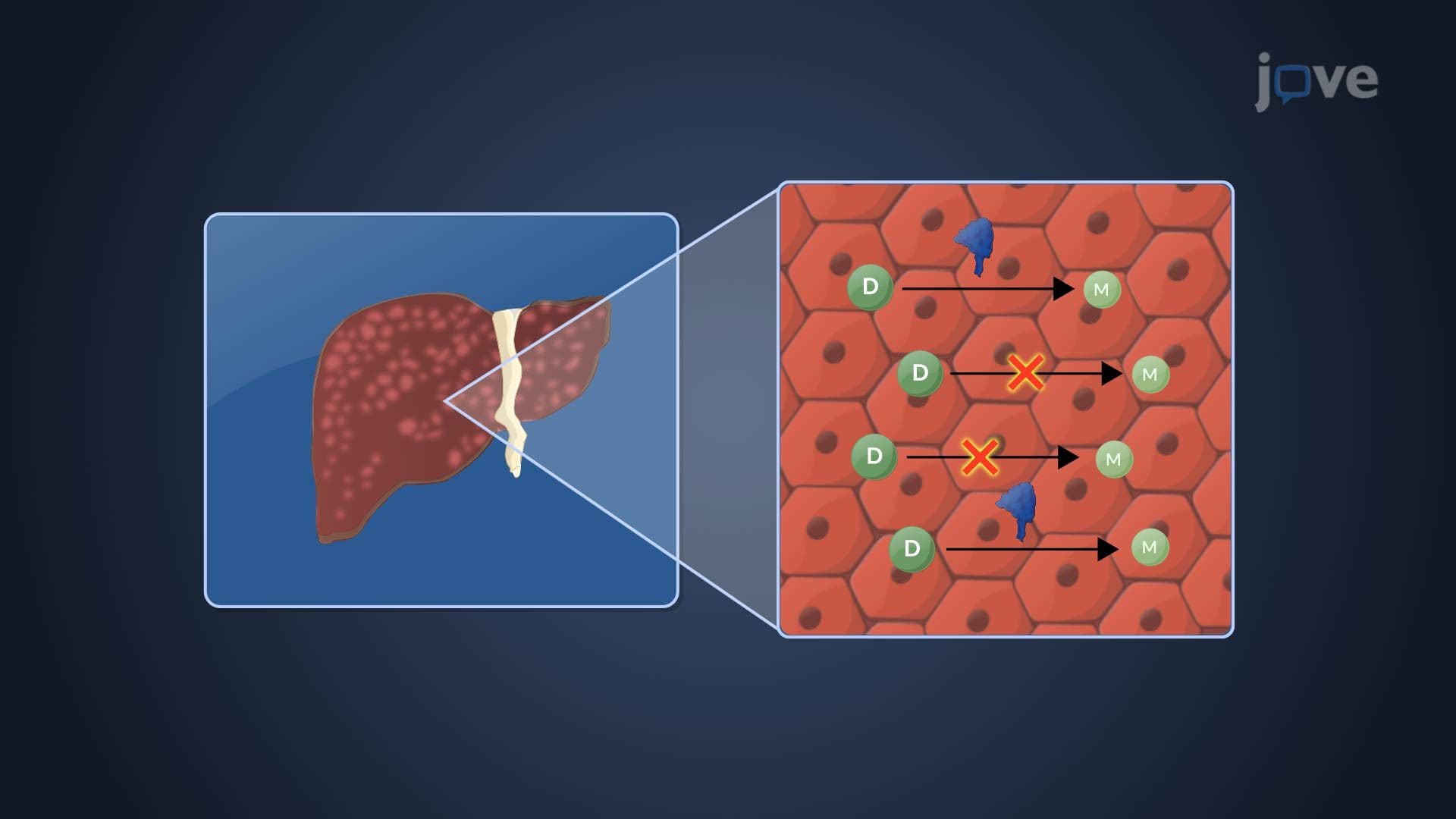
The liver serves as the body's primary drug-metabolizing organ, processing approximately 90% of medications through enzymatic pathways. When hepatic disease occurs, this intricate system becomes compromised, leading to unpredictable drug concentrations and potential toxicity. The pathophysiology involves reduced hepatic blood flow, decreased enzyme activity, and altered protein synthesis, all of which significantly impact how medications are absorbed, distributed, metabolized, and eliminated.
Since directly measuring hepatic blood flow requires specialized catheterization techniques typically reserved for research settings, clinicians rely on readily available liver function tests. These biochemical markers provide crucial insights into hepatic integrity and function. Aminotransferases (AST and ALT) reflect hepatocellular damage, with AST/ALT ratios greater than 2:1 strongly suggesting alcoholic liver disease or advanced fibrosis. For instance, patients presenting to Mayo Clinic emergency departments with acute hepatitis often show ALT levels exceeding 1000 U/L, indicating severe hepatocellular injury.
Alkaline phosphatase elevation indicates cholestasis or space-occupying lesions, while bilirubin levels reflect the liver's synthetic and excretory capacity. Prothrombin time, measuring clotting factor synthesis, serves as a sensitive indicator of hepatic synthetic function. At Cleveland Clinic, hepatologists routinely use these markers to assess disease progression and guide treatment decisions. Students preparing for the MCAT should understand that these tests don't directly predict drug clearance but provide essential context for clinical decision-making.
While Child-Pugh and MELD scores effectively stratify disease severity for transplant prioritization, they poorly correlate with individual drug pharmacokinetics. This disconnect creates significant challenges in clinical practice, as evidenced by frequent medication-related adverse events in patients with hepatic impairment. Current research focuses on developing pharmacokinetic-based dosing algorithms, but this remains an evolving field requiring individualized patient assessment and careful monitoring.
Related Micro-courses