Loading video…

 26 Concepts
 1.8K views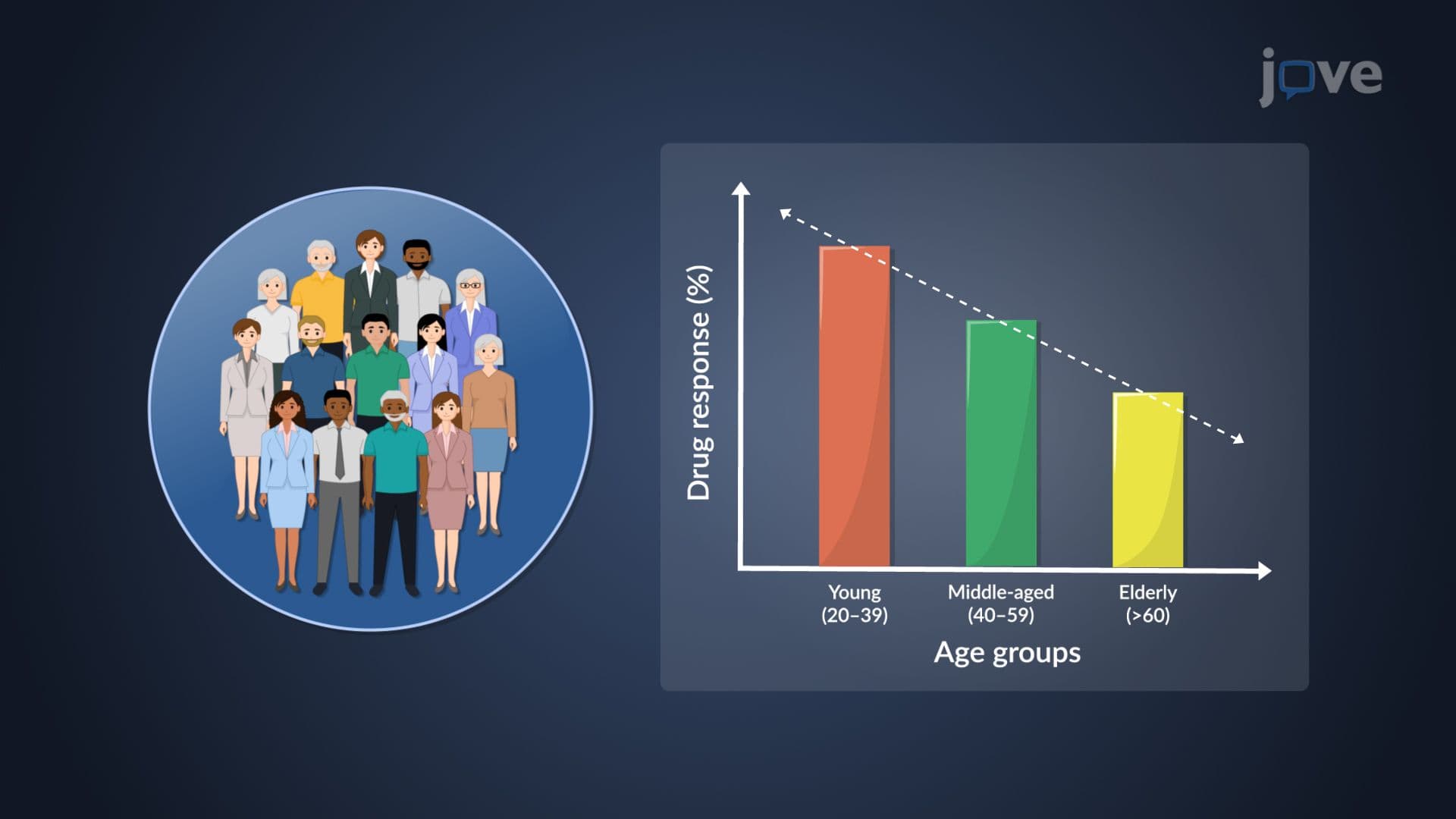

Video Summary: Pharmacodynamics in Geriatric Patients Effects Explained
Did you know that elderly patients at Johns Hopkins often require half the typical benzodiazepine dose to achieve the same therapeutic effect as younger adults? Pharmacodynamics in geriatric patients effects reveal how aging fundamentally alters how our bodies respond to medications, even when drug concentrations remain identical. This phenomenon explains why warfarin causes more bleeding complications in seniors despite similar blood levels. Watch the full video on JoVE Coach to master this concept with expert-led visuals and step-by-step explanations.
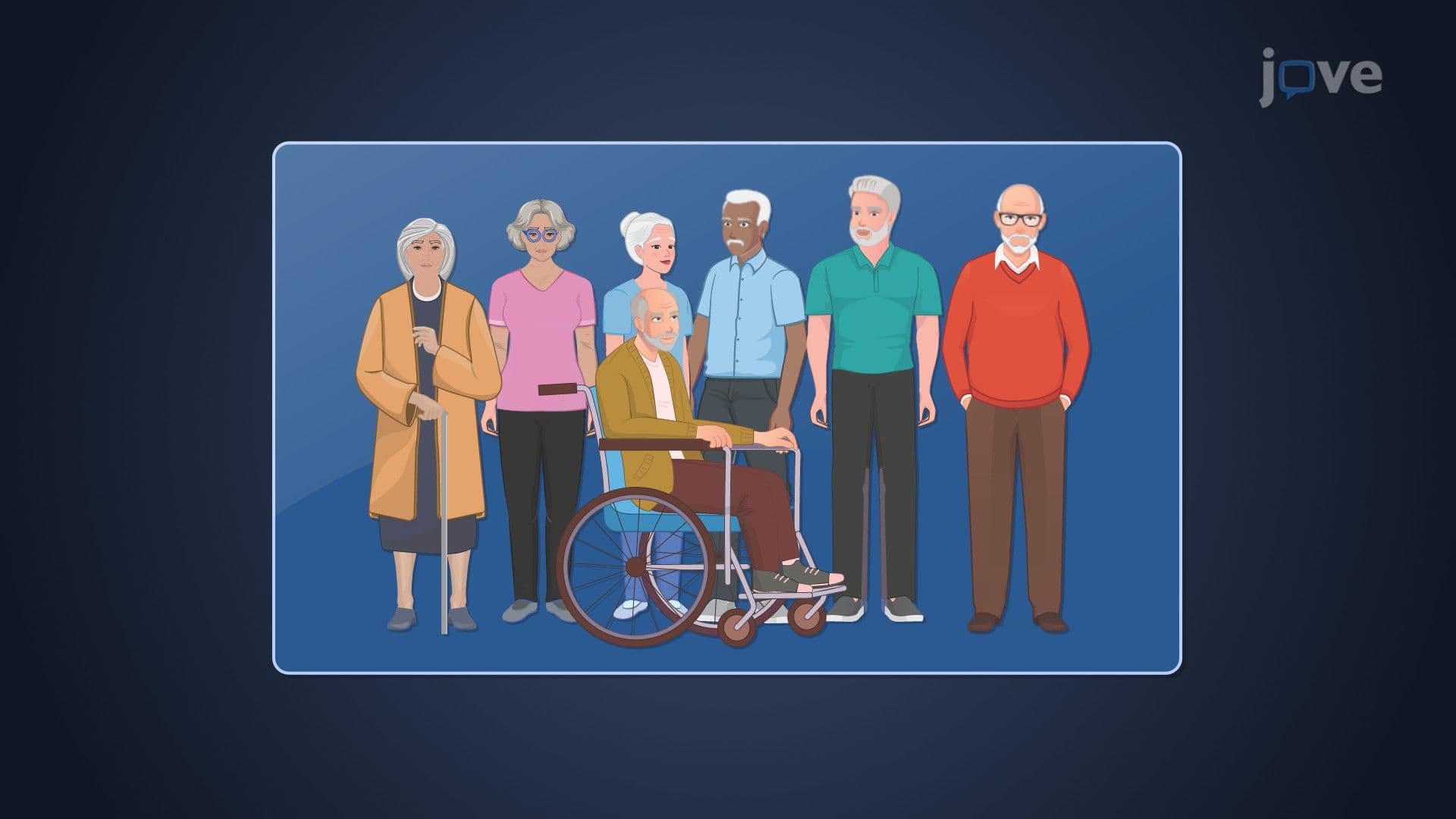
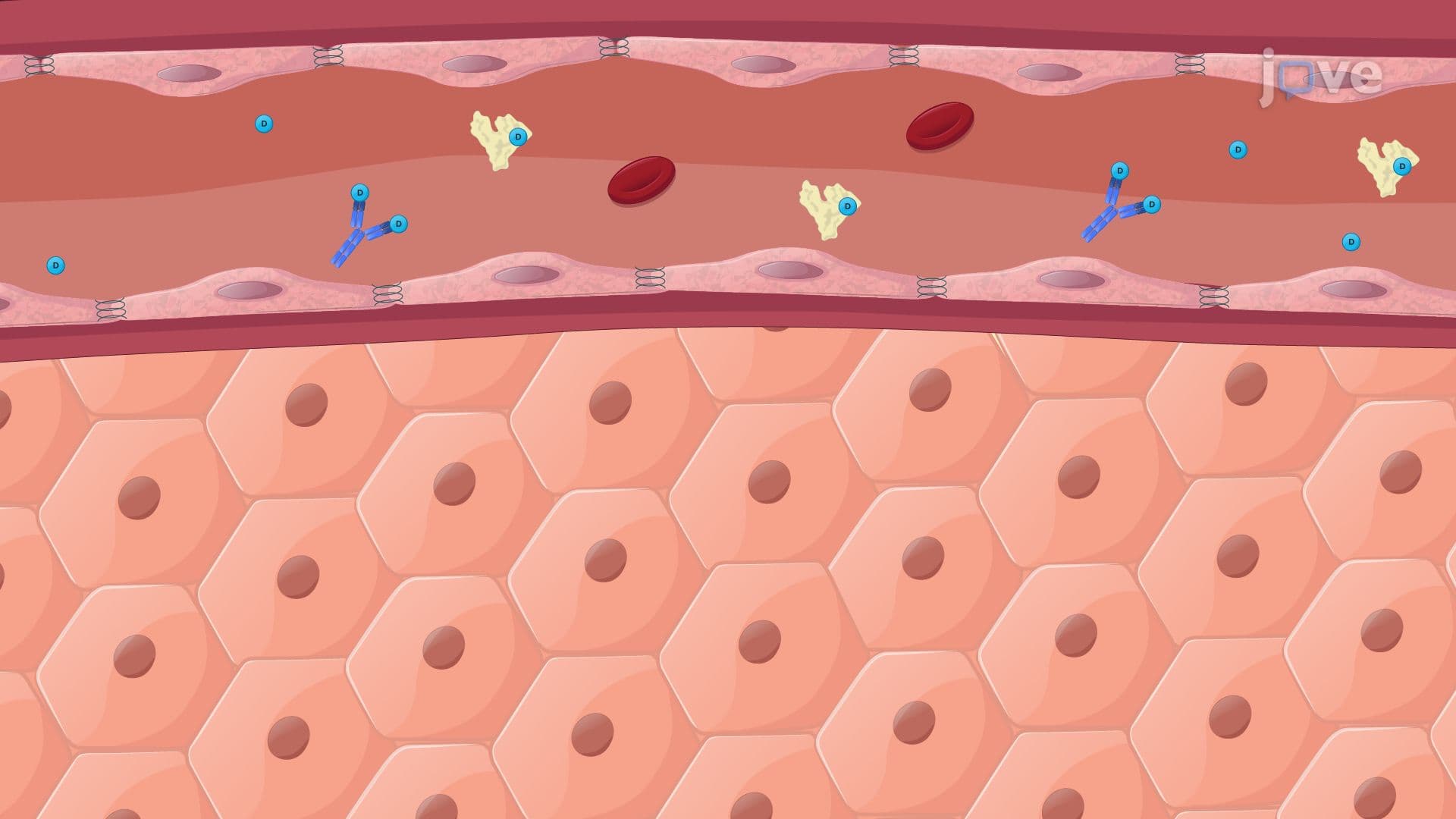
Pharmacodynamics in geriatric patients effects represent a critical area of clinical pharmacology that examines how aging alters the body's response to medications at the receptor and cellular level. Unlike pharmacokinetics, which focuses on drug absorption, distribution, metabolism, and elimination, pharmacodynamics addresses what the drug does to the body once it reaches its target site.
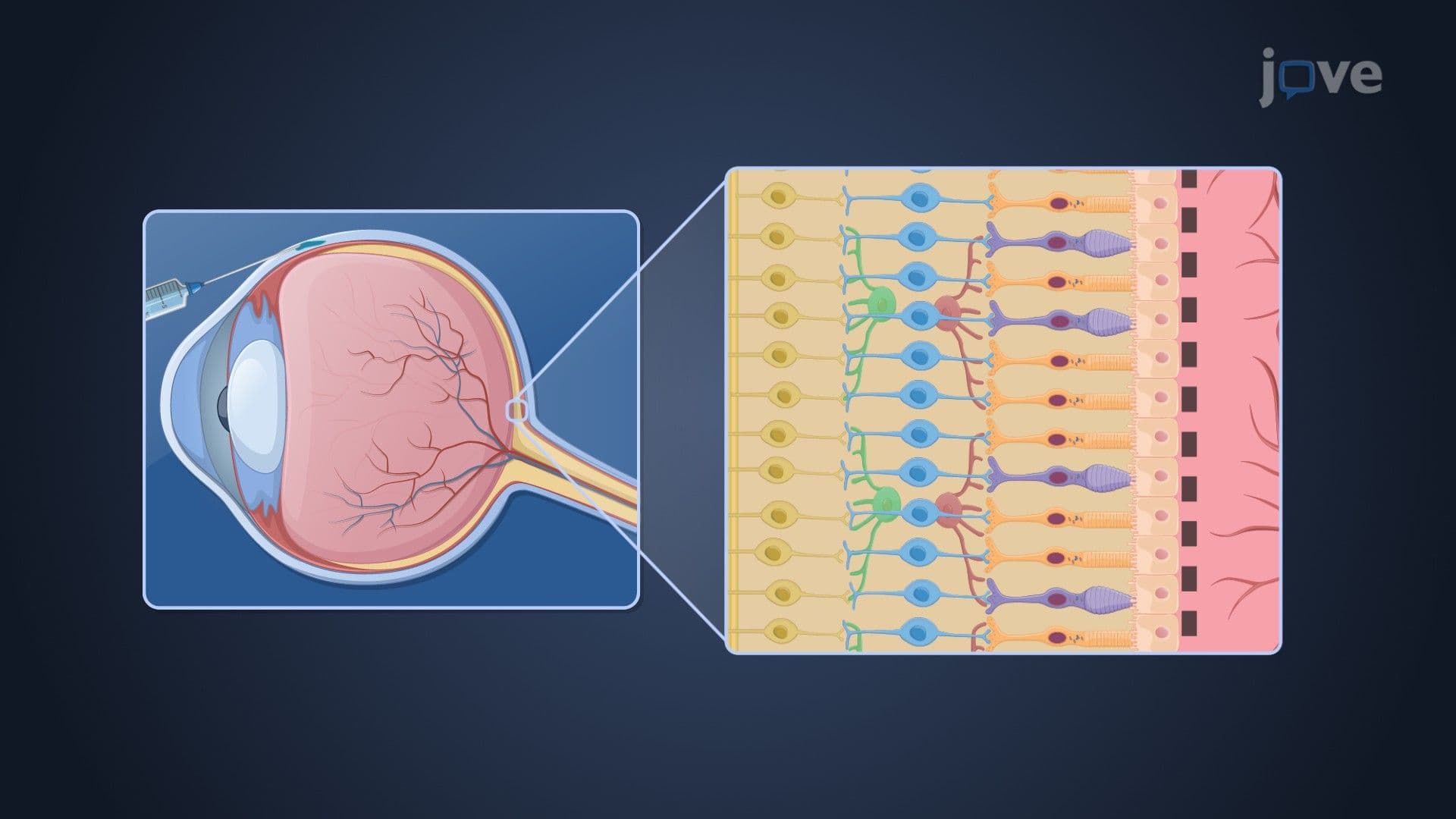
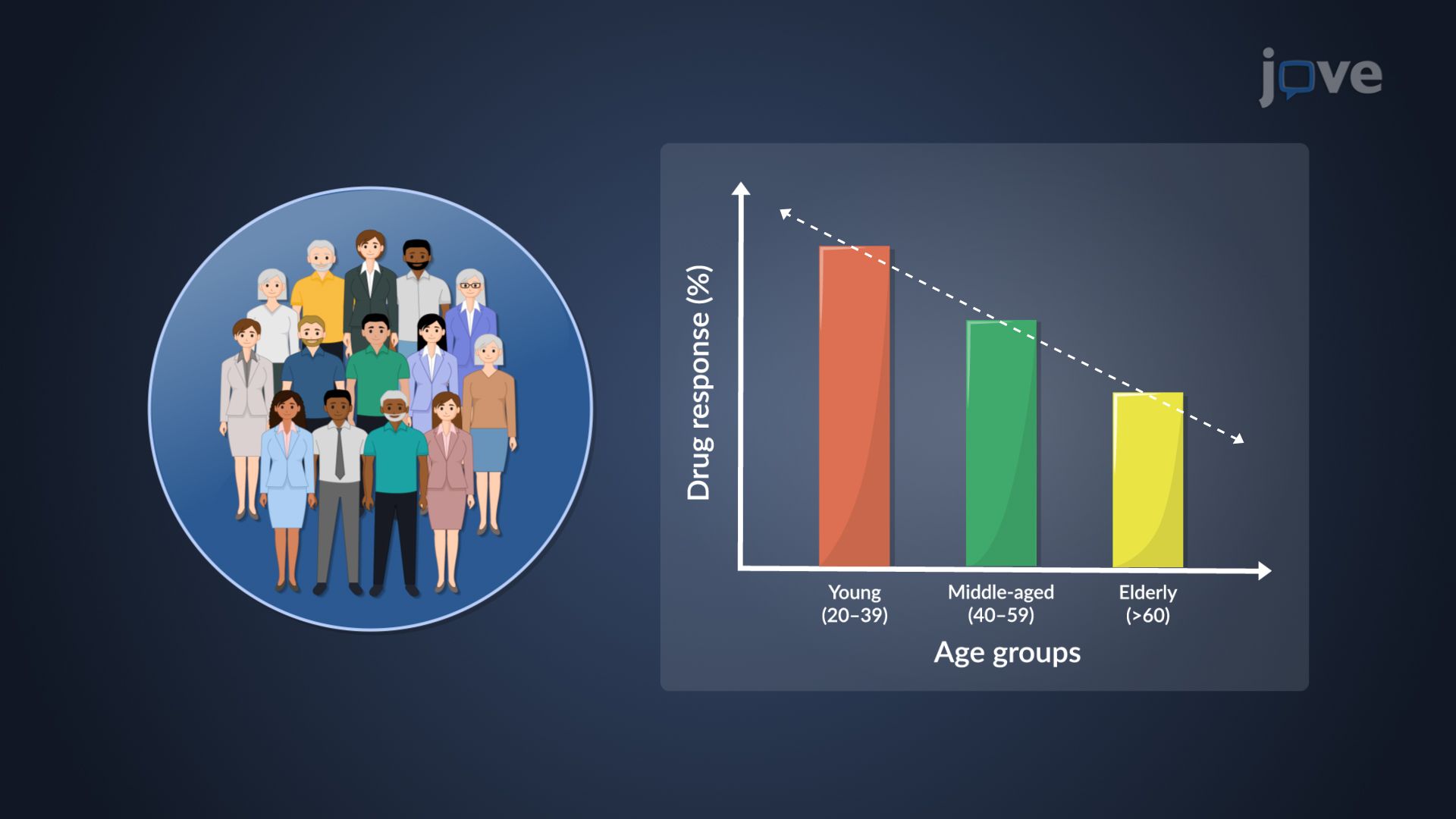
The aging process fundamentally alters how receptors respond to medications, creating significant clinical implications. Beta-adrenergic receptors exemplify this phenomenon through multiple mechanisms. As patients age, these receptors undergo downregulation, meaning fewer receptors are available for drug binding. Additionally, the signal transduction pathways become impaired, and Gs proteins-essential for transmitting signals from receptors to cellular responses-show decreased activity.
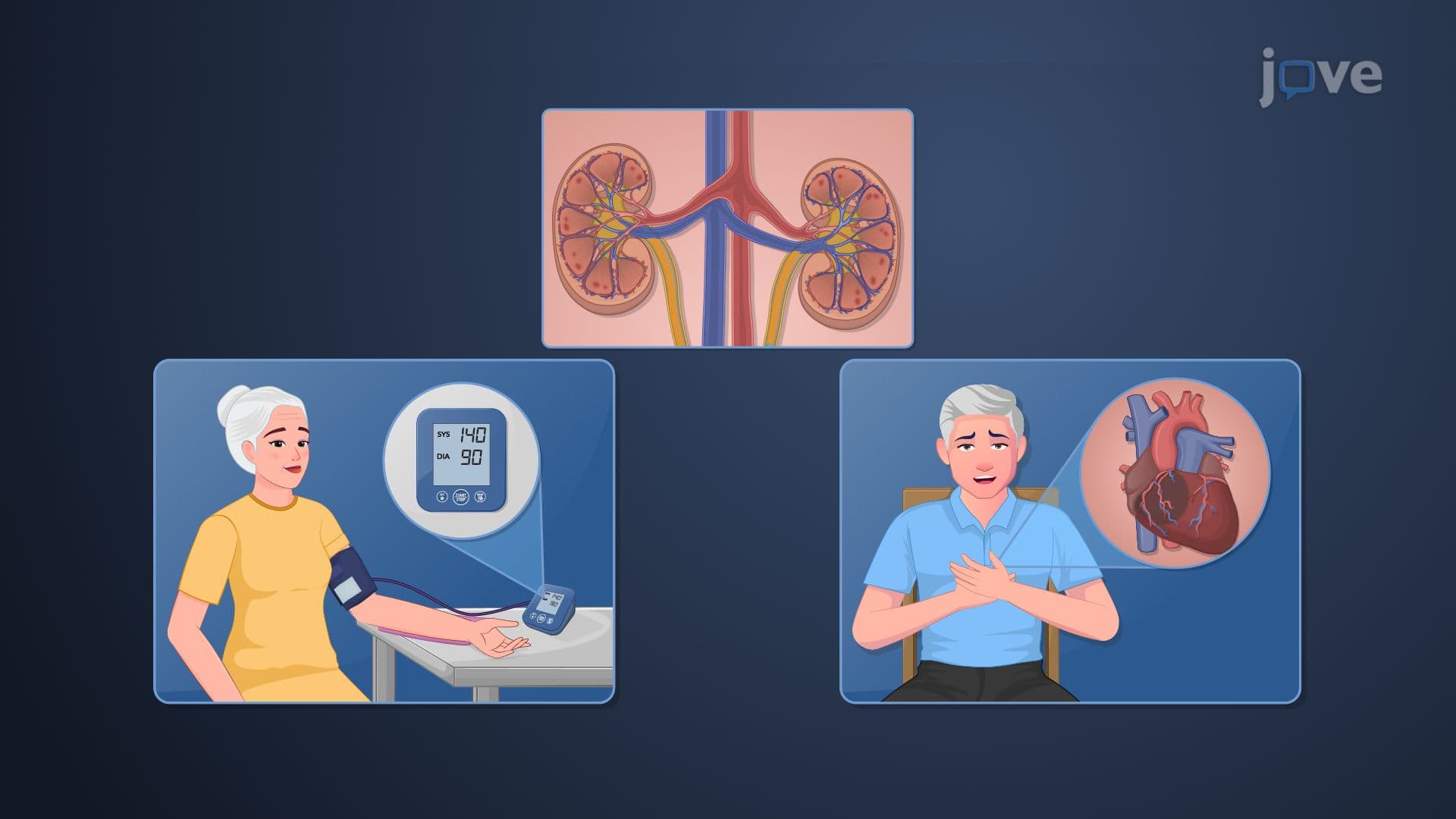
This explains why elderly patients often show diminished responses to beta-agonist medications used for conditions like asthma or heart failure. A 75-year-old patient at Mayo Clinic might require higher doses of albuterol to achieve the same bronchodilation as a 25-year-old, despite similar drug concentrations reaching the lungs.
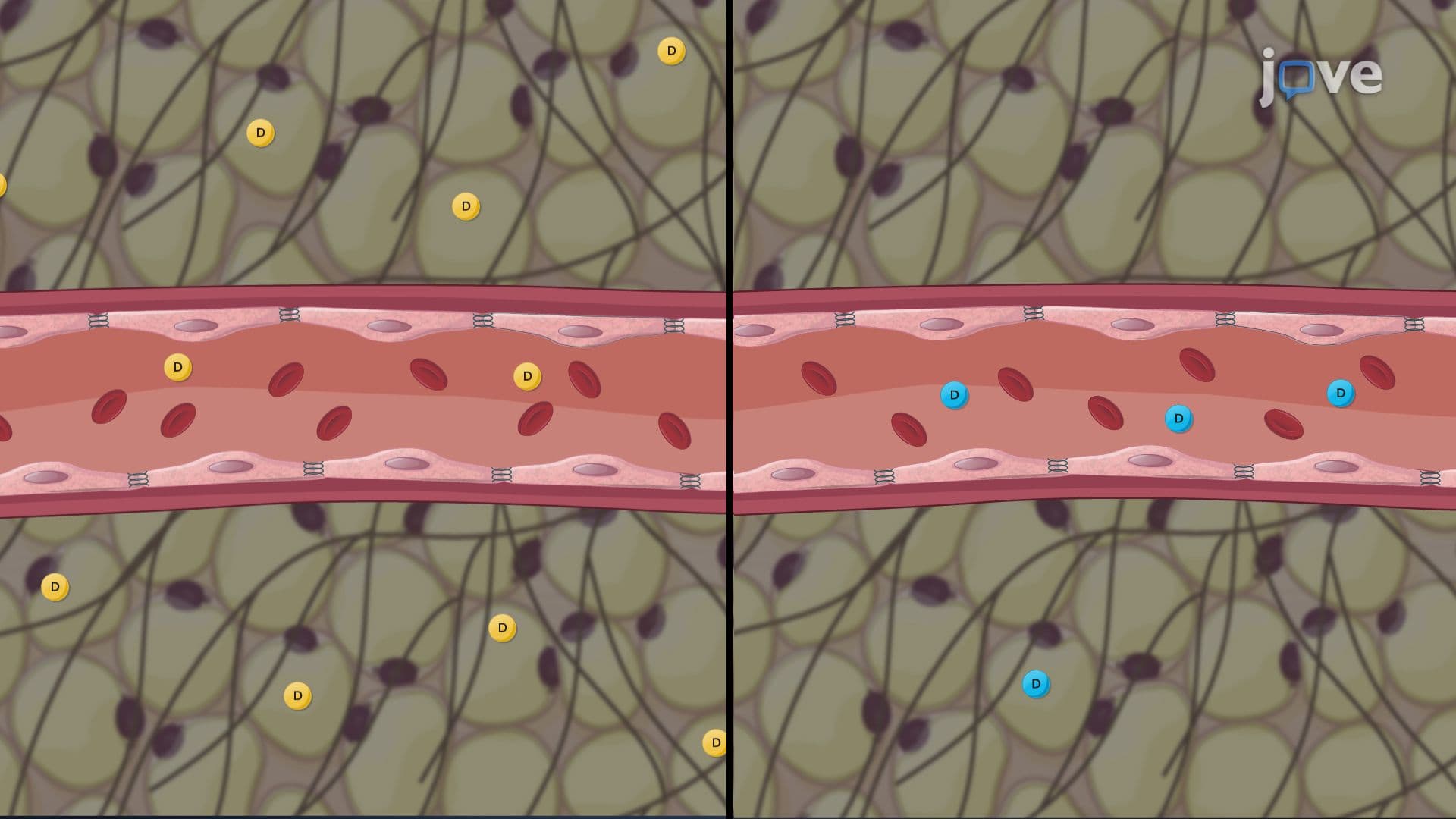
Paradoxically, some medications show increased effects in elderly patients. Benzodiazepines, commonly prescribed for anxiety and sleep disorders, demonstrate enhanced cognitive and sedative effects in geriatric patients even when plasma concentrations remain unchanged. This increased sensitivity likely results from age-related changes in brain receptor density and altered neurotransmitter systems.
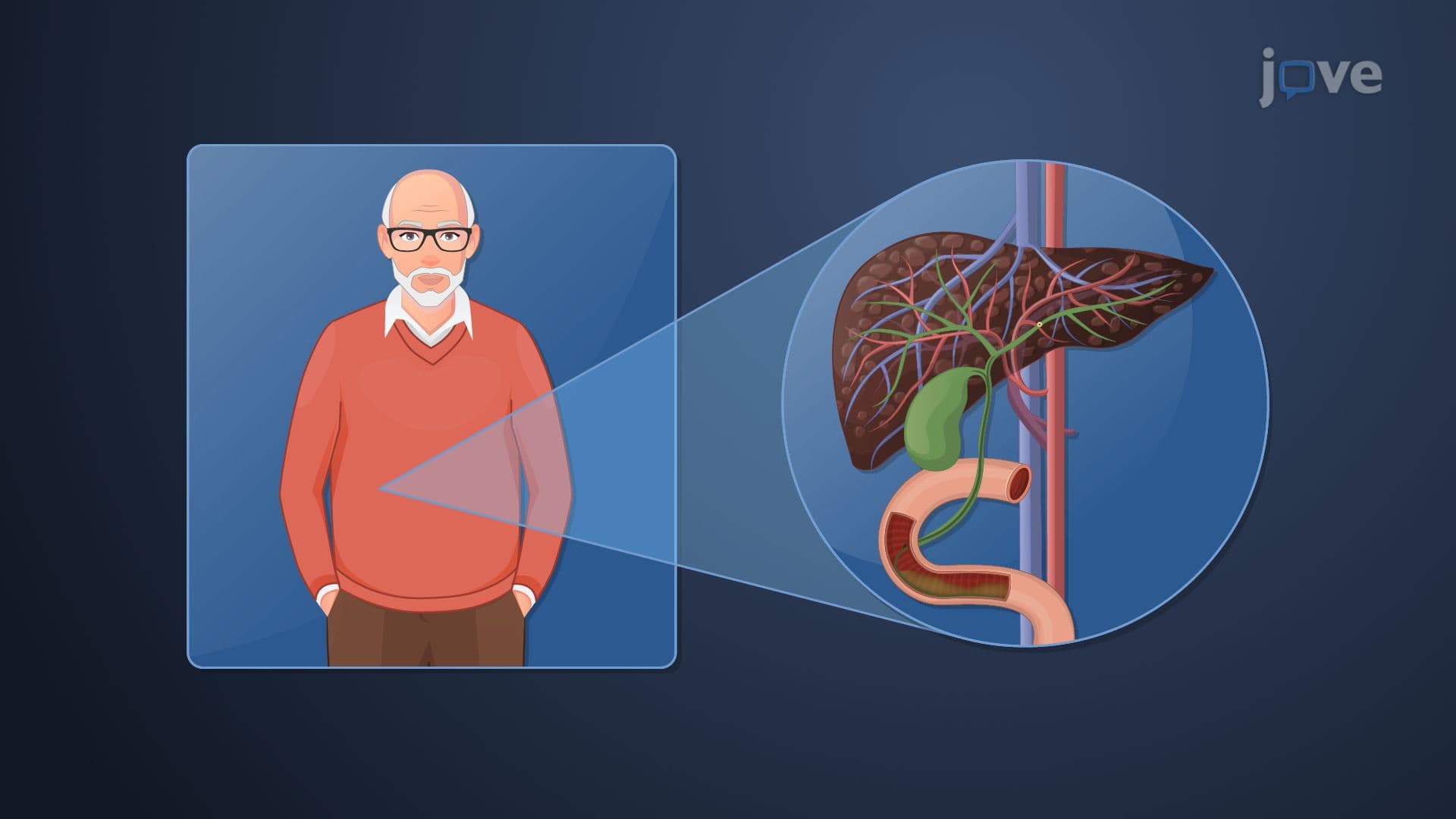
Similarly, warfarin exhibits greater anticoagulant effects in older adults. At identical plasma concentrations, elderly patients show more significant inhibition of vitamin K-dependent clotting factor synthesis. This enhanced response increases bleeding risk and necessitates more frequent monitoring and potentially lower maintenance doses in geriatric patients.
Understanding these pharmacodynamic changes proves essential for MCAT preparation and clinical practice. Most research relies on cross-sectional studies comparing different age groups at single time points, assuming these differences reflect individual aging processes. However, this methodology has limitations, as it cannot account for generational differences, lifestyle factors, or survival bias.
For AP Biology and college pharmacology courses, students should recognize that pharmacodynamic aging effects require individualized dosing strategies and enhanced safety monitoring, making geriatric pharmacology a specialized field requiring expertise in age-related physiological changes.
Related Micro-courses