Loading video…


 26 Concepts
 1.8K views

Video Summary: Pharmacokinetics in Pediatric Patients Overview Explained
Did you know that a newborn's stomach pH is nearly neutral at 4.0, while an adult's is highly acidic at 1.5? This dramatic difference means pharmacokinetics pediatric patients overview involves completely different drug absorption patterns than adult medicine. For instance, when pediatric nurses at Children's Hospital of Philadelphia administer phenobarbital to treat neonatal seizures, they must carefully adjust doses because babies absorb this medication differently than older patients. Understanding Pharmacokinetics in Pediatric Patients Overview Explained helps healthcare providers deliver safe, effective treatments across all childhood developmental stages. Watch the full video on JoVE Coach to master this concept with expert-led visuals and step-by-step explanations.
Pharmacokinetics-how the body processes medications through absorption, distribution, metabolism, and elimination-becomes dramatically more complex in pediatric populations. Unlike adult pharmacology, pediatric pharmacokinetics must account for rapidly changing physiology as children develop from birth through adolescence. This complexity explains why pediatric dosing isn't simply "adult dose divided by weight."
The gastrointestinal system undergoes remarkable transformation during early life. These changes directly impact how orally administered medications behave in young patients, making pediatric pharmacology a specialized field requiring distinct expertise.
Neonates (birth to 28 days) present unique challenges with gastric pH around 4.0-significantly higher than the adult range of 1.5-2.0. This elevated pH dramatically affects drug stability and absorption. Acid-labile medications that would normally degrade in adult stomachs remain stable in neonatal conditions, leading to unexpectedly high bioavailability.
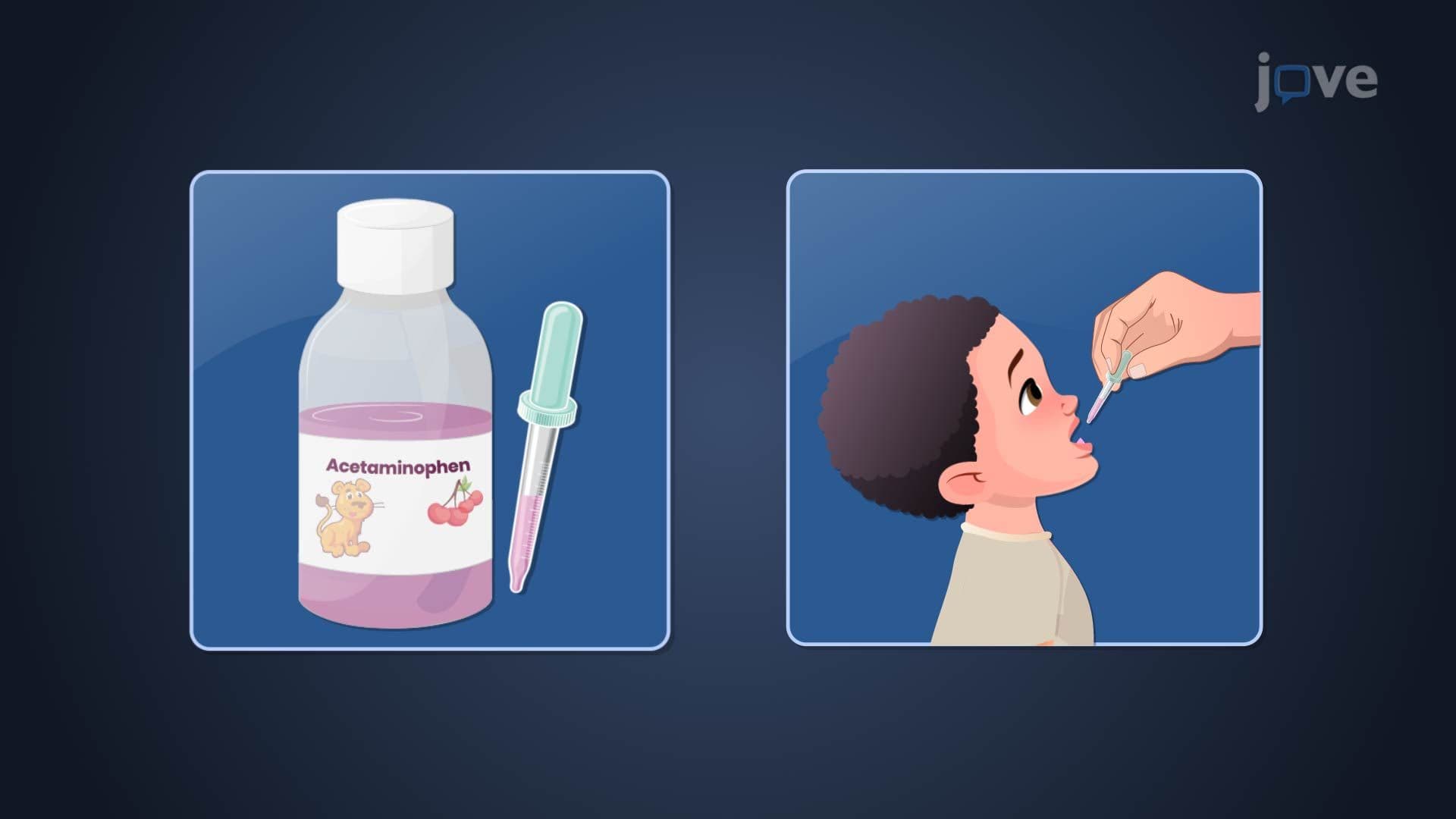
Conversely, medications requiring acidic conditions for optimal absorption, such as phenobarbital used in neonatal seizure management, show reduced bioavailability. When pediatric neurologists at Boston Children's Hospital prescribe phenobarbital for seizure control, they must account for these absorption differences to achieve therapeutic blood levels.
Gastric emptying patterns also differ significantly. Neonates exhibit rapid, irregular emptying compared to the predictable patterns seen in adults. This irregularity creates unpredictable drug delivery to the small intestine, where most absorption occurs.
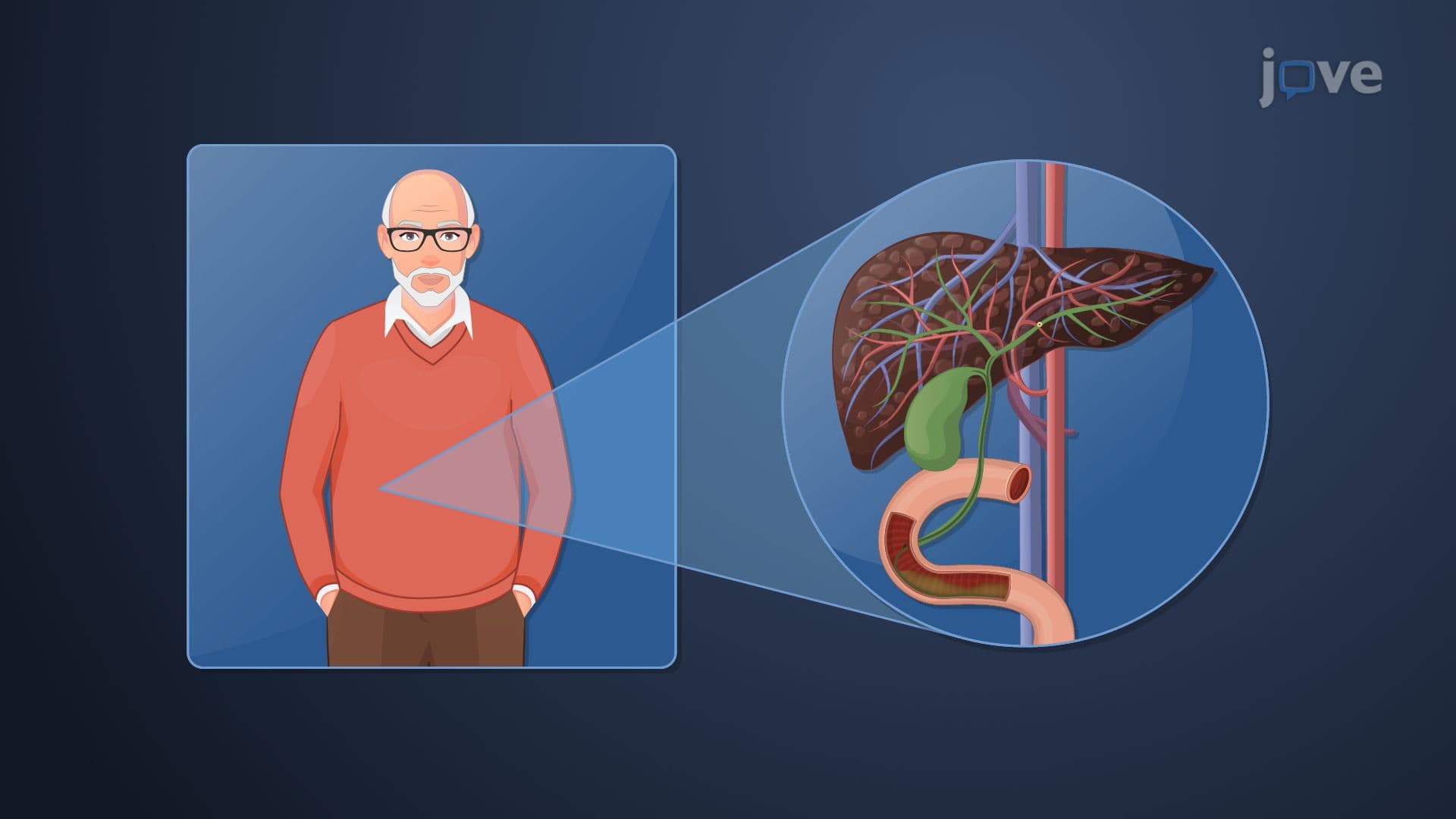
Infants (1 month to 2 years) show intermediate characteristics. Their gastric pH gradually decreases toward adult levels (pH 2-4), while gastric emptying and intestinal transit times begin to slow and regularize. Biliary function, crucial for fat-soluble vitamin absorption, starts approaching adult patterns during this period.
Children (2+ years) achieve gastric pH and biliary function comparable to adults by around age four. However, gastric emptying and transit times continue maturing throughout early childhood. This explains why pediatric pharmacologists often use age four as a transition point for certain dosing calculations.
These developmental changes have profound implications for clinical practice. The MCAT pharmacy section emphasizes understanding how physiological maturation affects drug therapy. Similarly, nursing students preparing for NCLEX examinations must master pediatric-specific dosing principles to ensure patient safety.
Fat-soluble vitamin deficiencies (A, D, E, K) commonly occur in neonates due to immature biliary function, requiring specialized supplementation protocols in neonatal intensive care units nationwide.
Related Micro-courses