Loading video…


 26 Concepts
 1.8K views

Video Summary: What Is Drug Dosing Geriatric Patients
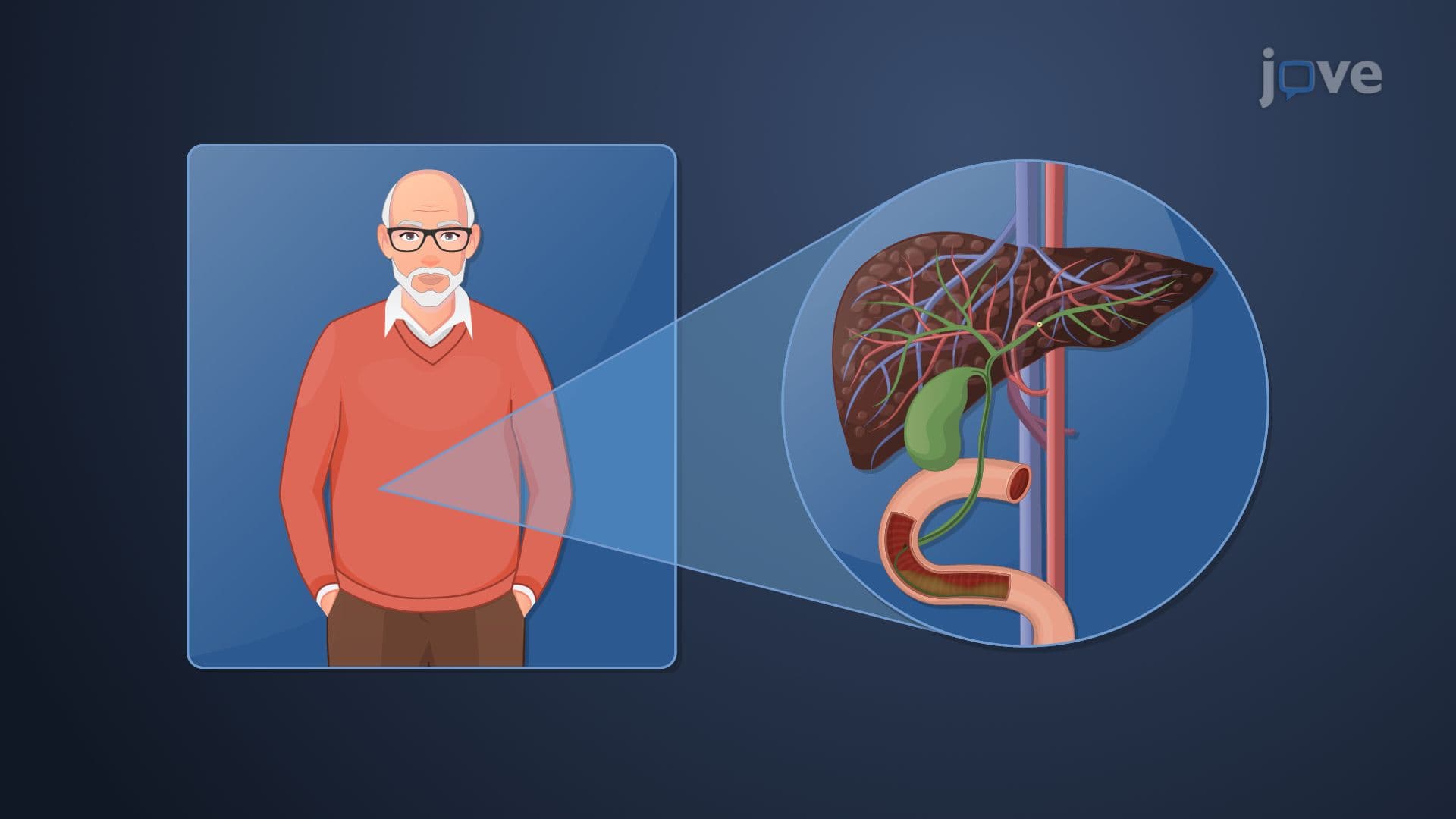
Did you know that a standard adult dose of digoxin can be toxic in a 75-year-old patient due to age-related kidney changes? Understanding drug dosing geriatric patients requires recognizing how aging fundamentally alters medication processing in the body. Seniors at UCLA Medical Center often need 50% lower doses of certain medications compared to younger adults due to decreased kidney function and altered body composition. What is drug dosing geriatric patients becomes critical knowledge as America's population ages and healthcare professionals must prevent dangerous medication errors. Watch the full video on JoVE Coach to master this concept with expert-led visuals and step-by-step explanations.
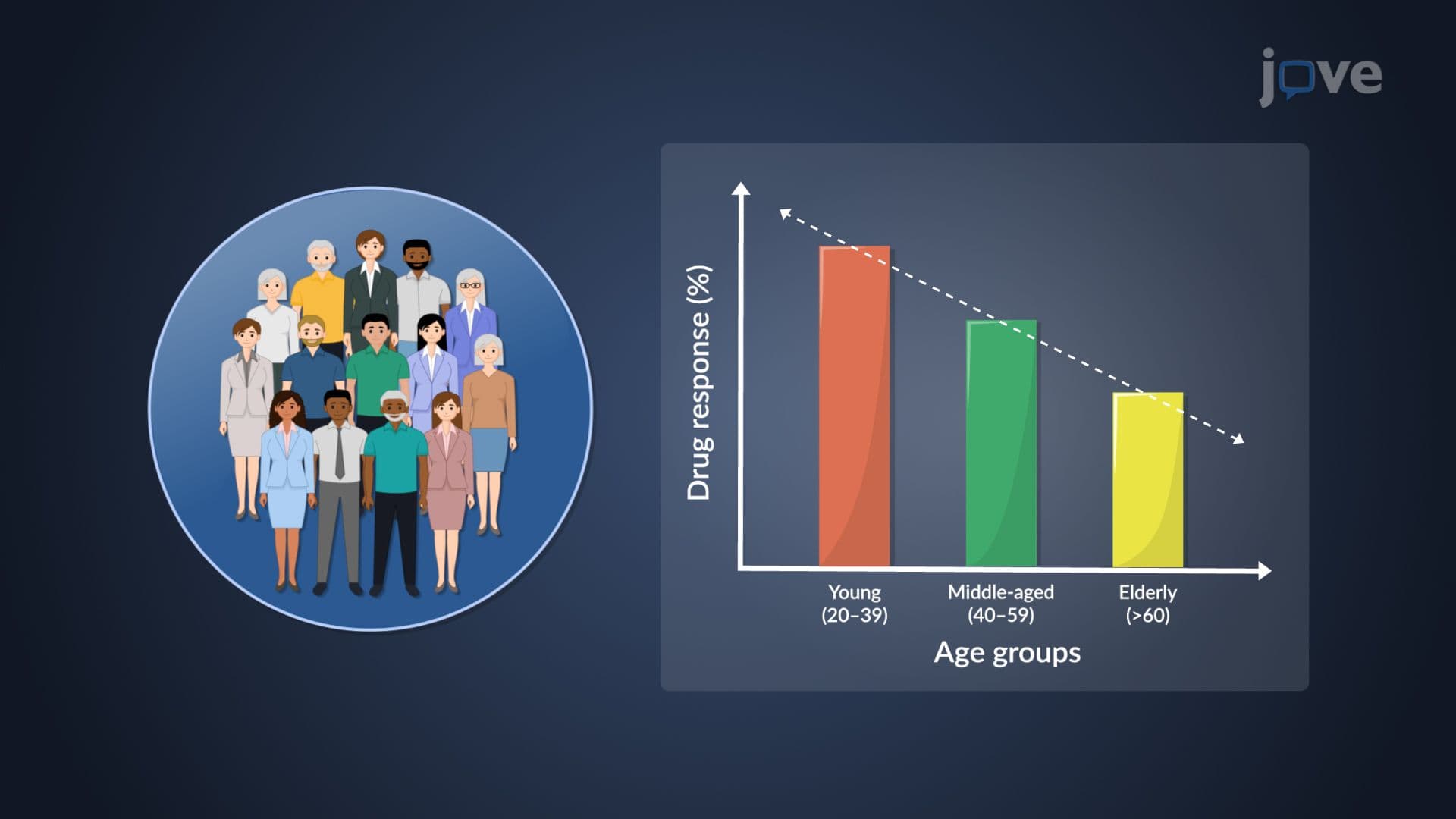
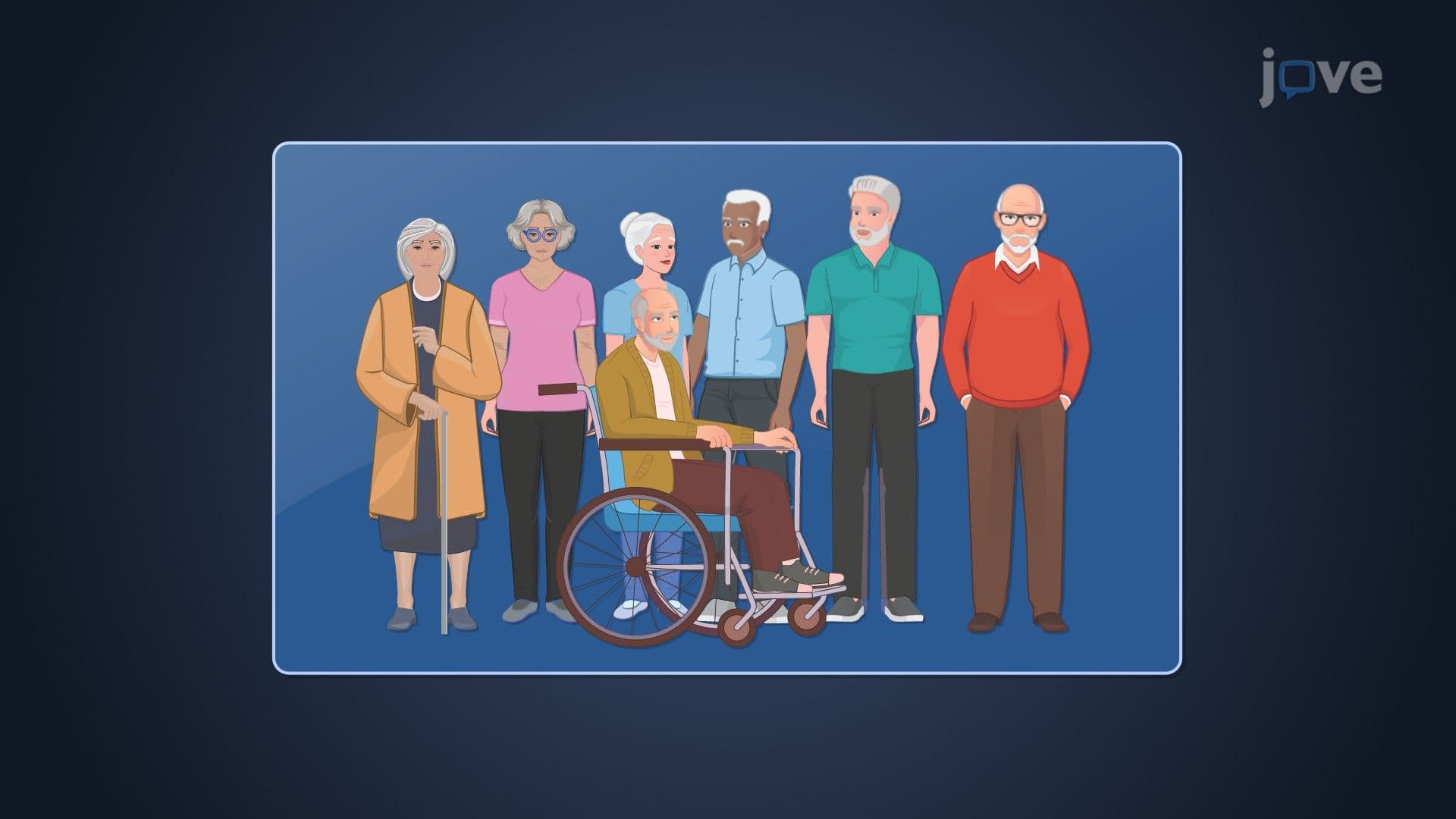
Drug dosing geriatric patients represents a specialized pharmaceutical approach recognizing that individuals aged 65 and older process medications differently than younger adults. This concept forms the foundation of geriatric pharmacology, a critical component in nursing programs at institutions like Johns Hopkins and pharmacy curricula at USC. The geriatric population experiences predictable physiological changes that directly impact how medications are absorbed, distributed, metabolized, and eliminated from the body.
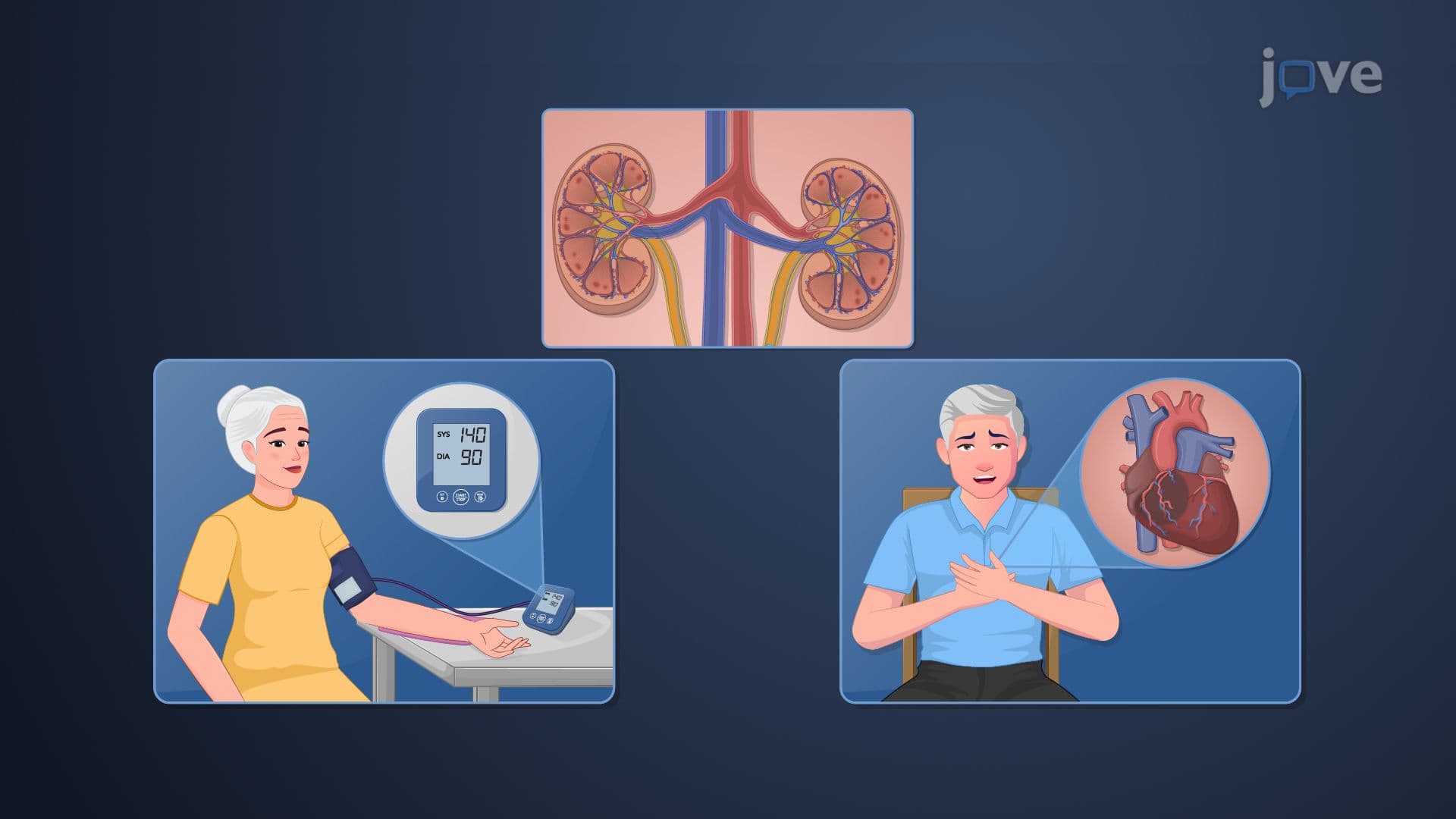
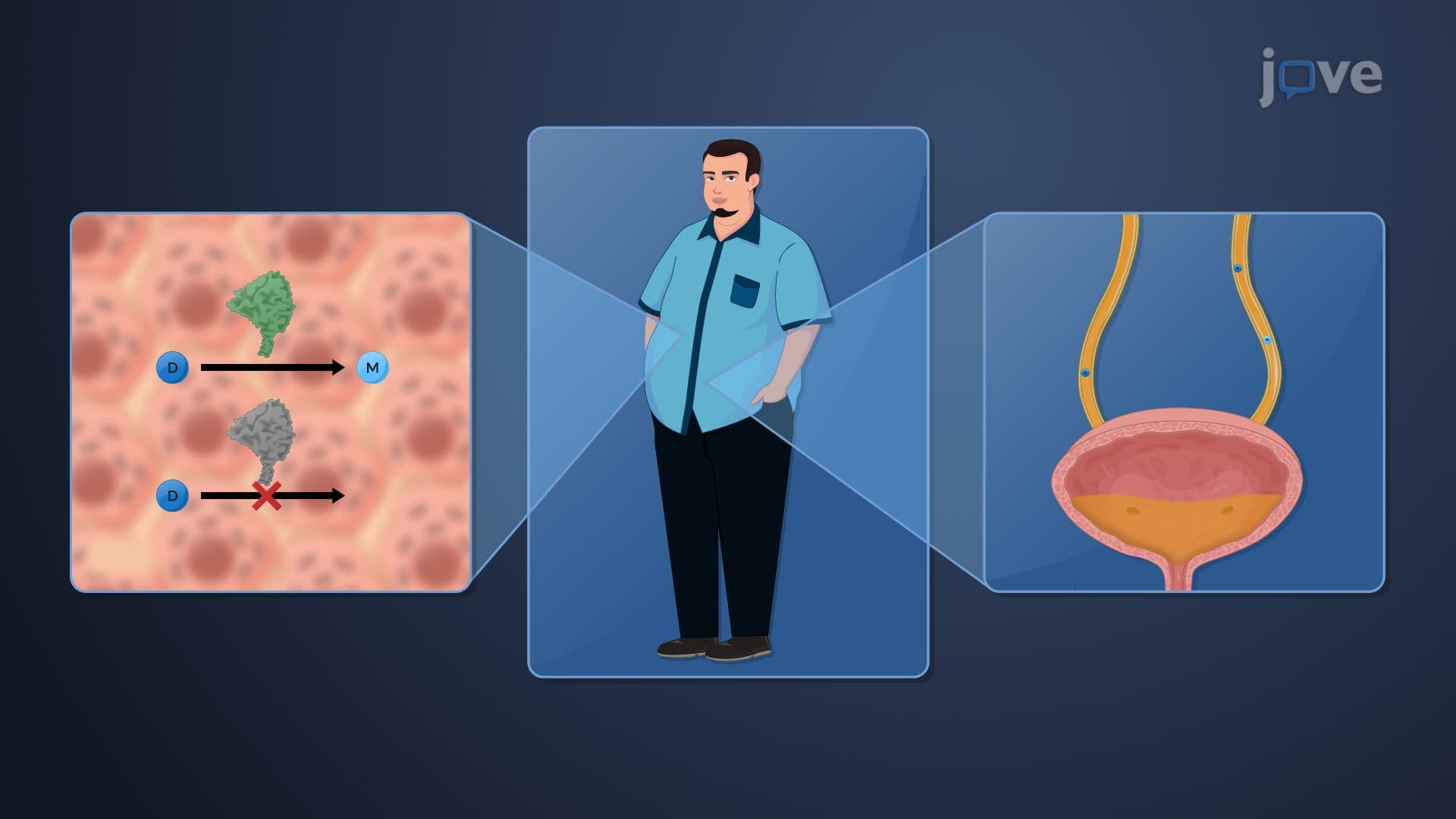
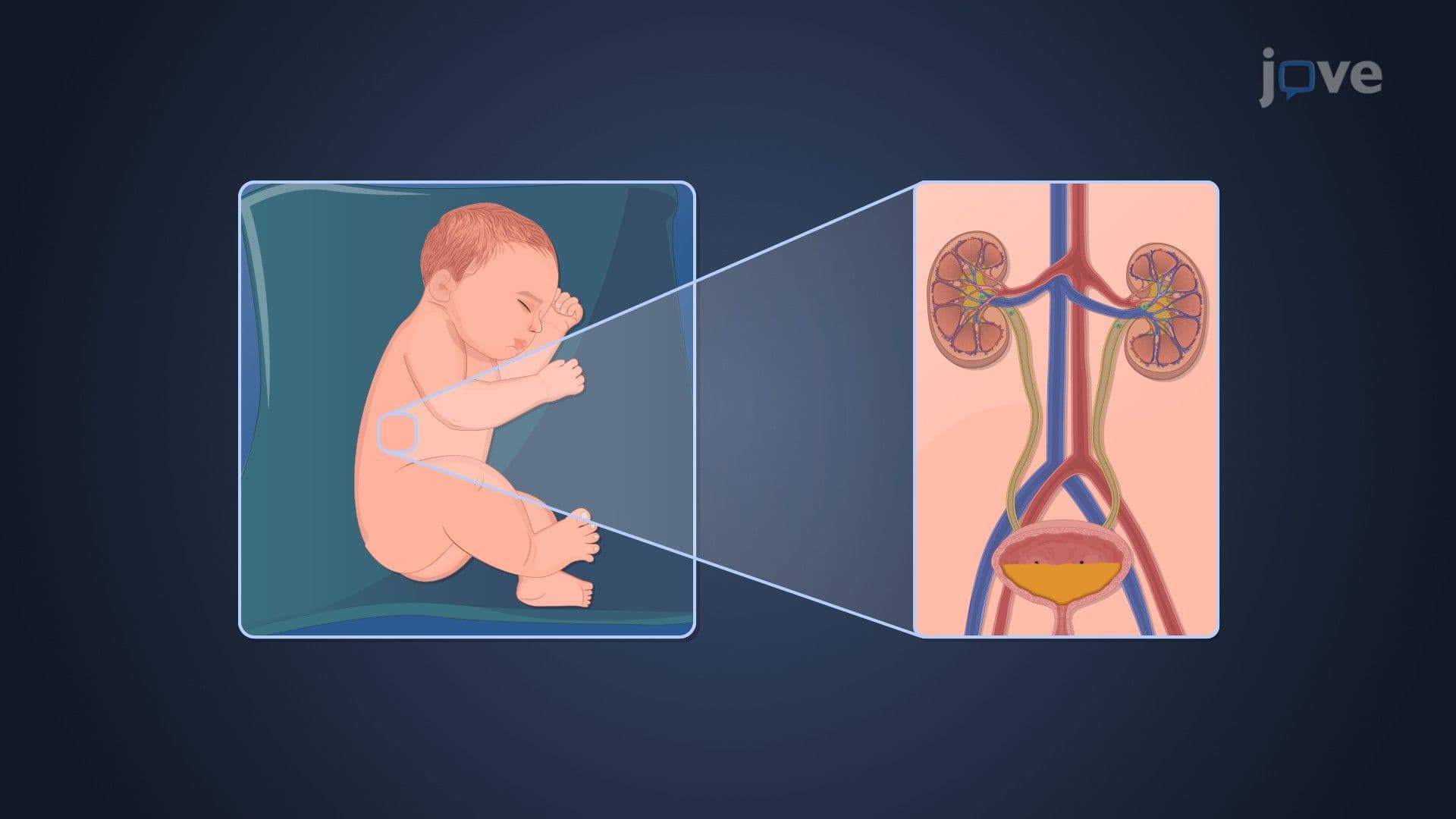
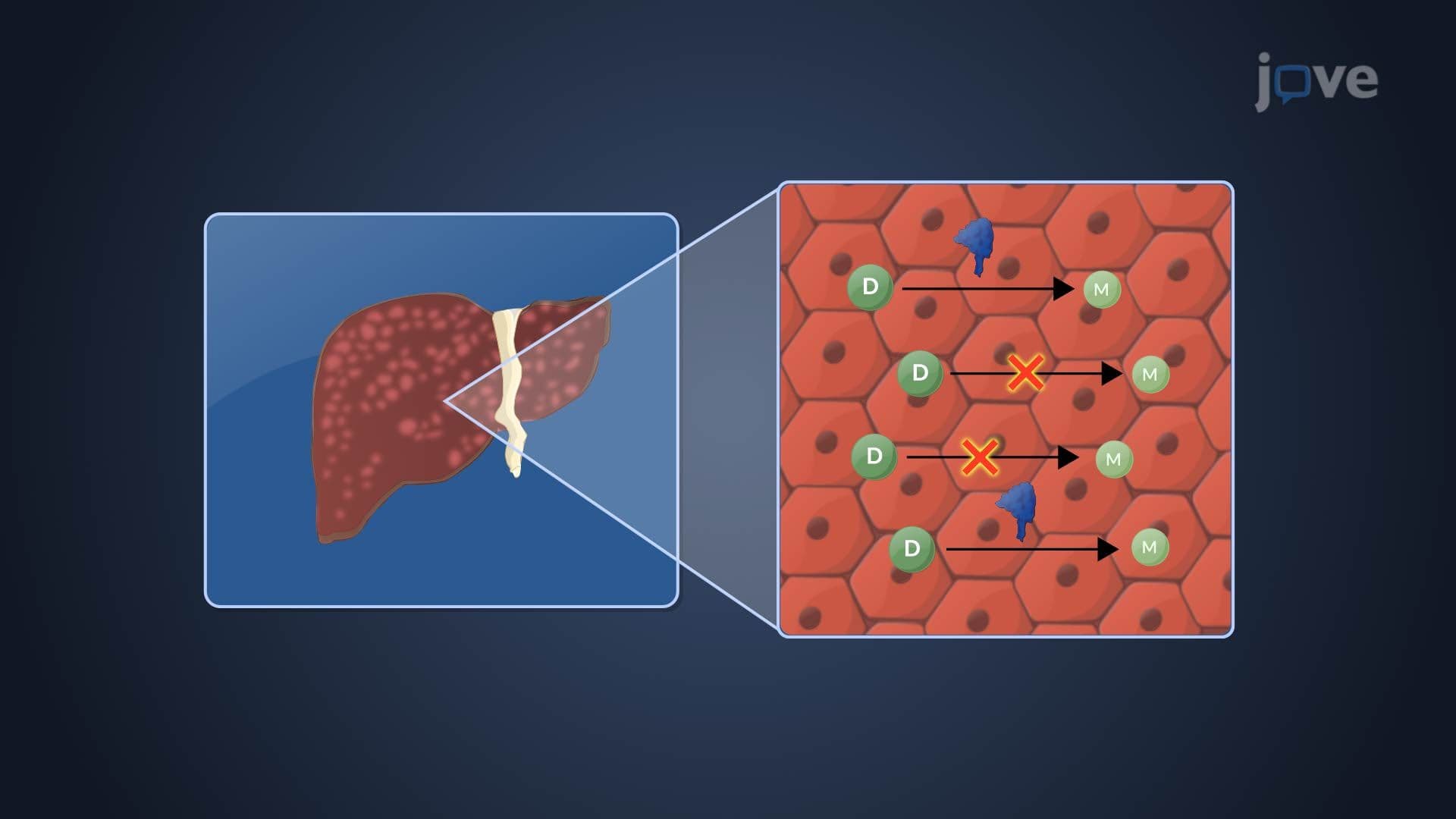
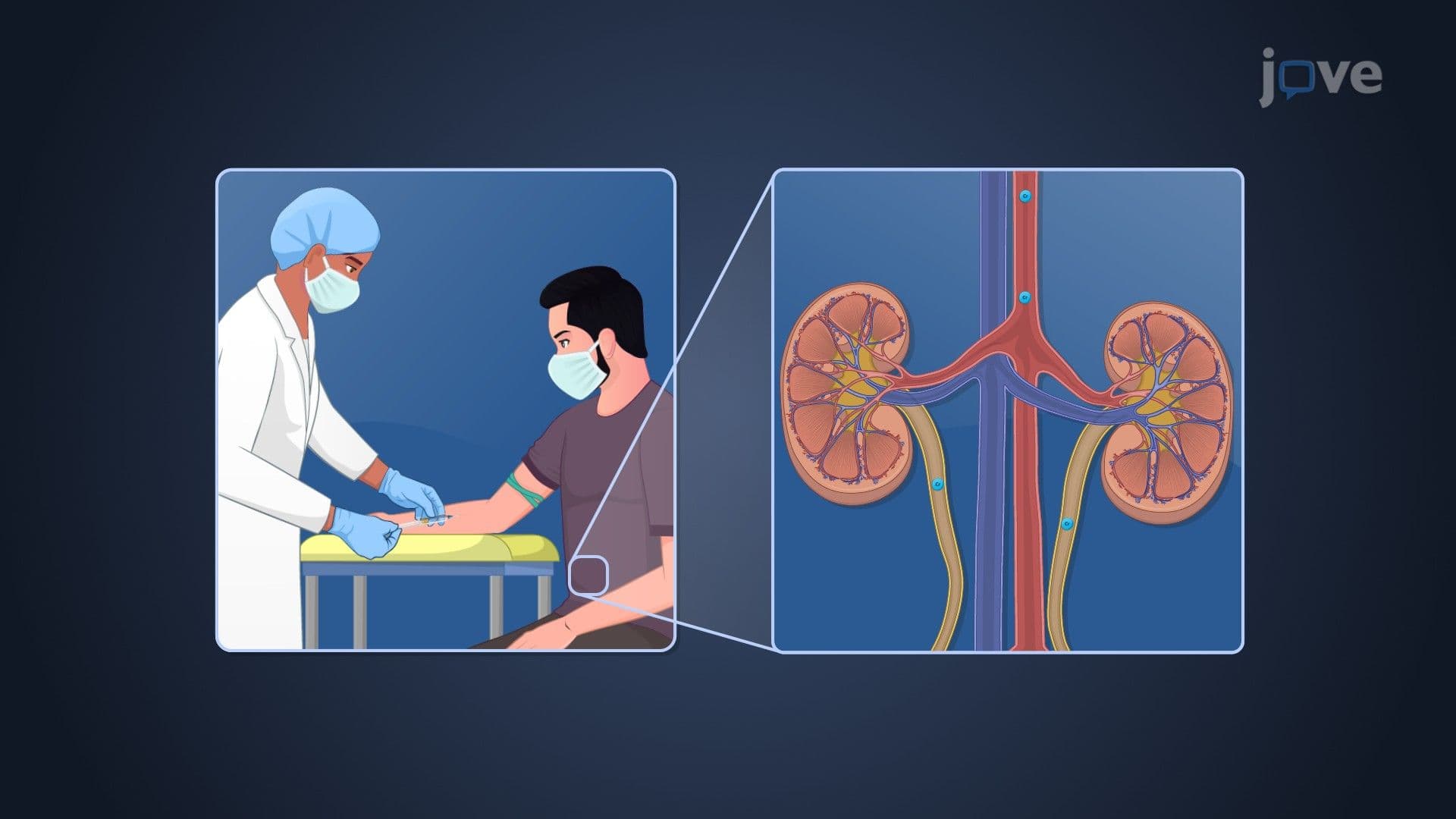
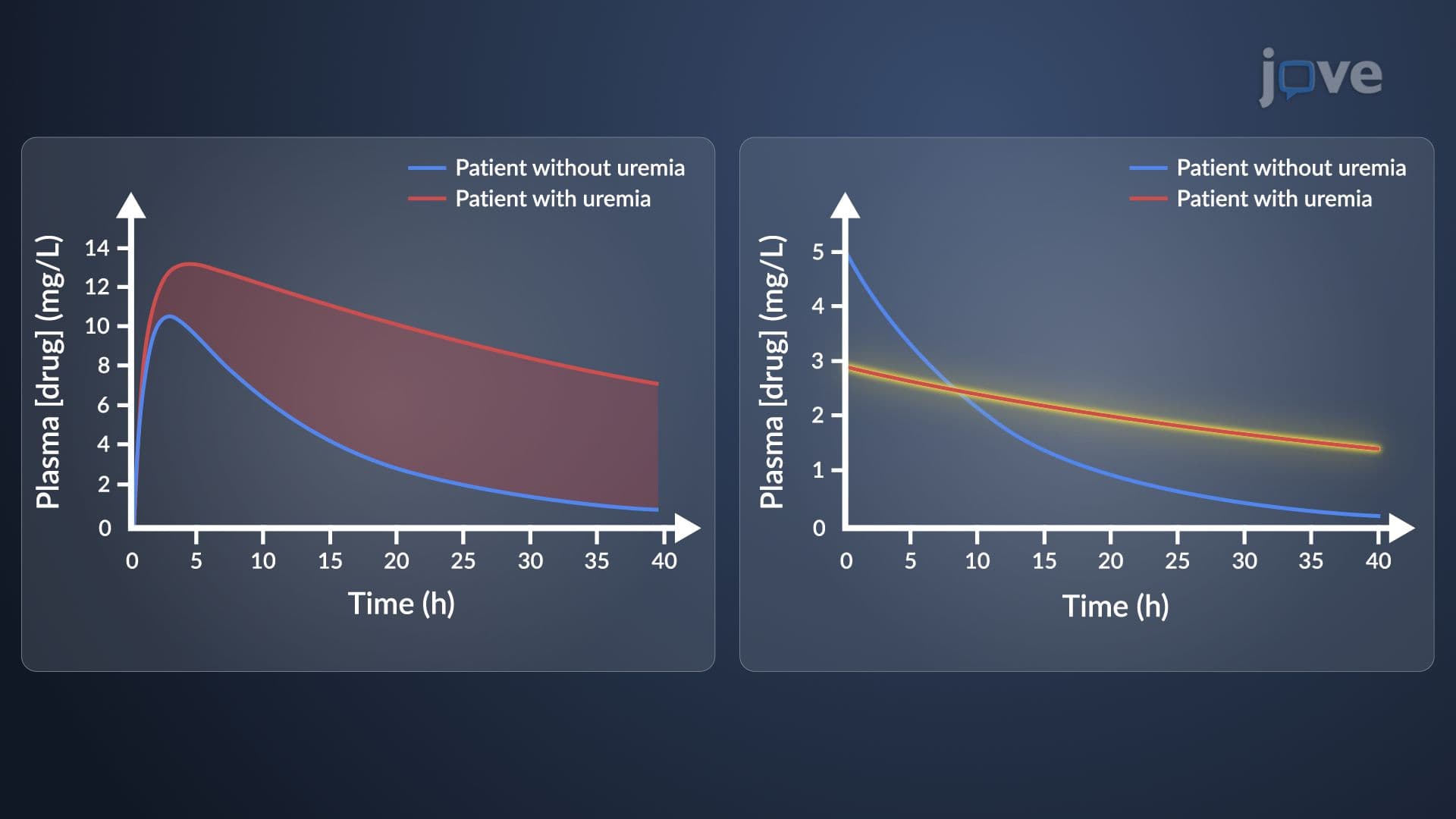
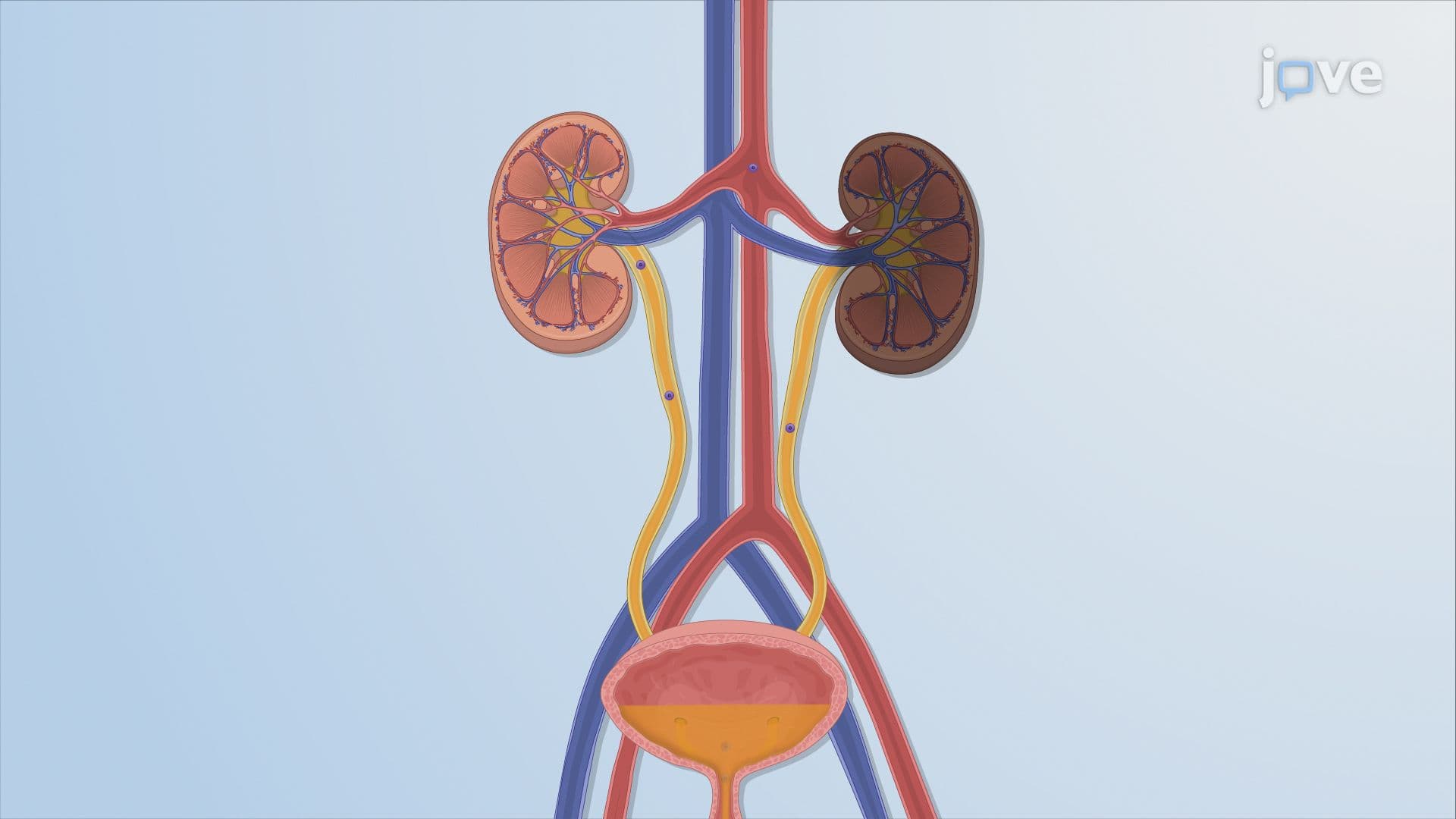
The aging process creates several key changes that necessitate modified drug dosing approaches. Renal plasma flow decreases by approximately 1% per year after age 40, while glomerular filtration rate similarly declines. At Massachusetts General Hospital, pharmacists routinely calculate creatinine clearance for patients over 65 before prescribing medications like metformin or ACE inhibitors. Cardiac output reduction affects drug delivery to target organs, while decreased breathing capacity influences inhaled medication effectiveness.
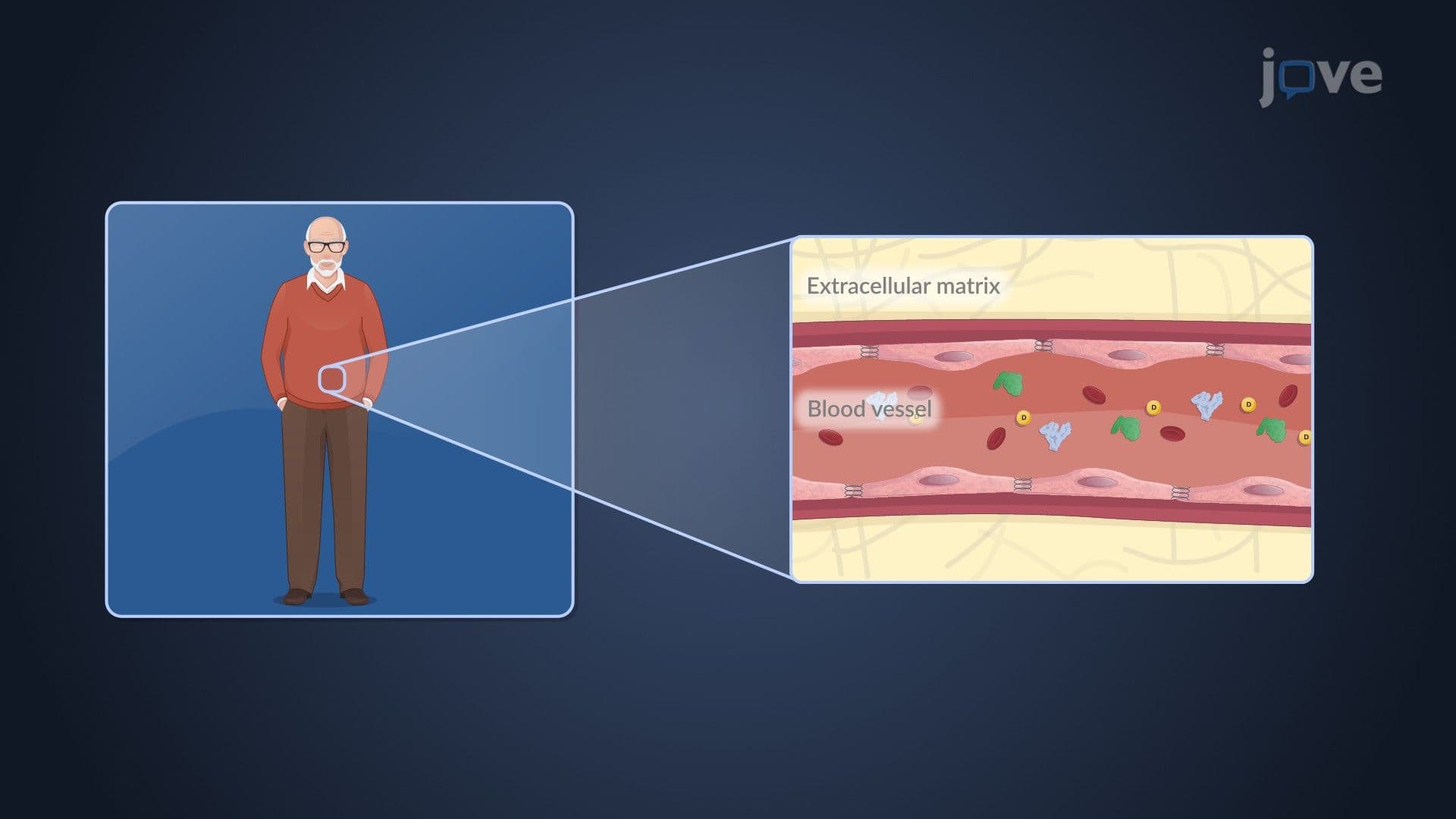
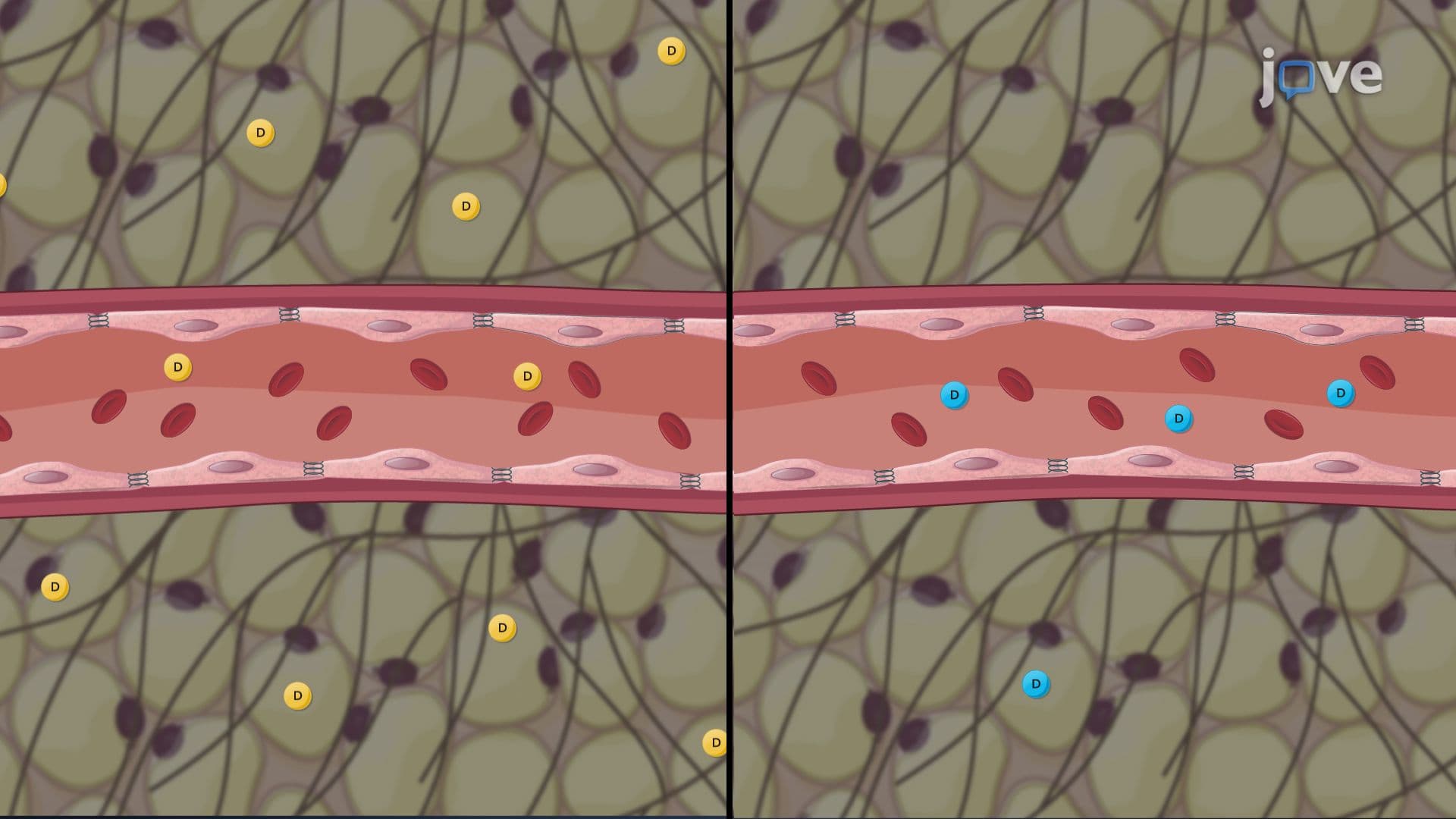
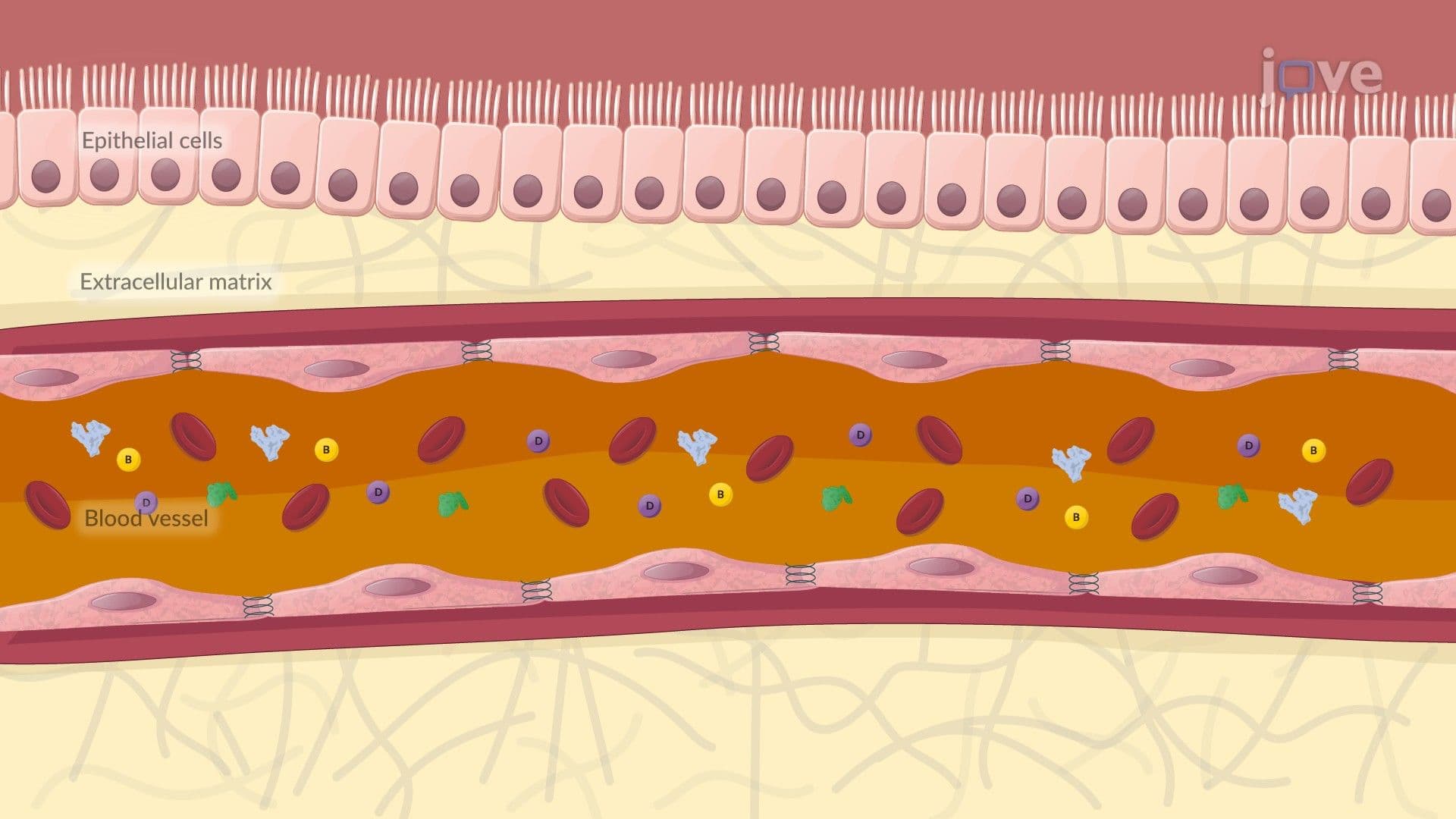
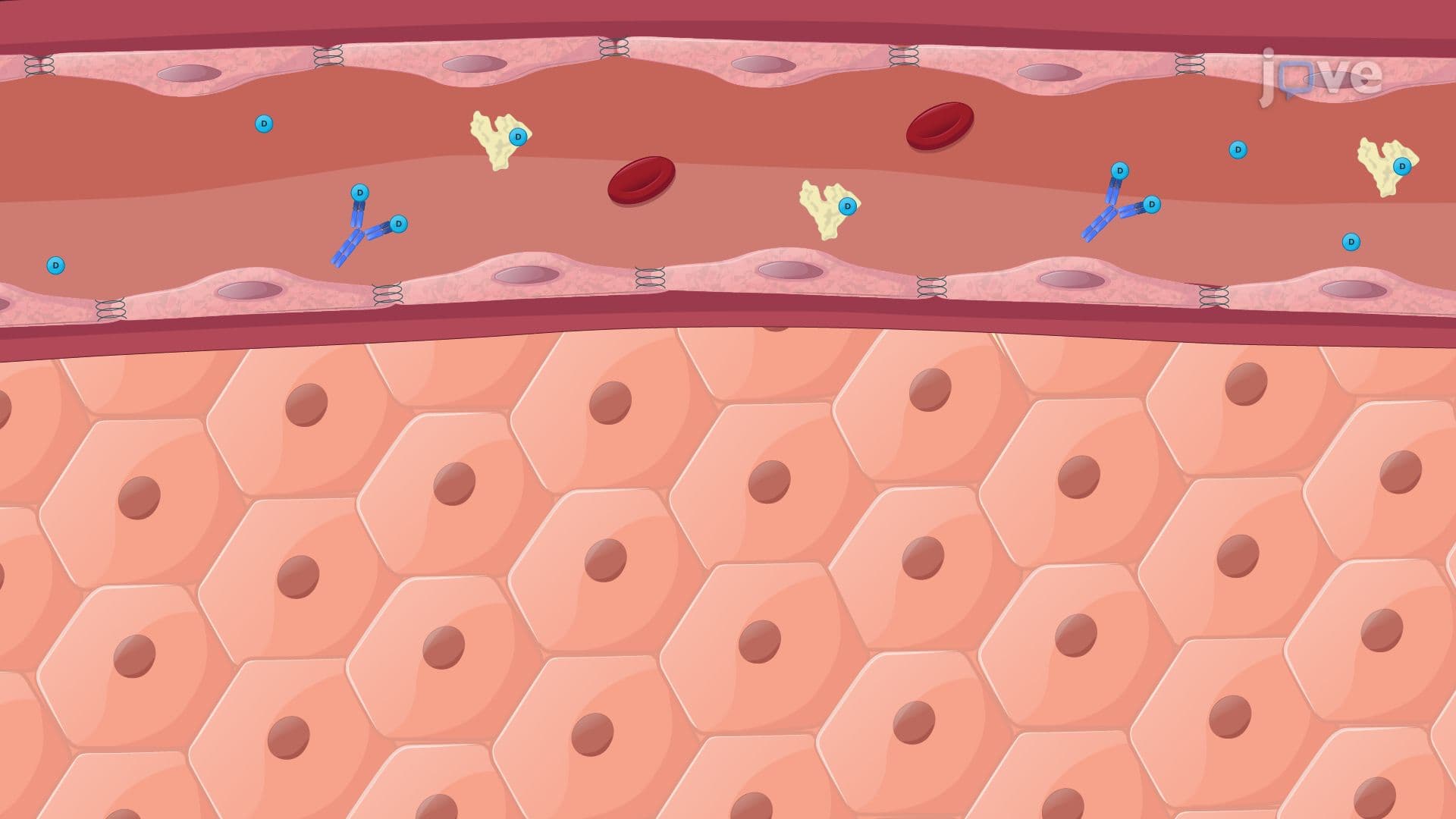
Body composition changes significantly impact drug distribution patterns. Elderly patients typically exhibit 10-15% decreased lean body mass and 20-40% increased body fat percentage. Water-soluble drugs like digoxin show reduced distribution volumes, potentially leading to higher plasma concentrations at standard doses. Conversely, lipid-soluble medications like benzodiazepines demonstrate increased distribution, prolonging their effects and creating accumulation risks.
Healthcare providers at Cleveland Clinic implement specific protocols for geriatric drug dosing, often starting with 25-50% of standard adult doses for renally-eliminated medications. The "start low, go slow" principle guides medication initiation, particularly for cardiovascular drugs, pain medications, and psychiatric medications. For MCAT preparation, students must understand that drugs like warfarin require more frequent monitoring in elderly patients due to altered metabolism and increased bleeding risks.
Polypharmacy concerns become paramount when managing geriatric patients who average 5-7 prescription medications. Drug interactions multiply exponentially with each additional medication, creating scenarios where drug dosing geriatric patients requires comprehensive medication reconciliation and interaction screening tools used in electronic health records systems like Epic and Cerner.
Emergency departments across the United States report that medication-related adverse events cause approximately 125,000 hospitalizations annually in patients over 65. Understanding proper geriatric dosing principles helps prevent these preventable admissions. College students preparing for health professional programs should recognize that geriatric pharmacology concepts appear frequently on MCAT biology sections, NCLEX-RN examinations, and pharmacy school admission tests.
Related Micro-courses